Most people think of Nevada and picture flat desert, neon lights, and slot machines. But tucked away in the northeastern corner of the state, there is a place that looks like it was borrowed from a completely different part of the country.
Granite peaks rise thousands of feet above a lush green valley, wildflowers blanket the meadows, and crystal-clear streams cut through the canyon floor. This is not a rumor or a travel blogger exaggeration.
Lamoille Canyon in the Ruby Mountains is the kind of place that makes you stop your car, get out, and just stare. Whether you are a seasoned hiker or someone who just wants a scenic drive, this canyon delivers something unforgettable at every turn.
Keep reading, because this hidden corner of Nevada deserves a spot on every travel list.
Where Exactly This Canyon Hides
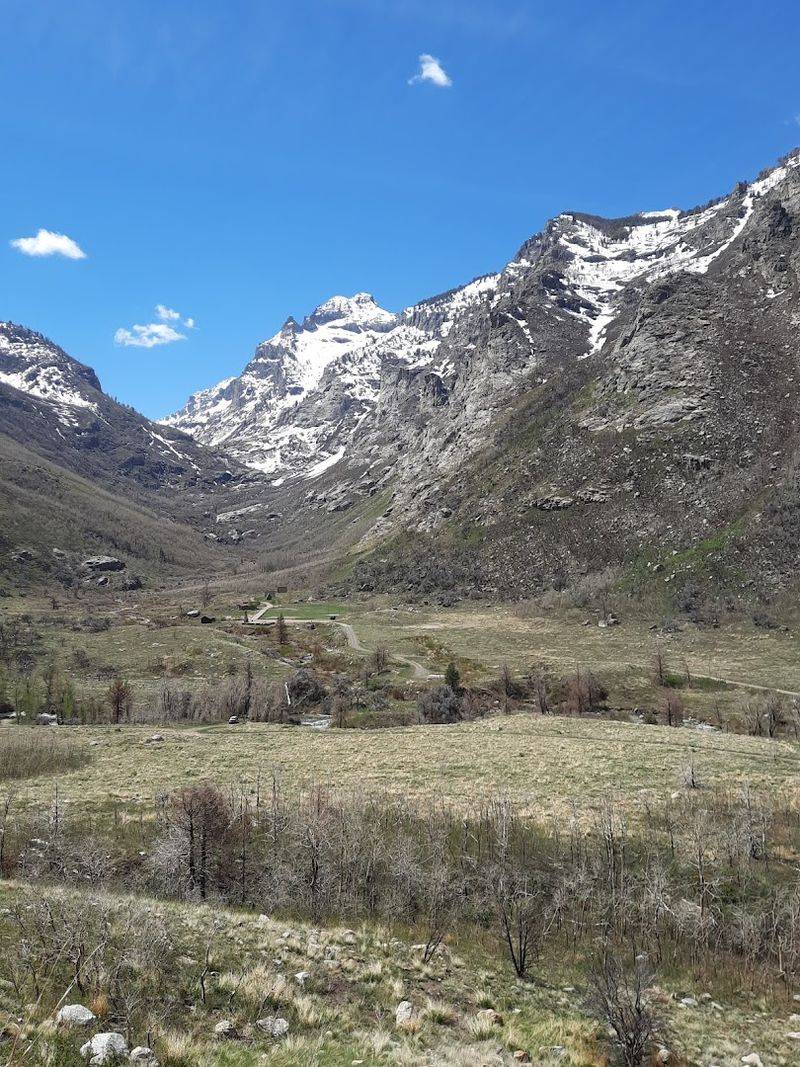
A lot of people are surprised to learn that Lamoille Canyon sits just 12 miles south of Elko, Nevada, deep within the Humboldt-Toiyabe National Forest.
The Ruby Mountains rise sharply here, reaching elevations above 11,000 feet, and the canyon road climbs steadily through one of the most dramatic landscapes in the entire Great Basin region.
Getting here is straightforward. From Elko, you simply head south on Nevada Route 227 and follow the signs toward Lamoille, a small ranching community that serves as the gateway to the canyon.
The drive itself starts to feel different the moment you leave the desert floor behind. Trees appear, the air cools, and the landscape transforms in a way that feels almost theatrical.
For anyone coming from Reno or Salt Lake City, the drive is long but absolutely worth every mile of the journey.
The Scenic Drive That Does All the Work
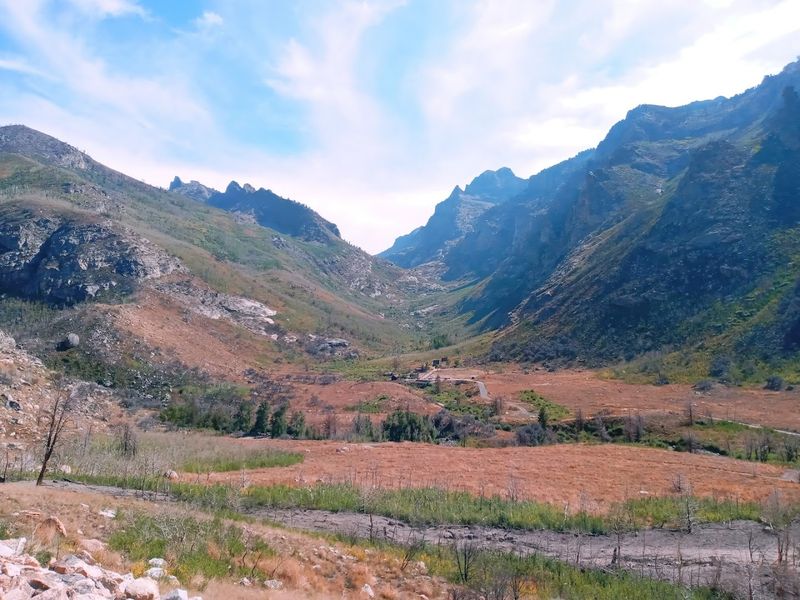
Not every great natural attraction requires lacing up hiking boots, and Lamoille Canyon proves that beautifully with its 12-mile scenic byway.
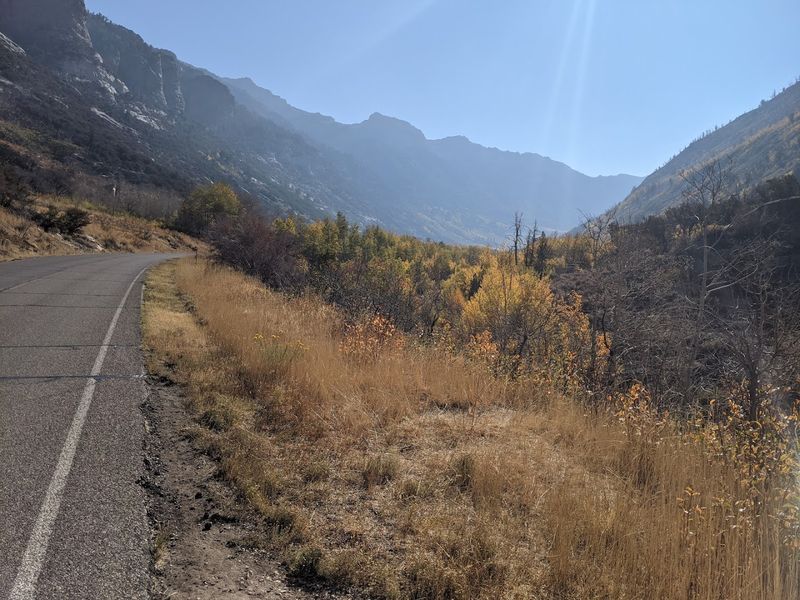
The road winds through the canyon, offering jaw-dropping views of sheer granite walls, cascading waterfalls during snowmelt season, and meadows so green they almost look fake.
The road ends at a trailhead near the top, but the journey itself is the main event for many visitors. Pullouts are scattered along the route, giving you plenty of chances to stop, breathe in the mountain air, and take photographs that your friends back home will not believe were taken in Nevada.
Snow-capped peaks are often visible even in midsummer, adding a dramatic contrast to the wildflower-covered slopes below.
Road conditions can vary by season, so checking with the Forest Service before a winter or early spring visit is a smart move that can save you a frustrating turnaround.
Hiking Trails for Every Level of Adventurer
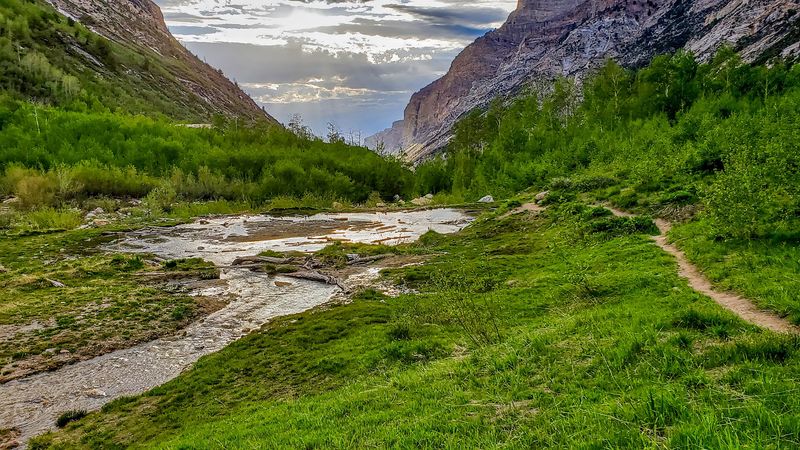
The trail system here is one of the biggest reasons people keep coming back, and the range of difficulty levels means nobody gets left out of the fun.
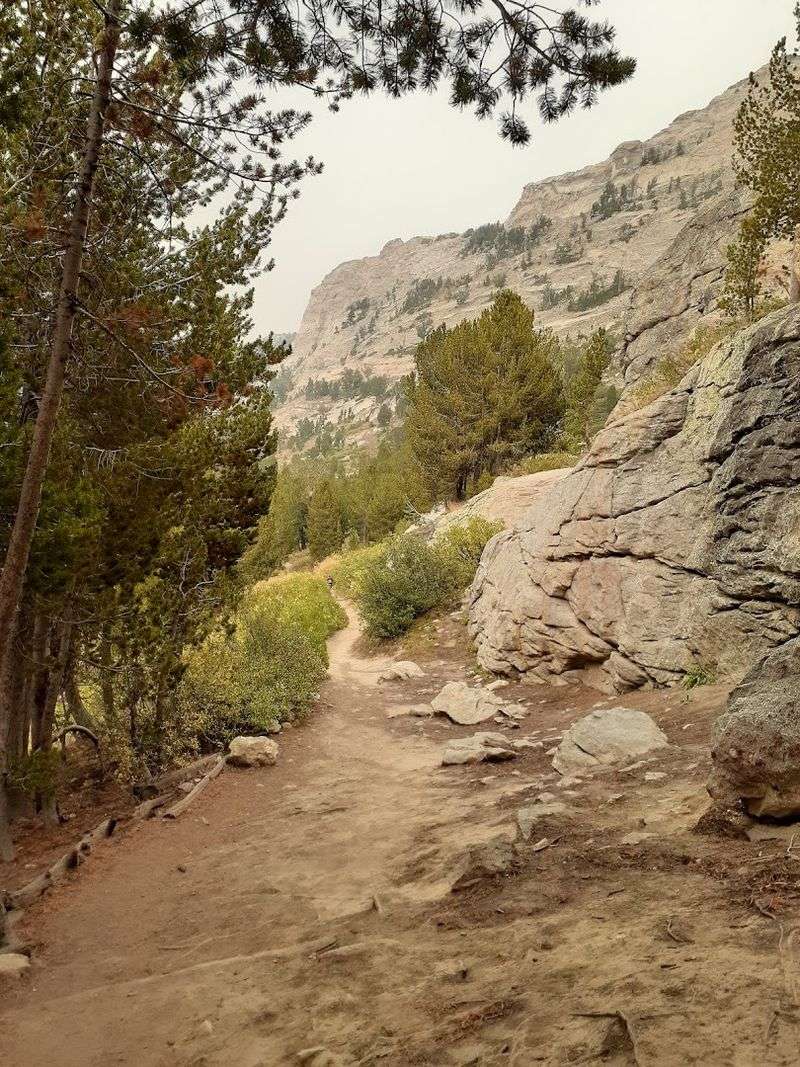
Shorter, relatively flat trails follow the canyon floor and are accessible even for families with young children or visitors who prefer a relaxed pace. The views along these easier routes are still spectacular, with rushing streams and towering walls framing every step.
For those who want a real challenge, the Ruby Crest Trail pushes up into serious alpine territory, rewarding determined hikers with sweeping panoramas and a genuine sense of accomplishment at the top.
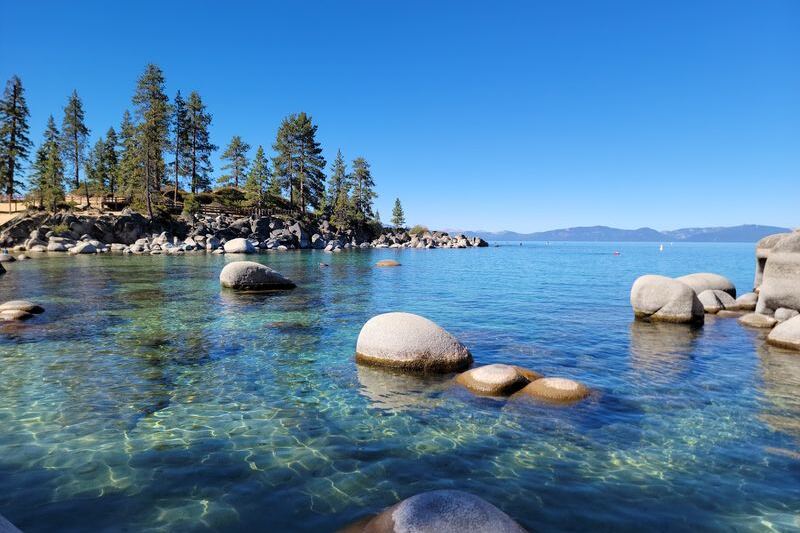
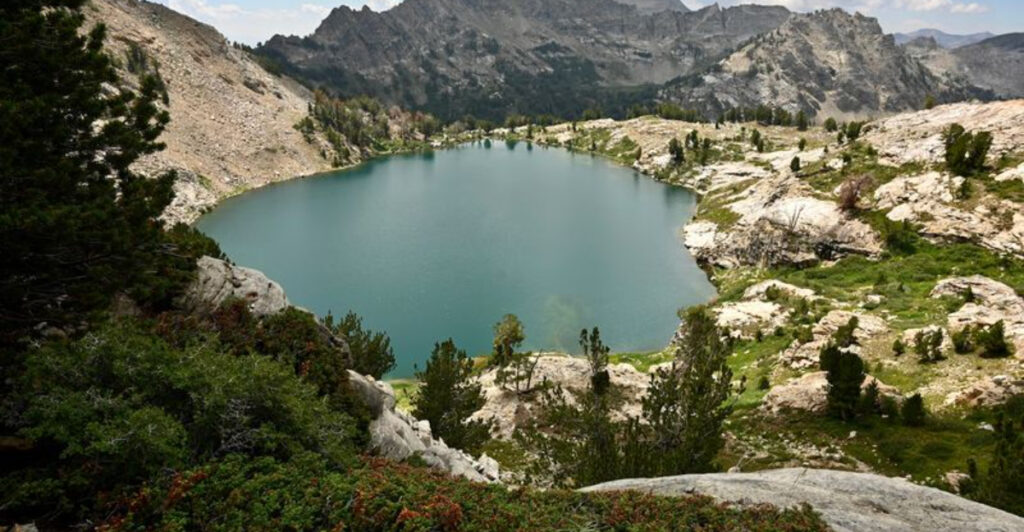
Some trails lead to hidden alpine lakes tucked into the high country, where the water runs a vivid turquoise that looks almost unreal.
No matter which trail you choose, the scenery shifts constantly, keeping the experience fresh and engaging from the first step to the last.
Waterfalls Fed by Snowmelt
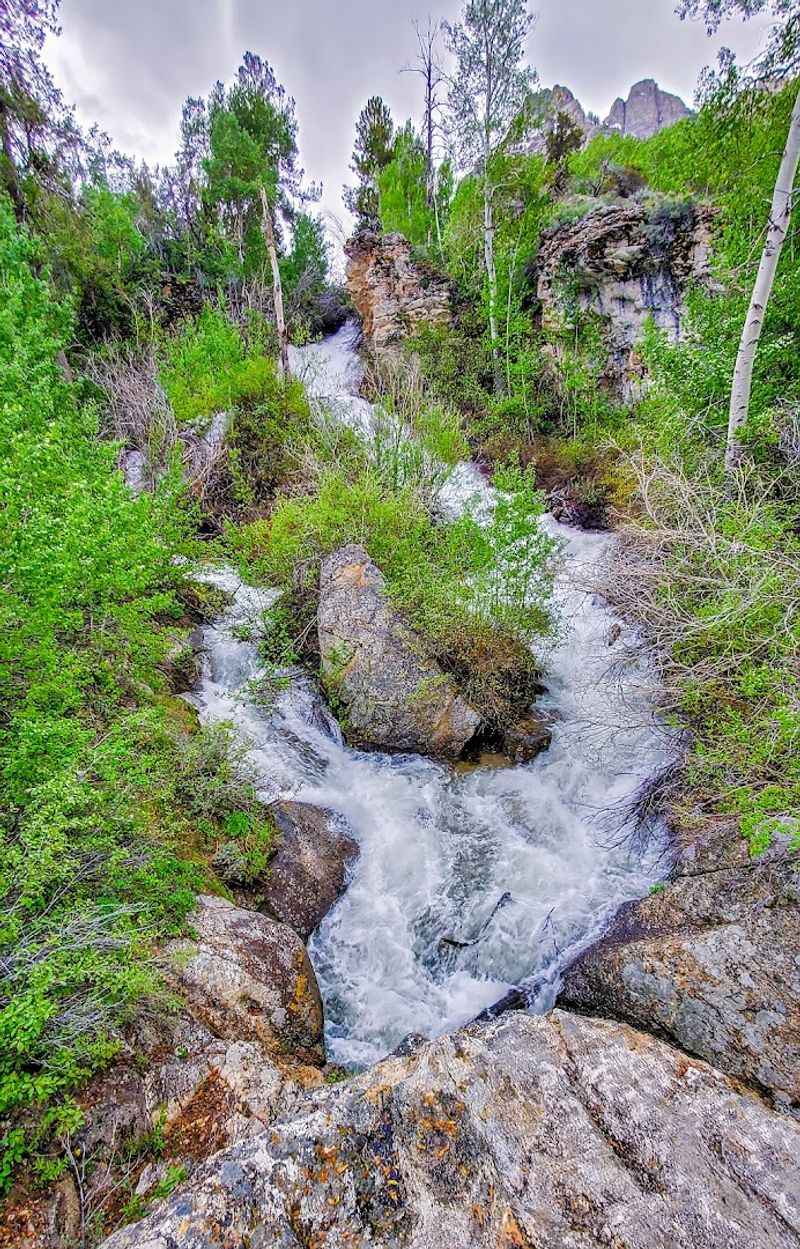
One of the most surprising things about visiting Lamoille Canyon in late spring is the sheer number of waterfalls that appear seemingly out of nowhere.
As the winter snowpack melts off the Ruby Mountains, water pours down the canyon walls from dozens of different points, creating a roaring, sparkling display that feels almost overwhelming in the best possible way.
Some of these falls are massive, tumbling hundreds of feet down sheer granite faces. Others are smaller and more delicate, threading through mossy rocks along the canyon floor where you can get close enough to feel the mist.
The sound alone is worth the visit. The constant rush of water fills the canyon with a deep, rolling soundtrack that makes the whole experience feel immersive and alive.
By midsummer, many of the falls quiet down as the snowpack depletes, which is one more reason that a late spring trip to this canyon hits differently than any other time of year.
Beaver Ponds and Wildlife Surprises
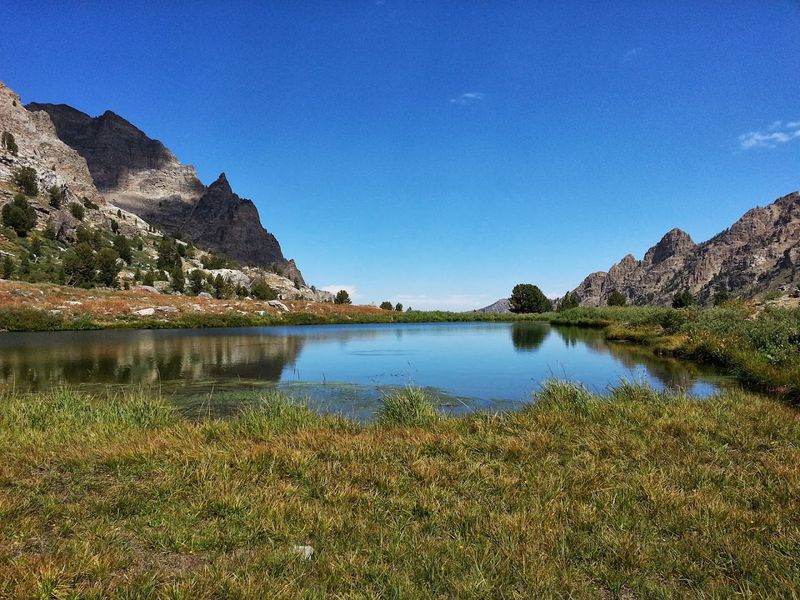
Wildlife watching in Lamoille Canyon is not something you have to work hard for, because the animals here tend to make themselves known without much effort on your part.
Beavers are among the canyon’s most industrious residents, and their handiwork is visible all along the valley floor. They dam up the streams and create small, mirror-still ponds that reflect the surrounding peaks and trees with stunning clarity.
Mountain goats have been spotted on the steep canyon walls, picking their way across terrain that looks completely impassable to anything without hooves. Mule deer are common in the meadows, especially during early morning and late afternoon hours.
Birds are everywhere, from hawks circling the ridgelines to smaller songbirds filling the trees with noise along the creek corridors.
The canyon’s relatively low visitor numbers compared to more famous parks mean that wildlife encounters here feel genuinely wild rather than staged or rehearsed.
Camping Under a Sky Full of Stars
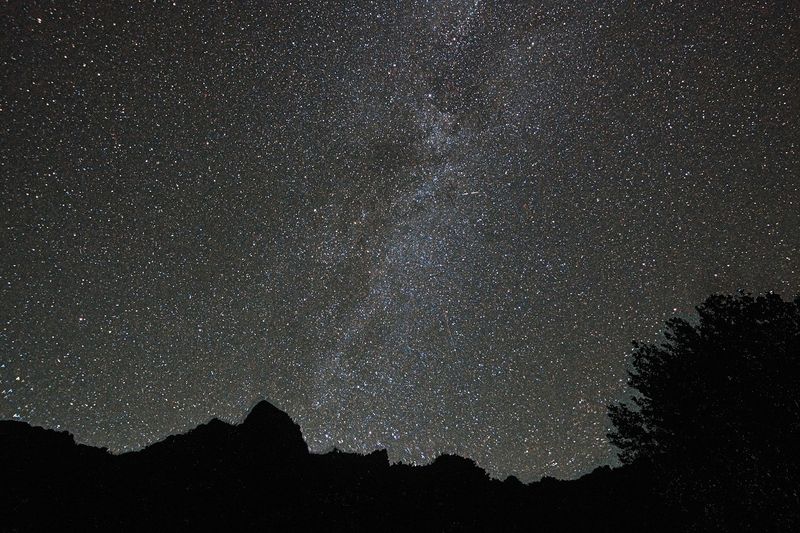
Spending a night inside Lamoille Canyon is a completely different experience from just passing through on a day trip, and the campgrounds here make it easy to stay awhile.
Thomas Canyon Campground is the most well-known option, nestled among the trees near a rushing stream and offering a quiet, shaded setting that feels far removed from the rest of the world.
The sound of the creek running nearby is a constant companion, and at night, the lack of light pollution turns the sky into something extraordinary. The Milky Way stretches overhead with a clarity that is genuinely hard to find in most parts of the country.
Primitive camping options also exist for those who want even more solitude and a deeper connection with the backcountry.
Mornings in the canyon arrive cool and crisp even in summer, and waking up surrounded by those granite walls with a hot cup of coffee is one of those simple experiences that stays with you for a long time.
Fall Colors That Rival Any New England Scene
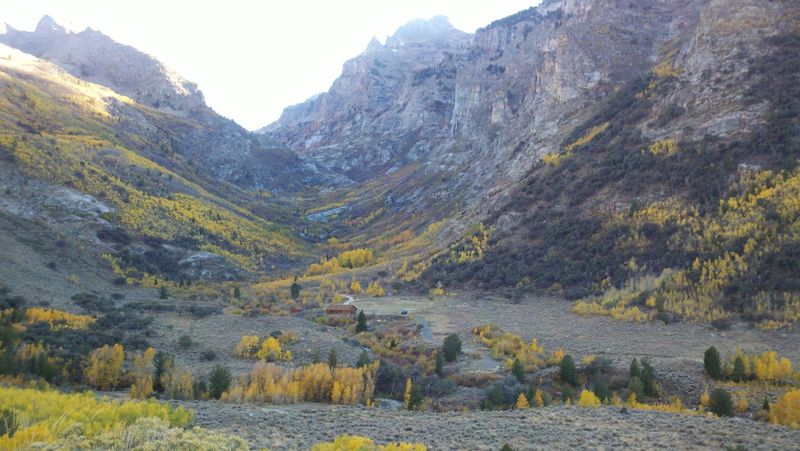
The canyon in autumn is a revelation that catches most first-time fall visitors completely off guard.
Aspen trees line the valley floor and lower slopes, and when they turn in late September and early October, they go a rich, burning gold that lights up the entire canyon. The contrast between the yellow aspens, the dark green pines, and the bare grey granite above creates a color palette that feels almost too vivid to be real.
The cooler temperatures of fall also make hiking much more comfortable than the warmer summer months, and the trails tend to be quieter, giving the canyon a peaceful, almost contemplative quality.
Some areas may have restricted access depending on conditions, so checking current road and trail status before visiting in October is always a practical step.
Fall photography here produces the kind of images that make people genuinely question whether the shots were taken in Nevada or somewhere in Vermont.
Alpine Lakes Hidden in the High Country
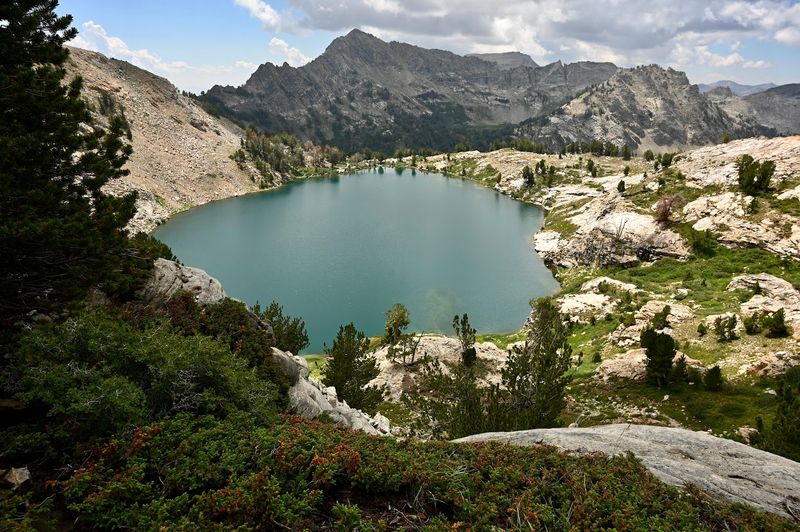
Getting to the alpine lakes above Lamoille Canyon requires some effort, but the payoff is the kind of scenery that makes every uphill step feel completely justified.
Several lakes are tucked into the high country above the canyon, accessible by trail and sitting in rocky basins carved out by ancient glaciers. The water in these lakes runs a vivid, almost tropical shade of turquoise or deep blue, fed by snowmelt and cold underground springs.
Swimming is possible during the warmer months, though the water temperature will remind you very quickly that you are at high elevation. Some visitors have found patches of snow lingering around the lake edges even in July, which adds a surreal quality to the whole experience.
Fishing is another draw, with some of the lakes supporting trout populations for those who pack in a rod.
The silence up there is remarkable, broken only by wind and the occasional call of a bird passing overhead.
Winter Visits and What to Expect
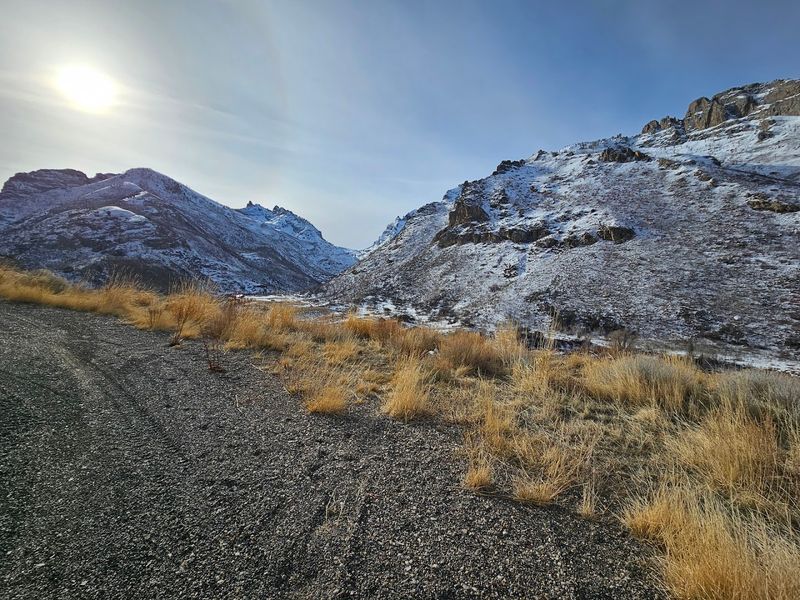
Winter transforms Lamoille Canyon into a completely different world, one that is quieter, more dramatic, and genuinely beautiful in a stark, cold way.
Snow piles deep on the canyon floor and clings to the granite walls, and the creek runs dark against the white landscape. The road into the canyon can become icy and treacherous, and sections may close entirely due to avalanche risk, so winter visits require careful planning and a healthy respect for mountain conditions.
Snowshoeing and cross-country skiing are popular activities for those equipped to handle the conditions, and the canyon offers a solitude in winter that is almost impossible to find during the busier summer months.
Checking road closures with the Forest Service before heading out is not optional in winter. It is essential.
Those who do make it in safely are rewarded with a landscape that looks nothing like the Nevada most people think they know, all silence and snow and cold mountain air.
The Small Town of Lamoille Nearby
Just before the canyon road begins its climb into the Ruby Mountains, the tiny town of Lamoille sits quietly in the valley like something out of an old Western photograph.
The community is small, with a population that numbers in the hundreds, but it carries a genuine charm that complements the natural beauty surrounding it. Historic ranch properties and old stone buildings give the area a sense of deep-rooted history that goes back well over a century.
A few small local establishments in the area offer food and supplies, making Lamoille a practical stop before or after a canyon adventure.
The pastoral setting of green fields backed by towering mountain peaks is striking enough on its own, and many visitors spend a few minutes just driving the quiet roads around town before heading up into the canyon.
It is the kind of place that reminds you small towns still exist in America, unhurried and genuinely rooted in the land around them.
Tips for Planning Your Visit
A few practical details can make the difference between a smooth visit and a frustrating one, so arriving prepared is worth the extra ten minutes of planning.
The canyon is managed by the Humboldt-Toiyabe National Forest, and no entrance fee is required for a basic visit, which makes it an unusually accessible destination for a landscape of this quality.
Summer weekends can bring more traffic than the canyon’s narrow road comfortably handles, so weekday visits or early morning arrivals tend to offer a much more relaxed experience with better parking at the trailheads.
Cell service is limited or nonexistent inside the canyon, so downloading offline maps or picking up a paper trail map in Elko before heading out is a genuinely smart move.
Bringing layers is essential regardless of the season, because mountain weather shifts quickly and temperatures can drop sharply even on sunny summer afternoons when the canyon falls into shade.
Share this story