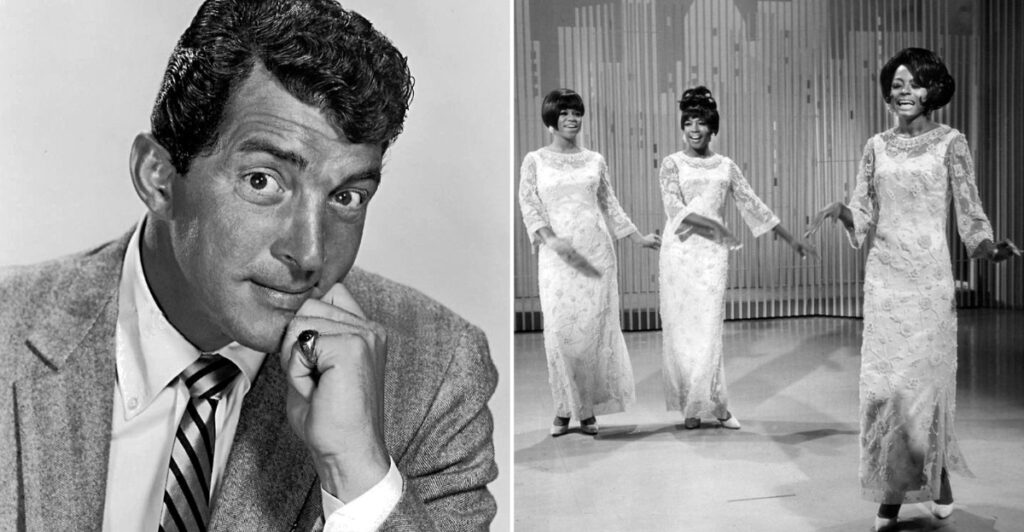
The summer of 1964 delivered one of the most unforgettable mixes of music in pop history. The British Invasion was exploding, Motown was dominating the charts, and surf rock still ruled beach radios across America.
From smooth harmonies to gritty rock anthems, the songs of that summer captured the energy and excitement of a rapidly changing music scene. These 13 tracks helped define what summer 1964 sounded like and why the season still holds a special place in music history.
1. A Hard Day’s Night by The Beatles
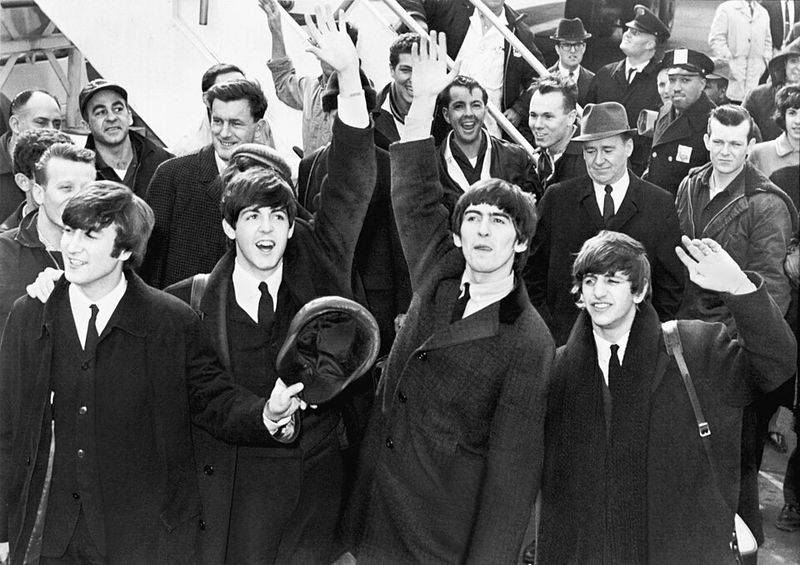
By the time August 1964 arrived, The Beatles had already rewritten the rules of American pop music, and this song was one of their sharpest weapons. Released as both a single and the title track of their debut film, it shot straight to number one on the Billboard Hot 100 the week of August 8, 1964.
The opening chord alone became one of the most recognized moments in rock history. Recorded in a single session, the song was written by John Lennon and completed in just one day to meet a film deadline.
Its driving rhythm and tight harmonies reflected the band at peak confidence. Beatlemania was not just a cultural trend by that summer; it was a full-scale transformation of youth music in America.
This track captured that shift in under three minutes.
2. Under the Boardwalk by The Drifters
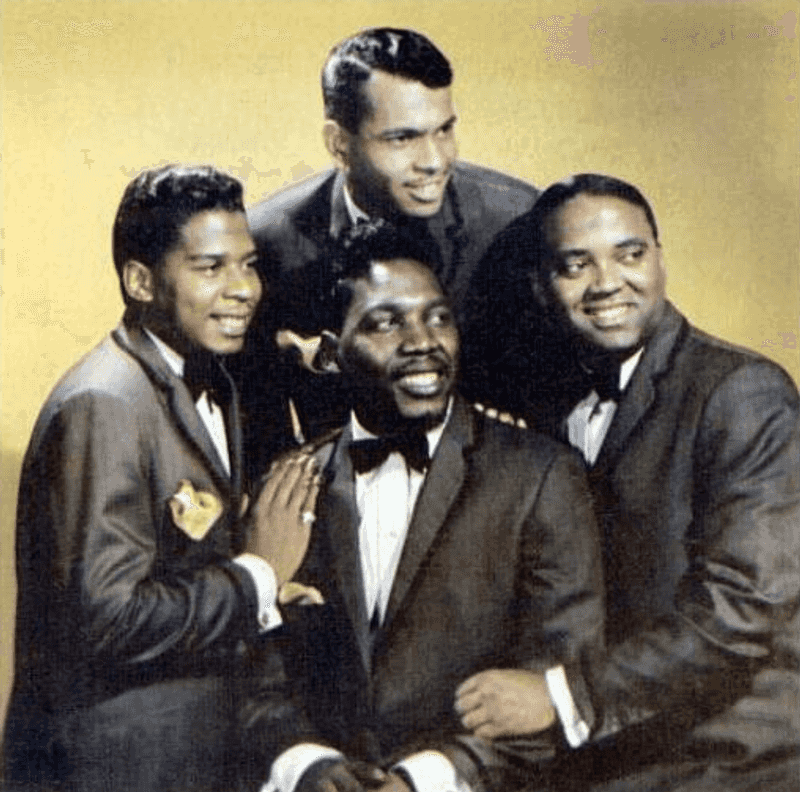
Released in June 1964, this track arrived under genuinely difficult circumstances. Lead singer Rudy Lewis passed away the night before the scheduled recording session, and Johnny Moore stepped in to deliver the vocals that would make the song a classic.
The Drifters had already built a strong reputation with Atlantic Records throughout the late 1950s and early 1960s, but this song became one of their most enduring entries. It peaked at number four on the Billboard Hot 100 and became a permanent fixture on summer radio.
The song’s production, handled by Bert Berns and arranged by Artie Butler, leaned into a relaxed, mid-tempo groove that felt custom-made for the season. Its lyrics painted a clear picture of escape from summer heat, which resonated immediately with listeners.
Decades later, it still appears on nearly every summer playlist compiled by music historians.
3. House of the Rising Sun by The Animals
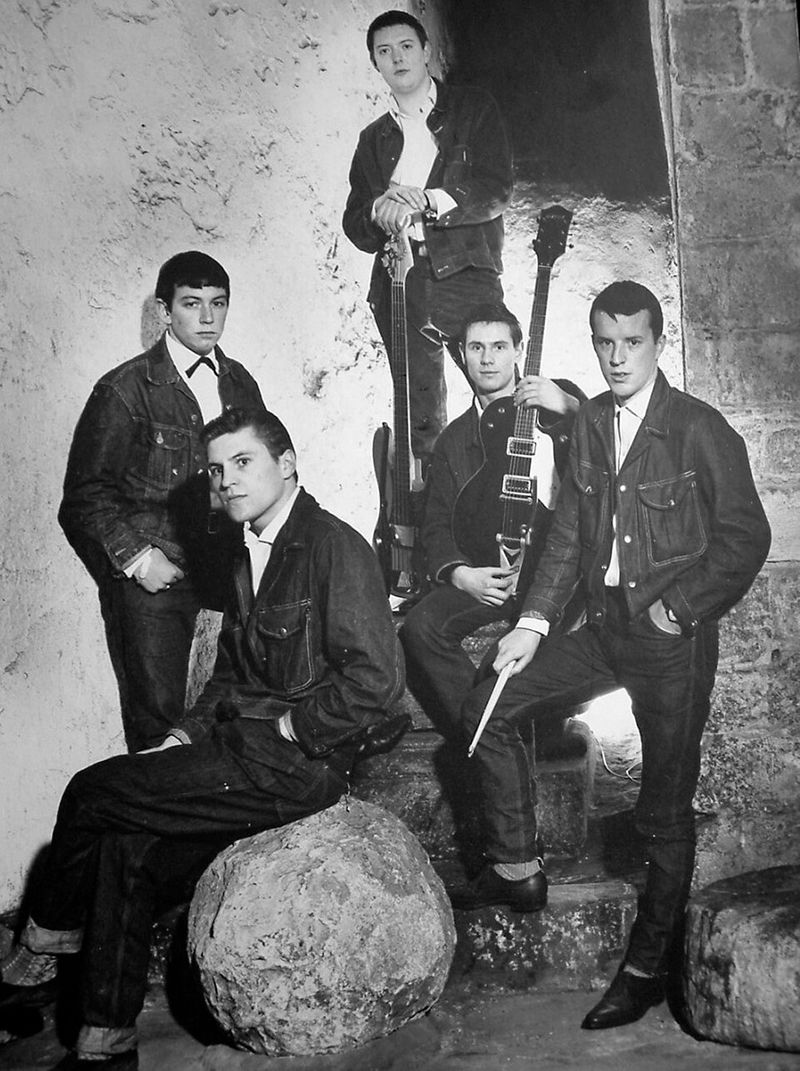
When The Animals released their version of this traditional folk song in the summer of 1964, it reached number one on the Billboard Hot 100 by September and became one of the most unexpected chart-toppers of the year. The band recorded it in a single take during a fifteen-minute session in London.
Alan Price’s organ arrangement gave the song a dramatic, almost cinematic structure that set it apart from anything else on the charts. Eric Burdon’s raw, powerful vocal delivery added intensity that polished pop productions of the era rarely attempted.
The song also marked a turning point in the British Invasion. Where The Beatles brought melody and charm, The Animals brought edge and grit.
It showed American audiences that British rock could go in multiple directions at once. For summer 1964, this track was the outlier that everyone kept returning to.
4. Where Did Our Love Go by The Supremes
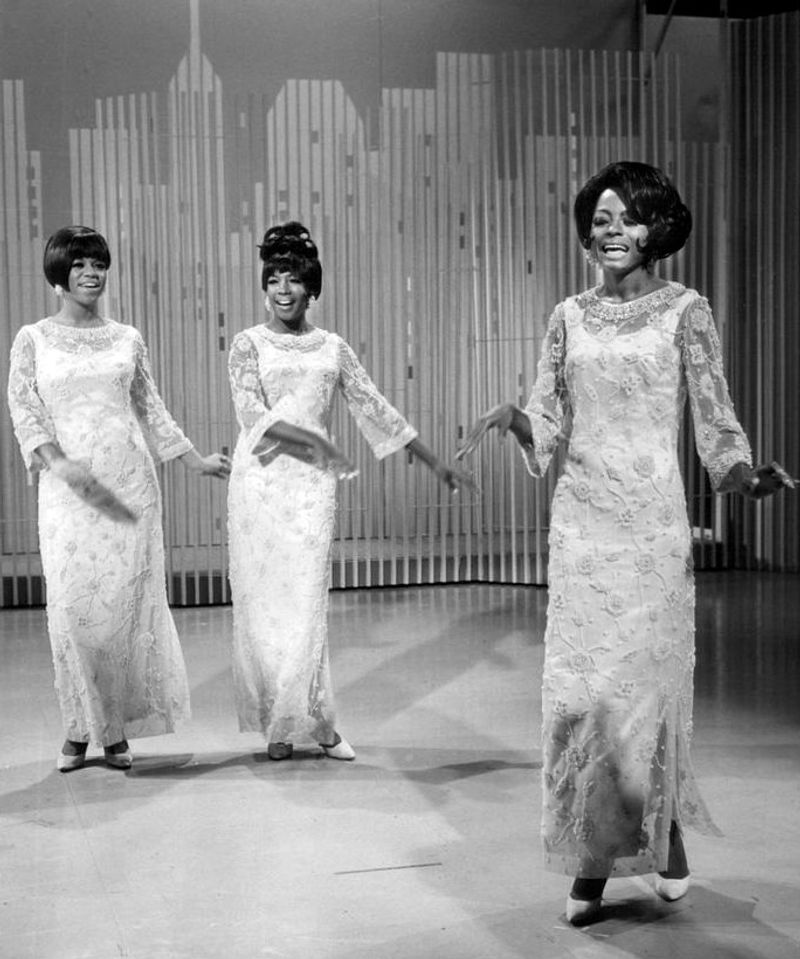
Before this song hit number one on August 22, 1964, The Supremes had released several singles that went largely unnoticed. That changed fast.
Written and produced by Holland-Dozier-Holland at Motown, the track introduced a minimalist pop formula that would define the label’s sound for years.
Diana Ross, Mary Wilson, and Florence Ballard delivered the kind of polished, effortless vocal performance that made the song feel both breezy and emotionally direct. It was the group’s first chart-topper and the start of a five-consecutive-number-one streak.
The production used a deliberately simple arrangement, including a stamping percussion effect that gave the song its distinctive pulse. Radio programmers loved it because it crossed multiple audience demographics without effort.
For anyone tuned into AM radio that summer, this song was practically inescapable from coast to coast.
5. Dancing in the Street by Martha and the Vandellas
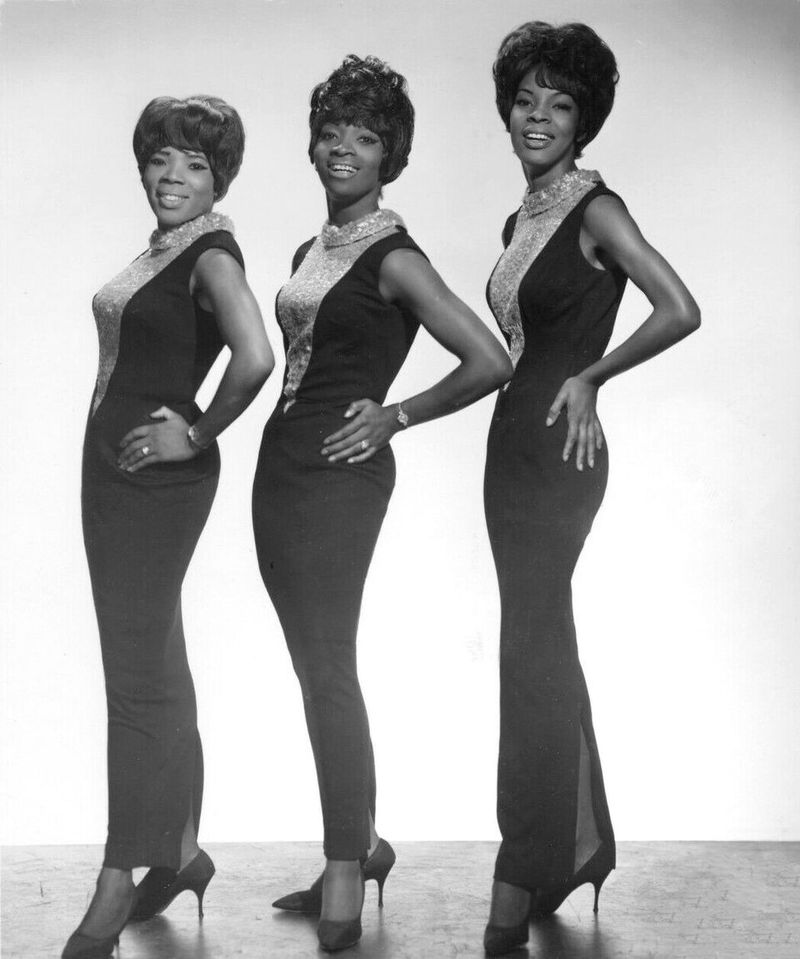
Co-written by Marvin Gaye, William Mickey Stevenson, and Ivy Jo Hunter, this track arrived in the summer of 1964 with a sense of urgency and movement that few songs could match. Martha Reeves and the Vandellas delivered a performance full of conviction, and Motown’s production team built a track around them that felt almost unstoppable.
The song peaked at number two on the Billboard Hot 100 and became one of the label’s signature releases of the year. It name-checked cities across America, which gave it a broad, inclusive energy that connected with listeners nationwide.
Over time, the song took on additional cultural significance as it was associated with themes of community and collective expression. In 1964, though, it was simply one of the most exciting tracks on the radio.
Its combination of brass, percussion, and vocal power made it a standout in a summer already packed with strong Motown releases.
6. Rag Doll by The Four Seasons
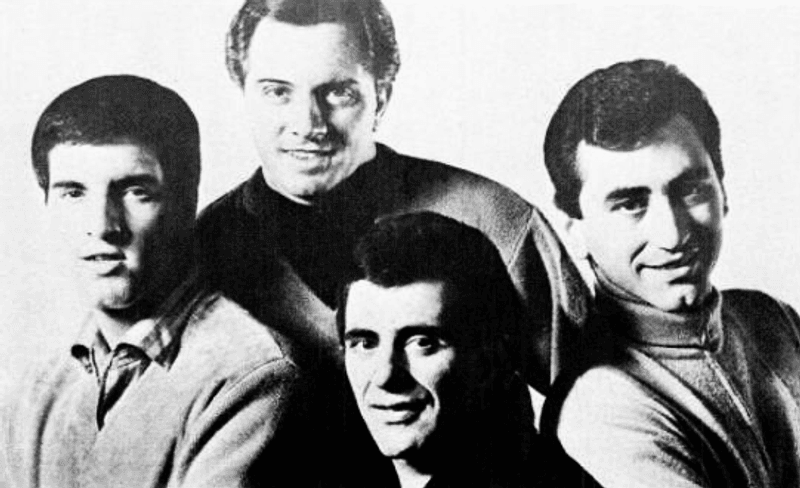
Frankie Valli’s falsetto was already well-known by 1964, but this song pushed it to a new level of mainstream popularity. Written by Bob Crewe and Bob Gaudio, Rag Doll spent two weeks at number one on the Billboard Hot 100 in July 1964, making it one of the summer’s dominant singles.
The song told a story about class difference and romantic longing, which gave it more emotional weight than a typical pop hit. Its layered vocal arrangement and tight production reflected the Four Seasons at their most commercially polished.
What made the track stand out in a summer crowded with British acts was its distinctly American sound. The group had been refining their formula since the early 1960s, and by mid-1964, they were one of the few domestic acts capable of competing directly with the Beatles on the charts.
This song proved it.
7. Everybody Loves Somebody by Dean Martin
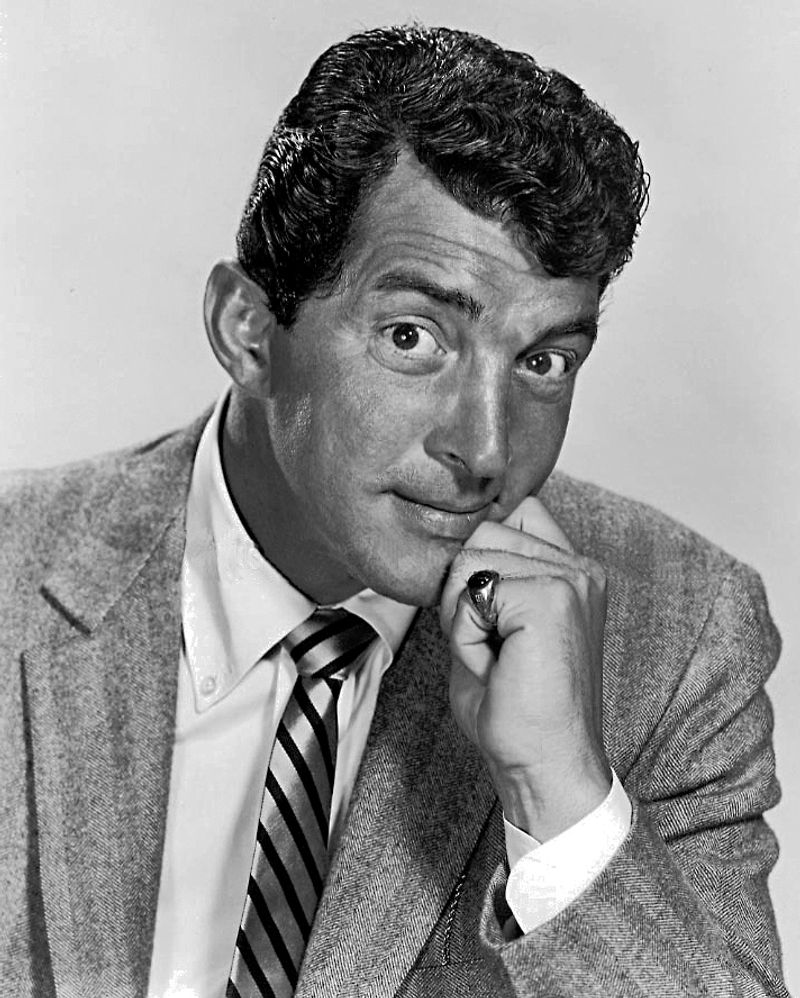
Few moments in the summer of 1964 were more surprising than Dean Martin knocking The Beatles off the top of the charts. Everybody Loves Somebody reached number one on the Billboard Hot 100 in August 1964, ending the reign of A Hard Day’s Night and signaling that not everyone was ready to hand over the radio to British acts.
Martin had recorded the song years earlier, but this 1964 recording, produced by Jimmy Bowen, gave it a fuller, more contemporary arrangement that clicked with a wide audience. It became his first and only number one single on that chart.
The song appealed strongly to adult listeners who preferred a more polished, romantic sound over the high-energy pop dominating the rest of the summer. Martin was 47 at the time, and his effortless delivery gave the track a confidence that felt genuinely distinct from everything else on the charts that season.
8. Wishin’ and Hopin’ by Dusty Springfield
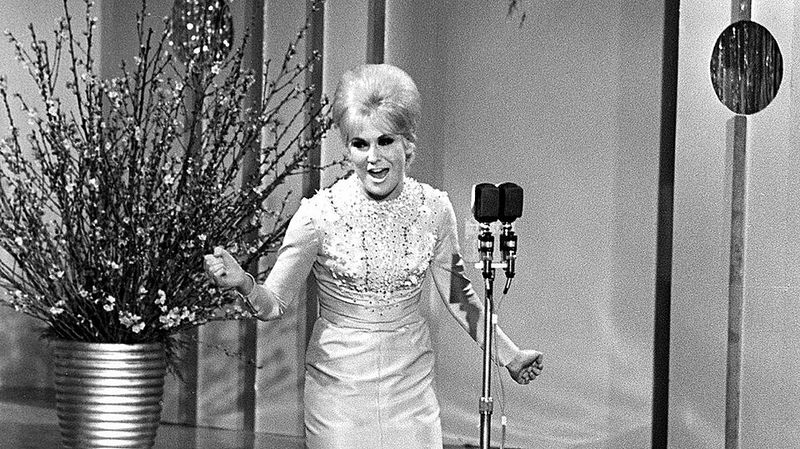
Dusty Springfield had already made an impression in the UK before crossing over to American audiences, and this Burt Bacharach and Hal David composition gave her a strong foothold on the US charts in 1964. The song reached number six on the Billboard Hot 100, making it one of her earliest American successes.
Its lyrics offered playful, slightly tongue-in-cheek romantic advice, which gave it a lighthearted quality that fit the season well. Springfield’s vocal control was evident throughout, balancing warmth with just enough restraint to keep the performance from becoming overly dramatic.
The song had originally been recorded by Dionne Warwick, but Springfield’s version was the one that caught fire in the American market. It helped establish her as a credible solo artist separate from the Springfields, the folk trio she had left behind in 1963.
That summer, her voice was a regular presence on radio playlists across the country.
9. The Little Old Lady from Pasadena by Jan and Dean
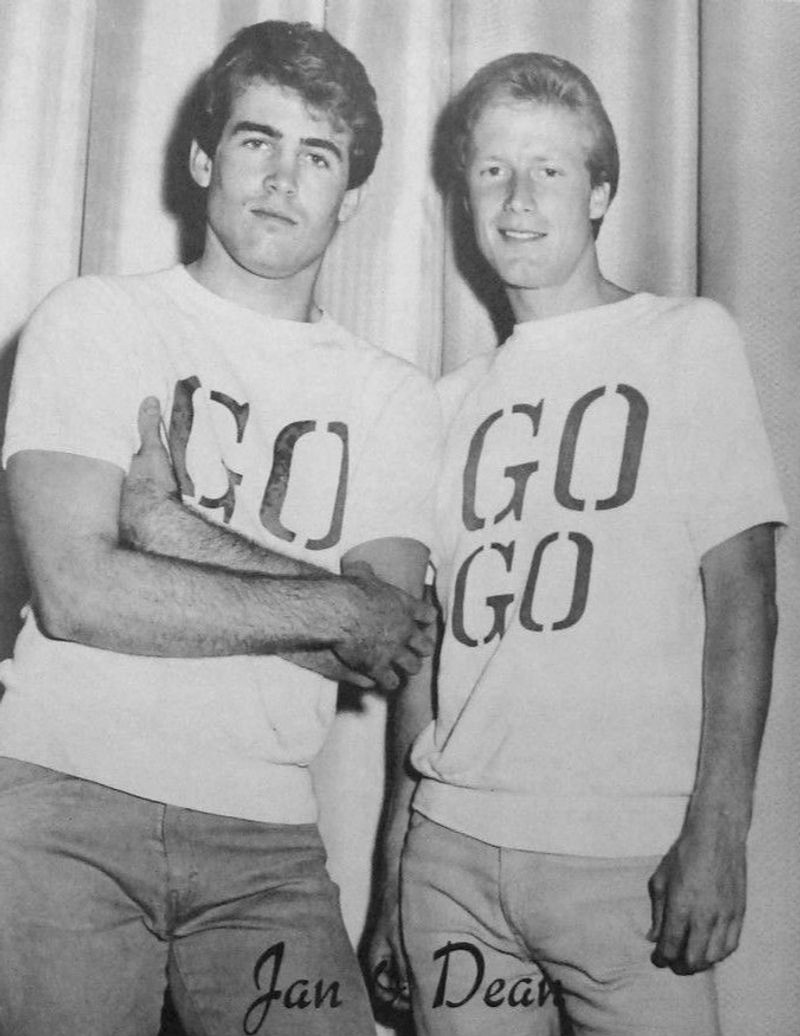
California car culture and surf music had been building momentum since the early 1960s, and this song arrived as a perfectly timed novelty hit that leaned into both. Jan Berry and Dean Torrence released it in the spring of 1964, and it climbed to number three on the Billboard Hot 100 by July.
The song’s humor centered on an unexpected premise: a sweet older woman who turns out to be the fastest driver in Pasadena. That setup made it stand out from the more straightforward hot-rod songs of the period.
The production matched the playful tone with bright vocals and an upbeat arrangement.
Jan and Dean had already scored big with Surf City in 1963, and this follow-up demonstrated that their formula for mixing comedy with California themes had real staying power. It became one of the most recognizable novelty tracks of the summer and remained a staple of oldies radio for decades afterward.
10. Chapel of Love by The Dixie Cups
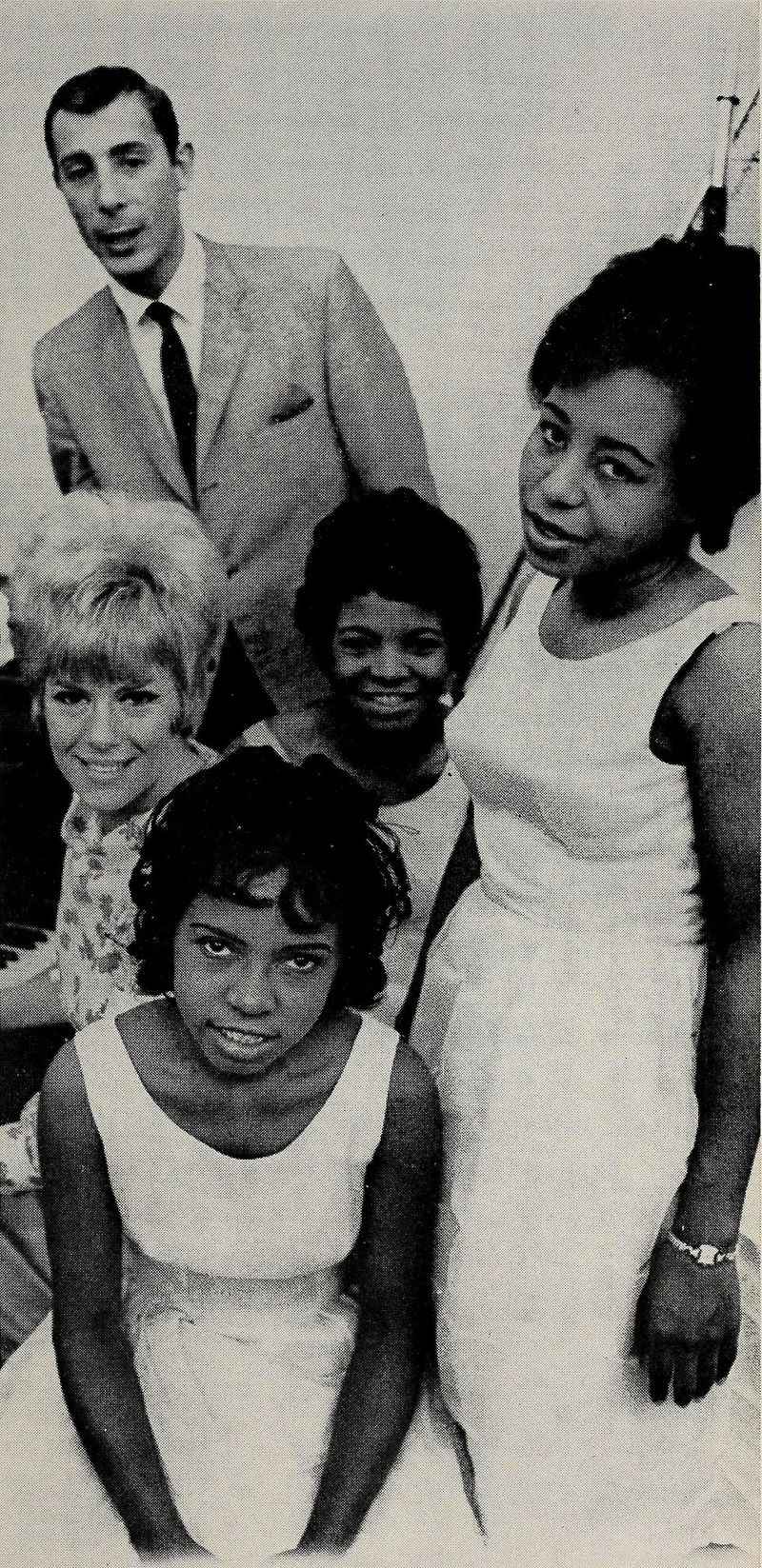
Three weeks at number one on the Billboard Hot 100 is a strong debut for any artist, and that is exactly what The Dixie Cups achieved with this song in the spring and early summer of 1964. Written by Jeff Barry, Ellie Greenwich, and Phil Spector, it became one of the most joyful chart-toppers of the year.
The group, made up of Barbara Ann Hawkins, Rosa Lee Hawkins, and Joan Marie Johnson, recorded the song for Red Bird Records after being discovered performing in New Orleans. Their harmonies were bright and natural, which gave the track a warmth that studio polish alone could not manufacture.
The timing of the release, right before the peak of wedding season, helped drive its popularity among a broad audience. It also had the distinction of being the song that ended The Beatles’ run at the top of the chart, a notable achievement for a debut act in that competitive climate.
11. Bread and Butter by The Newbeats
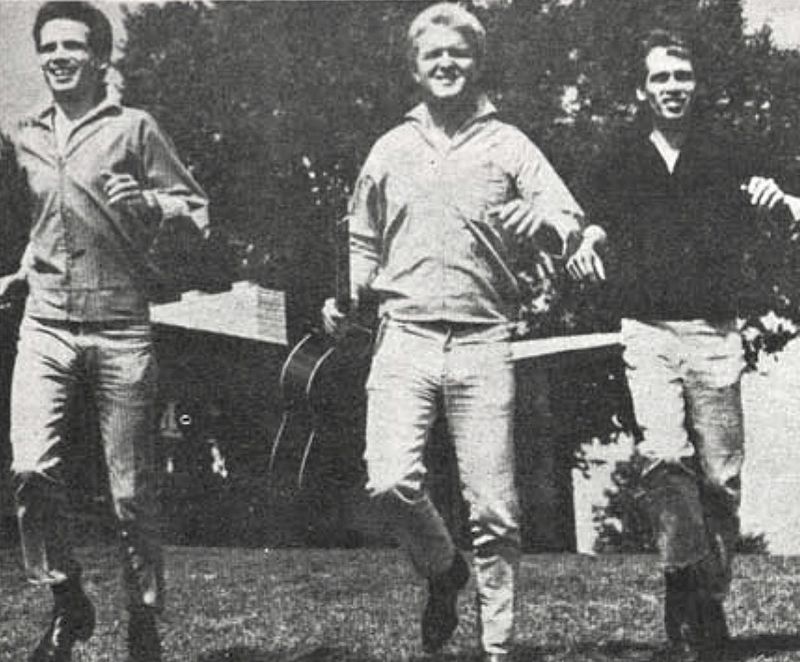
Larry Henley’s unusually high lead vocal on this track gave it an instantly recognizable quality that divided listeners and radio programmers in equal measure, and yet it still climbed to number two on the Billboard Hot 100 in the fall of 1964. The Newbeats, a trio from Georgia, had crafted something genuinely odd by the standards of the era.
The song’s lyrics were simple and its structure was straightforward, but that peculiar falsetto combined with the group’s tight harmonies made it difficult to ignore. It was the kind of track that once heard, was nearly impossible to forget.
Novelty-pop had a strong presence on the charts throughout the mid-1960s, but most novelty hits faded quickly. This one held on longer than expected, partly because its quirkiness felt genuine rather than calculated.
The Newbeats never matched this level of chart success again, but this single secured them a permanent spot in the story of summer 1964.
12. My Guy by Mary Wells
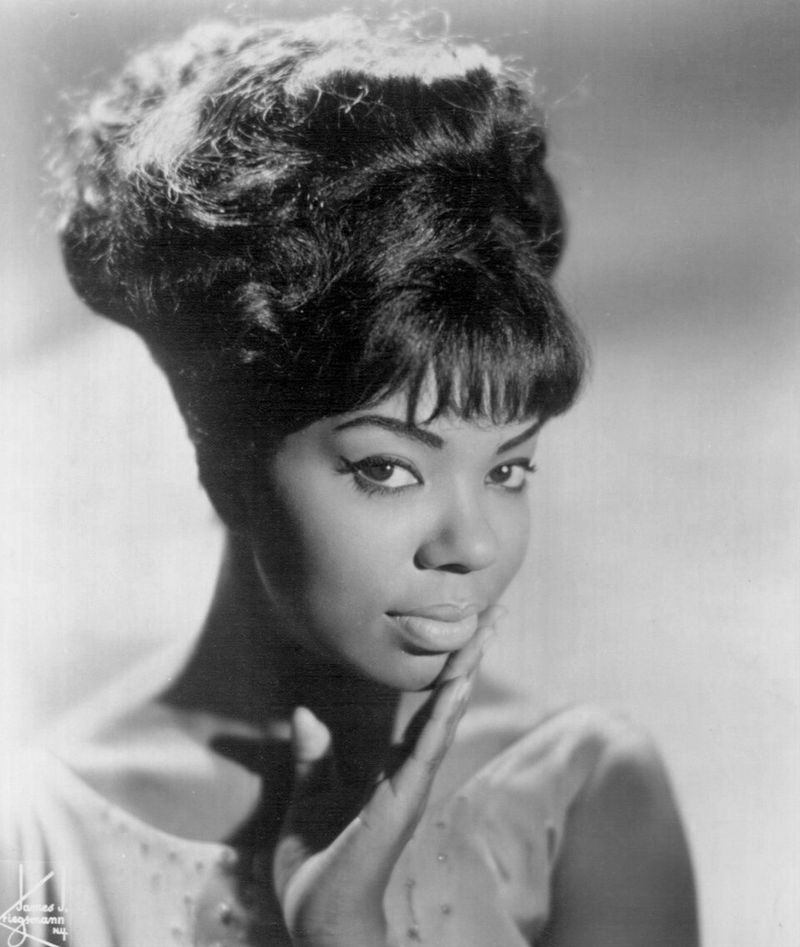
Smokey Robinson wrote and produced this track specifically for Mary Wells, and the result was one of the cleanest, most confident singles Motown released in 1964. It reached number one on the Billboard Hot 100 in May and stayed in heavy rotation throughout the summer months that followed.
Wells had been with Motown since 1960, making her one of the label’s more experienced artists by the time this song arrived. Robinson’s production gave her a relaxed, assured framework that matched her vocal personality perfectly.
The arrangement was minimal but precise, with every element serving the central performance.
The song also benefited from strong timing. By mid-1964, Motown had built enough credibility on mainstream radio that a polished Wells single could compete directly with any British or domestic pop act.
This track was proof of that reach. It remains one of the defining Motown singles of the entire decade, not just the summer.
13. Memphis by Johnny Rivers
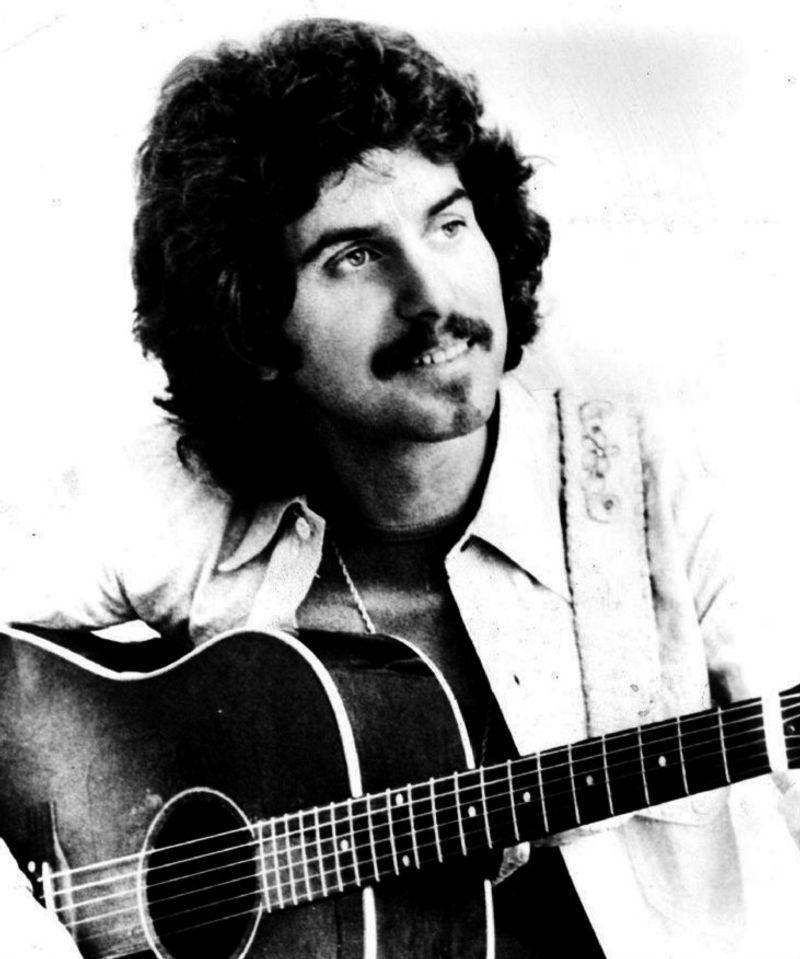
Johnny Rivers recorded this Chuck Berry composition live at the Whisky a Go Go in Los Angeles, and the energy of that performance was exactly what made the recording work. Released in 1964, it reached number two on the Billboard Hot 100 and introduced Rivers to a national audience that had not yet heard of him.
The live setting gave the track a spontaneous, raw quality that studio recordings of the same period often lacked. Rivers played guitar throughout with a direct, no-frills approach that suited Berry’s original structure without simply copying it.
The success of this single launched Rivers into the mainstream at a moment when the charts were crowded with British acts and established American stars. He was 21 years old at the time of the recording, and Memphis became the foundation of a career that would include several more top-ten hits over the following years.
That summer, it was one of the most-played tracks on AM radio.
Share this story