Europe was practically built for train travel. High-speed rail lines, scenic mountain routes, overnight sleepers, and historic stations make it possible to explore multiple cultures and landscapes without airports or long drives.
Whether you are chasing snowy alpine peaks or sun-drenched coastlines, the right city can launch you into an unforgettable rail journey. These cities stand out as the best starting points for epic train adventures across the continent.
Zurich, Switzerland
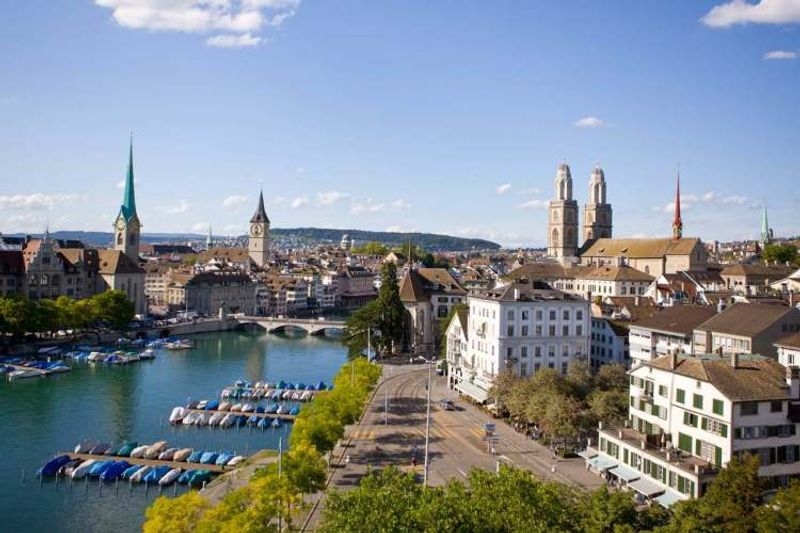
Few cities in the world put you this close to legendary train journeys before you even finish your morning coffee. Zurich’s main station, known as Hauptbahnhof, is Switzerland’s busiest rail hub and one of Europe’s most impressive.
Trains depart constantly toward mountain villages, lakeside towns, and neighboring countries.
The Glacier Express and Bernina Express both connect through Zurich’s network, offering jaw-dropping views of snowy peaks, dramatic viaducts, and glacier-carved valleys. Both routes are UNESCO-listed and genuinely live up to the hype.
Booking a window seat is practically mandatory.
Switzerland’s rail system is famously punctual, clean, and comfortable, making Zurich an ideal base for multi-day alpine rail exploration. Day trips to Lucerne, Interlaken, and St. Gallen are quick and stress-free.
If you want to maximize your European train adventure, Zurich is the smartest place to start your journey and set the tone for everything that follows.
Vienna, Austria
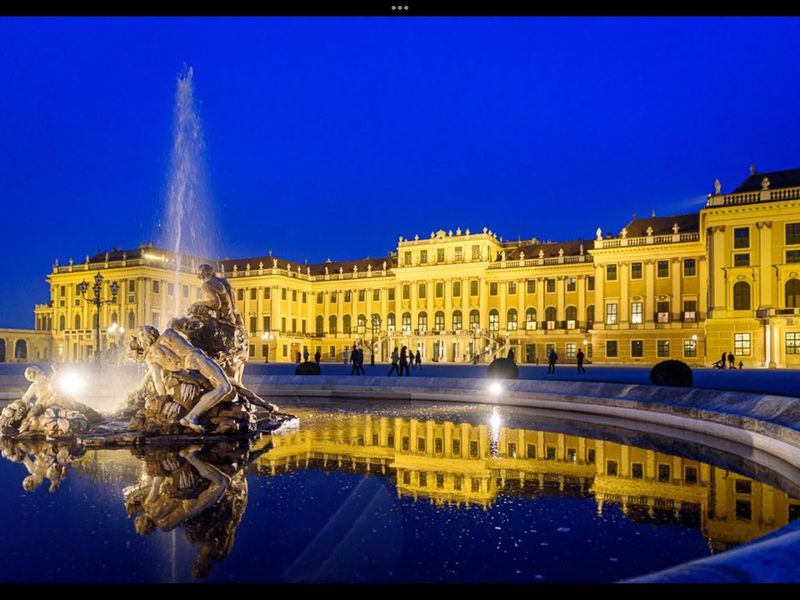
Stepping into Vienna’s Hauptbahnhof feels like entering a modern palace built specifically for travelers who appreciate both style and efficiency. The Austrian capital blends grand imperial architecture with one of Europe’s most impressive international rail networks.
Night trains departing Vienna connect to Venice, Berlin, Zurich, and Zagreb with surprising comfort.
Austria’s overnight sleeper trains have made a major comeback in recent years, and Vienna sits right at the center of that revival. The city’s position in Central Europe means you can reach a remarkable number of destinations without ever boarding a plane.
Rail passes covering Austria open up incredible value for multi-country itineraries.
Beyond the trains themselves, Vienna rewards slow exploration between departures. Coffee houses, imperial palaces, and world-class museums fill every neighborhood with character.
Travelers who use Vienna as a rail base often discover they want to linger longer than planned. The combination of cultural richness and outstanding connectivity makes Vienna one of the most satisfying cities on any European train adventure.
Paris, France

Paris has six major train stations, and each one sends you somewhere worth going. The city’s TGV high-speed network stretches across France and into neighboring countries at speeds that make flying feel unnecessary.
Bordeaux, Lyon, Marseille, and Brussels are all reachable in under two hours from the French capital.
For travelers with a taste for luxury, Paris is also the home base for the legendary Venice Simplon-Orient-Express. This iconic train departs Paris and travels through Switzerland and Austria before arriving in Venice, offering one of the most romantic rail experiences money can buy.
Even budget-friendly Eurostar and Thalys connections offer excellent value for cross-border rail trips.
Paris rewards travelers who treat it as both a destination and a departure point. Wander through Montmartre in the morning, grab a croissant near Gare du Nord, and board an afternoon train toward the Swiss Alps.
The city’s energy is contagious, and its rail connections are genuinely world-class. Few cities on earth combine culture and connectivity quite as effortlessly as Paris does for the dedicated rail traveler.
Edinburgh, Scotland
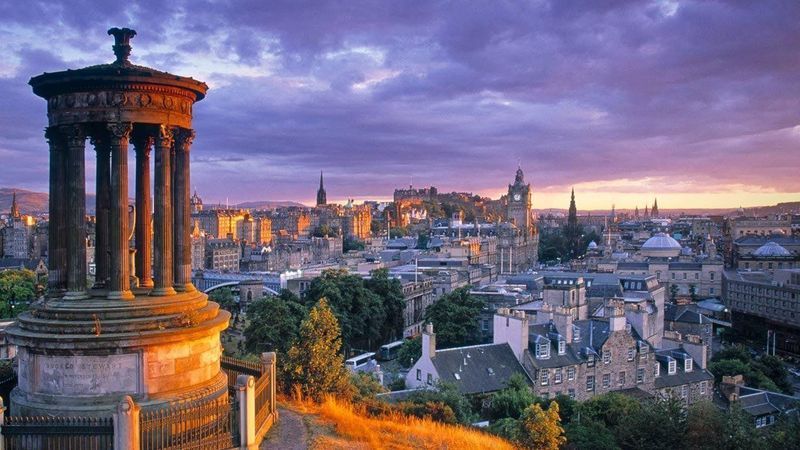
Arriving at Edinburgh Waverley station and looking up to see a medieval castle perched on volcanic rock is one of rail travel’s greatest first impressions. Scotland’s capital is not just a beautiful city but also the gateway to some of Britain’s most cinematic train routes.
The West Highland Line frequently ranks among the world’s most scenic railways.
Traveling from Edinburgh toward Fort William and Mallaig takes you across the famous Glenfinnan Viaduct, a curved stone bridge that has appeared in blockbuster films and captured imaginations for generations. Misty lochs, purple moorlands, and remote Highland villages roll past the windows like a slow-moving painting.
Journeys toward Inverness and Kyle of Lochalsh offer similarly breathtaking Scandinavian-style landscapes.
Edinburgh itself more than earns a multi-day visit before you board your first Highland train. The Old Town, Arthur’s Seat, and the Royal Mile pack centuries of history into walkable streets.
Scotland’s rail fares can be affordable when booked in advance, making this northern adventure surprisingly accessible. For train lovers who enjoy wild scenery and dramatic weather, Edinburgh is an essential stop on any European rail journey.
Venice, Italy
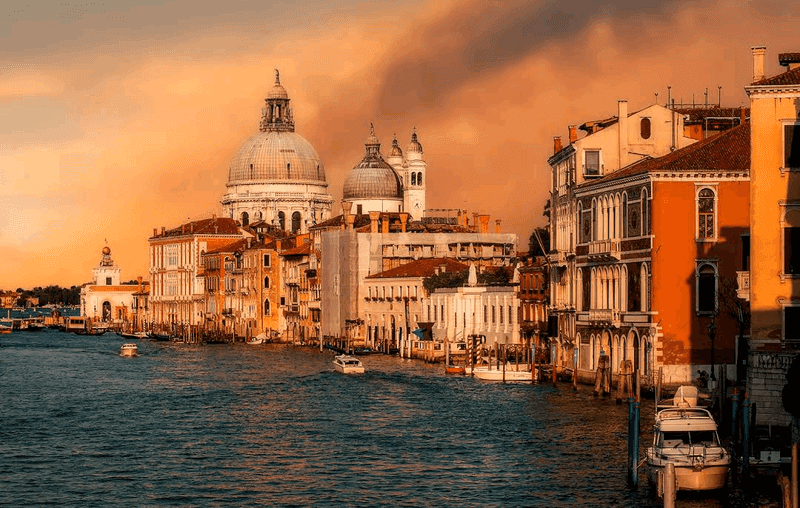
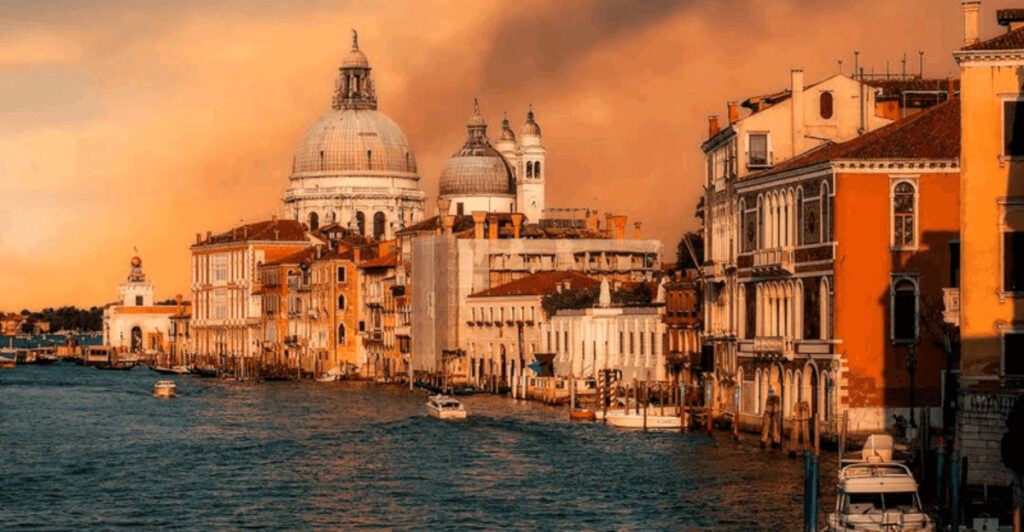
No train arrival in Europe quite matches the moment you cross the Ponte della Libertà causeway and realize the city waiting at the end has no roads. Venice Santa Lucia station opens directly onto the Grand Canal, delivering one of travel’s most theatrical entrances.
Gondolas bob just meters from the platform, and the smell of salt water greets every arriving passenger.
Venice also connects travelers to some outstanding onward rail routes. Trains through the Alps toward Innsbruck and Vienna pass through spectacular mountain scenery, while southbound routes link quickly to Florence and Rome.
The Venice Simplon-Orient-Express departs from here on its legendary journey toward Paris, adding a touch of old-world glamour to the station’s atmosphere.
Spending a day or two in Venice before continuing your rail adventure is highly recommended. The city’s labyrinthine streets, colorful canal-side buildings, and world-class museums reward unhurried exploration.
Vaporetto water buses serve as the local transit system, which is charming in its own right. Venice proves that sometimes the destination and the journey to reach it can both be equally extraordinary experiences worth savoring.
Prague, Czech Republic
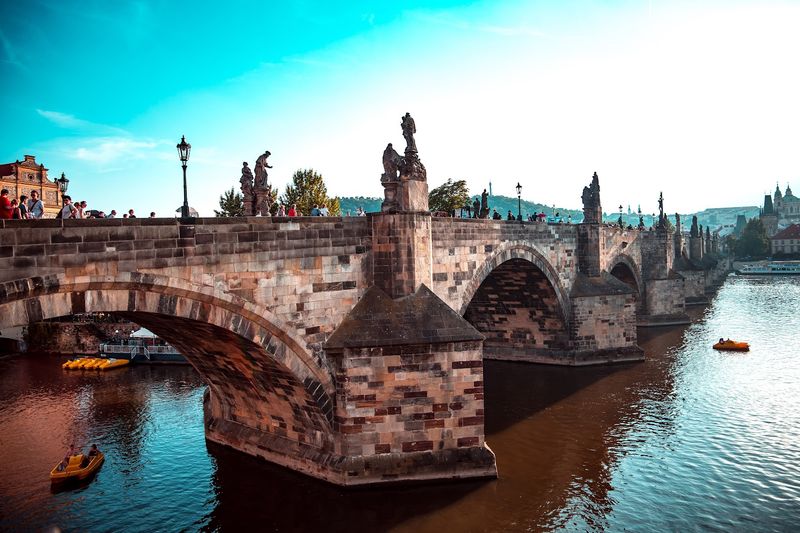
Prague looks like it was designed by someone who had never seen an ugly building and refused to start. The Czech capital’s fairytale architecture extends even to its train stations, with Praha hlavni nadrazi featuring a stunning Art Nouveau interior worth admiring before you board anything.
Rail connections from Prague reach Berlin, Vienna, Budapest, and Krakow with impressive frequency.
Central Europe’s geography works in Prague’s favor for multi-country rail itineraries. You can reach four different capital cities within a few hours by train, making it one of the most strategically located hubs on the continent.
Fares are generally more affordable here than in Western Europe, which is excellent news for budget-conscious rail travelers.
Prague’s compact old town means you can explore Kafka’s city thoroughly between train journeys without needing extra transportation. Charles Bridge at dawn, the astronomical clock, and the hilltop castle district all sit within easy walking distance of each other.
The city’s relaxed pace and lively cafe culture make it easy to extend your stay longer than originally planned. For rail travelers building a Central European loop, Prague is a natural and rewarding centerpiece for the whole adventure.
Bergen, Norway
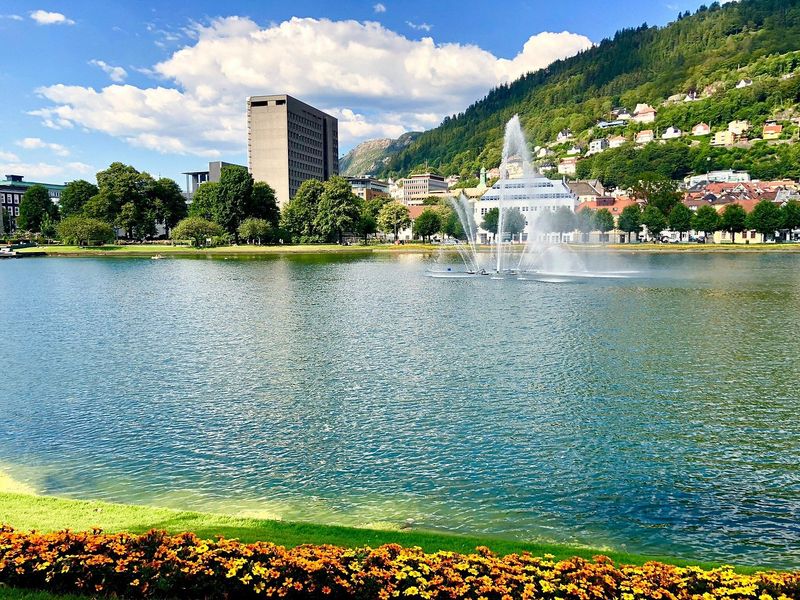
Bergen smells like the sea, looks like a postcard, and sends you into the Norwegian wilderness on one of Europe’s most celebrated train journeys. The Bergen Railway connecting Bergen to Oslo crosses the Hardangervidda mountain plateau at nearly 1,300 meters above sea level, making it the highest mainline railway in Northern Europe.
Snow lingers on the peaks even in summer.
The journey takes roughly seven hours and passes through fjords, waterfalls, snowfields, and remote Scandinavian wilderness that feels genuinely untouched by modern life. A branch line to Flam offers an even steeper and more dramatic descent through a narrow valley toward the Sognefjord.
Combining both routes creates one of the most spectacular rail experiences available anywhere in the world.
Bergen itself is a charming and walkable city with a colorful UNESCO-listed waterfront called Bryggen. Fresh seafood, cozy coffee shops, and easy access to nearby fjords make it a rewarding place to begin or end a Norwegian rail journey.
Rain is frequent, but locals will tell you it only adds atmosphere. Bring a good jacket, grab a window seat, and prepare to be genuinely amazed by what Norway looks like from a train.
Milan, Italy
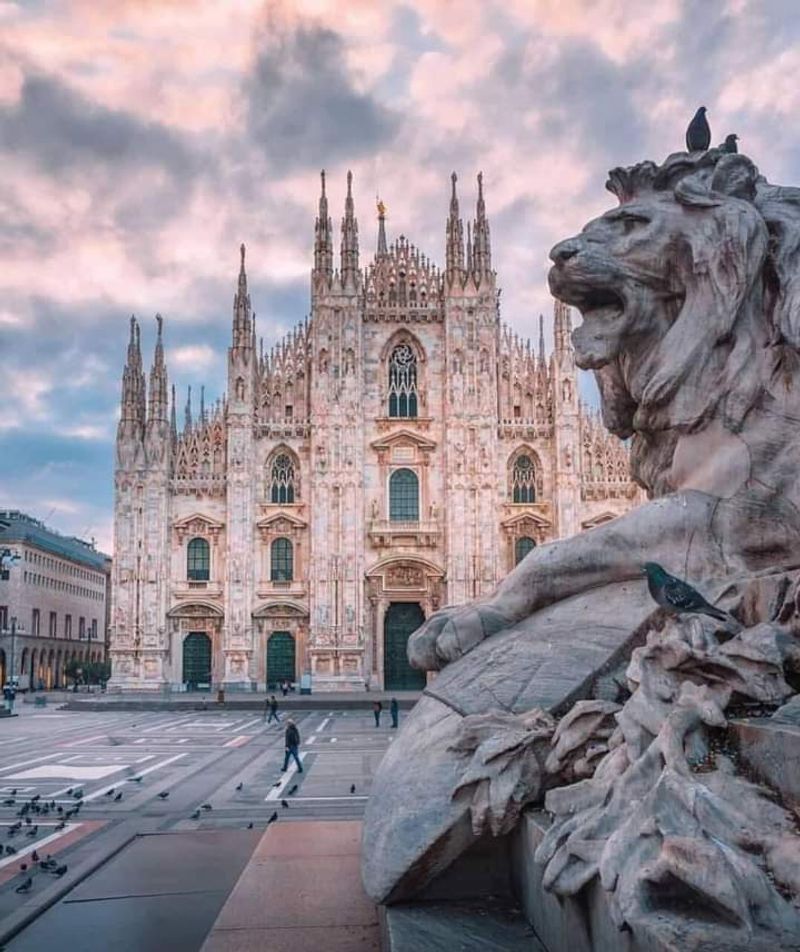
Milan’s Centrale station is so architecturally overwhelming that first-time visitors often stop walking just to look up at the ceiling. Built during the Fascist era with theatrical ambition, it remains one of Europe’s most visually striking train terminals.
More importantly, it puts you at the center of Italy’s high-speed rail network and several major international routes.
From Milan, Frecciarossa high-speed trains reach Venice in under two and a half hours, Florence in under two, and Rome in roughly three. Connections into Switzerland are equally fast, with Zurich reachable in just over three hours through scenic alpine terrain.
The French Riviera is also accessible via a beautiful coastal rail route that hugs the Mediterranean shoreline.
Milan rewards a night or two of exploration before you move on. The fashion district, the Duomo cathedral, and Leonardo da Vinci’s Last Supper painting all sit within the city’s walkable core.
Aperitivo culture means that a late afternoon train connection leaves time for a Campari spritz before departure. Few cities balance world-class art, food, fashion, and rail connectivity quite as impressively as Milan manages without breaking a sweat.
Berlin, Germany
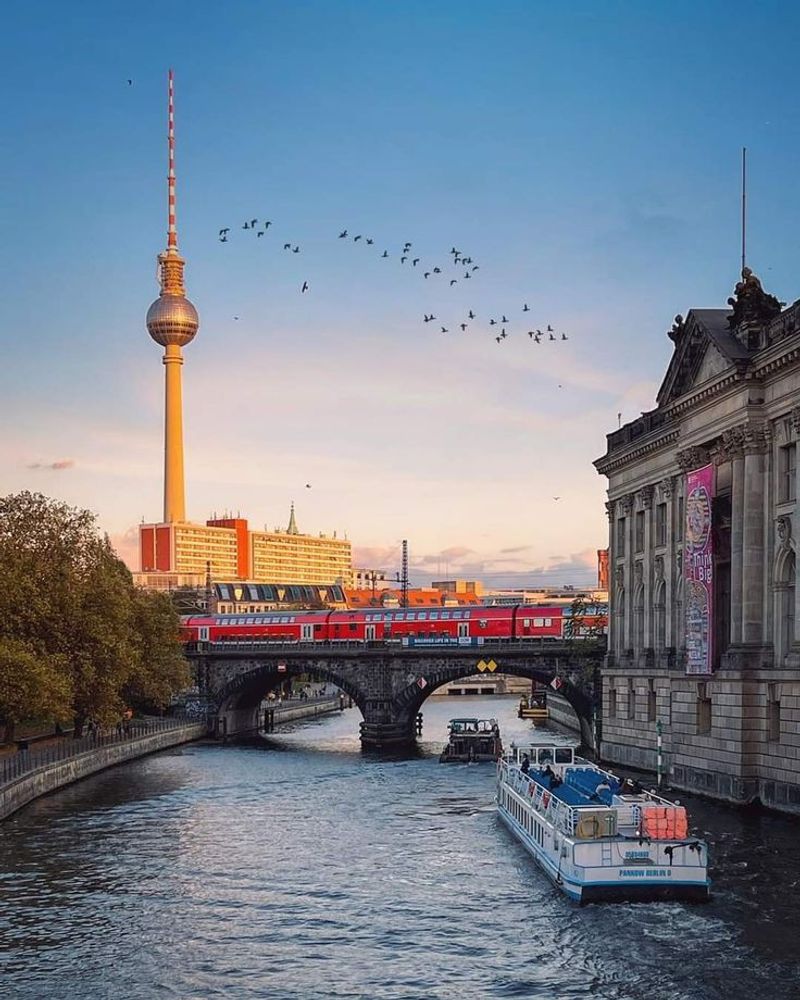
Berlin’s Hauptbahnhof is a five-story glass cathedral of modern rail travel, and watching trains move through it on multiple levels simultaneously never gets old. Germany’s capital connects to virtually every major European city through a combination of high-speed ICE trains and overnight sleeper services.
Prague, Amsterdam, Copenhagen, and Vienna are all reachable without a single flight.
Germany’s rail network is Europe’s most extensive, and Berlin sits at its northeastern heart. Travelers exploring Central Europe by train will almost certainly pass through the city multiple times, which is hardly a hardship given how much Berlin offers.
The city’s neighborhoods each feel like distinct worlds, from the street art of Kreuzberg to the museums of Museum Island.
Overnight trains from Berlin to Vienna and Zurich have returned in recent years, operated by the popular Nightjet service. Booking a sleeping compartment transforms a long-distance journey into a cozy overnight adventure that saves both time and accommodation costs.
Berlin also offers some of Europe’s best transport infrastructure within the city itself, making it easy to explore before your next departure. For rail travelers building a Central European itinerary, Berlin is an anchor point that genuinely earns its central role.
Innsbruck, Austria
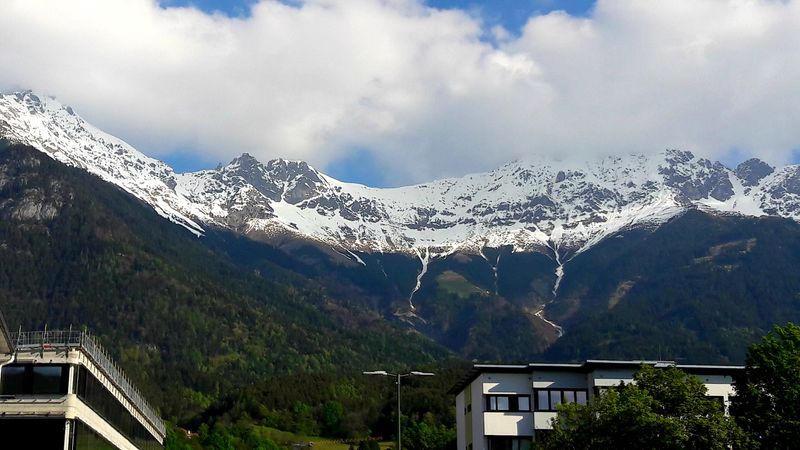
Innsbruck might be the only city in Europe where you step off the train and immediately feel surrounded by mountains on every side. The Nordkette range rises so steeply behind the city center that it looks almost theatrical, like a painted backdrop rather than actual geography.
Every rail route into and out of Innsbruck passes through scenery that photographers dream about.
The Brenner Railway south toward Verona and the Italian Riviera is one of Europe’s oldest and most historic alpine crossings. Heading west toward Switzerland on the Arlberg Railway passes through dramatic tunnels and mountain valleys with views that change every few minutes.
Northbound routes toward Munich offer gentler Bavarian scenery and efficient connections into Germany’s broader rail network.
Innsbruck itself is a compact and walkable city with a medieval old town, Habsburg imperial architecture, and excellent Austrian food. The Golden Roof, a late-Gothic landmark covered in gilded copper tiles, sits just minutes from the train station.
Ski resorts are accessible by local trains in winter, making Innsbruck a year-round rail destination. Travelers who skip Innsbruck in favor of bigger Austrian cities are genuinely missing one of the continent’s most rewarding and scenically spectacular rail stops.
Lisbon, Portugal
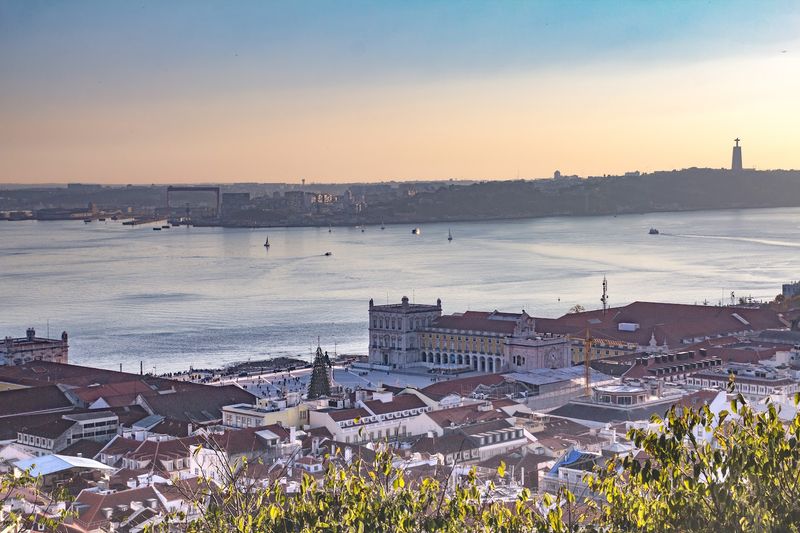
Lisbon’s Oriente station was designed by Santiago Calatrava and looks like a futuristic forest made of steel and glass, which is a remarkable thing to encounter in a city that also runs vintage yellow trams through its hilly streets. Portugal’s capital blends old-world charm with surprisingly good rail connectivity along its Atlantic coastline.
The contrast is part of what makes it so enjoyable.
Trains from Lisbon reach Porto in about three hours, passing through the rolling vineyards of the Douro Valley region. Coastal routes toward Cascais and Sintra are short, affordable, and genuinely beautiful, making day trips from the city easy and rewarding.
The slower pace of Portuguese rail travel feels intentional, inviting travelers to look out the window and appreciate the landscape.
Lisbon itself is one of Europe’s most charming capitals, built across seven hills with pastel-colored buildings, ornate azulejo tile facades, and a vibrant food scene centered on grilled fish and custard tarts. Fares in Portugal remain among Europe’s most affordable, stretching rail travel budgets considerably further than in Western European countries.
For travelers who prefer scenic journeys over speed, Lisbon and Portugal’s relaxed rail culture offer a genuinely refreshing change of pace.
Belgrade, Serbia
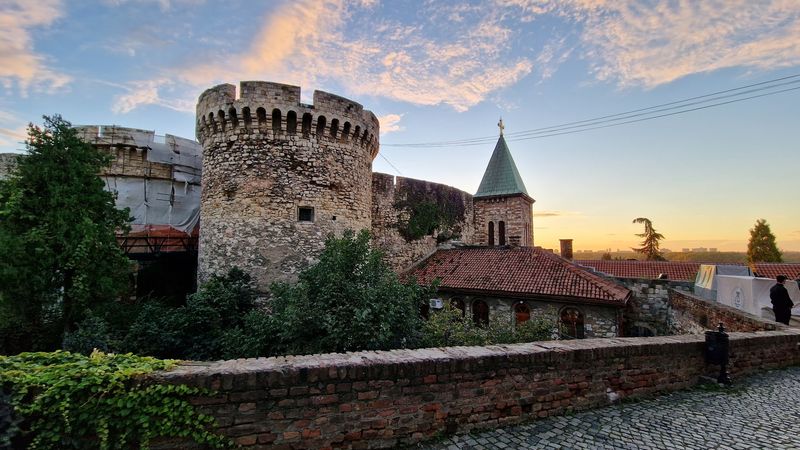
Rail enthusiasts who know their routes will tell you that the Belgrade-to-Bar railway through Montenegro is one of the most underrated train journeys on earth, and Belgrade is where it all begins. Completed in 1976 after decades of construction, the line crosses 254 bridges and passes through 254 tunnels as it descends through the dramatic Balkan mountains toward the Adriatic Sea.
The engineering alone is worth the ticket price.
Belgrade’s position in the Western Balkans also makes it a useful hub for rail travelers exploring a less-visited part of Europe. Trains connect to Sarajevo, Skopje, Sofia, and Budapest, opening up itineraries that most Western tourists have not considered.
Fares are extremely affordable by European standards, making multi-day Balkan rail adventures very budget-friendly.
The Serbian capital rewards exploration between train journeys with a lively cafe culture, a fortress overlooking two rivers, and a nightlife scene that has become famous across Europe. The city carries a raw, unpolished energy that feels refreshingly different from more manicured Western European capitals.
Travelers willing to venture off the well-worn rail trail through Central Europe will find Belgrade unexpectedly fascinating and surprisingly well-connected for the adventurous rail explorer.
Amsterdam, Netherlands
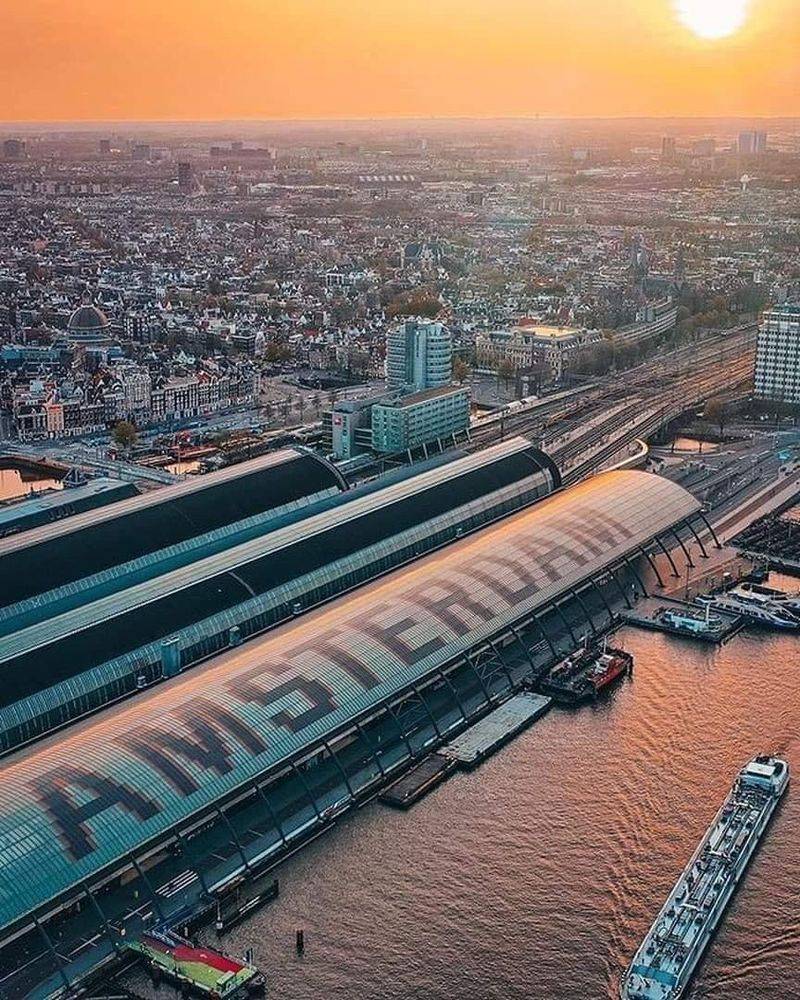
Amsterdam Centraal station is the kind of place that makes you want to buy a train ticket to somewhere just because the departure board looks so inviting. The station’s neo-Gothic facade is one of the city’s most photographed landmarks, and its platforms dispatch trains toward London, Paris, Brussels, and Cologne with clockwork regularity.
High-speed Thalys and Eurostar connections make multi-country rail trips genuinely effortless from here.
The Netherlands has one of Europe’s most efficient intercity rail networks, meaning Amsterdam connects seamlessly to The Hague, Rotterdam, and Utrecht within minutes. International travelers can reach Brussels in under two hours and Paris in just over three.
Overnight trains toward Germany and Austria are also available, allowing travelers to sleep their way to the next destination.
Amsterdam itself is compact enough to explore thoroughly by bicycle between train journeys, with canals, world-class museums, and historic gabled townhouses filling every neighborhood. The Rijksmuseum and Van Gogh Museum are both within easy reach of the station.
Rail passes covering the Benelux region offer outstanding value for travelers hopping between Amsterdam, Brussels, and Luxembourg. For anyone building a Western European rail itinerary, Amsterdam is both a logical hub and one of the continent’s most genuinely enjoyable cities to spend time in.
St. Moritz, Switzerland
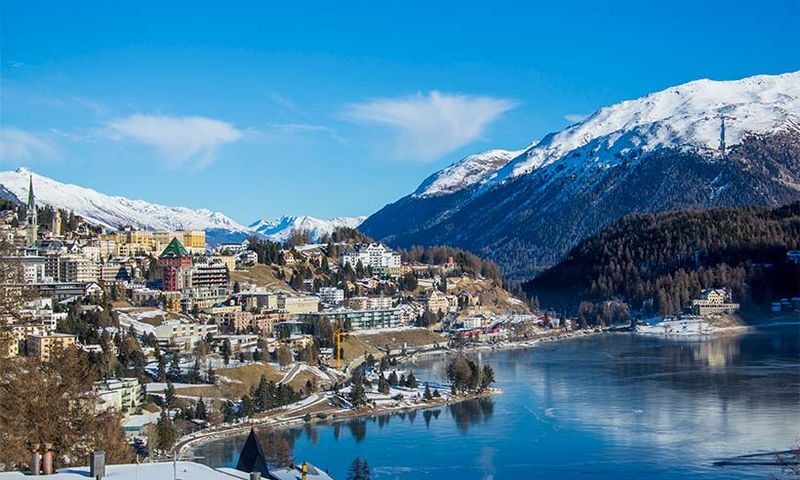
St. Moritz is where luxury alpine rail travel reaches its absolute peak, and the journey to get there is as impressive as the destination itself. The Bernina Express climbs through UNESCO World Heritage mountain landscapes using a series of spiral tunnels and dramatic viaducts that represent some of the most ambitious railway engineering ever attempted in the Alps.
Glaciers, frozen lakes, and snow-draped forests fill the windows at every turn.
From St. Moritz, travelers can also board the Glacier Express toward Zermatt, a journey that takes roughly eight hours and passes through 91 tunnels and across 291 bridges. The route is best experienced in a panoramic rail car with floor-to-ceiling windows that frame the mountain scenery beautifully.
Both journeys operate year-round, with winter offering particularly dramatic snowscapes and summer delivering wildflower meadows and turquoise alpine lakes.
St. Moritz has a well-deserved reputation for high-end skiing and fashionable clientele, but the town also rewards travelers who simply want to walk, breathe mountain air, and admire the scenery. Accommodation ranges from legendary grand hotels to cozy guesthouses.
The combination of extraordinary rail access and stunning natural beauty makes St. Moritz one of the most spectacular rail destinations in all of Europe, full stop.
Budapest, Hungary
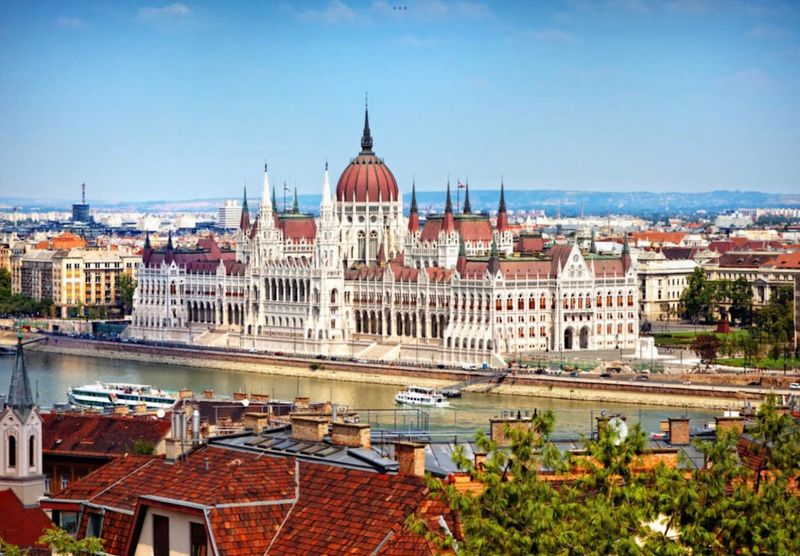
Budapest’s Keleti station is a neoclassical masterpiece that has been launching Central European train adventures since 1884, and it still manages to feel both grand and gloriously functional over a century later. Hungary’s capital sits at a genuine crossroads of Central and Eastern Europe, with direct trains reaching Vienna, Prague, Zagreb, Bucharest, and Warsaw from the same platforms.
Few cities offer this kind of multi-directional rail connectivity.
The Vienna-Budapest corridor is one of Europe’s busiest and most comfortable rail routes, with modern trains covering the distance in roughly two and a half hours. Budget-friendly fares compared to Western Europe make Budapest a smart base for travelers looking to stretch their rail pass further.
The Balkans and Romania are also accessible by overnight sleeper, opening up adventurous itineraries for travelers willing to explore beyond the standard tourist circuit.
Budapest itself earns its reputation as one of Europe’s most beautiful cities with thermal baths, a spectacular parliament building, and a Danube riverfront that glows dramatically after dark. Ruin bars, Hungarian goulash, and lively market halls add texture and flavor to any extended stay.
For rail travelers building a Central European adventure, Budapest delivers on every level, combining outstanding connectivity with a city that genuinely rewards the time you give it.
Share this story