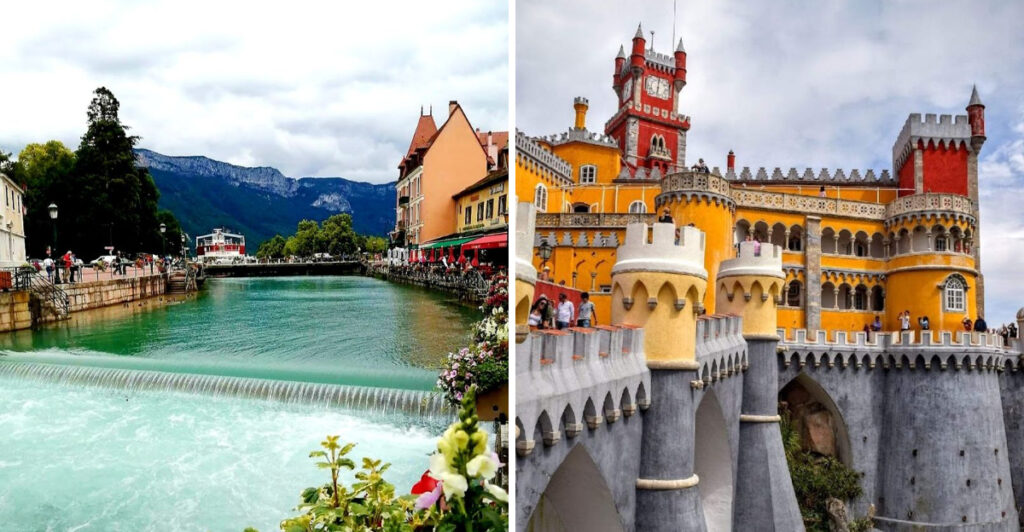
Europe’s biggest cities often steal the spotlight, but some of the continent’s most rewarding experiences are found just beyond the crowds. These smaller towns combine postcard scenery, slower local life, historic charm, and easy access from major urban centers, making them perfect day trips or peaceful overnight escapes.
Whether you have a few hours or a full weekend, swapping the busy capital for a quieter neighboring town can completely transform your trip.
Annecy, France — Near Geneva
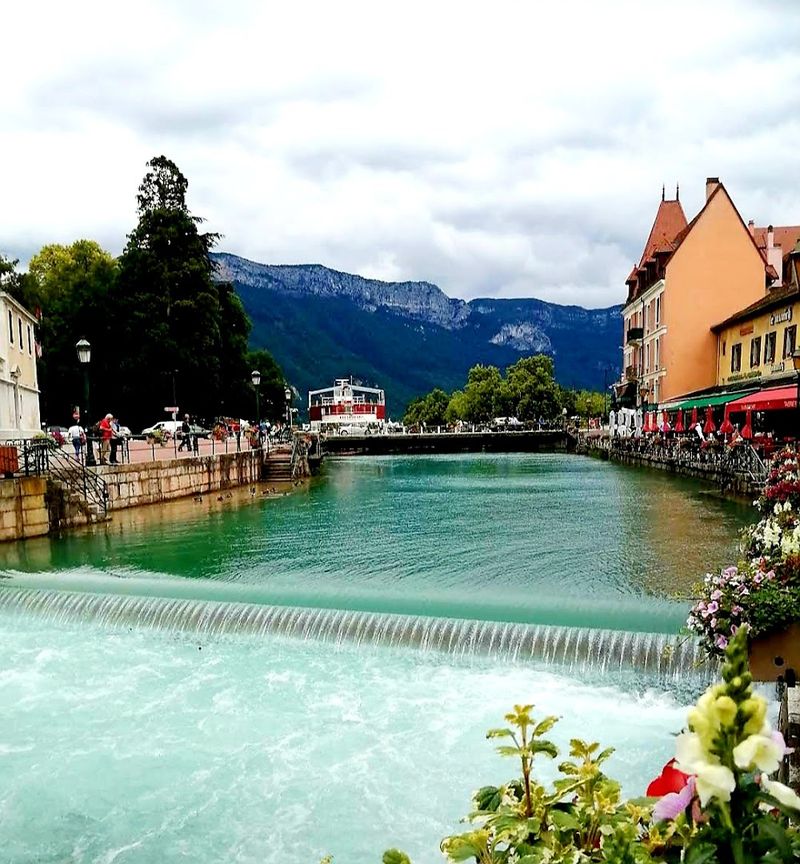
Walking into Annecy feels like stepping inside a painting someone forgot to finish because it looks too perfect. Located less than an hour from Geneva, this French alpine town is nicknamed the Venice of the Alps for very good reason.
Canals wind between pastel-painted houses, flower boxes overflow with color, and the surrounding mountains frame every view like a postcard.
The lake here is one of the cleanest in Europe, and locals take full advantage with paddleboarding, kayaking, and swimming during warmer months. The old town market on Tuesday and Friday mornings is genuinely worth setting an alarm for, with local cheeses, honey, and fresh produce piled high on wooden stalls.
Annecy moves at a pace that makes Geneva feel like a completely different world.
Accommodation ranges from budget hostels to romantic lakeside hotels, so there is something for every type of traveler. Most visitors come for a day trip but end up wishing they had booked an extra night.
Annecy has that effect on people.
Sintra, Portugal — Near Lisbon
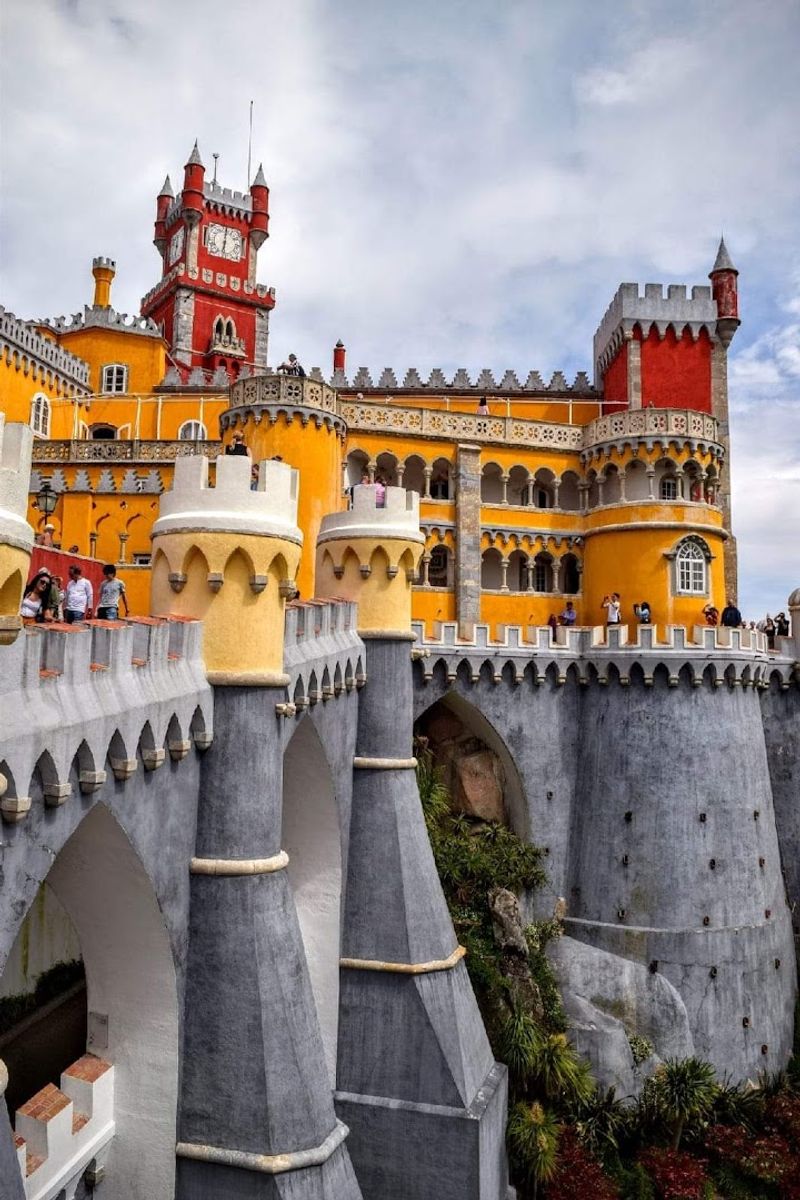
Sintra is the kind of place that makes you question why anyone would stay in Lisbon when this exists just 40 minutes away by train. The town is scattered across forested hills and filled with palaces that look borrowed from a fantasy novel.
Pena Palace alone, with its bright yellow and red towers rising above the treetops, is worth the entire trip from the Portuguese capital.
Beyond the famous palaces, Sintra hides walled gardens, hidden grottos, and quiet viewpoints that most day-trippers completely miss. Arriving early is genuinely the best advice anyone can give you here because the main sites fill up fast by mid-morning.
Renting a tuk-tuk or hiring a local driver saves a lot of uphill walking between attractions.
The town itself has excellent pastry shops, cozy restaurants, and small boutiques selling locally made ceramics and leather goods. Staying overnight means you get the streets almost entirely to yourself after the day-trip crowds leave on the evening trains.
That quieter version of Sintra is something special.
Rothenburg ob der Tauber, Germany — Near Munich
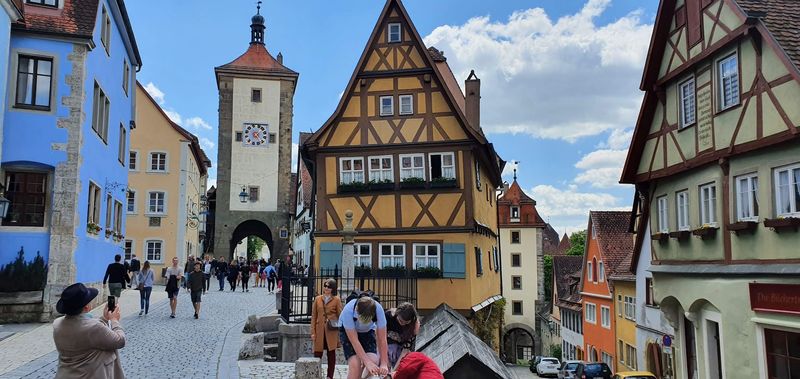
Rothenburg ob der Tauber survived the modern world by simply refusing to join it. The medieval walls surrounding this Bavarian town are still completely intact, the cobblestone streets are lined with half-timbered houses, and there is not a single ugly building to disrupt the mood.
Travelers escaping Munich’s busy pace regularly describe it as one of Germany’s most genuinely magical destinations.
The Christmas market held here every December is legendary across Europe, drawing visitors from dozens of countries into the lantern-lit squares. But honestly, Rothenburg rewards visits in every season.
Spring brings window boxes bursting with flowers, and autumn wraps the stone lanes in golden light that photographers chase from every angle.
The Medieval Crime Museum is one of the more unusual and entertaining attractions in any German town, covering centuries of punishment, law, and local justice with surprising humor. The Schneeball, a deep-fried pastry dusted with powdered sugar, is sold at almost every bakery and is completely worth the calories.
Getting here from Munich takes roughly two hours by train with one connection, making it a very manageable day trip.
Hallstatt, Austria — Near Salzburg
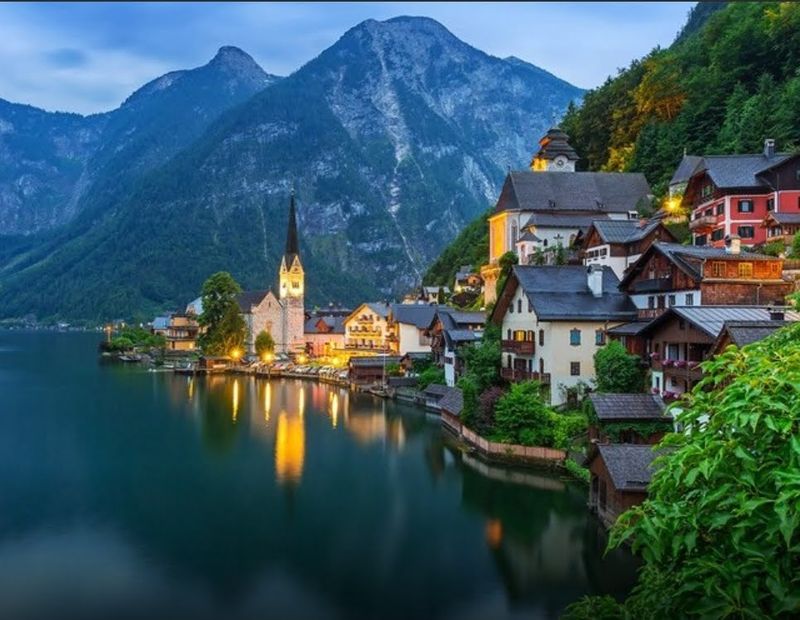
Few places in Europe have been photographed more obsessively than Hallstatt, and standing at the lakeside viewpoint, it is immediately obvious why. The village clings to a narrow strip of land between a mirror-still lake and towering alpine cliffs, creating scenery so dramatic it inspired an entire replica town to be built in China.
That is not a joke.
Despite its growing fame, Hallstatt still rewards early risers with genuinely peaceful mornings before the tour buses arrive. The narrow lanes winding between centuries-old wooden houses feel intimate and unhurried at dawn, with mist rolling off the water and church bells echoing across the valley.
Salzburg sits roughly 75 minutes away by a combination of train and ferry, making the journey itself part of the experience.
The Hallstatt salt mine is one of the oldest in the world and offers underground tours that are surprisingly fun for all ages. The bone house at the local chapel, displaying painted skulls of former residents, is eerie and fascinating in equal measure.
Plan to spend at least a full day here rather than rushing through for a quick photo.
Cesky Krumlov, Czech Republic — Near Prague
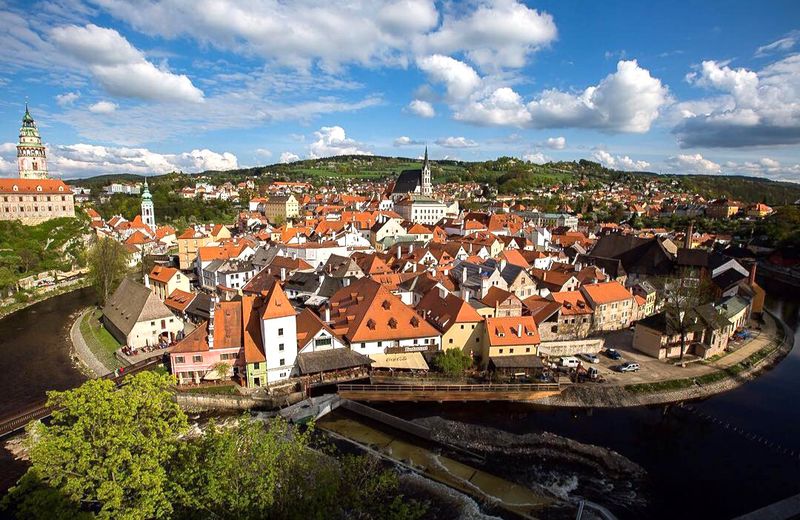
Cesky Krumlov wraps itself around a dramatic bend in the Vltava River and looks like a medieval village that somehow avoided every war, every fire, and every bad architectural decision of the past 600 years. The hilltop castle looming above the red-roofed old town is the second largest in the Czech Republic and genuinely stunning from almost every angle.
Prague is only about three hours away by bus, making this southern Bohemian gem very reachable.
The compact historic center is best explored on foot, with cobblestone lanes leading to riverside terraces, craft beer bars, and quiet courtyards that most visitors walk straight past. Kayaking and rafting on the Vltava through the town is one of the most enjoyable afternoon activities in the entire Czech Republic.
Renting a kayak takes about 20 minutes to arrange and costs very little.
Summer evenings bring outdoor theater performances in the castle gardens, with candlelit baroque staging that feels genuinely theatrical rather than touristy. Accommodation in the historic center tends to book out fast during peak season, so planning ahead is worthwhile.
The town rewards slower exploration far more than a rushed two-hour visit.
Gordes, France — Near Avignon
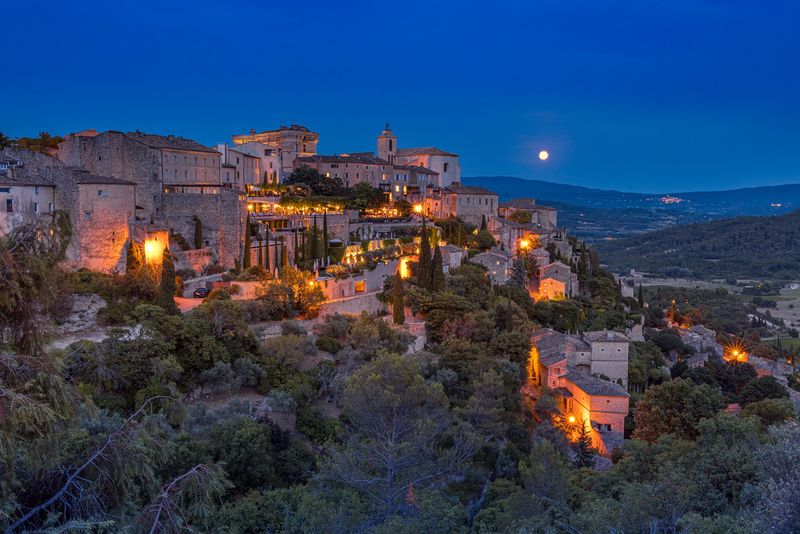
Gordes has been described as one of the most beautiful villages in France so many times that the phrase almost loses meaning until you actually see it perched above the Luberon valley at sunset. The village is built entirely from pale golden limestone, with houses stacked tightly up a steep rocky hill, and the light here in late afternoon turns everything warm amber.
Avignon sits about 45 minutes away by car, making Gordes an obvious and rewarding side trip.
Lavender season in late June and early July transforms the surrounding countryside into something almost unreal, with purple fields stretching toward the horizon in every direction. The nearby Senanque Abbey, surrounded by lavender rows and dating back to the 12th century, is one of Provence’s most iconic images.
Photography enthusiasts plan entire trips around that single view.
The village itself has a wonderful weekly market, excellent local olive oil, and a handful of very good restaurants serving traditional Provencal cuisine. Gordes gets busy in summer, but quiet corners and less-visited viewpoints are always available for those willing to explore a little.
Early morning visits before the tour groups arrive feel genuinely magical.
Szentendre, Hungary — Near Budapest
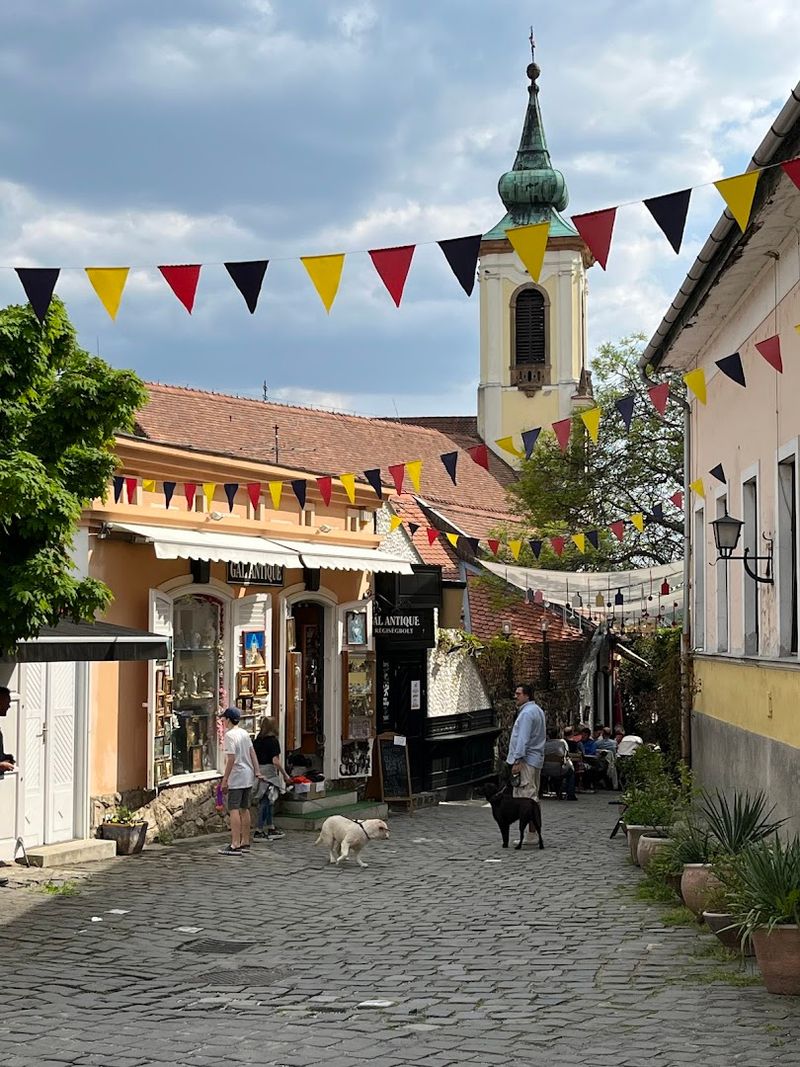
Szentendre sits just 20 kilometers north of Budapest and packs more color, culture, and riverside charm into its compact streets than most towns three times its size. The town was heavily settled by Serbian merchants in the 18th century, and their influence left behind a collection of Orthodox churches, Baroque architecture, and a cultural identity quite distinct from the Hungarian capital.
The HEV suburban rail connects Budapest to Szentendre in about 40 minutes and runs frequently throughout the day.
Art galleries line the main square and side streets, making the town a legitimate hub for Hungarian contemporary art alongside its historic architecture. The Marzipan Museum, dedicated entirely to sugar sculpture and edible art, is surprisingly entertaining and popular with visitors of all ages.
Local ceramic workshops offer hands-on classes for travelers who prefer a more interactive experience.
Summer weekends bring outdoor concerts, craft fairs, and food festivals that fill the riverside promenade with locals and visitors alike. The town is small enough to explore completely on foot in a single afternoon but interesting enough to justify staying overnight.
A sunset walk along the Danube bank here is one of the quieter and more underrated pleasures near Budapest.
Staufen im Breisgau, Germany — Near Freiburg
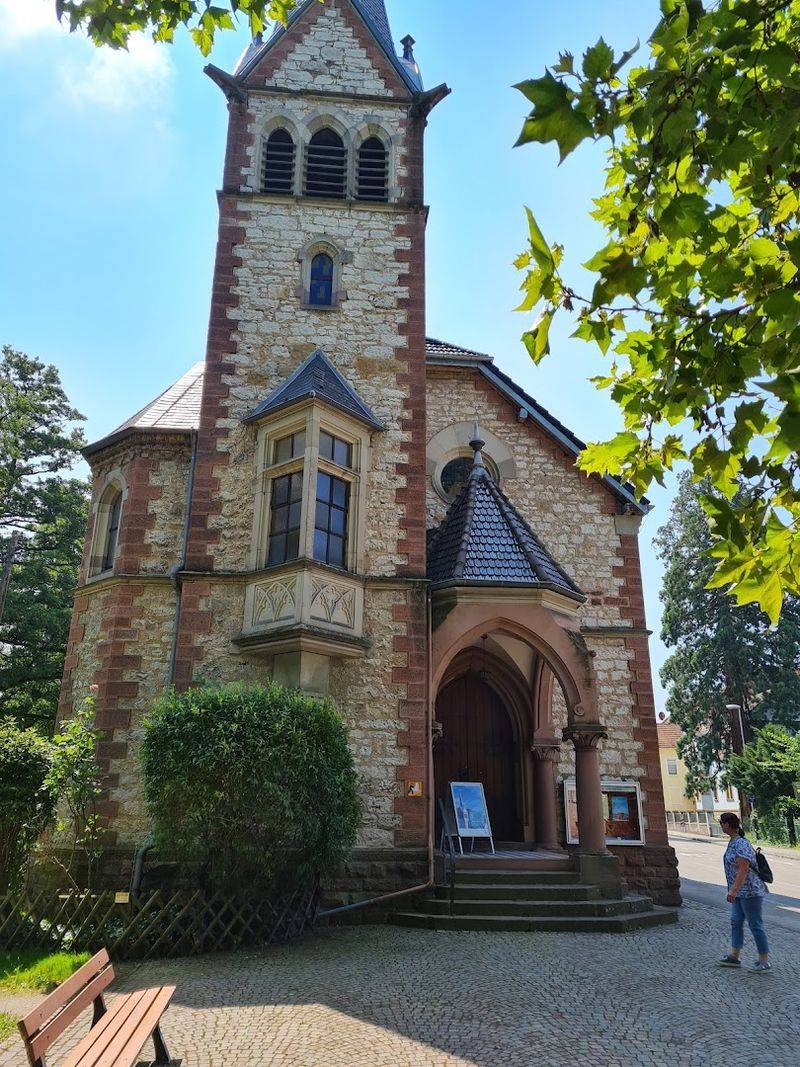
Staufen im Breisgau is the kind of small German town that rewards travelers who venture just a little further than the obvious stops. Located in the southern Black Forest region roughly 20 kilometers from Freiburg, the town combines medieval architecture with vineyard-covered hillsides and a relaxed pace that feels genuinely restorative.
The ruined castle perched above the town offers panoramic views across the Rhine valley toward France and Switzerland.
The town is also famous for its connection to the Faust legend, with locals claiming the infamous alchemist Dr. Faust met his end here in the 16th century. Whether true or not, the story adds an entertaining layer of history to an already atmospheric destination.
The main market square is lined with colorful Renaissance buildings and surrounded by wine taverns serving excellent local Baden vintages.
Wine tasting is genuinely one of the best activities here, with several small family-run wineries offering informal tastings just steps from the town center. Hiking trails through the surrounding vineyards and forest are well-marked and accessible for most fitness levels.
Freiburg makes an excellent base for combining both destinations in a single relaxed day.
Comillas, Spain — Near Santander
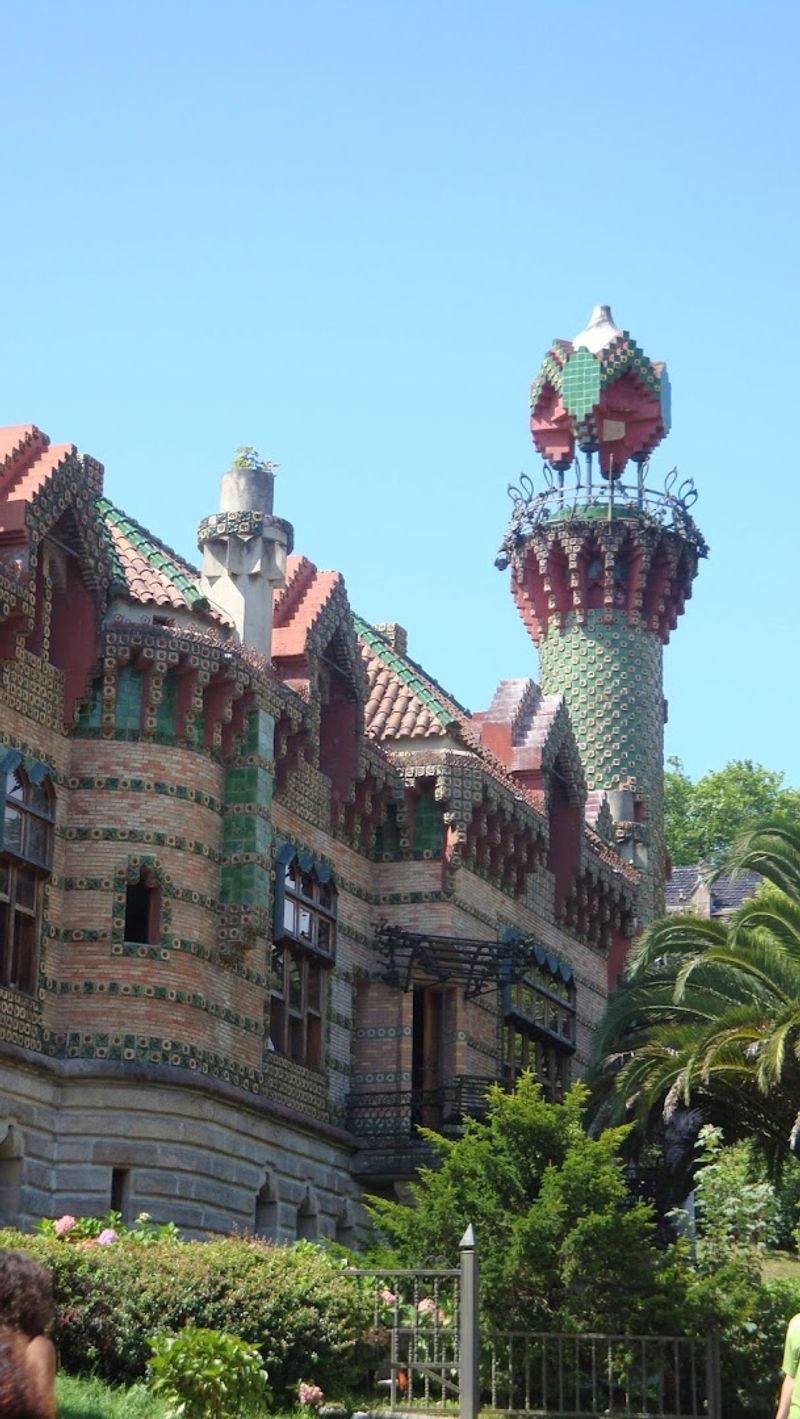
Most people associate Antoni Gaudi exclusively with Barcelona, which makes stumbling across his work in a small northern Spanish coastal town feel like a genuinely exciting discovery. Comillas is home to El Capricho, an early Gaudi building covered in sunflower-patterned ceramic tiles that looks completely out of place in the best possible way.
The town sits on the green Cantabrian coast near Santander, about an hour’s drive from the city.
Beyond the Gaudi building, Comillas has a charming historic center with 19th-century aristocratic mansions, a Gothic-revival university perched dramatically on a hill, and a clean sandy beach that draws Spanish holidaymakers rather than international tour groups. The local seafood is outstanding, with fresh anchovies and grilled fish served at simple harbor-side restaurants that have barely changed in decades.
Northern Spain’s coastline is dramatically different from the Mediterranean south, with rolling green hills, dramatic cliffs, and cooler temperatures making outdoor exploration genuinely pleasant even in summer. Comillas is small enough to cover in a single day but atmospheric enough to merit an overnight stay.
The surrounding Cantabrian region has several equally beautiful coastal villages worth combining into a longer road trip.
Durnstein, Austria — Near Vienna
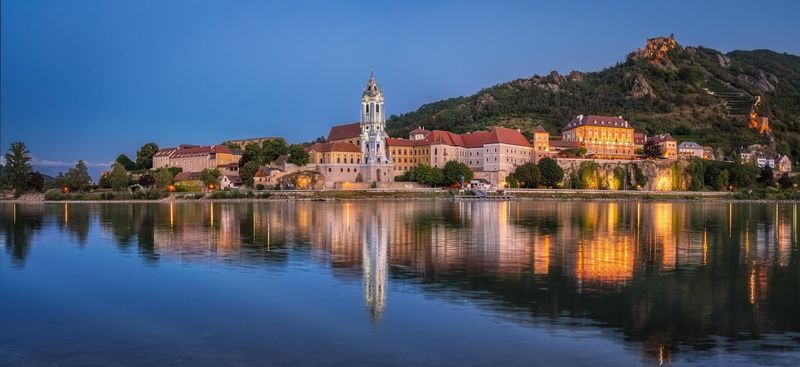
Durnstein is so small that you can walk its entire historic center in about 15 minutes, yet it somehow manages to pack in a baroque church with the most photographed blue tower in Austria, terraced vineyards, riverside apricot orchards, and castle ruins where Richard the Lionheart was once imprisoned. That last detail alone would justify a visit.
Vienna sits roughly 80 kilometers to the east, and the scenic train journey through the Wachau Valley is half the appeal.
The Wachau is one of Austria’s most celebrated wine regions, and Durnstein sits right at its heart. Local Gruner Veltliner and Riesling wines are sold directly from small family cellars throughout the village, often poured by the same family that grew the grapes.
Tasting sessions here feel personal and unhurried rather than commercial.
Cycling along the Danube between Durnstein and the nearby town of Krems is one of the most enjoyable half-day activities in the entire region. The flat riverside path passes through vineyards, small villages, and apricot groves, especially beautiful during spring blossom season.
Staying overnight in one of the village guesthouses means waking up to complete silence and a river view that most Vienna visitors never get to experience.
Bruges, Belgium — Near Brussels
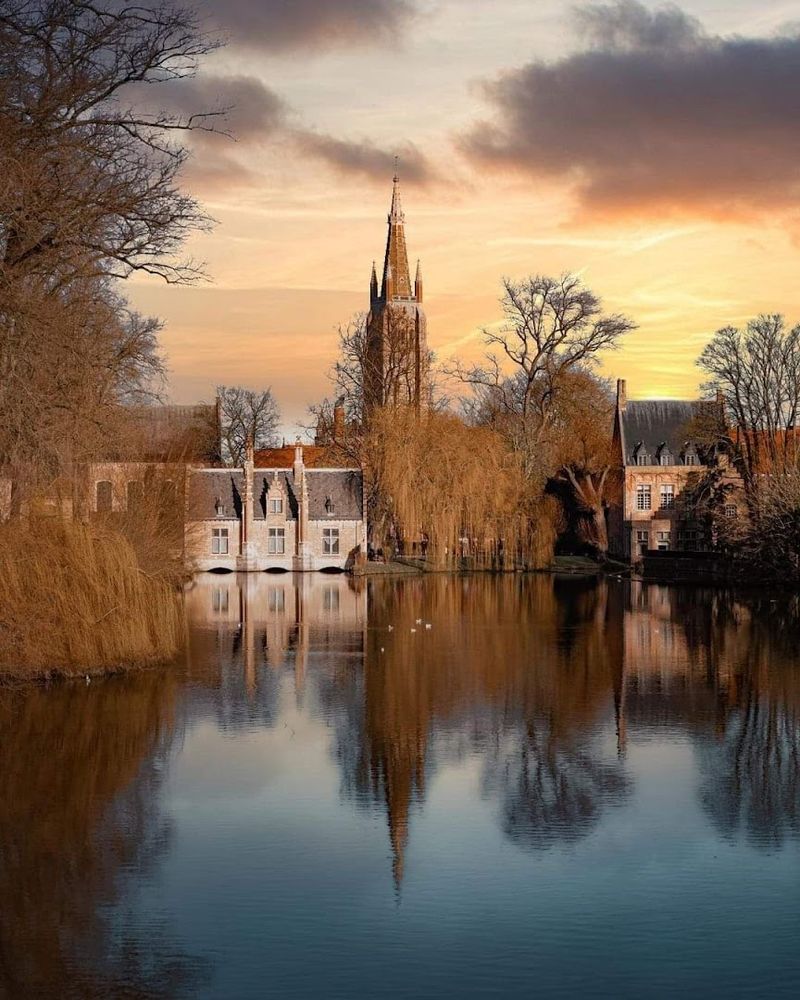
Bruges pulls off something genuinely rare for a popular European destination: it stays charming even when it is busy. The medieval canal network winding through the city center, the cobblestone market square, and the chocolate shops lining every second street create an atmosphere that Brussels, for all its appeal, simply cannot match.
The two cities are connected by a direct train that takes under an hour and runs constantly throughout the day.
The city is compact and almost entirely walkable, with most major attractions clustered within a short distance of the central Markt square. Canal boat tours lasting about 30 minutes offer a completely different perspective on the medieval architecture and are worth doing even if they feel slightly touristy.
The Groeningemuseum houses one of Belgium’s finest collections of Flemish Primitive paintings and is genuinely impressive.
Belgian beer culture is taken very seriously in Bruges, with specialist beer bars stocking hundreds of local varieties and knowledgeable staff happy to guide complete beginners through the options. The city’s chocolate makers are equally passionate, with several family-run shops offering tasting sessions and workshops.
Staying overnight after the day-trip crowds leave transforms Bruges into a quieter, more atmospheric version of itself.
Guimaraes, Portugal — Near Porto
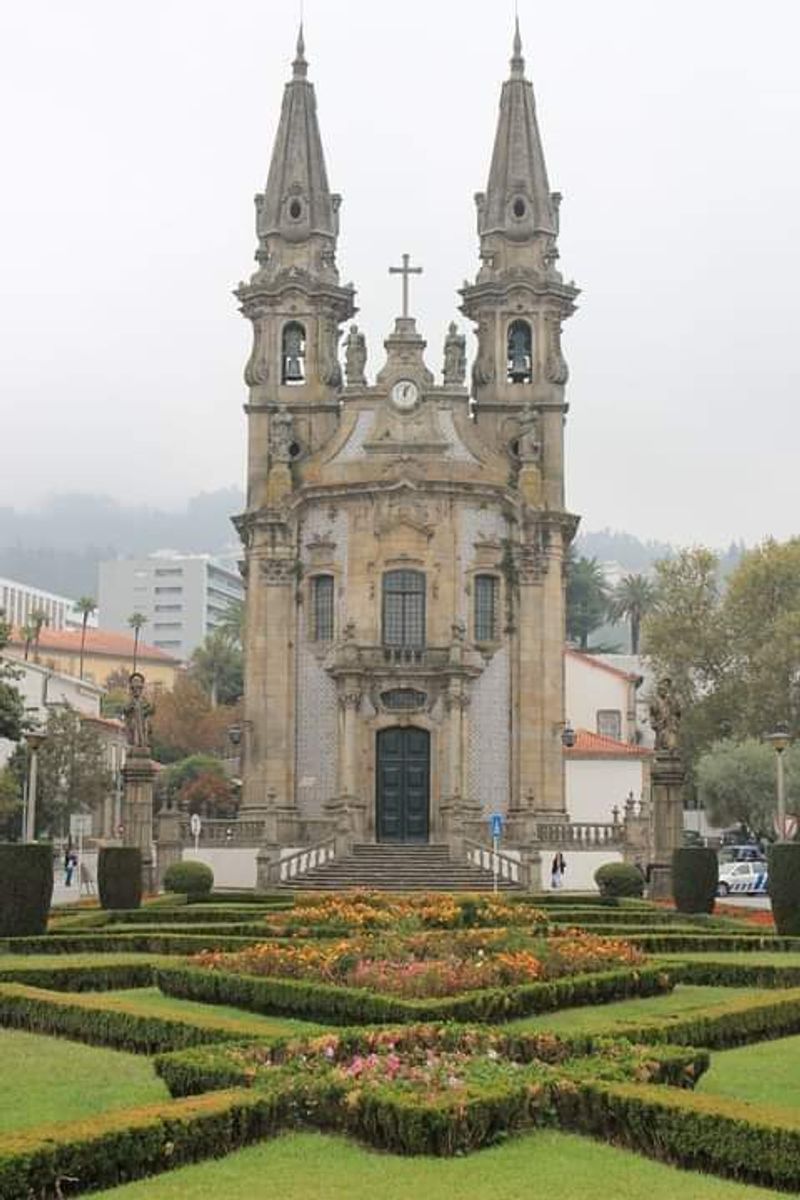
Portugal was born in Guimaraes, or so the locals will proudly tell you, and the historic center backs that claim with a medieval castle, a 15th-century ducal palace, and cobblestone plazas that have changed very little over the centuries. The town sits about an hour north of Porto by train and offers a genuinely different perspective on Portuguese history and culture.
It earned UNESCO World Heritage status in 2001, and walking through the old town makes the reasons obvious.
The Largo da Oliveira square is one of Portugal’s most beautiful public spaces, surrounded by arcaded medieval buildings and centered on a Gothic shrine that locals treat as a casual meeting point rather than a tourist attraction. That naturalness is part of what makes Guimaraes so appealing compared to more heavily visited destinations.
Locals still outnumber tourists in most of the town’s best restaurants and cafes.
The local dish, bacalhau a Guimaraes, is a salted cod preparation worth seeking out at traditional tascas near the historic center. The Penha hill above the town offers woodland walks and a cable car ride with panoramic views across the entire region.
Porto and Guimaraes together make a very satisfying two-day combination.
Gjirokaster, Albania — Near Tirana
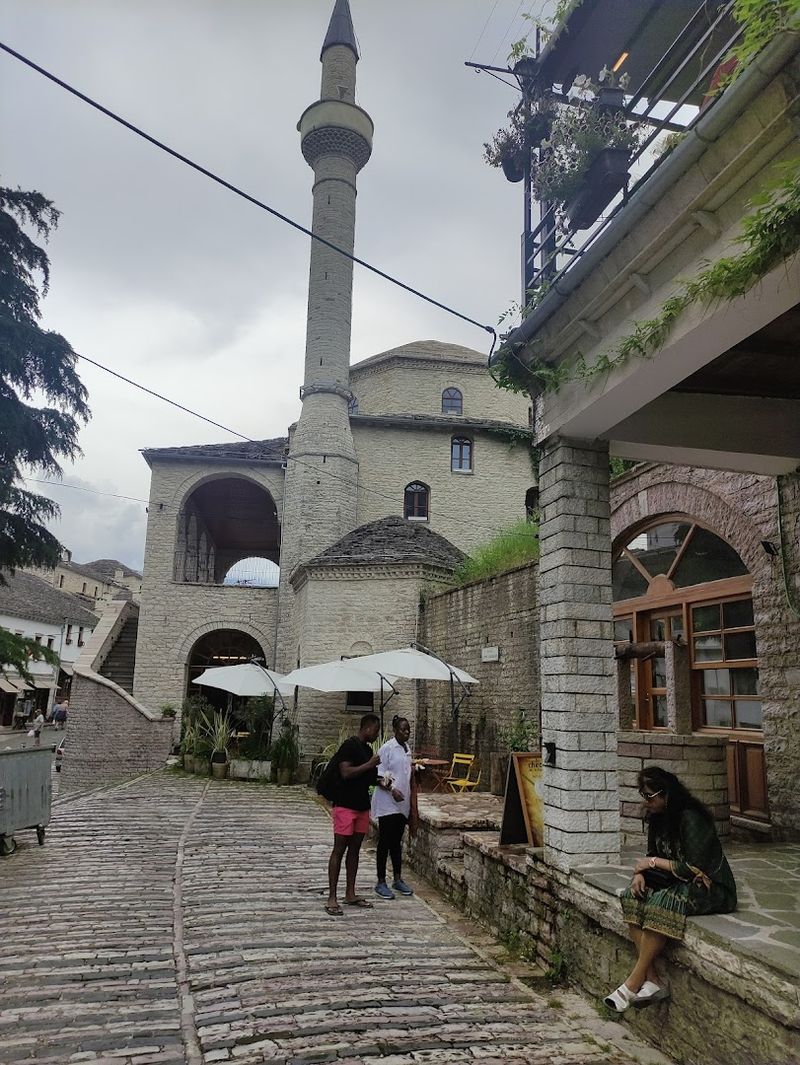
Gjirokaster looks like a city that grew directly out of the mountain it sits on, with heavy Ottoman stone houses stacked up steep hillsides beneath one of the largest fortress complexes in the entire Balkans. The town is a UNESCO World Heritage Site and one of the most architecturally distinctive places in southeastern Europe, yet it remains genuinely off the beaten path compared to better-known Albanian destinations.
Tirana is about 2.5 hours away by bus, making it a manageable day trip or overnight stop.
The bazaar district at the base of the hill has been a center of trade and craftsmanship for centuries and still functions as a working neighborhood rather than a tourist performance. Local silversmiths, cobblers, and textile workers operate from stone-arched workshops that look largely unchanged from historic photographs.
The atmosphere is authentic in a way that feels increasingly rare across the continent.
The fortress above the town houses a weapons museum, a captured American military plane, and sweeping views across the Drino valley that stretch toward Greece on clear days. Accommodation in restored Ottoman mansions offers an immersive and surprisingly affordable experience.
Albania as a whole is one of Europe’s most underrated travel destinations, and Gjirokaster is its most compelling argument.
Lindau, Germany — Near Zurich
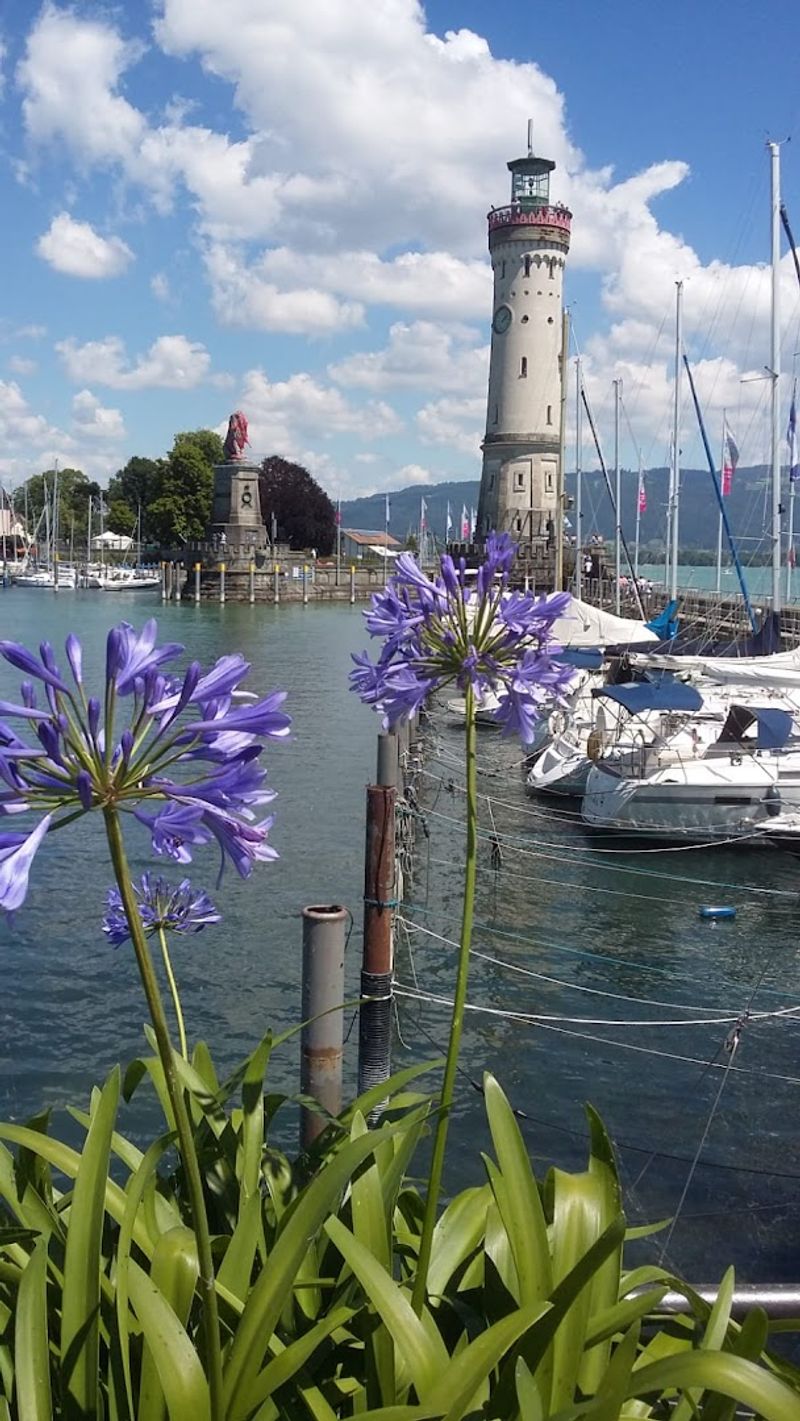
Lindau sits on a small island in Lake Constance connected to the mainland by a bridge and a causeway, which immediately gives it a slightly magical, cut-off-from-the-world quality that larger cities simply cannot replicate. The harbor entrance is guarded by a stone lion and a striped lighthouse, with the Alps rising dramatically across the water on clear days.
Zurich is about an hour away by train, and Munich is reachable in roughly two hours.
The old town is beautifully preserved with medieval towers, baroque facades, and pedestrian lanes that fill with cafe tables during summer. The lakeside promenade is one of the most pleasant evening walks in southern Germany, with views shifting from alpine peaks to colorful wooden boats depending on which direction you face.
Swimming directly from the island’s public lakeshore is a popular local activity throughout summer.
Lindau also sits at the point where Germany, Austria, and Switzerland meet, making it an excellent base for exploring three countries in a single trip. Day trips to Bregenz in Austria or Rorschach in Switzerland are both easily managed from here.
The town has a relaxed, well-heeled atmosphere that feels distinctly different from the tourist energy of either Zurich or Munich.
Bormes-les-Mimosas, France — Near Nice
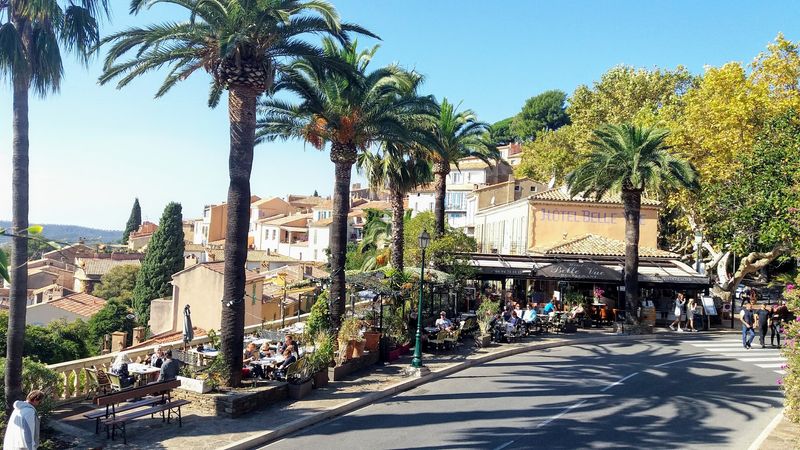
Bormes-les-Mimosas earns its name every February when the entire village erupts in a blaze of yellow mimosa blossoms that cascade over stone walls, fill the air with a faint sweet scent, and make the whole hillside look like it is glowing. The village sits in the Var department of the French Riviera, roughly an hour from Nice and well away from the frenzy of Saint-Tropez.
Flower-draped lanes, medieval towers, and panoramic Mediterranean views make it one of the most photogenic villages in southern France.
The village is officially listed among Les Plus Beaux Villages de France, a distinction awarded to fewer than 160 communities nationwide and taken very seriously by locals. Craft shops, pottery studios, and small art galleries fill the stone archways of the historic center, selling work by regional artists rather than mass-produced souvenirs.
Lunch at one of the shaded terrace restaurants with views stretching to the Iles d’Or islands offshore is a very good use of an afternoon.
The surrounding coastline has excellent beaches, hiking trails through cork oak forests, and a sailing harbor at Le Lavandou just minutes below the village. Nice makes a practical base for combining the Riviera coast with inland Provencal villages like Bormes.
The drive along the coastal road between Nice and Bormes is scenic enough to be an attraction in itself.
Share this story