Barcelona is brilliant, but let’s be honest, it can feel like half of Europe showed up at the same time. Spain has dozens of cities packed with history, food, beaches, and culture that most tourists simply walk right past.
From Moorish palaces to cliffside villages and pintxos bars buzzing with locals, these under-the-radar destinations deliver real Spanish magic without the elbow-to-elbow queues. Pack your bags and prepare to fall for a side of Spain that most visitors never even find.
Valencia
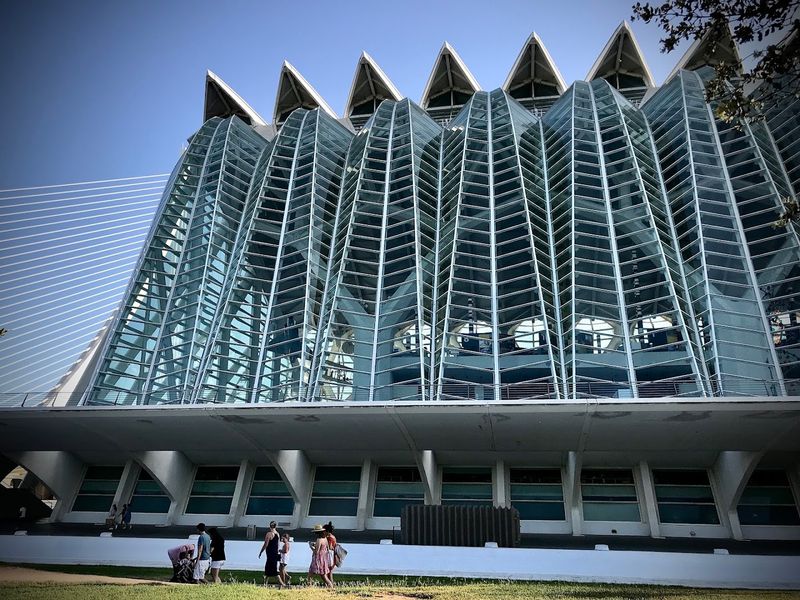
Forget the guidebook cliches, Valencia is the kind of city that makes you rethink your entire travel bucket list in about 48 hours. The City of Arts and Sciences alone looks like something borrowed from a science fiction film, all gleaming white curves and mirror-like pools stretching across the old riverbed.
It is genuinely one of Europe’s most jaw-dropping urban spaces, and somehow it still surprises people who show up expecting something ordinary.
Paella was born here, and the locals are very serious about that fact. Head to the Malvarrosa beachfront on a Sunday and you will find families gathered around enormous pans of rice cooked over open flames, which is about as authentic as Spanish food culture gets.
The old town neighborhoods like Carmen and Ruzafa buzz with independent cafes, street art, and tapas bars that stay open well past midnight.
Valencia’s beach is wide, clean, and far less crowded than Barcelona’s Barceloneta. Tram connections make getting around easy.
Accommodation costs noticeably less than in Barcelona, and the overall vibe is relaxed without feeling sleepy. Valencia rewards slow exploration more than almost any other Spanish city.
Girona
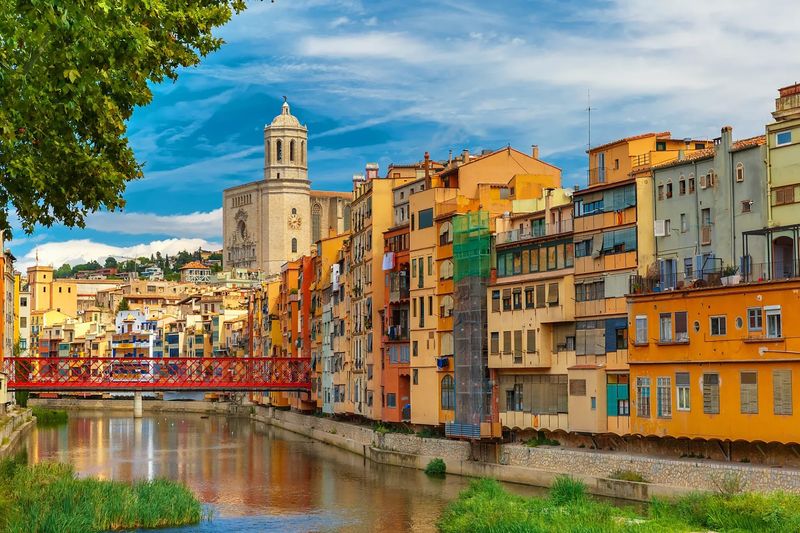
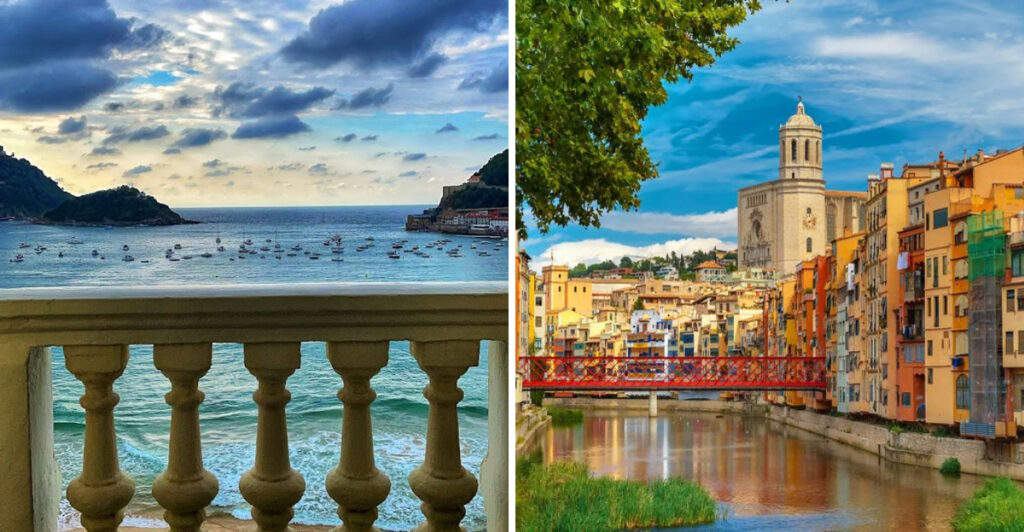
Girona looks like someone took a fairy tale and turned it into a real city. The famous row of colorful houses leaning over the Onyar River has been photographed millions of times, yet somehow standing in front of them in person still manages to feel genuinely magical.
Game of Thrones fans will recognize the cobblestone streets immediately, though the city’s charm runs far deeper than any TV show connection.
The medieval Jewish quarter, known as El Call, is one of the best preserved in Europe. Narrow stone alleyways wind between ancient walls in ways that make it easy to get wonderfully lost for an entire afternoon.
The Gothic cathedral at the top of the famous staircase offers sweeping rooftop views across the city that no photograph really does justice.
Girona sits just one hour from Barcelona by train, making it a natural day trip, though spending a night or two here is strongly recommended. The restaurant scene punches well above the city’s size, with El Celler de Can Roca, a three-Michelin-star institution, located right here.
Prices across hotels, restaurants, and shops are noticeably gentler than Barcelona without sacrificing any quality.
Tarragona
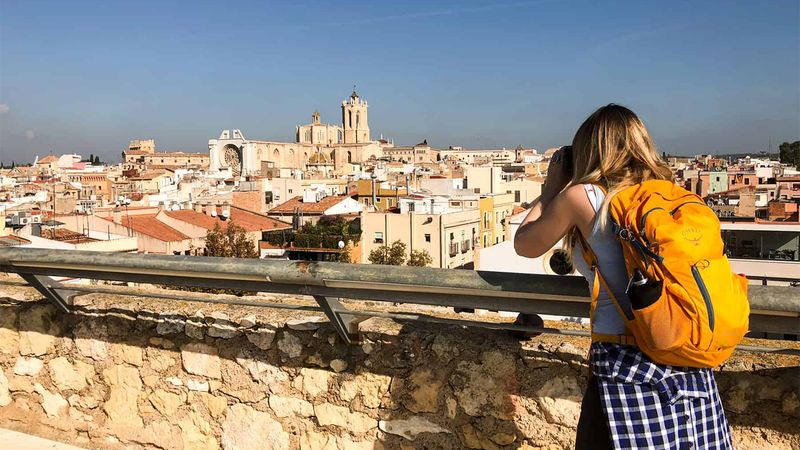
Two thousand years ago, Tarragona was one of the most powerful Roman cities in the entire western Mediterranean. Walking through the old town today, that history is not locked behind museum glass but scattered right across the city in walls, an amphitheater, and aqueduct ruins that you can actually touch.
History lovers who visit often describe it as one of their best surprises in all of Spain.
The Roman amphitheater sits dramatically above the sea, which makes it one of the most scenically positioned ancient ruins anywhere in Europe. Sunset from the old city walls, with the Mediterranean stretching out below, is the kind of view that stays with you long after the trip ends.
The historic center earned UNESCO World Heritage status, and it absolutely earns every bit of that recognition.
Tarragona’s beaches are clean and accessible without the sardine-tin crowding that plagues Barcelona’s waterfront during summer. The local food market on Plaça Corsini is a wonderful morning stop for fresh produce, olives, and local cheeses.
Getting here from Barcelona takes under an hour by train, and the city genuinely feels like a place where real Catalan life carries on undisturbed by mass tourism.
Zaragoza
Most international travelers speed past Zaragoza on the high-speed train between Madrid and Barcelona without ever stepping off, and that is genuinely their loss. Spain’s fifth-largest city offers a staggering amount of history, architecture, and food culture while maintaining the kind of relaxed, locals-first atmosphere that has almost entirely disappeared from Spain’s more famous destinations.
The sheer number of things to see here relative to the number of tourists is almost unfair.
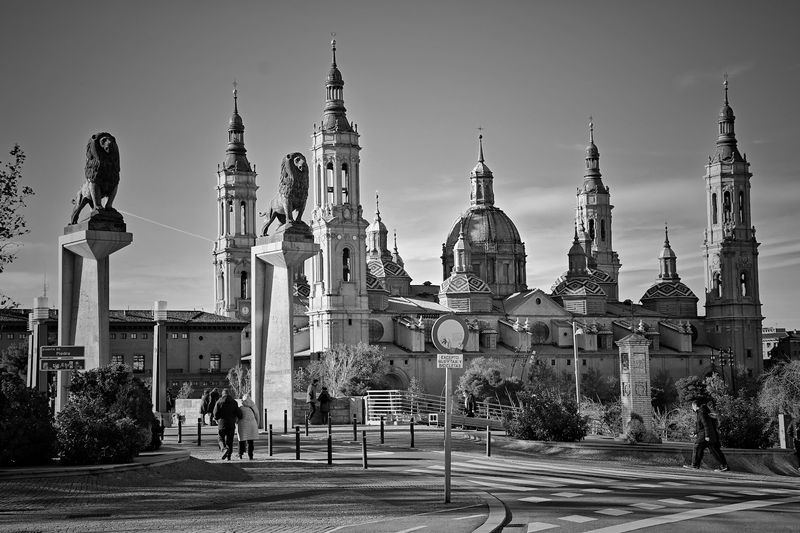
The Basilica del Pilar is one of Spain’s most impressive religious buildings, its baroque towers reflected dramatically in the Ebro River at golden hour. The Aljaferia Palace, a stunning example of Moorish architecture built in the eleventh century, rivals anything in Granada or Seville yet sees a fraction of the visitors.
Walking between these two landmarks alone covers centuries of history in under an hour.
Zaragoza’s tapas scene, called tapeo locally, is energetic and affordable. The streets around Calle del Temple and Casco Historico fill up with locals every evening for rounds of cheap wine and generous small plates.
Hotels here cost significantly less than in Barcelona, and the city’s central location makes it an ideal base for exploring Aragon’s wider landscapes, including the dramatic Pyrenees mountains nearby.
Cadiz
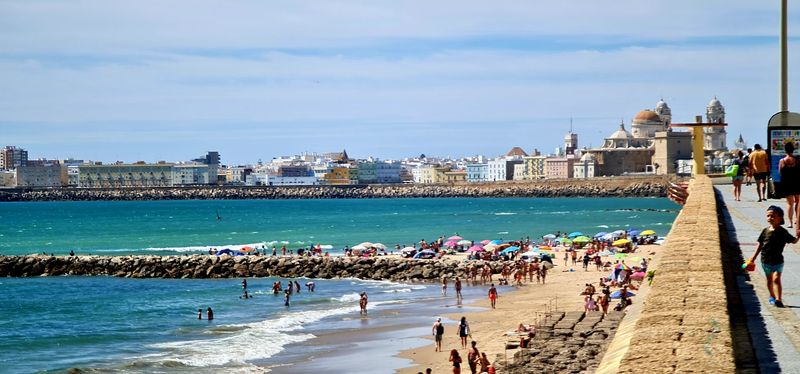
Cadiz claims to be the oldest continuously inhabited city in Western Europe, a title it wears with tremendous, sun-baked confidence. Surrounded by the Atlantic on almost every side, this compact peninsula city has a salty, windswept personality unlike anywhere else in Spain.
Locals here have a reputation for being among the most warm and wickedly funny people on the Iberian Peninsula, which tells you a lot about the general atmosphere.
The city’s cathedral, with its golden dome visible from nearly every street corner, anchors a historic center packed with narrow lanes, fish markets, and tiny tapas bars serving some of Spain’s freshest seafood. Fried fish here is practically a religion, and the casual chiringuitos along the beach serve it wrapped in paper with cold beer at prices that feel almost too good to be true.
Cadiz’s beaches stretch along both sides of the peninsula, offering Atlantic surf and calmer bay waters depending on your preference. The famous February Carnival is one of Europe’s best street festivals, drawing huge crowds but maintaining a distinctly local flavor.
Outside of carnival season, the city moves at a gentle pace that makes it ideal for travelers who want culture, coastline, and good food without the relentless tourist machine running in the background.
Salamanca
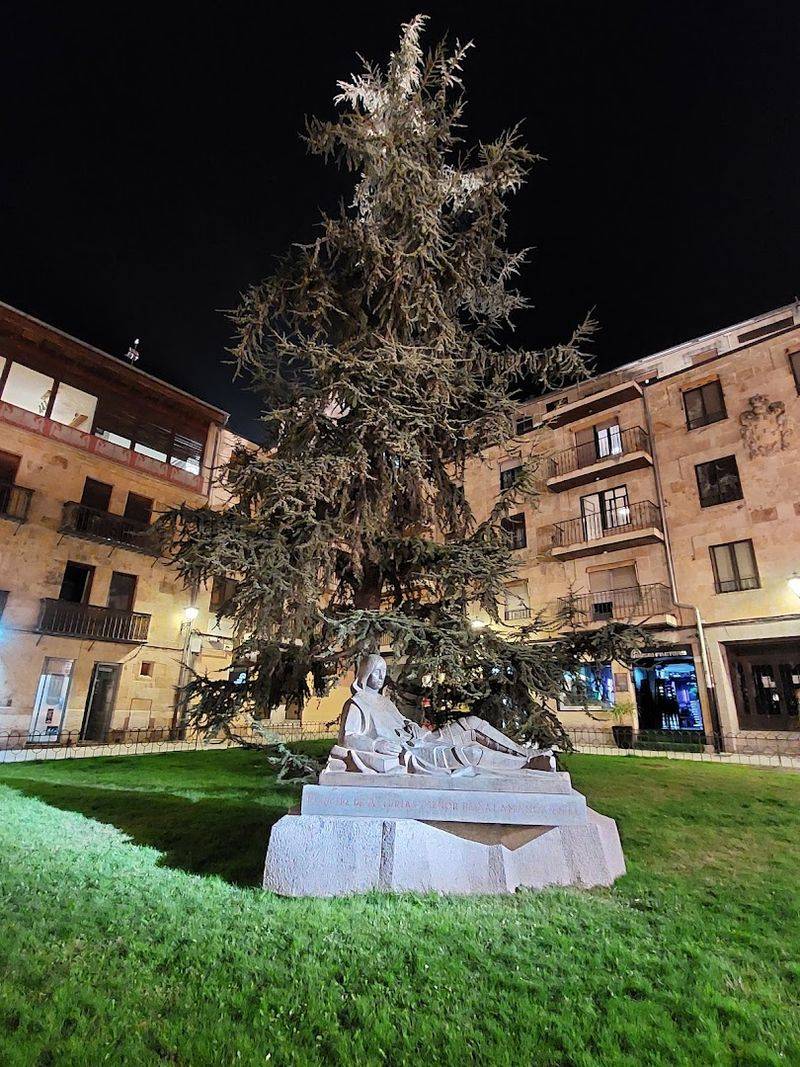
There is a golden hour in Salamanca that photographers chase obsessively, and it has nothing to do with the sun. The city’s buildings are constructed from a local sandstone called Vilmayor stone that turns a rich, warm amber in the afternoon light, giving the entire historic center a glow that feels almost theatrical.
No filter required, no editing needed, just stand in Plaza Mayor and let it happen.
The University of Salamanca, founded in 1218, is one of the oldest in the world and still very much active. Its ornate Plateresque facade is a masterpiece of Spanish Renaissance carving, hiding a tiny frog carved into the stonework that students traditionally try to find before exams for good luck.
The university gives the city a youthful, intellectual energy that balances perfectly with its heavyweight historic credentials.
Despite all this beauty, Salamanca receives a surprisingly modest number of international tourists. Spanish visitors know it well, but foreign travelers often overlook it entirely in favor of Madrid or Seville.
That means you can wander the cathedral cloisters, browse the covered market, and sit in a tapas bar without fighting for space. Accommodation is affordable, the nightlife is genuinely lively, and the food scene is quietly excellent throughout.
Bilbao
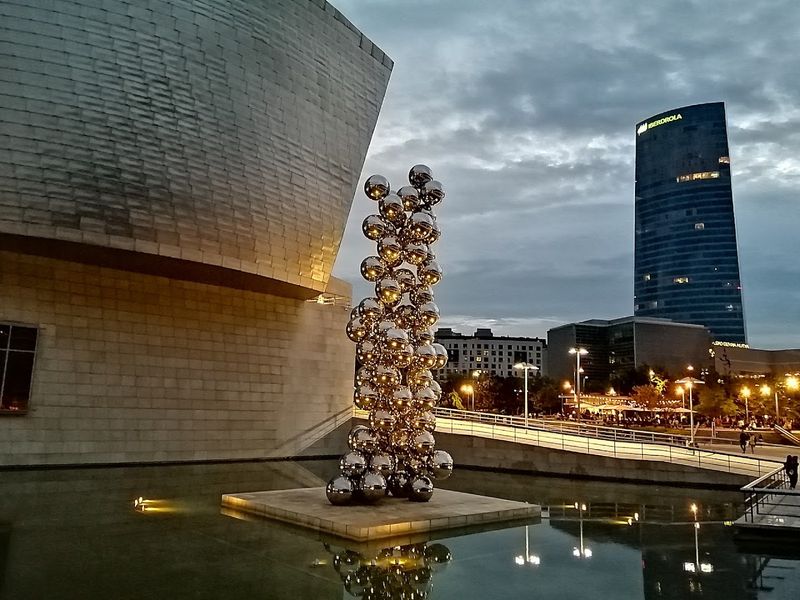
Frank Gehry’s Guggenheim Museum arrived in Bilbao in 1997 and basically rewrote the rulebook on what a building could do for an entire city. Before the museum opened, Bilbao was a gritty industrial port town.
Within a decade, it had transformed into one of Europe’s most celebrated cultural destinations, a story now studied in urban planning schools worldwide. The building itself, all swooping titanium curves, genuinely stops people in their tracks every single time.
Basque food culture is arguably the best in Spain, and Bilbao is its beating heart. The Casco Viejo, or old quarter, is packed with pintxos bars where small bites of extraordinary food line the counters at almost comically low prices.
Gilda skewers, salt cod croquettes, and spider crab toasts are just the beginning of what you will encounter on a proper bar crawl through the neighborhood’s lively streets.
The Nervion River, once heavily industrialized, is now lined with parks, galleries, and pedestrian walkways that make for lovely evening strolls. Bilbao’s airport connects well internationally, and the city serves as a natural base for exploring the Basque coast, including the famous surf beach at Mundaka.
Visitor numbers here are significant but nowhere near Barcelona’s overwhelming scale, so the city still feels genuinely lived-in and welcoming.
Vitoria-Gasteiz
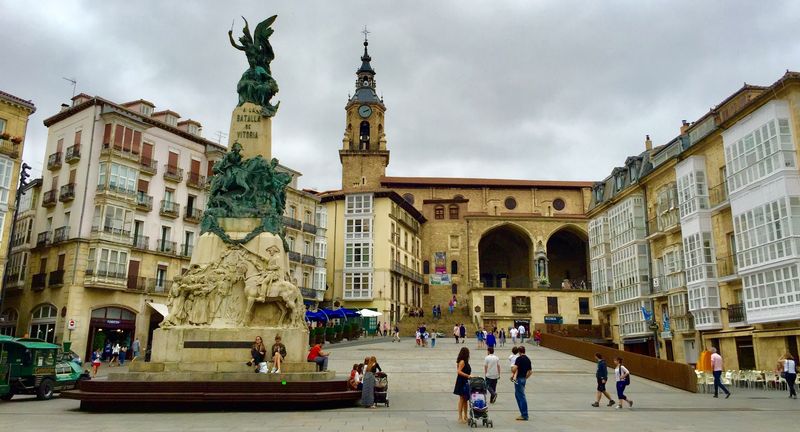
Vitoria-Gasteiz is the kind of city that quietly wins awards while the rest of the world is busy taking selfies somewhere else. It was named European Green Capital in 2012, and the title fits perfectly.
A vast inner green belt wraps around the historic core, parks weave through the urban fabric, and cycling infrastructure is genuinely excellent rather than just decorative. Walking around here feels noticeably healthier than most European capitals.
The medieval old town, shaped like an almond on the hilltop, is one of the best preserved in Spain. Steep stone streets lined with arched porticos lead up to the Gothic Cathedral of Santa Maria, which has been undergoing a fascinating open-to-the-public restoration for years.
Visitors can actually watch stonemasons and conservators at work, which turns the cathedral visit into something genuinely interactive rather than just reverential.
Vitoria-Gasteiz is the official capital of the Basque Country, a fact that surprises many visitors who assume Bilbao holds that title. The city’s food scene benefits enormously from Basque culinary tradition, with tapas bars and traditional restaurants delivering quality that rivals much more famous destinations.
Visitor numbers remain low by Spanish standards, meaning you can genuinely explore at your own pace without queuing, rushing, or paying tourist-trap prices.
San Sebastian
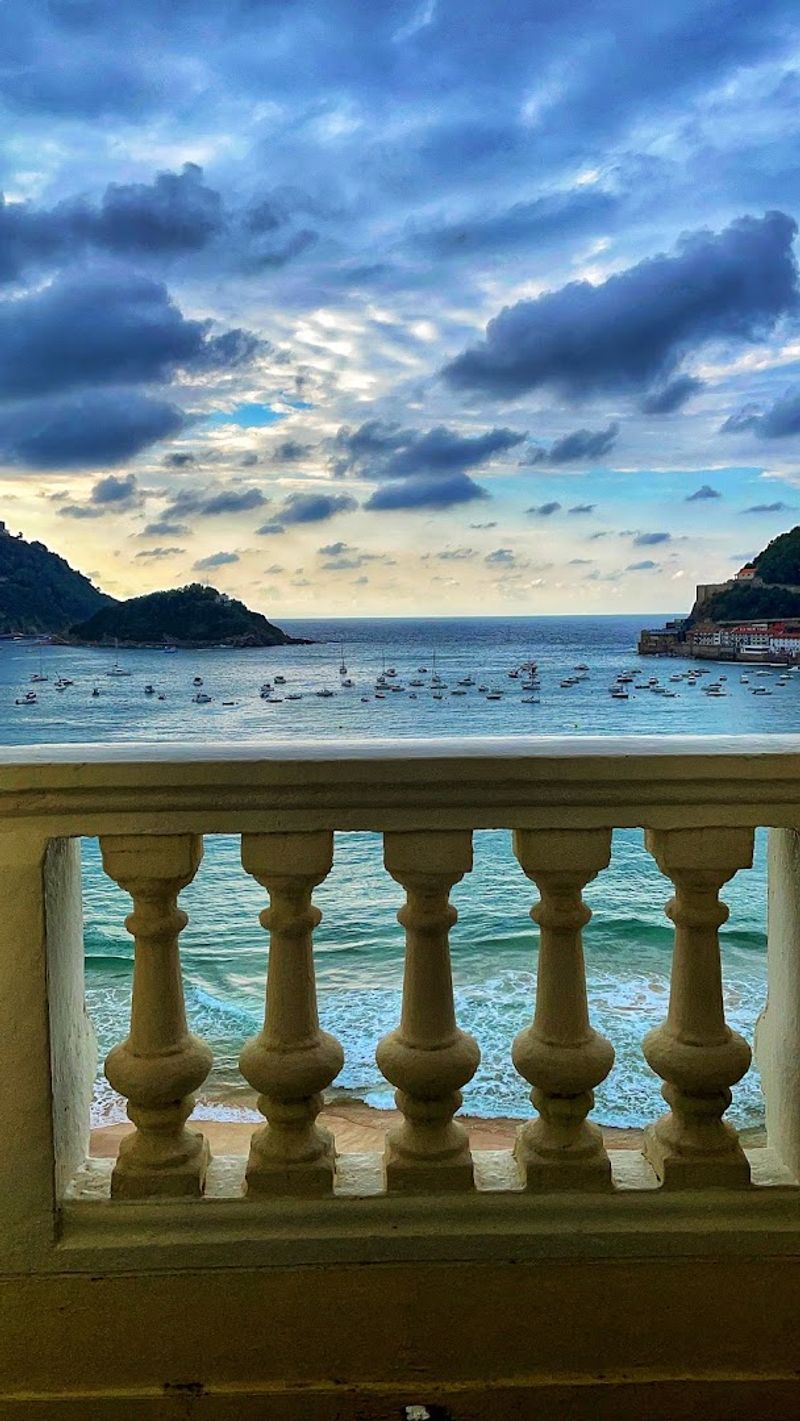
San Sebastian has the kind of beauty that makes first-time visitors quietly furious they did not come sooner. La Concha bay curves in a near-perfect crescent between green hills and elegant Belle Epoque architecture, creating a seafront scene that has been called one of Europe’s finest for well over a century.
The beach itself is clean, well-organized, and genuinely swimmable, which cannot be said for every famous European shoreline.
Pintxos culture here operates at a level that borders on competitive sport. Bar counters in the Parte Vieja, the old quarter, are stacked with extraordinary small bites that rotate throughout the day as fresh rounds arrive from the kitchen.
The rule is simple: grab a plate, point at what looks good, order a glass of txakoli white wine, and repeat until you are very full and very happy.
San Sebastian has grown more popular over the past decade, but it still feels considerably calmer and more elegant than Barcelona. The city is compact enough to explore entirely on foot, and the surrounding Basque coastline offers surf beaches, fishing villages, and cider houses within easy day-trip distance.
Prices are higher than in some Spanish cities but justified by the extraordinary quality of food, accommodation, and overall experience throughout.
Cordoba
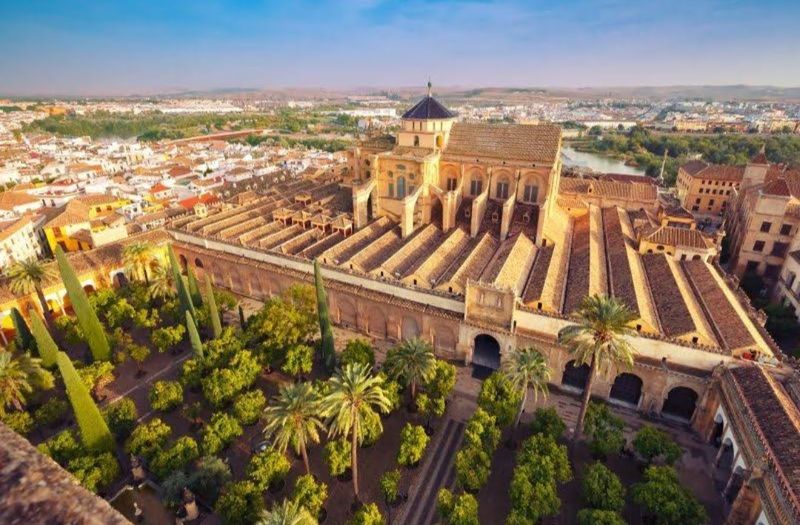
Standing inside Cordoba’s Mezquita for the first time is one of those travel moments that genuinely silences people mid-sentence. Hundreds of red-and-white striped arches stretch away in every direction, creating a forest of stone that feels simultaneously ancient and completely otherworldly.
Built originally as a mosque in the eighth century and later converted into a cathedral, the building layers centuries of history into a single, extraordinary space.
The Jewish quarter surrounding the Mezquita is a tangle of whitewashed lanes, flower-filled courtyards, and small plazas that reward slow, aimless wandering. During the Festival of the Patios each May, private courtyards across the city open their gates to reveal explosions of geraniums, jasmine, and bougainvillea competing for a prize that locals take incredibly seriously.
Even outside festival season, the neighborhood’s atmosphere is enchanting and remarkably peaceful by Spanish standards.
Cordoba sits roughly midway between Seville and Granada on the high-speed rail line, making it easy to include without backtracking. Summer temperatures here are fierce, so visiting in spring or autumn is strongly recommended for anyone who prefers sightseeing over surviving.
Evening hours in the historic center are particularly special, when the day-trippers have left and the narrow streets cool down and fill with the smell of orange blossom.
Cuenca
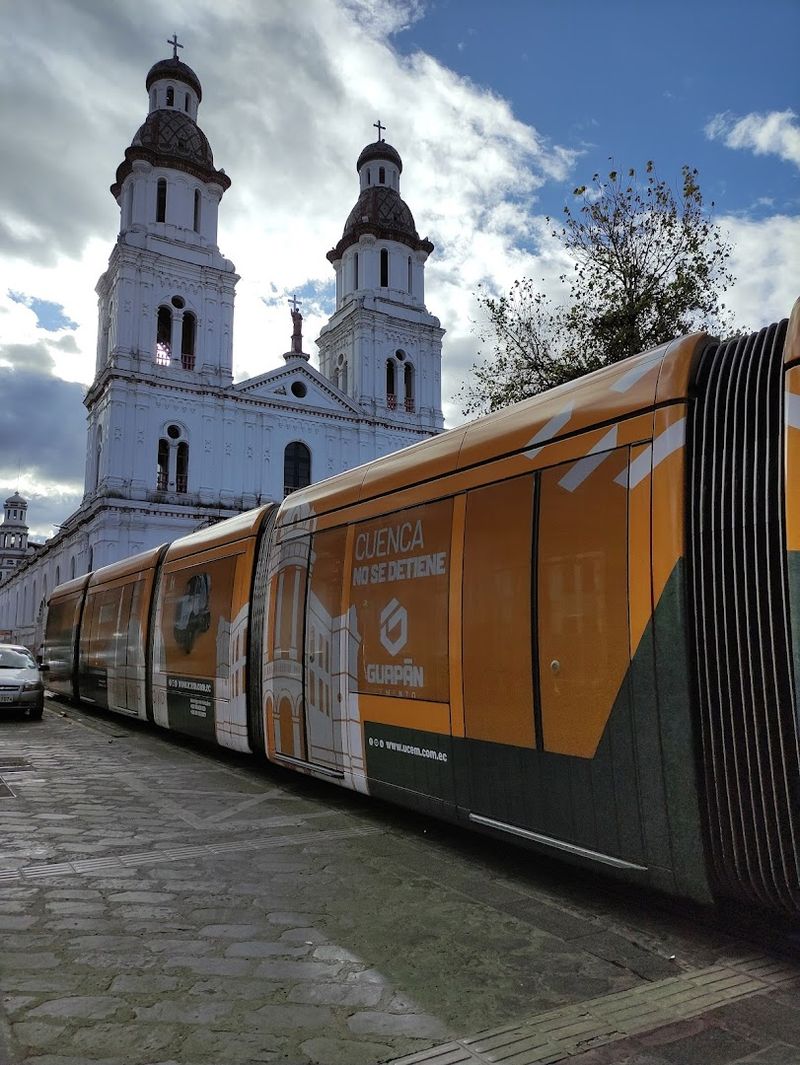
Cuenca’s famous Casas Colgadas, or hanging houses, literally dangle over a sheer cliff edge above the Huecar River gorge, which is either thrilling or mildly terrifying depending on your relationship with heights. Built in the fourteenth century, these medieval structures have wooden balconies projecting out into thin air hundreds of feet above the canyon floor.
One of them now houses an excellent abstract art museum, which is perhaps the most dramatically located gallery in all of Spain.
The old city sits on a narrow ridge between two river gorges, giving it a natural defensive position that medieval builders used brilliantly. Walking the old quarter means constant views down into deep green ravines on both sides, with the cathedral and ancient palaces crowding together along the ridge’s central spine.
The dramatic landscape makes Cuenca visually unlike any other Spanish city, giving photographers and architecture lovers endless material to work with.
Cuenca is located in Castilla-La Mancha, roughly two and a half hours from Madrid by high-speed train. The modern lower city is unremarkable, but the historic upper town is a UNESCO World Heritage Site and absolutely worth the climb.
Visitor numbers are modest, prices are reasonable, and the city has a genuine artistic community that adds a creative energy to its medieval bones.
Denia
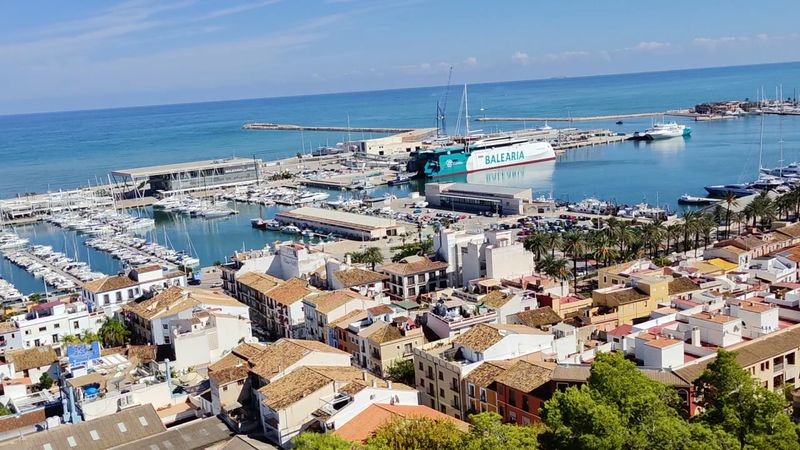
Denia sits quietly on the Costa Blanca, doing everything a great Mediterranean coastal city should do while somehow avoiding the overbuilt, neon-sign chaos that ruins so many Spanish resort towns. A Moorish castle sits on a hill above the harbor, and from its battlements you can see clear across the sea toward Ibiza on a good day.
The town below is a proper working port with fishing boats, covered markets, and restaurants that cater heavily to locals rather than package tourists.
The food scene here carries serious weight. Denia is considered by many Spanish chefs to be the spiritual home of Mediterranean rice cooking, and the local red prawns, gambas rojas de Denia, are among the most prized seafood in all of Spain.
A plate of them simply grilled with sea salt at a harborside restaurant is the kind of meal people talk about for years afterward.
The beaches north and south of town are long, clean, and backed by natural dunes rather than concrete hotels, which is increasingly rare along this stretch of coastline. Denia also serves as the main ferry port for crossings to Ibiza and Formentera, making it a practical base for island hopping without the inflated prices of Valencia city.
Summer gets busy but never overwhelmingly so compared to the region’s more famous resort strips.
Tossa de Mar
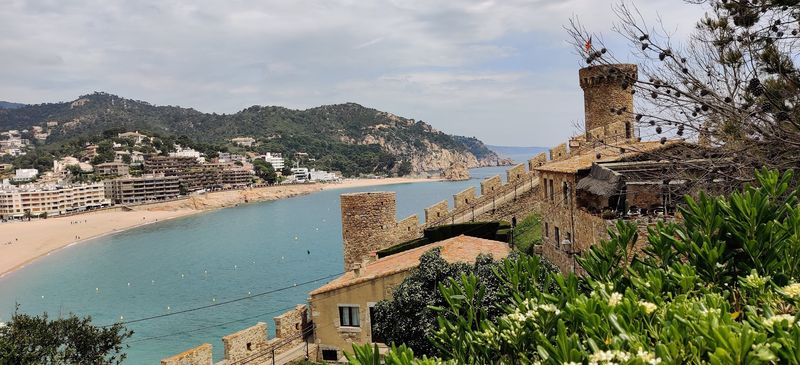
Tossa de Mar has the kind of setting that makes people stop scrolling and actually book a flight. A medieval walled town, the Vila Vella, crowns a rocky headland above a turquoise cove, its stone towers and battlements dating back to the twelfth century.
It is one of only three remaining fortified medieval towns on the entire Costa Brava, which makes it genuinely rare rather than just picturesque.
The main beach below the old walls is sheltered, clear, and far more manageable than anything you will find along the Barcelona waterfront in July. Smaller coves accessible by a coastal path north of town offer even more seclusion for anyone willing to walk thirty minutes with a beach bag.
The water along this stretch of the Costa Brava is some of the cleanest in the Mediterranean, with visibility that makes snorkeling genuinely rewarding.
The town itself is small enough to walk end to end in twenty minutes but packed with good seafood restaurants, a municipal museum with an impressive Chagall collection, and a relaxed promenade atmosphere. Day-trippers arrive from Barcelona and Girona during summer, but evenings belong entirely to those staying overnight.
Buses connect regularly to Girona, and from there the train back to Barcelona is straightforward, making Tossa a perfect two-night escape from city crowds.
Ronda
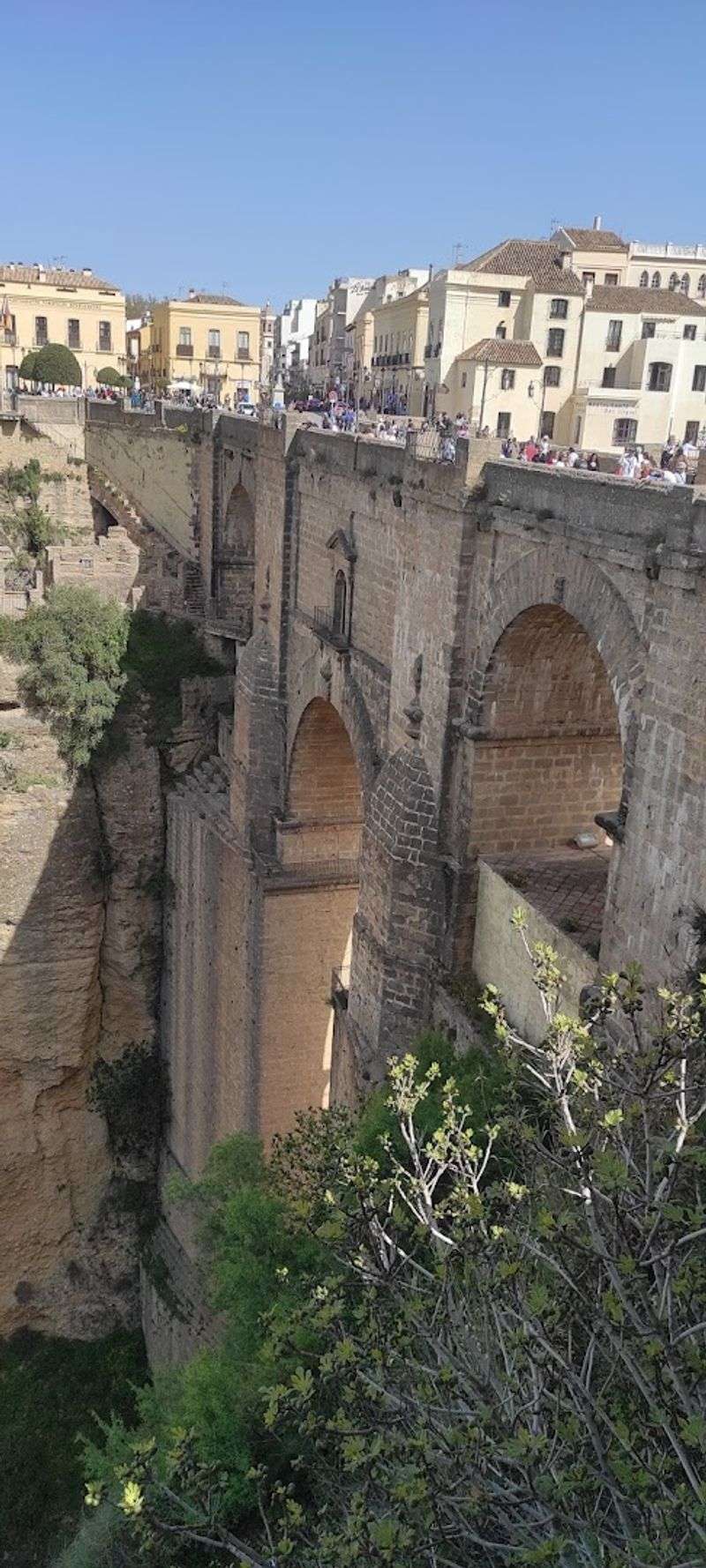
Ronda is perched on the edge of a sheer cliff in a way that seems structurally improbable and visually unforgettable in equal measure. The Puente Nuevo bridge, completed in 1793, spans the El Tajo gorge at a dizzying height of 120 meters, connecting the old Moorish quarter with the newer Spanish town across a gap that used to be completely impassable.
Looking down from the bridge railing into the gorge below is the kind of experience that makes your legs go slightly wobbly regardless of age.
Ronda is also considered the birthplace of modern bullfighting, and its eighteenth-century bullring is one of the oldest and most architecturally beautiful in Spain. Whether or not bullfighting appeals to you personally, the ring itself is worth visiting as a piece of history and craftsmanship.
The surrounding old town, with its Moorish baths, Arab walls, and tiled plazas, is compact but extraordinarily rich in atmosphere and detail.
The mountain scenery around Ronda adds enormous appeal for hikers and nature lovers. The Sierra de las Nieves national park begins practically at the city’s edge, offering trails through cork oak forests and limestone landscapes.
Ronda works beautifully as a standalone destination or as a stop on a wider Andalusia road trip connecting Seville, Granada, and the white villages of the Pueblos Blancos nearby.
Guimaraes
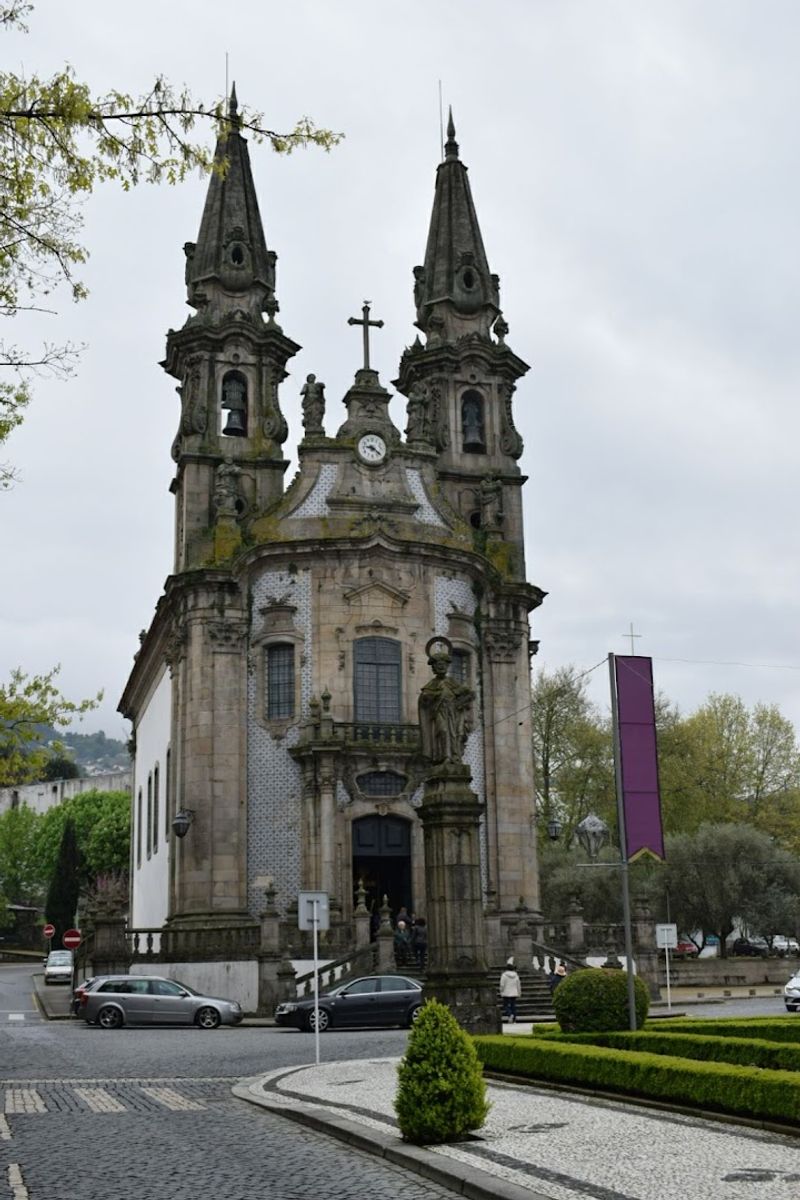
Technically sitting just across the border in Portugal, Guimaraes earns its place here because travelers exploring northern Spain regularly include it and because the city embodies exactly the kind of unhurried Iberian charm this list celebrates. Known as the birthplace of Portugal, a title proudly displayed on a plaque near the castle entrance, Guimaraes carries enormous historical weight in a remarkably compact and walkable package.
The entire historic center is a UNESCO World Heritage Site.
The medieval castle, built in the tenth century, anchors the upper part of the old town and is one of Portugal’s most important national symbols. Below it, the Largo da Oliveira square and surrounding streets are lined with arcaded medieval buildings, outdoor cafe tables, and the kind of relaxed afternoon atmosphere that makes two hours disappear without noticing.
The Palace of the Dukes of Braganza nearby is another architectural highlight worth exploring slowly.
Guimaraes sits about an hour from Porto by train or bus, making it an easy addition to any northern Iberian itinerary. Tourism here is growing but remains at a level where the city still feels authentic and unhurried.
Local restaurants serve hearty Minho cuisine featuring slow-cooked meats, regional wines, and bread-based dishes that differ pleasantly from the tapas culture dominating most of Spain just a short drive away.
Share this story