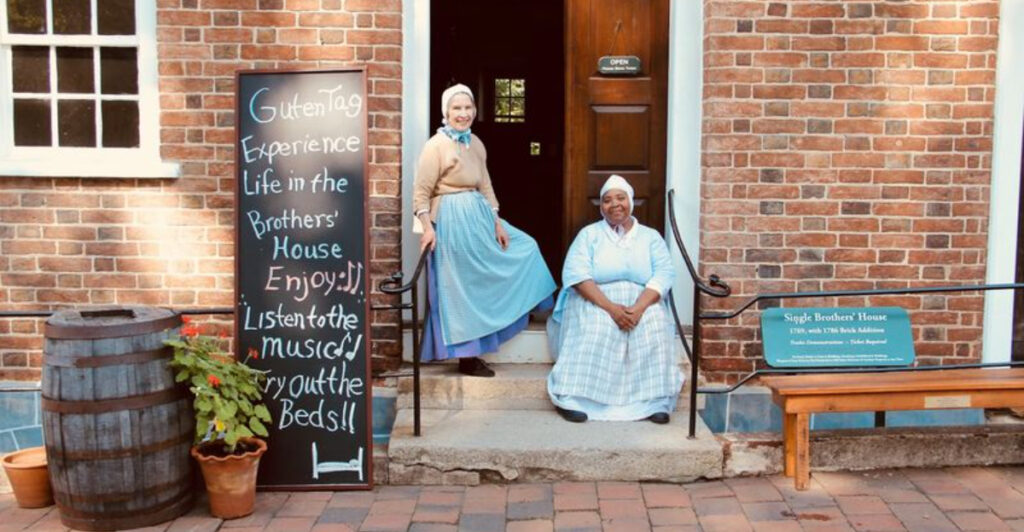
Back in the 1700s, a group of deeply religious German-speaking settlers arrived in the North Carolina backcountry and built something extraordinary: a tightly organized, self-sufficient town guided by their Moravian faith. That town is still standing today, and you can walk its original brick streets, smell fresh-baked goods from an oven that has been running since 1800, and talk to historians dressed in period clothing who genuinely know their stuff.
Old Salem Museums and Gardens in Winston-Salem, NC, is one of those rare places where history does not feel dusty or distant. Whether you are a curious traveler, a family looking for a meaningful outing, or simply someone who appreciates well-preserved architecture and good pastry, this living-history village delivers in ways that few museums can match.
The Heart of the Historic District: Address, Location, and Getting There
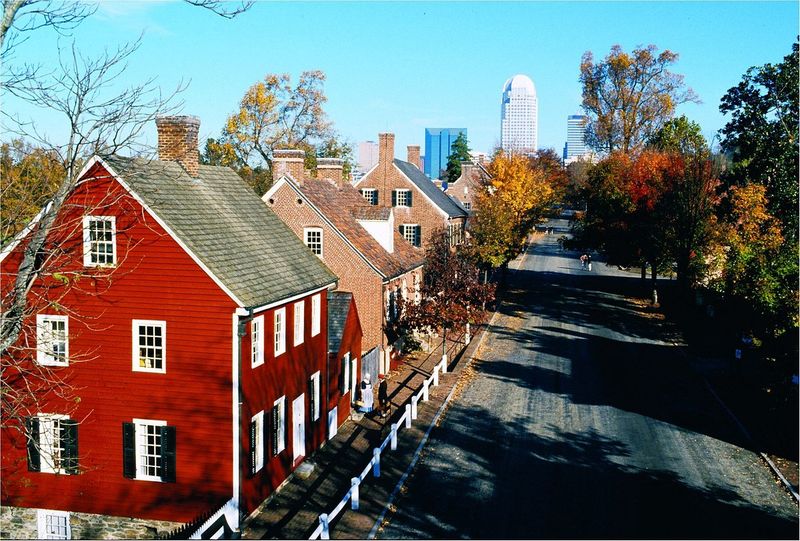
Old Salem Museums and Gardens sits at 900 Old Salem Road, Winston-Salem, NC 27101, right in the heart of what was once a thriving Moravian settlement founded in 1766. The site is easy to reach from many directions, and the South Main Street entry point near the historic Mickey Coffee Pot Maker landmark gives you a natural starting place for your walk through the district.
Winston-Salem is centrally located in the Piedmont Triad region of North Carolina, making it a reasonable day trip from cities like Charlotte, Greensboro, and even the Raleigh-Durham-Chapel Hill area. The drive is straightforward, and parking near the visitor center is available, though the cobblestone streets inside the district are strictly pedestrian territory.
The neighborhood blends seamlessly into the surrounding urban fabric, so you may not realize you have crossed into a 250-year-old planned community until the architecture suddenly shifts to hand-laid brick and timber-framed structures. Plan to arrive by 9 AM on a weekday or 10 AM on Saturday to make the most of your time.
You can reach the visitor center directly at (336) 721-7350 or browse oldsalem.org before your trip.
The Moravian Story: Who Were These Settlers and Why Did They Come
The Moravian Brethren were a Protestant religious group with roots in Bohemia and Moravia, in what is now the Czech Republic. Persecuted for their faith, many eventually made their way to Germany and then to the American colonies, where they established carefully planned communities called “Orte” in Pennsylvania, Georgia, and North Carolina.
In 1753, they purchased a large tract of land in the North Carolina backcountry that they named Wachovia. Salem, founded in 1766, became the central town of that tract and the commercial and spiritual hub of the entire Moravian community.
Every building, trade, and daily routine was organized around their faith, and the community operated almost like a small, self-contained economy.
What makes the Moravians particularly interesting is how progressive some of their practices were for the era. They educated both men and women, valued skilled craftsmanship, and kept detailed records of community life that historians still rely on today.
Old Salem Museums and Gardens draws on those records to present one of the most research-grounded living-history experiences in the entire American South, and that commitment to accuracy is something you feel at every exhibit.
Winkler Bakery: A Wood-Fired Oven That Has Never Really Stopped
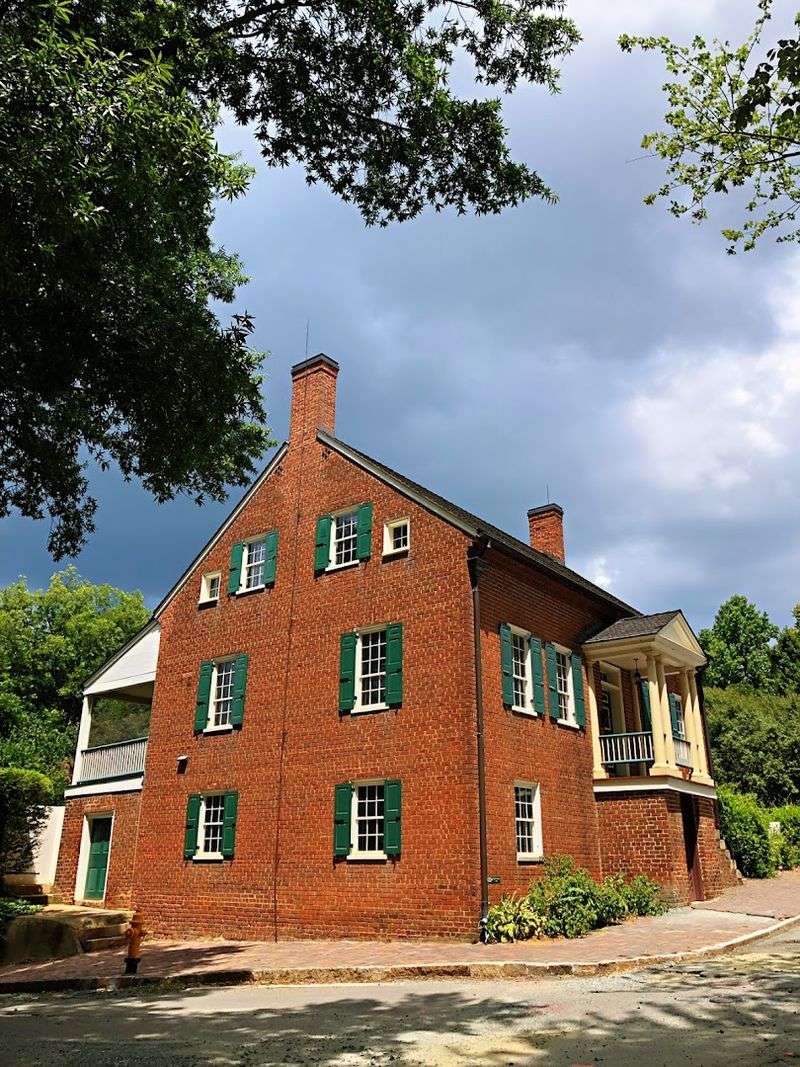
Few things in any living-history museum match the sensory punch of Winkler Bakery. The aroma of Moravian sugar cake drifting out of that 1799 building is enough to stop even the most distracted visitor mid-stride.
The wood-fired oven inside is one of North Carolina’s longest-running bakery traditions, and it still turns out recipes that have been used for over two centuries.
The bakery opened in 1800 and has remained operational in various forms ever since, making it a genuinely rare working foodways site rather than a staged re-creation. Visitors can watch bakers work the dough, load the oven, and pull out golden loaves and thin, crispy Moravian cookies that have become something of a regional icon.
A stop here is essentially non-negotiable. The sugar cake is soft, buttery, and dusted with cinnamon sugar in a way that feels both humble and indulgent at once.
The cookies, paper-thin and spiced, travel well as souvenirs and tend to disappear from the bag before you even make it back to the car. Entry to the bakery is free, so there is no reason to skip it even if you visit without a ticket.
The Single Brothers House: Where Young Craftsmen Lived and Learned
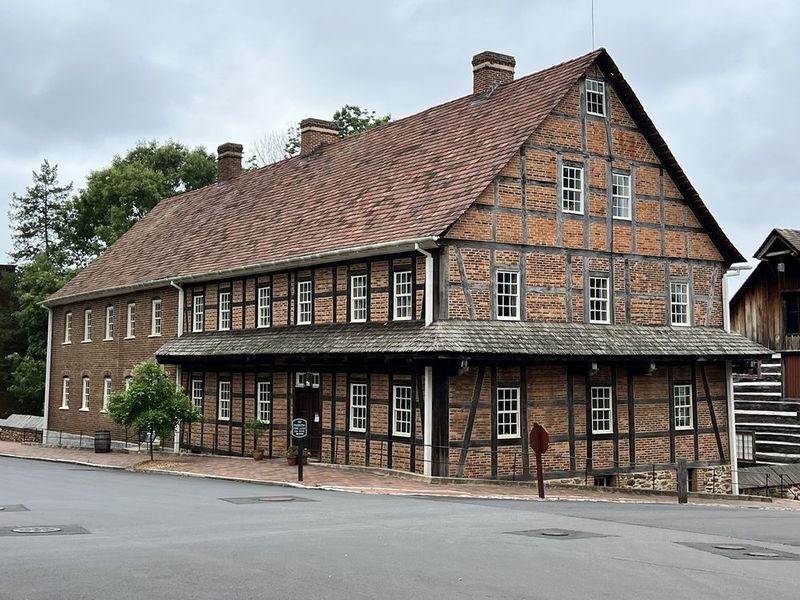
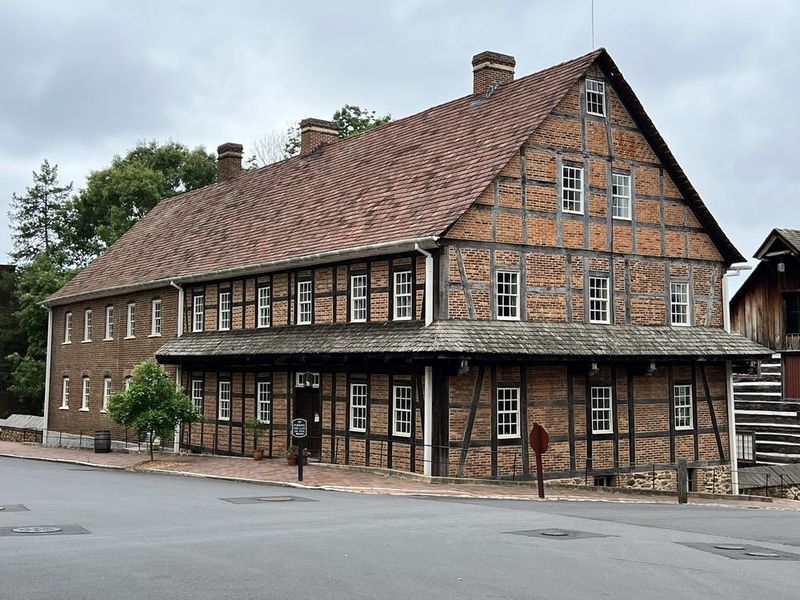
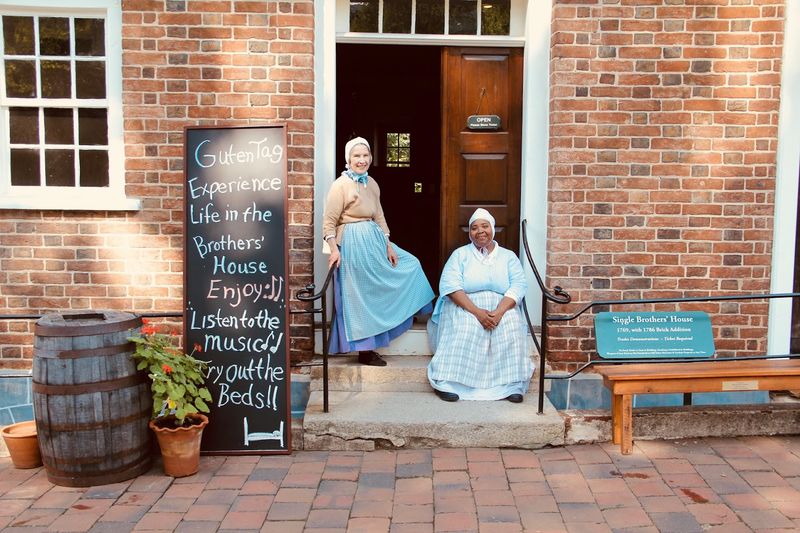
The Single Brothers House is one of the most architecturally striking buildings in the entire district. Built in two phases starting in 1769, it combined a half-timbered section with a later brick addition, creating a structure that tells the story of a growing community through its very walls.
Unmarried men in the Moravian community lived and worked here together, learning trades under a structured apprenticeship system.
Inside, interpreters bring the space to life by demonstrating the crafts that were practiced here: shoemaking, tailoring, woodworking, and more. The building functioned simultaneously as a dormitory, workshop, and training ground, anchoring the community’s economy with skilled labor.
That combination of domestic life and productive work under one roof was a distinctly Moravian approach to organizing society.
The hands-on opportunities for visitors are genuinely engaging, especially for younger guests. Teenage visitors have been known to spend a surprising amount of time at the woodworking demonstrations, learning to shape and join pieces of wood the way craftsmen did in the 1700s.
As one of the core exhibit buildings within the historic district, the Single Brothers House consistently ranks among the most memorable stops on any tour of Old Salem.
Historical Interpreters: The People Who Make the Past Feel Present
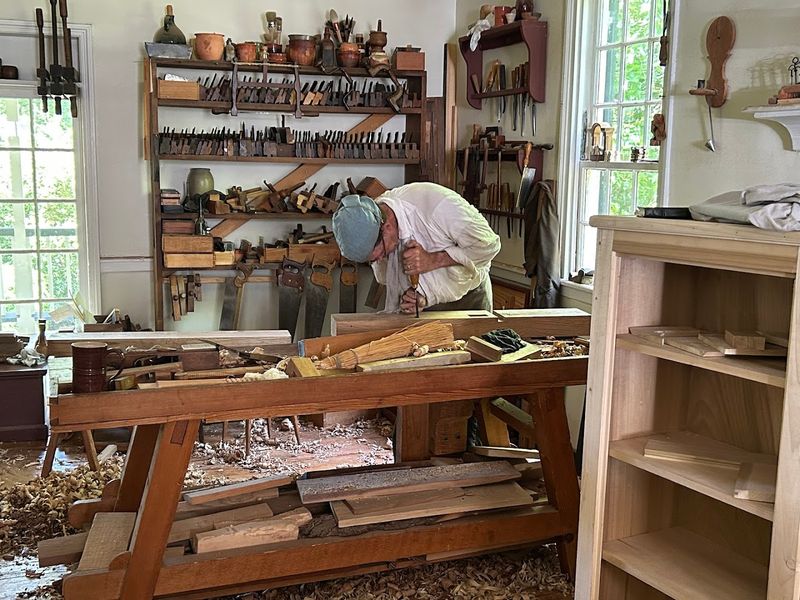
The quality of a living-history museum rises and falls on its interpreters, and Old Salem’s are genuinely exceptional. Dressed in period-accurate clothing and deeply versed in the details of Moravian daily life, they do not just recite facts.
They hold conversations, answer follow-up questions, demonstrate crafts, and often stay in character in ways that make the experience feel theatrical in the best possible sense.
Each building tends to have its own interpreter focused on that specific space and its story, so the information you get at the pottery is very different from what you learn at the tavern or the family homes. The Salem Tavern interpreters, in particular, have earned a reputation for storytelling that keeps both children and adults genuinely engaged from start to finish.
Five hours can pass here without feeling like nearly enough time, especially if you tend to linger and ask questions. The interpreters bring a level of personal passion to their roles that is hard to manufacture, and that enthusiasm is contagious.
Visitors consistently leave with knowledge they did not expect to gain, covering everything from 18th-century foodways and trade practices to the complex social structures of a faith-based planned community.
The Museum of Early Southern Decorative Arts: A Hidden Treasure Inside the District
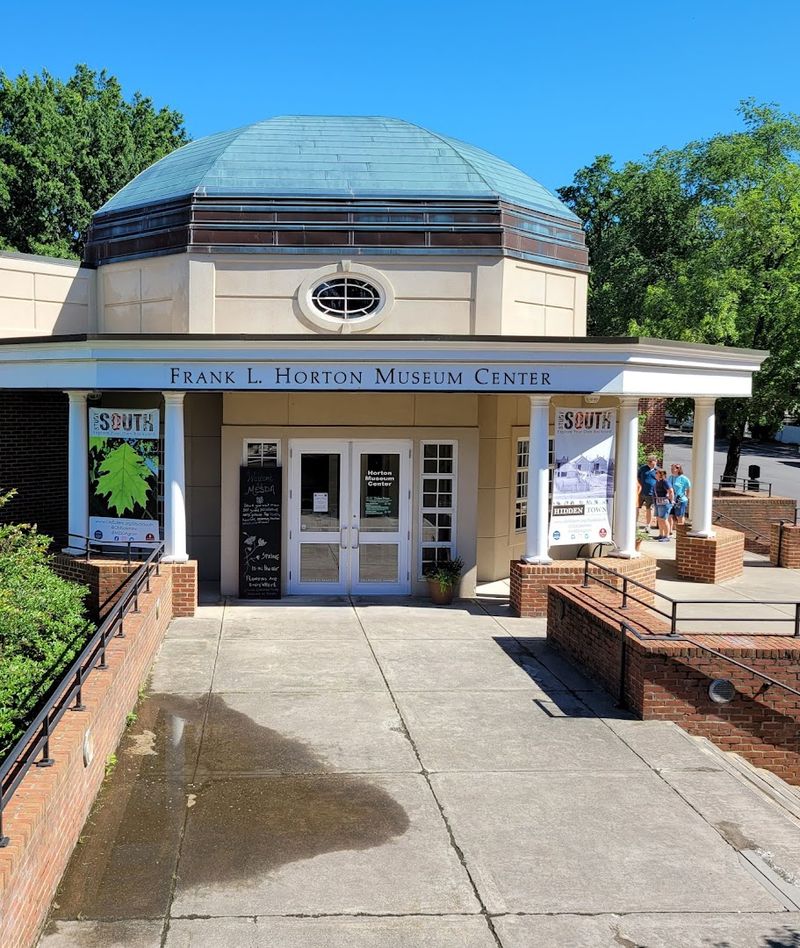
Tucked within the Old Salem campus, the Museum of Early Southern Decorative Arts, commonly known as MESDA, holds one of the most specialized collections of its kind anywhere in the country. The museum focuses exclusively on furniture, ceramics, paintings, textiles, and metalwork made and used in the American South before 1820, and the depth of that collection is genuinely impressive.
The period rooms inside MESDA are meticulously arranged to reflect actual interiors from specific times and places in the South, and each one comes with documentation tracing the objects back to their original owners or makers. For anyone with a serious interest in material culture, craft history, or early American design, this museum alone could justify the trip to Winston-Salem.
Even casual visitors tend to be surprised by what they find here. The craftsmanship on display, from hand-carved furniture to hand-thrown pottery, reflects a level of skill that is easy to underestimate until you see it up close.
MESDA also advances an inclusive research mission that incorporates the contributions of Moravian, Black, and Indigenous peoples to Southern decorative arts, making it a more complete and honest picture of the region’s creative history than most museums offer.
The Gardens and Outdoor Spaces: Beauty With Historical Purpose
The gardens at Old Salem are not just decorative backdrops. They are historically researched re-creations of the kitchen gardens, medicinal herb plots, and ornamental spaces that Moravian households actually maintained in the 18th and 19th centuries.
Each planting bed reflects documented horticultural practices, making the outdoor spaces as educational as the buildings themselves.
A walk through the grounds on a clear afternoon is genuinely pleasant. The brick paths, the mature trees, the tidy fences, and the carefully tended beds create an atmosphere that feels calm and unhurried in a way that is increasingly rare.
Even visitors who are not particularly interested in botany tend to slow down here and take their time.
The covered bridge on the property has become a favorite photo spot, particularly during the holiday season when lights are strung across it. The broader streetscape, with its mix of preserved original structures and carefully maintained open space, covers roughly one mile end to end, making the whole district walkable without feeling exhausting.
Come in spring for blooming kitchen gardens or in late fall when the trees turn and the brick buildings take on a warm, amber glow that no filter can fully replicate.
Inclusive History: Telling the Full Story, Not Just the Comfortable Parts
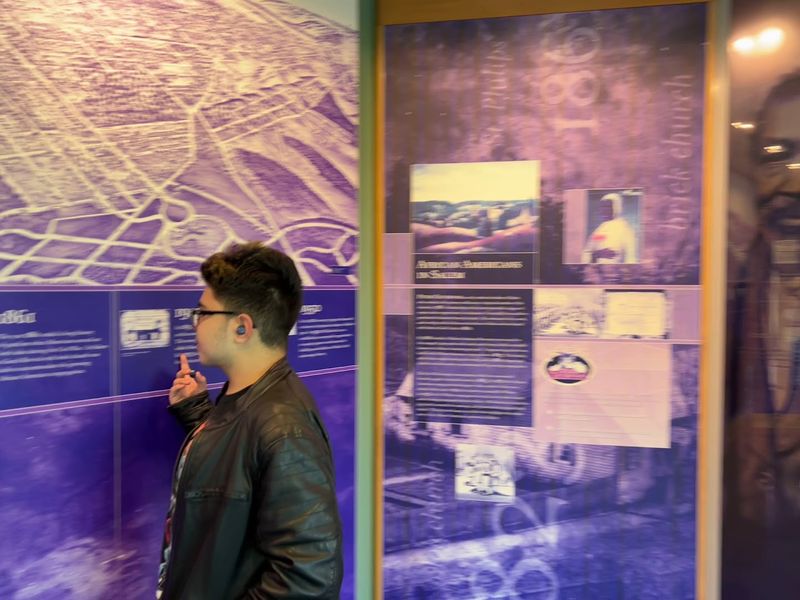
One of the things that sets Old Salem apart from many historic sites is its commitment to telling a complete story. The Moravian community that built Salem was, in many respects, forward-thinking for its era.
They educated women, valued skilled labor, and maintained detailed community records. At the same time, they also enslaved people and, in some cases, rented enslaved workers to outside households.
Old Salem does not shy away from that history. Exhibits and interpretive programs address the lives of enslaved Black residents and the role of Indigenous peoples in the broader story of the Wachovia Tract.
That willingness to engage with uncomfortable history honestly is part of what makes the museum’s research mission credible and its storytelling trustworthy.
Visitors who come expecting a sanitized colonial fantasy will find something more nuanced and more valuable instead. The site advances an inclusive interpretive framework that foregrounds multiple perspectives, and that approach has earned it recognition as a serious research institution rather than just a picturesque streetscape.
For families visiting with children, these exhibits open conversations about history that are hard to have anywhere else, grounded in specific people, places, and documented events rather than abstractions.
Tickets, Timing, and Tips for Planning Your Visit
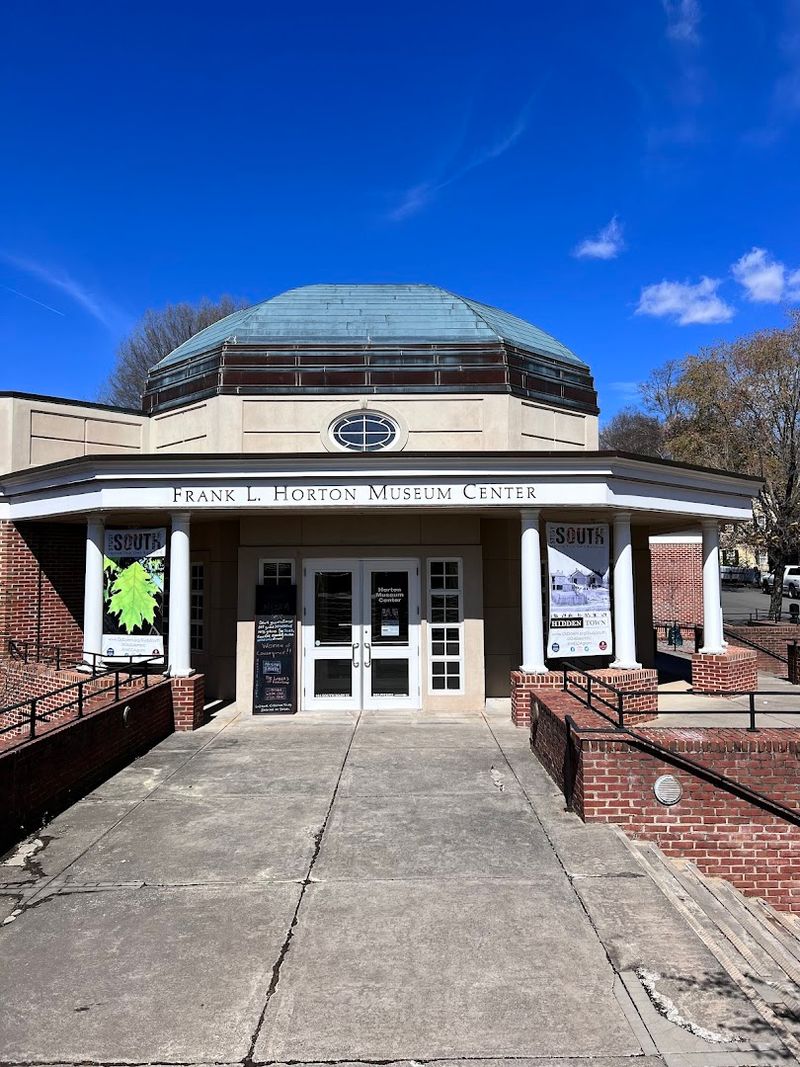
Old Salem is open Wednesday through Friday from 9 AM to 4 PM and on Saturday from 10 AM to 4 PM. The museum is closed Sunday through Tuesday, so checking the schedule before you go is worth the two minutes it takes.
The visitor center at the main entrance is a smart first stop, with historical displays, a gift shop, and staff who can give you a thorough overview of what is open that day.
Entry to the outdoor district, the bakery, the gift shop, and the visitor center is free. Paid tickets are required to enter the exhibit buildings, and an all-access pass is the best value if you plan to spend a full day here.
Arriving by 9 or 10 AM is strongly recommended, partly because the buildings close for a lunch break around noon and reopen around 1:15 PM, and partly because a full tour genuinely takes four to five hours.
Strollers and wheelchairs face some challenges on the uneven cobblestone streets, so keep that in mind when planning. The site is also a popular school field trip destination, so weekday mornings can occasionally be busy with student groups.
For a quieter experience, a weekday afternoon or an early Saturday morning tends to work well.
Why Old Salem Belongs on Your North Carolina Travel List
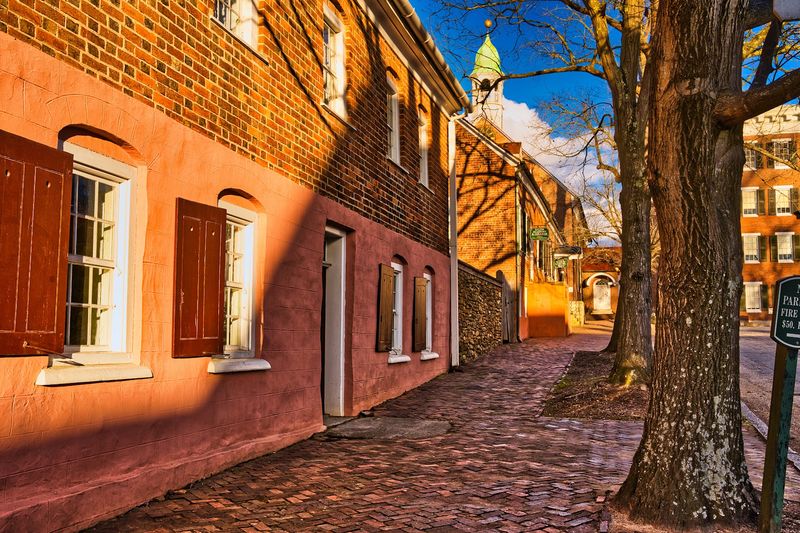
North Carolina has no shortage of historic sites, but Old Salem occupies a genuinely unique position among them. It is the only living-history museum in the region dedicated specifically to Moravian life, and the combination of original architecture, working demonstrations, and research-driven interpretation gives it a depth that most comparable sites simply do not have.
The site has earned a 4.6-star rating across nearly a thousand reviews, and that consistency reflects real quality.
Families, solo travelers, history enthusiasts, and architecture lovers all tend to find something that resonates here. The experience scales naturally depending on how much time and curiosity you bring.
A quick two-hour walk through the outdoor district is satisfying on its own, but a full-day ticket visit with time at the bakery, the gardens, and MESDA is something closer to genuinely memorable.
Old Salem is also a reminder that American history is not a single story told from a single perspective. It is layered, complicated, and full of details that reward careful attention.
This village, built by German-speaking religious settlers in the North Carolina backcountry over 250 years ago, is still here, still functioning, and still teaching anyone willing to slow down and listen. That is worth the drive from just about anywhere, including Oklahoma.
Share this story