There is a small city in eastern Oregon where the streets are lined with beautifully preserved Victorian buildings, the smell of fresh-baked bread drifts through the air, and the pace of life feels refreshingly unhurried. It sits in a wide valley surrounded by mountains, and first-time visitors often describe a strange feeling of having stepped back into a more charming era.
The town has a real history, real character, and a growing reputation among travelers who are tired of overcrowded tourist traps. I recently spent a few days here, and I came back with a full stomach, a camera full of photos, and a strong urge to book a return trip as soon as possible.
Welcome to Baker City, Oregon
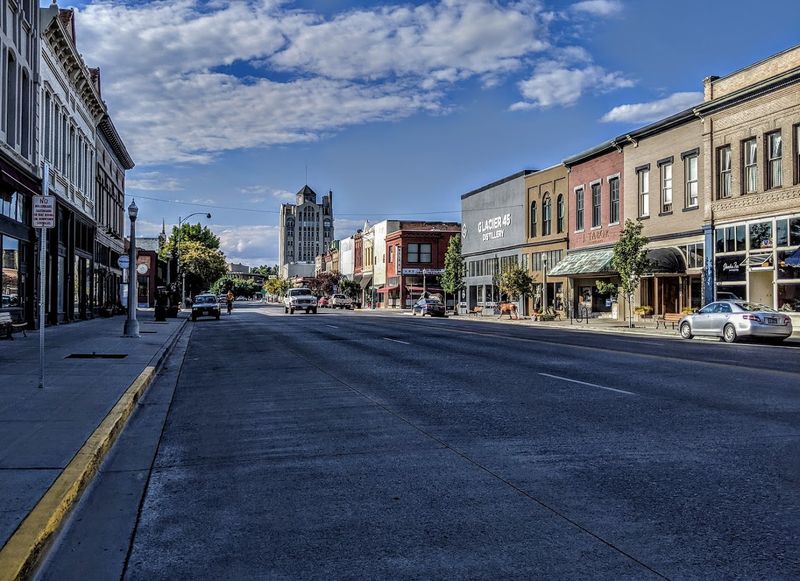
Baker City sits at 3,447 feet above sea level in Baker County, eastern Oregon, with the Elkhorn Mountains forming a dramatic backdrop to the west. The official address for city services is 1655 First Street, Baker City, Oregon 97814, and the city serves as the county seat of Baker County.
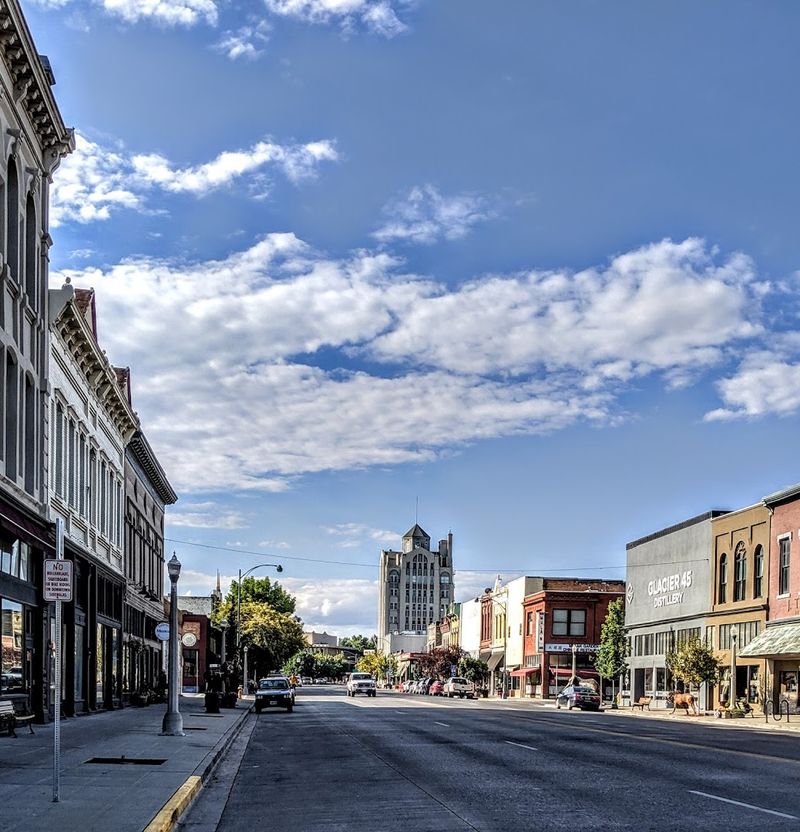
With a population of just over 10,000 people, this is not a big city by any stretch, but it punches well above its weight when it comes to character and history. The downtown core is remarkably intact, with dozens of original late-19th-century buildings still standing and still in use.
Unlike many small towns that have hollowed out over the decades, Baker City has held on to its identity with quiet determination. Local businesses occupy the historic storefronts, and the city actively works to preserve its architectural heritage.
Travelers arriving from Portland or Boise often find themselves slowing down almost immediately, charmed by the wide streets, the old facades, and the genuinely friendly atmosphere that greets them at every turn.
A History That Goes Deeper Than Most Towns
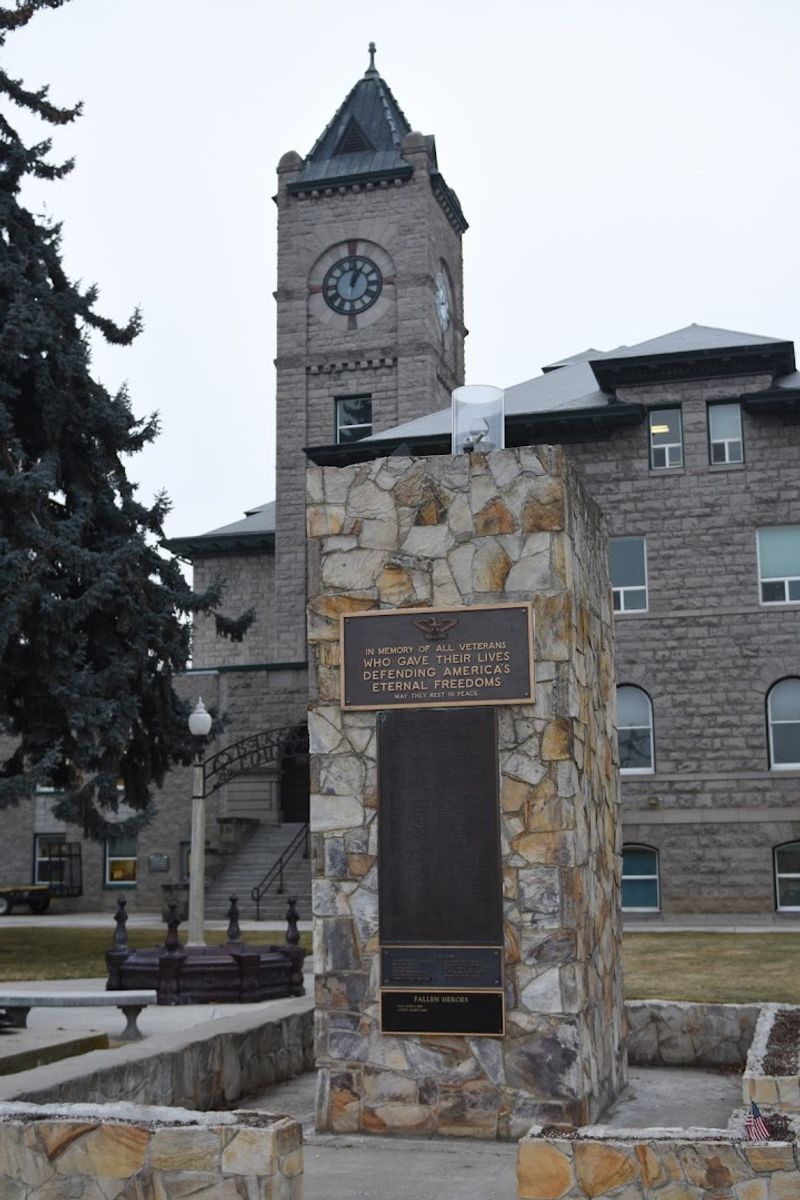
Baker City was named after Edward Dickinson Baker, a close friend of Abraham Lincoln and the only sitting U.S. Senator ever to be killed in military combat.
That fact alone sets the tone for a place that carries a genuinely weighty history.
The city grew rapidly during the 1860s and 1870s as gold was discovered in the surrounding hills, and at one point Baker City was considered the largest city between Salt Lake City and Portland. Miners, merchants, and adventurers flooded into the valley, and the buildings they constructed still define the skyline today.
The Oregon Trail also passed through this region, and thousands of pioneers made their way through the Baker Valley on their journey westward. That layered past, gold rush ambition, pioneer grit, and frontier commerce, gives the city a depth that you rarely find in towns this size.
History here is not just something in a museum; it is baked into the sidewalks, the courthouses, and the old hotel lobbies that still welcome guests today.
The National Historic Oregon Trail Interpretive Center
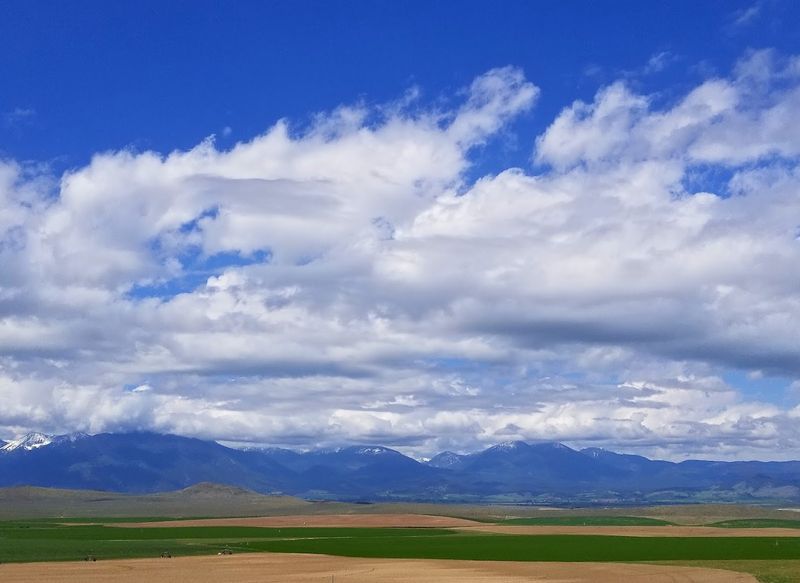
About five miles east of downtown, perched on a ridge above the valley, the National Historic Oregon Trail Interpretive Center is one of the most impressive museums I have visited anywhere in the American West. The views from the parking lot alone are worth the drive up.
Inside, the exhibits trace the full story of the Oregon Trail migration, from the reasons families left their homes in the East to the grueling realities of a six-month overland journey. Life-size dioramas, original artifacts, and thoughtful interpretive panels bring the story to life in a way that feels respectful rather than sensationalized.
Outside, you can walk actual ruts left by wagon wheels more than 150 years ago, which is one of those experiences that quietly stops you in your tracks. The center is managed by the Bureau of Land Management and is open most of the year.
Admission is reasonably priced, and the staff are knowledgeable and genuinely enthusiastic about the history they are sharing. This is not a place you rush through; plan to spend at least two to three hours here.
Downtown Architecture That Earns Every Glance
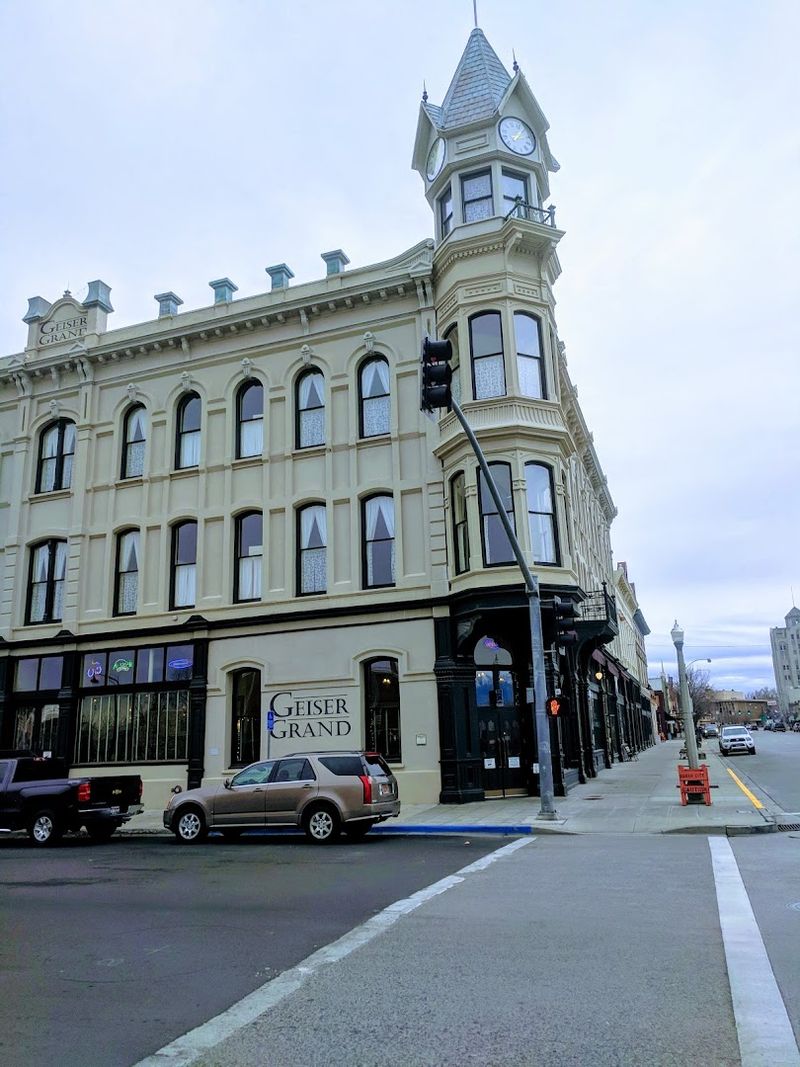
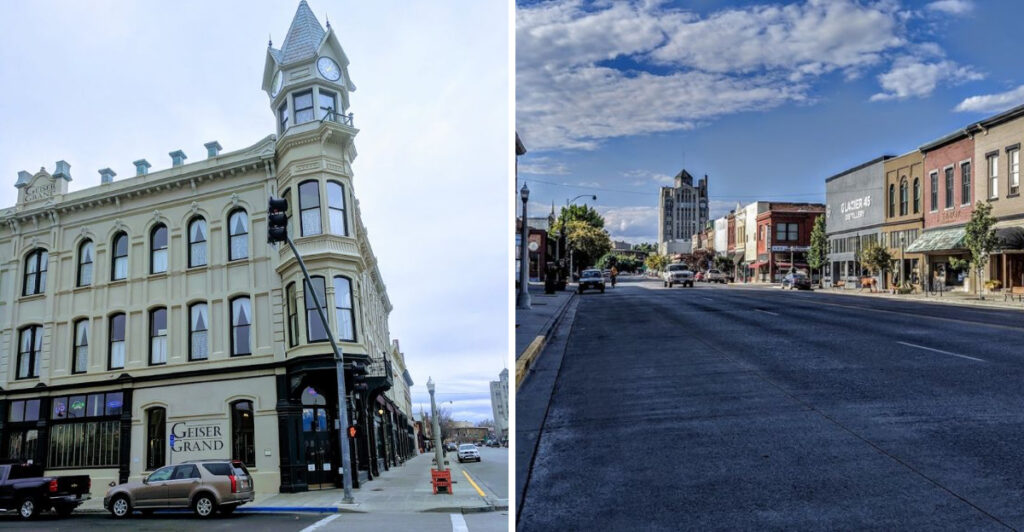
Few small towns in the Pacific Northwest can match the architectural quality of Baker City’s downtown core. The historic district contains more than 100 buildings listed on the National Register of Historic Places, and walking through it feels like a genuine step back in time.
The Geiser Grand Hotel, built in 1889, is the crown jewel of the district. Its turrets, stained glass, and grand lobby have been carefully restored, and it remains one of the finest examples of Victorian commercial architecture in the entire Pacific Northwest.
Even if you are not staying there, a walk through the lobby is absolutely worth it.
Other standouts include the Baker County Courthouse, the old Heilner Building, and the ornate facades along Main Street and Resort Street. What makes this streetscape special is that it is not a theme park version of history; these are real, working buildings used by real businesses and residents every day.
Architects, history buffs, and casual visitors alike tend to stop frequently to look up, which is always a good sign that a place is doing something right.
The Bakeries That Started the Buzz
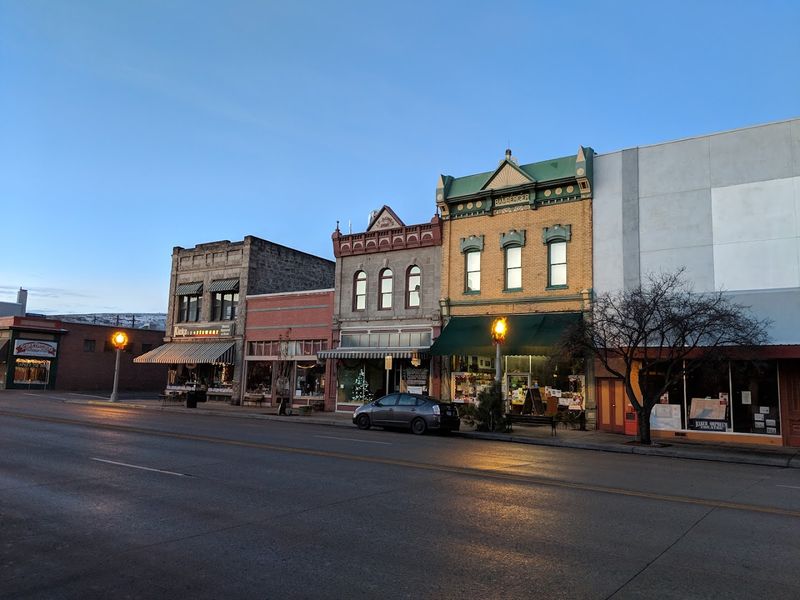
Honestly, the bakeries deserve their own section because they are a big part of why word about this town has been spreading so quickly among food-focused travelers. For a city with just over 10,000 residents, Baker City has developed a surprisingly strong baking culture.
Several independent bakeries operate downtown, each with its own personality and specialty. One focuses on sourdough loaves with thick, crackly crusts and open, chewy crumbs.
Another leans into sweet pastries, with cinnamon rolls the size of a small plate and fruit-filled turnovers that disappear by mid-morning.
The quality feels rooted in a real commitment to craft rather than a desire to attract tourists. Locals line up early, regulars know the bakers by name, and the coffee is always fresh.
There is something deeply satisfying about a town that takes its bread seriously, and Baker City absolutely does. Visiting on a weekend morning, when the ovens have been running since before dawn and the sidewalks carry that warm, yeasty scent, is one of those simple travel pleasures that stays with you long after you have driven home.
Outdoor Adventures in Every Direction
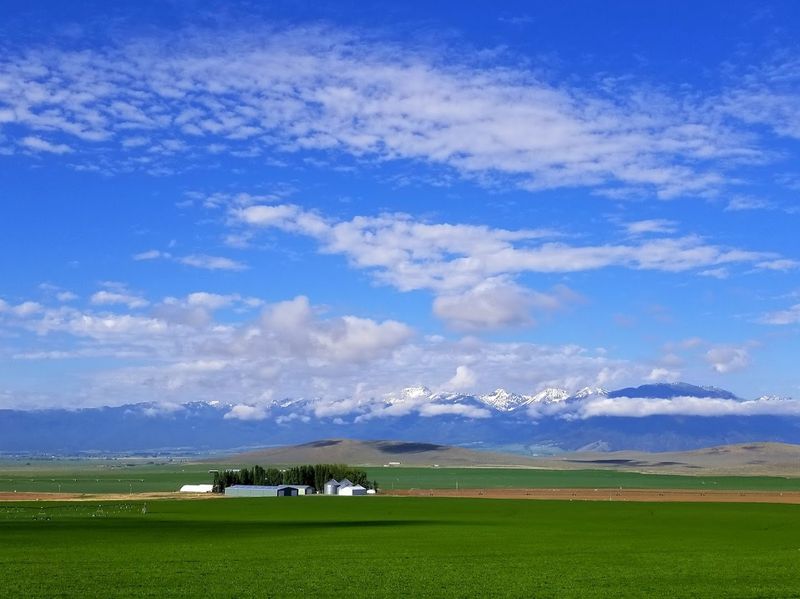
The mountains visible from downtown are not just decoration. The Elkhorn Mountains to the west and the Wallowa Mountains further north offer some of the best outdoor recreation in Oregon, and Baker City serves as a natural base camp for all of it.
The Anthony Lakes Mountain Resort area sits about an hour from town and offers skiing in winter and hiking and fishing in summer. The Elkhorn Drive National Scenic Byway loops through the mountains and delivers views that rival anything I have seen in the state.
Fishing is excellent in the Powder River and several nearby reservoirs, and the trails around the area range from easy valley walks to serious alpine routes.
Mountain bikers have also discovered the terrain around Baker City, and new trail networks have been developed in recent years to accommodate the growing interest. The combination of high desert, forested foothills, and genuine mountain peaks within a short drive means that outdoor lovers rarely run out of options here.
Mornings spent on a quiet trail above the valley, looking down at the tiny grid of historic streets below, have a way of resetting your perspective entirely.
The Eastern Oregon Museum and Local Heritage
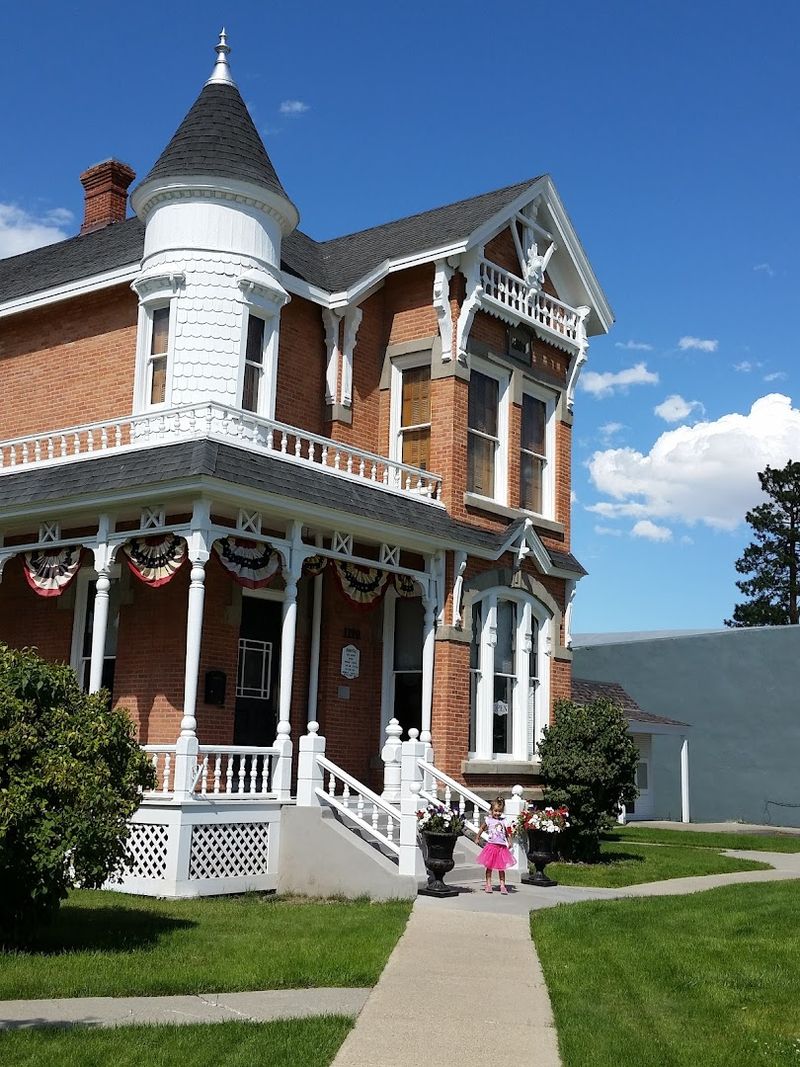
Just a short drive north of Baker City, the small town of Haines is home to the Eastern Oregon Museum, one of the most densely packed collections of regional history I have ever come across in a single building. It is the kind of place where you keep turning a corner and finding something unexpected.
The collection includes pioneer household items, mining equipment, Native American artifacts, vintage farm machinery, and an enormous range of photographs documenting life in eastern Oregon over the past 150 years. Everything is labeled, and the volunteer staff are remarkably well-informed about what is on display.
Baker City itself also maintains strong connections to its heritage through local events, preservation efforts, and a community that genuinely values its past. The city does not treat history as a marketing tool; it treats it as something worth protecting and passing on.
That attitude shows in how buildings are maintained, how stories are shared, and how visitors are welcomed into a narrative that has been unfolding in this valley for well over a century. Coming here, you feel like a guest in something real.
Small-Town Charm That Actually Delivers
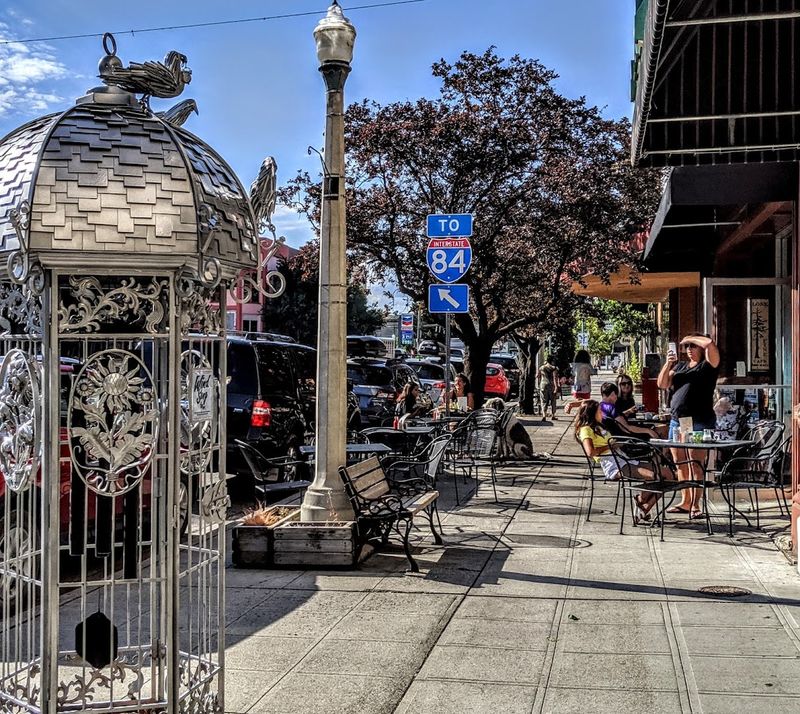
The phrase small-town charm gets used so often in travel writing that it has almost lost its meaning. Baker City is one of the rare places where that phrase actually holds up when you test it against reality.
Shop owners remember your face if you come back the next day. The diner around the corner from the hotel knows its regulars by order, not just by name.
People nod on the sidewalk, hold doors open, and give directions that include landmarks rather than GPS coordinates. It sounds small, but after a stretch of time in big cities, it lands differently than you expect.
The town also has a genuinely active local culture, with community events, farmers markets in season, and a Main Street program that supports small businesses and keeps the historic district alive. There is a sense that people here have chosen to stay, and that choice shows in how they treat the place and each other.
This kind of atmosphere is not manufactured for visitors; it exists because the community has built it over generations, and travelers are welcome to enjoy it while it lasts.
The Geiser Grand Hotel: A Living Landmark
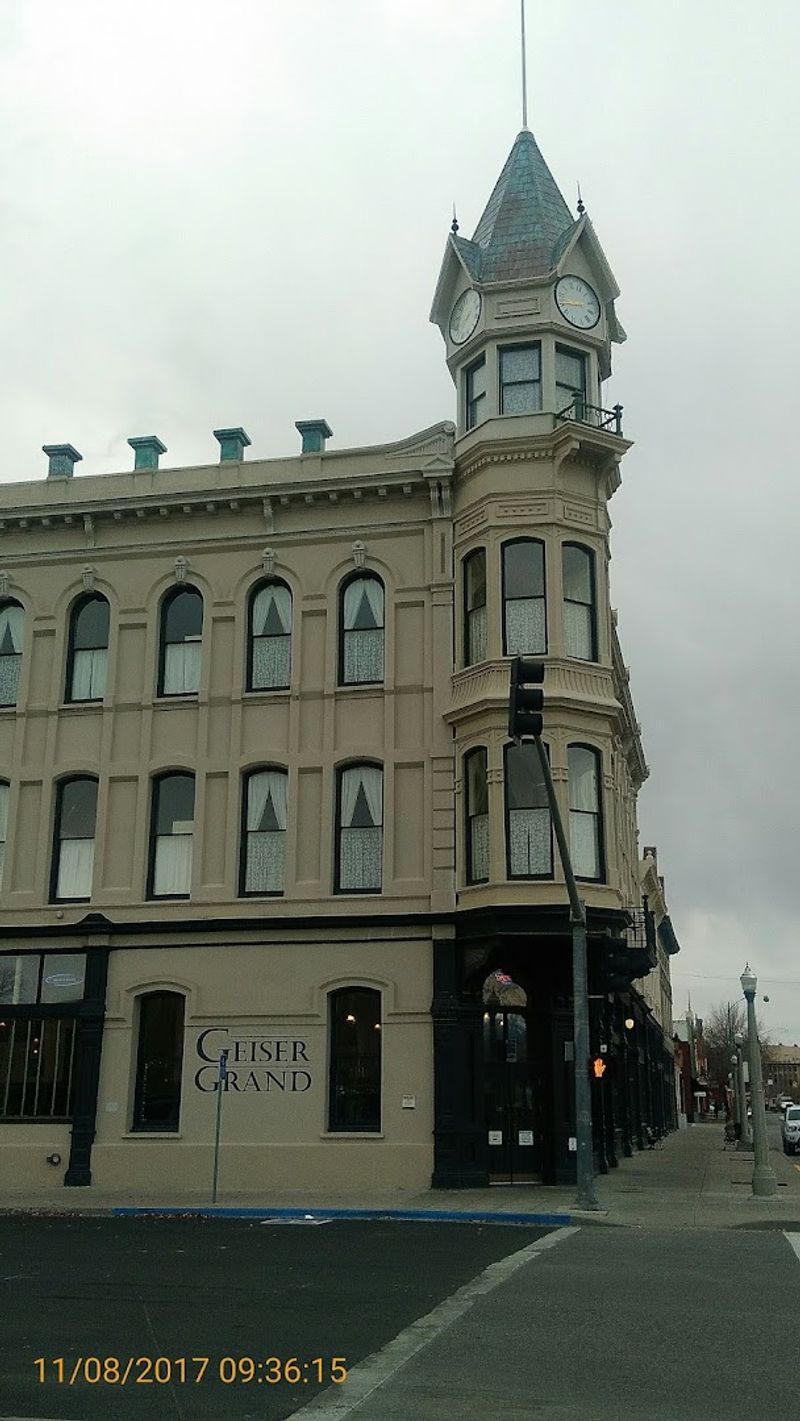
There are hotels, and then there is the Geiser Grand. Built in 1889 and fully restored in the 1990s, this landmark property at 1996 Main Street in Baker City is the kind of place that makes you want to slow down and appreciate the craft that went into its construction.
The lobby features a stunning stained glass ceiling, a grand staircase, and period furnishings that feel authentic rather than themed. Guest rooms are comfortable and decorated with care, and the building has been maintained to a standard that respects its original character without sacrificing modern comfort.
The hotel has hosted U.S. presidents, mining magnates, and countless travelers passing through on the Oregon Trail route. Staying here gives you a tangible connection to the history of the region in a way that no modern hotel can replicate.
Even travelers who are not staying overnight often stop in for a meal or a look around, and the staff are accommodating about that. The Geiser Grand is not just an accommodation option; it is one of the primary reasons people put Baker City on their itinerary in the first place.
Practical Tips for Your Baker City Visit
Baker City sits along Interstate 84, which makes it surprisingly accessible for a destination that feels so far removed from the usual tourist circuit. The drive from Portland takes about four and a half hours, and the approach through the Blue Mountains is scenic enough to count as part of the experience.
The best times to visit are late spring through early fall, when the weather in eastern Oregon is warm and dry and the mountain roads are fully open. Summer weekends bring more visitors, so arriving midweek gives you a quieter version of the town.
Winter has its own appeal, especially for skiers heading to Anthony Lakes, but some businesses reduce their hours in the colder months.
Accommodation options include the Geiser Grand for those who want history, plus several well-reviewed motels and short-term rentals for travelers on a tighter budget. The town is compact enough to explore almost entirely on foot once you are parked.
Bring an appetite, wear comfortable shoes, and leave a full day for the Oregon Trail Interpretive Center. Baker City rewards the traveler who is willing to slow down, and that is not advice you will regret following.
Share this story