There is a small town tucked away in southeastern Oklahoma where deer apparently liked to hang out so much that the whole place got named after what they left behind. The name alone is enough to make you do a double take, and the story behind it is even better.
This county seat punches well above its weight when it comes to history, community pride, and natural beauty. With a population of just over 2,000 people, it manages to pack in more character per square mile than most cities ten times its size.
Stick around, because what this town lacks in size, it absolutely makes up for in charm, quirks, and things worth knowing.
Where Antlers, Oklahoma Actually Is
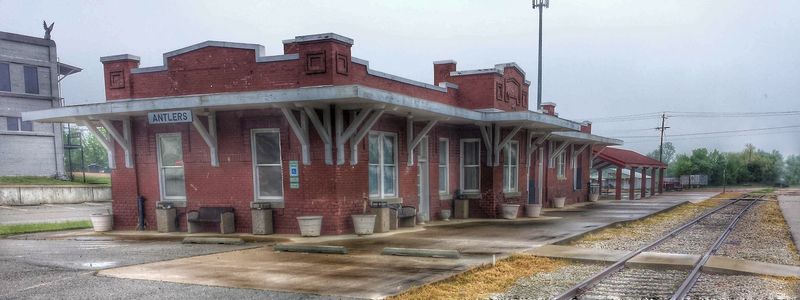
The town of Antlers sits at the heart of Pushmataha County in southeastern Oklahoma, serving as the county seat for a region that feels far removed from the rush of city life. The full address is Antlers, Oklahoma 74523, and its coordinates place it at roughly 34.23 degrees north latitude and 95.62 degrees west longitude.
The landscape around it is lush and hilly, shaped by the Ouachita Mountains to the east and the dense forests that define this corner of the state. Antlers is about 140 miles southeast of Oklahoma City and roughly 80 miles northeast of the Texas border.
The drive into town is scenic in a quiet, unhurried way, with two-lane roads threading through timber country and open pasture. The town itself is compact and easy to navigate, with most of its key spots clustered near the center.
Visitors coming from Tulsa or the Dallas-Fort Worth area will find Antlers a manageable road trip that rewards the effort with a genuinely different pace of life.
The Story Behind the Name
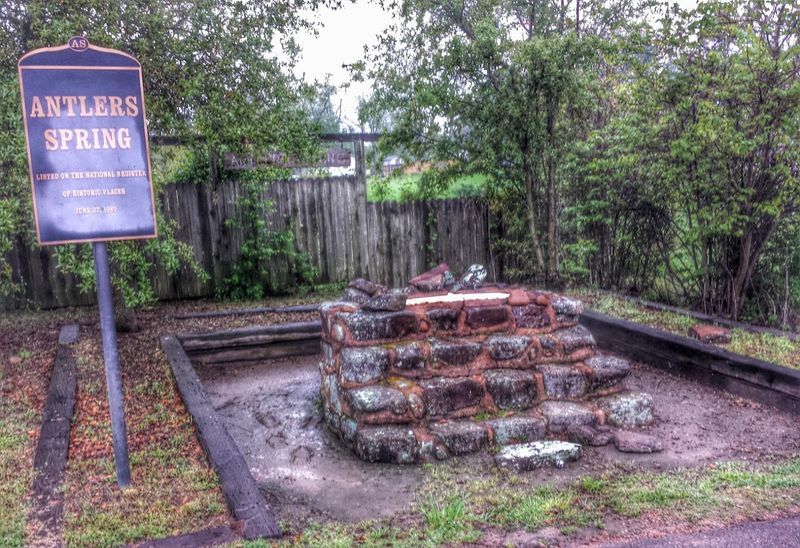
Not many towns can say their name comes from a natural phenomenon involving deer, but Antlers, Oklahoma earns that distinction with pride. According to local history, the town was named after a type of tree in the area that would become decorated with antlers shed by deer during seasonal cycles.
This shedding behavior was a reliable signal to early settlers and travelers that a freshwater spring was nearby, since deer tend to gather around water sources. Finding a spring in unfamiliar territory was genuinely valuable information, so that antler-draped tree became a landmark worth remembering.
The name stuck, and the town that grew up around that general area carried the unusual title forward into official recognition. It is one of those origin stories that sounds too quirky to be true but is entirely grounded in practical frontier logic.
The name has become a source of local identity and a reliable conversation starter whenever someone from outside the region hears it for the first time. Few towns wear their backstory quite so literally on their sleeve.
Pushmataha County and Its Deep Roots
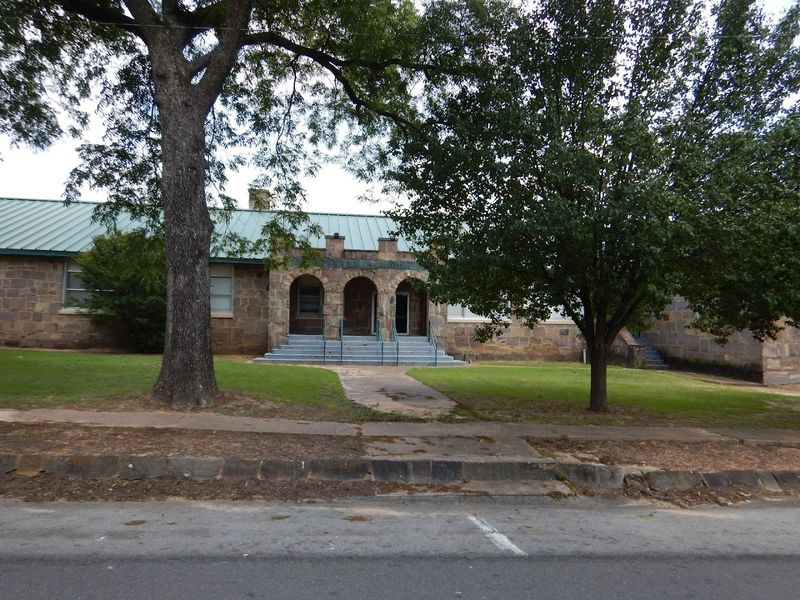
The county that Antlers calls home is named after Pushmataha, a respected Choctaw Nation chief who lived in the late 18th and early 19th centuries. That name is not just decorative.
The entire southeastern corner of Oklahoma carries a deep Choctaw cultural heritage that shapes the identity of every town in the region, including Antlers.
Pushmataha County was established in 1907 when Oklahoma achieved statehood, and Antlers was designated as the county seat from the beginning. That designation brought with it the courthouse, the county administrative offices, and the kind of civic infrastructure that gives a small town staying power.
The Choctaw Nation of Oklahoma remains an active and influential presence throughout the county today, and that influence shows up in everything from local place names to community events and tribal services. Understanding Antlers without acknowledging that Choctaw history would be like reading only half a book.
The land itself has a layered story that goes back far longer than any census count, and the county name is a daily reminder of the people who shaped it first.
A Population That Proves Size Is Not Everything

The 2020 United States Census counted 2,221 people living in Antlers, which puts it firmly in small-town territory by any measure. That number might make some people assume there is not much going on, but that assumption tends to dissolve quickly once you spend any time there.
Small populations create tight-knit communities where people actually know their neighbors, where local businesses have regulars who show up every week, and where community events draw a meaningful percentage of the whole town. The sense of scale is different from a city, and for many visitors, refreshingly so.
The town has maintained a relatively stable population over the decades, which speaks to a certain resilience. Rural Oklahoma towns often face population decline as younger generations move toward urban centers, and Antlers has not been entirely immune to that trend.
But the community keeps showing up for itself, which is a quality that does not show up in census data but is very easy to feel when you are actually there walking around. Small numbers, big presence.
The Natural World Right Outside of Town
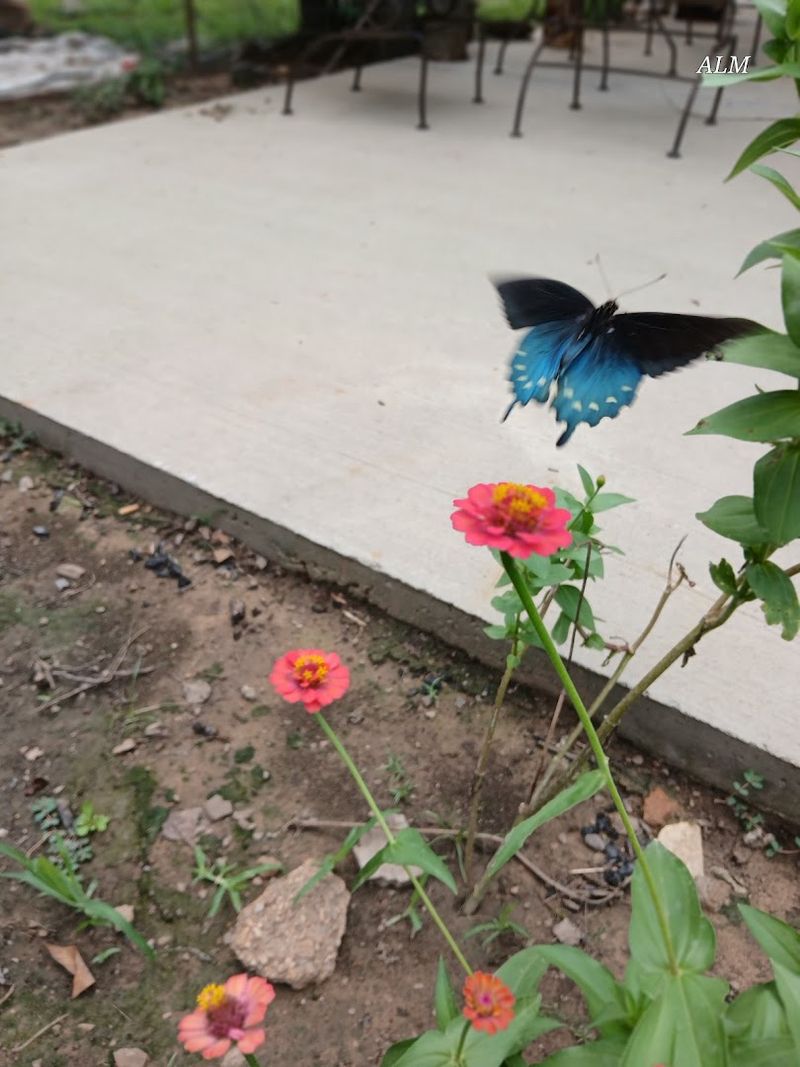
Southeastern Oklahoma is one of the most naturally beautiful parts of the state, and Antlers sits right in the middle of some seriously good scenery. The Ouachita National Forest edges into the region, and the Kiamichi Mountains provide a rugged backdrop that feels more like Arkansas than the flat plains most people associate with Oklahoma.
The area is threaded with rivers, creeks, and lakes that make it a reliable destination for fishing, kayaking, and general outdoor enjoyment. The Kiamichi River runs through Pushmataha County and offers access to catfish, bass, and the kind of quiet that is hard to find anywhere near a city.
Fall is a particularly rewarding time to visit, when the hardwood forests turn gold and rust and the temperatures drop to something genuinely pleasant. Spring brings wildflowers and the sounds of migrating birds passing through on their way north.
The natural setting around Antlers is not a side note to the town experience. For many visitors, it is the whole point of making the trip.
The Courthouse Square and Downtown Character
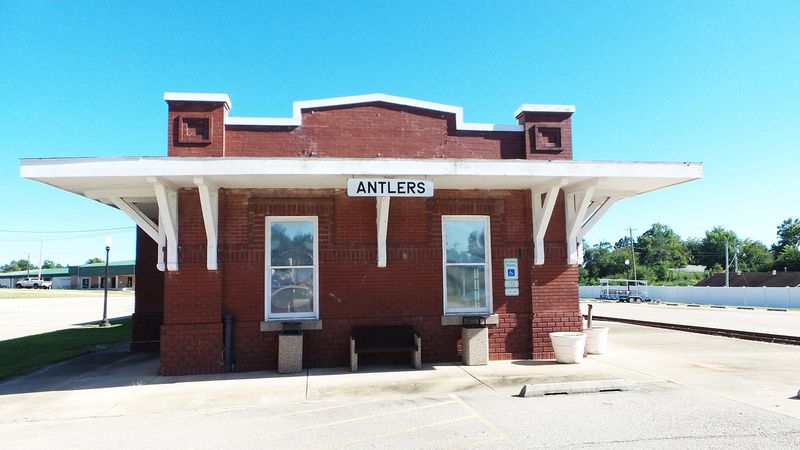
The downtown area of Antlers centers on the Pushmataha County Courthouse, which anchors the town square the way courthouses have done in small Southern and Midwestern towns for well over a century. The square gives the town a geographic and civic heart, a place where the business of local government and everyday community life share the same general address.
The surrounding blocks include a mix of locally owned businesses, service providers, and the kind of storefronts that reflect the practical needs of a working rural community rather than the curated aesthetic of a tourist strip. There is something honest about that, and it makes the town feel like a real place rather than a performance of one.
The pace on the square is unhurried, and the architecture has that particular character that comes from buildings that have been used hard for decades without being torn down and replaced. Antlers does not have a polished downtown revival story to tell yet, but the bones are there, and the community clearly cares about what happens within them.
Community Events and Local Traditions

One of the clearest ways to understand a small town is to show up when something is happening, and Antlers has a tradition of community gatherings that bring people together throughout the year. Local festivals, rodeos, and seasonal events give residents a reason to gather and give visitors a chance to see the town at its most animated.
The Pushmataha County area has a strong rodeo culture, which fits naturally with the agricultural and ranching heritage of the region. Events like these are not staged for tourists.
They are part of how the community marks time and celebrates its identity, which makes attending one feel like a genuine privilege rather than a packaged experience.
Holiday events, school activities, and church-organized gatherings also form a big part of the social calendar in a town this size. When you only have a few thousand people, every event is a reunion of sorts, where most attendees already know each other by name.
That kind of social fabric is increasingly rare, and spending time in it, even briefly as a visitor, leaves a lasting impression.
The Choctaw Nation Influence on Daily Life
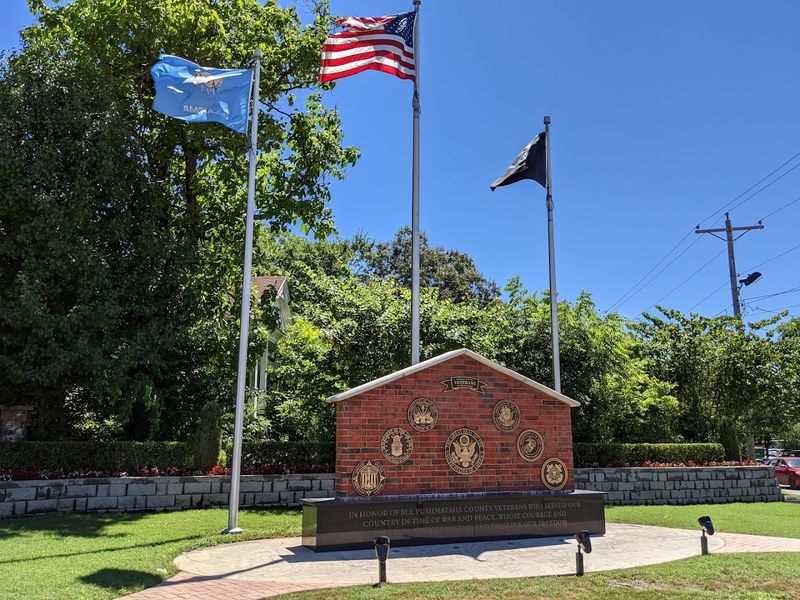
The Choctaw Nation of Oklahoma is one of the largest tribal nations in the United States, and its presence in the Antlers area is felt in practical, everyday ways rather than just historical ones. Tribal services, healthcare programs, and economic development initiatives all operate in the region and directly benefit residents, both tribal members and non-members alike.
The Choctaw Nation has invested significantly in southeastern Oklahoma communities over the years, supporting infrastructure, education, and job creation in areas that might otherwise struggle to attract resources. That investment has a real effect on the quality of life in towns like Antlers.
Cultural events tied to Choctaw heritage also occur throughout the region, offering opportunities to learn about language preservation, traditional arts, and the history of the tribe’s forced relocation to Indian Territory in the 1830s. That history is not a distant abstraction here.
It is woven into the landscape, the family names, and the community identity in ways that make Antlers a more layered and meaningful place to visit than its size might initially suggest.
Getting There and Practical Travel Tips
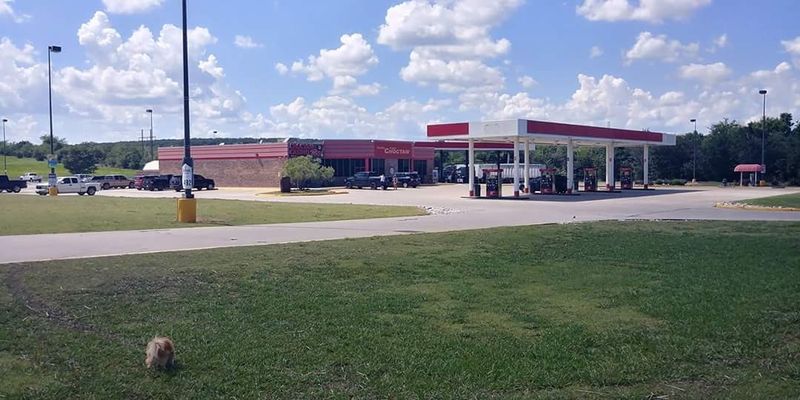
Antlers is reachable by car via U.S. Highway 271, which runs through the town and connects it to larger regional hubs.
The nearest major city with an airport is Dallas-Fort Worth, roughly 200 miles to the south, making a fly-and-drive approach workable for visitors coming from farther away.
The drive from Oklahoma City takes about two and a half to three hours depending on the route, and the roads through the Ouachita foothills are pleasant enough that the journey itself becomes part of the experience. Fuel up before leaving the highway, as options become limited once you get into the more rural stretches.
Lodging options in Antlers are modest, with small motels and short-term rental options available for overnight stays. The town is also manageable as a day trip from nearby McAlester, which has more accommodation variety.
Cell service can be spotty in the surrounding forests, so downloading offline maps before heading out is a smart habit. The town rewards visitors who come without rigid expectations and with a genuine curiosity about what rural Oklahoma life actually looks like.
What Makes Antlers Worth the Trip
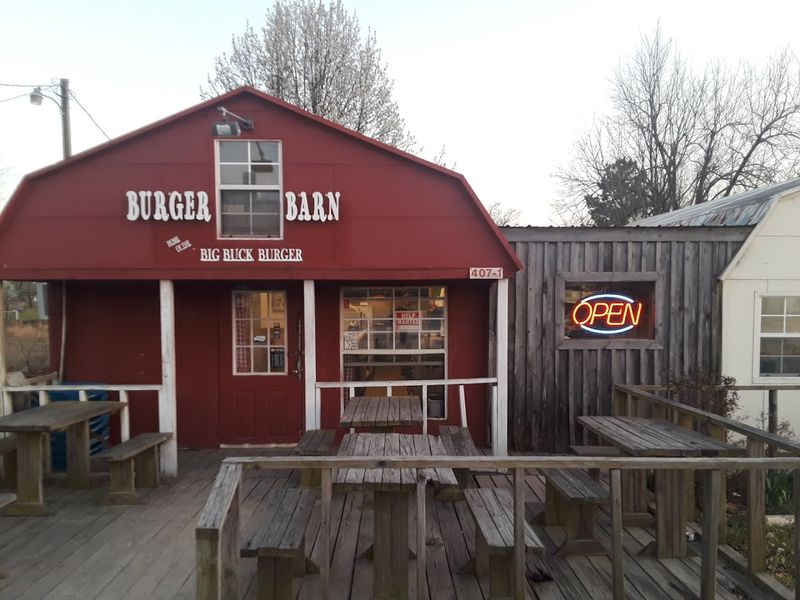
There is a particular kind of travel that does not involve theme parks, famous restaurants, or Instagram-ready landmarks, and Antlers, Oklahoma belongs squarely in that category. The value here is in the atmosphere, the history, and the natural setting rather than in any single attraction you can check off a list.
The town offers a window into a way of life that is becoming harder to find as rural communities across the country shrink or get absorbed into suburban sprawl. Antlers has held onto its identity, which is worth something even if it is difficult to put a price tag on it.
Visitors who appreciate honest places, outdoor access, and the kind of local knowledge that only comes from talking to people who have lived somewhere their whole lives will find Antlers genuinely satisfying. It is not trying to be anything other than what it is, and that straightforwardness is its own form of charm.
Sometimes the best travel experiences are the ones that require you to slow down and pay closer attention.
A Final Word on This Unlikely Standout
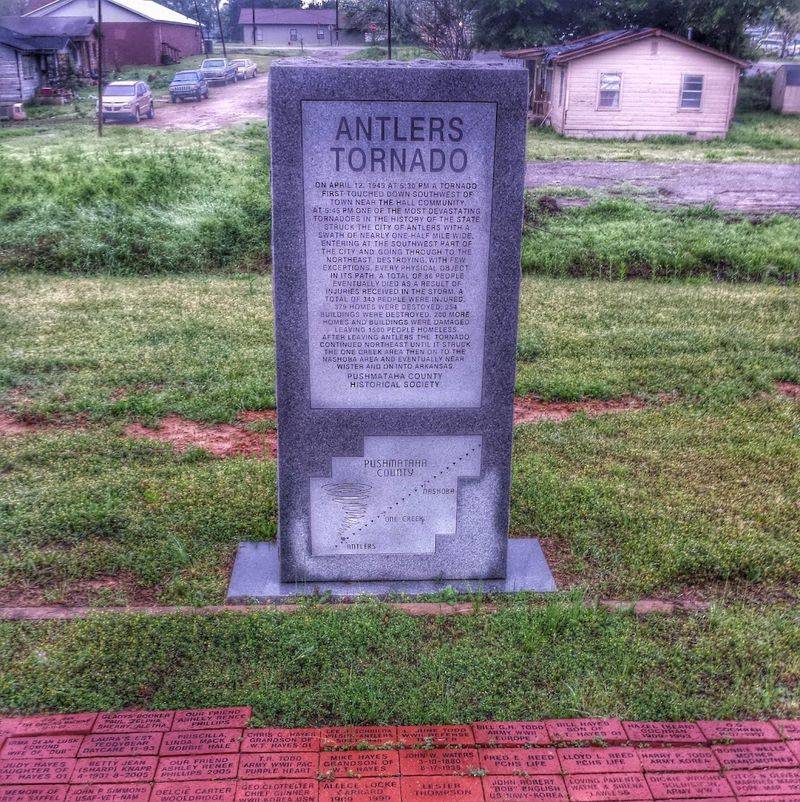
Antlers may not appear on most travel bucket lists, and that is honestly part of its appeal. The towns that get the most attention are not always the ones that give the most back, and this quiet corner of southeastern Oklahoma has a way of surprising people who arrive without expecting much.
The name alone opens the door to a story worth telling, from deer trails and freshwater springs to Choctaw heritage and a community that has kept its head up through decades of economic shifts. Every small detail connects to something larger about the history of this region and the people who built a life here.
Oklahoma has no shortage of overlooked places that reward the curious traveler, and Antlers earns its place near the top of that list. The antlers may have been left behind by deer looking for water, but what grew up around that simple landmark turned out to be something worth seeking out in its own right.
Come with an open schedule and leave with a good story.
Share this story