Climate change is reshaping the way we think about the natural world and the resources we depend on every day. As temperatures rise, weather patterns shift, and ecosystems come under stress, certain resources are becoming harder to find and more valuable than ever before.
From the water we drink to the soil that grows our food, the planet’s most essential materials are facing serious pressure. Understanding which resources are at risk can help us make smarter choices about how we use and protect them.
1. Fresh Water
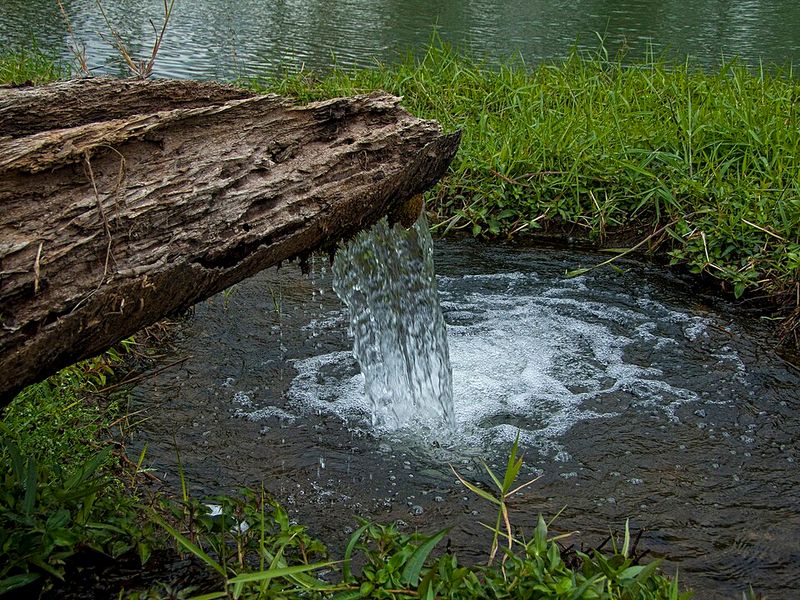
Turn on a faucet and clean water flows out instantly. That simple act is something billions of people around the world can no longer take for granted.
As droughts grow longer and more intense, freshwater sources like rivers, lakes, and underground aquifers are shrinking at alarming rates.
Glaciers, which act as natural water storage systems for entire regions, are melting faster than ever before. Communities that rely on glacier melt for drinking water and irrigation are already feeling the squeeze.
In some parts of the world, water conflicts between cities, farmers, and industries are becoming more common.
Scientists estimate that by 2050, over half the world’s population could face water shortages at some point each year. Conserving water at home, supporting smart agricultural practices, and protecting natural watersheds are all steps that can make a real difference in keeping this resource available for future generations.
2. Arable Farmland
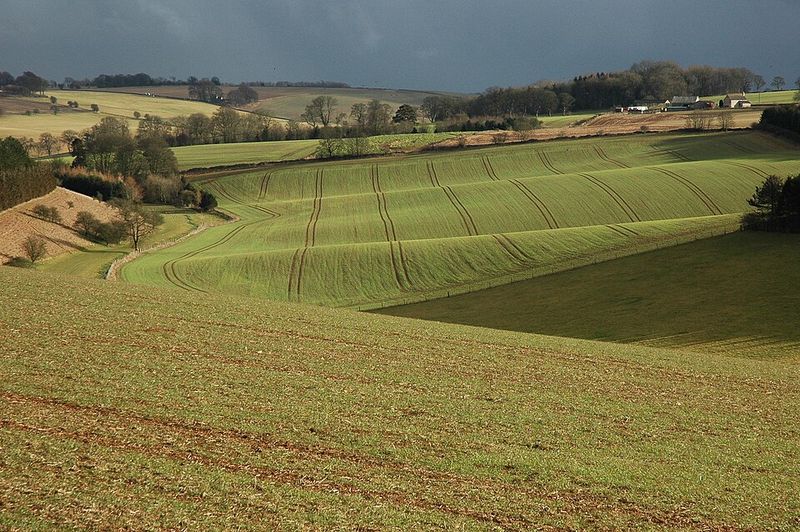
Every meal you eat started as a seed planted in soil. But the land that grows our food is quietly disappearing.
Rising temperatures, prolonged droughts, and extreme flooding are degrading millions of acres of once-productive farmland every single year.
Desertification, the process by which fertile land turns into desert, is spreading across parts of Africa, Asia, and even North America. Floods wash away nutrients, while heat and drought bake the ground hard.
The result is less land available to feed a global population that keeps growing.
Farmland in stable, temperate regions is now considered a serious long-term investment by governments and private companies alike. Countries are buying up agricultural land abroad to secure their own food supplies.
For everyday people, supporting local farmers and reducing food waste helps stretch this precious resource further and keeps food systems more resilient against climate disruptions.
3. Rare Earth Minerals
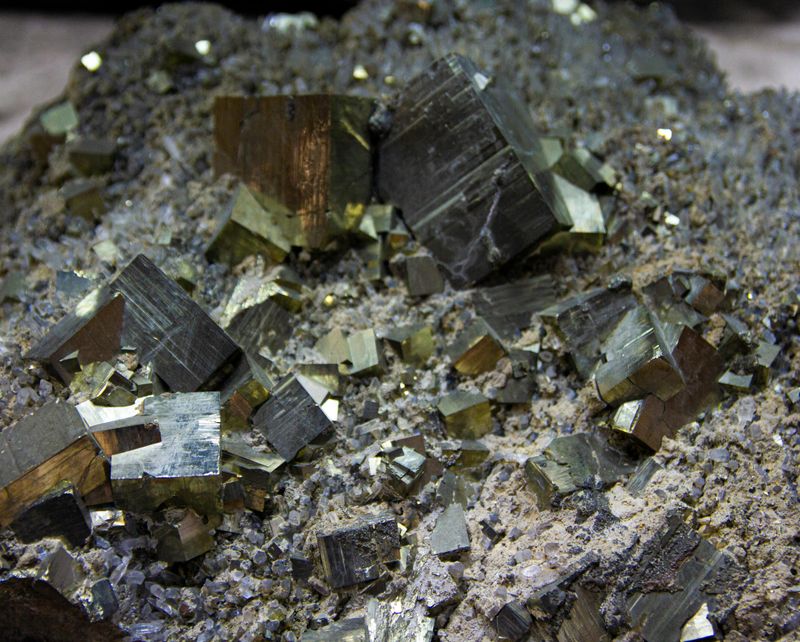
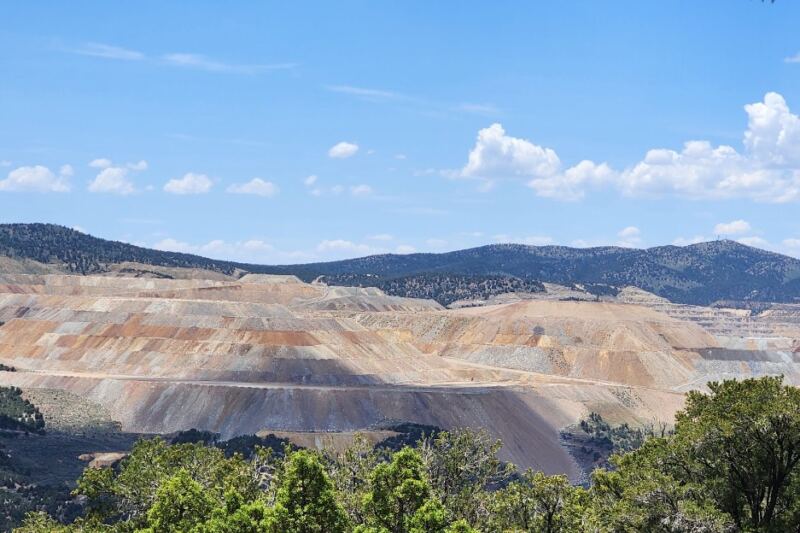
The phone in your pocket, the electric car on the road, and the solar panel on a rooftop all share something in common. They depend on rare earth minerals like lithium, cobalt, and nickel to function.
Without these materials, the clean-energy revolution simply cannot happen.
Demand for these minerals is skyrocketing as countries race to replace fossil fuels with renewable energy systems. But mining them comes with serious environmental and ethical challenges, including habitat destruction and poor labor conditions in some regions.
Supply chains are fragile, and only a handful of countries control most of the world’s reserves.
Geologists are working hard to find new deposits and develop better recycling methods to reduce the need for constant new mining. For consumers, choosing products designed to last longer and supporting companies with responsible sourcing practices helps ease pressure on these increasingly critical and finite underground resources.
4. Timber and Healthy Forests
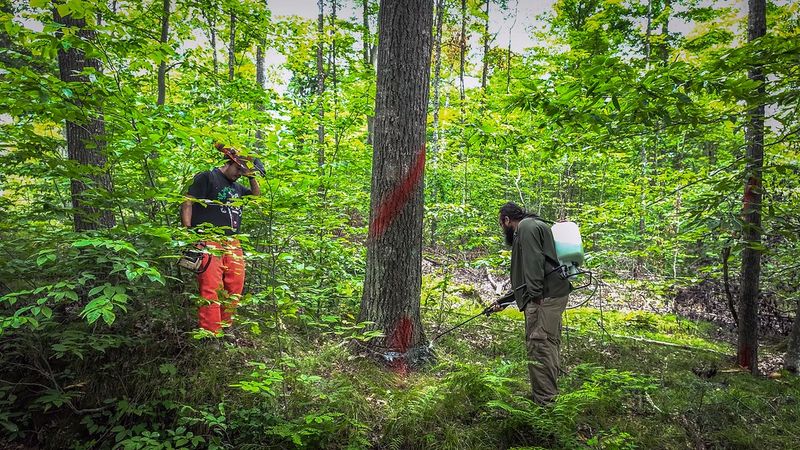
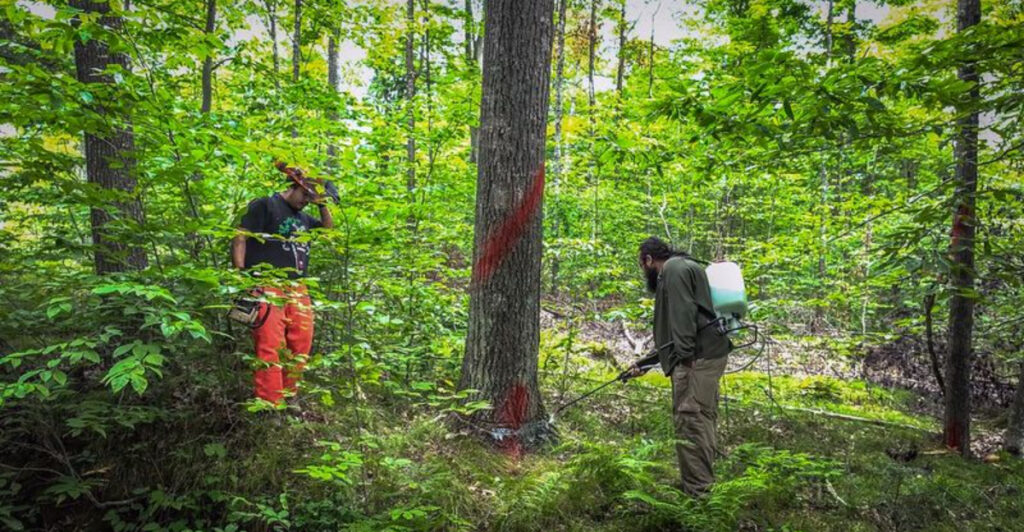
Old-growth forests took hundreds of years to grow, and they are disappearing faster than we can protect them. Wildfires fueled by drought and heat are burning millions of acres of forest each year, while invasive pests and disease weaken trees that might otherwise survive.
High-quality timber has always been valuable for construction and manufacturing, but healthy forests offer something even more important than lumber. They act as massive carbon sponges, absorbing greenhouse gases from the atmosphere.
As the climate crisis deepens, the carbon storage value of forests is being recognized in new and powerful ways through carbon credit markets.
Sustainably managed forests are now considered strategic assets by both governments and corporations. Consumers can look for products certified by organizations like the Forest Stewardship Council to support responsible forestry.
Planting trees locally and protecting existing woodland areas also contributes meaningfully to preserving this irreplaceable and multifaceted natural resource.
5. Copper
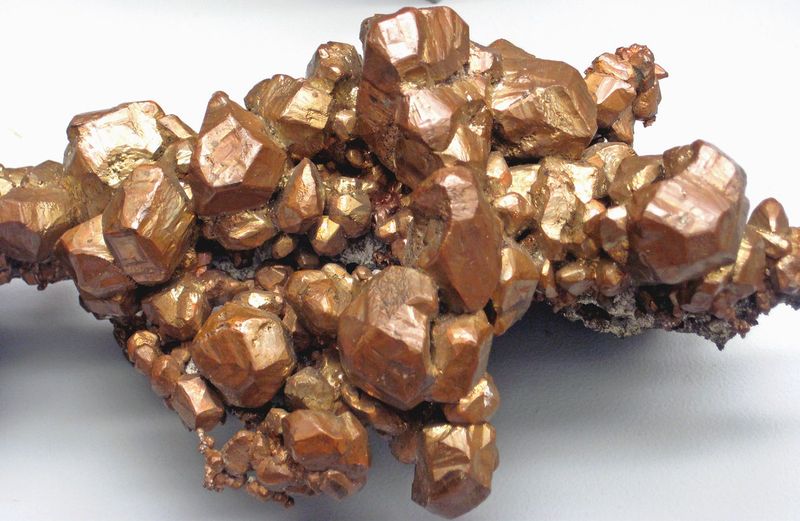
Copper has been used by humans for thousands of years, but its importance in the modern world has never been greater. Every electric vehicle contains roughly four times more copper than a traditional gas-powered car.
Wind turbines, solar farms, and upgraded power grids all require enormous amounts of this reddish metal to function.
As countries accelerate the shift away from fossil fuels, copper demand is expected to double or even triple over the next few decades. The problem is that high-quality copper deposits are becoming harder and more expensive to find and extract.
Existing mines are producing lower grades of ore, which means more energy and effort to get the same amount of metal.
Copper recycling is one of the most effective ways to ease this pressure, since recycled copper requires far less energy to process than newly mined material. Supporting infrastructure investments and smart grid development also ensures this vital metal is used as efficiently as possible.
6. Topsoil
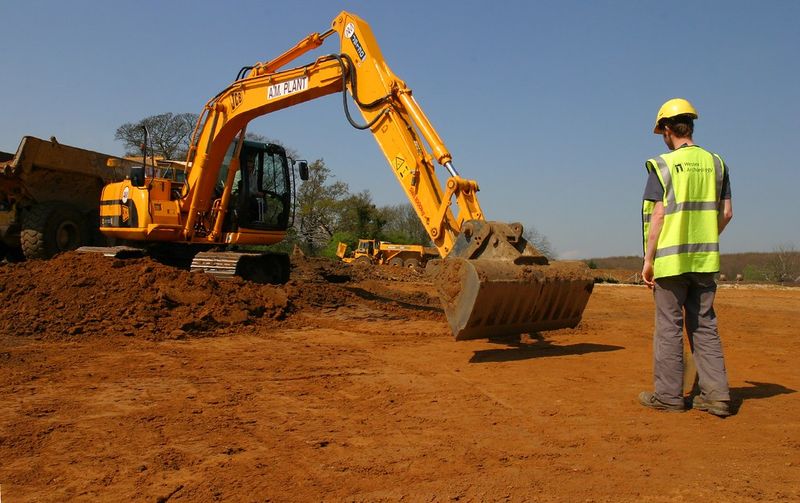
Just a few inches of topsoil stand between civilization and starvation. That might sound dramatic, but it is grounded in science.
Healthy topsoil is a living ecosystem packed with bacteria, fungi, and organic matter that makes plant growth possible. It takes nature about 500 years to build just one inch of it.
Intensive farming practices, heavy rainfall from extreme weather events, and prolonged droughts are stripping topsoil away at rates far faster than it can regenerate. Some estimates suggest that a third of the world’s topsoil has already been degraded.
Once it’s gone, restoring it is a slow and expensive process.
Farmers who use cover crops, reduce tillage, and add organic compost are helping rebuild soil health on their land. Even home gardeners can contribute by composting kitchen scraps and avoiding chemical overuse.
Treating topsoil as the irreplaceable strategic asset it truly is could be one of the most important environmental priorities of this century.
7. Sand

Sand seems like it should be everywhere, and in a way, it is. But the specific type of sand needed for construction, concrete, glass, and electronics is surprisingly scarce.
Desert sand grains are too smooth and round to bond properly in building materials. The coarser, angular sand found in rivers and on riverbeds is the kind the world actually needs.
Global demand for construction-grade sand has tripled over the last two decades, driven by rapid urbanization and infrastructure development. Rivers are being dredged so aggressively in some countries that entire ecosystems are collapsing.
Illegal sand mining has become a billion-dollar black market industry in parts of Asia and Africa.
Climate change adds another layer to this problem, as rising sea levels and stronger storms increase demand for coastal protection structures that require massive amounts of sand. Finding sustainable alternatives to sand in construction materials and enforcing stricter mining regulations are both urgently needed steps to protect this overlooked resource.
8. Fish Stocks
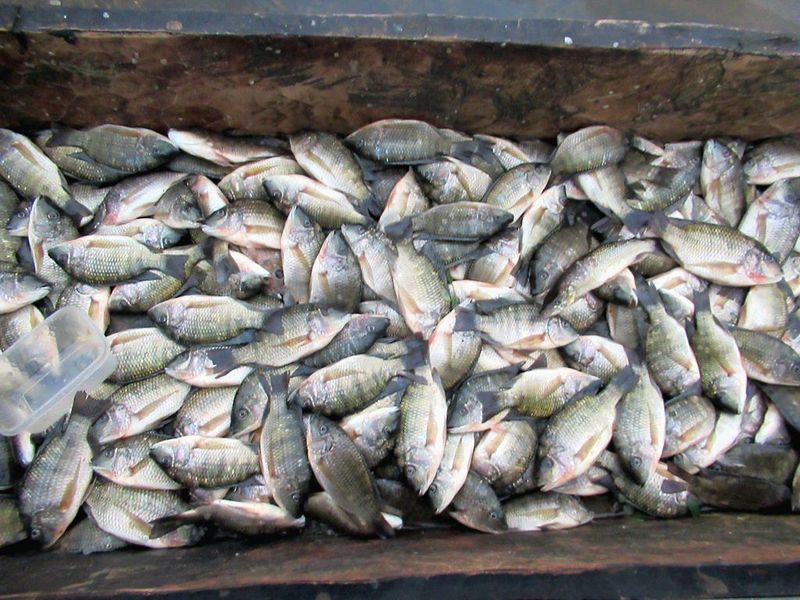
Fish feed more than three billion people around the world and support the livelihoods of hundreds of millions more. But ocean warming, acidification, and decades of overfishing have pushed many fish populations to the edge.
Some of the world’s most important fisheries are now considered fully exploited or in serious decline.
Warmer oceans are forcing fish species to migrate toward cooler waters near the poles, disrupting fishing industries that have operated in the same regions for generations. Coral reefs, which serve as nurseries for countless fish species, are bleaching and dying at unprecedented rates.
When reefs collapse, entire food webs unravel with them.
Sustainable fishing certifications, marine protected areas, and reduced bycatch practices are making a measurable difference where they are enforced. Choosing seafood from certified sustainable sources and cutting down on overall fish consumption are practical steps anyone can take to help protect these increasingly fragile and valuable ocean resources.
9. Natural Carbon Sinks
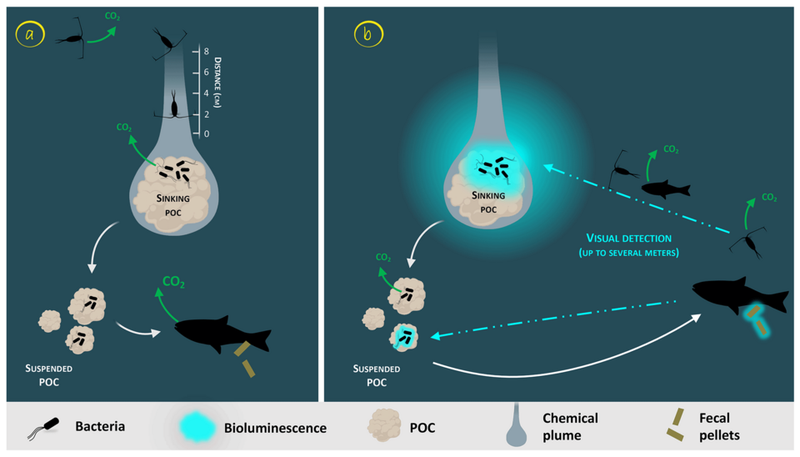
Mangroves, peatlands, wetlands, and rainforests do something remarkable. They absorb carbon dioxide from the atmosphere and lock it away for decades or even centuries, acting as natural brakes on climate change.
These ecosystems are now being recognized as some of the most economically valuable real estate on the planet.
Carbon credit markets are booming as corporations and governments pay to protect or restore natural carbon sinks in exchange for offset credits. A single acre of intact peatland can store more carbon than an entire acre of tropical rainforest.
Wetlands also protect coastlines from storm surges and filter pollutants from water supplies, adding layers of value beyond just carbon storage.
Unfortunately, many of these ecosystems are still being drained, burned, or cleared for agriculture and development. Conservation organizations are working to assign measurable financial value to intact ecosystems so that protecting them becomes more economically attractive than destroying them, turning nature itself into a powerful climate solution.
Share this story