Climate change is turning up the heat across the United States, and some cities are already feeling the pressure. By 2050, scientists predict that extreme heat waves will become longer, more frequent, and far more dangerous for millions of Americans.
Cities built on concrete and asphalt trap heat like an oven, making urban areas especially vulnerable. Here are 15 U.S. cities that researchers say face the greatest risk from deadly heat waves in the decades ahead.
1. Phoenix, Arizona
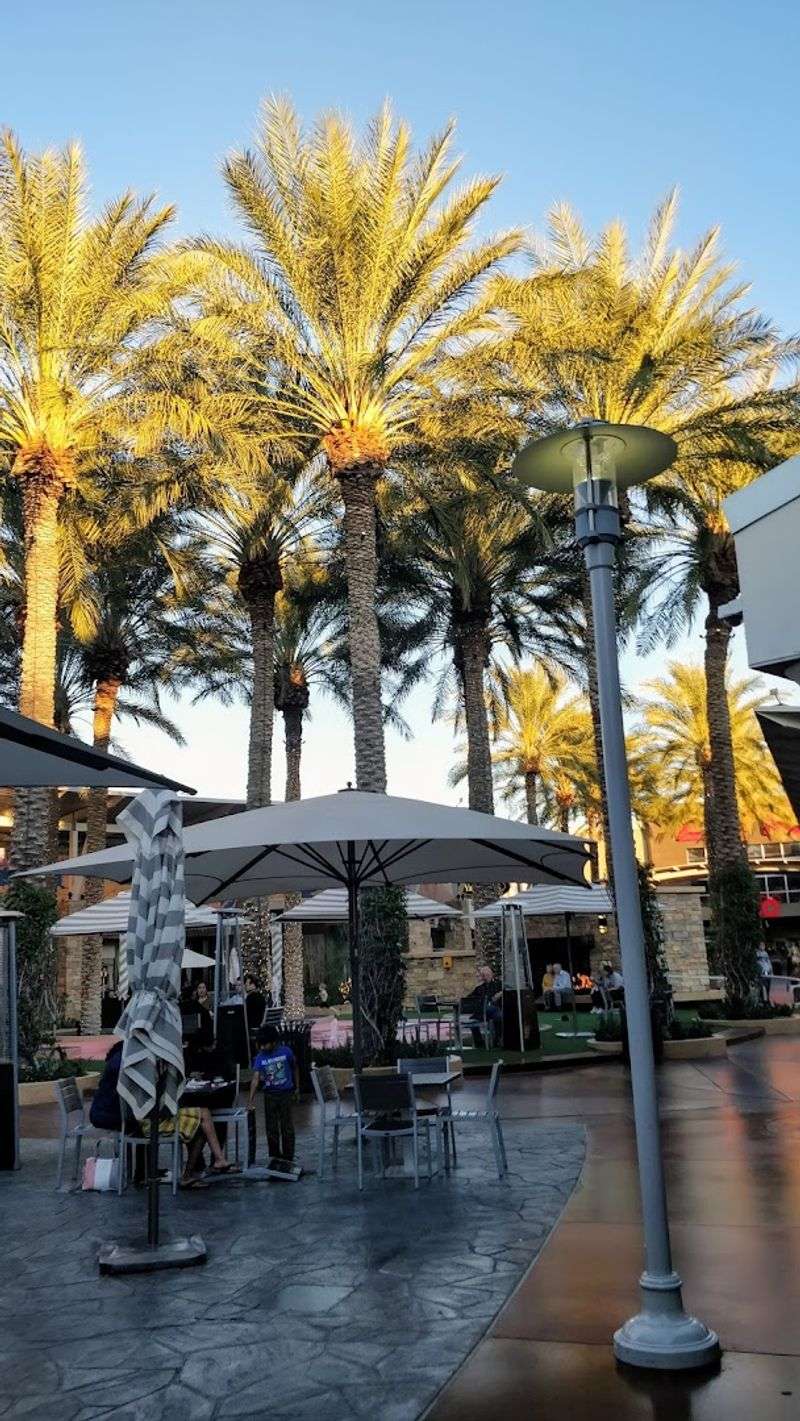
Phoenix already holds the record as one of the hottest major cities in the entire country, but things are only going to get worse. By 2050, climate scientists expect temperatures in the Valley of the Sun to regularly climb past 110 degrees Fahrenheit for weeks at a time.
That kind of heat is not just uncomfortable, it can be life-threatening within hours of exposure.
The city sits in the Sonoran Desert, which means there is very little natural cooling from trees or water. Pavement and buildings absorb heat during the day and slowly release it at night, preventing residents from ever getting a real break.
This cycle is known as the urban heat island effect, and Phoenix experiences it more intensely than almost anywhere else.
Staying hydrated, limiting outdoor activity during peak afternoon hours, and checking on elderly neighbors are simple but critical steps Phoenix residents need to take seriously every summer.
2. Las Vegas, Nevada
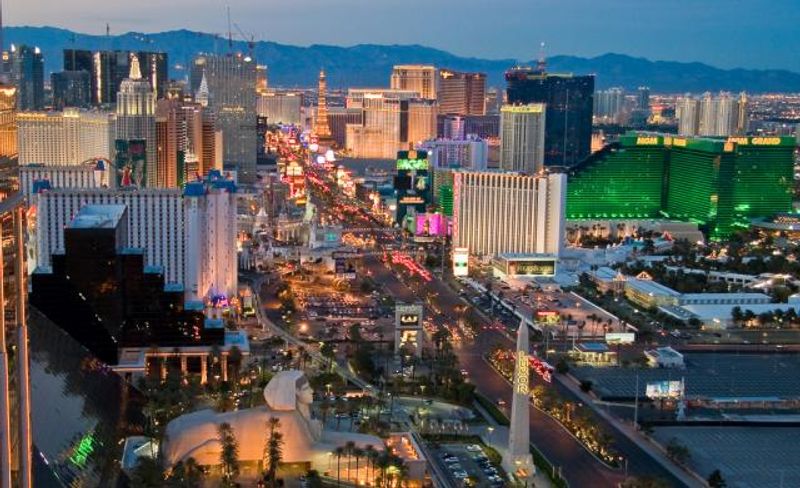
What happens in Vegas may stay in Vegas, but the heat just keeps building. Las Vegas is surrounded by desert, rapidly expanding with new development, and facing one of the most severe drought situations in the American West.
That combination is a recipe for dangerously hot summers well into mid-century.
The city’s urban heat island effect is growing stronger every year as more concrete, asphalt, and buildings replace open desert land. Nighttime temperatures, which once offered some relief, are now staying alarmingly high.
Residents and tourists who spend time outdoors face serious risks of heat exhaustion and heatstroke.
Water scarcity adds another layer of concern, since cooling systems and outdoor misters depend on a water supply that is already stretched thin. Planning outdoor activities early in the morning, wearing light clothing, and knowing the signs of heat illness could genuinely save lives in Las Vegas summers ahead.
3. Houston, Texas
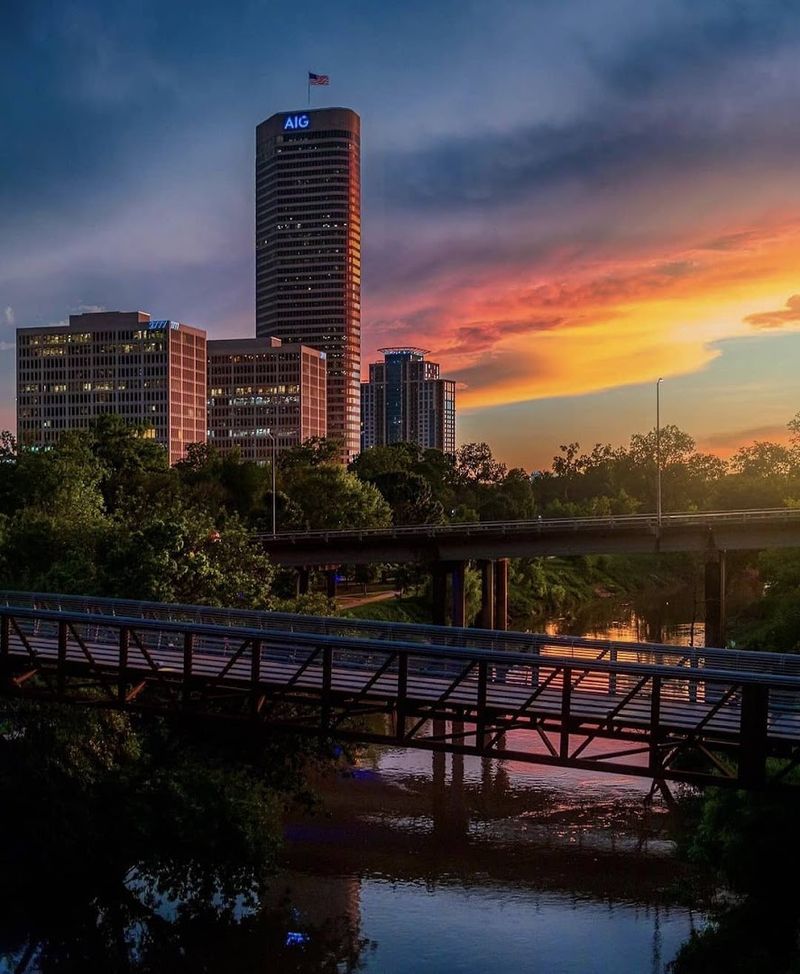
Houston does not just deal with heat. It deals with heat plus humidity, which is a combination that makes the body work much harder to cool itself down.
When the air is already saturated with moisture, sweat cannot evaporate efficiently, and that is when things get truly dangerous for human health.
Climate projections show Houston facing longer stretches of days where the heat index, which is what the temperature actually feels like to your body, could reach well above 110 degrees Fahrenheit. Low-income neighborhoods often have fewer trees and less access to air conditioning, making them especially vulnerable.
Houston has also experienced major flooding events in recent years, and warmer temperatures can make storms more intense, adding yet another layer of risk. Residents should make sure their cooling systems are working before summer hits and know where local cooling centers are located in case of a power outage.
4. Miami, Florida
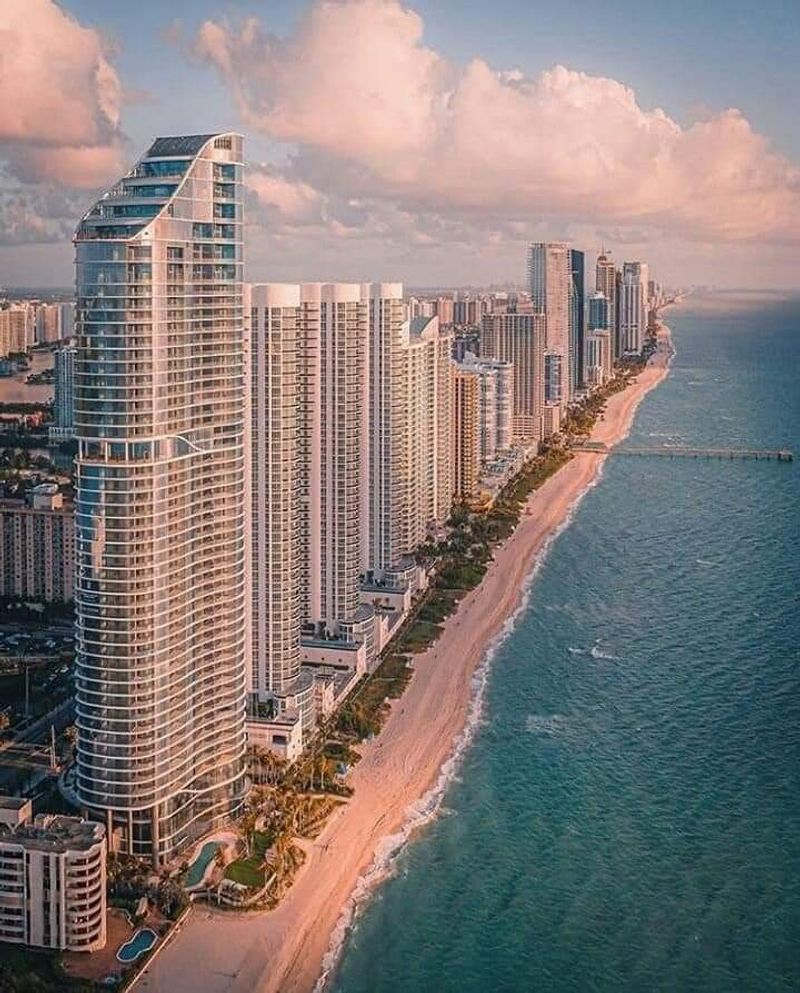
Miami is famous for sunshine and warm weather, but the climate trajectory for this coastal city is deeply concerning. Alongside rising sea levels threatening neighborhoods near the water, Miami is projected to face dramatically more days of extreme heat and oppressive humidity by 2050.
The tropical air that makes Miami feel lush can also make heat feel unbearable.
Heat stress is a serious medical condition, and Miami’s combination of high temperatures and moisture-heavy air creates the perfect conditions for it. Outdoor workers, the elderly, and people without reliable air conditioning are at the greatest risk.
The city’s dense urban landscape also traps heat efficiently, amplifying the danger.
Public health officials in Miami are already developing heat action plans to protect residents during peak summer months. Knowing how to recognize symptoms of heat exhaustion, like dizziness, heavy sweating, and a rapid pulse, is something every Miami resident and visitor should understand going forward.
5. New Orleans, Louisiana
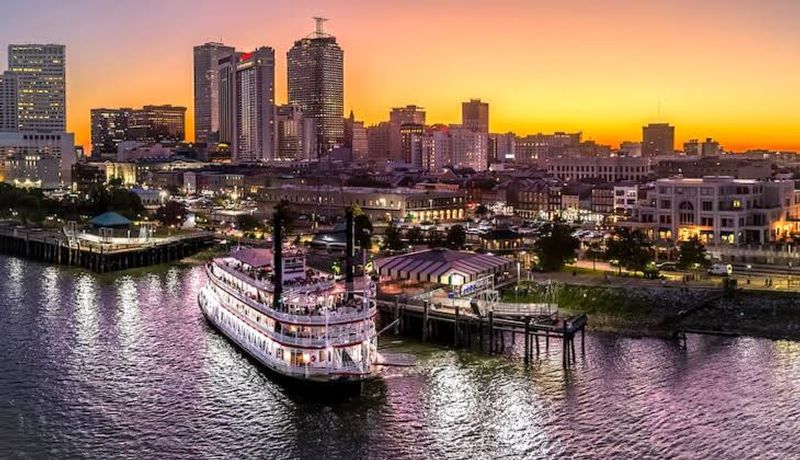
New Orleans sits near sea level along the Gulf Coast, surrounded by warm water and thick, humid air that rarely gives residents much of a break in summer. As Gulf of Mexico temperatures continue to rise, the heat and humidity combination in New Orleans is expected to become significantly more dangerous in the coming decades.
Vulnerable populations, including the elderly, young children, and people with chronic health conditions, face the highest risks during heat emergencies. New Orleans also has a history of infrastructure challenges, meaning power outages during heat events can leave residents without air conditioning at the worst possible moments.
The city’s experience with Hurricane Katrina in 2005 showed how quickly conditions can become life-threatening when systems fail. Building community resilience, improving access to cooling centers, and investing in heat-resistant urban design are all steps that could protect the most at-risk residents as temperatures continue climbing through mid-century.
6. Dallas, Texas
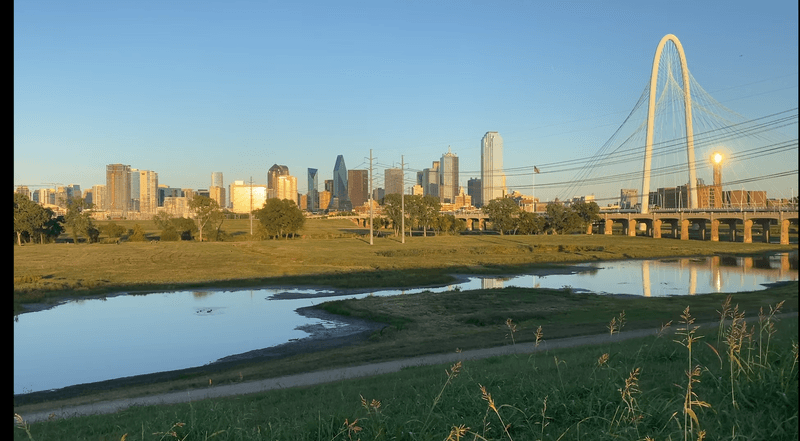
North Texas summers are already intense, but climate models are pointing toward something far more extreme by 2050. Dallas is expected to see a sharp increase in the number of days where temperatures exceed 100 degrees Fahrenheit, pushing energy grids to their limits and putting public health at serious risk across the metro area.
The 2011 Texas heat wave, which saw Dallas endure weeks of triple-digit temperatures, offered a preview of what could become the new normal. High electricity demand during heat events can strain the power grid, and outages during extreme heat are genuinely life-threatening, especially for older adults and those with medical needs.
Urban tree planting programs and cool-roof initiatives are among the strategies city planners are considering to reduce heat exposure. In the meantime, residents should have a backup plan for staying cool if the power goes out and check on neighbors who may be living alone without reliable cooling.
7. San Antonio, Texas
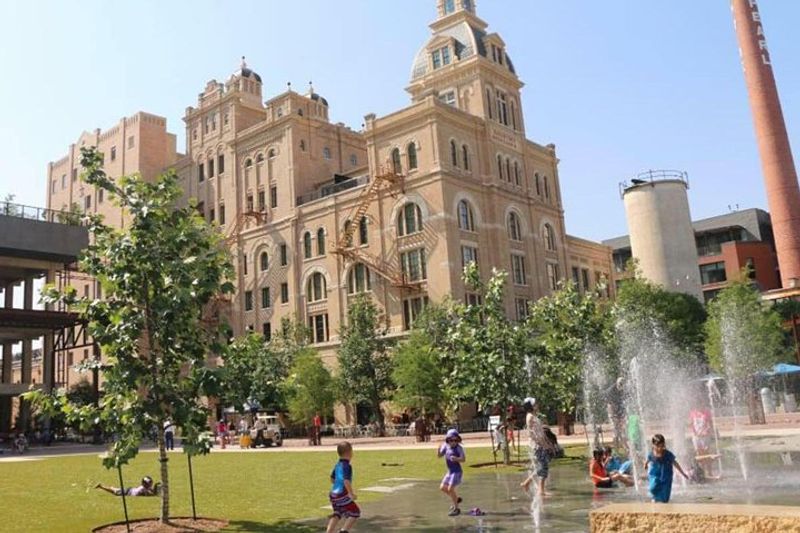
San Antonio already bakes through some of the toughest summers in the country, but projections suggest the city has not seen anything yet. By 2050, researchers expect prolonged periods of dangerous heat paired with worsening drought conditions that could strain both water supplies and public health systems across the region.
The Edwards Aquifer, which supplies much of the city’s water, faces increasing pressure from both growing population demand and reduced rainfall. During heat waves, water use spikes dramatically as people try to stay cool, creating a difficult balancing act for city managers.
Heat and drought together create conditions that can spiral quickly into a public health crisis.
San Antonio has a large population of elderly residents and veterans who are particularly sensitive to extreme temperatures. Community outreach programs that deliver water, check on isolated individuals, and provide access to cooling centers are not just helpful during heat events, they are genuinely life-saving measures.
8. Orlando, Florida
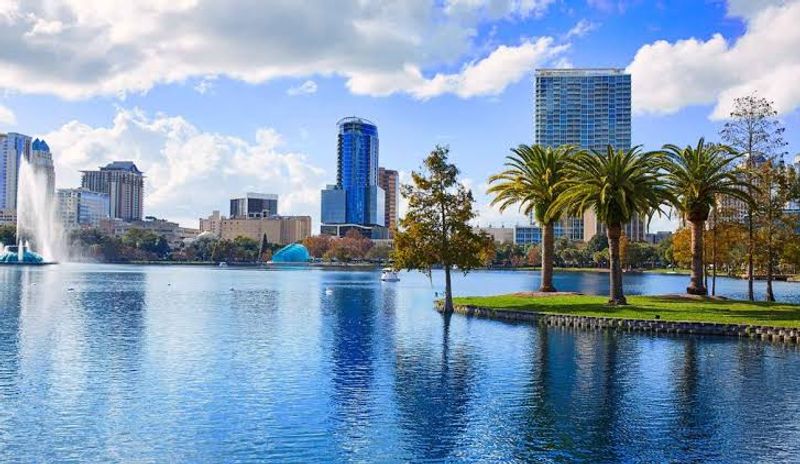
Orlando might be known as the theme park capital of the world, but the millions of people who visit and live there may soon be dealing with something far less fun: dangerous, relentless heat. Central Florida’s combination of tropical humidity, rapid population growth, and expanding concrete development makes it one of the most heat-vulnerable cities in the Southeast.
Theme park visitors and outdoor workers spend long hours in direct sun, which significantly increases their risk of heat-related illness. As temperatures climb, even a short walk across a parking lot can become a health hazard.
Children and older adults are especially at risk because their bodies regulate temperature less efficiently.
Orlando’s growth has replaced forests and wetlands with roads and buildings, eliminating natural cooling that once helped moderate temperatures. City planners are beginning to look at green infrastructure solutions, like urban forests and reflective surfaces, to help offset the rising heat that residents and tourists will face in coming decades.
9. Atlanta, Georgia
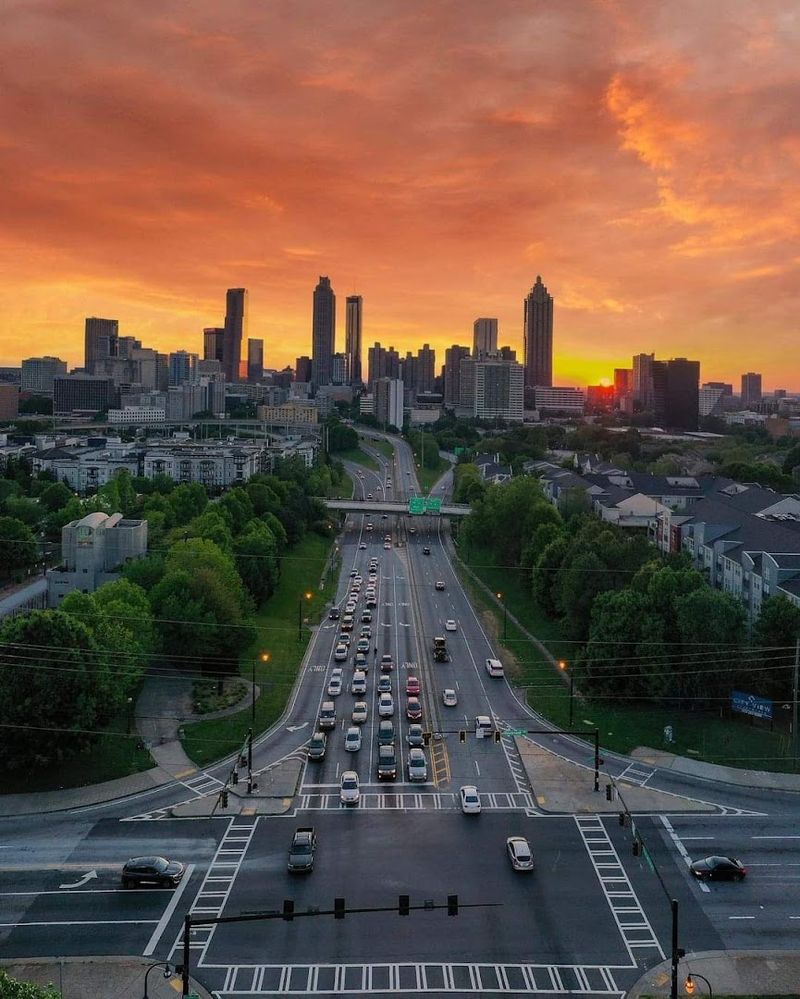
Atlanta has grown dramatically over the past few decades, and all that urban expansion has come with a cost. Forests and green spaces that once helped cool the region have been replaced by highways, parking lots, and buildings that absorb and radiate heat.
Climate scientists say this urban sprawl is sharply increasing heat exposure for millions of metro Atlanta residents.
The city sits in a bowl-shaped geographic area that can trap hot air during heat events, making conditions even more intense than surrounding rural areas. Atlanta also has significant socioeconomic inequality, meaning some neighborhoods have far fewer trees, parks, and cooling resources than others.
Those disparities become life-or-death differences during a serious heat wave.
Community organizations and city agencies are working to expand tree canopy coverage in underserved neighborhoods, which research shows can reduce local temperatures by several degrees. Supporting those initiatives and staying informed about heat emergency alerts are practical ways Atlanta residents can protect themselves and their communities.
10. Chicago, Illinois
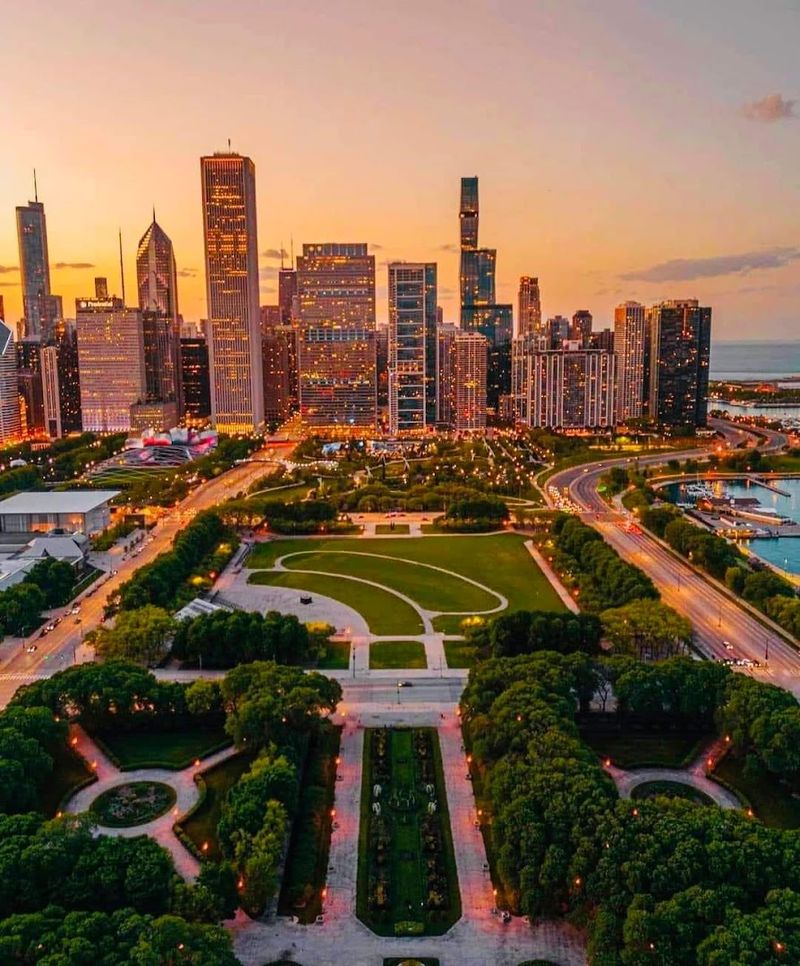
Most people think of Chicago as a cold, windy city, which makes it easy to forget just how deadly its heat waves can be. The summer of 1995 stands as one of the deadliest weather events in U.S. history, when a brutal heat wave killed more than 700 people in the city over just five days.
That tragedy revealed how vulnerable urban populations can be when temperatures spike suddenly.
By 2050, climate projections suggest Chicago could face heat waves that are both more intense and more frequent than anything seen before. The city’s aging housing stock and infrastructure were not built with extreme heat in mind, leaving many residents, especially those in older apartments without air conditioning, dangerously exposed.
Lake Michigan provides some natural cooling near the waterfront, but inland neighborhoods can be dramatically hotter. Chicago officials have since created heat emergency response plans, but continued investment in cooling infrastructure and public awareness will be essential as conditions worsen through mid-century.
11. Memphis, Tennessee
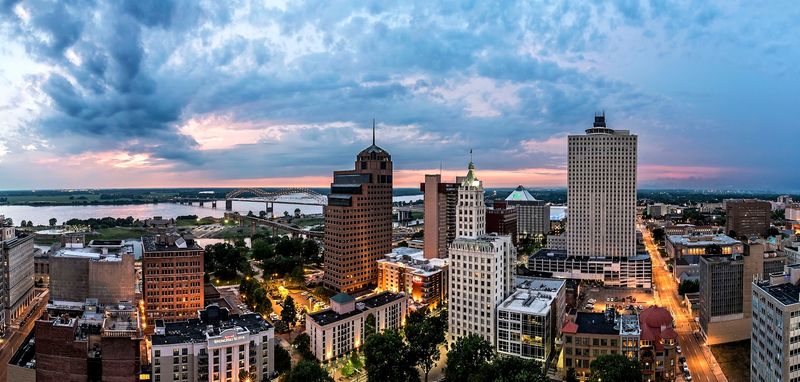
Sitting along the Mississippi River in the mid-South, Memphis experiences a type of summer heat that is heavy, sticky, and deeply exhausting. High humidity means that even temperatures in the low 90s can feel closer to 105 degrees or more when you factor in how it actually feels on the body.
Climate projections suggest those conditions will become more extreme and more frequent by 2050.
Memphis has one of the highest poverty rates among major American cities, and economic hardship often means less access to reliable air conditioning, quality housing, and healthcare. Those factors combine to create serious vulnerability during heat emergencies.
Older adults, outdoor laborers, and children are consistently the most affected groups.
Local health departments are expanding outreach programs that help connect vulnerable residents with cooling resources before heat events reach dangerous levels. Understanding the heat index, not just the thermometer reading, is one of the most important pieces of information Memphis residents can use to protect their health each summer.
12. St. Louis, Missouri

St. Louis sits at the crossroads of the Midwest and the South, which means it gets the worst of both worlds when it comes to summer weather. Hot temperatures combine with Gulf moisture to create humid, oppressive conditions that can be dangerous for anyone spending time outdoors.
Climate projections for the region show stronger and more frequent heat waves through the middle of this century.
The city has a complicated history with extreme heat. A devastating 1995 heat wave killed hundreds of people across Missouri and the broader Midwest, exposing serious gaps in public health readiness.
Decades later, many of the same vulnerabilities, including aging housing, limited urban greenery, and concentrated poverty, still exist in parts of the city.
Researchers point to St. Louis as a place where targeted investment in cooling infrastructure could make a measurable difference in lives saved. Expanding access to air-conditioned public spaces and increasing urban tree coverage are two cost-effective strategies that city leaders are actively exploring to prepare for a hotter future.
13. Washington, D.C.
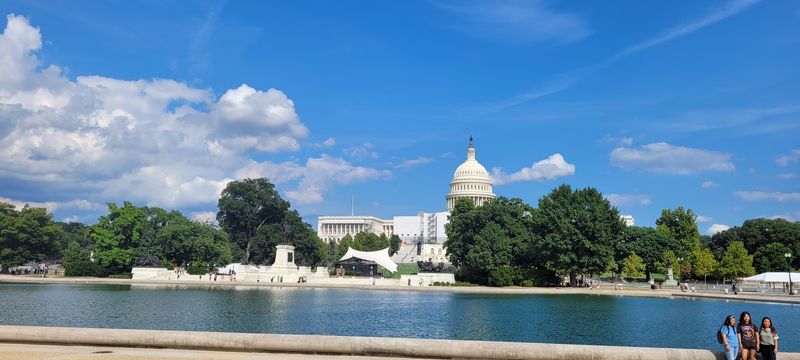
The nation’s capital was actually built on swampy land along the Potomac River, and that geography has always made Washington summers steamy and uncomfortable. Dense development, aging infrastructure, and high humidity are pushing the city toward a future where extreme heat events could become a regular public health emergency rather than an occasional inconvenience.
Washington has a large population of federal workers, tourists, and residents who spend significant time outdoors, particularly around the National Mall and other open areas. During heat waves, those spaces can become dangerously hot, with surface temperatures on asphalt and stone reaching well above 140 degrees Fahrenheit.
The risk to outdoor workers and visitors is real and growing.
The D.C. government has been investing in green infrastructure projects, including expanded tree planting and cool pavement programs, to help reduce urban heat. Residents can also look up the city’s heat emergency hotline and cooling center locations, which are updated each summer as temperatures begin to climb.
14. Los Angeles, California
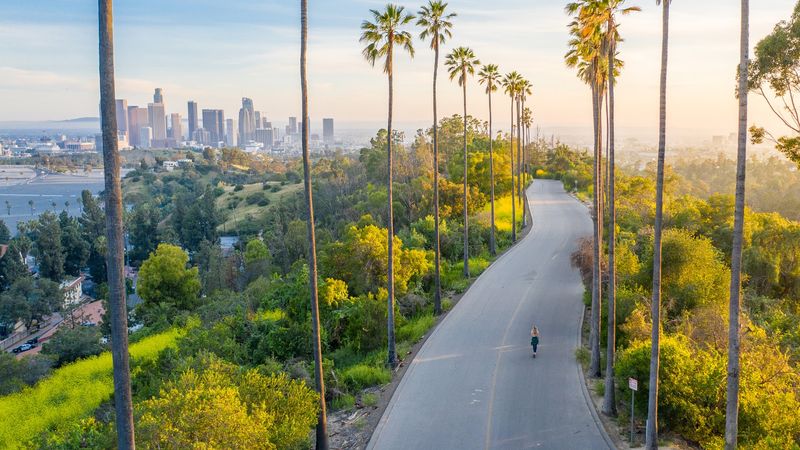
Los Angeles has a famously pleasant coastal climate, but that reputation does not apply equally across the entire metro area. Inland communities, including the San Fernando Valley, the Inland Empire, and East Los Angeles neighborhoods, regularly experience temperatures 15 to 20 degrees hotter than the coast.
By 2050, those inland areas are projected to face even more severe and prolonged heat waves.
Drought conditions and wildfire smoke add layers of danger that coastal residents rarely have to think about. During heat events, air quality can deteriorate sharply from wildfire smoke, making it risky to open windows for ventilation even when indoor temperatures are rising.
That combination of heat and poor air quality is particularly harmful for people with asthma or other respiratory conditions.
Los Angeles has made strides in developing urban cooling strategies, including painting streets white to reflect sunlight and planting shade trees in heat-vulnerable neighborhoods. But experts say much more investment will be needed to protect the region’s most exposed communities as conditions continue to intensify through mid-century.
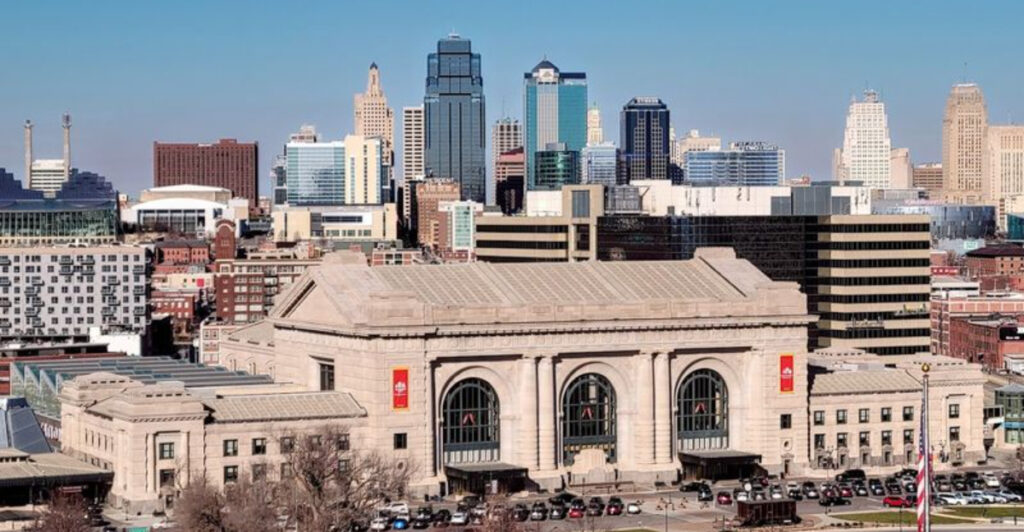
15. Kansas City, Missouri
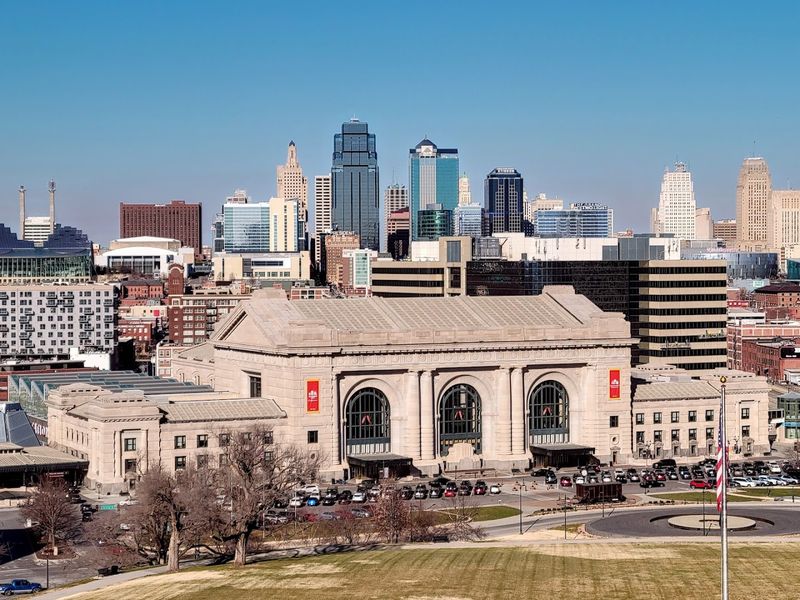
Kansas City might not be the first place that comes to mind when people think about extreme heat, but climate scientists are paying close attention to this Midwestern metro. Research suggests that cities in the central United States could see some of the most dramatic increases in prolonged high-heat days by mid-century, and Kansas City sits squarely in that zone of concern.
The region’s flat geography and limited natural shade in many neighborhoods make it harder for residents to escape the heat. As temperatures climb, energy demand spikes, and power grids face stress that can lead to outages at exactly the wrong time.
Heat-related emergency room visits in Kansas City have already been trending upward in recent years, a sign of what may be coming.
Community preparedness programs that focus on checking in with elderly neighbors, distributing fans and water to low-income households, and improving access to cooling centers are already showing results. Investing in those programs now, before conditions become more extreme, is one of the smartest things Kansas City can do to protect its residents.
Share this story