Life on the West Coast operates by its own set of unwritten rules, and if you grew up on the East Coast, some of those rules might seem completely foreign. From two-hour drives that feel like nothing to casual earthquake talk over breakfast, the West Coast lifestyle is genuinely different in ways that go beyond just geography.
Whether you’re considering a move or just curious about the culture, these 15 observations will give you a real look at what makes West Coast life so unique.
1. Casually Driving Two Hours Like It’s Nearby
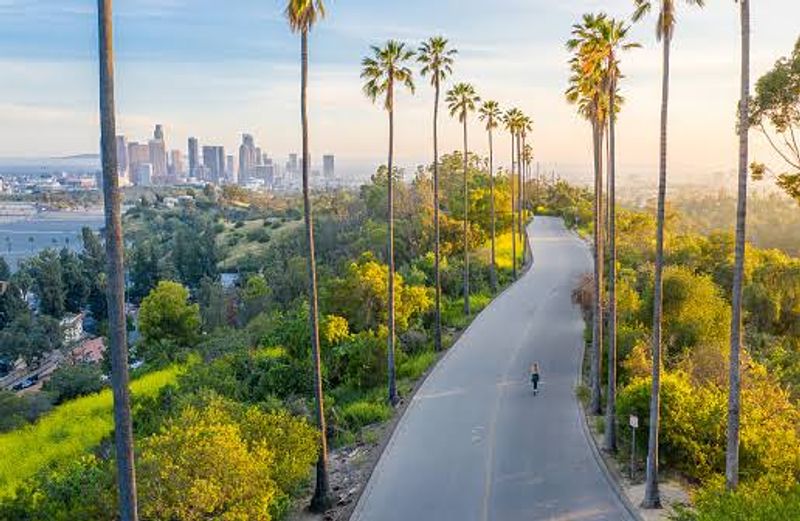
Ask a Californian how far something is, and they’ll probably answer in minutes, not miles. “Oh, it’s only about two hours” is said with the same casual energy most people reserve for a quick trip to the grocery store.
On the East Coast, a two-hour drive usually means you’ve crossed at least two state lines and packed an overnight bag. Out West, it just means you’re heading to the next city for brunch.
The wide-open landscapes and sprawling geography of states like California, Oregon, and Washington train people to think differently about distance. Long drives become part of the routine, often paired with podcasts, playlists, and scenic views that make the journey feel worthwhile.
East Coasters visiting for the first time often look genuinely alarmed when a local shrugs off a 120-mile trip like it’s nothing.
2. People Actually Surf Before Work
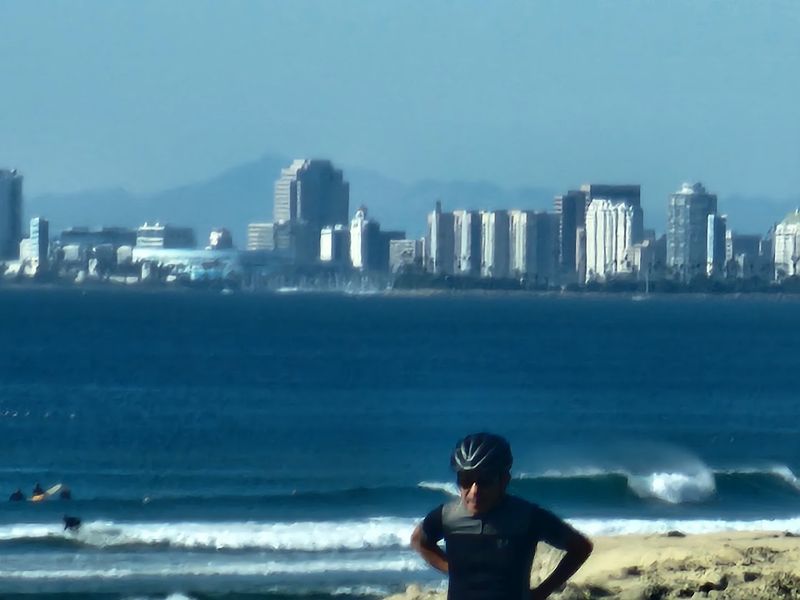
Sunrise surf sessions followed by a quick rinse, a cold brew, and a commute to the office are not a fantasy on the West Coast. For many people living near the coast, this is just Tuesday.
In beach cities like Santa Cruz, San Diego, and Huntington Beach, surf culture is woven into the fabric of daily life. Parking lots at popular breaks fill up before 6 a.m. with people who genuinely squeeze in a session before their 9 a.m. meeting.
East Coasters tend to associate surfing with vacation mode, not productivity. But out West, the ocean is essentially a backyard amenity.
Locals grow up learning to read tides and swell reports the way others check the weather. The idea that a sport this exhilarating can simply be part of a normal morning routine is one of the West Coast’s most enviable qualities.
3. The Obsession With Outdoor Living
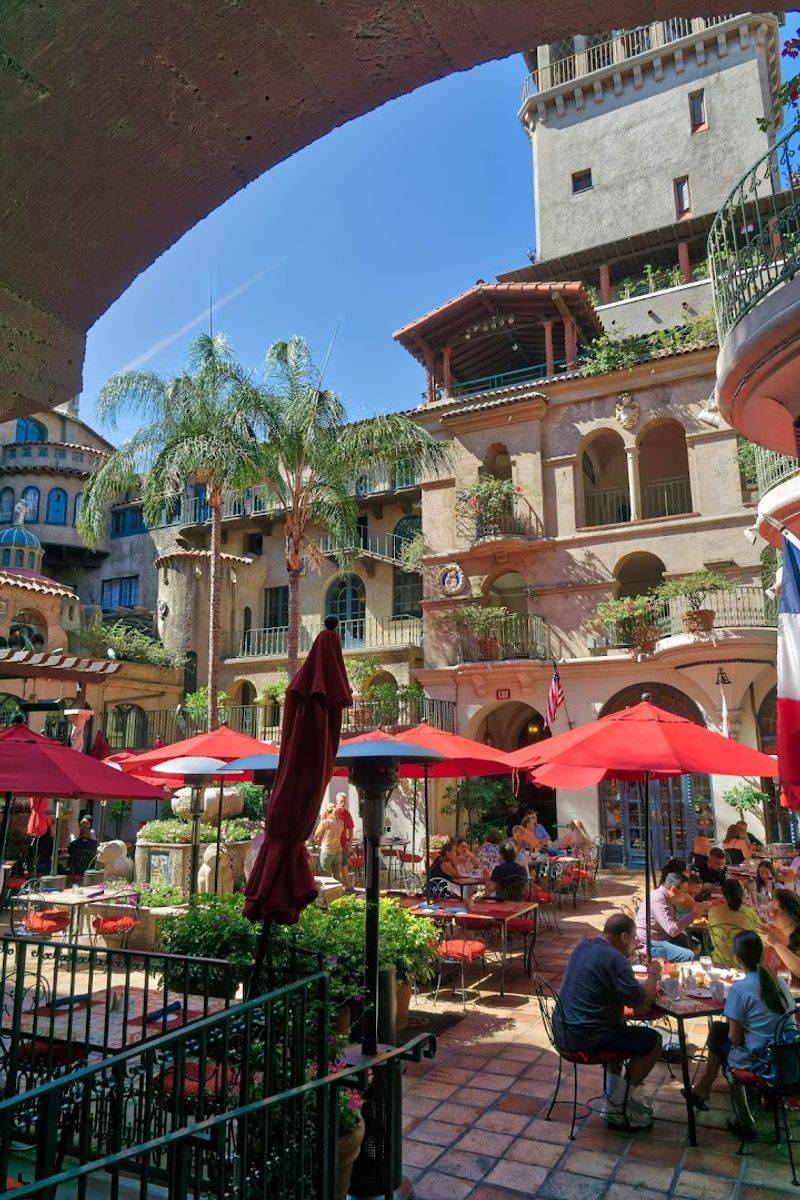
Outdoor living on the West Coast is not a seasonal treat reserved for warm summer weekends. Patios, rooftop decks, fire pits, and open-air dining spots are used year-round, and locals expect nothing less from their homes, restaurants, and neighborhoods.
Architects and designers in West Coast cities routinely build homes with indoor-outdoor flow as a top priority. Folding glass walls, covered decks, and outdoor kitchens are standard features, not luxury upgrades.
For East Coasters who spend half the year bundled up indoors, this concept can feel almost otherworldly. Imagine hosting a dinner party outside in January without a single space heater.
That is a perfectly ordinary Saturday in San Diego or the Bay Area. The outdoor lifestyle also encourages more physical activity, community connection, and mental wellness, which may explain why West Coasters tend to talk about hiking the way others talk about watching TV.
4. Weather Barely Changes
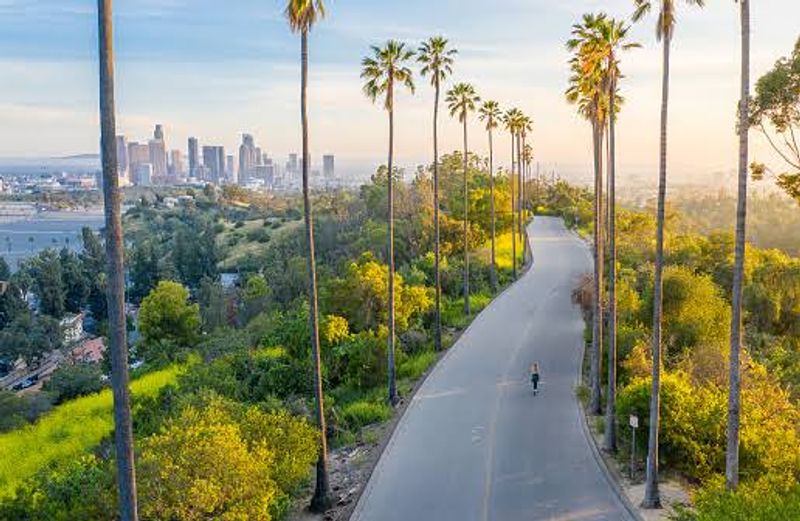
There is something almost disorienting about living in a place where the weather barely shifts from month to month. West Coasters in coastal cities can wear the same light hoodie in January that they wore in July and genuinely not notice the difference.
East Coasters grow up with dramatic seasonal swings, from icy nor’easters to sweltering August humidity. The changing seasons become a rhythm of life, tied to holidays, clothing, food, and mood.
On the West Coast, that rhythm simply does not exist in the same way.
The mild, consistent climate is one of the most appealing things about living in cities like San Francisco, Portland, or Los Angeles. But it also means West Coasters can seem almost indifferent to weather in ways that baffle visitors.
Complaining about a 62-degree overcast day will earn you some very unimpressed looks from locals who consider that a perfectly fine afternoon.
5. Earthquake Preparedness Is Casual Conversation
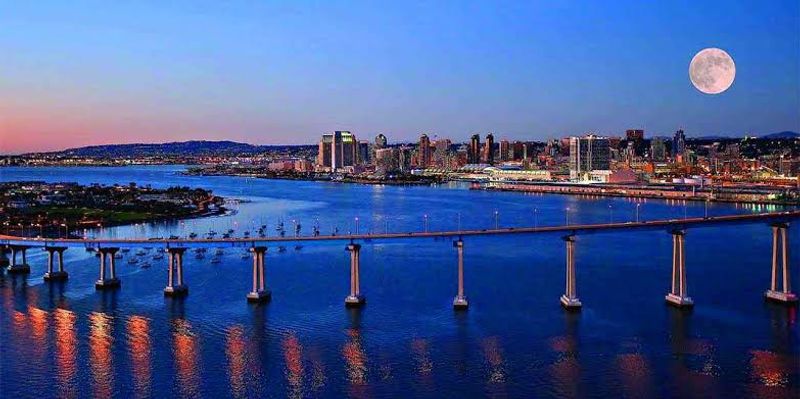
“Did you feel that little shaker last night?” is the kind of question West Coasters ask over morning coffee without missing a beat. Earthquake talk is as routine as discussing weekend plans or complaining about traffic.
People living along the Pacific coast grow up knowing which fault lines run under their cities. Many households keep emergency kits stocked with water, flashlights, and supplies as a matter of course, not panic.
Apps that track seismic activity sit comfortably on home screens next to weather apps and social media.
East Coasters, who rarely experience significant earthquakes, often find this level of calm deeply unsettling. The idea of the ground literally shaking beneath your home is terrifying to someone who has never lived with it.
But for West Coasters, it is simply a geological reality they have made peace with, the same way East Coasters accept blizzards and hurricane season without much drama.
6. Avocados Are Basically a Food Group

Walk into nearly any West Coast cafe, farmers market, or home kitchen and you will find avocados in some form. Avocado toast is not a trend out here; it is a lifestyle cornerstone that predates any viral food moment by decades.
Fresh guacamole, fish tacos loaded with avocado, and green smoothies blended with half an avocado are daily staples for millions of West Coast residents. The proximity to California’s agricultural heartland means the produce is fresher, more affordable, and more abundant than almost anywhere else in the country.
East Coasters often pay premium prices for avocados that may have traveled thousands of miles and ripened unevenly in transit. Out West, grabbing a bag of perfectly ripe avocados at a roadside stand is completely ordinary.
Acai bowls, green juice, and grain bowls round out a food culture that prioritizes fresh, whole ingredients in a way that feels effortless rather than trendy.
7. Flip-Flops Everywhere
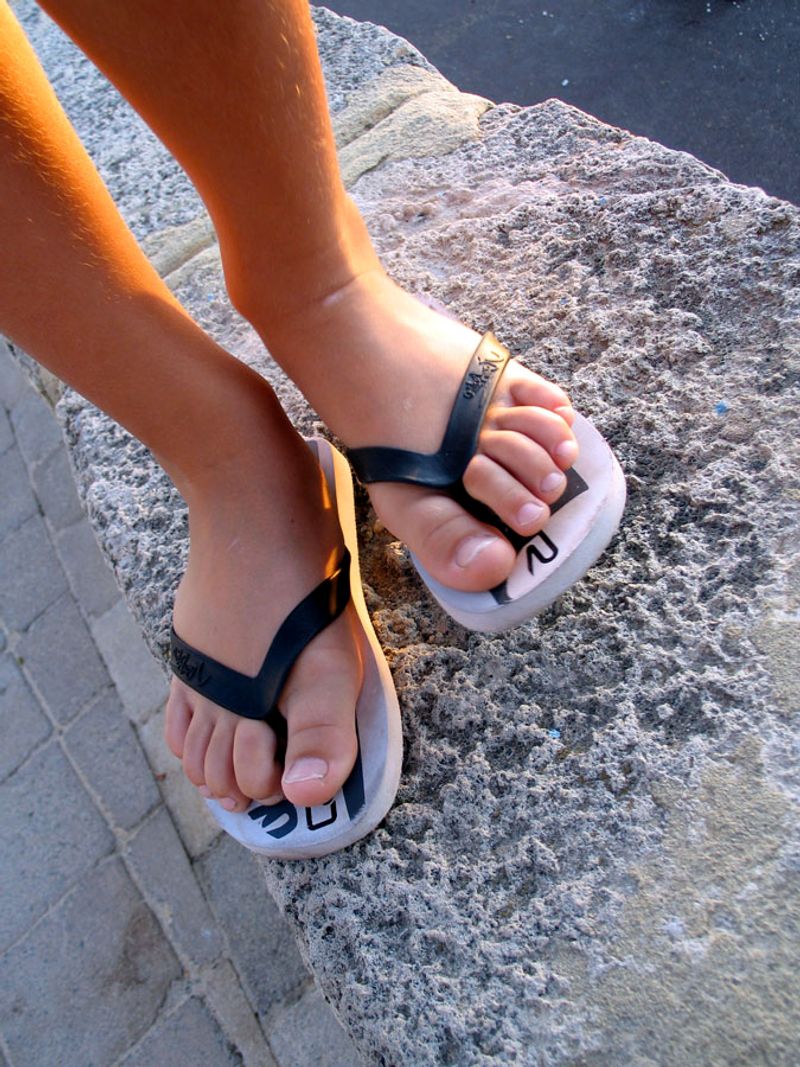
Footwear etiquette on the West Coast follows a very different rulebook. Flip-flops are not beach accessories here; they are legitimate everyday shoes worn to grocery stores, coffee shops, casual offices, airports, and yes, occasionally to weddings.
The warm, dry climate makes sandals a practical and comfortable default for a large portion of the year. There is very little social pressure to dress up your feet just because you are leaving the house, and nobody is going to judge you for showing up to brunch in Birkenstocks.
East Coasters are generally more formal about footwear, shaped by colder weather and a culture that tends to dress more deliberately for different occasions. Visiting the West Coast for the first time and seeing someone in flip-flops at a sit-down restaurant can genuinely catch people off guard.
It is not a lack of effort; it is simply a different, more relaxed relationship with personal style and comfort.
8. People Plan Life Around Traffic
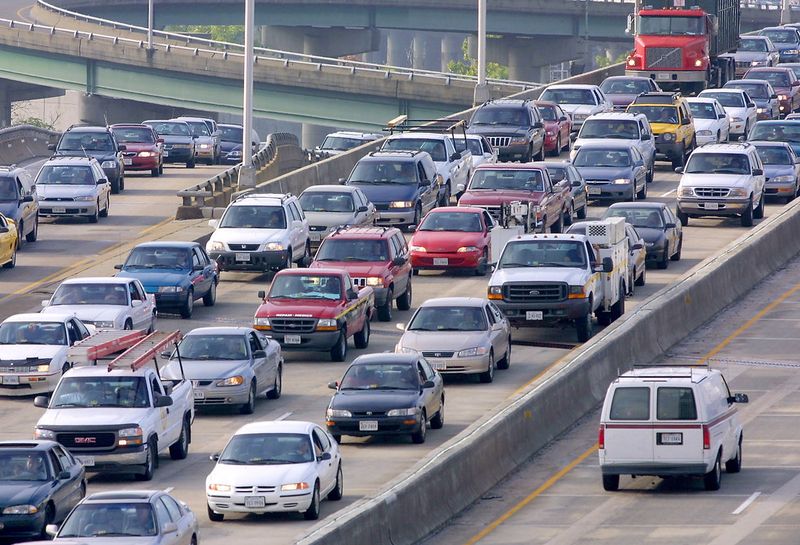
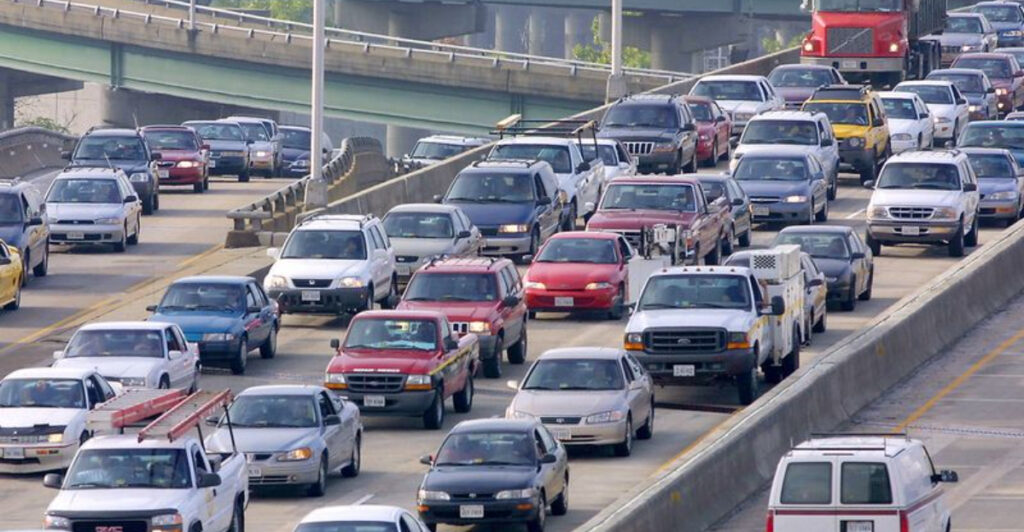
“Leave by 2:30 or wait until after 7” is not an exaggeration in Los Angeles. It is practical survival advice that locals share with the same seriousness others reserve for weather warnings or medical guidance.
West Coast traffic, especially in Southern California and the Bay Area, does not just slow down your commute. It restructures your entire day.
People schedule doctor appointments, dinner reservations, and social plans around peak traffic windows with the precision of air traffic controllers.
East Coast cities certainly have their share of gridlock, but the scale and unpredictability of West Coast traffic is on another level. Los Angeles has consistently ranked among the most congested cities in the world.
Locals develop an almost sixth sense for traffic patterns, knowing exactly which routes, times, and shortcuts will save them from sitting on a freeway for two hours to travel ten miles. It shapes everything.
9. Nature Is Part of Everyday Life
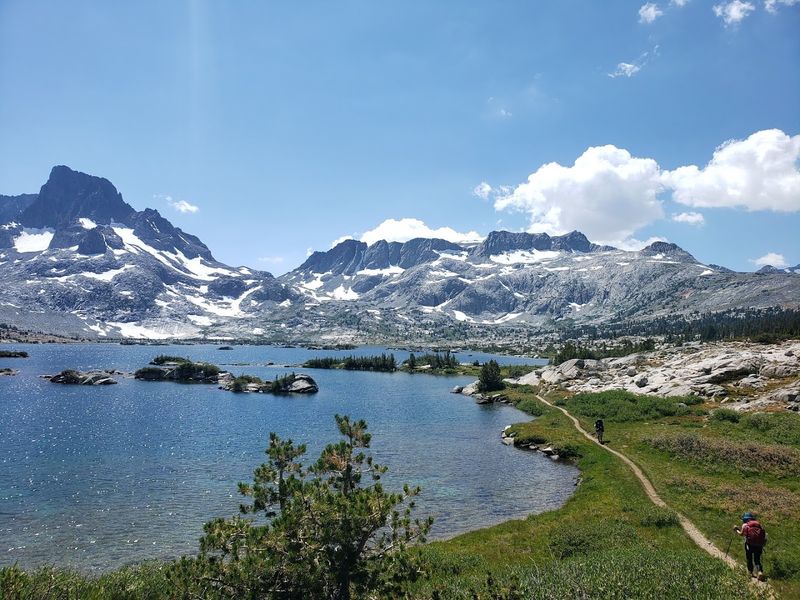
Hiking a mountain in the morning and watching the sun sink into the Pacific at sunset is not a bucket list item for West Coasters. For many, it is just a solid Saturday.
The sheer variety of natural landscapes accessible within a short drive is staggering. Residents of cities like Los Angeles, Seattle, and Portland can reach alpine trails, desert terrain, old-growth forests, and ocean cliffs all within a couple of hours.
Nature is not something you travel to on the West Coast; it is something you live inside of.
East Coasters have beautiful natural spaces too, but the density of development and the seasonal limitations make outdoor access feel more intentional. On the West Coast, a lunchtime walk might take you through a canyon, and a weekend trip barely scratches the surface of what is available.
That constant proximity to wild, breathtaking landscapes quietly shapes how people think, unwind, and see the world.
10. The Coffee Culture Is Different
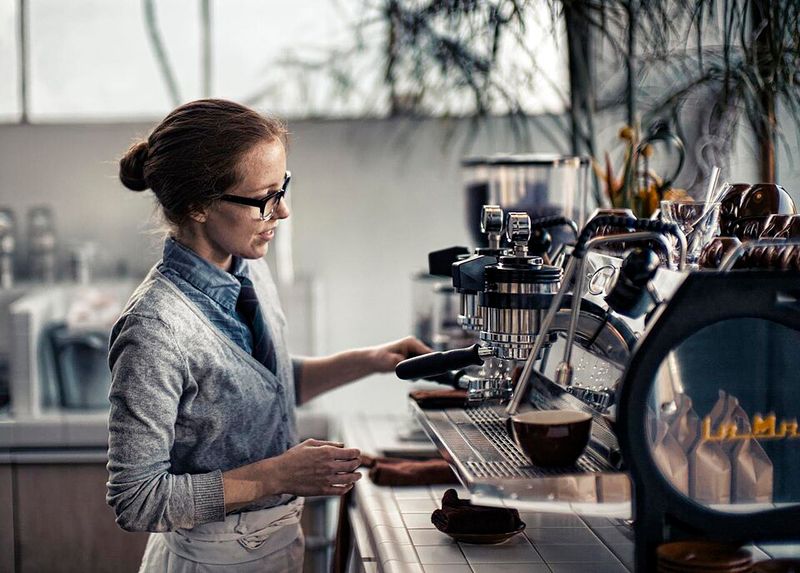
Ordering a large black coffee at a West Coast cafe can sometimes feel like showing up to a wine tasting and asking for a Capri Sun. The coffee culture here is deeply specific, highly intentional, and frankly a little intimidating if you are used to grabbing a diner cup on your way out the door.
Cities like Portland, Seattle, and San Francisco helped pioneer the third-wave coffee movement, which treats coffee beans with the same reverence a sommelier gives to wine. Single-origin pour-overs, oat milk cortados, and cold brew nitro on tap are standard menu items, not novelties.
East Coast coffee culture leans more practical, centered around speed and familiarity. The West Coast approach slows things down and asks you to actually taste what you are drinking.
Minimalist interiors, locally roasted beans, and extremely specific orders like a “medium roast oat milk latte at 130 degrees” are completely normal requests that baristas handle without blinking.
11. Air Conditioning Isn’t Always Standard

Here is something that genuinely surprises East Coast transplants: a lot of older homes in coastal California and parts of the Pacific Northwest were built without central air conditioning. For most of the year, ocean breezes and mild temperatures make it completely unnecessary.
The problem arises during the increasingly common heat waves that push temperatures into the triple digits. Suddenly, a charming craftsman bungalow with no AC becomes a very uncomfortable place to be, and portable fans start flying off store shelves.
East Coasters, who consider air conditioning as essential as running water, find this situation baffling. Humid East Coast summers make AC a genuine health and comfort necessity from May through September.
But in places like San Francisco, where summer fog keeps things surprisingly cool, the logic of skipping AC makes complete sense most of the time. Climate change is slowly shifting that calculus, but the cultural attitude toward AC remains distinctly West Coast casual.
12. People Are More Laid-Back About Time
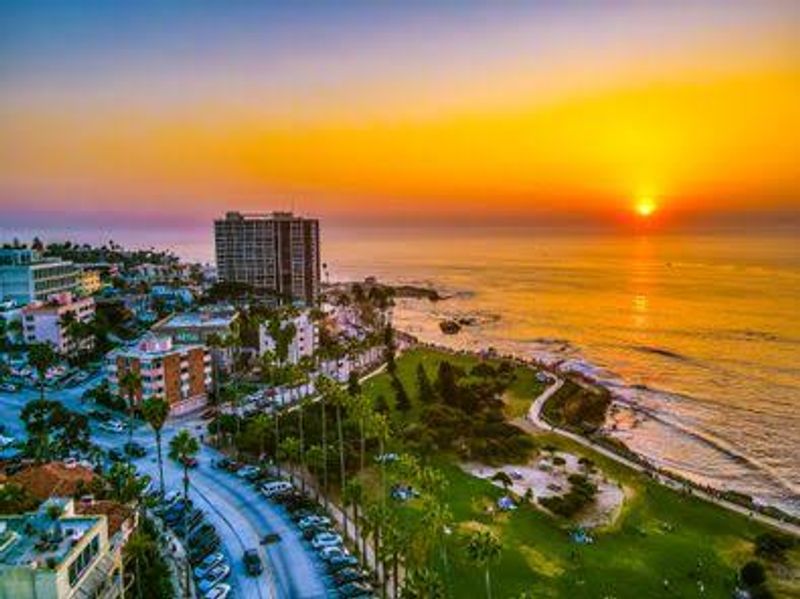
Showing up 15 to 20 minutes late to something on the West Coast is often not considered rude. It is practically expected.
The relaxed attitude toward time is one of those cultural differences that can quietly drive East Coasters up a wall.
In cities like New York or Boston, being on time is a form of respect, and being late signals disorganization or indifference. On the West Coast, punctuality holds a different weight.
Social gatherings often have a built-in buffer, and phrases like “we’ll get there when we get there” are said with genuine peace rather than passive aggression.
This is not laziness; it reflects a broader cultural value placed on flow, flexibility, and not letting schedules dictate every moment. Traffic also plays a real role, giving lateness a built-in excuse that is sometimes completely legitimate.
East Coasters may need a few months to recalibrate their internal clock after making the move west.
13. Farmers Markets Are a Weekly Ritual
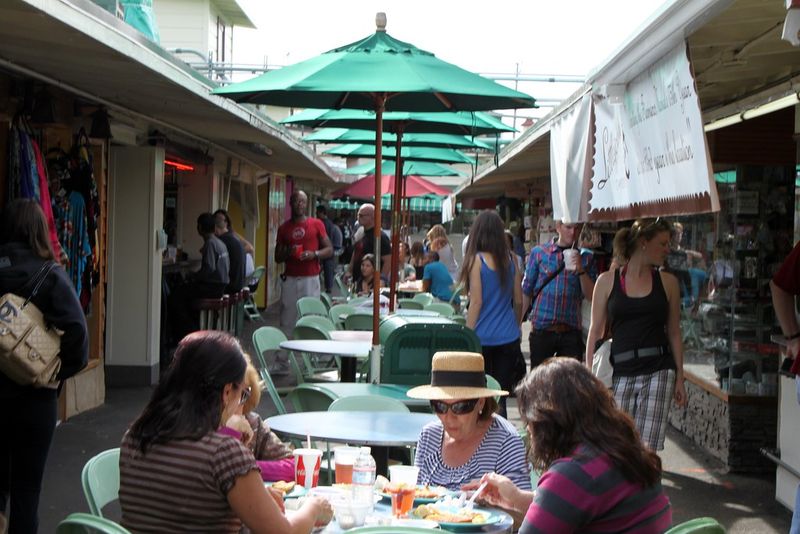
Saturday morning at the farmers market is not a quirky hobby on the West Coast. For millions of residents, it is as routine as doing laundry or picking up dry cleaning, except considerably more enjoyable.
West Coast farmers markets are legendary for their size, variety, and quality. The Santa Monica Farmers Market, for example, draws top restaurant chefs who shop alongside neighborhood families.
You will find heirloom tomatoes, fresh-pressed olive oil, artisan cheeses, handmade tamales, and locally grown flowers all within a few hundred feet of each other.
East Coasters have farmers markets too, but they tend to be shorter in season and smaller in scale. Out West, the growing season stretches much longer, which means the markets stay vibrant and well-stocked well into the colder months.
Shopping at a farmers market is genuinely tied to community identity here, not just a weekend activity but a shared cultural gathering that connects neighbors and local growers.
14. Wildfire Season Is a Real Season
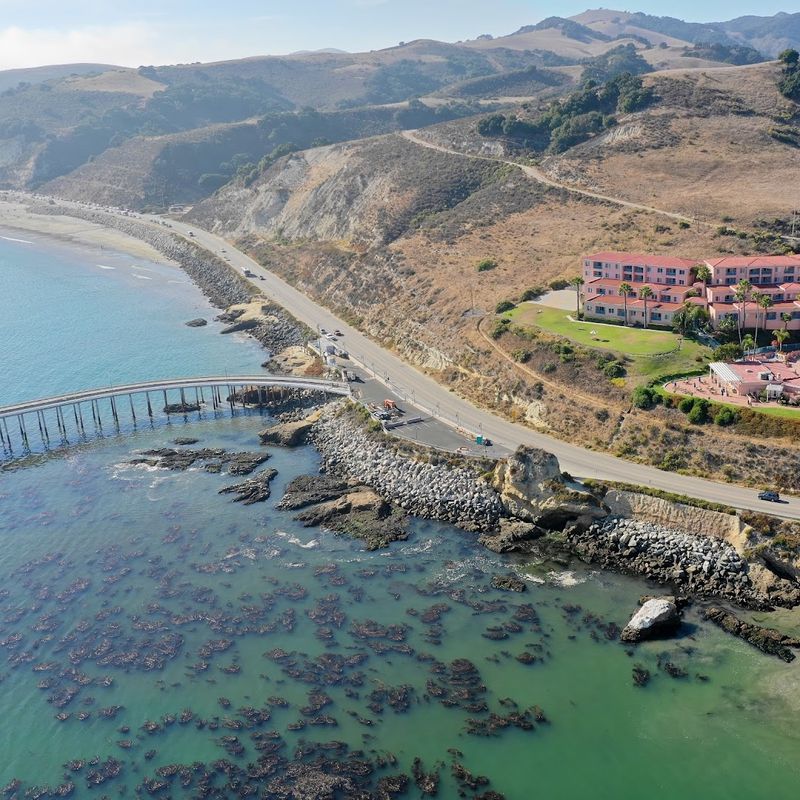
West Coasters do not just watch the weather forecast. During certain months, they also check smoke maps, air quality indexes, red flag warnings, and evacuation zone updates with the same regularity that East Coasters refresh hurricane trackers in September.
Wildfire season has become one of the defining realities of modern West Coast life, particularly in California. Entire communities have evacuation plans, emergency go-bags, and apps set up to send alerts the moment a fire breaks out nearby.
The acrid smell of smoke drifting through the air on a hot, dry, windy day triggers a very specific kind of alertness.
East Coasters tend to experience wildfires as distant news events. For West Coasters, they are personal, sometimes devastating, and increasingly frequent.
Watching a pink-orange sky turn the midday sun into an eerie red disc is an experience that permanently changes how you think about where you live. It is sobering, humbling, and deeply real.
15. Casual Celebrity Sightings Aren’t a Big Deal

Running into a recognizable actor at a coffee shop or a Grammy-winning musician at the farmers market sounds like something you would text everyone you know. In Los Angeles, it is something you might not even mention by dinner.
The sheer concentration of entertainment industry professionals living and working in Southern California means celebrity sightings are genuinely common. After a while, locals develop an almost professional-grade indifference to fame.
Staring, pointing, or rushing over for a photo is considered deeply uncool, and most Angelenos pride themselves on treating celebrities like regular people.
East Coasters visiting LA for the first time often struggle with this unwritten rule. Spotting someone from a hit TV show in the wild feels electric when you are not used to it.
But locals have quietly adopted a code of conduct that prioritizes everyone’s privacy and normalcy. It is not coldness; it is a kind of practiced respect that the entertainment capital of the world has developed out of sheer necessity.
Share this story