From sprawling oil fields to ancient forests packed with rare minerals, some countries sit on unimaginable natural wealth. These nations shape global energy markets, fuel the technology we use every day, and hold serious sway over international trade.
Understanding which countries control Earth’s richest resources helps explain a lot about modern politics, economics, and even the price of your smartphone. Get ready to explore the powerhouses quietly running the world’s resource game.
Russia
Spanning eleven time zones, Russia is basically a continent pretending to be a country. Beneath its frozen tundra and dense forests lies one of the most staggering collections of natural resources on Earth.
Oil, natural gas, coal, and timber exist here in quantities that make geologists genuinely excited.
Siberia alone holds mineral deposits that most countries could only dream about. Gold, diamonds, platinum, and rare earth metals sit buried under landscapes that are brutally cold and hauntingly beautiful at the same time.
Russia’s forests cover roughly 20 percent of all the world’s trees, making it the planet’s largest woodland nation.
Natural gas pipelines stretching into Europe have given Russia enormous political leverage for decades. Energy exports fund a significant portion of the national budget, which is why global oil prices can shift entire Russian economic strategies almost overnight.
Freshwater reserves add another layer of resource power, with Lake Baikal alone holding about 20 percent of the world’s unfrozen surface freshwater. Few nations combine this many critical resources under one flag.
United States
Texas produces so much oil that if it were its own country, it would rank among the world’s top petroleum producers. The United States as a whole combines massive energy reserves with agricultural land, timber, freshwater, and critical minerals that very few nations can match in sheer variety.
That combination makes American resource wealth genuinely unique on a global scale.
Alaska contains enormous untapped oil reserves and significant natural gas deposits, while Wyoming and Montana sit above massive coal seams. Meanwhile, states like Nevada and California hold copper, gold, and rare earth elements increasingly vital to clean energy technology.
American farmland stretches across the Midwest in a fertile band that feeds hundreds of millions of people worldwide.
The country’s hydraulic fracturing revolution, commonly called fracking, unlocked previously unreachable oil and gas deposits starting in the early 2000s. This dramatically shifted global energy markets and turned the United States into a top crude oil exporter.
Lithium deposits in Nevada are now attracting serious investment as electric vehicles demand more battery materials. Resource diversity has long been one of America’s quiet strategic advantages.
Saudi Arabia
Underneath the golden sands of the Arabian Peninsula lies one of the most valuable geological accidents in human history. Saudi Arabia controls roughly 17 percent of the world’s proven oil reserves, a figure that has shaped global politics, wars, and economies for over a century.
The kingdom’s state oil company, Saudi Aramco, is consistently ranked among the most profitable companies ever to exist.
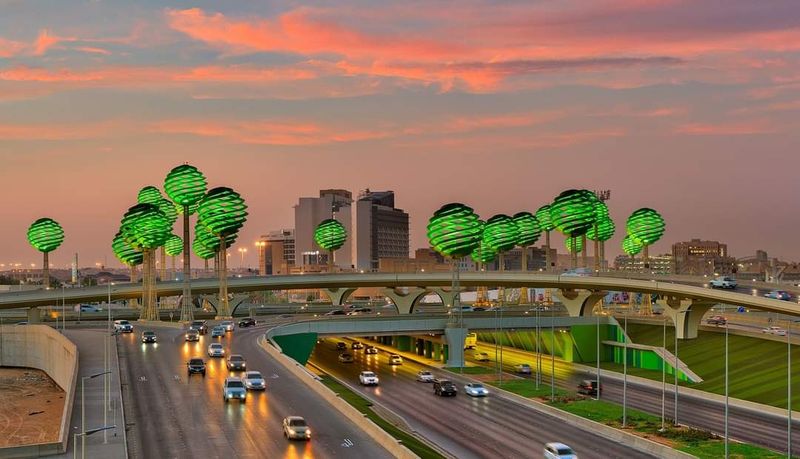
Oil wealth transformed Saudi Arabia from a collection of desert settlements into a nation of gleaming skyscrapers, world-class airports, and ambitious megaprojects. Cities like Riyadh expanded at breathtaking speed once petroleum revenues started flowing in the mid-20th century.
Today, the government is actively investing those oil profits into tourism, technology, and entertainment industries to reduce long-term dependence on fossil fuels.
Natural gas reserves also rank among the world’s largest, giving Saudi Arabia additional energy leverage beyond crude oil exports. The country plays a central role in OPEC, the organization that coordinates oil production among major exporting nations.
When Saudi Arabia adjusts its production levels, fuel prices ripple across every economy on Earth almost immediately. That is a remarkable amount of influence concentrated in one desert kingdom.
Canada
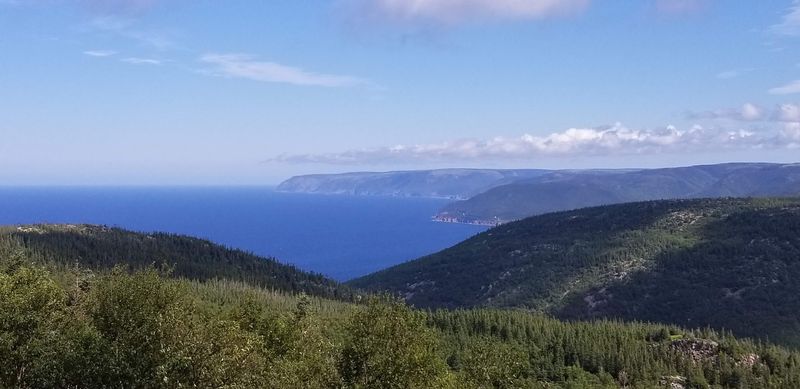
Canada’s resource story starts with oil sands so massive they boggle the mind. Alberta’s oil sands contain the third-largest proven oil reserves in the entire world, locked inside a thick mixture of sand, clay, and bitumen that requires serious industrial effort to extract.
The scale of these operations is visible from satellite imagery, which tells you something about their size.
Beyond petroleum, Canada ranks among the top global producers of uranium, potash, gold, nickel, and aluminum. British Columbia’s forests supply timber to markets across North America and Asia.
The Canadian Shield, a vast ancient rock formation stretching across much of the country’s interior, is essentially a geological treasure chest of minerals that miners have been working for over a century.
Freshwater is another staggering Canadian advantage. The country holds roughly 20 percent of the world’s total freshwater supply, including the Great Lakes shared with the United States.
As global freshwater scarcity becomes a more serious concern, that resource could become increasingly strategic. Canada’s Arctic territories are also drawing attention for undiscovered mineral deposits and potential offshore energy reserves that remain largely unexplored.
The country’s resource future looks remarkably full.
China
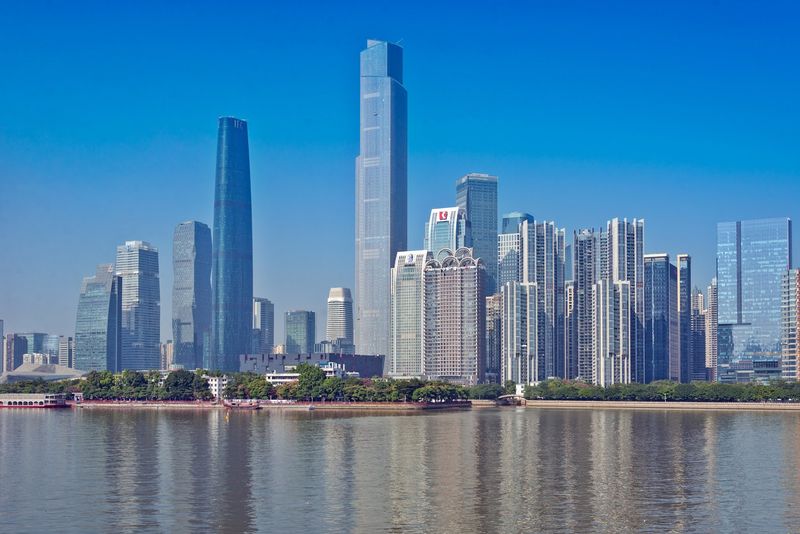
China holds a quiet but powerful grip on something most people have never thought about: rare earth elements. These 17 obscure metals with names like neodymium and dysprosium are essential ingredients in smartphones, electric motors, wind turbines, and military equipment.
China controls roughly 60 percent of global rare earth mining and an even larger share of processing capacity, giving it enormous leverage in high-tech industries worldwide.
Coal reserves are equally massive, making China the world’s largest coal producer and consumer by a wide margin. This has fueled decades of rapid industrial growth while also contributing significantly to air pollution challenges.
Large river systems including the Yangtze and Yellow Rivers support agricultural production feeding over a billion people across diverse climate zones.
Strategic mineral deposits including tungsten, antimony, and molybdenum further strengthen China’s industrial position. The country has also been aggressively securing resource access in Africa, South America, and Southeast Asia through infrastructure investments and trade agreements.
This global resource strategy, sometimes called resource diplomacy, extends China’s influence far beyond its own borders. Controlling rare earth processing gives China a negotiating chip that many Western nations are only now beginning to take seriously.
Brazil
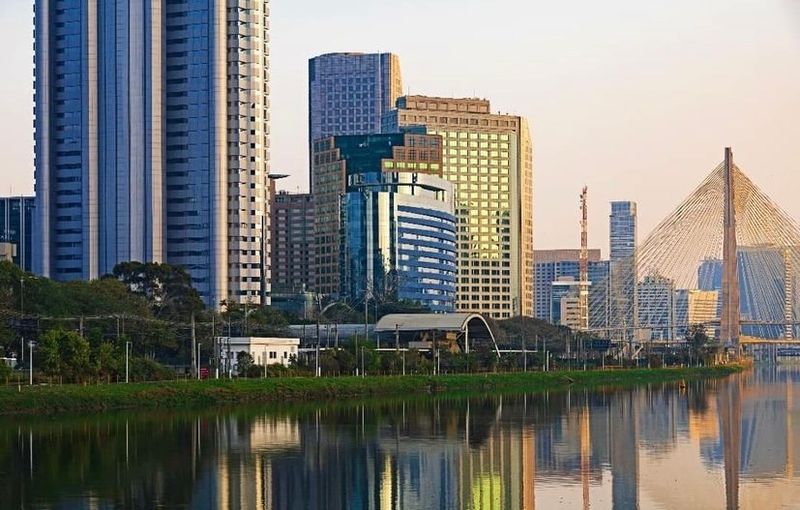
Brazil punches well above its weight in the global resource arena, and the Amazon rainforest is just the most famous part of the story. The Carajas mine in the Para state is one of the largest iron ore deposits ever discovered, producing hundreds of millions of tons annually and making Brazil a dominant player in global steel supply chains.
Iron ore exports alone generate billions of dollars each year.
Agricultural resources are equally impressive. Brazil is the world’s largest producer of coffee, sugarcane, soybeans, and beef, turning its fertile interior into a massive food production engine.
The cerrado savanna region has been transformed into one of the most productive farming zones on the planet over the past few decades through intensive agricultural development.
Hydroelectric potential adds yet another dimension to Brazil’s resource portfolio. The country generates roughly 60 percent of its electricity from river dams, making it one of the world’s leaders in renewable hydropower.
Gold, bauxite, and nickel deposits are scattered across the interior, attracting mining investment from companies worldwide. The Amazon Basin also stores an estimated 150 to 200 billion tons of carbon, making its preservation a matter of global environmental importance beyond any single nation’s interests.
Australia
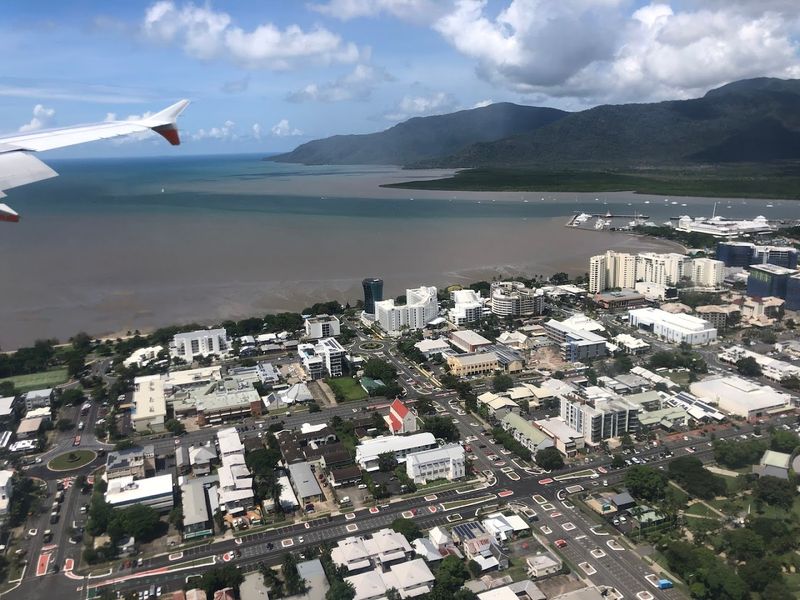
Australia’s red interior looks harsh and unforgiving, but beneath that sun-baked surface lies extraordinary mineral wealth. The Pilbara region of Western Australia contains some of the world’s largest iron ore deposits, feeding steel industries in China, Japan, and South Korea at a staggering pace.
Mining revenues have made Western Australia one of the wealthiest regions per capita in the entire world.
Gold production has a long history in Australia stretching back to the 1850s gold rush, but the country remains a top global producer today. Lithium is where things get genuinely exciting for the future.
Australia currently produces more lithium than any other country, and demand is growing rapidly as electric vehicle manufacturers scramble to secure battery materials. That positions Australia as a critical supplier in the clean energy transition.
Uranium deposits rank among the world’s largest, though Australia’s export policies around nuclear materials are carefully managed. Coal exports to Asia have been enormous revenue generators, though shifting energy policies are creating pressure to diversify.
Copper, zinc, and nickel round out an already impressive mineral inventory. Australia’s geographic isolation once seemed like a disadvantage, but its resource richness has made it one of the most strategically sought-after trading partners in the Asia-Pacific region.
Democratic Republic of the Congo
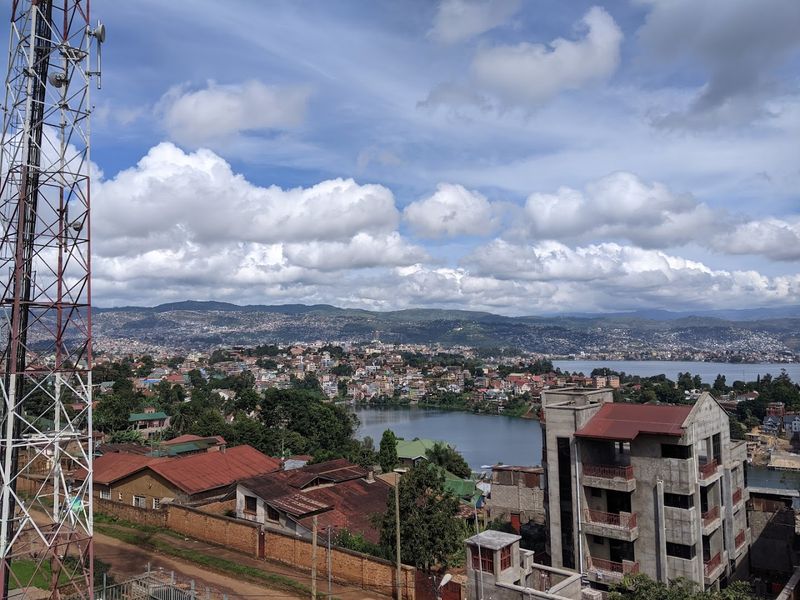
Buried beneath the dense tropical forests of central Africa lies a mineral fortune that powers the modern world in ways most people never consider. The Democratic Republic of the Congo holds roughly 70 percent of the world’s known cobalt reserves, a metal absolutely essential for the lithium-ion batteries found in electric vehicles, laptops, and smartphones.
Without Congolese cobalt, the clean energy revolution would face a serious supply problem.
Copper deposits are equally significant, ranking among the largest on Earth and attracting major mining investment from Chinese, American, and European companies. Diamonds have been mined in the DRC for over a century, and coltan, a mineral used in electronic capacitors, is found in substantial quantities in the country’s eastern provinces.
The sheer concentration of critical minerals in one country is almost unparalleled globally.
Despite this extraordinary natural wealth, the DRC remains one of the world’s poorest countries by many measures. Decades of political instability, armed conflict, and governance challenges have prevented resource revenues from reaching most ordinary citizens.
International attention on mining conditions, particularly around artisanal cobalt extraction, has raised serious ethical questions that technology companies worldwide are being pressured to address. The gap between underground wealth and human development here is one of the great contradictions of the modern resource economy.
Iran
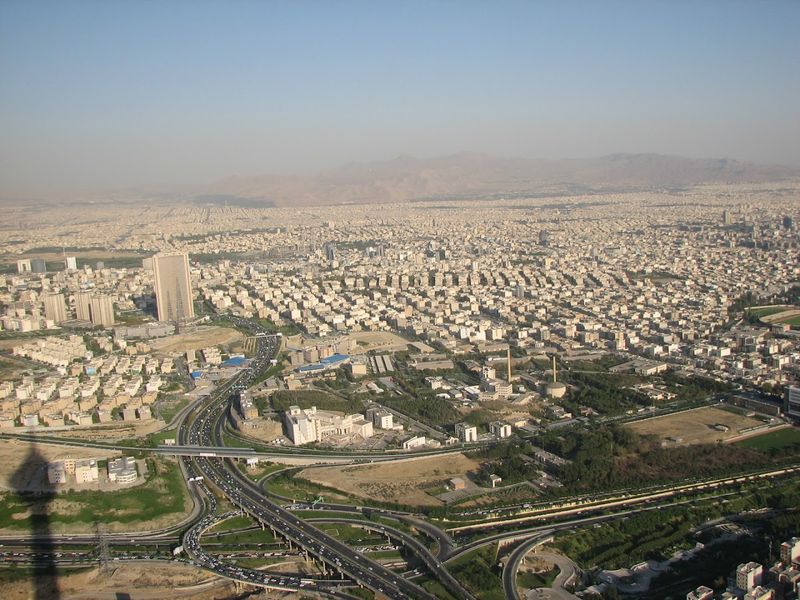
Sitting at the crossroads of the Middle East and Central Asia, Iran holds the world’s second-largest natural gas reserves and the fourth-largest proven oil reserves. Those are numbers that command serious attention in any global energy conversation.
Persian Gulf oil fields have been producing petroleum for nearly a century, and the country’s resource base extends well beyond its famous offshore deposits.
Mountain ranges running through the country contain copper deposits that rank among the largest in the world. Iran is also a significant producer of zinc, iron ore, lead, and chromite, minerals used across construction, manufacturing, and technology sectors.
The Sarcheshmeh copper complex in Kerman Province is one of the largest copper mining operations anywhere on Earth.
International economic sanctions have significantly limited Iran’s ability to fully develop and export its resource wealth, creating a complicated situation where enormous natural assets exist alongside economic constraints. Despite these restrictions, Iran continues to supply oil to certain markets and maintains its position as a major energy player in regional politics.
Persian rugs, saffron, and pistachios might be Iran’s most famous exports to many consumers, but hydrocarbons remain the true economic backbone of the country by a considerable margin.
Greenland
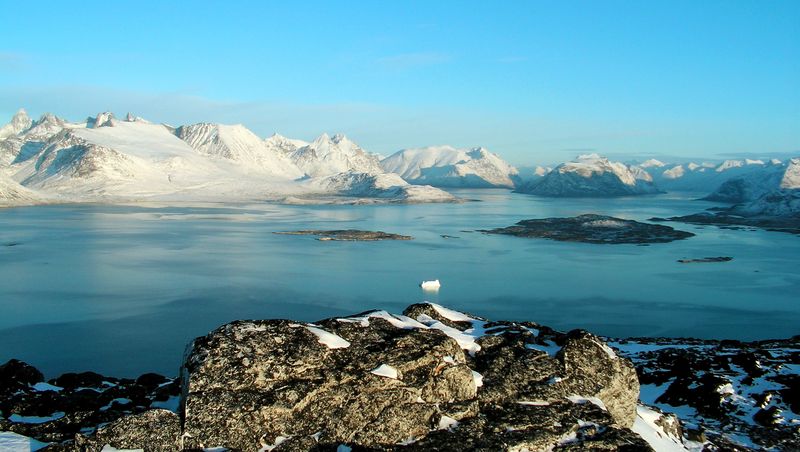
Greenland is having a geological moment, and the rest of the world is paying close attention. As Arctic ice slowly retreats due to climate change, previously inaccessible rock formations are being exposed, revealing what geologists believe are extraordinary deposits of rare earth elements, gold, uranium, zinc, and oil.
The island’s ancient bedrock formed under conditions that concentrated minerals in unusually rich formations over billions of years.
Rare earth elements are particularly exciting because global demand is surging while reliable supply chains remain limited. Greenland’s deposits could theoretically reduce Western dependence on Chinese rare earth processing, which explains why the island has attracted attention from governments and mining companies far beyond its small population of roughly 56,000 people.
American interest in Greenland’s strategic resource value has made international headlines multiple times in recent years.
Oil exploration in Greenlandic waters has been ongoing for decades, with estimates suggesting significant offshore reserves beneath the Arctic seabed. However, environmental concerns and the logistical challenges of Arctic extraction have slowed commercial development considerably.
The island’s semi-autonomous government is carefully weighing economic development opportunities against environmental protection priorities. Greenland may hold answers to future resource shortages that today still lie quietly beneath melting ice.
Share this story