Most people think of big-city zoos when they think of world records, but the title of the world’s largest natural habitat zoo belongs to a spot tucked into the rolling Piedmont region of North Carolina. I had no idea what I was getting into when I first pulled up the directions, and honestly, nothing quite prepares you for the scale of this place.
More than 500 acres of land, over 1,700 animals, and two massive regions designed to feel like you are walking through Africa and North America rather than a zoo. By the time I left, my feet were tired, my camera roll was full, and I was already planning my next visit.
The Address, Location, and Scale That Sets the Stage
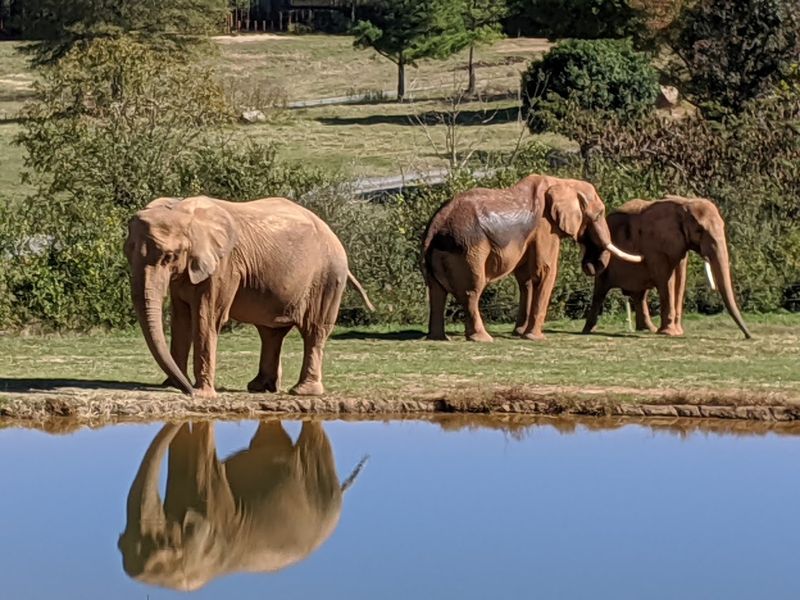
The North Carolina Zoo sits at 4401 Zoo Pkwy, Asheboro, NC 27205, right in the heart of the state’s Piedmont region, and it holds a title that surprises most first-time visitors: the world’s largest natural habitat zoo.
Getting there from most parts of North Carolina takes under two hours, and the drive itself winds through a landscape of pine forests and farmland that already puts you in an outdoor mindset. The zoo is open daily from 9 AM to 5 PM, and you can reach them at +1 336-879-7001 or visit nczoo.org to plan your trip.
The sheer size of this place is what separates it from every other zoo I have visited, including several well-known ones across the country. Unlike smaller facilities where you can cover everything in a couple of hours, this zoo genuinely rewards visitors who give it a full day, or even two.
Oklahoma has some impressive wildlife parks, but nothing in Oklahoma or anywhere else in the American South quite matches the acreage and natural immersion you find here.
A Record That Actually Means Something
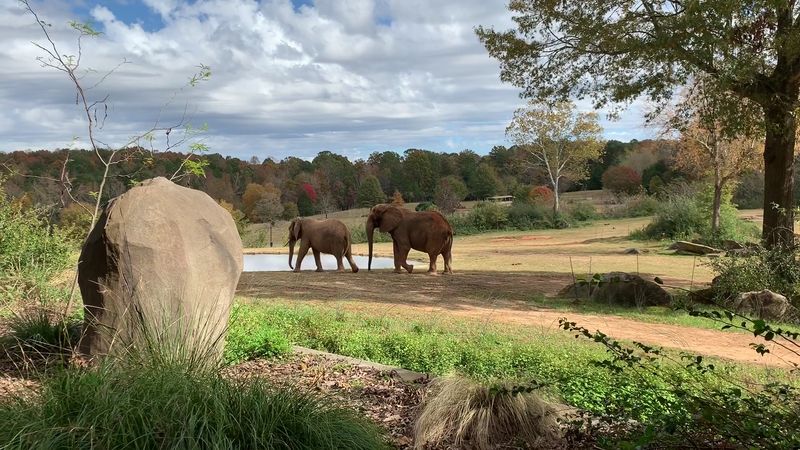
When a zoo calls itself the world’s largest natural habitat zoo, that claim deserves some scrutiny, and this one holds up completely. The 500-acre property is not just large in terms of parking lots and gift shops; the actual animal habitats take up the bulk of that land.
Natural habitat zoos are designed so that the enclosures mimic the real environments where animals live in the wild, with native plants, natural terrain, and open space. That philosophy is evident everywhere you look here, from the rolling savanna-style landscape in the Africa region to the dense woodland settings in the North America section.
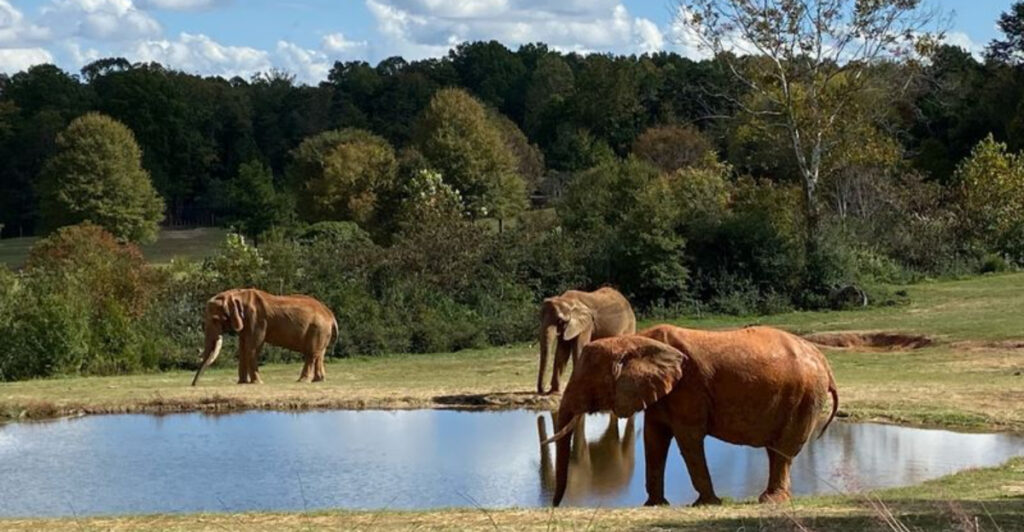
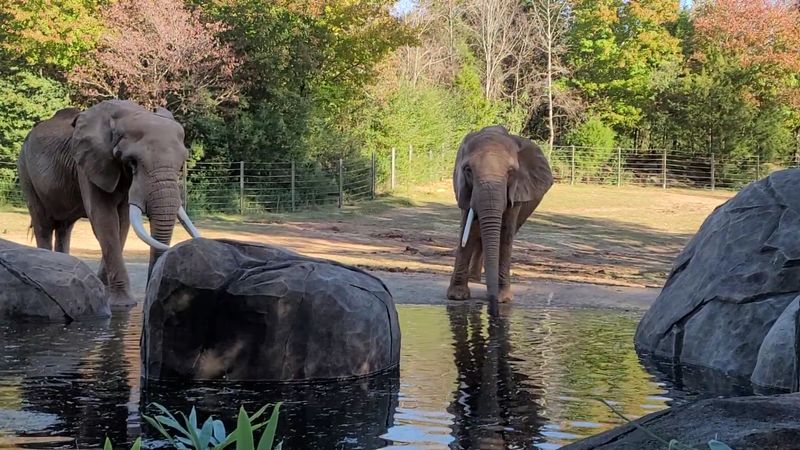
I kept thinking about how different this felt compared to traditional zoo visits where animals pace in small concrete spaces. Here, the elephants have room to genuinely wander, and the chimps have multi-level forest environments that keep them active and curious.
The record is not just a marketing label; it reflects a genuine commitment to giving animals a life that resembles what they would experience in the wild. That distinction matters, and you feel it with every exhibit you pass.
Two Worlds in One Park: Africa and North America
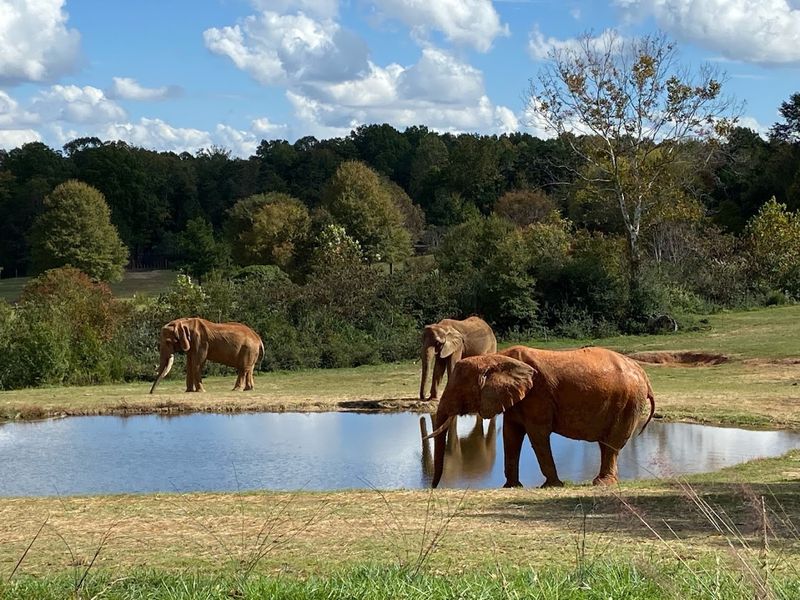
The zoo is divided into two massive regions, Africa and North America, and each one feels like a completely different destination. Africa is the larger and more dramatic of the two, featuring lions, cheetahs, elephants, giraffes, gorillas, and a rotating cast of animals that are genuinely awe-inspiring to see up close.
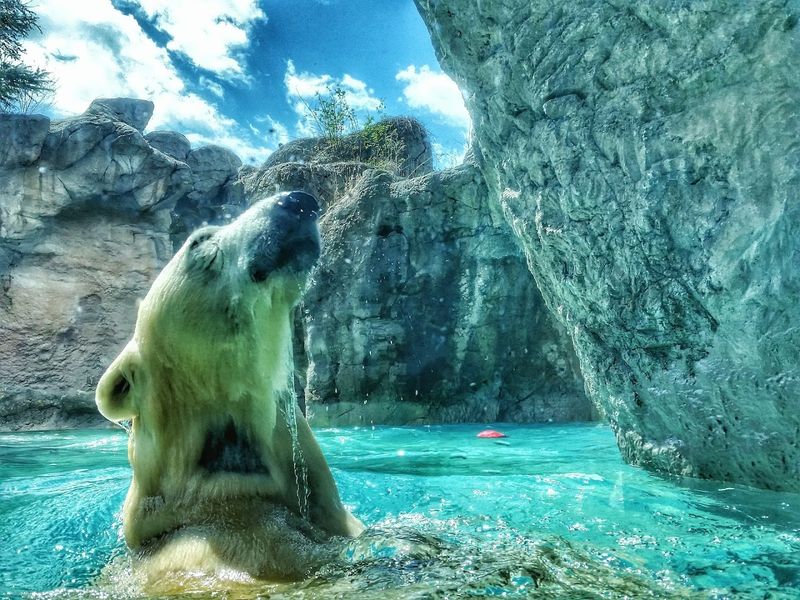
The North America section has its own personality, with grizzly bears, polar bears, bison, and a collection of native birds and reptiles that remind you just how wild this continent really is. On the day I visited, the polar bear exhibit drew a long crowd because the bear was actively moving around and interacting with its environment in ways that felt completely unscripted.
Both regions are connected by well-maintained walking paths that curve through natural terrain, so the transitions between continents feel gradual rather than jarring. There are also tram stops throughout the park that allow visitors to hop on and ride between areas, which is a genuine lifesaver after you realize that five miles of walking is a real possibility here.
The layout rewards curious explorers who want to take their time.
The Animals Are the Real Stars Here
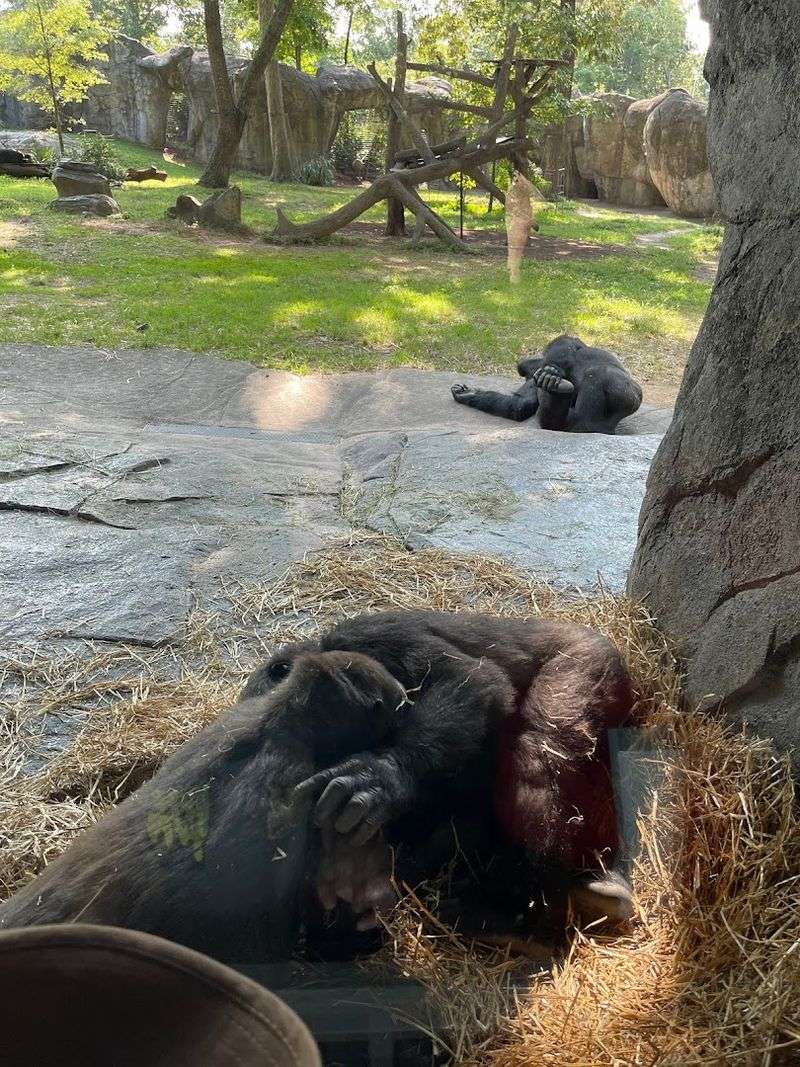
There is something genuinely different about watching animals that have space to behave like animals. The chimps at this zoo are a perfect example; they climb, play, argue, and occasionally bring surprises to the viewing glass in ways that feel spontaneous and full of personality.
The lions are another highlight, particularly during cooler months when they tend to be more active and visible. Watching a lion stretch out on a rocky outcrop with open grassland behind it is the kind of moment that makes you forget you are in North Carolina and not somewhere on an actual savanna.
The zoo also has a strong collection of reptiles and birds, which do not always get the attention they deserve but are genuinely fascinating up close. I spent longer than expected at the indigo snake exhibit after learning how rare these animals are in the wild.
Staff members are stationed throughout the park and are happy to share information about individual animals, their histories, and the conservation programs that support them. Those conversations added a layer of depth to the visit that a simple walk-through would have missed entirely.
The Zoo Trekker Program Keeps Kids Completely Engaged
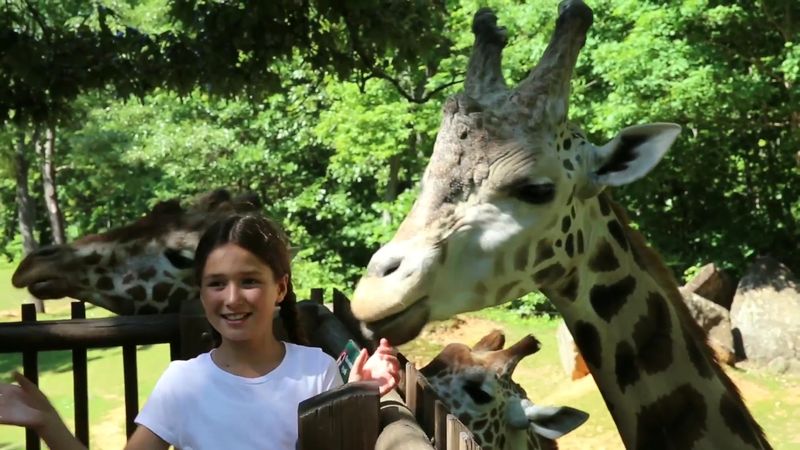
Keeping kids engaged across five miles of walking sounds like a tall order, but the Zoo Trekker program handles that challenge with surprising effectiveness. The program turns the entire visit into an adventure-style activity where children collect stamps at stations throughout the park as they move from exhibit to exhibit.
The genius of it is that kids take ownership of the experience rather than just following adults around. They are checking the map, identifying the next stop, and pushing the pace in ways that would otherwise require a lot of parental convincing.
Parents will recognize immediately that this kind of built-in motivation is worth its weight.
Beyond the Trekker program, the zoo has a dedicated kids’ zone with outdoor play areas and interactive learning stations that give younger visitors a chance to burn energy between animal exhibits. There is also a rope course for older kids and teens who want a physical challenge layered on top of the wildlife experience.
The combination of educational content and active play makes this one of the more thoughtful family destinations I have come across, and it works for a wide range of ages without feeling like it is designed exclusively for toddlers or teenagers.
What It Is Like to Walk the Grounds
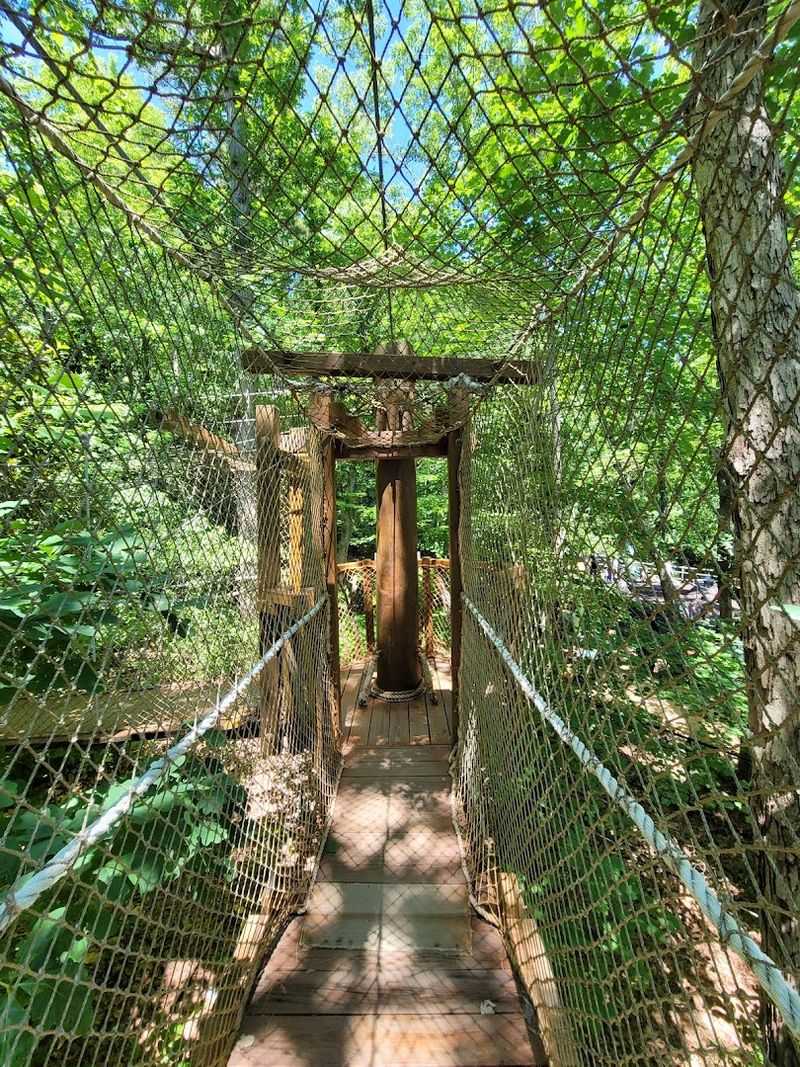
The paths at this zoo do not feel like zoo paths. They wind through genuine forest terrain with elevation changes, tree canopy overhead, and the kind of natural sounds that make you feel like you are on a hiking trail rather than a tourist attraction.
That said, five miles is a real number, and comfortable footwear is not optional here. The terrain includes hills and uneven surfaces in some areas, so anyone planning to visit should dress for a day outdoors rather than a casual stroll.
The reward for that effort is a level of immersion that flat, paved zoo layouts simply cannot replicate.
The good news for visitors with mobility limitations is that the zoo provides seated mobility scooters and wheelchairs available for rent, and the tram system covers the major distances between regions. Staff members throughout the park are easy to find and consistently helpful when it comes to navigation questions.
The fall season adds an extra visual layer to the walking experience, with tree colors that turn the backgrounds of every exhibit into something that looks almost professionally staged. Every season here offers something distinct and worth seeing.
The Tram System and How to Use It Smartly
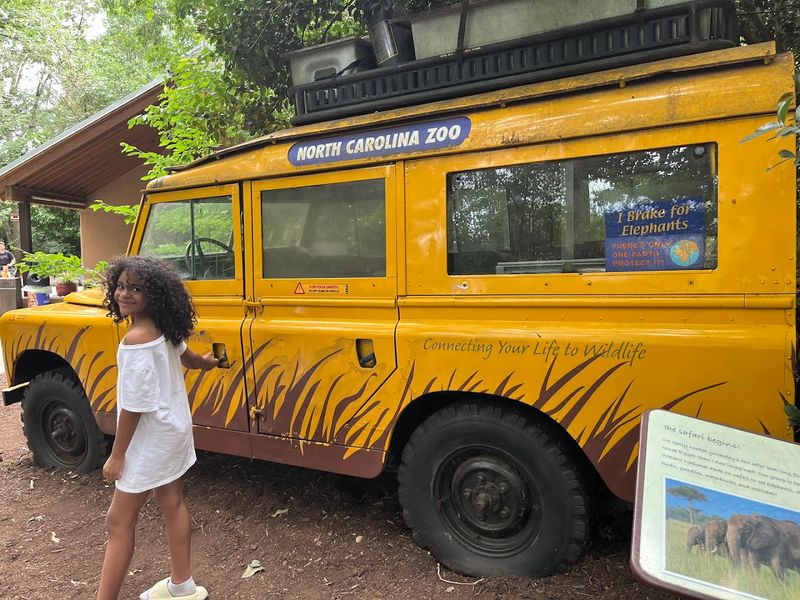
The tram at the North Carolina Zoo is one of those features that seems optional until you are two hours in and realize you still have half the park left to cover. Trams run on a regular rotation through both the Africa and North America sections, stopping at designated points that align with major exhibit areas.
Riding the tram is not just about saving your legs; it also gives you a different perspective on the landscape. The guide on my tram ride was genuinely enthusiastic about the animals and the zoo’s history, turning what could have been a simple shuttle into a mini educational experience.
That kind of staff engagement makes a real difference in how the visit feels overall.
One practical note: during off-season months, tram service may be limited or partially operational, and the Africa parking lot may also be closed. The zoo’s website is the best place to check current service availability before your visit, especially if you have mobility considerations that make the tram essential rather than optional.
Arriving before noon also gives you the best chance of catching full tram service and open concession areas throughout the day.
Seasonal Visits and What to Expect Each Time
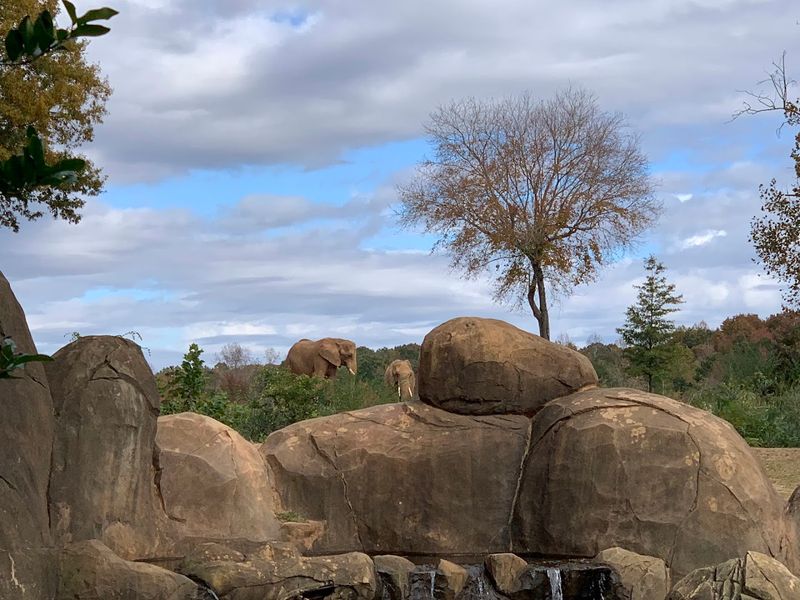
The zoo experience changes noticeably depending on when you visit, and understanding those seasonal differences helps set realistic expectations. The warmest months, roughly April through October, bring the most animal activity, the most open facilities, and the largest crowds.
Winter visits have their own appeal, particularly for people who prefer a quieter, less crowded experience. Off-season tickets drop to around fifteen dollars, parking and tram are included in that price, and on some weekdays you can move through the park with very little company.
Some animals are actually more active in cooler temperatures, which makes winter a genuinely worthwhile option rather than a compromise.
Spring and fall sit in a sweet spot between the extremes, offering moderate crowds, comfortable temperatures, and reliable animal visibility. Fall in particular adds the bonus of the surrounding forest changing color, which turns every open-air exhibit into a scene that feels more like a nature documentary than a zoo visit.
Oklahoma visitors who make the drive north specifically for a fall weekend will find the combination of foliage and wildlife hard to beat. Each season here offers a genuinely different experience worth exploring.
Conservation and Animal Care at the Core
The North Carolina Zoo is not just a place to see animals; it is an active participant in wildlife conservation efforts both locally and internationally. Admission revenue directly supports the care of the animals on site as well as broader conservation programs that work to protect species in the wild.
The quality of that care is visible in the behavior and physical condition of the animals throughout the park. Healthy, engaged animals in well-designed habitats are a direct reflection of how seriously the staff takes their responsibilities.
Polar bear training sessions are occasionally visible to visitors, and staff members who conduct those sessions are genuinely happy to answer questions and explain what they are working on.
The zoo has also been transparent about losses in its animal community, which reflects an honest relationship with its visitors rather than a polished marketing approach. That honesty, combined with the visible dedication of the keepers and educators throughout the park, builds a kind of trust that keeps members coming back year after year.
Oklahoma and other states have strong wildlife programs, but the depth of conservation commitment here places this zoo in a category that few facilities anywhere in the country can match.
Food, Shops, and the Practical Side of a Full Day Out
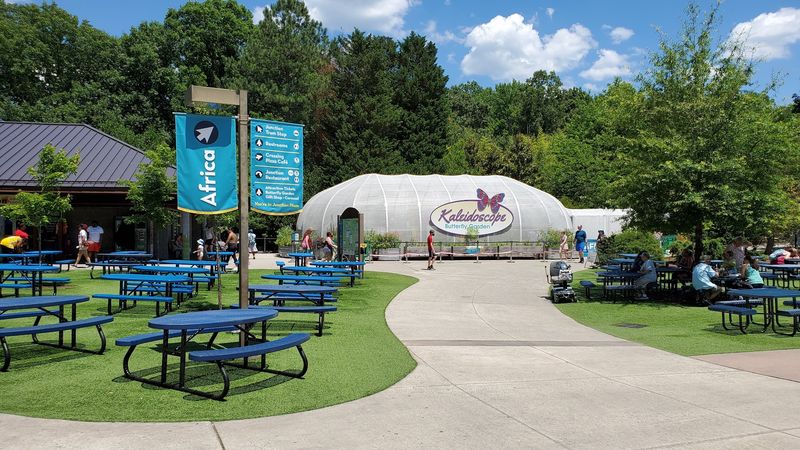
A full day at this zoo means you will need to eat, and the food options are concentrated primarily in the Africa section of the park. The concession areas serve a standard range of zoo fare, and the prices reflect the captive-audience nature of theme park dining, so packing snacks and a refillable water bottle is a smart move.
The zoo offers a lifetime cup deal that gives you discounted refills on every future visit, which is a clever investment for anyone planning to return. During peak season, most food locations and small shops throughout the park are open and stocked, but off-season visitors should expect reduced availability, particularly on weekday afternoons.
There is also a photo booth near the entrance that offers a fun keepsake option at a reasonable price. The entrance photo packages sold by roaming photographers are a separate service, and it is worth knowing your options before committing to any package.
A QR code at the entrance provides a digital park map, and printed maps are also available. Bringing a camera rather than relying solely on a phone camera is worth considering given how many genuinely stunning wildlife moments this place delivers.
The New Asia Exhibit on the Horizon
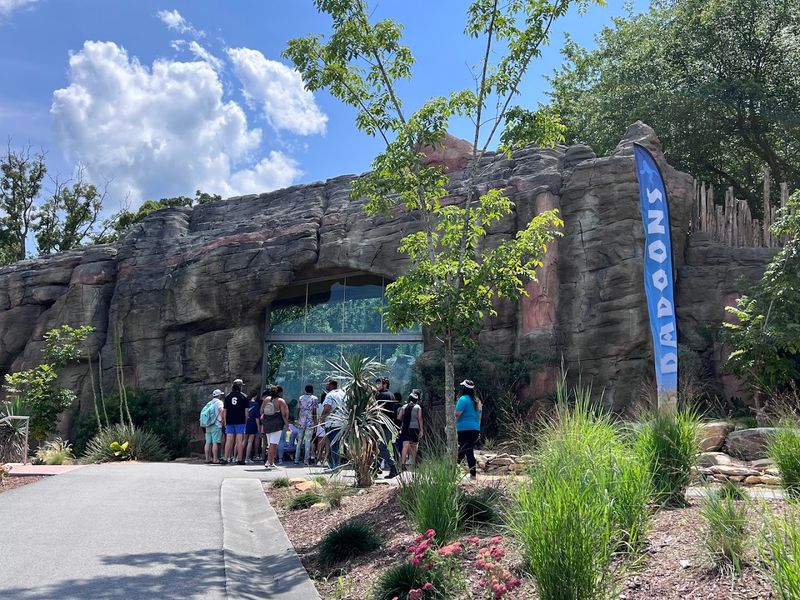
The North Carolina Zoo is not standing still. A brand-new Asia region is currently in development, and it is expected to add a third major continent to the park’s already impressive lineup.
For a zoo that already holds the world record for size in natural habitat design, adding an entire Asian wildlife region is a significant expansion.
Details about which species will be featured in the Asia section have been shared with members and visitors, and the anticipation is real among the zoo’s regular community. If the Africa and North America regions are any indication, the new exhibit will prioritize large, naturalistic spaces that give animals room to behave authentically rather than perform for crowds.
Planning a visit for summer 2026 or later would give travelers the chance to experience all three regions in a single trip, which would make the North Carolina Zoo genuinely unlike anything else in the country. Oklahoma, the Southeast, and the mid-Atlantic all have strong zoo options, but a three-continent natural habitat experience at this scale would be hard to find anywhere.
Keeping an eye on nczoo.org for updates on the Asia opening is the best way to plan ahead for that visit.
Why This Zoo Deserves a Spot on Every North Carolina Itinerary
North Carolina has no shortage of things to do, from the Outer Banks coastline to the Blue Ridge Parkway, but the zoo in Asheboro belongs in that same conversation without hesitation. It is the kind of place that works for solo travelers, couples, school groups, and multigenerational families all at once, which is a rare quality for any single destination.
The combination of world-record status, genuine conservation commitment, and a landscape that feels more like a nature reserve than a tourist attraction sets it apart from every comparable facility I have visited. Visitors from Oklahoma and beyond who make the trip consistently describe it as one of the best zoo experiences they have had anywhere, and after spending a full day there myself, that sentiment is easy to understand.
The zoo opens daily at 9 AM and closes at 5 PM, admission is reasonably priced, and membership options make repeat visits financially practical for families who live within driving distance. Whether you are a lifelong North Carolina resident who has somehow never made the trip, or a traveler passing through the Piedmont region for the first time, this zoo is the kind of place that earns its reputation honestly and then some.
Share this story