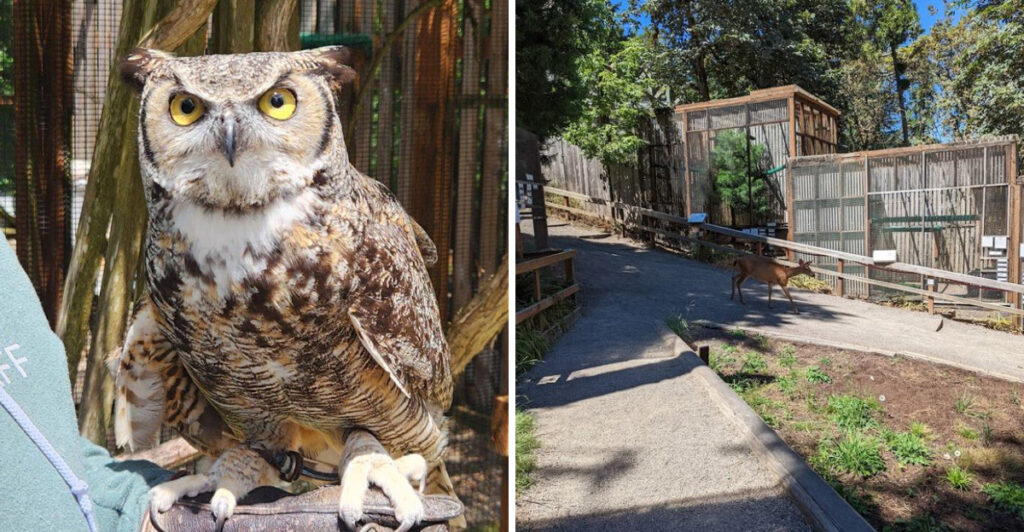
There is a place tucked into the forested hills of Eugene, Oregon, where birds with broken wings get second chances and visitors leave with a deeper respect for the natural world. Every bird perched in those outdoor aviaries has a story, and most of those stories involve resilience, care, and the quiet dedication of people who show up every single day.
The sanctuary draws visitors from across the country, and even folks passing through from places as far as Oklahoma have made it an unexpected highlight of their road trip. Whether you are a lifelong birder or someone who simply stumbled across it online, this place has a way of making you feel something real.
Where the Sanctuary Lives: Address, Setting, and First Impressions
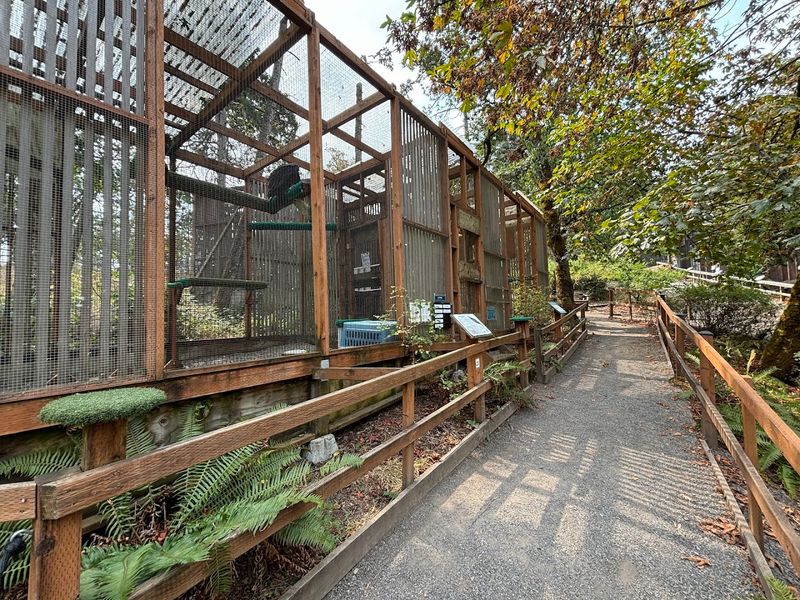
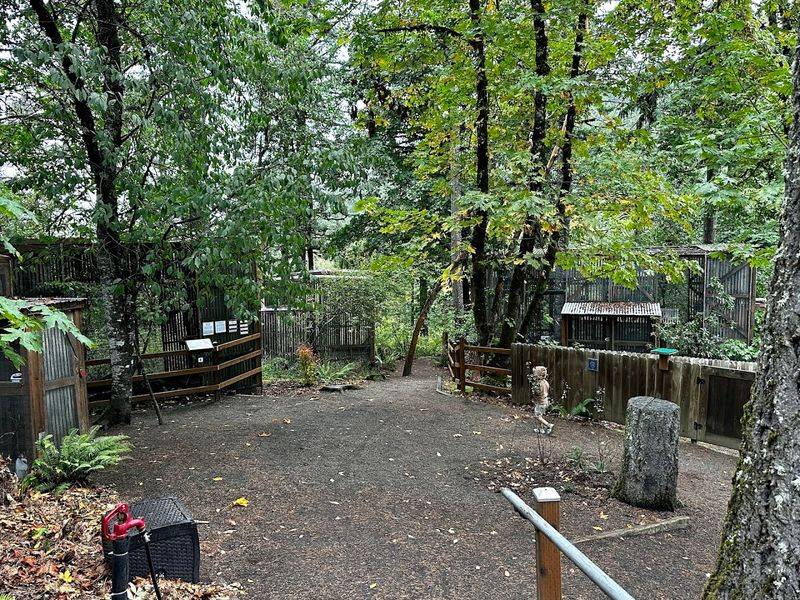
The moment you turn off Fox Hollow Road and pull into the small gravel lot, you know you have found somewhere genuinely different. Cascades Raptor Center sits at 32275 Fox Hollow Rd, Eugene, OR 97405, nestled on a steep, forested hillside that feels more like a nature walk than a traditional attraction.
The setting is deliberately wild. Douglas firs tower overhead, the air smells like pine and damp earth, and the sounds of birds filter through the trees before you even reach the first aviary.
There is no flashy signage or commercial polish here, just a modest entrance that opens into something quietly extraordinary.
The parking lot holds only about 12 vehicles, which tells you right away that this is a small, community-rooted operation rather than a big commercial zoo. Portable restrooms are available on site, which is worth knowing before you head up the hill.
The paths are gravel and dirt, and the terrain is noticeably hilly, so comfortable, sturdy shoes are a genuine must before you set foot on the trail.
The Mission Behind the Aviaries: Rescue, Rehabilitation, and Education
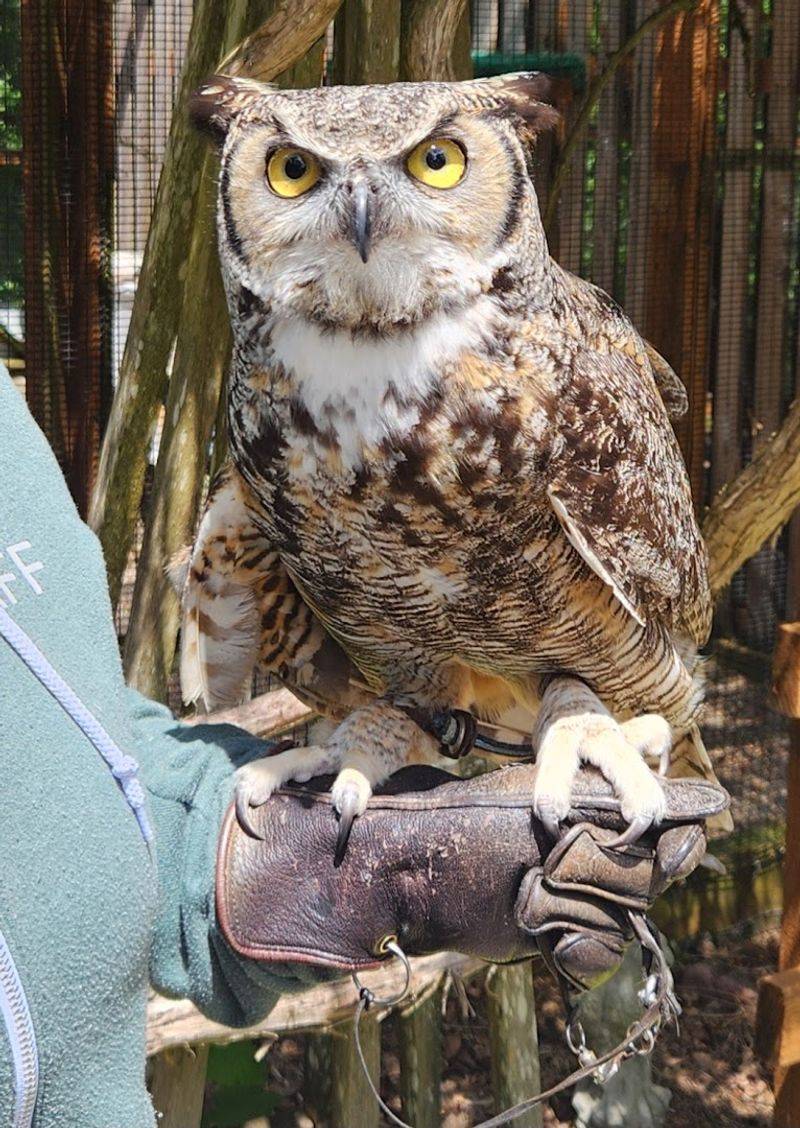
Not every place that houses wild birds is doing the same kind of work, and the difference here is clear from the first placard you read. Cascades Raptor Center operates as both a wildlife hospital and an education facility, two missions that reinforce each other in a way that makes the whole experience feel meaningful rather than just entertaining.
The center has treated and released hundreds of rehabilitated birds back into the wild over its years of operation. The ones living in the outdoor aviaries are birds that, for various reasons, cannot survive on their own in their natural habitat.
Each resident bird becomes an ambassador for its species, helping visitors understand raptors in a way that no textbook ever could.
A wildlife hospital operates on site, though the public does not have access to that area, which makes complete sense given the sensitive nature of the work happening inside. Knowing that active medical care is happening just steps away adds a layer of purpose to your visit.
The center also welcomes school groups regularly, and watching a classroom of kids encounter a live owl for the first time is something that stays with you long after you leave.
Nearly 50 Birds of Prey: The Residents You Will Meet
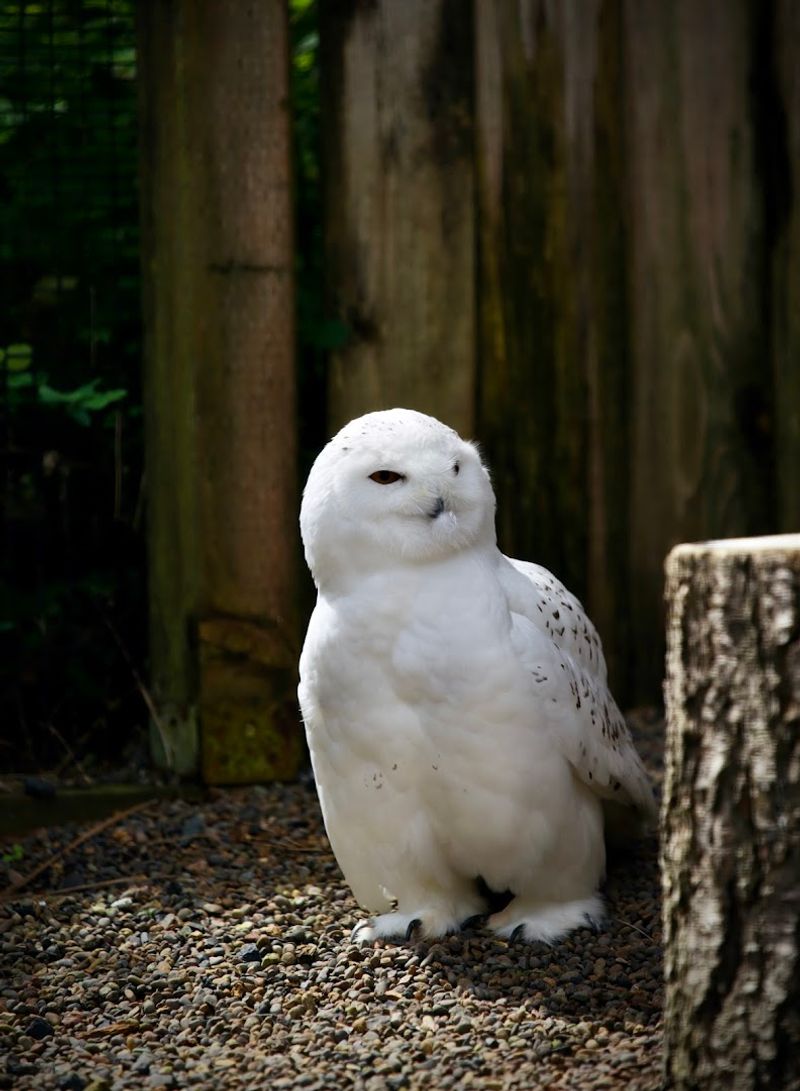
The sheer variety of birds at this center is one of the first things that catches visitors off guard in the best possible way. The center houses nearly 50 birds of prey across approximately 36 raptor enclosures, representing species from every major branch of the raptor family tree.
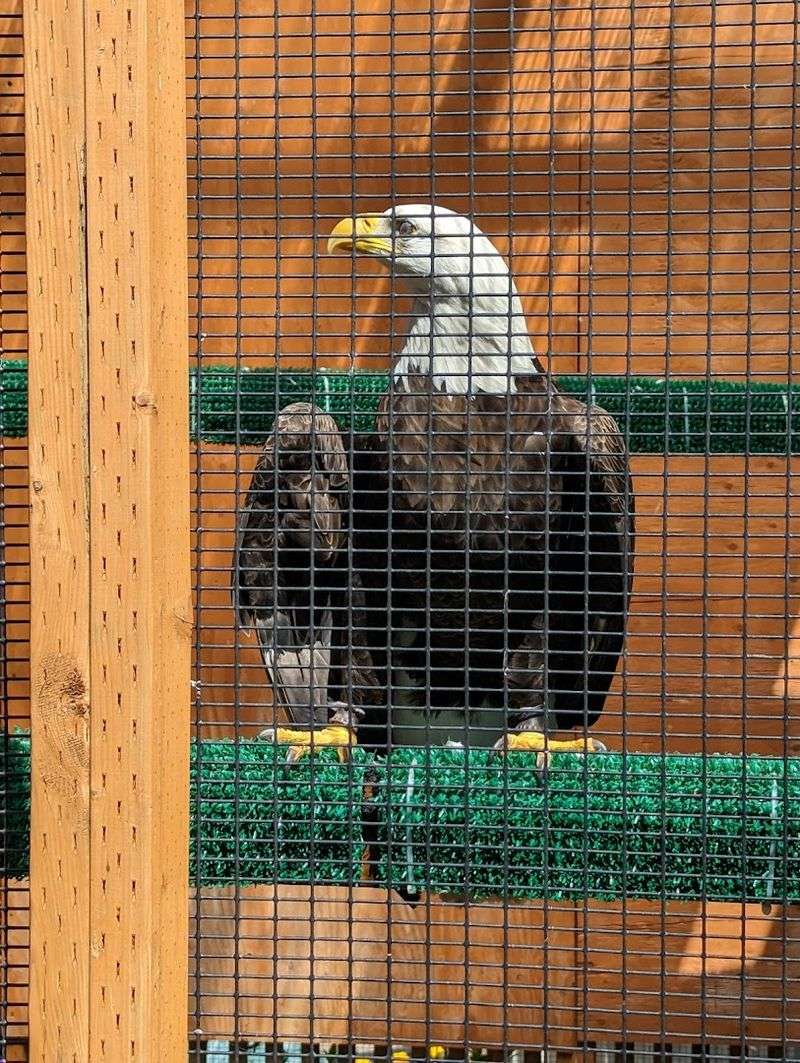
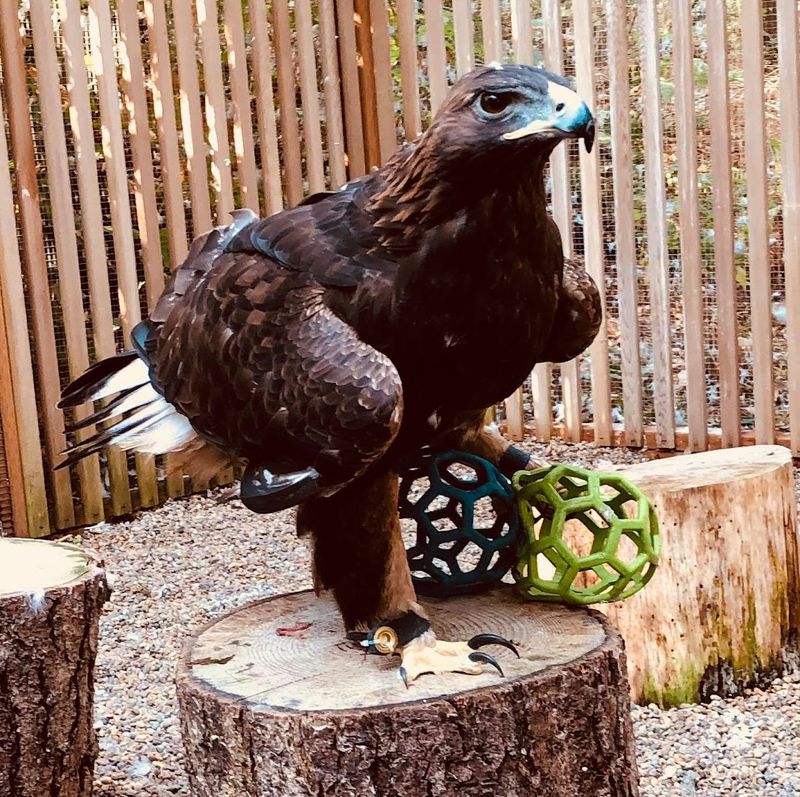
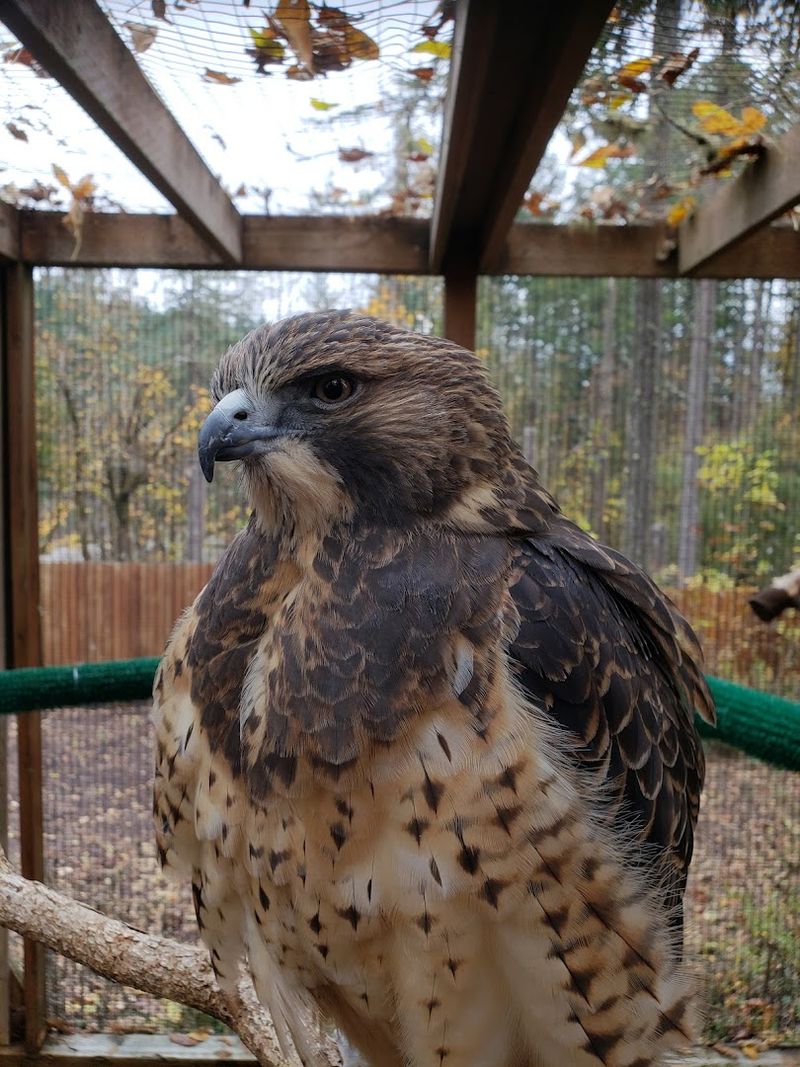
You will find owls of multiple species, including the crowd-favorite snowy owl named Echo, whose bright yellow eyes have an almost hypnotic quality up close. Bald eagles, red-tailed hawks, kestrels, falcons, turkey vultures, and barred owls all have homes here, each with its own enclosure and its own story posted on a placard nearby.
The turkey vultures tend to surprise people who did not expect to find them so compelling in person. The kestrels are quick and alert, while the larger hawks carry a kind of calm authority that commands attention.
A few enclosures were empty during some visits, which the staff is transparent about, and that honesty adds to the trustworthy feel of the whole operation.
Every bird here has a name, a history, and a reason for being exactly where it is.
The Stories on the Placards: Every Bird Has a Name and a History
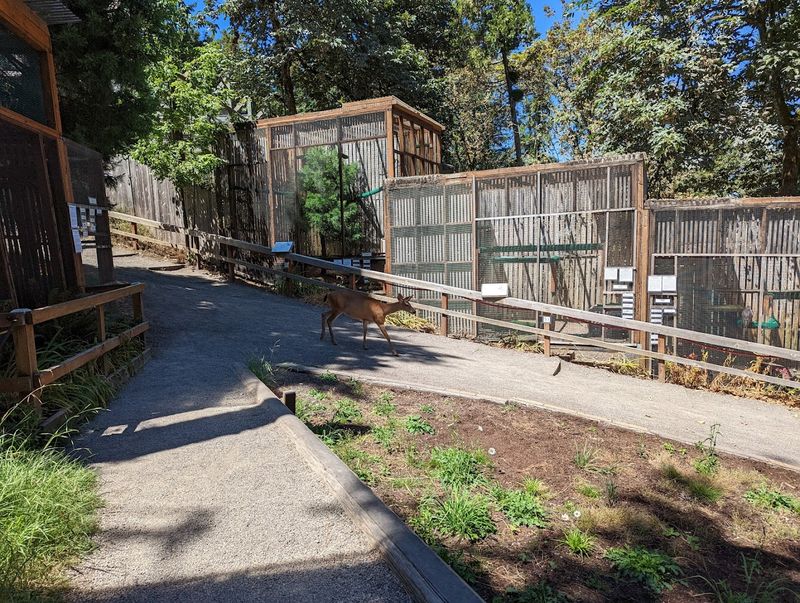
One of the most quietly powerful aspects of a visit here is the small signs posted at each enclosure. Each placard tells you the bird’s name, its species, how it came to the center, and what prevents it from returning to the wild.
These are not generic labels slapped on a cage. They are personal histories that turn a simple wildlife viewing experience into something closer to meeting a community of individuals.
Reading about a red-tailed hawk that was found grounded after a vehicle strike, or an owl that lost vision in one eye, gives you a connection to that animal that photographs alone cannot create. Visitors consistently mention that these notes make them feel genuinely attached to the birds they are looking at, which is exactly the kind of empathy the center wants to build.
The detail and care put into those descriptions reflects the broader philosophy of the place, which is that understanding leads to appreciation, and appreciation leads to conservation. Even visitors from far-flung states like Oklahoma have commented on how the placards transformed what could have been a passive viewing experience into something that felt deeply personal and unexpectedly moving.
Flight Shows and Raptor Encounters: Getting Closer Than You Expect
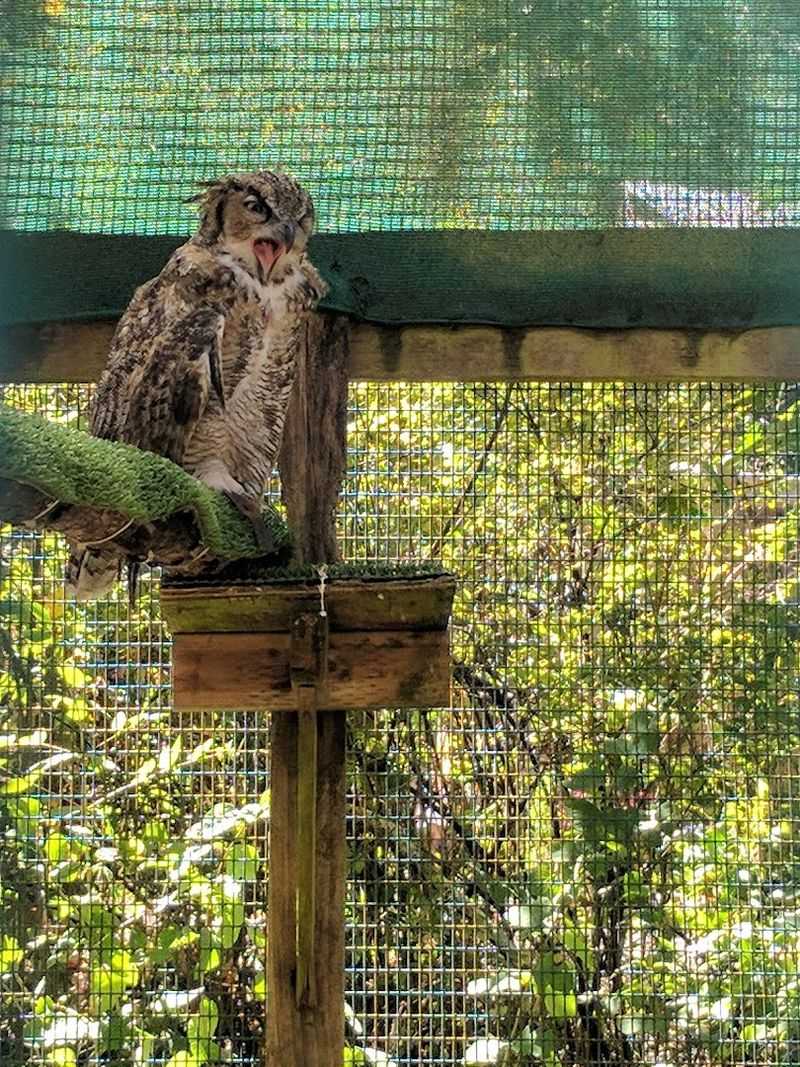
There is a particular kind of thrill that comes from watching a bird of prey take flight just a few feet away from you, and the encounter sessions at this center deliver exactly that. The center offers scheduled flight demonstrations and raptor encounter sessions where visitors can observe birds in motion, watch handlers interact with them, and sometimes even participate directly.
One visitor’s five-year-old daughter got to hold a falcon during one of these sessions, which gives you a sense of just how hands-on these experiences can get when the timing and circumstances are right. The staff running these demonstrations are clearly passionate, sharing information freely and answering questions with genuine enthusiasm rather than rehearsed scripts.
The flight shows happen at scheduled times, so calling ahead or checking the website before your visit is a smart move if you want to make sure you catch one. Arriving around noon and wandering the aviaries for an hour before a two o’clock encounter session is a popular strategy that works beautifully.
The center does not advertise these sessions loudly, which means the visitors who do their homework are rewarded with an experience that feels almost exclusive.
The Wildlife Hospital: Active Healing Happening Every Day
Behind the public-facing aviaries and educational paths, there is a fully functioning wildlife hospital where injured and ill birds receive professional veterinary care. The hospital is not open to the public, but its presence is felt throughout the entire visit because it explains why this place exists in the first place.
The center has handled everything from birds that struck windows to animals found grounded after encounters with vehicles or power lines. A visitor once called the center after finding a stunned brown creeper on her back patio, and the staff walked her through exactly what to do, told her to bring the bird in, and treated it with the kind of calm expertise that only comes from years of practice.
Visitors can sometimes spot a staff veterinarian walking the grounds and checking on individual birds in the aviaries, which is a reminder that the medical care does not stop at the hospital door. The center also accepts community wildlife calls, making it a genuine resource for the Eugene area and surrounding communities.
Knowing that this level of professional care is available and actively operating gives the whole visit a sense of real-world weight that most wildlife attractions simply cannot match.
Practical Tips for Your Visit: Hours, Admission, and What to Wear
A few practical details can make the difference between a good visit and a great one, and this center has some quirks worth knowing before you go. The center is open Wednesday through Sunday from 10 AM to 5 PM and is closed on Mondays and Tuesdays.
Admission runs around $13, which visitors consistently describe as well worth the cost given the quality and depth of the experience.
The terrain is the biggest practical consideration. The entire property is built into a hillside, with gravel and dirt paths that slope noticeably throughout.
Anyone with mobility challenges or balance concerns should research the layout carefully before committing, as wheelchair access is very limited. The outdoor classroom near the parking lot is one of the few areas that is more accessible from the lot itself.
Comfortable, closed-toe shoes are non-negotiable on those slopes. Visiting on a weekday morning often means fewer crowds and a more personal experience, sometimes almost like having a private guide all to yourself.
The small parking lot fills quickly on busy weekends, so arriving early is a smart habit.
The center’s phone number is +1 541-485-1320, and their website at cascadesraptorcenter.org has up-to-date event schedules worth checking before you arrive.
The Staff and Volunteers: The Heartbeat of the Whole Operation
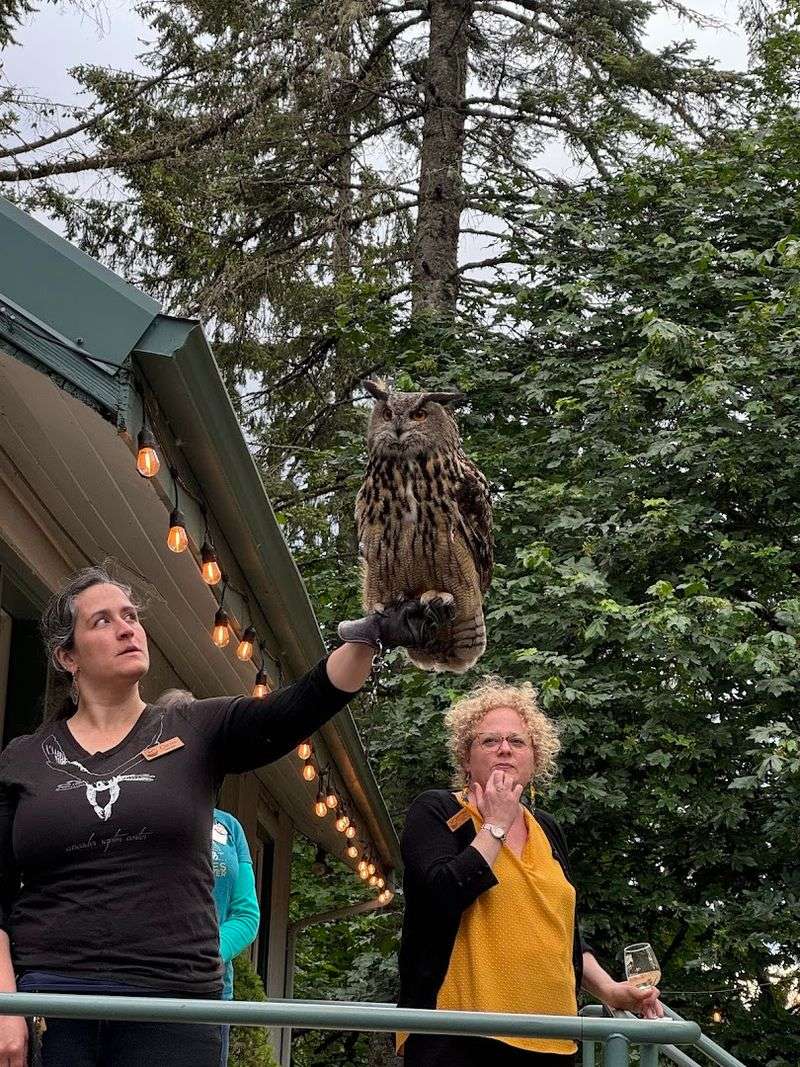
Any wildlife center is only as good as the people running it, and the team at this place sets a high bar. Staff and volunteers here are consistently described as knowledgeable, warm, and genuinely excited to share what they know about raptors with anyone who asks.
They do not wait for questions. They offer information freely while going about their daily work, making the whole experience feel organic rather than scripted.
Watching a staff member interact with a bird they clearly know well and care for deeply adds a layer of warmth to the visit that is hard to manufacture. The birds themselves seem calm and well-adjusted, which experienced animal observers will recognize as a sign of consistent, quality care over time.
The volunteers who work admissions are equally engaging, and more than one visitor has noted that a conversation at the entrance set the tone for the entire visit in the best possible way. The center draws volunteers and staff from the Eugene community and beyond, and their collective dedication is visible in how clean, well-maintained, and thoughtfully organized the facility is.
That level of care does not happen by accident.
It is the result of people who genuinely believe in what they are doing every single day.
The Gift Shop and Supporting the Center’s Work
Near the end of the path, a small gift shop offers visitors a chance to take a piece of the experience home while also supporting the center’s ongoing work. The shop carries raptor-themed merchandise, books, and educational items that feel curated rather than generic, with options for kids and adults alike.
Every purchase made there goes directly toward supporting the center’s dual mission of rehabilitation and education, which makes browsing the shelves feel like a genuinely useful activity rather than an afterthought. Visitors from across the country, including those who made a detour specifically to visit from places like Oklahoma, often mention picking up something from the shop as a way of staying connected to the experience after they leave.
The center also offers sponsorship opportunities for individual birds, which is one of the more meaningful souvenirs you can take away. Sponsoring a named bird means your contribution goes directly to the care of an animal you have personally met, and the center sends updates to sponsors about their bird’s wellbeing.
For anyone who felt a particular connection to one of the residents during their visit, a sponsorship is a way of keeping that relationship alive long after the drive home.
Why This Place Deserves a Spot on Every Oregon Itinerary
Oregon has no shortage of natural attractions, but very few of them combine active conservation, hands-on education, and genuine emotional impact the way this center does. The Cascades Raptor Center earns its 4.8-star rating across more than 1,500 reviews not through marketing, but through the consistent quality of every single visit it delivers.
Road-trippers from across the United States, including visitors from Oklahoma who stumbled onto it mid-journey, regularly describe it as the unexpected highlight of their trip. That is the mark of a place that punches well above its weight.
It is small, it is unpretentious, and it is doing work that genuinely matters for the wild birds of the Pacific Northwest.
The center is not trying to be a theme park or a zoo with theatrical flair. It is a working sanctuary that happens to welcome the public, and that authenticity is exactly what makes it so memorable.
A visit here takes one to two hours, costs very little, and leaves you with a clearer understanding of the natural world and a deeper respect for the people and birds that share it.
That kind of experience is rare, and it is absolutely worth the detour.
Share this story