A hidden preserve in Bucks County protects more than 700 native plant species, making it one of Pennsylvania’s best spots for wildflowers and peaceful nature walks. Tucked inside Washington Crossing Historic Park, the preserve combines wooded trails, wetlands, ponds, and seasonal blooms that change throughout the year.
From spring carpets of trillium and bloodroot to quiet wildlife-filled paths in summer and fall, it offers a surprisingly serene escape just steps from Revolutionary War history.
Where Exactly You Will Find This Woodland Sanctuary
A short drive from the charming streets of New Hope, Pennsylvania, Bowman’s Hill Wildflower Preserve sits at 1635 River Rd, New Hope, PA 18938, nestled within Washington Crossing Historic Park along the Delaware River. The preserve is open seven days a week from 9 AM to 5 PM, making it easy to plan a visit on any day that suits your schedule.
The drive along River Road itself is scenic, with mature trees framing the road and the Delaware River occasionally visible through the foliage. The parking lot is well-marked, and staff at the visitor center greet you warmly when you arrive.
Admission is reasonably priced, with discounts available for seniors, students, and military visitors.
The preserve is roughly five minutes by car from Main Street in New Hope, so combining a visit here with a stroll through town makes for a full and satisfying day out in Bucks County.
The Fascinating Story Behind a 134-Acre Living Museum
Founded in 1934, this preserve has a backstory that most first-time visitors find genuinely surprising. It began as part of Washington Crossing Historic Park, a site already steeped in Revolutionary War significance, and was created with the specific mission of protecting and promoting Pennsylvania’s native plant life.
Today it holds accreditation as a museum, which means it operates with the same standards of care and education you would expect from a formal cultural institution. That accreditation is not just a title.
It reflects the preserve’s serious commitment to research, conservation, and community education.
Over the decades, the preserve has grown into a repository for over 700 of the approximately 2,000 plant species native to Pennsylvania and the Delaware Valley. The fact that this living collection has been maintained and expanded for nearly a century makes every trail walk feel like a stroll through botanical history.
The next section reveals just how varied the landscape inside actually is.
A Landscape More Varied Than You Might Expect
The 134 acres here are not simply a flat garden with tidy rows of flowers. The terrain includes mature hardwood forests, open meadows, steep hillsides, two ponds, and Pidcock Creek winding through the lower sections of the property.
Three distinct geological zones shape the land, which explains why such a wide variety of native plants can thrive here side by side.
The creek trails are especially atmospheric, with tree roots crossing the path and the sound of moving water keeping you company. The hillside sections offer genuine inclines that give your legs a mild workout, while the meadow areas open up to wide skies and buzzing pollinators on warm afternoons.
Benches are scattered throughout, so there is no pressure to rush. The preserve is large enough that two visitors could take completely different routes and come back with entirely different stories about what they saw.
That variety is one of the most underrated qualities of this place.
Spring Blooms That Stop You in Your Tracks
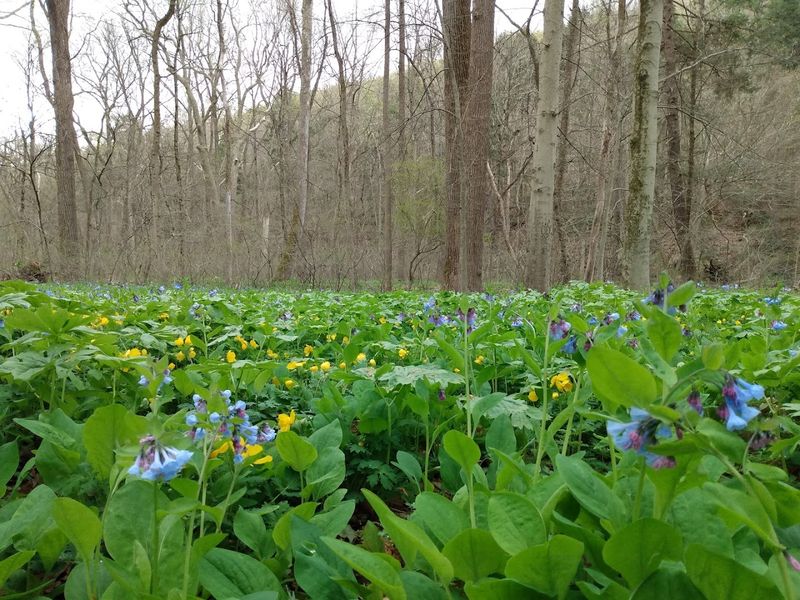
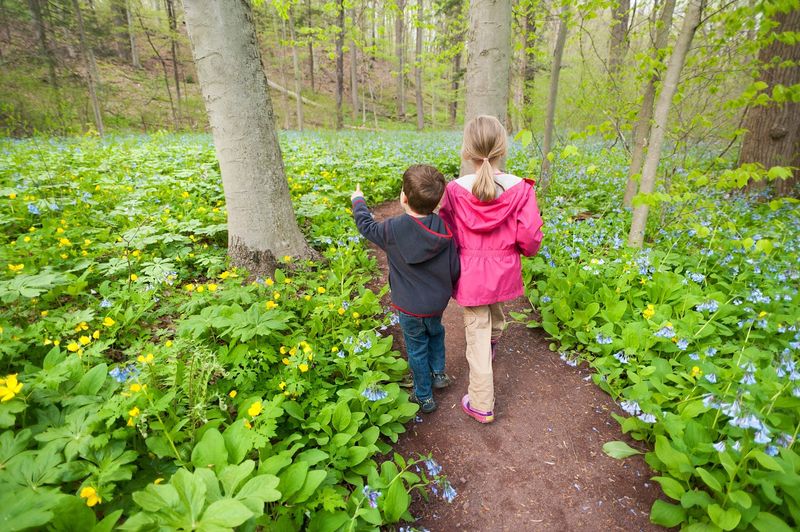
Spring at this preserve is the kind of experience that makes people rearrange their calendars. Virginia bluebells carpet the forest floor in soft lavender-blue drifts, while trilliums push up through the leaf litter in bold white and deep maroon.
Bloodroot, hepaticas, and Dutchman’s breeches all appear in quick succession from late February through May.
The timing of each bloom shifts slightly depending on the year, which means repeat visitors almost always see something new. The preserve even opens early during spring bird migration season, welcoming birders who want to catch the first warblers moving through alongside the earliest flowers.
What makes the spring display here different from a planted garden is that everything grows in context. The bloodroot emerges beneath the same trees it has always grown under, the hepaticas cling to the same mossy slopes, and the whole scene feels genuinely wild rather than arranged.
The summer season, as you will soon discover, brings an entirely different cast of characters.
Summer Color and the Pollinators That Chase It
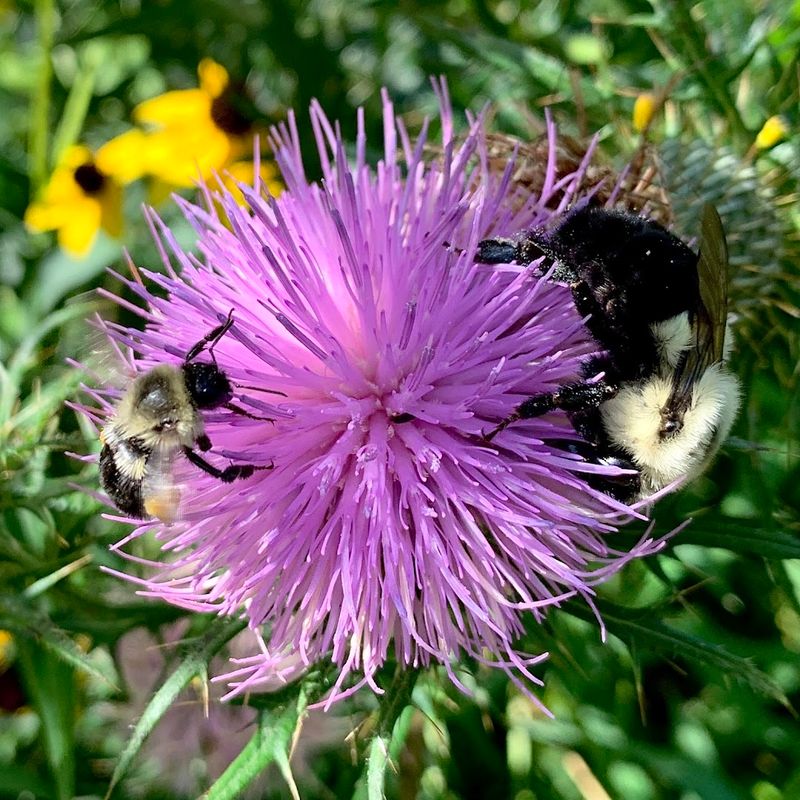
Once spring ephemerals fade, summer arrives with its own bold palette. Cardinal flowers blaze red along the creek banks, butterfly weed glows orange in the meadows, and hibiscus plants unfurl surprisingly large blooms that look almost tropical against the Pennsylvania backdrop.
Mountain laurel, Pennsylvania’s state flower, puts on a spectacular show in late spring and early summer across the hillside sections.
The pollinators that follow these flowers are worth watching in their own right. Swallowtail butterflies drift between blooms, bumblebees work the clover patches, and dragonflies patrol the pond surfaces with military precision.
On a warm July afternoon, the meadow sections hum with activity in a way that feels genuinely alive.
The ponds become especially lively in summer, with lily pads spreading across the surface and frogs calling from the shallower edges. Turtles line up on logs to bask in the afternoon sun, seemingly unbothered by the quiet parade of visitors pausing to admire them from the nearby bench.
Fall Foliage and the Quieter Pleasures of October Trails
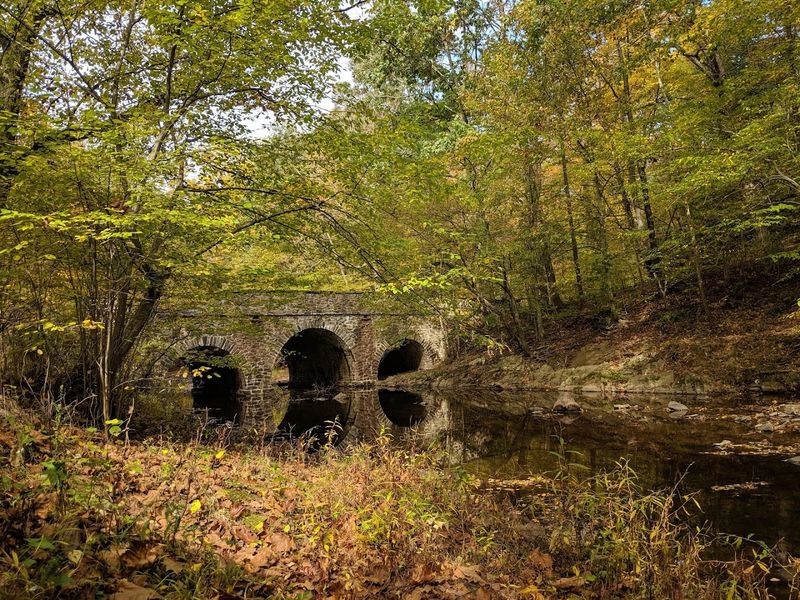
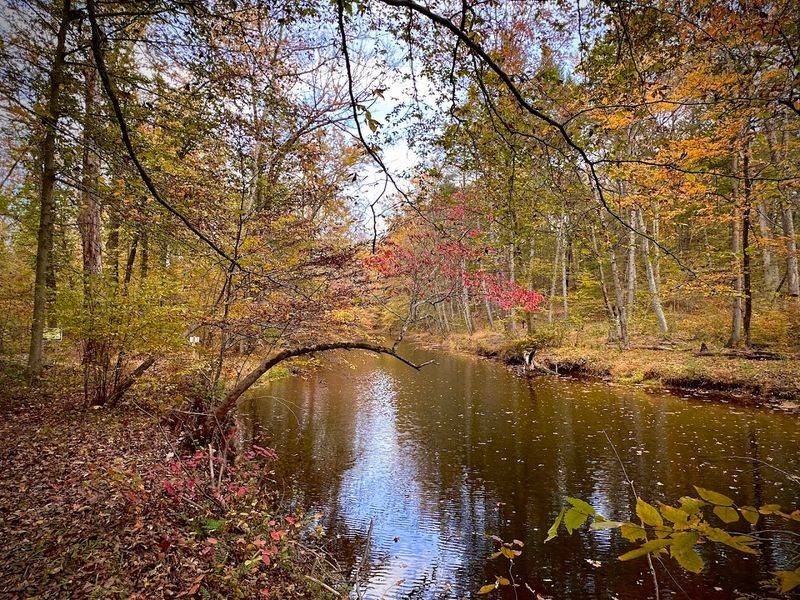
Autumn at the preserve is quieter than spring, but it carries its own distinct rewards. Goldenrod and asters take over the meadows in shades of yellow and purple, while the hardwood canopy shifts through every warm tone from gold to deep russet.
The trails feel more open once the understory thins, and long views through the trees become possible in ways that summer hides.
A fall visit also tends to be uncrowded, which means you can linger at the pond without company, sit on a bench by the creek for as long as you like, and hear the preserve’s natural sounds without interruption. The butterflies are still around in early October, and the turtles continue their sun-basking routines until the temperatures drop.
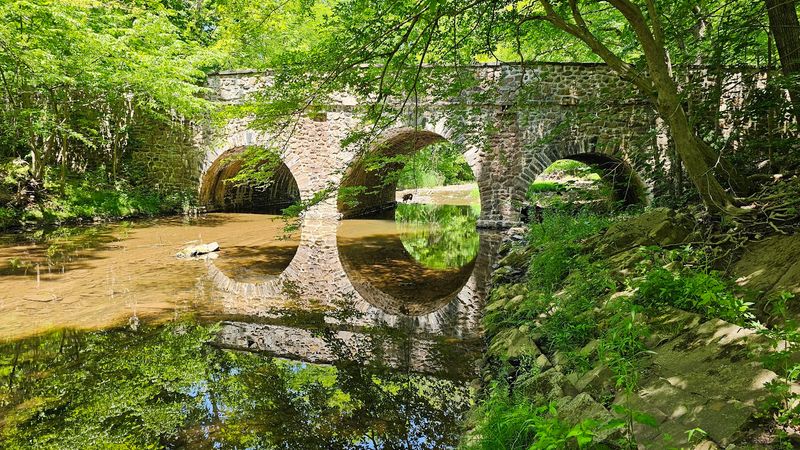
The stone bridge on the property, built in 1932, looks especially picturesque framed by autumn color, and more than one visitor has apparently found it an irresistible backdrop for a memorable moment. The winter season, while quieter still, has its own understated appeal.
The Bird-Watching Scene Here Is Genuinely Impressive
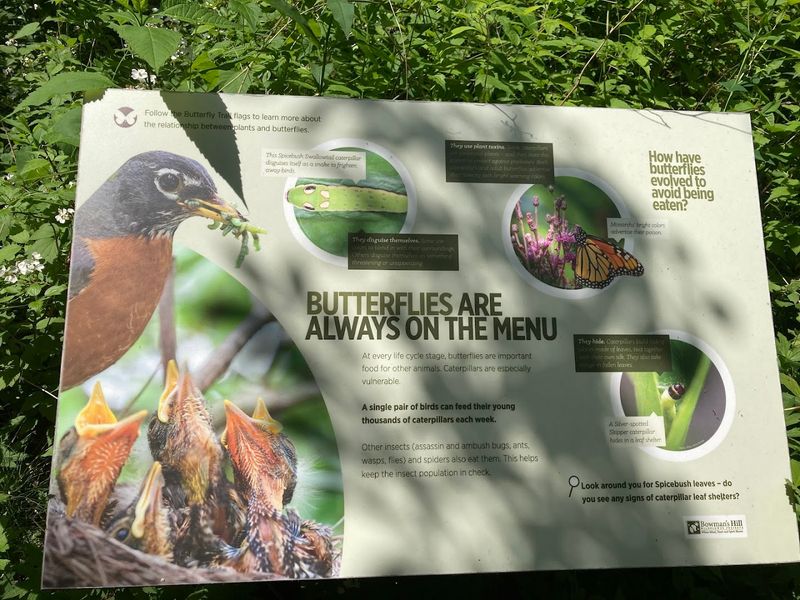
Over 110 bird species have been observed at the preserve annually, which places it firmly on the radar of serious birders in the mid-Atlantic region. The varied habitats, from creek corridors to open meadows to dense woodland canopy, attract a wide range of species throughout the year.
Spring migration is the headline event, when warblers, vireos, and thrushes pass through in impressive numbers.
The preserve responds to this interest by opening early during peak migration weeks, giving birders the advantage of the quiet early morning hours when activity is highest. The combination of native plantings, which support insects that in turn feed birds, creates a genuinely productive birding environment rather than simply a scenic one.
Even casual visitors who are not dedicated birders tend to notice the bird life here because it is simply hard to miss. The woodpeckers are particularly active along the older tree sections, and the pond reliably attracts great blue herons during the warmer months.
The wildlife story does not stop at birds, though.
The Ponds, the Turtles, and the Spot Everyone Loves Most
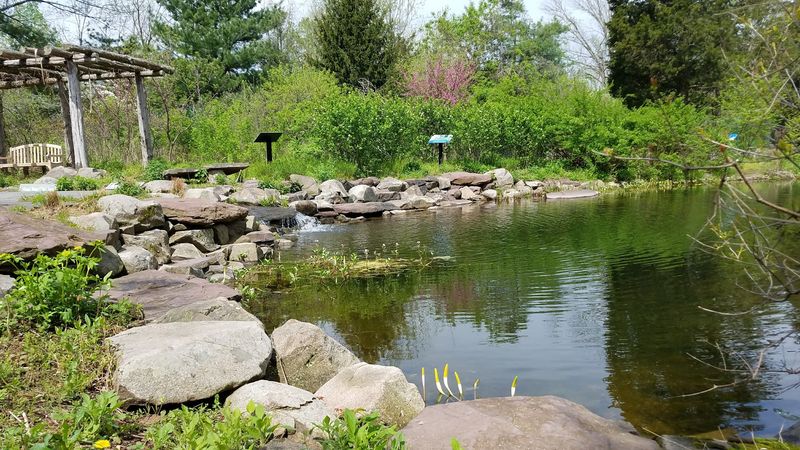
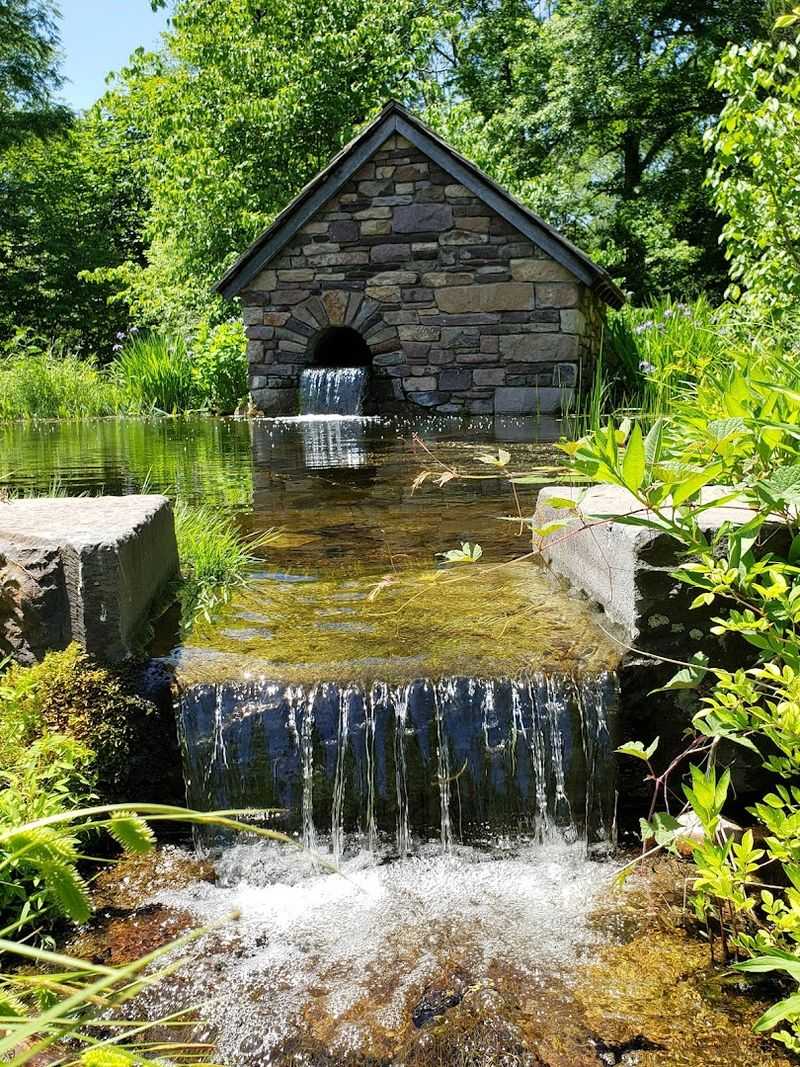
Ask a dozen visitors what their favorite spot on the property was, and a surprising number will mention the pond area near the visitor center. Two ponds sit close enough to the entrance that they are easy to find, yet feel tucked away enough to offer genuine peace.
Lily pads spread across the water, frogs call from the shallows, and painted turtles arrange themselves on logs with the kind of unhurried confidence that makes you slightly envious.
A pergola and bench near the water make this the ideal place to simply sit and watch. Dragonflies skim the surface, the babbling sound of nearby water fills the air, and the whole scene has a natural rhythm that is easy to settle into.
The stone bridge nearby, constructed in 1932, adds a quiet historic detail to the landscape. It has become a beloved landmark on the property, and the view from it over the water is one of the most photographed moments in the entire preserve.
The trail network beyond it keeps offering new discoveries.
Approximately 4.5 Miles of Trails Worth Exploring
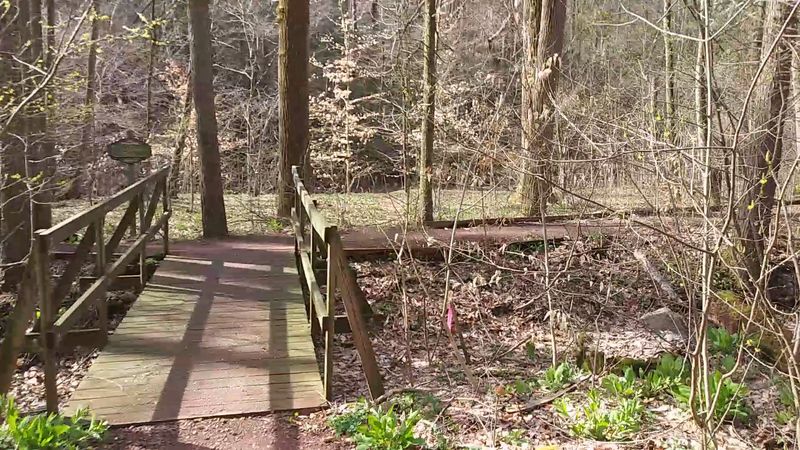
The trail network here covers approximately 4.5 miles in total, which is enough to fill a satisfying half-day without overwhelming anyone who is not training for a marathon. Trails are clearly named and well-marked, and when you pay admission you receive a map that indicates the difficulty level of each route.
Most are easy to moderate, though some sections include tree roots, stone steps, and genuine inclines that deserve a heads-up for less mobile visitors.
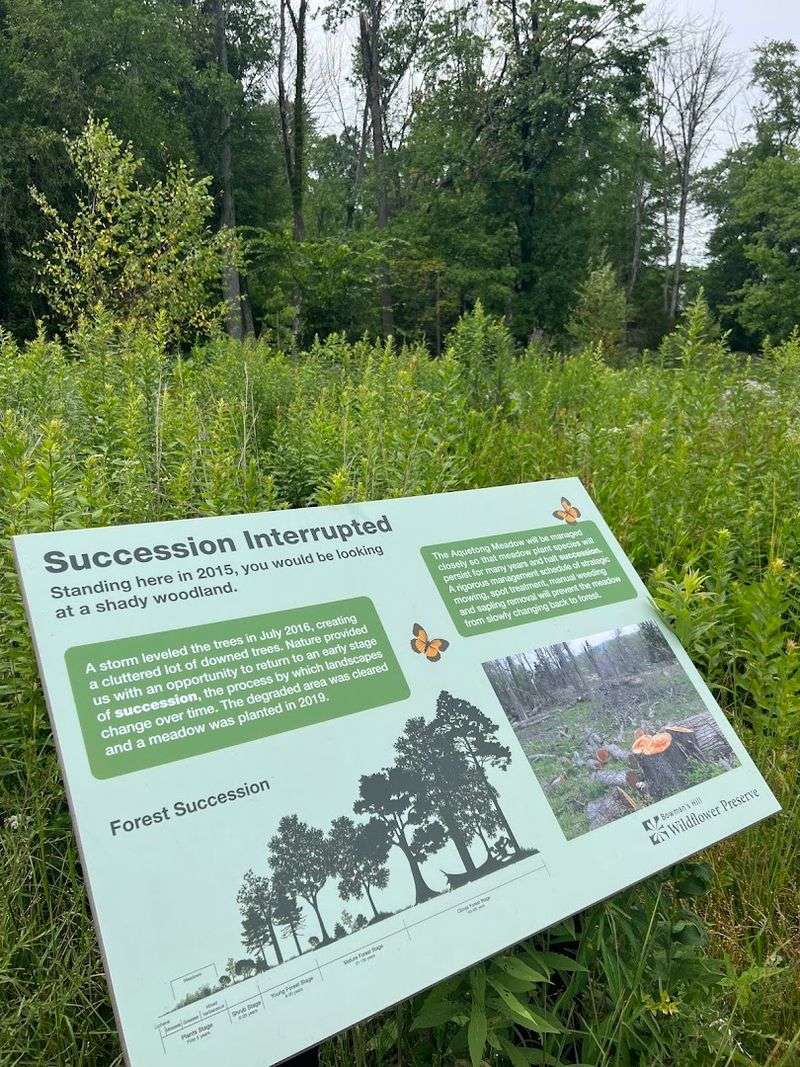
Trail surfaces vary from crushed stone to wood chips to natural packed earth, and the preserve keeps them in good condition throughout the year. Interpretive signs appear at regular intervals, identifying plants and offering ecological context that turns a casual walk into a genuine learning experience.
Named trails include the Marsh Marigold, Aster, Audubon, Gentian, Azalea, Bucks County, and Parry trails, among others. Each one tends to highlight different habitats and seasonal blooms, so the smart strategy is to plan your route based on what is currently in flower.
Comfortable sneakers and bug spray are the practical essentials.
The Native Plant Nursery That Inspires You to Take Something Home
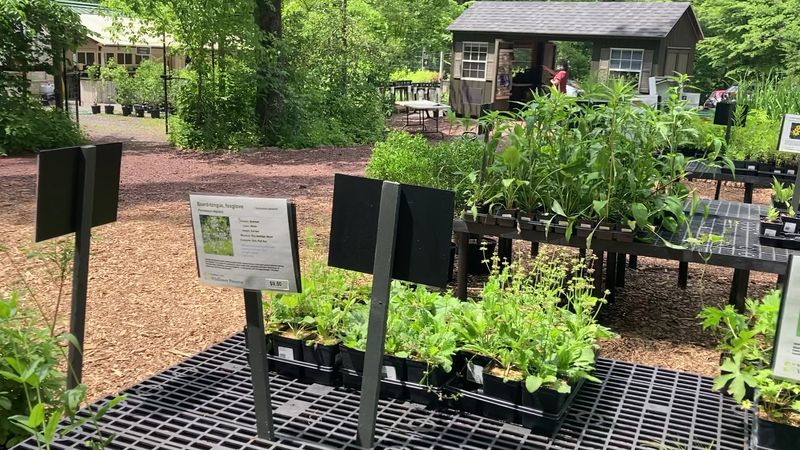
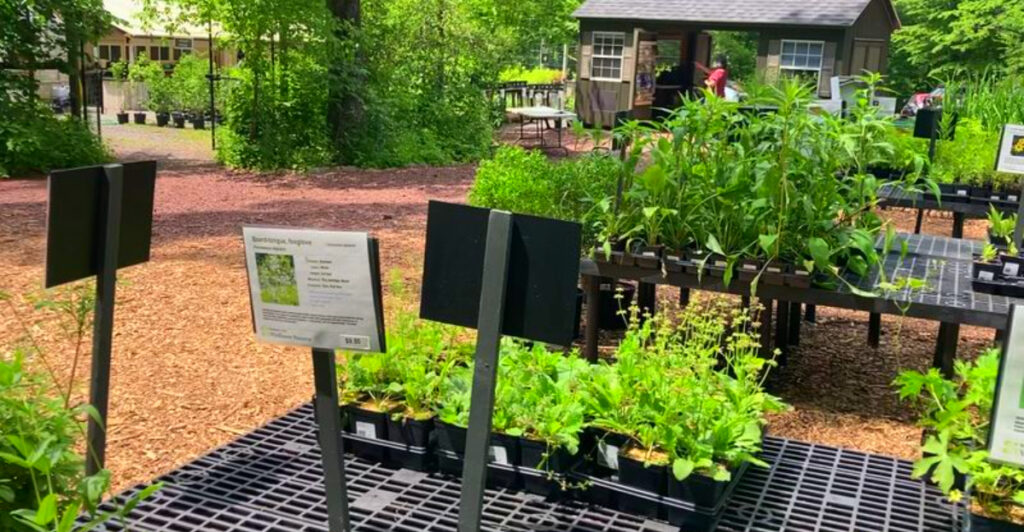
One of the most practical and genuinely useful features of the preserve is its on-site native plant nursery. Over 200 species of native plants are available for purchase, from wildflowers and ferns to shrubs and small trees, all grown from stock native to Pennsylvania and the Delaware Valley.
The selection changes with the seasons, and the staff and volunteers who run the nursery are knowledgeable enough to help you match a plant to your specific yard conditions.
Prices are reasonable, and the quality of the plants reflects the care that goes into growing them on-site. Many visitors who came purely for a walk end up leaving with a flat of plants tucked under their arm, inspired by what they saw growing along the trails.
Buying native plants from a source like this is also a meaningful act for local ecosystems, since these species support the insects, birds, and pollinators that keep regional habitats functioning. The nursery is one of the most genuinely useful reasons to visit beyond the trails themselves.
Educational Programs and the Visitor Center Experience
The visitor center at the preserve is more than a place to pick up your trail map and use the restroom, though it does both of those things well. Inside, you will find nature exhibits, a gift shop with books and nature-themed items, and staff who are genuinely enthusiastic about helping visitors get the most out of their time on the property.
Guided nature walks are offered regularly and are worth joining if your schedule allows. The guides bring the landscape to life in ways that a solo walk simply cannot replicate, pointing out details that are easy to miss and providing ecological context that deepens the whole experience.
The preserve also runs educational programs for school groups, families, and community organizations throughout the year.
The institution’s accreditation as a museum means these programs are held to a genuine educational standard. For families with children, the combination of hands-on outdoor exploration and structured learning makes this a far more enriching outing than a typical park visit.
There is always something new on the program calendar.
Practical Tips That Will Make Your Visit Much Smoother
A few practical notes will help you get the most out of a trip here. Admission for non-members runs around $12 per adult, with reduced rates for seniors, students, and military visitors.
The preserve is open every day from 9 AM to 5 PM, and weekday mornings tend to be quieter than weekend afternoons. Parking is available on-site, though popular weekends can fill the lot, in which case roadside parking along the entry road is an option.
The preserve is not dog-friendly, which is worth knowing before you plan a visit with your pet. Comfortable walking shoes are recommended, and bug spray and sunscreen are smart additions to your bag, especially for meadow sections that sit in full sun.
Most of the wooded trails are shaded and feel cool even on warm days.
A full visit typically takes between one and a half and two hours, though the property rewards a slower pace. Combining a visit here with nearby Bowman’s Hill Tower or a walk through New Hope makes for a complete and satisfying day in Bucks County.
Share this story