Africa is home to some of the most extraordinary animals on the planet, and unfortunately, many of them need a helping hand. Poaching, habitat loss, drought, and illegal trafficking push countless species to the edge every year.
The good news is that a growing network of dedicated sanctuaries across the continent is fighting back, one rescued animal at a time. From orphaned baby elephants learning to trust humans again to chimpanzees rediscovering life in the forest, these places are doing work that genuinely matters.
Some of these sanctuaries are world-famous, while others operate quietly in remote corners of the continent with very little recognition. All of them share the same fierce commitment to giving vulnerable animals a second chance.
Whether you are an animal lover, a conservation enthusiast, or simply someone who roots for the underdog, this list will leave you inspired and ready to support the cause.
1. Sheldrick Wildlife Trust, Nairobi, Kenya
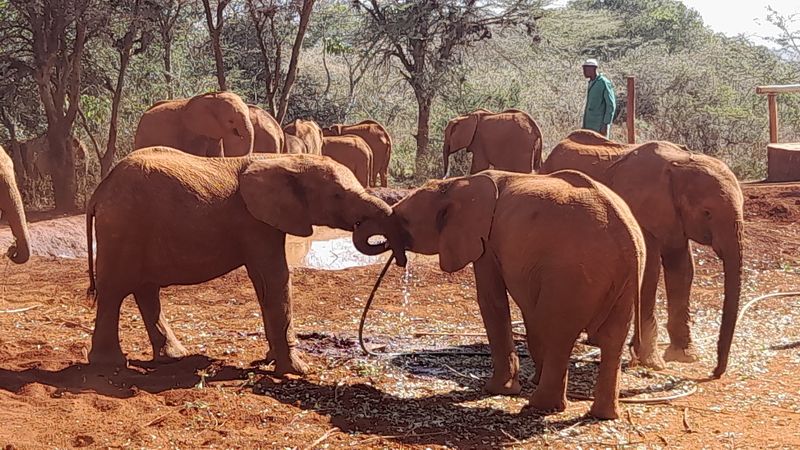
Few places on Earth make a grown adult tear up faster than watching a tiny elephant in a blanket sprint toward its milk bottle at full wobble speed.
The Sheldrick Wildlife Trust in Nairobi has been rescuing orphaned elephants and rhinos since 1977, making it one of Africa’s oldest and most respected wildlife rescue organizations.
Most of the young elephants arriving here have lost their families to poaching or drought, and the trust’s dedicated keepers essentially become surrogate parents, sleeping beside the calves and providing round-the-clock comfort.
Over 150 orphaned elephants have been successfully rehabilitated and returned to Kenya’s national parks through the trust’s carefully designed rewilding program.
Visitors can attend morning feeding sessions where the calves interact freely, mud-bathe enthusiastically, and generally remind everyone that joy is a universal language regardless of species.
2. Ngamba Island Chimpanzee Sanctuary, Lake Victoria, Uganda
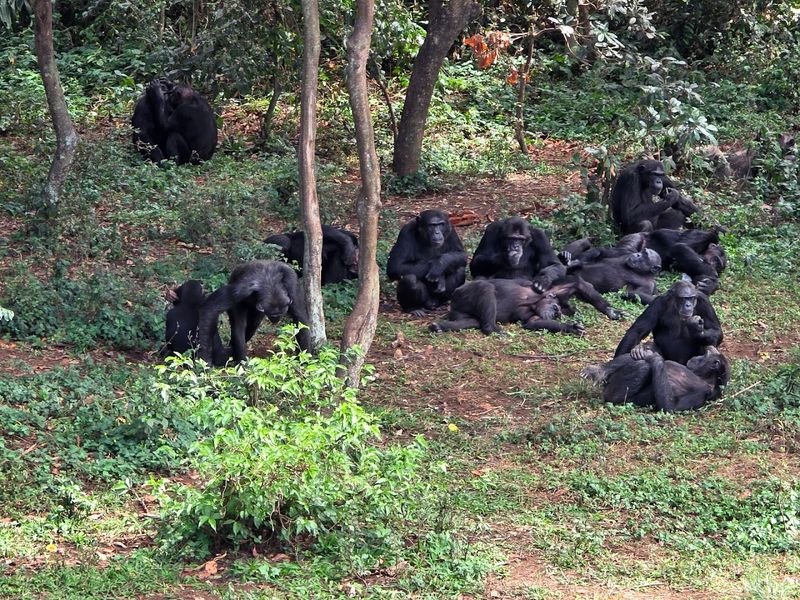
An island sanctuary surrounded by the vast waters of Lake Victoria sounds like something from a wildlife documentary, and honestly, Ngamba Island delivers exactly that kind of awe-inspiring reality.
Established in 1998, this Ugandan sanctuary rescues chimpanzees who have survived illegal wildlife trafficking, captivity, and the traumatic experience of being separated from their social groups at a young age.
The island’s forested interior gives the resident chimps space to behave naturally, form social bonds, and gradually rebuild the confidence that captivity had stripped away.
Veterinary care and conservation education are central to the sanctuary’s mission, with local communities actively involved in understanding why protecting these primates matters for Uganda’s ecological future.
Visitors who take the boat journey to the island often describe watching chimps explore and interact freely as one of the most emotionally powerful wildlife experiences they have ever had.
3. Moholoholo Wildlife Rehabilitation Centre, Hoedspruit, South Africa
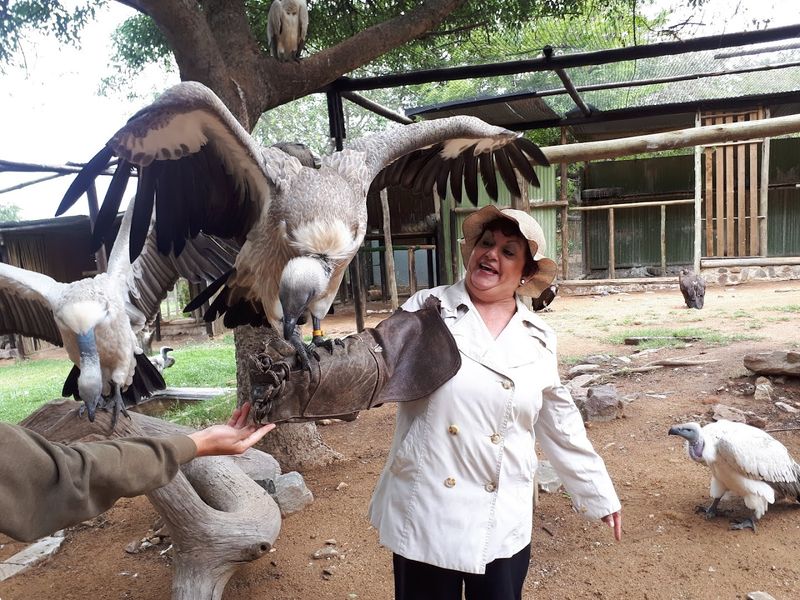
Not every rescue story features a photogenic baby elephant. Some of the most important conservation work happens quietly, with a poisoned vulture, a leopard caught in a snare, or a hyena hit by a vehicle on a rural road.
Moholoholo Wildlife Rehabilitation Centre near Hoedspruit has spent decades treating exactly these kinds of cases, building a reputation as one of South Africa’s most comprehensive wildlife rescue operations.
The center handles an impressively wide range of species, from eagles and ground hornbills to caracals and wild dogs, treating each animal with the goal of eventual release back into natural habitats.
Educational outreach is a major part of Moholoholo’s work, with school groups and international volunteers regularly learning about human-wildlife conflict and how communities can help reduce it.
The center’s long track record and commitment to transparency have made it a trusted partner for conservation organizations operating across the greater Kruger region.
4. Care For Wild Rhino Sanctuary, Mpumalanga, South Africa
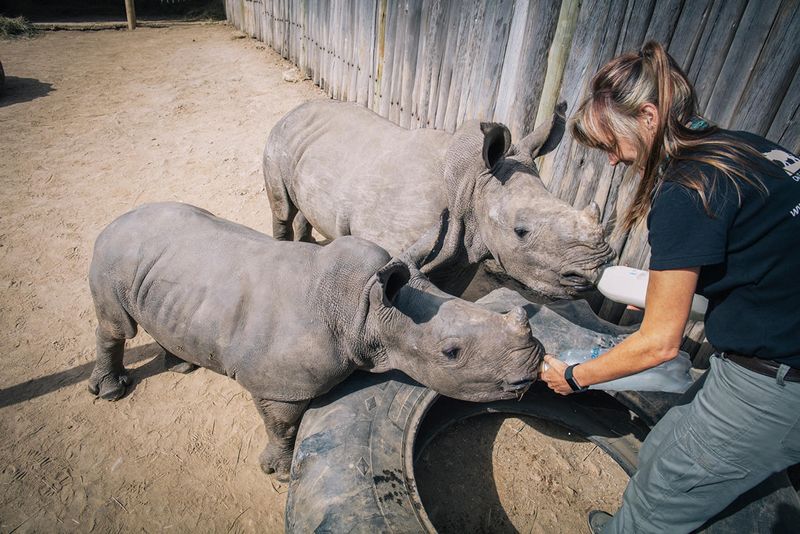
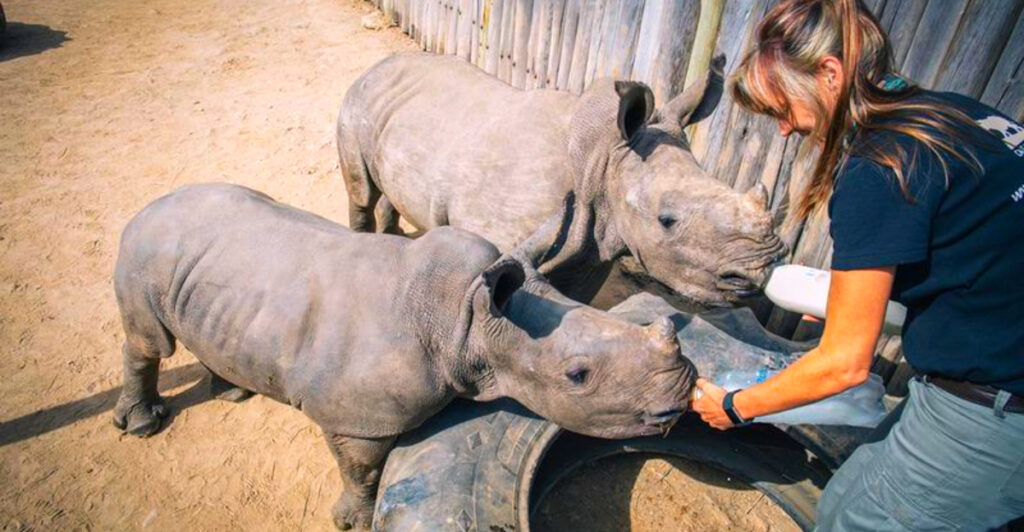
Rhinos are tough animals with thick skin and a prehistoric toughness, yet baby rhinos orphaned by poaching attacks are among the most vulnerable creatures a sanctuary team will ever encounter.
Care For Wild in Mpumalanga has earned the title of the world’s largest orphaned rhino sanctuary, and it backs that claim up with an extraordinary level of medical care, protection, and long-term rehabilitation planning.
Many calves arrive in critical condition after witnessing traumatic events, requiring intensive veterinary treatment as well as psychological recovery support from trained caregivers.
The sanctuary runs a 24-hour protection program, ensuring that every rhino on the property is monitored and guarded against further threats.
Once rhinos are strong enough and behaviorally ready, the team works to release them into secure protected areas where they can live with a genuine chance of survival.
5. Lwiro Primates Rehabilitation Center, Democratic Republic of the Congo
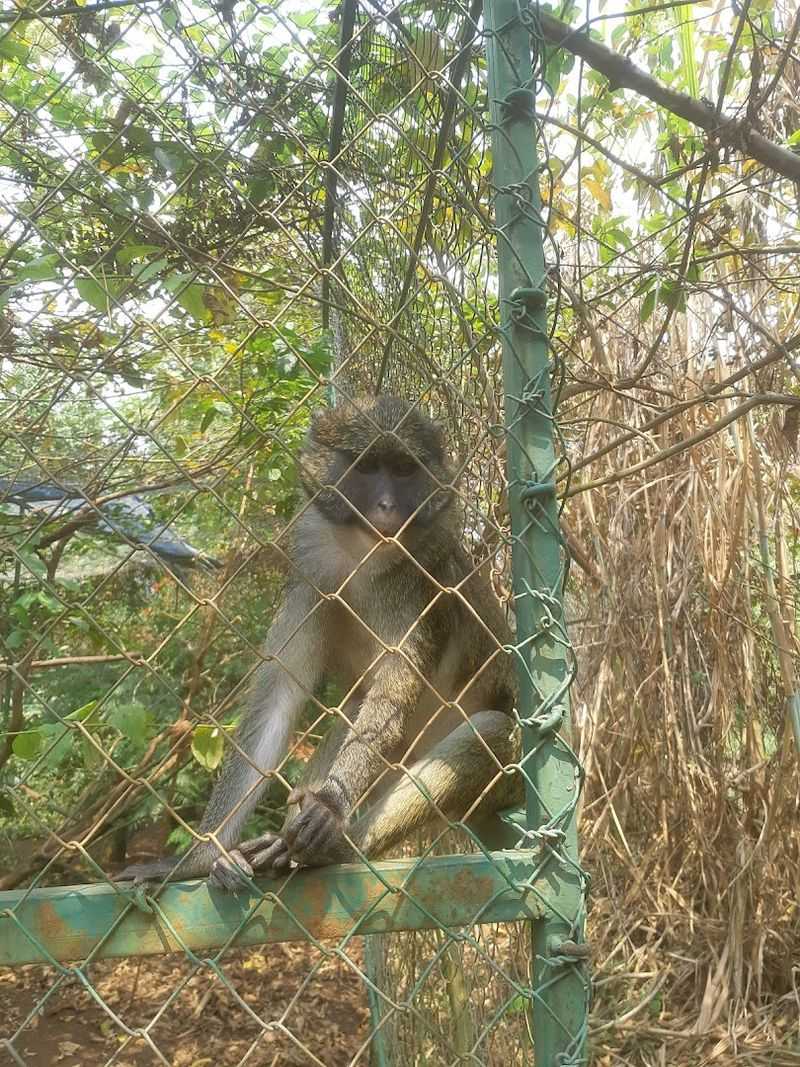
Operating a wildlife sanctuary in the Democratic Republic of the Congo requires a level of dedication that goes far beyond what most people could imagine, given the ongoing logistical and security challenges the region faces.
Lwiro Primates Rehabilitation Center rescues chimpanzees and monkeys confiscated from poachers and the illegal pet trade, providing them with veterinary care and a structured rehabilitation program designed to restore natural behaviors.
Located near one of Africa’s most biologically rich rainforest zones, the sanctuary sits at the heart of a landscape that is both critically important and constantly under pressure from human activity.
The bonds that develop between traumatized primates and their caregivers here are described by staff as both professionally rewarding and personally humbling.
Despite operating in difficult conditions, Lwiro continues to expand its capacity and has become a vital lifeline for primates in one of the continent’s most challenging conservation environments.
6. GRACE Gorilla Rehabilitation and Conservation Education Center, Kasugho, Democratic Republic of the Congo
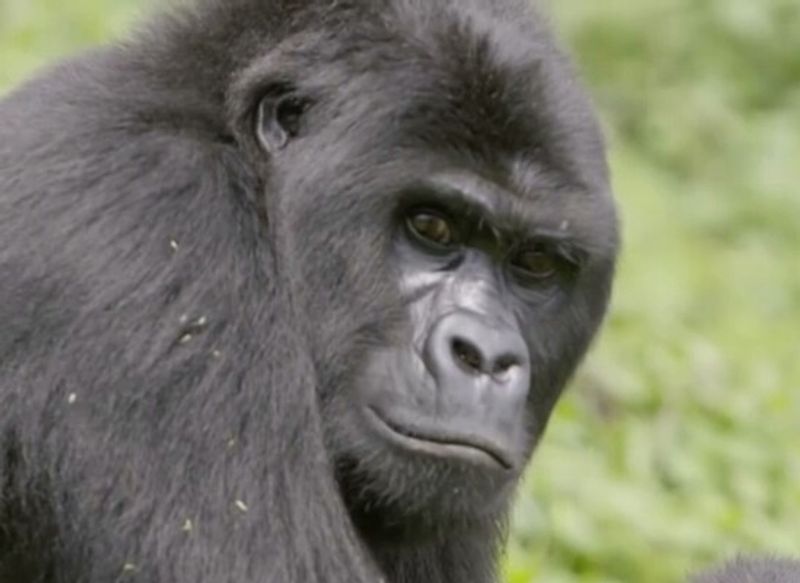
Eastern lowland gorillas are among the most endangered great apes on the planet, and GRACE is one of the very few places in the world dedicated entirely to rescuing them from wildlife traffickers.
Based in Kasugho in the Democratic Republic of the Congo, the center takes in young gorillas who have been confiscated from illegal trade networks and begins the careful, patient process of helping them relearn how to be gorillas.
This means teaching social skills, foraging behaviors, and the kind of group dynamics that are essential for survival in the wild, all of which captivity tends to disrupt or erase entirely.
Recent rewilding efforts at GRACE have produced genuinely encouraging results, with some individuals successfully transitioning into protected forest environments after years of rehabilitation.
The center also runs conservation education programs for local communities, building grassroots understanding of why protecting gorillas benefits the entire region’s long-term ecological health.
7. Shamwari Wildlife Rehabilitation Centre, Eastern Cape, South Africa
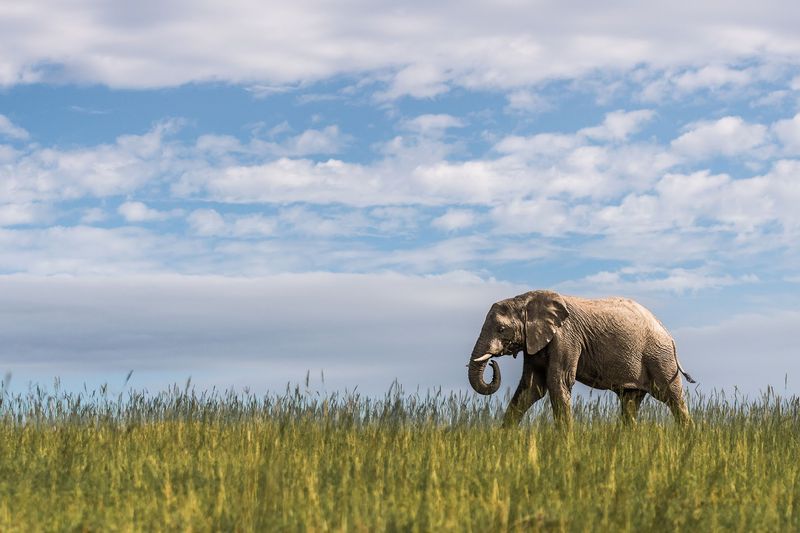
Tucked inside the renowned Shamwari Game Reserve in South Africa’s Eastern Cape, this rehabilitation center benefits from one of the most naturally beautiful backdrops any wildlife rescue operation could ask for.
Established in 2018, the Shamwari Wildlife Rehabilitation Centre provides expert veterinary care for sick, injured, and orphaned animals, with a priority focus on returning each patient to wild habitats as quickly and safely as possible.
The center treats a broad range of species including big cats, antelope, birds of prey, and reptiles, reflecting the rich biodiversity of the surrounding reserve ecosystem.
It also plays an active role in vulture rehabilitation, a critically important effort given the alarming rate at which vulture populations are declining across southern Africa due to poisoning and habitat loss.
Partnerships with Born Free’s big cat sanctuaries and ongoing rhino conservation projects give the center an unusually wide reach for a relatively young facility.
8. SanWild Wildlife Sanctuary, Limpopo, South Africa
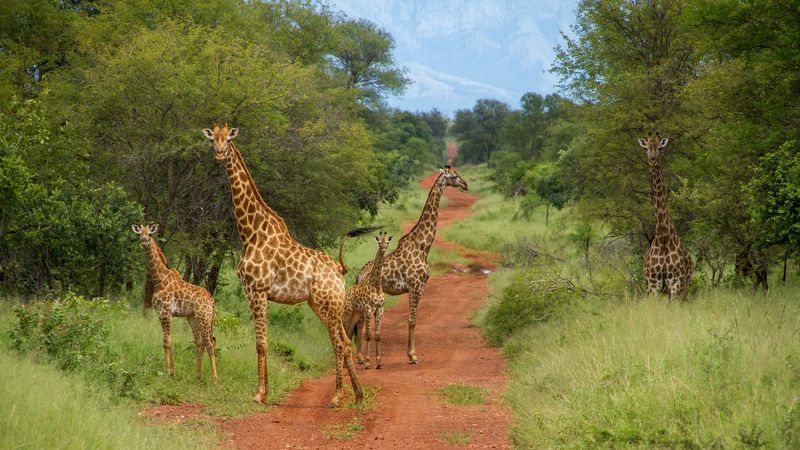
Being a neighbor to Kruger National Park sounds glamorous until you realize it also means being on the front line of human-wildlife conflict, where animals frequently end up injured, displaced, or orphaned as a result of encounters with people and infrastructure.
SanWild Wildlife Sanctuary in Limpopo was built to address exactly this reality, offering a large protected reserve where animals can recover in conditions that closely mirror their natural environments.
The sanctuary cares for animals that have genuine release potential as well as those whose injuries or behavioral history make independent survival in the wild no longer realistic.
Its spacious natural enclosures are a deliberate design choice, reducing stress for recovering animals and allowing them to maintain the instincts and behaviors they will need if and when they are returned to the wild.
SanWild’s no-frills, animal-first philosophy has earned it a loyal base of international supporters and conservation volunteers who appreciate its honest, practical approach.
9. Ziwa Rhino Sanctuary, Nakasongola, Uganda
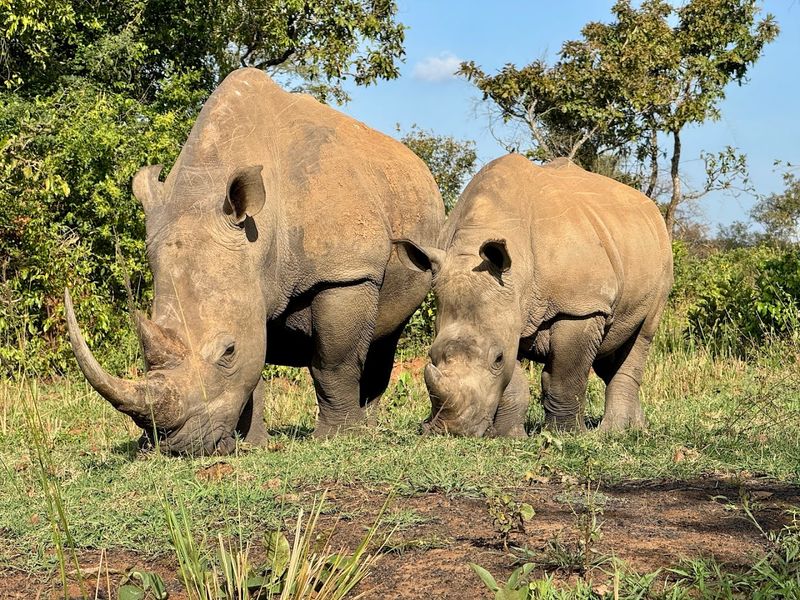
Uganda once had thriving rhino populations, but decades of poaching essentially wiped them out entirely, leaving a conservation gap that Ziwa Rhino Sanctuary was specifically created to fill.
Located in Nakasongola, the sanctuary functions as both a protected breeding ground and a secure refuge for rhinos threatened by continued poaching pressure across the region.
Since its founding, the resident rhino population has grown steadily, and the sight of these animals moving freely across the sanctuary’s open grasslands has become a powerful symbol of what targeted conservation efforts can actually achieve.
The sanctuary works closely with the Uganda Wildlife Authority to ensure that breeding success eventually translates into rhino reintroduction across Uganda’s national parks, restoring a species that was lost for far too long.
Guided rhino tracking experiences allow visitors to observe these animals on foot at a respectful distance, creating a conservation encounter that is genuinely difficult to forget.
10. Bushbabies Monkey Sanctuary, Hartbeespoort, South Africa
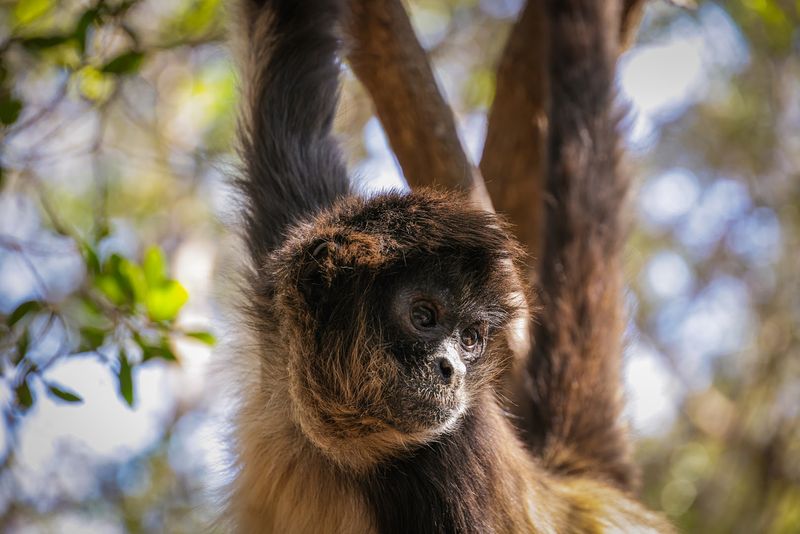
Primates kept as pets or used for entertainment rarely get a happy ending, which is exactly why Bushbabies Monkey Sanctuary near Hartbeespoort exists and why its work matters so much.
The sanctuary takes in rescued monkeys, lemurs, and other primates who have spent their early lives in captivity, often developing behavioral problems and social deficits that require patient, specialized rehabilitation.
Elevated walkways wind through forested enclosures, allowing visitors to observe the residents from above without disrupting their daily routines or encouraging unwanted interaction with humans.
Restoring natural social behaviors is the core challenge of primate rehabilitation, and Bushbabies invests considerable effort in reintroducing animals to group living in ways that mirror wild social structures as closely as possible.
The sanctuary also serves an educational purpose, helping visitors understand why keeping primates as pets causes lasting harm and what responsible wildlife ownership actually looks like in practice.
11. Sweetwaters Chimpanzee Sanctuary, Nanyuki, Kenya
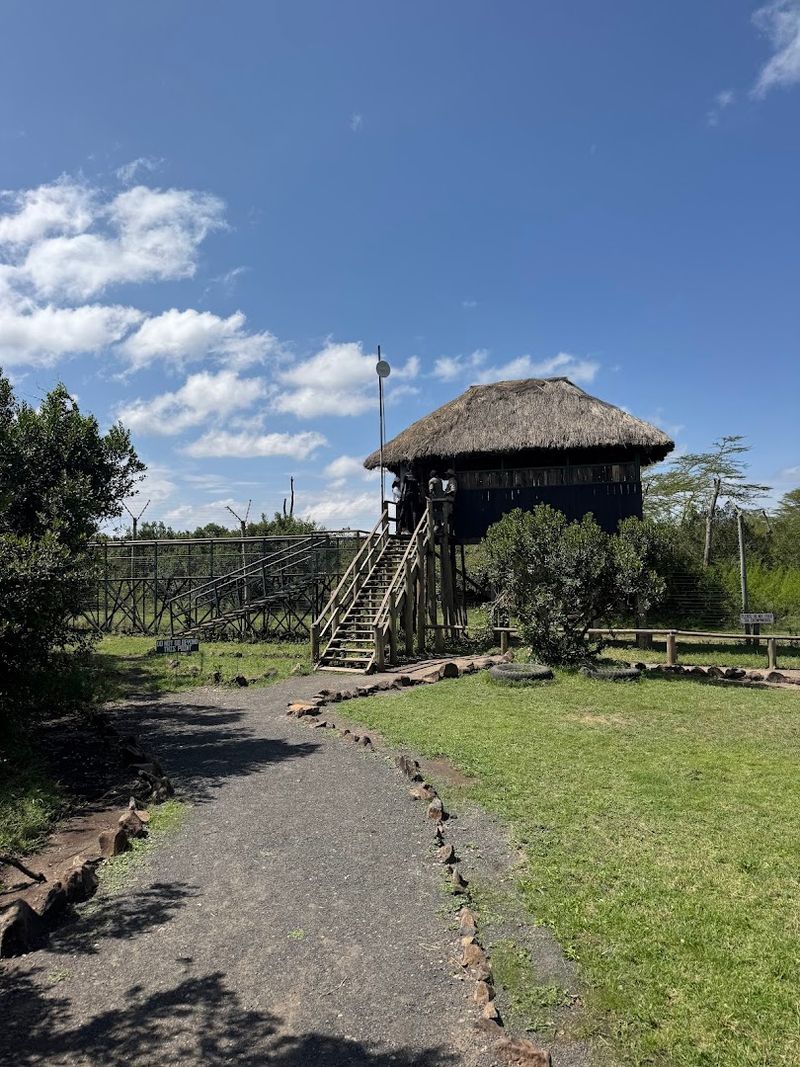
Kenya is famous for elephants, lions, and the great migration, but it also holds a quieter distinction as home to the country’s only chimpanzee sanctuary, located within the Ol Pejeta Conservancy near Nanyuki.
Sweetwaters Chimpanzee Sanctuary provides lifelong care for rescued chimpanzees that have been confiscated from traffickers, abandoned by private owners, or left without the skills needed to survive independently in the wild.
Because chimpanzees are not native to Kenya, there is no natural habitat to release them into, making this sanctuary a permanent home rather than a temporary rehabilitation stop for most of its residents.
The chimps live in social groups within large forested enclosures, maintaining natural hierarchies and behaviors that keep them mentally engaged and physically active throughout their lives.
Educational programs at Sweetwaters reach thousands of visitors annually, building awareness about the illegal primate trade and the long-term consequences of treating wild animals as commodities.
12. Kalahari Wildlife Project, Northern Cape, South Africa
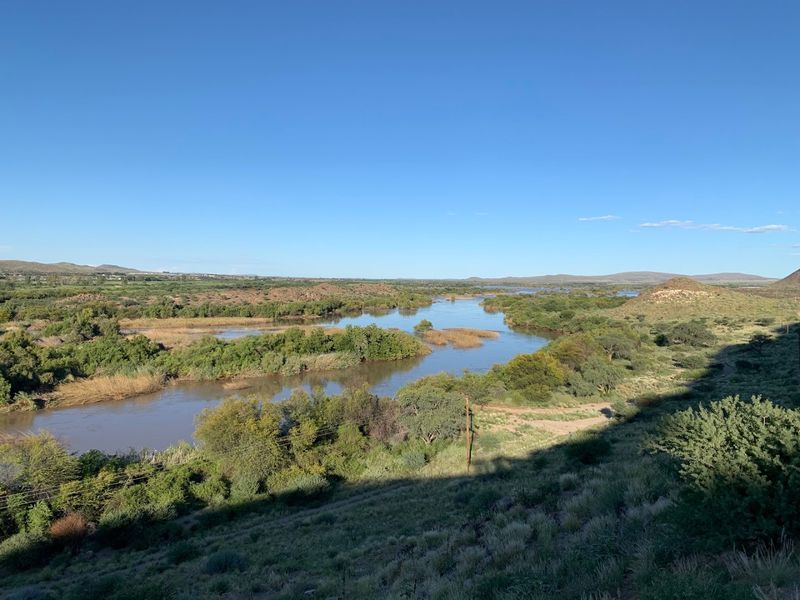
The Kalahari is not an easy place to survive under normal circumstances, and for animals already dealing with injuries, fencing conflicts, or drought-related displacement, the challenges multiply quickly.
Kalahari Wildlife Project operates in South Africa’s Northern Cape, focusing on the rescue and rehabilitation of desert-adapted species that are increasingly stressed by habitat fragmentation and climate-related pressures.
Animals arrive at the project after a wide range of incidents including fence entanglement, road collisions, and encounters with agricultural operations that bring them into direct conflict with landowners.
The sanctuary’s work shines a light on a part of the conservation story that rarely gets headlines, namely the quiet, ongoing struggle of wildlife in Africa’s arid zones where resources are scarce and human pressure is growing.
By combining hands-on animal care with community outreach, the project aims to shift attitudes among local landowners toward more wildlife-friendly farming and land management practices.
Share this story