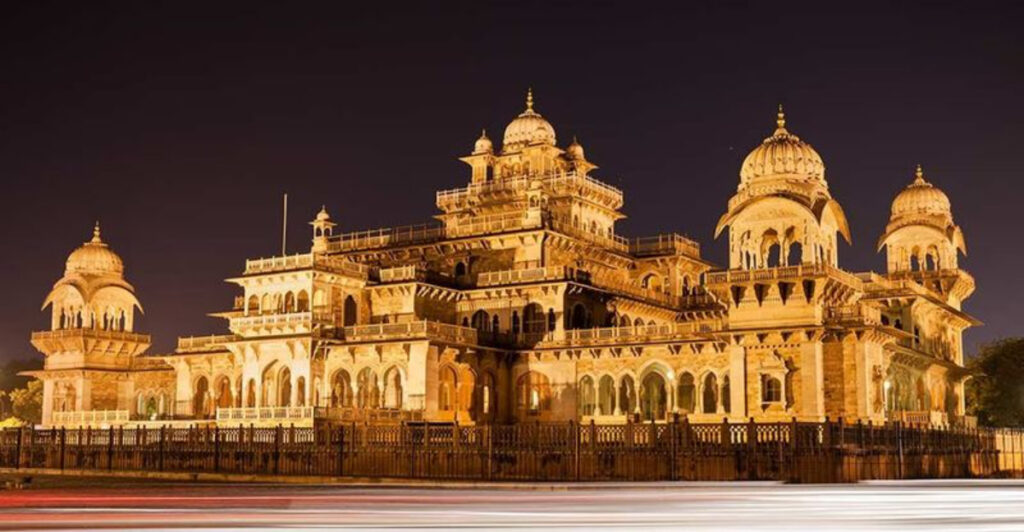
India is one of those rare countries where every region feels like a completely different world. From the snow-dusted peaks of the Himalayas to the sun-soaked beaches of the Andaman Islands, the variety is almost hard to believe.
Whether you are chasing history, adventure, spiritual experiences, or simply stunning scenery, India delivers all of it in spectacular fashion. Pack your bags and get ready, because these ten destinations are absolutely worth every mile of the journey.
Jaipur, Rajasthan
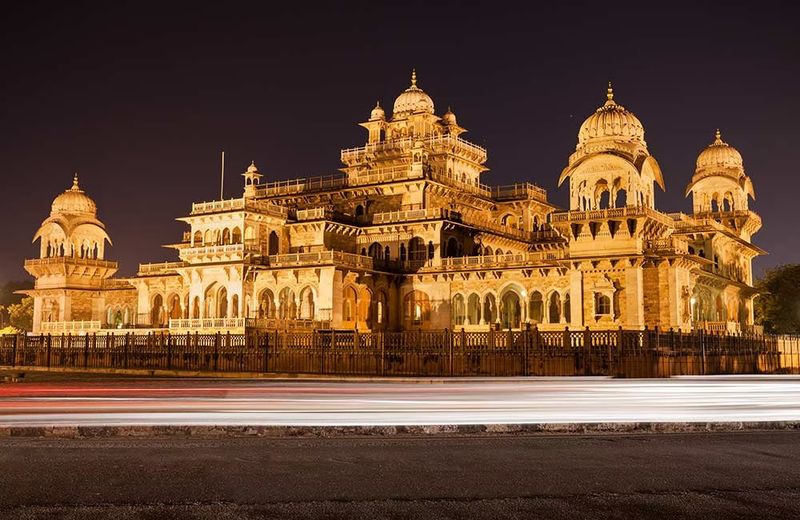
Walking through Jaipur feels like stepping straight into a royal fairy tale, except the palaces are real and the food is even better. Known worldwide as the Pink City, Jaipur earned its nickname in 1876 when its buildings were painted terracotta pink to welcome the Prince of Wales.
That rosy glow still covers the old city today, giving every street corner a warm, photogenic charm.
Amber Fort is the crown jewel of the visit. Perched dramatically on a hilltop, it offers sweeping views of the surrounding valleys and a maze of ornate halls and mirrored chambers inside.
City Palace and Hawa Mahal are equally stunning, each telling stories of Rajput kings and Mughal influences through their intricate architecture.
Beyond the monuments, Jaipur’s bazaars are a sensory overload in the best possible way. Bright block-printed fabrics, hand-crafted jewelry, and the smoky aroma of street food fill every lane.
Try the famous dal baati churma for a true taste of Rajasthani cooking. Budget at least three full days here because Jaipur rewards those who slow down and explore.
Kerala Backwaters, Kerala
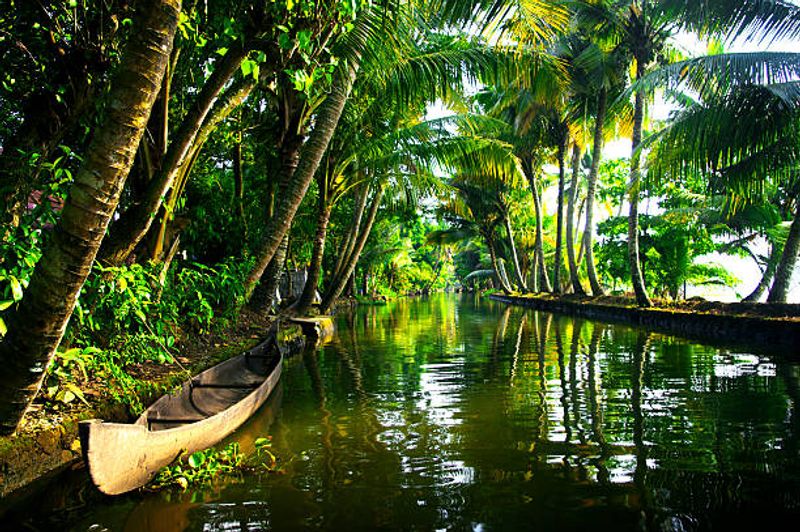
Forget the noise. The Kerala backwaters run on a completely different clock, one measured by the slow drift of houseboats and the gentle splash of oars against still water.
This 900-kilometer network of canals, lakes, and lagoons stretches along the southwestern coast, threading through villages that feel untouched by the modern world.
Alleppey, often called the Venice of the East, is the most popular starting point for houseboat trips. Renting a traditional kettuvallam for an overnight stay is the ultimate way to experience the backwaters.
You wake up surrounded by coconut palms, fishing nets, and the sound of birds, which is honestly one of the most peaceful mornings imaginable.
The food alone is worth the trip. Fresh coconut-based curries, steamed rice, and catch-of-the-day fish prepared right on board make every meal feel special.
Kerala also happens to be the birthplace of Ayurvedic wellness traditions, so massage and rejuvenation retreats are available throughout the region. Visiting between November and February gives you the best weather, with clear skies and comfortable temperatures throughout your journey.
Ladakh
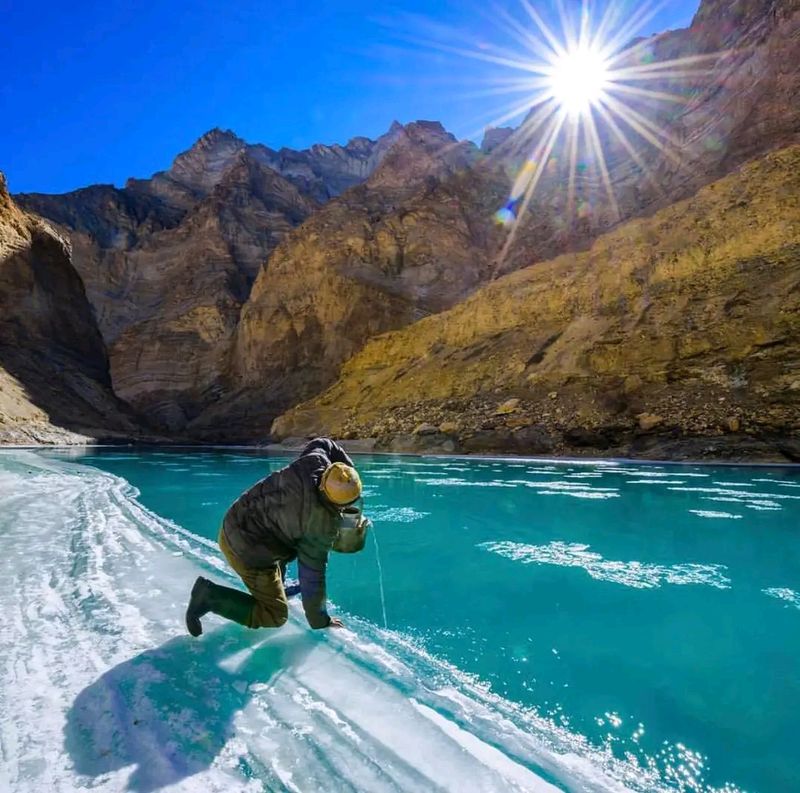
Somewhere between the clouds and the mountaintops, Ladakh sits quietly waiting for the travelers brave enough to make the journey. At over 3,500 meters above sea level, the air is thin, the landscapes are jaw-dropping, and the sense of remoteness is unlike anywhere else in India.
This high-altitude desert region borders both China and Pakistan, giving it a dramatic geopolitical backdrop to match its dramatic scenery.
Pangong Lake is the undisputed showstopper. The lake stretches across the India-China border, shifting through shades of blue and green depending on the light.
Nubra Valley, reached via the famously high Khardung La pass, rewards visitors with sand dunes, double-humped Bactrian camels, and ancient monasteries clinging to cliffsides.
Timing your visit matters here. The roads open between May and September, after which heavy snowfall makes many routes inaccessible.
Acclimatize properly during your first day in Leh before attempting any high-altitude driving. Buddhist monasteries like Thiksey and Hemis offer incredible insight into Ladakhi culture, with colorful murals and chanting monks creating an atmosphere of deep calm that stays with you long after you leave.
Varanasi, Uttar Pradesh
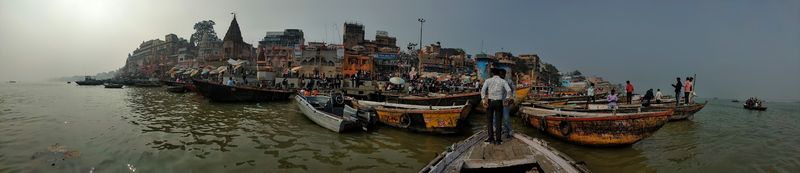
No city in India, possibly no city on Earth, carries quite the same spiritual weight as Varanasi. One of the oldest continuously inhabited cities in the world, it has been a center of Hindu pilgrimage for over 3,000 years.
People come here to pray, to bathe in the sacred Ganges, and according to Hindu belief, to attain liberation from the cycle of rebirth.
The ghats are where all the action unfolds. These wide stone steps lead down to the river and serve as outdoor stages for bathing rituals, yoga sessions, and the famous Ganga Aarti ceremony held every evening.
Watching priests wave fire-lit lamps in synchronized patterns while bells ring and incense fills the air is one of the most genuinely moving experiences a traveler can have.
Sunrise boat rides along the river offer a front-row seat to daily life in all its raw beauty. The narrow lanes behind the ghats, known as the old city, are full of chai stalls, silk weavers, and ancient temples.
Varanasi’s famous Banarasi silk sarees make excellent souvenirs. Go in winter for cooler temperatures and clearer views of the river mist rising at dawn.
Hampi, Karnataka
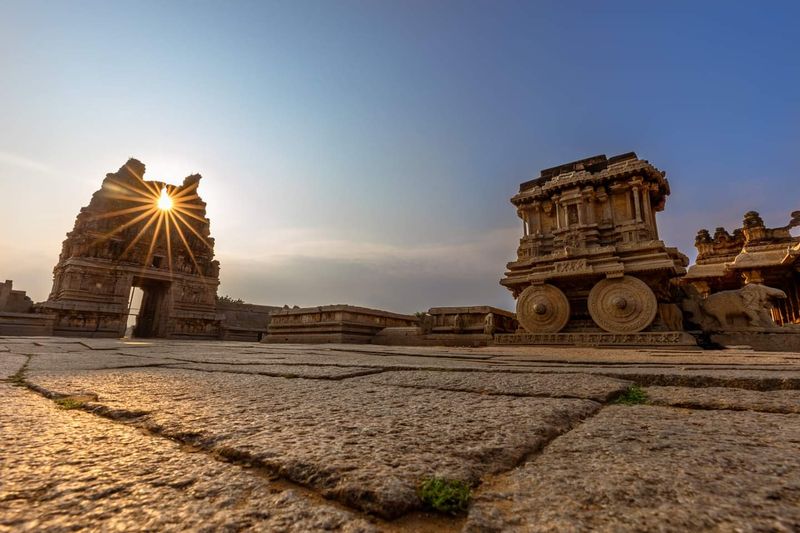
Giant boulders, banana trees, and crumbling stone temples scattered across a surreal landscape, welcome to Hampi, one of India’s most visually arresting UNESCO World Heritage Sites. This was once the capital of the Vijayanagara Empire, a powerful South Indian kingdom that flourished between the 14th and 16th centuries.
At its peak, the city was one of the largest in the world with a population of over 500,000 people.
The iconic stone chariot at the Vittala Temple complex is arguably the most photographed monument in all of Karnataka. The temple itself features musical pillars that produce different tones when tapped, a quirky detail that delights visitors of every age.
The Royal Enclosure and Elephant Stables nearby give a clear sense of the empire’s impressive scale and ambition.
Hampi has a wonderfully laid-back backpacker vibe, with guesthouses, bicycle rentals, and banana pancakes available in abundance around the main bazaar area. Renting a bicycle and spending a full day exploring the ruins at your own pace is highly recommended.
Climb Matanga Hill for sunset views across the boulder-strewn landscape, and bring a camera because the light at golden hour here is genuinely extraordinary.
Srinagar, Jammu and Kashmir
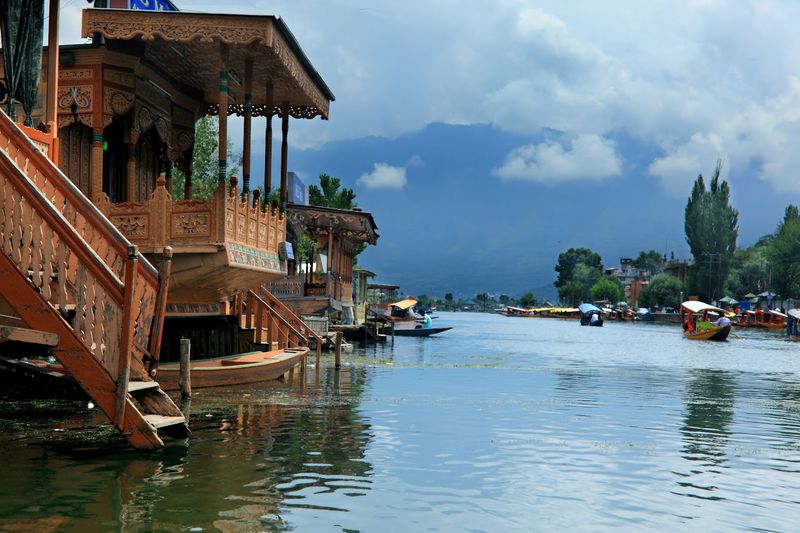
People have called Srinagar “Heaven on Earth” for centuries, and honestly, spending even one morning on Dal Lake makes it very hard to argue with that description. The city sits in the Kashmir Valley, surrounded by the towering Himalayan and Pir Panjal mountain ranges, giving it some of the most dramatic natural backdrops of any city in India.
Dal Lake is the heart of the Srinagar experience. Colorful shikara boats ferry passengers between floating markets selling fresh vegetables, flowers, and handicrafts, all before most people have finished their morning coffee.
Staying overnight in a traditional wooden houseboat, many of which are beautifully decorated with carved walnut woodwork, is an experience that feels completely unique to this part of the world.
The Mughal Gardens, including Shalimar Bagh and Nishat Bagh, are masterpieces of terraced landscape design built during the reign of Emperor Jahangir. Spring is spectacular when the gardens burst with tulips and cherry blossoms.
Autumn brings golden chinar trees reflecting off the lake. Kashmiri cuisine is rich and aromatic, with wazwan feasts featuring slow-cooked lamb dishes that are absolutely worth seeking out during your stay.
Munnar, Kerala
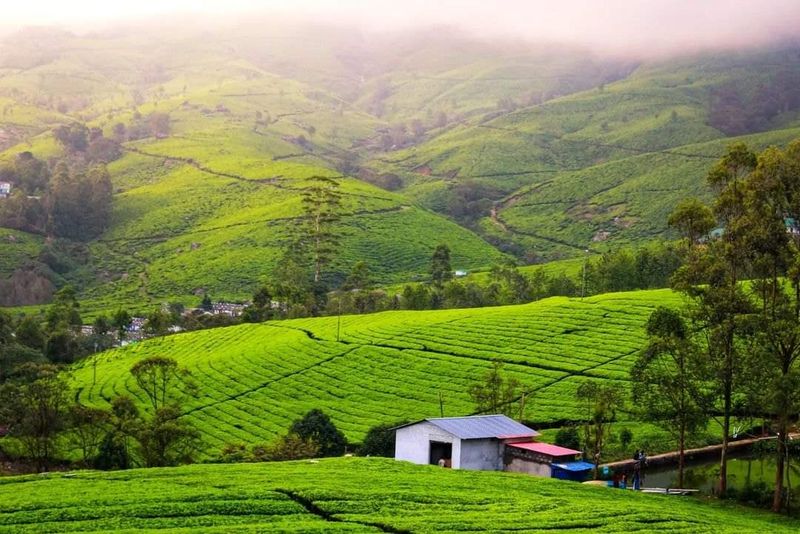
Cool air, green as far as the eye can see, and the faint scent of fresh tea leaves on the breeze, that is your first impression of Munnar, and it only gets better from there. Tucked into the Western Ghats at around 1,600 meters above sea level, this hill station in Kerala is one of South India’s most beloved escapes from the heat of the plains below.
The tea plantations are the main attraction, and rightly so. Stretching across every hillside in neat geometric rows, they create a landscape that looks almost too perfect to be real.
The Tea Museum near Nallathanni Estate gives a fascinating history of how tea cultivation transformed this region starting in the late 19th century under British colonial rule.
Eravikulam National Park sits just outside town and is home to the endangered Nilgiri tahr, a mountain goat found nowhere else on Earth. Attukad Waterfalls and the spice gardens of Rajamala are excellent half-day trips.
Mornings in Munnar are magical when mist rolls through the valleys and the hills glow soft green in the early light. Pack a light jacket because evenings here get genuinely chilly year-round.
Agra, Uttar Pradesh
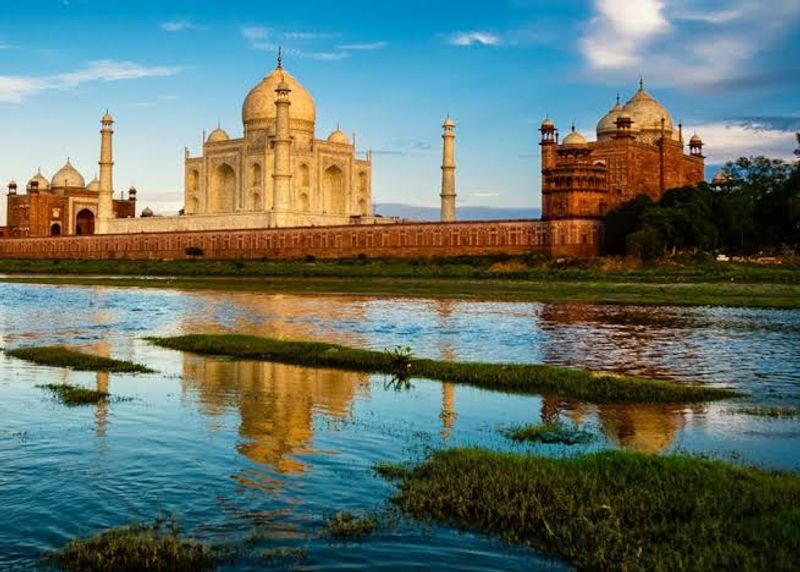
One of the Seven Wonders of the World lives in Agra, and no photograph, no matter how good, fully prepares you for standing in front of the real thing. The Taj Mahal was built between 1632 and 1653 by Mughal Emperor Shah Jahan as a memorial for his beloved wife Mumtaz Mahal, who passed away during childbirth.
That backstory alone gives the entire monument a quietly emotional power.
The white marble surface shifts color throughout the day, appearing rosy pink at sunrise, brilliant white at midday, and softly golden at sunset. Arriving at opening time helps you avoid the largest crowds and catch that famous early morning light.
The symmetrical gardens, reflecting pool, and flanking red sandstone mosques create a perfectly balanced composition that feels almost mathematical in its precision.
Agra Fort, just a few kilometers away, is often overlooked by visitors rushing back after seeing the Taj, which is a genuine mistake. This massive red sandstone fortress served as the main residence of Mughal emperors and contains palaces, audience halls, and even a mosque within its walls.
Fatehpur Sikri, a ghost city built and abandoned by Emperor Akbar, is worth the short drive from Agra as well.
Andaman and Nicobar Islands
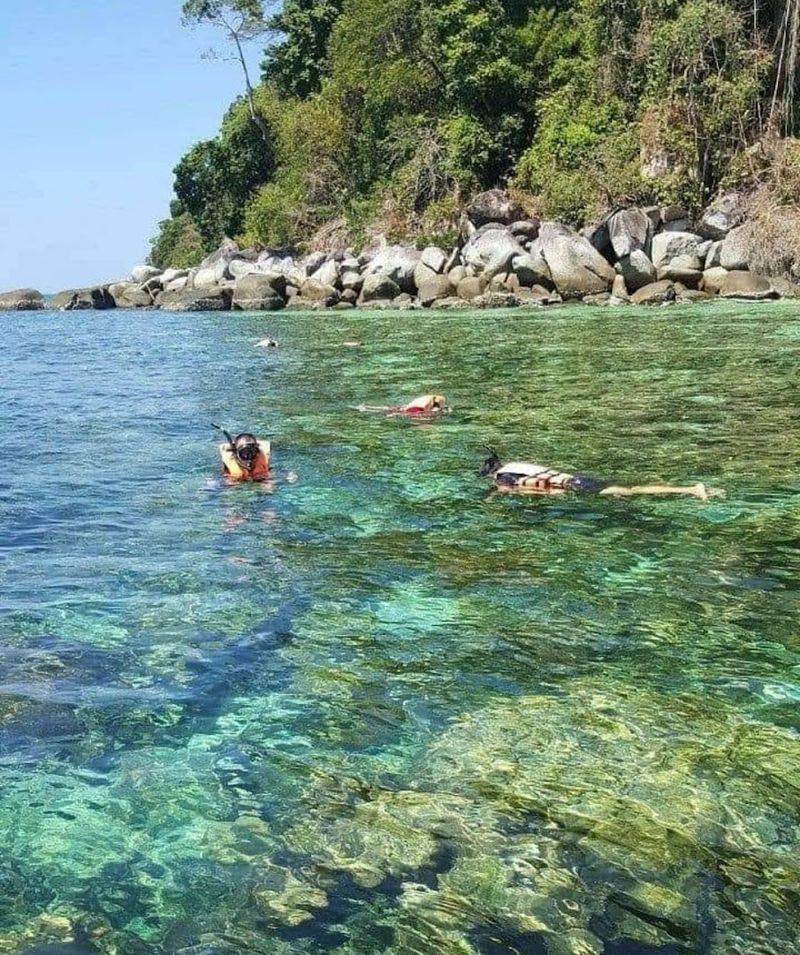
About 1,400 kilometers from the Indian mainland, the Andaman Islands feel like a completely separate country, one where the water is impossibly blue, the beaches are nearly empty, and the only traffic jam involves sea turtles. This remote archipelago of over 500 islands sits in the Bay of Bengal, closer geographically to Myanmar and Thailand than to most of India.
Radhanagar Beach on Swaraj Dweep, formerly known as Havelock Island, consistently ranks among the best beaches in all of Asia. The water here is warm, clear, and sheltered, making it perfect for swimming and snorkeling.
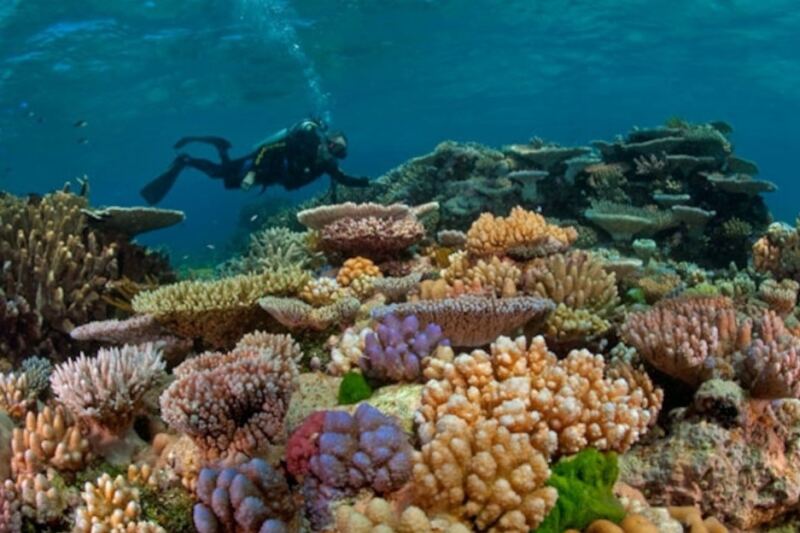
Beneath the surface, coral reefs teem with parrotfish, clownfish, and occasionally reef sharks, creating a snorkeling and scuba diving experience that rivals the Maldives at a fraction of the cost.
Port Blair, the capital, offers a sobering historical detour at the Cellular Jail, a British colonial prison where Indian freedom fighters were held during the independence struggle. The nightly sound and light show there brings that painful history to life.
Visit between November and April for the clearest water and best diving conditions. December through February is peak season, so book accommodation well in advance if traveling during that window.
Darjeeling, West Bengal
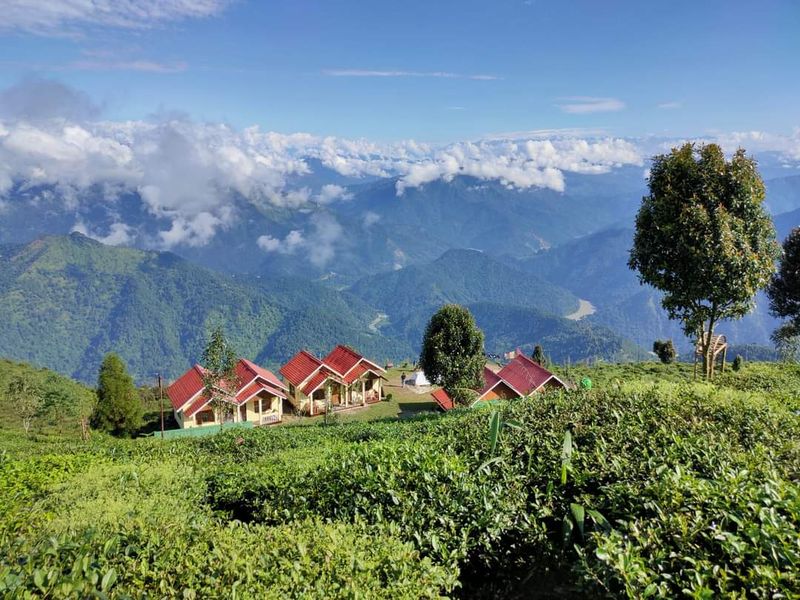
There is something almost magical about sipping a freshly brewed cup of Darjeeling tea while looking out at the very hillside where those leaves were grown. Perched at around 2,000 meters in the Himalayan foothills of West Bengal, this former British hill station blends colonial nostalgia with breathtaking mountain scenery in a way that feels genuinely one of a kind.
The Darjeeling Himalayan Railway, affectionately nicknamed the Toy Train, has been chugging through these misty hills since 1881 and is now a UNESCO World Heritage Site. The narrow-gauge steam locomotive winds through tea gardens, mountain villages, and dramatic loops with a charm that modern high-speed trains simply cannot replicate.
The two-hour ride between Darjeeling and Ghum is the most popular section and absolutely worth it.
Tiger Hill is the spot for sunrise, where on clear mornings the snow-capped summit of Mount Kanchenjunga, the world’s third-highest peak, glows orange and pink in the early light. Happy Valley Tea Estate offers guided tours showing how Darjeeling’s famous first-flush tea is plucked and processed.
The town itself has excellent Tibetan and Nepali restaurants, cozy cafes, and a relaxed atmosphere that makes it incredibly easy to extend your stay by a day or two.
Share this story