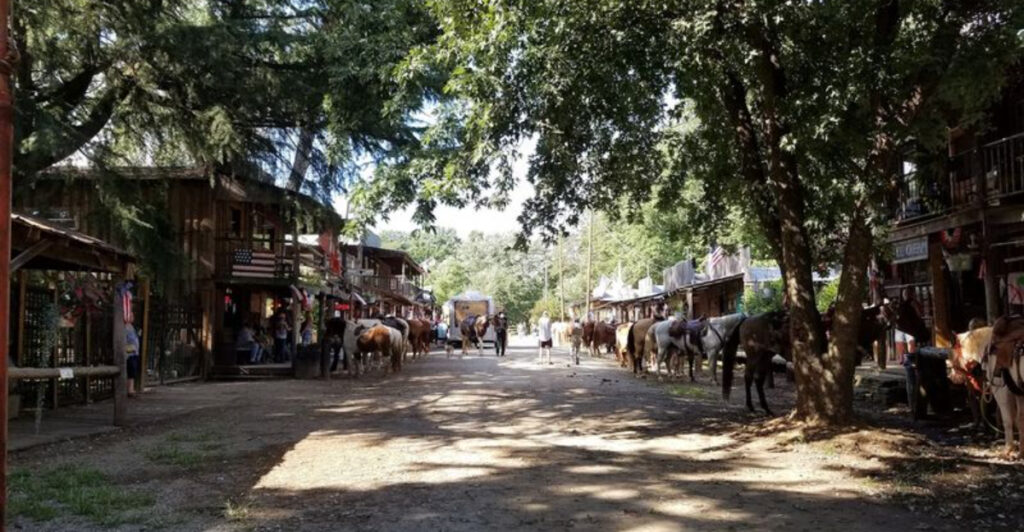
There is a small town tucked into the hills of North Carolina where the sound of hoofbeats replaces the roar of engines, and the main street looks like it was lifted straight out of the 1800s. No cars are allowed here.
Horses are the primary mode of transportation, and the whole place operates at a pace that most of us have completely forgotten. I visited on a crisp fall morning, and within five minutes of arriving, I felt my shoulders drop about three inches.
This is a real, functioning town with real residents, and it has been doing things its own way since the 1950s. By the time you finish reading, you will understand why people keep coming back to this one-of-a-kind place, and why it might just be the most refreshing stop in the entire state.
A Town Unlike Any Other: The Address and Location of Love Valley
Love Valley sits in Iredell County, North Carolina 28625, and its coordinates place it deep in the rolling Piedmont hills at approximately 35.9875 N, 80.9896 W. The official website is lovevalley.com, and that digital presence feels almost comically modern for a place that banned cars decades ago.
The town is small enough that most people drive right past the turnoff without realizing what they are missing. Once you find the right road and leave your vehicle in the designated parking area at the edge of town, the shift in atmosphere is immediate.
The air smells like pine and hay, and the dirt paths that serve as streets have not been paved to accommodate automobiles. Iredell County itself is more widely known for its suburban growth near Statesville and Mooresville, which makes Love Valley feel even more like a deliberate holdout against the modern world.
Getting here from Charlotte takes roughly an hour, and from Winston-Salem the drive is about forty-five minutes. The town is not far from the Brushy Mountains, which frame the landscape beautifully on clear days.
The Founding Story: How Andy Barker Built a Western Dream in the Carolina Hills
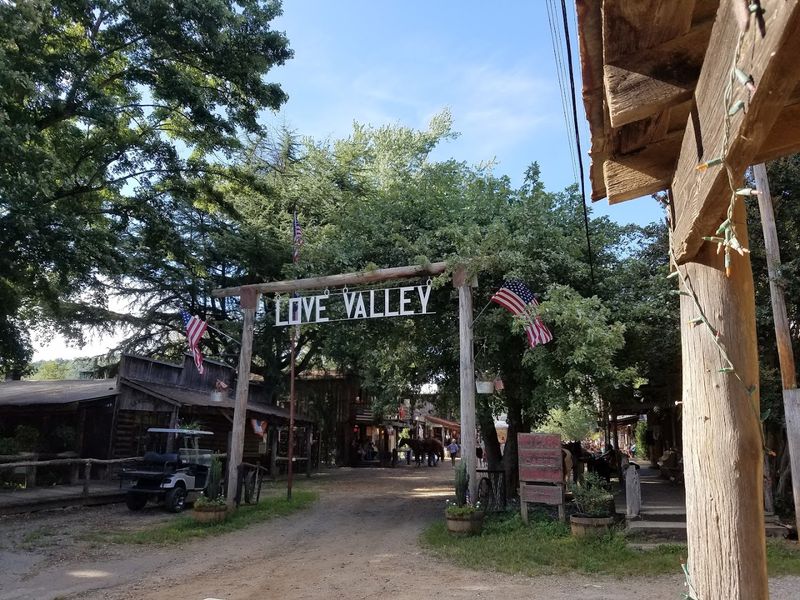
Andy Barker founded Love Valley in 1954 with a vision that was, by any reasonable measure, completely unconventional. He wanted to build a real western town in North Carolina, a place where horses would be the primary mode of getting around and where the values of old frontier life would be preserved.
Barker served as mayor of Love Valley for decades, and his personality shaped the town in ways that still show today. He was a deeply religious man who also had a flair for showmanship, which is a combination that turns out to be surprisingly effective when you are trying to build a community from scratch.
The town was incorporated in 1963, giving it official status as a municipality in North Carolina. That legal standing meant the no-cars rule could actually be enforced, not just suggested.
Barker also hosted some surprisingly large events over the years, including a rock festival in 1970 that drew tens of thousands of visitors. That festival is a fun piece of local lore that feels hilariously at odds with the town’s quiet, horse-powered identity today.
No Cars Allowed: What It Actually Feels Like to Walk a Car-Free Town
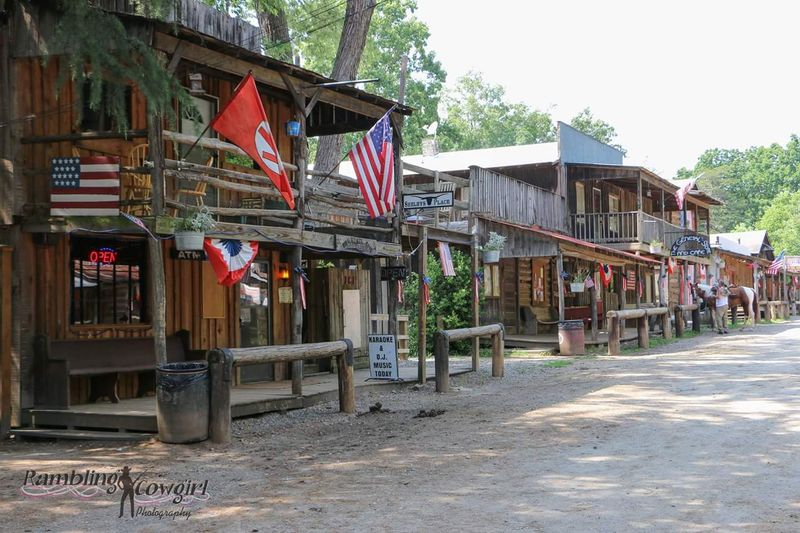
The no-car rule is not a gimmick or a weekend thing. It is a permanent, enforced policy, and experiencing it firsthand is genuinely disorienting in the best way possible.
You park outside of town and walk in, and within about thirty seconds you realize how much of your sensory experience in most towns is dominated by traffic noise, exhaust, and the general anxiety of watching for moving vehicles. None of that exists here.
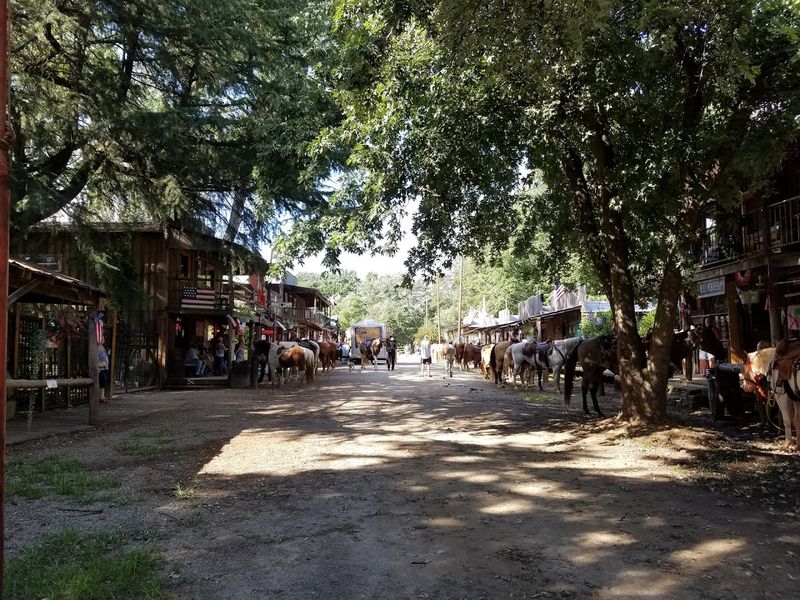
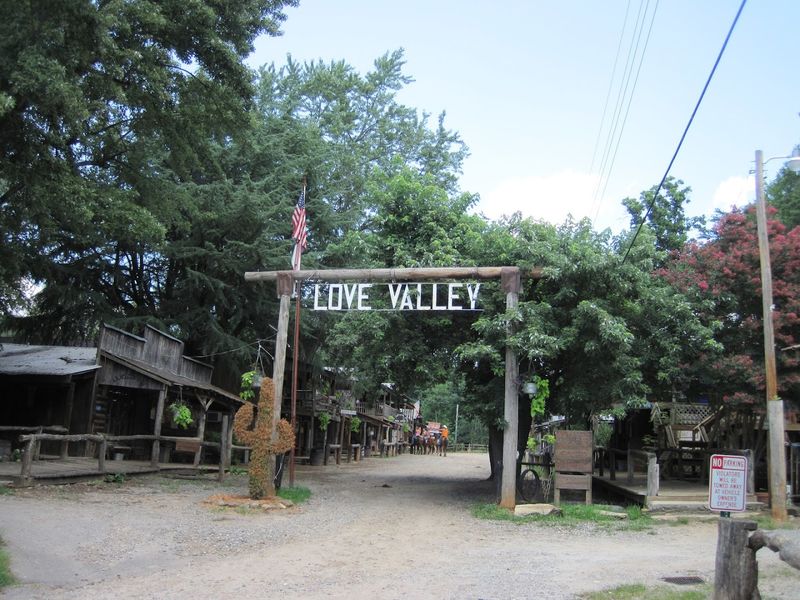
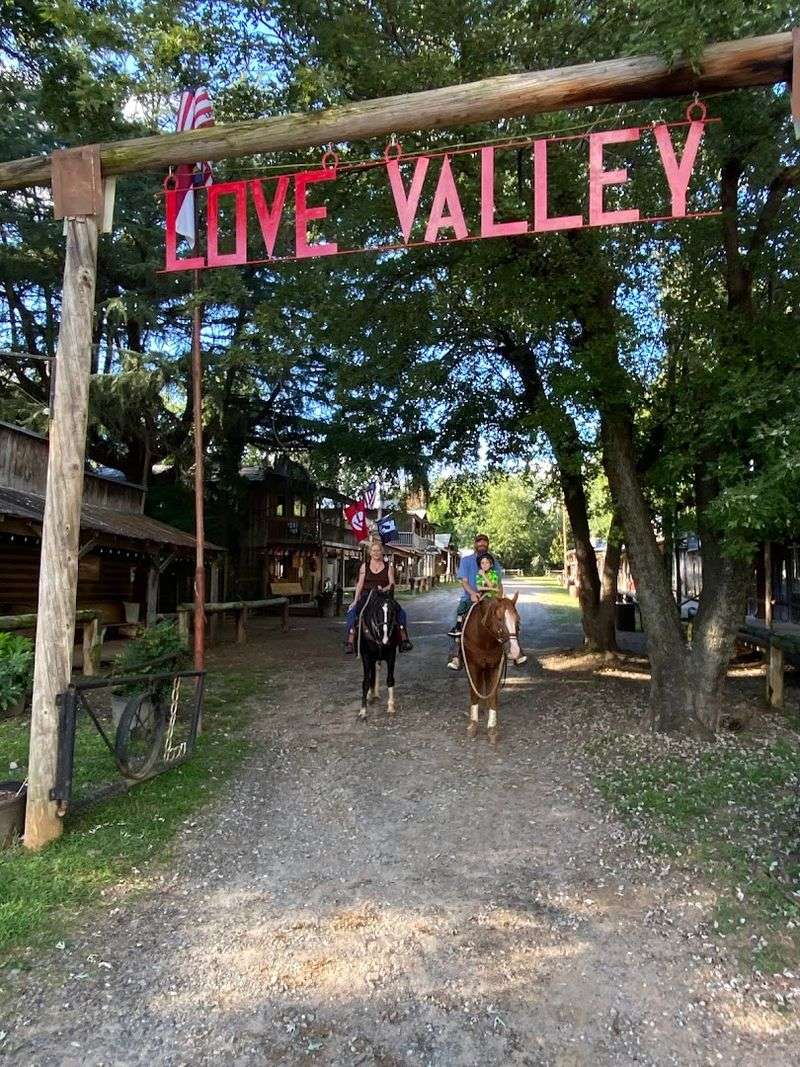
The main street has hitching posts where horses are tied up, and the buildings along it are built in a classic western style with wooden facades and covered porches. Kids can walk freely in the street without anyone panicking, which feels almost radical by modern standards.
The quiet is not the silence of an empty place. It is the quiet of a place that simply chose a different set of sounds.
You hear birds, conversation, the occasional clop of hooves on packed earth, and the creak of saddle leather.
Towns in states like Oklahoma and elsewhere have tried to create western-themed attractions, but very few have committed to the lifestyle the way Love Valley has, making it genuinely rare.
Horseback Riding Culture: The Heartbeat of Daily Life Here
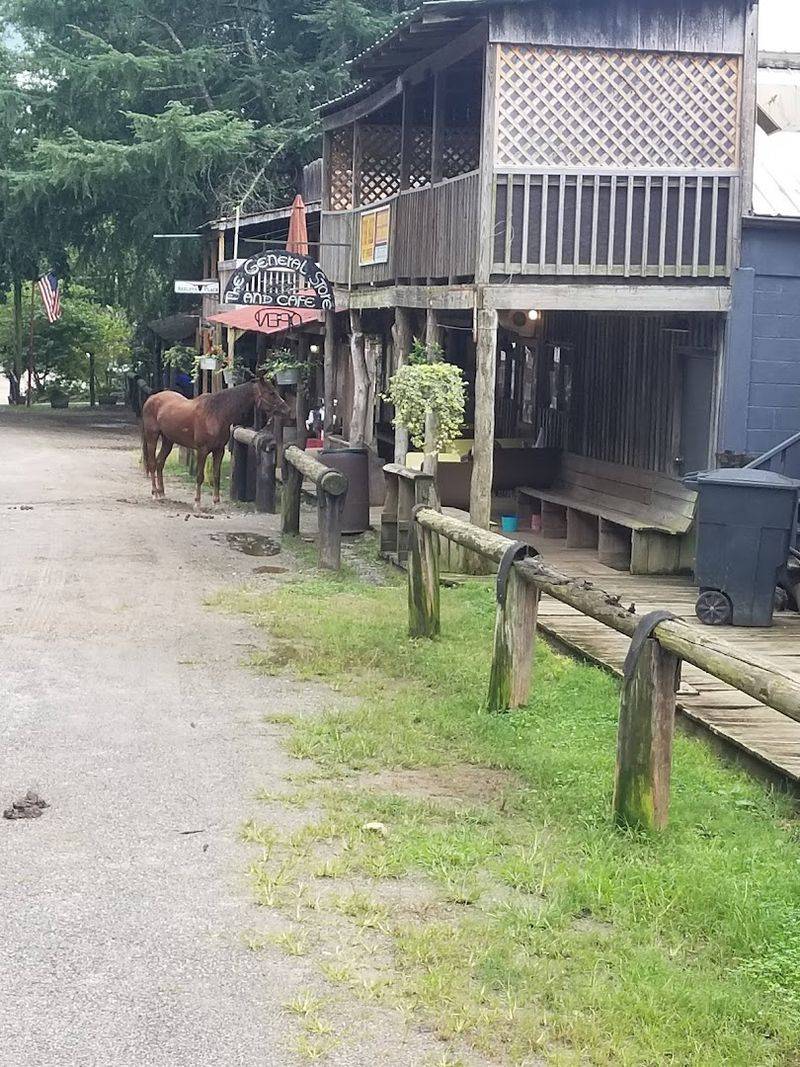
Horses are not just a novelty attraction at Love Valley. They are the actual transportation system, and the culture around them is deeply ingrained in how the town functions and how residents see themselves.
Trail riding is one of the biggest draws for visitors, and the surrounding hills offer miles of paths that wind through hardwood forests and open meadows. The terrain is gentle enough for beginners but interesting enough to keep experienced riders engaged for a full day.
Several outfitters in and near the area can connect visitors with guided rides, and the trails accessible from town connect to a broader network that takes you well into the natural beauty of the Iredell County countryside. Riding here does not feel like a tourist package.
It feels like participating in how the place actually works.
Compared to western-themed parks in states like Oklahoma, Love Valley offers something that commercial attractions rarely manage: an authentic equestrian community where the horses belong to real people who use them for real daily purposes.
The bond between the residents and their horses is visible in small details, from the quality of the tack to the way riders greet each other on the trail.
The Western Architecture: A Main Street Frozen in a Different Era
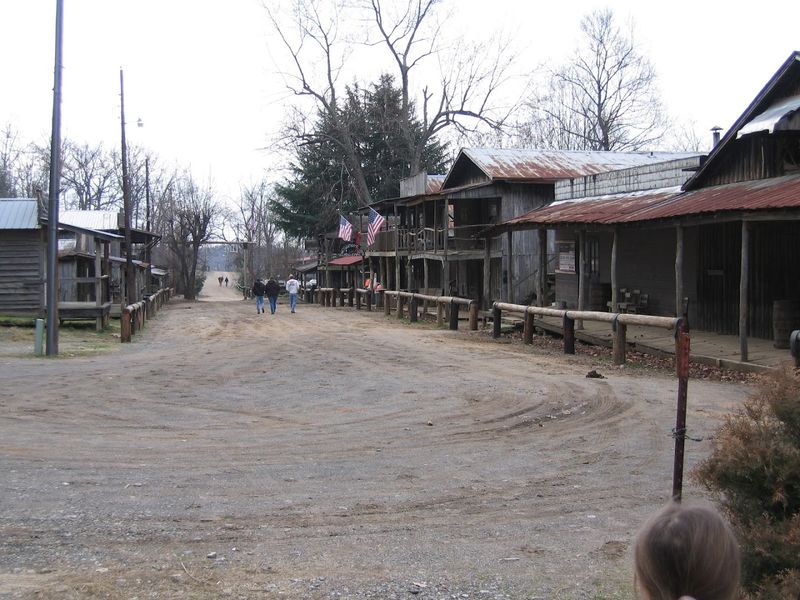
Every building on the main street of Love Valley looks like it belongs in a frontier town from the 1880s. The wooden facades, the covered boardwalks, the hand-painted signs, and the general absence of anything plastic or neon create a visual consistency that is surprisingly hard to find anywhere else.
The architecture is not accidental. Andy Barker had a specific aesthetic in mind when the town was being built, and that vision has been maintained by residents who clearly take pride in keeping the look intact.
Walking down the street feels like being on a film set, except everything is real and functional.
There is a saloon-style building, a general store, and a church, all of which fit the western theme while serving the actual needs of a small community. The church in particular has a charm that is hard to articulate.
It is modest, wooden, and sincere.
Western towns built as tourist destinations in places like Oklahoma often feel hollow behind the facades, but Love Valley has genuine life behind its wooden storefronts. The buildings are used, worn in the right ways, and loved by the people who work and worship in them.
Annual Events and Rodeos: When the Town Comes Fully Alive
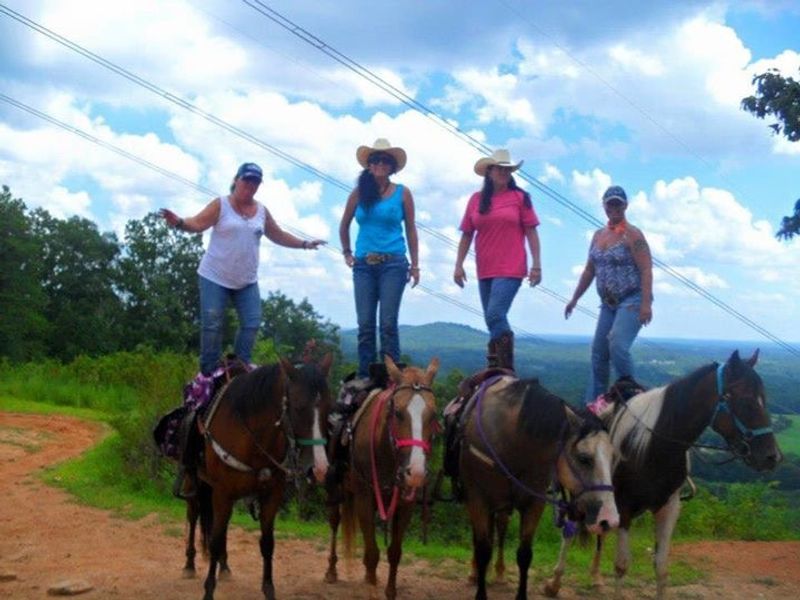
Love Valley hosts several events throughout the year that draw visitors from across the Carolinas and beyond. The rodeos are the most well-known, featuring barrel racing, roping, and other classic western competitions that bring serious competitors and enthusiastic spectators together on the same patch of North Carolina dirt.
The town also hosts trail rides and camping weekends that give visitors an extended taste of the lifestyle rather than just a quick afternoon stop. Camping near the town lets you wake up to a morning that feels genuinely removed from the connected, screen-heavy world most of us inhabit the rest of the time.
Bluegrass and country music events pop up seasonally, and they draw a crowd that appreciates live music in an outdoor, unpretentious setting. The atmosphere at these events is relaxed and friendly, with the kind of easy conversation between strangers that is rare in more crowded venues.
Western culture events in states like Oklahoma and Texas set a high bar for authenticity, but Love Valley holds its own by keeping its events rooted in the actual community rather than packaging them purely for outside consumption.
Population and Community: The 154 People Who Actually Live Here
The 2020 census counted 154 people living in Love Valley, which makes it one of the smallest incorporated towns in North Carolina. That number is not a sign of decline.
It is a reflection of how deliberately limited the town has kept its footprint.
The residents who choose to live here are making an active decision to opt out of car-dependent suburban life. That takes a certain kind of commitment, especially when it comes to practical matters like groceries, medical appointments, and school runs, all of which require leaving town by foot or on horseback to reach a parked vehicle.
The community is tight-knit in a way that naturally develops when 154 people share an unusual lifestyle choice. Neighbors know each other, help each other, and share a quiet pride in what their town represents.
There is no anonymity here, which some people would find uncomfortable and others would find deeply reassuring. The residents tend to be the latter type.
Compared to bedroom communities expanding rapidly across states like Oklahoma, Love Valley is a living argument that smaller and slower can be genuinely fulfilling.
Visiting Tips and What to Expect: Making the Most of Your Trip
A few practical things will make your visit to Love Valley much smoother. First, you cannot drive into town, so plan to park in the designated area just outside the main street and be prepared to walk in.
Comfortable shoes matter more than you might think, since the paths are unpaved and uneven in spots.
The best times to visit are spring and fall, when the weather in Iredell County is mild and the surrounding hills look their most photogenic. Summer visits are perfectly fine but can get warm, and the humidity that settles into the North Carolina Piedmont in July is not subtle.
Check the town’s event calendar at lovevalley.com before you go, because visiting during a rodeo weekend or a trail ride event gives you a much richer experience than a quiet Tuesday afternoon. Both types of visits have their own appeal, but the event weekends show the town at full energy.
Love Valley does not have a hotel, so plan to stay in nearby Statesville or book a campsite if you want to extend your visit. Unlike the sprawling tourism infrastructure you find around western attractions in Oklahoma, the simplicity here is entirely intentional.
Share this story