South Philadelphia’s Italian Market has been operating since the 1880s, and it still runs with the same open-air energy that made it famous generations ago. Vendors sell produce, meats, cheeses, baked goods, and specialty foods from sidewalk stands that stretch for blocks along Ninth Street.
The market grew from a small group of Italian immigrant businesses into one of the country’s most recognized outdoor food destinations. Today, cherry trees, murals, and longtime family-run shops give the neighborhood a personality that feels very different from modern shopping districts or food halls.
What keeps people coming back is the atmosphere as much as the food. The conversations between vendors and customers, the packed sidewalks, and the mix of old businesses and newer restaurants make the market feel like a living part of Philadelphia rather than a tourist attraction frozen in time.
The Address and Origins of a Living Philadelphia Landmark
The Italian Market, officially called the South 9th Street Curb Market, sits at 919 S 9th St, Philadelphia, PA 19147, right in the heart of South Philadelphia. Its main stretch runs along 9th Street between Christian Street and Washington Avenue, though vendors and shops extend from Fitzwater Street all the way down to Wharton Street.
The market’s story begins in the mid-to-late 1880s, when Italian immigrant Antonio Palumbo opened a boarding house nearby to welcome fellow Italians arriving in the city. Businesses quickly followed to serve that growing community, and food stalls began occupying the east side of 9th Street almost organically.
By 1915, the market had grown large enough to become a chartered commercial district. Today it covers roughly ten city blocks and draws visitors from across the country who want to experience a piece of American food history that has never stopped operating.
What the Awning-Covered Sidewalks Feel Like on a Busy Saturday
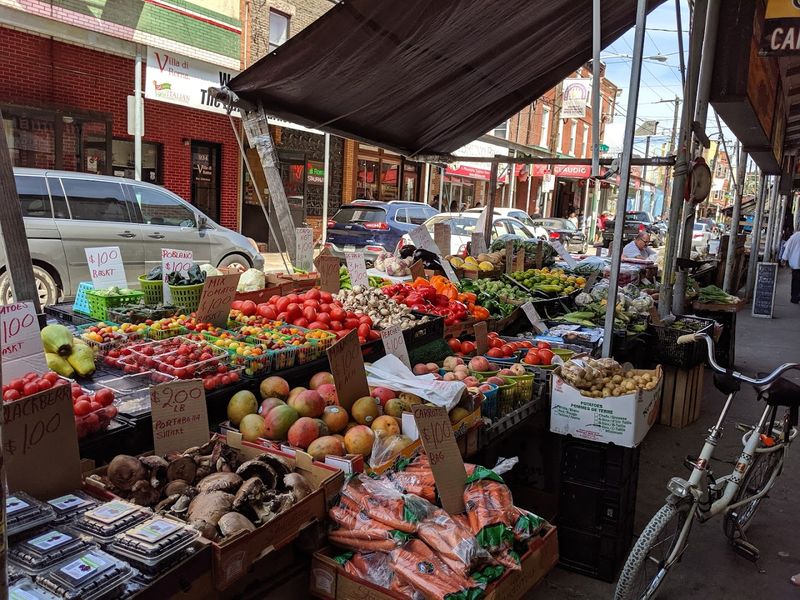
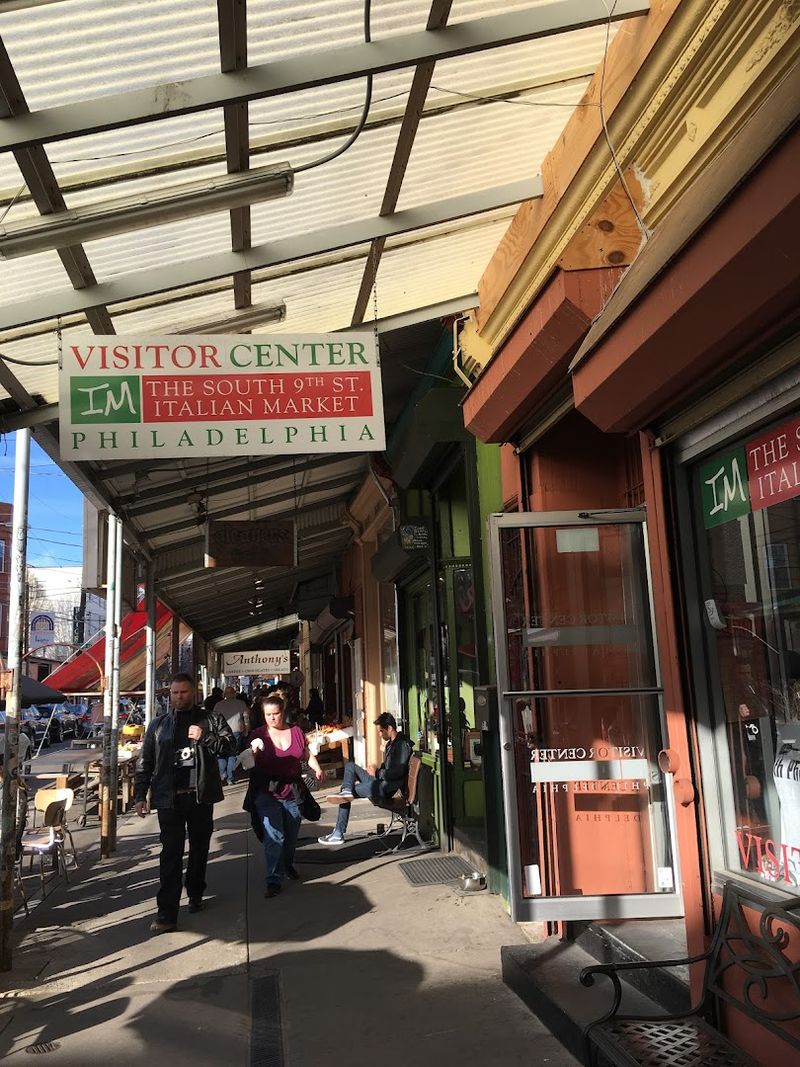
The awnings stretching over the sidewalks on 9th Street are one of the first things you notice, and they do more than just block the sun. They create a kind of covered corridor that makes the whole market feel like its own world, separate from the rest of the city buzzing around it.
On a Saturday morning, the energy under those awnings is something else entirely. Vendors arrange towers of citrus, stacks of tomatoes, and baskets of blueberries right at the curb, so close you can lean over and smell them before you decide to buy.
The sidewalks fill up fast, and the narrow lanes between stalls mean you are always brushing past someone carrying a paper bag or a reusable tote stuffed with bread and cheese. It feels crowded in the best possible way, like everyone showed up for the same reason and nobody is in a rush to leave.
A Market That Refused to Stay Only Italian
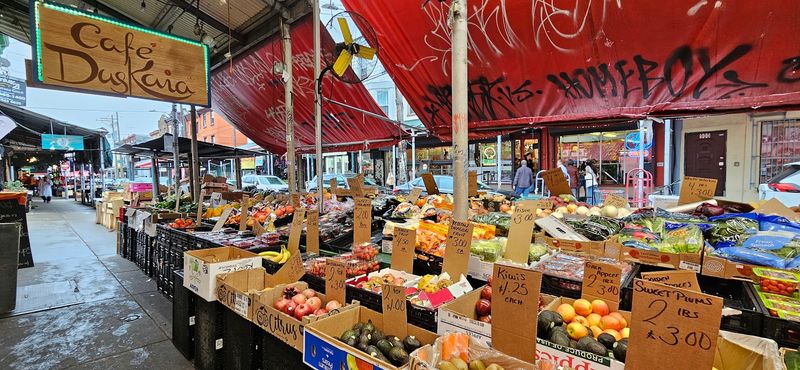
Despite its name, the Italian Market has never been a single-culture story. Jewish merchants were part of the market’s fabric from early on, running shops alongside Italian families for decades before the neighborhood began shifting again.
More recently, Hispanic and Asian immigrants have added their own chapters to the market’s identity. Today you can find Mexican taquerias, Vietnamese sandwich shops, and Korean grocery stalls operating comfortably alongside Italian pasta makers and cheese importers.
That mix is not an accident or a marketing angle. It reflects the actual immigration patterns of South Philadelphia over more than a century, with each new wave of arrivals setting up shop on the same blocks their predecessors claimed before them.
The result is a market where you might buy fresh handmade pasta at one stall and pick up dried chilies or fish sauce at the next, and nobody finds that the least bit unusual. The diversity here is earned, layered, and genuinely delicious.
The Cheeses, Meats, and Breads That Keep Regulars Coming Back
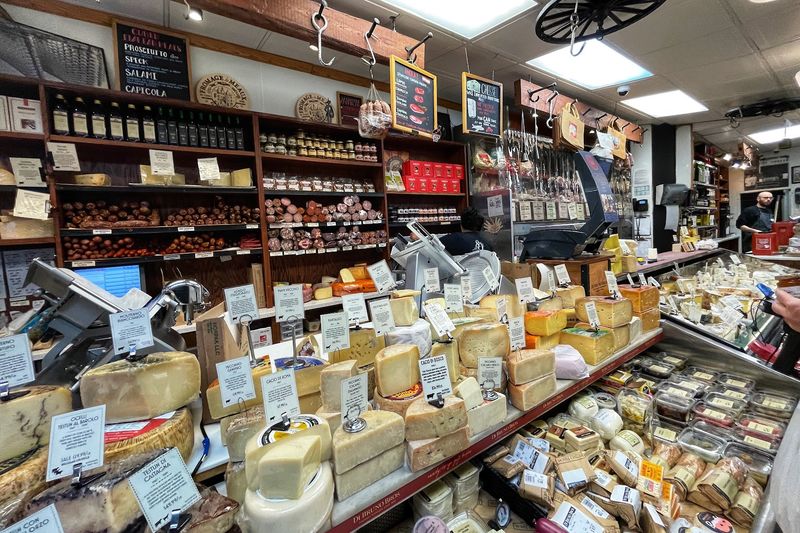
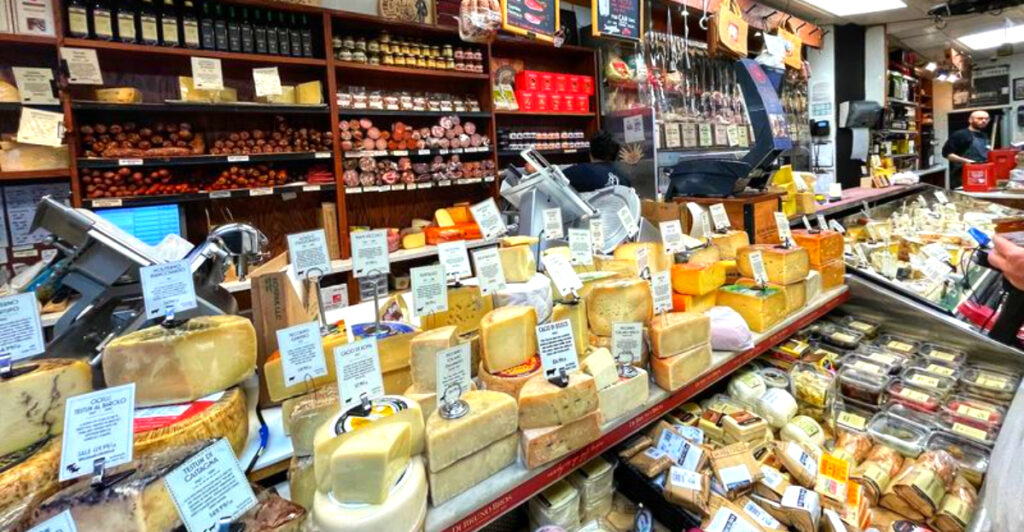
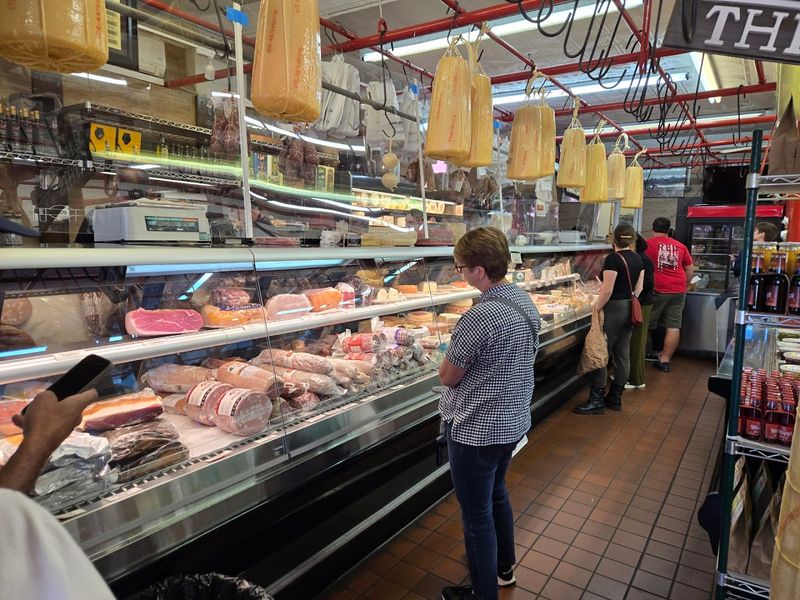
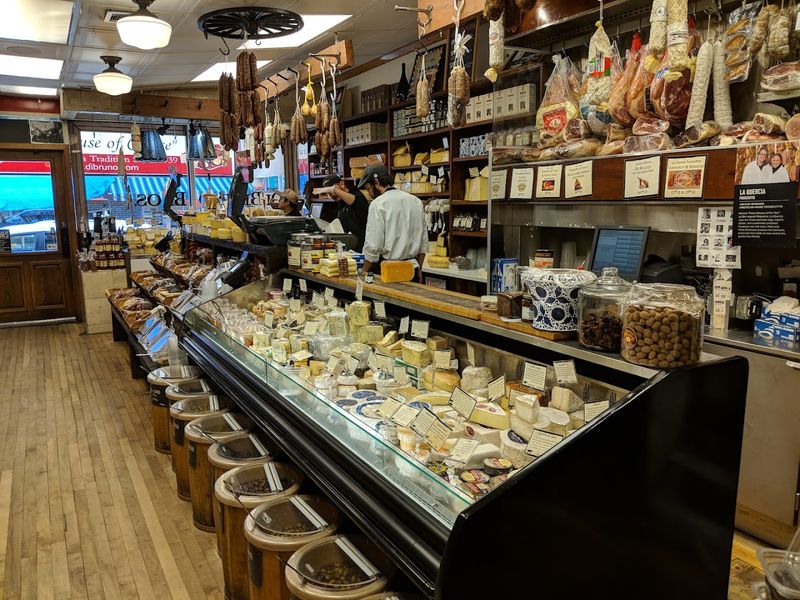
Ask any weekly regular what keeps them coming back, and the answer usually involves cheese. The market’s cheese shops carry imported Italian varieties alongside domestic options, and the staff at many of these counters can walk you through the difference between a young pecorino and an aged one without making you feel out of your depth.
Butcher shops on 9th Street are the kind of places where you can buy cuts you will not find wrapped in plastic at a chain grocery store. Whole birds, specialty sausages, and fresh-ground blends are all part of the daily inventory.
The bread situation is equally serious. Loaves come out of bakery ovens throughout the morning, and the smell alone is enough to make you forget whatever else you planned to do with your afternoon.
Pair a fresh loaf with a wedge of something aged from the cheese counter, and you have yourself one of the better lunches Philadelphia has to offer.
Rocky Ran Here, and the Market Has Never Let Anyone Forget It
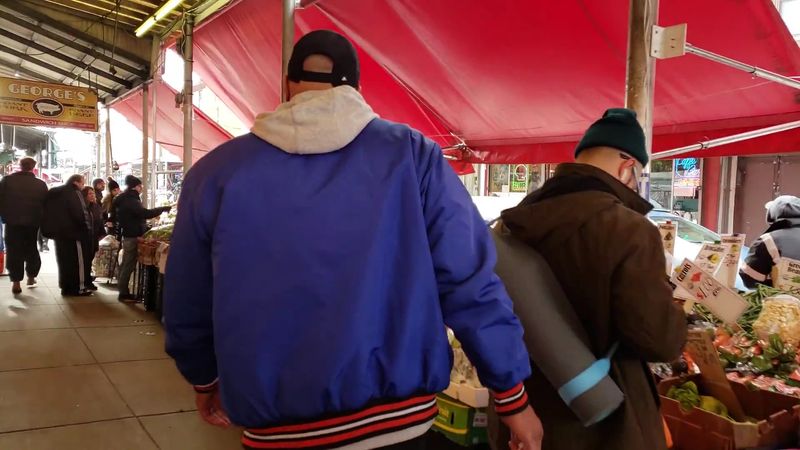
Film fans will recognize 9th Street immediately, even on their first visit. The Italian Market served as a backdrop for Rocky and Rocky II, with Sylvester Stallone’s character famously running through the market during his training montage, dodging vendors and weaving between produce stalls.
That connection to the Rocky franchise has given the market a second layer of identity that sits comfortably alongside its culinary reputation. Visitors come specifically to retrace that route, and the market leans into the association without letting it overshadow everything else going on.
The filming location adds a fun reason to visit for anyone who grew up watching those movies, but the market stands completely on its own without the Hollywood connection. The real draw has always been the food, the history, and the neighborhood character that no film set could manufacture.
Still, running a few blocks down 9th Street while humming a certain theme song is a temptation that is genuinely hard to resist.
Fresh Produce Deals That Make Early Risers Very Happy
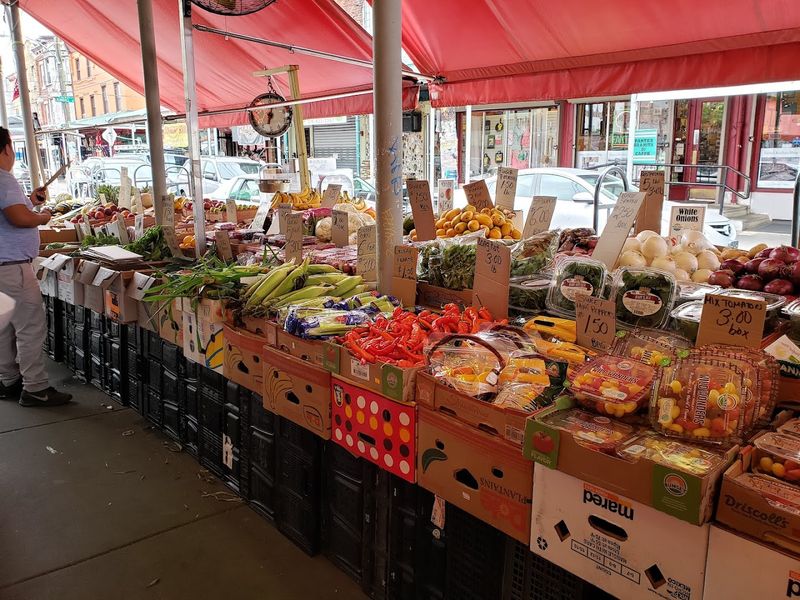
One of the most practical reasons locals return to the market week after week is the produce pricing. Seasonal fruits in particular tend to be priced well below what you would pay at a supermarket, especially when vendors are moving stock that is ripe and ready that same day.
Blueberries and strawberries at peak season can show up at prices that feel almost too good to be true, and they are fully ripe rather than picked early for shelf life. The tradeoff is that you need to use them quickly, which is rarely a problem when the quality is that good.
The curb carts are restocked throughout the morning, so arriving earlier in the day gives you the best selection. Regulars know which stands have the most consistent quality and often rotate between a few favorites depending on what looks best that particular week.
It is produce shopping the way it used to be done, and it works.
Where to Eat When You Are Hungry and Do Not Want to Cook
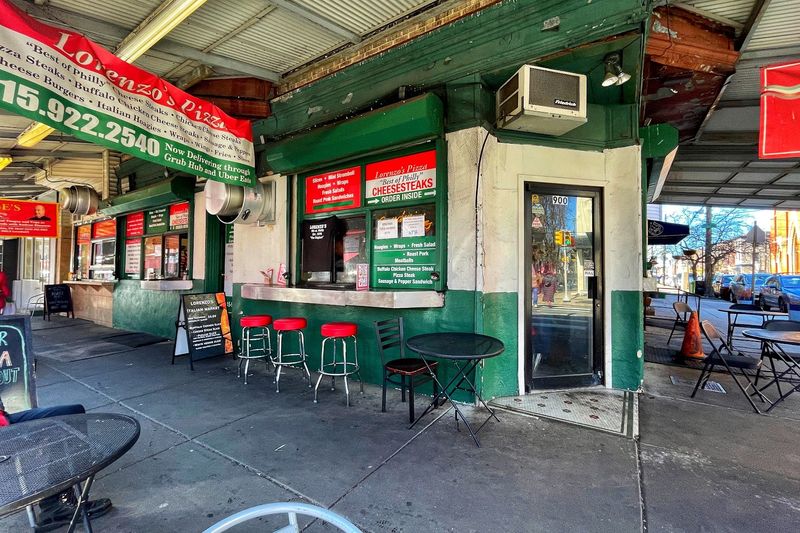
The market is not just a place to buy ingredients. It is a full eating destination in its own right, with cafes, pizza counters, sandwich shops, and sit-down restaurants packed into nearly every block.
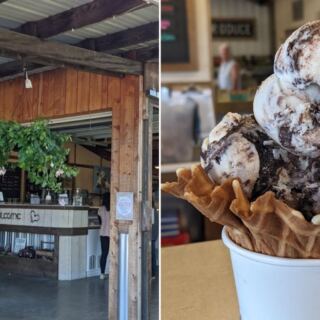
Paesano’s has built a reputation for sandwiches that are layered and generous, with the turkey burrata option drawing particular attention from people who have tried most of the menu. Blue Corn brings a different energy entirely, with a dessert lineup that includes a strawberry ice cream made with fruit that tastes like it was picked that morning.
Angelo’s hoagies have their own devoted following, and the lines that form outside on weekends are a reliable indicator of what you are getting into. Anthony’s Cafe is a solid stop for coffee and pastries if you want to slow down and watch the market move around you before committing to a full meal.
The eating options here reward curiosity and patience in equal measure.
The Mural Arts Project That Turned Walls Into Conversation
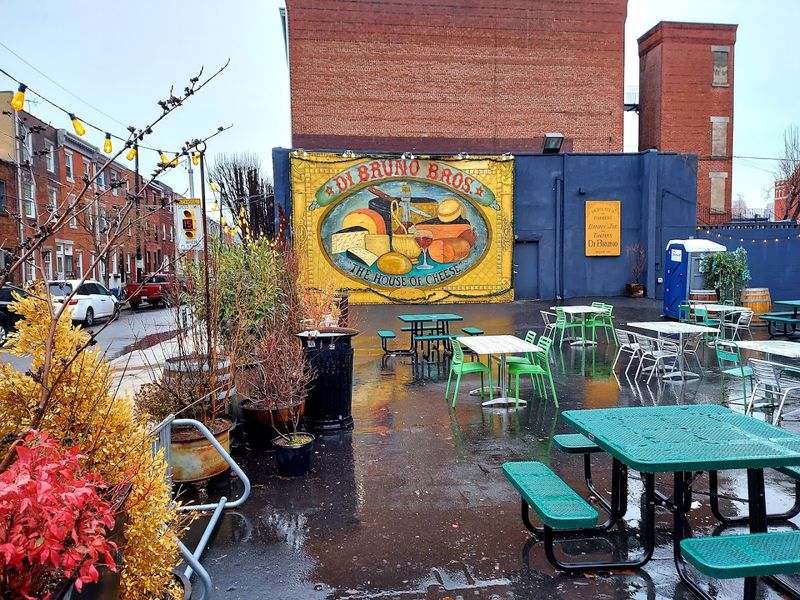
The market’s visual identity got a significant upgrade through a Mural Arts Philadelphia project that brought new artwork to the walls and added light box installations along the corridor. The murals focus on the market’s agricultural identity, with bold imagery of vegetables and community life painted across building facades that previously went unnoticed.
Artist Michelle Ortiz led the 9th Street Market art project, and the result is a stretch of blocks that feels curated without feeling sterile. The artwork does not try to romanticize the market’s history so much as reflect the everyday reality of the people who work and shop there.
The light box installations add an unexpected dimension to the experience, particularly in the late afternoon when the natural light shifts and the installed pieces start to glow. It is the kind of detail that rewards visitors who slow down and look up rather than rushing from stall to stall.
Art and food turn out to be a very natural combination on this particular block.
Cherry Trees, Flowers, and the Market in Every Season
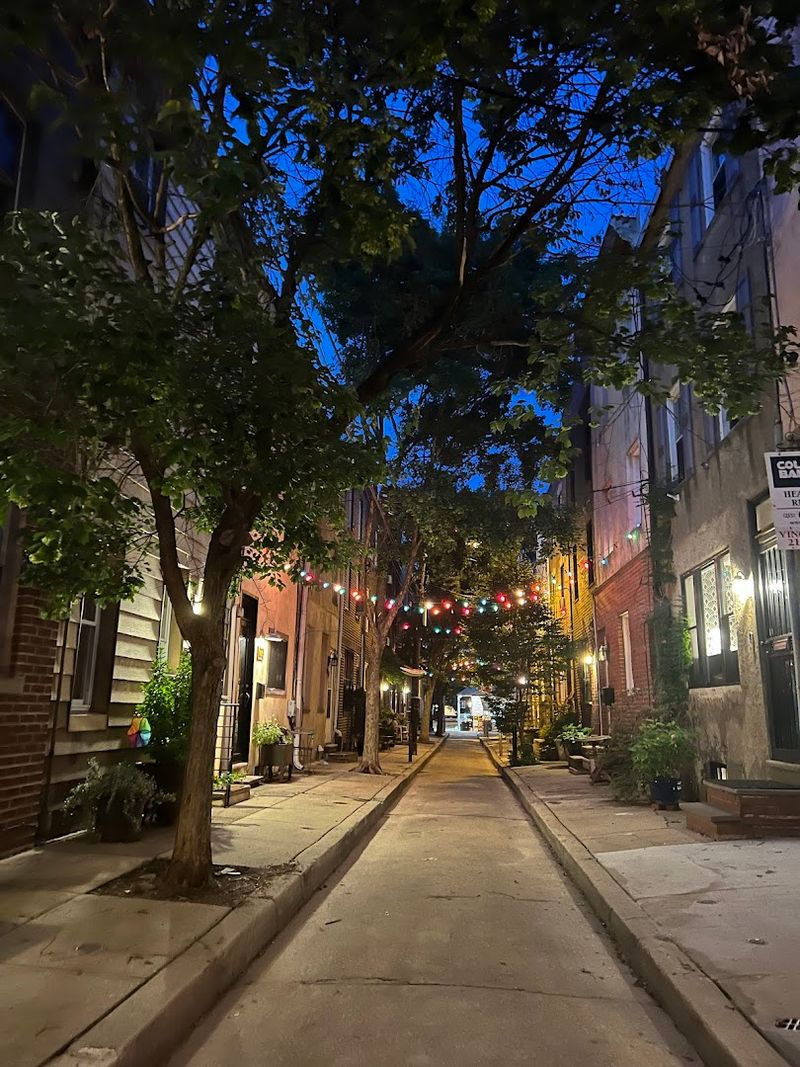
The cherry trees lining sections of 9th Street are one of the market’s quieter charms, the kind of detail that surprises first-time visitors who come purely for the food. In spring, the pink blossoms open above the vendor stalls and turn the whole corridor into something that feels almost theatrical.
The contrast between the utilitarian market infrastructure, the metal frames, the worn pavement, the stacked crates, and the soft flowering trees overhead is genuinely striking. It is one of those combinations that makes for great photographs without any effort at all.
The market operates year-round, which means the experience shifts considerably depending on when you visit. A cold November morning brings its own atmosphere, with steam rising from coffee cups and vendors bundled up behind their displays.
Summer weekends are louder and more crowded, with the smell of ripe fruit mixing with whatever is coming off nearby restaurant grills. Each season offers a reason to come back and find something slightly different waiting on the same familiar blocks.
Practical Tips for Getting the Most Out of Your Visit
Parking on 9th Street, particularly on weekends, is a genuine challenge. The market draws enough foot traffic that street spots fill up early, and the surrounding blocks are not much easier.
A few paid lots exist nearby, but the most straightforward approach is to arrive by public transit or plan to walk from a nearby neighborhood.
The market is open Tuesday through Sunday, with Saturday offering the fullest vendor presence and Sunday running a shorter morning window that closes by 2 PM. Monday is a rest day, so planning around that will save you a wasted trip.
Bring cash for the outdoor stalls, since not every curb vendor accepts cards. The indoor shops and restaurants are more likely to take digital payments, but cash moves faster and keeps the line shorter for everyone.
Arriving on an empty stomach is technically optional, but anyone who has walked 9th Street with a full belly and watched someone else bite into a fresh sandwich knows it is not the recommended approach.
Why This Market Has Earned Its Place in American Food History
America’s oldest continuously operated outdoor market is not a title handed out casually, and the Italian Market has held it for well over a century. The roughly 200 multi-ethnic food stores and restaurants packed into its ten-block stretch represent something that most cities have lost entirely to development and changing retail habits.
Many of the businesses here are family-owned across multiple generations, which means the person behind the counter may have grown up watching a grandparent run the same stall. That continuity is rare anywhere, and it gives the market a texture that newer food halls and curated markets simply cannot reproduce.
The market’s rating of 4.6 stars across more than 1,600 reviews reflects the genuine affection people feel for this place, not just as a shopping destination but as a cultural institution. It has adapted to every decade without losing the essential quality that made it worth visiting in the first place, and that is a harder trick to pull off than it looks.
Share this story