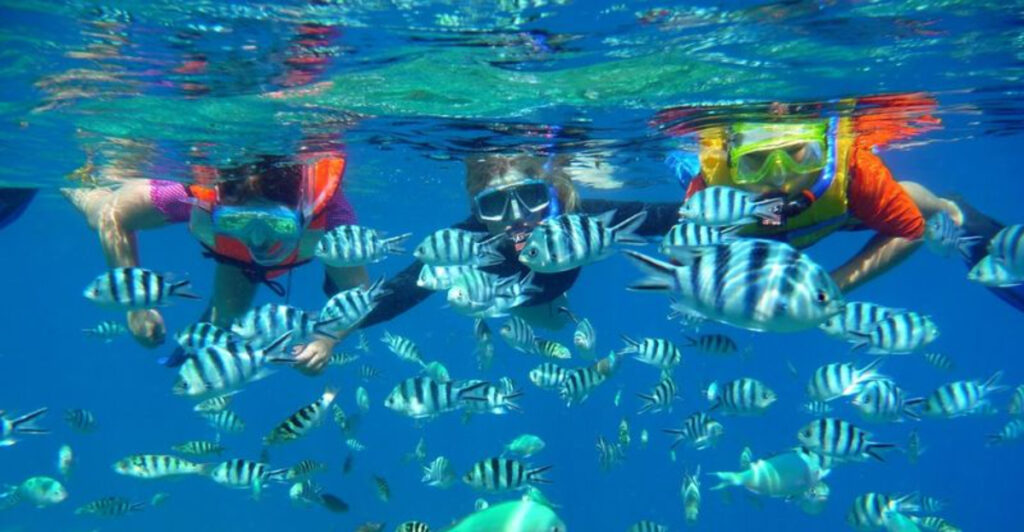
The world’s oceans are hiding some seriously jaw-dropping secrets just beneath the surface, and all you need is a mask and a snorkel to find them. From shark-filled lagoons to rainbow-colored coral gardens, snorkeling is one of the most accessible ways to explore marine life without needing a scuba certification.
Whether you’re a first-timer who gets nervous in deep water or a seasoned explorer chasing manta rays, there’s a perfect destination out there for you. We’ve rounded up the 17 best snorkeling spots on the planet so you can start planning your next underwater adventure.
Maldives
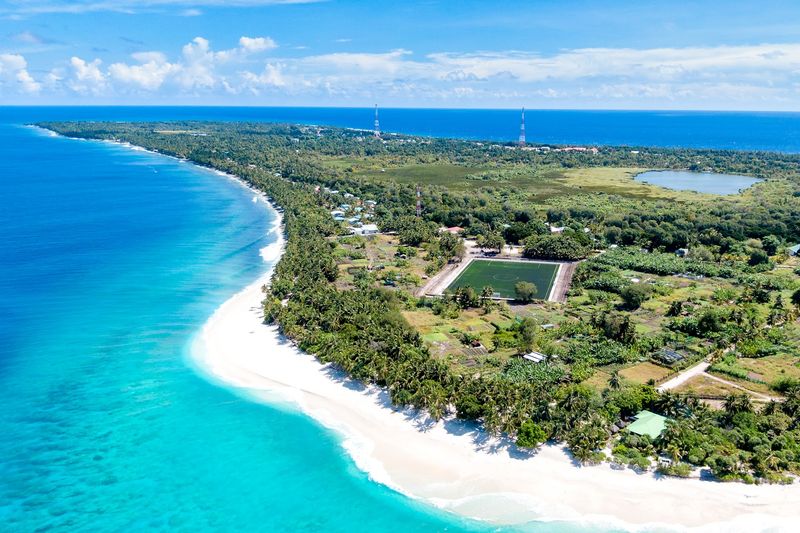
Few places on Earth can compete with the Maldives when it comes to sheer underwater beauty. The warm, gin-clear water sits above coral gardens packed with reef sharks, manta rays, and sea turtles.
I once floated over a house reef here and counted six turtle species before breakfast. Not a bad morning.
Many resorts literally place you steps from the water, so beginners can snorkel safely from the beach without booking a tour. The shallow lagoons are calm, warm, and incredibly forgiving for nervous first-timers.
Experienced snorkelers can join guided trips to deeper channels where currents bring in bigger pelagic species. Visibility regularly exceeds 30 meters, which is borderline unfair.
Plan your trip between November and April for the clearest conditions and calmest seas. The Maldives isn’t just a destination; it’s the snorkeling gold standard that every other spot quietly wishes it could be.
Great Barrier Reef, Australia
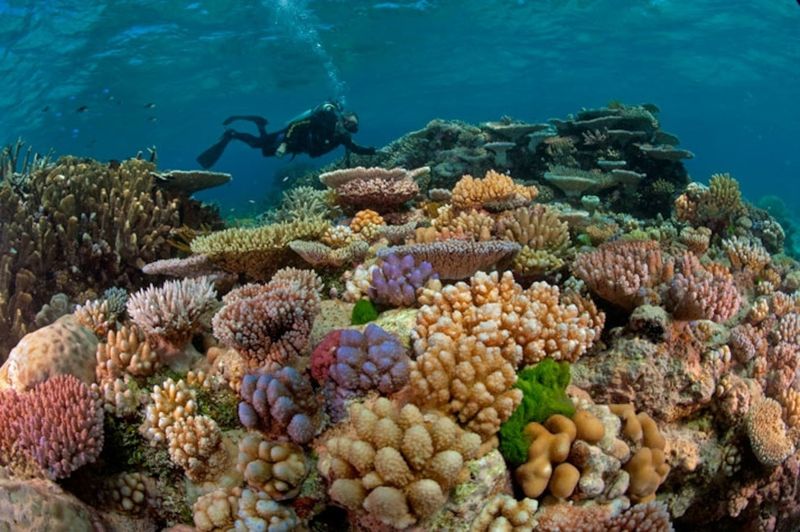
Stretching over 1,400 miles along Australia’s northeastern coast, the Great Barrier Reef is so massive it can be seen from space. That’s either impressive or slightly terrifying, depending on your perspective.
Clownfish, giant clams, sea turtles, and hundreds of tropical fish species call this place home.
Cairns and Port Douglas are popular jumping-off points for beginner-friendly snorkeling tours with calm, shallow coral gardens. The Whitsundays offer another gorgeous entry point with stunning white-sand beaches nearby.
Advanced snorkelers can push out to outer reef sites where stronger currents bring in bigger, more dramatic marine life. Whale sharks occasionally pass through, and that encounter will absolutely rearrange your brain.
The reef faces real environmental pressure from climate change, so visiting responsibly matters. Choose operators with eco-certifications and avoid touching the coral.
The Great Barrier Reef rewards curious, respectful visitors with an experience that genuinely has no equal anywhere on the planet.
Bora Bora, French Polynesia
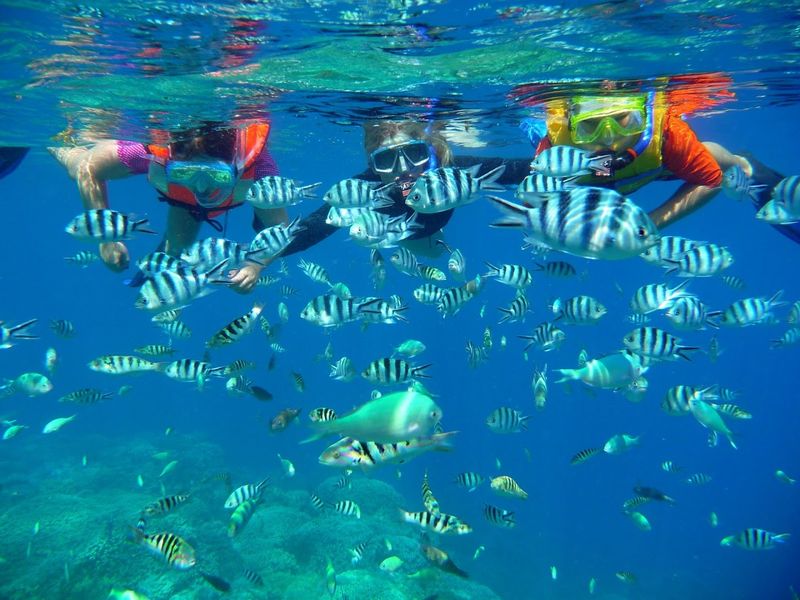
Bora Bora has a reputation for being outrageously beautiful, and honestly, it earns every bit of that hype. The lagoon wrapping around the island is so calm and clear it almost looks fake in photos.
Stingrays glide lazily across the sandy bottom while reef sharks cruise nearby without a care in the world.
Beginners absolutely love it here because the shallow water stays warm year-round and visibility is almost always exceptional. You don’t need to be a strong swimmer to have an incredible experience.
Guided lagoon excursions take experienced snorkelers into deeper zones where larger marine species show up more regularly. Many overwater bungalows offer direct ladder access to the reef below, meaning you can literally roll out of bed and start snorkeling.
That kind of convenience is hard to argue with. Bora Bora is the full package: stunning scenery, accessible snorkeling, and enough marine life to keep you underwater all day long.
Raja Ampat, Indonesia
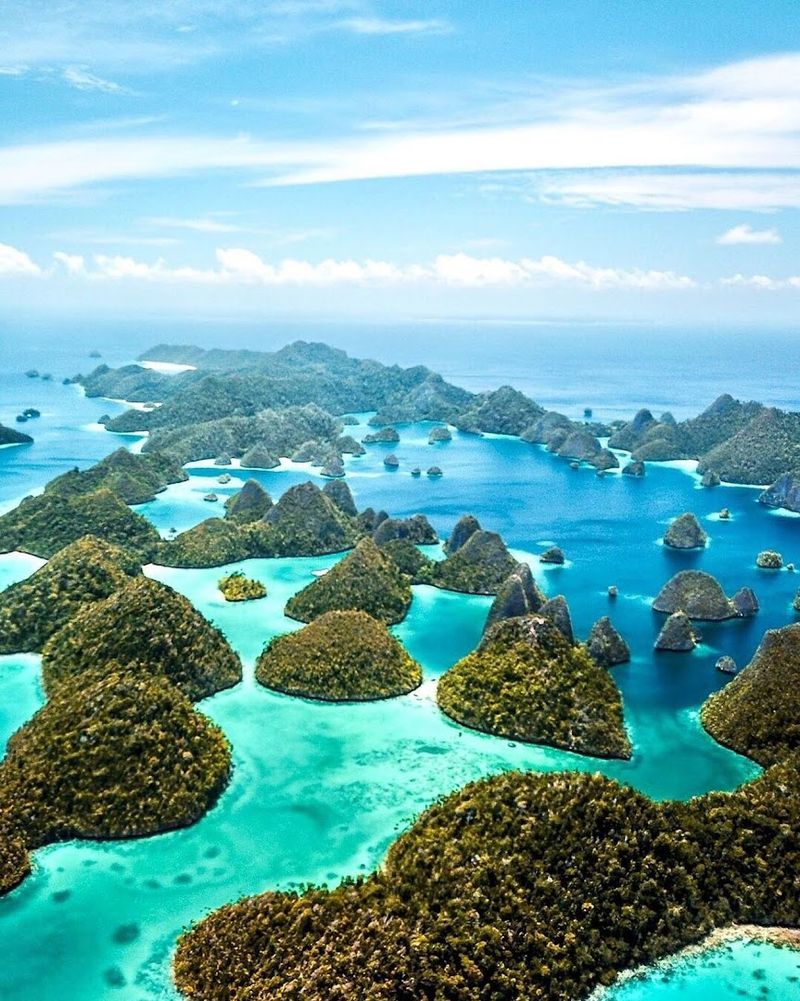
Raja Ampat sits at the beating heart of the Coral Triangle, which scientists consider the most biodiverse marine region on Earth. Over 1,500 fish species and 600 coral species have been recorded here.
That’s not a reef; that’s an entire living encyclopedia.
Pygmy seahorses hide in fan corals, colorful nudibranchs crawl across the reef like tiny psychedelic slugs, and manta rays sweep through cleaning stations with regal grace. Some sites are calm and perfect for beginners, while others have strong currents that experienced snorkelers actively seek out.
Getting there requires some effort since Raja Ampat is genuinely remote, but that remoteness is exactly what keeps the reefs so healthy and untouched. Liveaboard boats are the most popular way to explore multiple sites efficiently.
I’d recommend packing seasickness medication just in case. The underwater world here is so extraordinary that even seasoned snorkelers tend to surface looking genuinely speechless.
Belize Barrier Reef, Belize
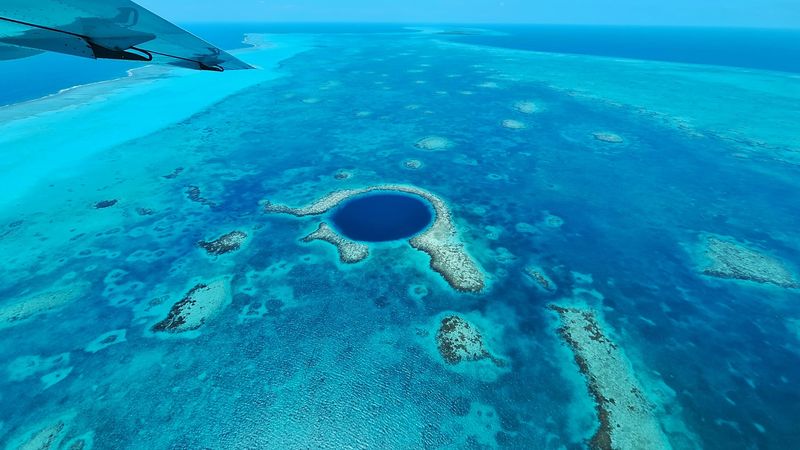
Belize punches well above its weight in the snorkeling world. The country is home to the second-largest barrier reef system on the planet, stretching nearly 200 miles along its Caribbean coastline.
Warm water, healthy coral, and abundant marine life make it a legitimate bucket-list destination.
Hol Chan Marine Reserve is a crowd favorite, offering shallow snorkeling among colorful reef fish and healthy coral formations. Then there’s Shark Ray Alley, where nurse sharks and stingrays gather in surprisingly shallow water.
It sounds terrifying; it’s actually wonderful.
Both sites are accessible on guided day trips from Ambergris Caye or Caye Caulker, making logistics easy even for first-time travelers to the region. The water temperature stays comfortable year-round, hovering around 80 degrees Fahrenheit.
For experienced snorkelers, outer reef walls and atolls like Lighthouse Reef offer more dramatic underwater terrain. Belize combines affordability, accessibility, and world-class marine life in a way that very few Caribbean destinations can match.
Palau
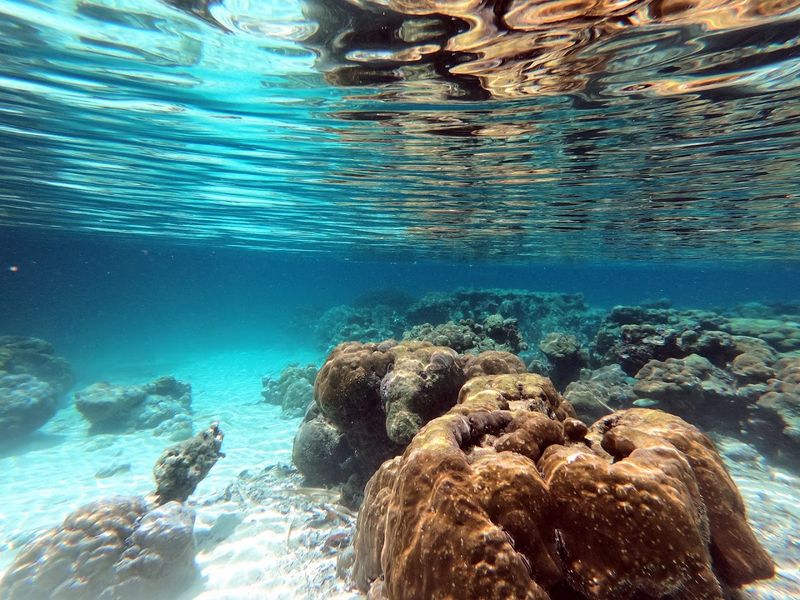
Palau is the kind of place that makes other snorkeling destinations slightly jealous. The Rock Islands, a UNESCO World Heritage Site, are dotted with hidden lagoons, underwater caves, and coral gardens so dense they look like underwater cities.
Reef sharks, sea turtles, and massive schools of tropical fish are practically guaranteed on any given snorkel. The water clarity here is legendary, with visibility often exceeding 30 meters on a good day.
Experienced snorkelers gravitate toward sites with stronger currents, like Blue Corner, where the current literally pins you to the reef wall while sharks and barracudas patrol in front of you. It’s as dramatic as it sounds.
Jellyfish Lake, where you can swim among millions of harmless golden jellyfish, is one of the most surreal experiences in all of snorkeling. Palau takes marine conservation seriously, charging visitors an entry fee that directly funds reef protection.
Worth every cent.
Galapagos Islands, Ecuador
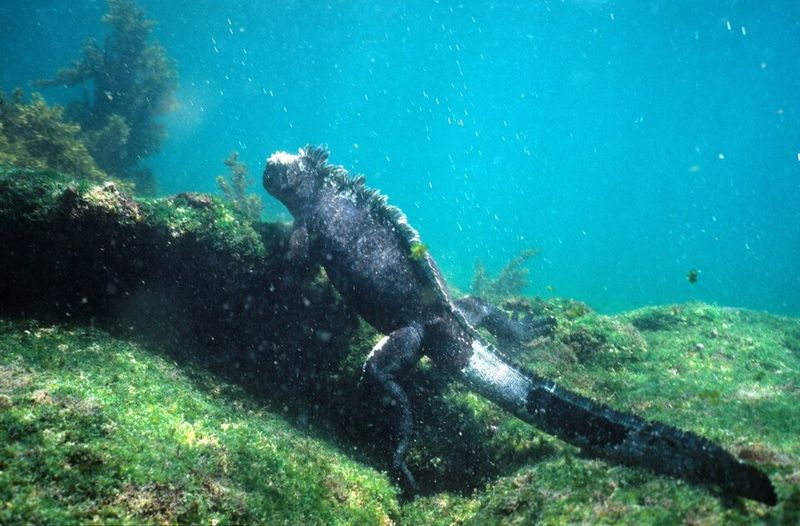
The Galapagos Islands throw out the tropical reef rulebook entirely. There are no pastel coral gardens here.
Instead, you get sea lions that treat you like their personal toy, marine iguanas that dive past you like prehistoric submarines, and penguins that zip through the water at ridiculous speed.
Hammerhead sharks cruise the deeper water while sea turtles munch on algae along rocky volcanic reefs. The experience feels more like a wildlife documentary than a typical snorkel trip.
Water conditions vary by season and location, with the cooler Humboldt Current bringing in nutrient-rich water that fuels all this extraordinary biodiversity. Guided tours are strongly recommended and often required in protected zones.
The best visits combine snorkeling with island hikes to see wildlife above water too. The Galapagos isn’t the easiest or cheapest destination on this list, but for sheer originality and wildlife encounters, absolutely nothing else comes close.
Hanauma Bay, Hawaii
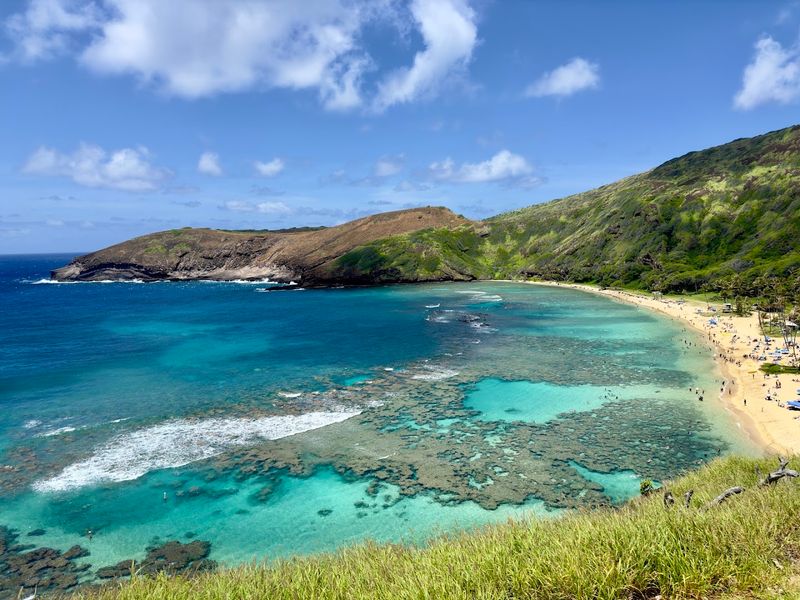
Hanauma Bay is Hawaii’s most beloved snorkeling spot, and it has been earning that title since the 1950s. Tucked inside an ancient volcanic crater on Oahu’s southeastern coast, the bay creates a naturally sheltered swimming environment that stays calm even when the ocean outside is choppy.
Parrotfish, surgeonfish, and Humuhumunukunukuapua’a (yes, that’s a real fish name and yes, it’s worth learning) patrol the reef in impressive numbers. The shallow, sandy-bottomed areas make it incredibly accessible for beginners and families with young kids.
Because Hanauma Bay is a designated marine conservation area, visitor numbers are capped and a short educational video is required before entry. That actually works in your favor since the reef stays healthier than most popular snorkeling spots.
Arrive early to snag parking and beat the crowds. The morning light filtering through the shallow water here creates a genuinely magical effect that no filter can replicate.
Komodo National Park, Indonesia
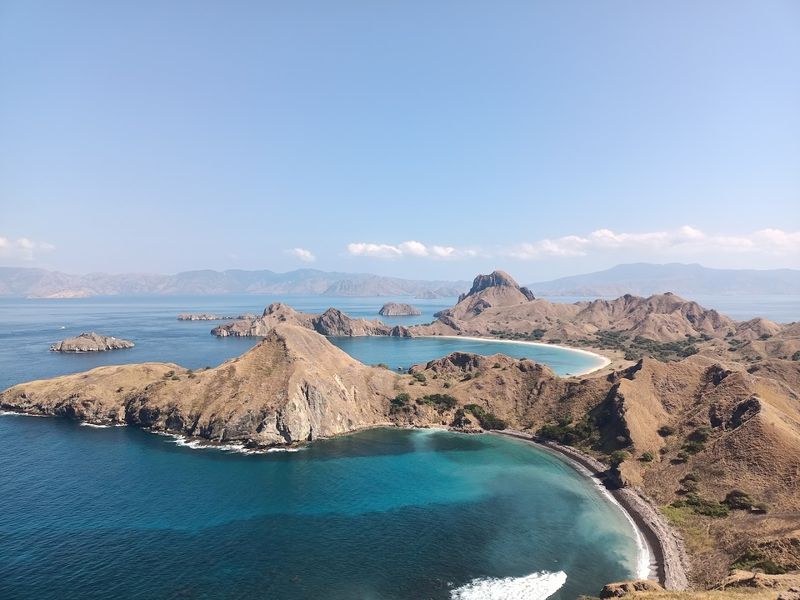
Most visitors come to Komodo National Park hoping to spot a dragon. Smart visitors know the underwater world is just as spectacular as anything on land.
Manta rays sweep through cleaning stations in graceful arcs, reef sharks patrol the deeper sections, and the coral cover is some of the healthiest in all of Indonesia.
Pink Beach, named for its blush-colored sand, is the most popular snorkeling spot in the park and genuinely beginner-friendly. The shallow reef just offshore is packed with colorful fish and surprisingly intact coral formations.
Other sites within the park feature stronger currents that attract experienced snorkelers chasing bigger thrills. The combination of dramatic volcanic landscapes above water and extraordinary biodiversity below makes Komodo genuinely unique.
Day trips from Labuan Bajo are the most common way to visit, and plenty of operators offer well-organized tours. Book a reputable guide who knows the tides and currents well; they make a real difference here.
Fiji
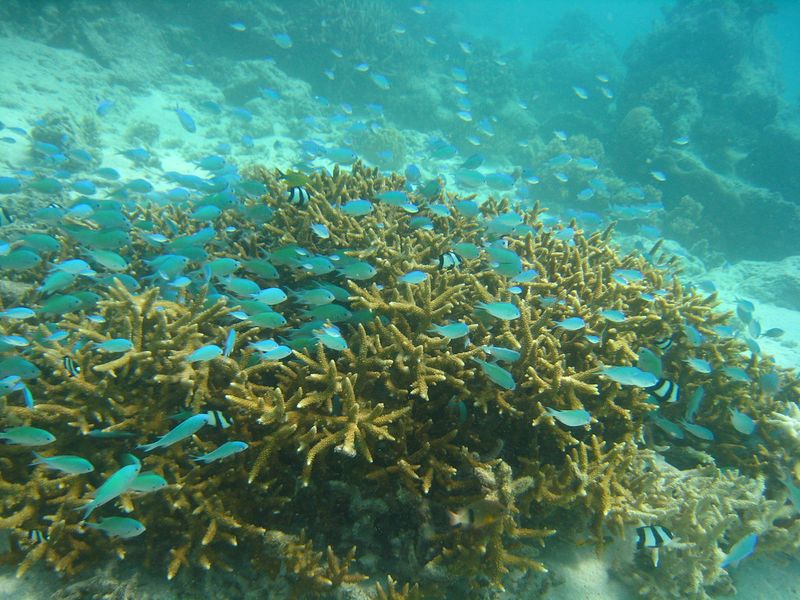
Fiji didn’t earn the nickname “Soft Coral Capital of the World” by accident. The reefs here are absolutely dripping with soft corals in every color you can think of, purple, orange, pink, red, and a dozen shades in between.
It looks like someone spilled an entire paint set across the ocean floor.
Coral reefs wrap around most of Fiji’s 330-plus islands, meaning beach access to snorkeling is common and convenient. Beginners will love the calm lagoons near popular resort areas, which offer easy, low-stress snorkeling with plenty of marine life to spot.
Experienced snorkelers can head to outer reef systems where sharks, eagle rays, and massive schools of fish gather in impressive numbers. The Somosomo Strait near Taveuni Island is considered one of the finest soft coral sites on the planet.
Fiji also has a well-developed tourism infrastructure, making it easy to arrange snorkeling trips regardless of your experience level.
Red Sea, Egypt
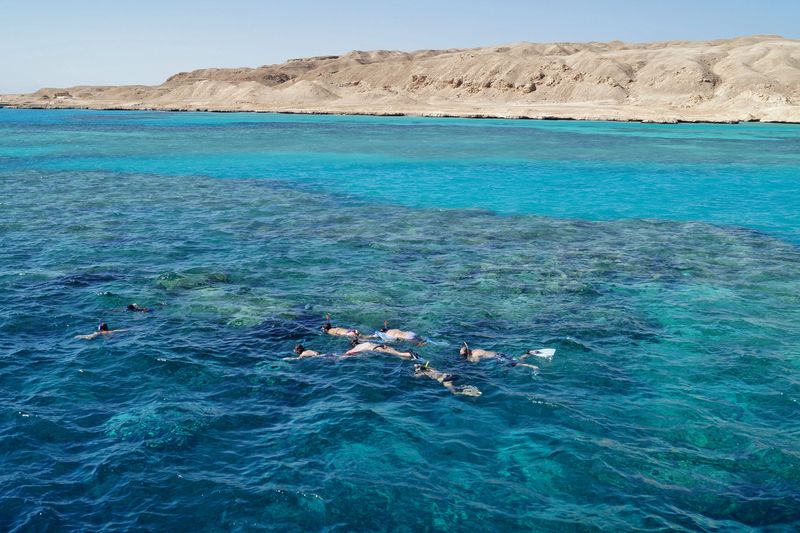
The Red Sea has been luring underwater explorers for decades, and the visibility alone explains why. On a good day, you can see 30 to 40 meters clearly, which makes the reefs look almost three-dimensional.
It’s the kind of clarity that makes you feel like you’re flying rather than swimming.
Sharm El Sheikh, Hurghada, and Marsa Alam are the main hubs, each offering slightly different reef characters and marine life. Many reefs here are accessible directly from shore, which is a huge advantage for beginners who prefer not to rely on boat trips.
Advanced snorkelers can explore dramatic reef drop-offs where the coral wall plunges into deep blue water and larger pelagic fish patrol the edges. The Red Sea is also one of the more affordable snorkeling destinations on this list, with plenty of budget-friendly accommodation options.
Year-round warm water temperatures make it a reliable choice no matter when you visit.
Curacao
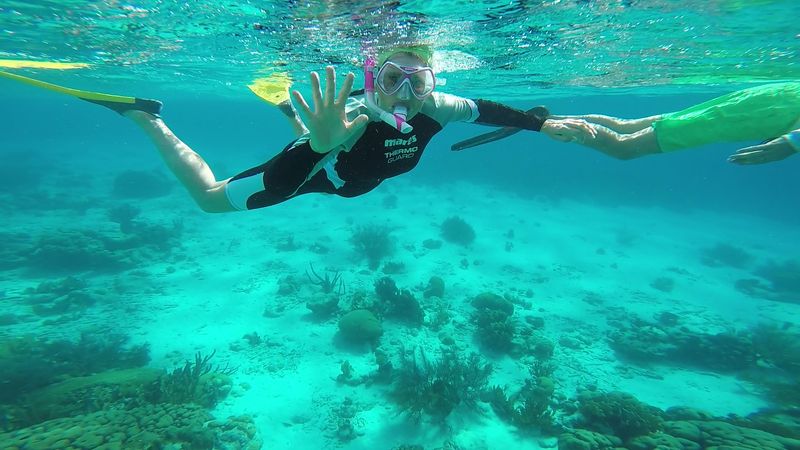
Curacao is the Caribbean’s best-kept snorkeling secret, and locals would probably prefer to keep it that way. Unlike many Caribbean islands where you need a boat to reach decent reefs, Curacao offers direct shore access to healthy coral gardens at dozens of spots around the island.
The water is consistently clear, the conditions are generally calm, and the coral is in remarkably good shape compared to many overvisited Caribbean reefs. Beginners can literally wade in from the beach and start exploring within minutes.
Playa Lagun and Director’s Bay are two standout shore-snorkel sites, both known for turtles, reef fish, and easy access. The island also has a handful of wrecks accessible to snorkelers in relatively shallow water, which adds an extra layer of adventure.
Curacao sits outside the hurricane belt, making it a reliable year-round destination. The laid-back local vibe and colorful architecture in Willemstad make the time spent out of the water equally enjoyable.
Seychelles
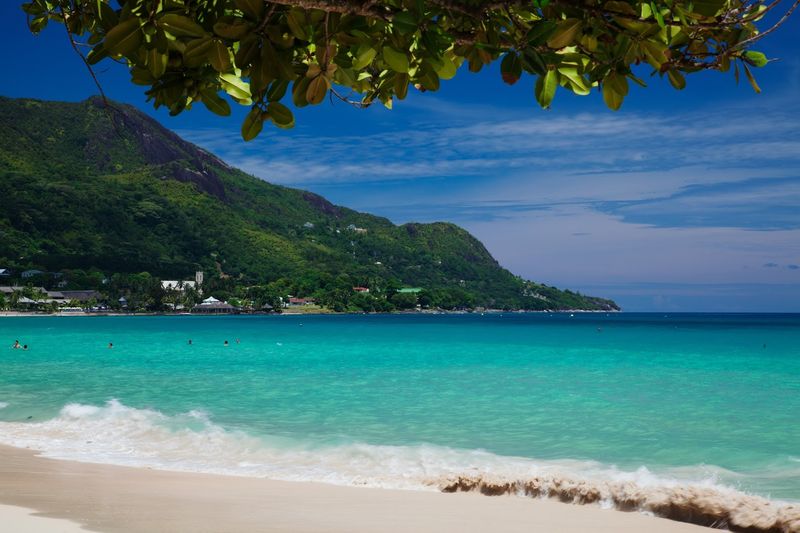
The Seychelles might be the most photogenic archipelago on Earth, and the underwater world matches the scenery above it perfectly. Giant granite boulders tumble into the ocean and create natural reef structures that attract an impressive variety of marine life.
Sea turtles are the undisputed stars here, and encounters with hawksbill and green turtles are genuinely common around islands like Mahé and Praslin. Rays, reef fish, and healthy coral formations fill in the rest of the cast nicely.
The calm lagoons around the inner islands are ideal for first-time snorkelers, with warm water and minimal current to worry about. More remote outer islands like Aldabra, home to one of the world’s largest coral atolls, offer extraordinary experiences for experienced explorers willing to make the extra effort.
The Seychelles is undeniably expensive, but the combination of pristine beaches, extraordinary wildlife, and world-class snorkeling makes it one of the most complete ocean destinations anywhere.
Sea of Cortez, Mexico
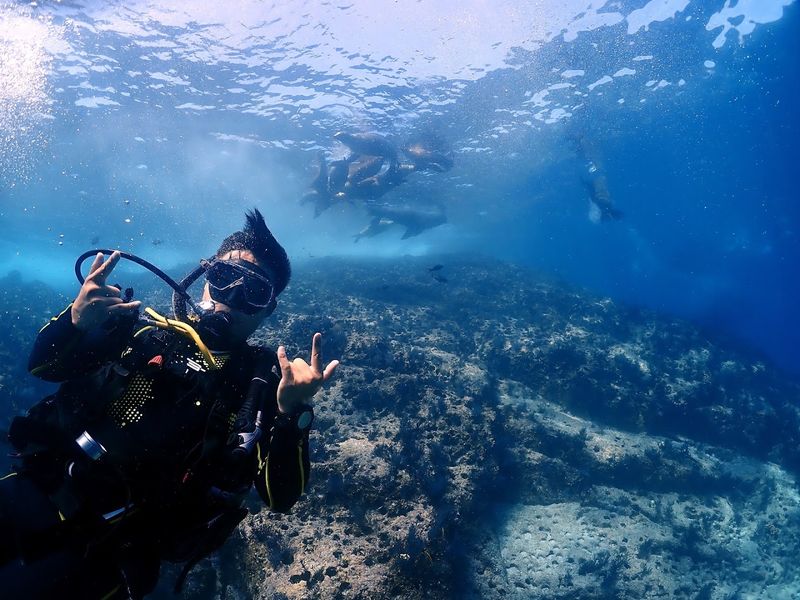
Jacques Cousteau called the Sea of Cortez “the aquarium of the world,” and the man knew his oceans. Tucked between Baja California and mainland Mexico, this narrow sea is one of the most biologically productive marine environments on the planet.
The numbers back it up: over 900 fish species and 39 whale and dolphin species have been recorded here.
Near Espiritu Santo Island, sea lion colonies turn every snorkel into a chaotic, joyful circus. The young sea lions are bold, curious, and completely unbothered by human company.
Near La Paz, whale sharks gather seasonally and snorkeling alongside one of these gentle giants is a legitimately life-changing experience.
Water temperatures vary by season, so pack a wetsuit for winter visits when conditions are cooler but whale shark sightings are at their peak. La Paz makes an excellent base with good infrastructure and experienced local operators.
The Sea of Cortez rewards flexible travelers who time their visit well.
Thailand’s Similan Islands
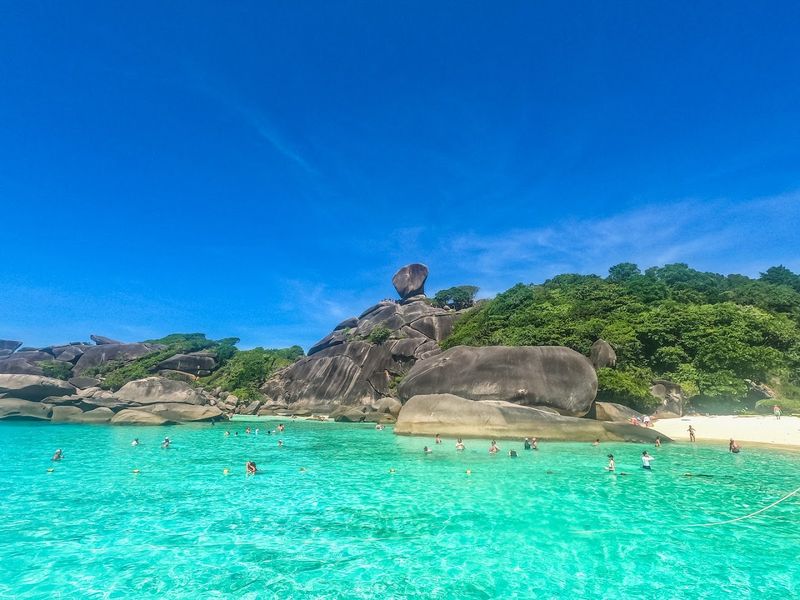
The Similan Islands consistently rank among Thailand’s finest snorkeling destinations, and one look at the water explains everything. The turquoise color is almost cartoonishly vivid, and the visibility regularly stretches beyond 20 meters.
Granite boulders the size of houses create dramatic underwater terrain that’s unlike anything you’d find on a typical flat reef.
Coral gardens between the boulders are packed with butterflyfish, angelfish, and the occasional reef shark drifting through on patrol. Many tour operators run day trips and overnight liveaboards from Khao Lak, catering to everyone from complete beginners to seasoned snorkelers.
The islands are only open from November to May due to the monsoon season, so timing your visit matters. Going in the early season means fresher coral and fewer crowds.
The Similan Islands Marine National Park charges an entrance fee that helps fund conservation efforts, which is genuinely reflected in the reef quality. Thailand’s snorkeling scene extends well beyond Phuket and Koh Tao, and the Similans prove it emphatically.
Moorea, French Polynesia
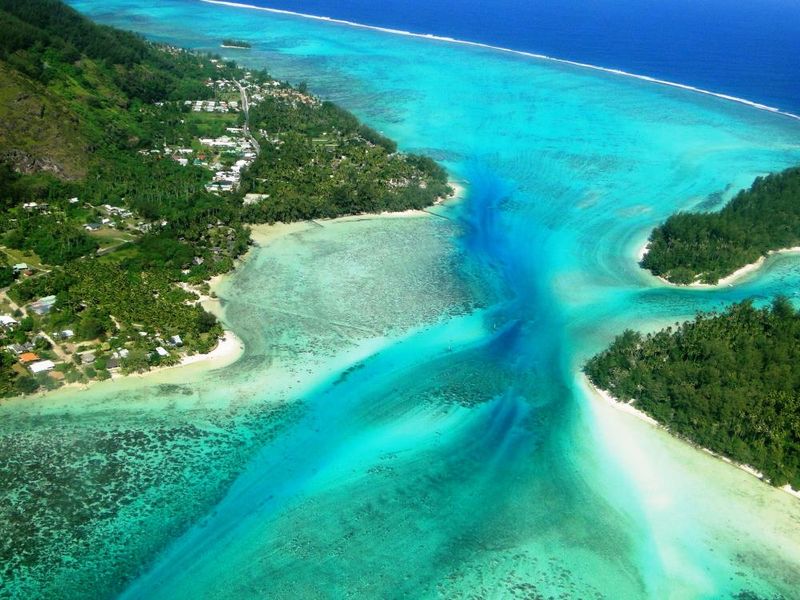
Moorea sits just 11 miles from Tahiti but gets a fraction of the tourist traffic that Bora Bora attracts. That’s genuinely good news for anyone who prefers their snorkeling without a crowd of selfie sticks overhead.
The lagoon here is calm, clear, and absolutely loaded with marine life.
Blacktip reef sharks and stingrays congregate in the shallow sandy areas near the lagoon’s edge, and guided tours make encounters with both species easy and safe even for nervous beginners. Sea turtles are a regular sighting too.
The dramatic mountain scenery that towers above the island adds an almost cinematic backdrop to the whole experience. Moorea is often cheaper than Bora Bora while offering snorkeling that’s genuinely comparable in quality.
The local community here is warm and welcoming, and many small family-run operators offer personalized lagoon tours that feel nothing like a mass-market tourist trap. For value, atmosphere, and underwater thrills, Moorea quietly outpaces its more famous neighbor.
Florida Keys, United States
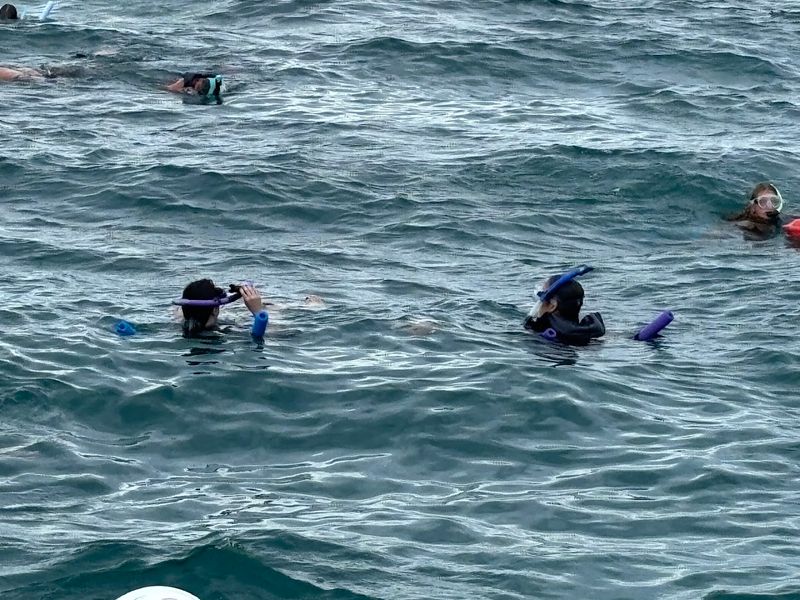
The Florida Keys hold a distinction that most Americans don’t realize: they’re home to the only living coral barrier reef in the entire continental United States. That’s not just a fun fact; it’s a genuine reason to visit.
John Pennekamp Coral Reef State Park, established in 1963, was the first undersea park in the country.
Shallow reefs make the area highly accessible for beginners, and organized snorkel tours depart regularly from Key Largo, Islamorada, and Key West. The famous Christ of the Abyss statue, a bronze figure submerged in about 25 feet of water, is one of the most photographed snorkeling landmarks in the world.
Advanced snorkelers can explore shipwrecks scattered throughout the Keys, some of which sit shallow enough to reach without scuba gear. Dry Tortugas National Park, accessible only by ferry or seaplane, rewards the effort with pristine reefs and spectacular isolation.
The Florida Keys are proof that world-class snorkeling doesn’t always require an international flight.
Share this story