Watching a whale surface beside your boat is one of travel’s most unforgettable experiences. Around the world, a handful of coastal regions offer remarkably reliable sightings, giving visitors the chance to see everything from humpbacks and orcas to blue whales and gray whales.
This list highlights 14 of the best whale-watching destinations, including when to visit, what species to expect, and why each location stands out.
1. Monterey Bay, Monterey, California
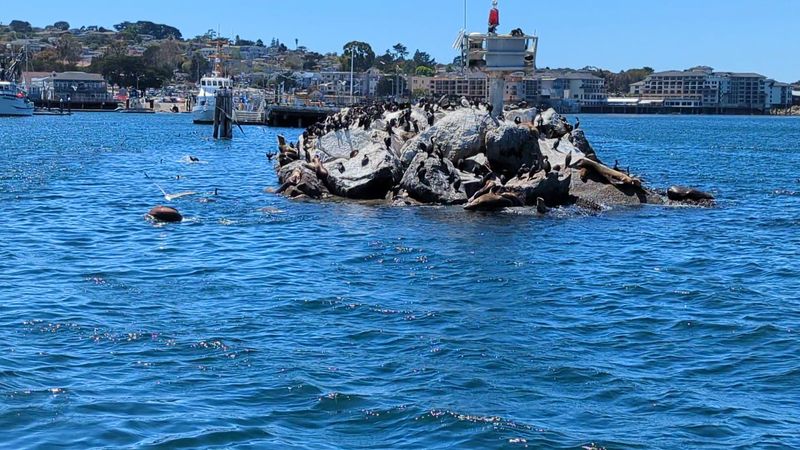
Monterey Bay has a secret weapon hidden beneath its surface: a massive underwater canyon that plunges nearly two miles deep, pulling cold, nutrient-rich water upward and creating one of the most productive feeding zones on the entire West Coast.
Gray whales, humpbacks, blue whales, and orcas all pass through at different times of year, making this one of the few places where a single trip could reward you with multiple species. Blue whales, the largest animals ever known to exist on Earth, are regularly spotted here during summer months.
Boat tours depart from Old Fisherman’s Wharf, and many operators offer naturalist-guided experiences with impressive success rates. After a day on the water, Cannery Row provides a charming backdrop of history and seafood that rounds out the whole California coastal adventure beautifully.
2. Husavik, Norðurland Eystra, Iceland
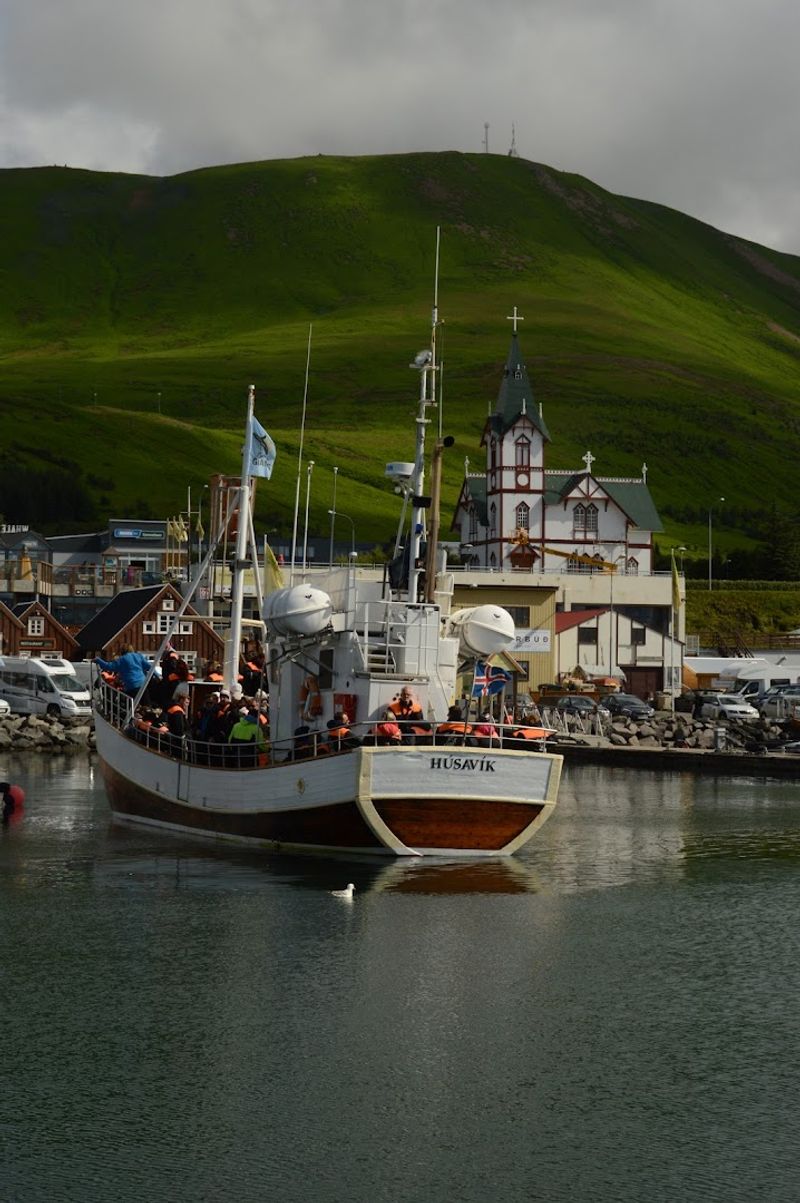
Husavik has built its entire identity around whales, and it wears that identity with pride. The town is home to the Whale Museum, one of the most detailed cetacean exhibitions in Europe, and its harbor has been launching wildlife boats into Skjalfandi Bay for decades.
Humpbacks are the stars of the show here, but minke whales, blue whales, and even white-beaked dolphins make regular appearances between May and September. The long Arctic summer days mean tours can run late into the evening with full daylight, which is a genuinely unusual experience.
Blue whales in Iceland tend to appear in deeper offshore waters, so some operators offer extended tours for travelers specifically chasing that sighting. The town was also featured in the film “Adrift” and a popular whale watching comedy, which has only added to its international reputation as a must-visit destination.
3. Hermanus, Western Cape, South Africa
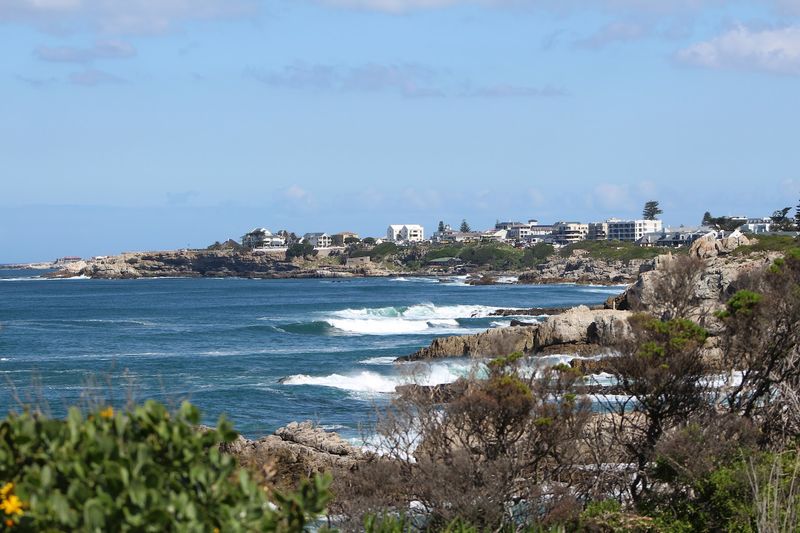
Hermanus holds a title that very few coastal towns can claim: it is widely regarded as one of the best land-based whale watching spots anywhere in the world. Every year between June and November, southern right whales gather in Walker Bay in remarkable numbers, often swimming so close to the cliffs that binoculars feel unnecessary.
The town even employs an official whale crier, a person whose job is to walk through Hermanus blowing a kelp horn to alert residents and visitors when whales are spotted. That is not a tourist gimmick.
It is a real, paid civic position that has existed for years.
An annual Whale Festival draws thousands of visitors each September. The clifftop walking path offers free, unobstructed views throughout the season, making Hermanus one of the most accessible whale watching destinations on the planet for travelers of all budgets.
4. Maui, Hawaii, United States
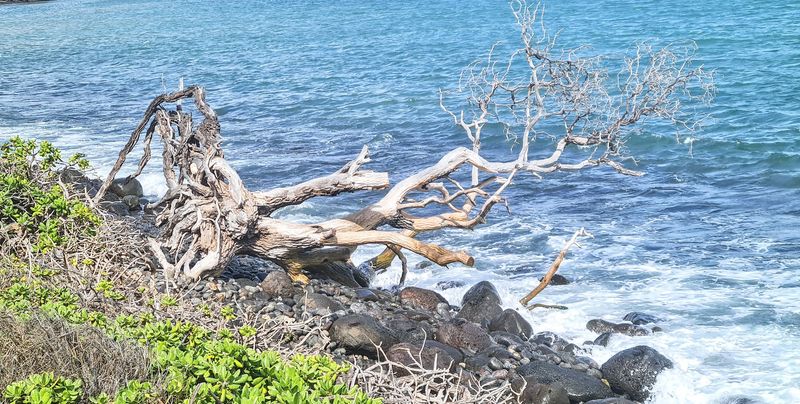
Every winter, roughly 10,000 North Pacific humpback whales make a long migration from their Alaskan feeding grounds to the warm, shallow waters surrounding Maui, and the activity they bring is nothing short of extraordinary. Breaching, tail-slapping, and the haunting songs of male humpbacks fill the ocean from December through April.
The Hawaiian Islands Humpback Whale National Marine Sanctuary covers a large portion of the waters off Maui, providing federal protection for the whales and a clear framework for responsible tour operations. Lahaina Harbor and Maalaea Harbor are the main departure points for boat tours, with dozens of operators offering morning and afternoon excursions.
Shore-based sightings are also surprisingly common along the western and southern coasts. The combination of tropical scenery and world-class wildlife makes Maui a destination where whale watching feels less like a scheduled activity and more like an unavoidable part of being there.
5. Puerto Madryn, Chubut Province, Argentina
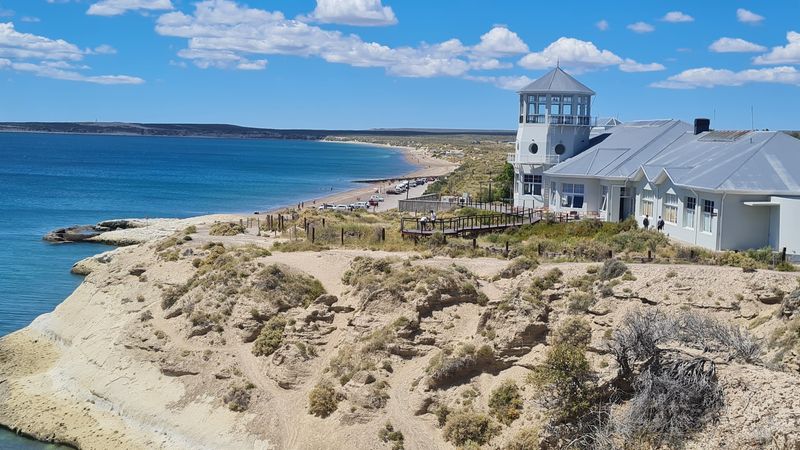
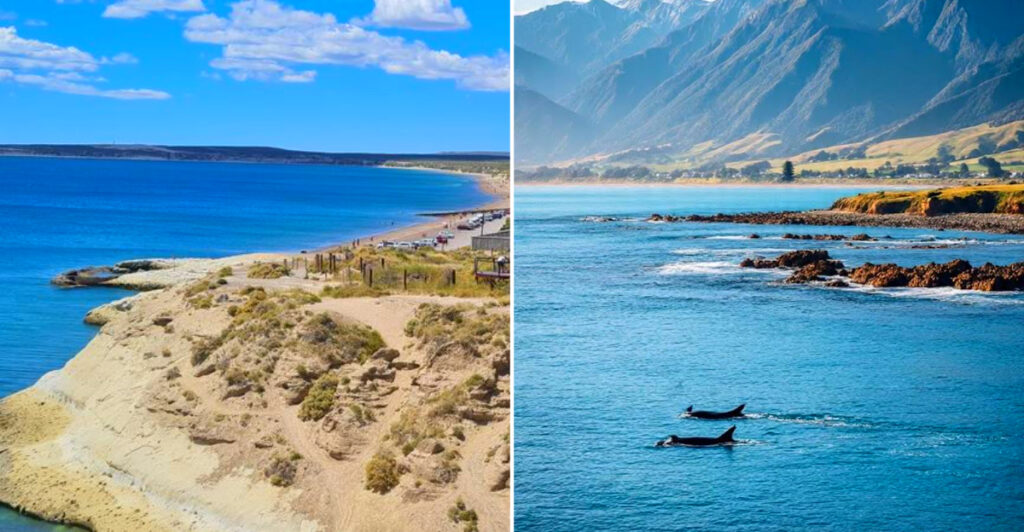
Puerto Madryn is the kind of place that rewards travelers who are willing to go a little off the beaten path. The city sits on the edge of the Patagonian steppe and serves as the main gateway to Peninsula Valdes, a UNESCO World Heritage Site recognized specifically for its extraordinary concentration of marine wildlife.
Southern right whales arrive in the protected bays of Peninsula Valdes between June and December to breed and raise their calves. During peak season, it is not unusual to see whales from the beach without any boat trip required, though guided excursions get you considerably closer.
Orcas also visit Peninsula Valdes in autumn, and their hunting behavior along the beaches has been filmed by wildlife documentaries for decades. The Patagonian landscape adds a raw, wide-open quality to every excursion that is hard to find at more developed whale watching destinations.
6. Kaikōura, Canterbury, New Zealand
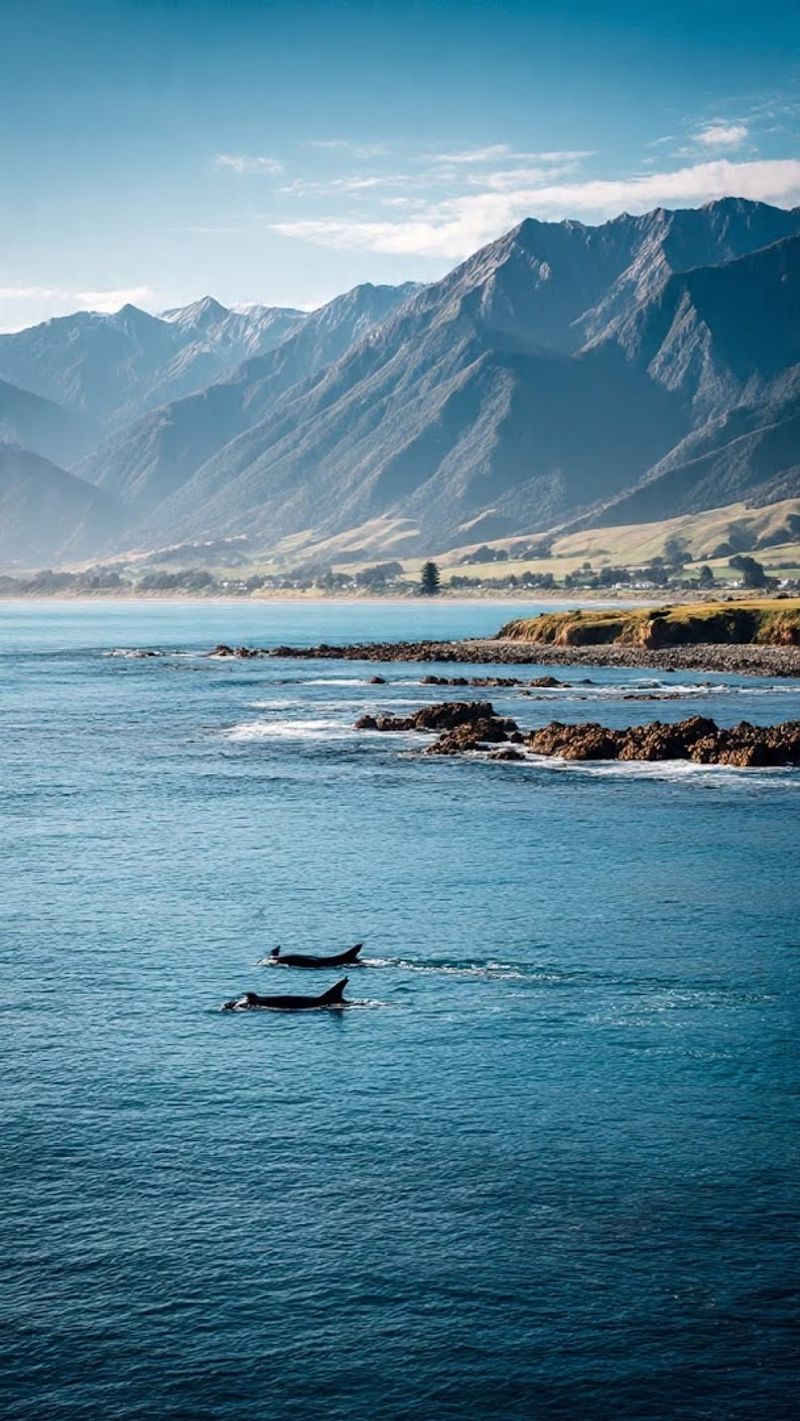
Kaikoura is one of the only places on Earth where you can watch sperm whales year-round, and the reason comes down to geography. A deep underwater trench runs close to shore here, giving sperm whales easy access to the squid they prefer to eat without venturing far out to sea.
These whales are enormous, social, and genuinely fascinating to observe. Their dramatic tail-flukes rising before a long dive have become one of New Zealand’s most iconic wildlife images.
Beyond sperm whales, humpbacks and dusky dolphins pass through seasonally, and the backdrop of snow-dusted mountains meeting the Pacific Ocean gives every excursion an almost unrealistic quality. The town itself is relaxed and walkable, with seafood spots and oceanfront viewpoints that make it easy to spend extra days simply watching the water for something large to surface.
7. Friday Harbor, Washington, United States
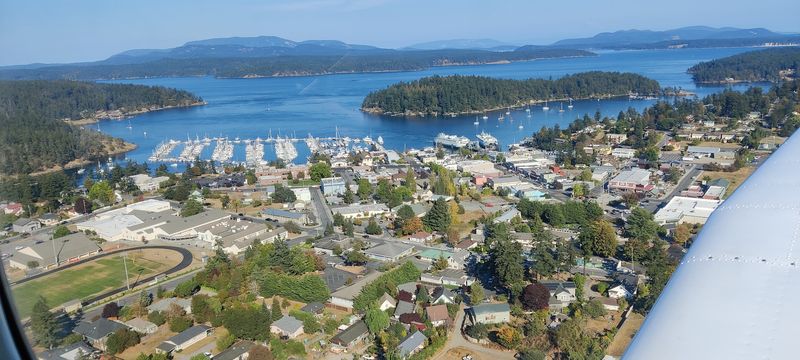
The San Juan Islands sit in the Pacific Northwest corner of Washington State, and they happen to be one of the best places in North America to observe orca whales in their natural habitat. Friday Harbor, the main town on San Juan Island, has been a hub for whale watching tours for decades.
Three distinct orca populations move through these waters: resident orcas that follow salmon runs, transient orcas that travel much larger ranges, and offshore orcas that appear less frequently. Summer months bring the most reliable sightings, though transient orcas can appear any time of year.
Humpbacks and minke whales also show up regularly, adding variety to the experience. The harbor itself is full of character, with ferries connecting the islands, kayak rentals lining the docks, and a genuine small-town atmosphere that makes Friday Harbor worth visiting even on a whale-free day.
8. Tadoussac, Québec, Canada
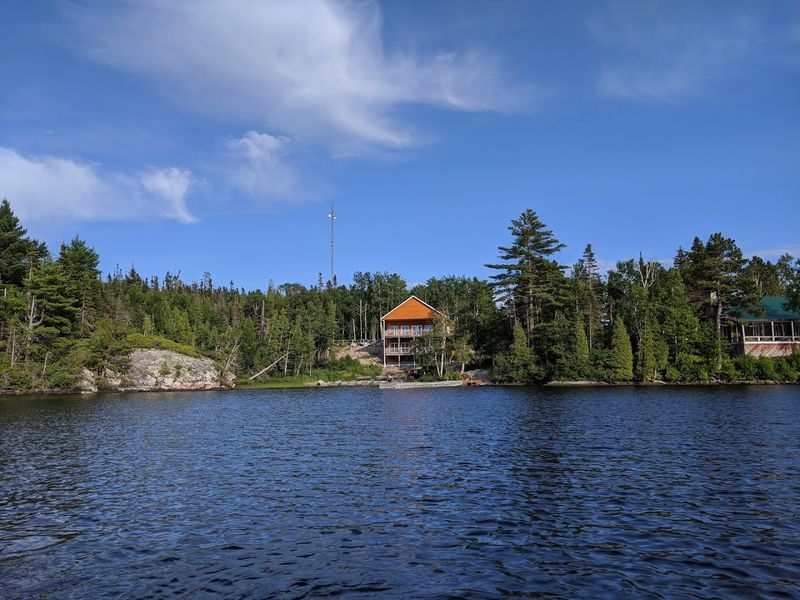
Tadoussac sits at a confluence that marine biologists genuinely get excited about. The cold, deep waters of the Saguenay River merge with the St. Lawrence River here, creating a mixing zone so rich in nutrients and fish that whales have been gathering in these waters for thousands of years.
Belugas are the resident celebrities, living in the St. Lawrence year-round in a population that has been studied extensively for decades. During summer, fin whales, minke whales, and humpbacks join them, and blue whale sightings are not uncommon in the wider Gulf of St. Lawrence nearby.
The village of Tadoussac is one of the oldest European settlements in North America, which adds a layer of historical depth to the visit. Red-roofed inns, dramatic cliffs, and cool northern air create an atmosphere that feels distinctly Canadian in the best possible way.
9. Mirissa, Southern Province, Sri Lanka
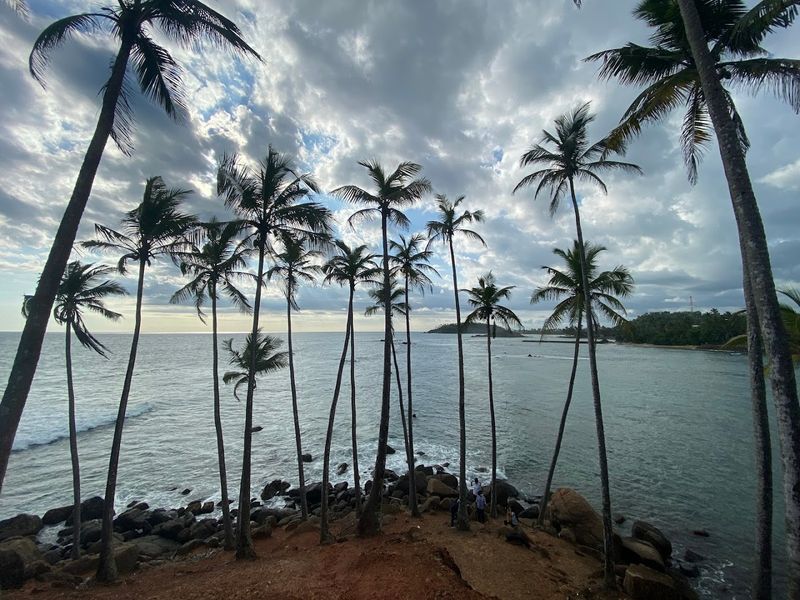
Blue whales are the largest animals ever to have lived on this planet, and Mirissa is one of the most reliable places in the world to find them. Between November and April, blue whales feed in the waters off Sri Lanka’s southern coast, and early morning boat trips from Mirissa regularly encounter these giants at surprisingly close range.
The sheer scale of a blue whale seen from a small boat is something that photographs rarely communicate accurately. These animals can reach lengths of nearly 100 feet, and watching one surface and exhale is a moment that tends to stay with people for a long time.
Sperm whales and spinner dolphins also frequent these waters, making any single trip potentially rewarding on multiple levels. Mirissa itself is a relaxed beach town with palm-lined shores and easy access to the harbor, making the logistics of an early departure far less painful than they might otherwise be.
10. Telegraph Cove, British Columbia, Canada
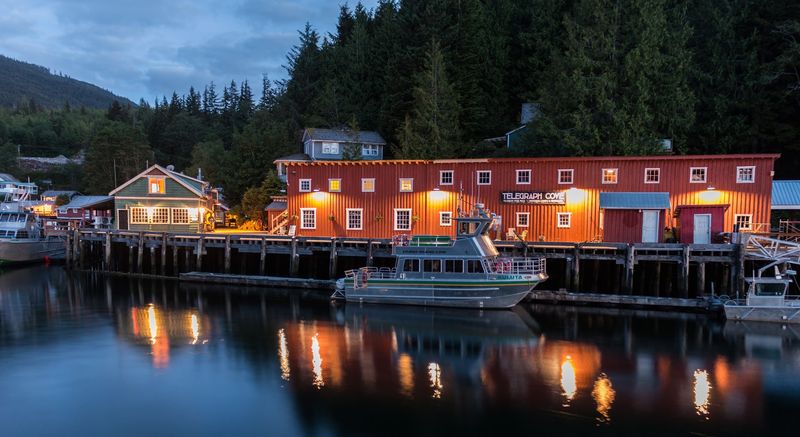
Telegraph Cove started as a one-room telegraph station in 1912 and eventually grew into a small fishing village. Today it has reinvented itself as one of Canada’s most celebrated whale watching destinations, and the transformation suits it perfectly.
Orcas are the primary draw, and the waters around northern Vancouver Island are home to both resident and transient populations. The narrow channels and forested inlets of this part of British Columbia create a setting that makes every orca sighting feel especially dramatic.
Humpbacks and gray whales also pass through the area, and the diversity of marine life extends well beyond whales. Stellar sea lions, harbour porpoises, and bald eagles are common sights on any given excursion.
The village’s historic wooden boardwalks and converted buildings have been carefully preserved, giving Telegraph Cove a character that larger, more commercialized whale watching hubs simply cannot replicate.
11. Andenes, Nordland, Norway
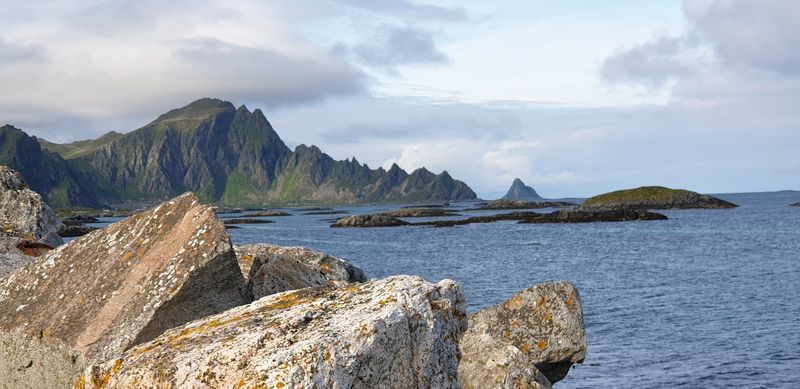
Above the Arctic Circle, on the northern tip of Andoya island, Andenes has built a reputation as one of the world’s top destinations for sperm whale watching. The continental shelf drops sharply just offshore here, putting deep-water habitat within easy reach of tour boats and making sperm whale encounters remarkably consistent.
Unlike humpbacks, sperm whales do not breach dramatically or slap the surface. What they do offer is a long, slow presence at the surface followed by a deep, powerful dive that sends their massive tail flukes high into the air.
Operators here have some of the highest success rates in the world for guaranteed sightings.
Summer brings nearly 24 hours of daylight, which gives excursions an otherworldly quality. Humpback and minke whales also appear seasonally, and the surrounding Arctic landscape of dramatic cliffs and open ocean adds a raw grandeur to every trip out of the harbor.
12. Dana Point, California, United States
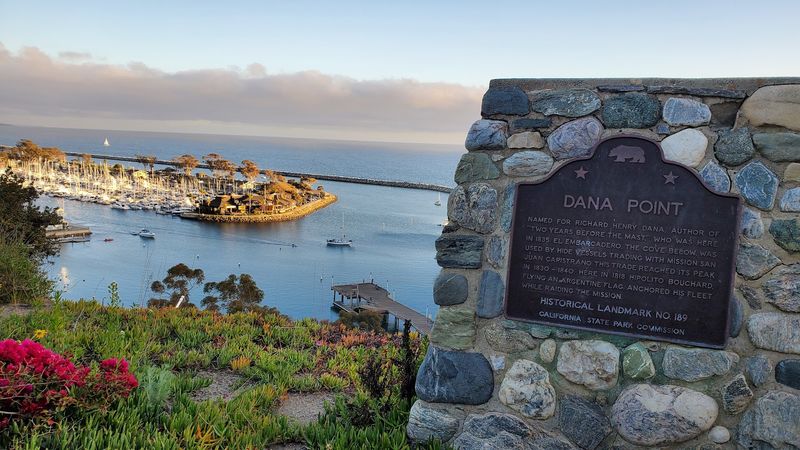
Dana Point calls itself the Dolphin and Whale Watching Capital of the World, and while that is a bold claim, the coastal migration activity here gives it some serious backing. The area sits along one of the busiest whale migration corridors on the Pacific Coast, and the variety of species that pass through is genuinely impressive.
Gray whales move through in winter and spring during their migration between Alaska and Baja California. Blue whales and humpbacks follow in summer, drawn by the rich feeding conditions offshore.
Common dolphins and Pacific white-sided dolphins are present in such numbers that boats sometimes encounter superpods of thousands of animals.
Dana Point Harbor is well-organized, family-friendly, and easy to navigate, with multiple operators offering tours of varying lengths throughout the day. The surrounding bluffs and Southern California sunshine make the whole experience feel like a proper coastal adventure rather than a rushed tourist excursion.
13. Provincetown, Massachusetts, United States
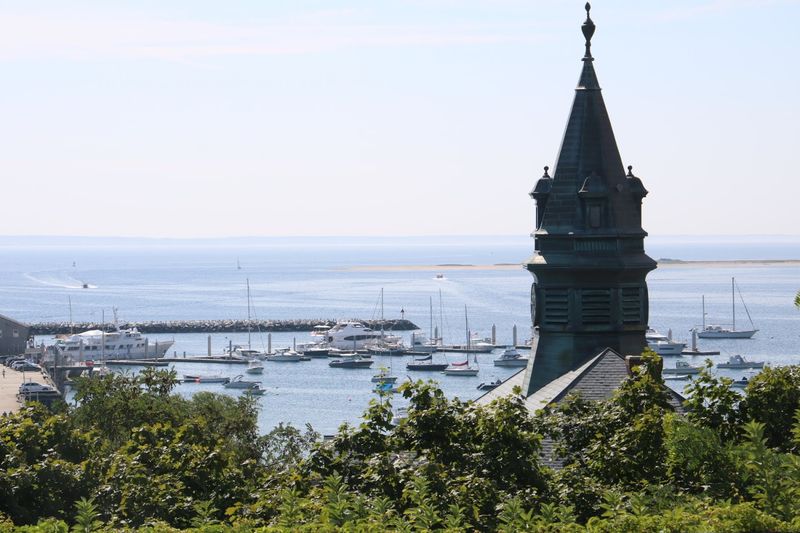
Perched at the very tip of Cape Cod, Provincetown has been sending whale watching boats into the Atlantic for over 50 years, making it one of the longest-running whale watching operations in the United States. The destination is Stellwagen Bank National Marine Sanctuary, a rich feeding ground about 25 miles offshore that attracts humpback, fin, and minke whales every summer.
Humpbacks are the undisputed highlight. They feed, breach, and interact with boats in ways that feel surprisingly personal, and researchers have been tracking individual whales here by their unique tail markings for decades.
Some of those named individuals have become local celebrities among regular visitors.
Provincetown itself is one of the more colorful and culturally vibrant small towns in New England, with historic cottages, art galleries, and a lively waterfront scene. A whale watching day trip from Boston is entirely feasible, though most visitors quickly discover the town deserves far more than a single afternoon.
14. Baja California Sur, Mexico
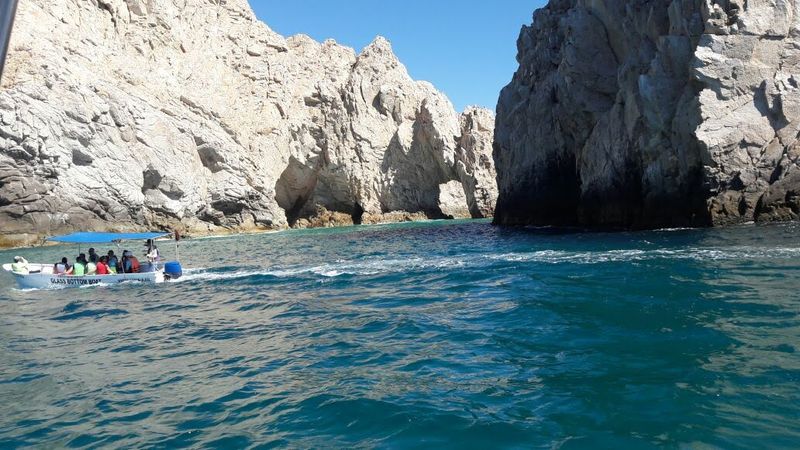
Every winter, gray whales travel up to 12,000 miles round-trip from their Arctic feeding grounds to the warm, protected lagoons of Baja California Sur, and what happens when they arrive is unlike anything else in the whale watching world. In places like San Ignacio Lagoon and Magdalena Bay, gray whales actively approach small boats and allow people to touch them.
These interactions are not staged or engineered. The whales, especially mothers with calves, simply appear to enjoy the contact, and scientists have been studying this curious behavior for years without reaching a fully satisfying explanation.
Guerrero Negro is another key lagoon where this behavior occurs reliably each season from January through April.
The surrounding landscape of desert meeting ocean creates a visual contrast that feels almost theatrical. Baja California Sur offers one of the most intimate wildlife encounters available anywhere on Earth, and it remains genuinely accessible for travelers willing to make the journey.
Share this story