Border regions are where cultures, languages, and histories collide in fascinating ways. Far from being simple lines on a map, these places blend traditions, architecture, and identities shaped by centuries of migration, trade, and shifting borders.
From towns influenced by multiple nations to cities that straddle cultural worlds, these 13 overlooked borderlands reveal a side of history and travel that most visitors never experience.
1. Trieste, Friuli Venezia Giulia, Italy
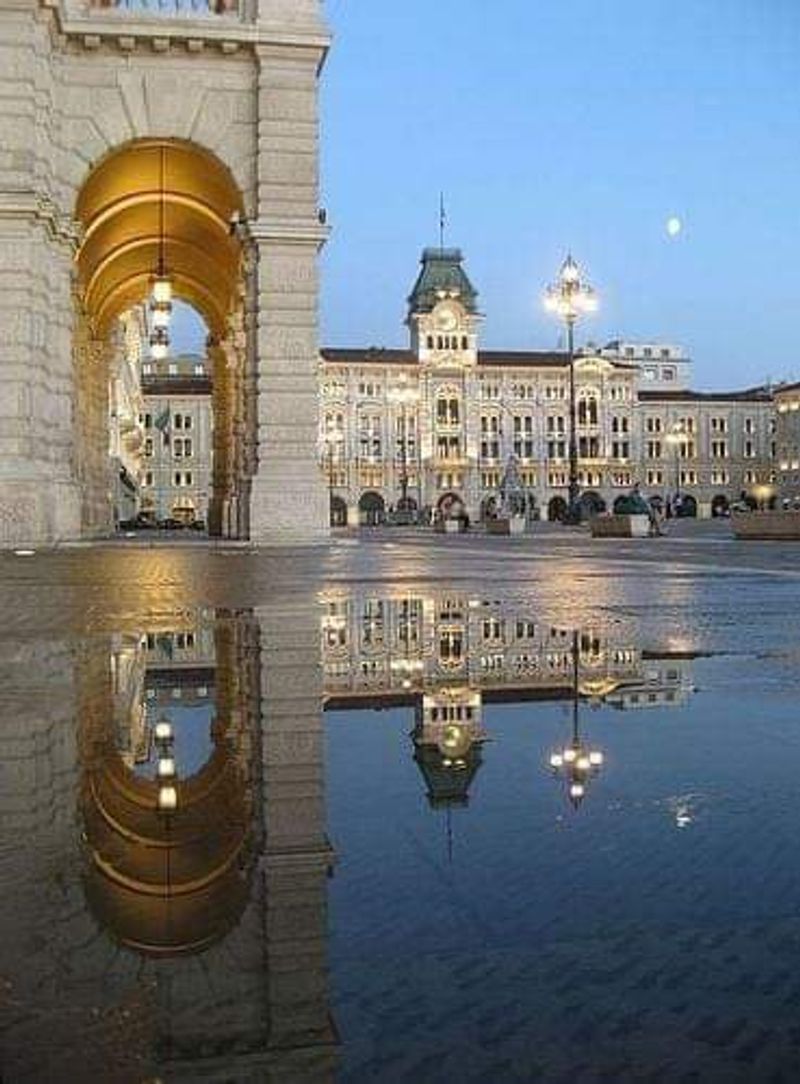
Nobody warned you that Italy could feel this Central European, and yet here is Trieste doing exactly that. Grand Austro-Hungarian buildings line the wide boulevards, and the city’s layout reflects decades of competing imperial ambitions rather than any single national identity.
Trieste spent centuries under Habsburg rule before officially joining Italy in 1954, and that layered past shows up everywhere. Slovenian and German communities have long called this city home alongside Italian residents, creating a multilingual daily life that most visitors find genuinely surprising.
The waterfront Piazza Unita d’Italia is one of the largest seafront squares in Europe, and it frames the Adriatic with a confidence that feels more Vienna than Venice. Trieste also claims one of Italy’s most distinctive espresso traditions, with its own local coffee vocabulary that differs from the rest of the country.
A city that has always belonged to many worlds at once.
2. Kars, Kars Province, Türkiye
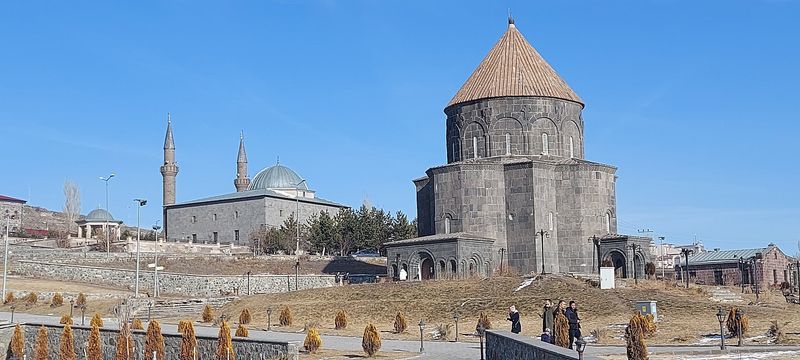
Somewhere between Istanbul and the Caucasus Mountains, Kars quietly holds one of Türkiye’s most unexpected cultural archives. Russian imperial architects left behind a grid of stone buildings in the late 1800s that still define the city center today, giving Kars a streetscape unlike anything else in the country.
Armenian churches, Ottoman mosques, and Russian-era public buildings occupy the same neighborhoods, each representing a different chapter of the region’s complicated ownership history. The nearby ruins of Ani, a medieval Armenian capital, draw historians and curious travelers who want to understand just how many civilizations have passed through this corner of Anatolia.
Kars is also famous throughout Türkiye for its locally produced cheese and honey, which have become points of regional pride. Winters here are long and seriously cold, which partly explains why the city remains off the standard tourist trail.
That remoteness, however, is exactly what keeps its layered character intact.
3. Tijuana, Baja California, Mexico
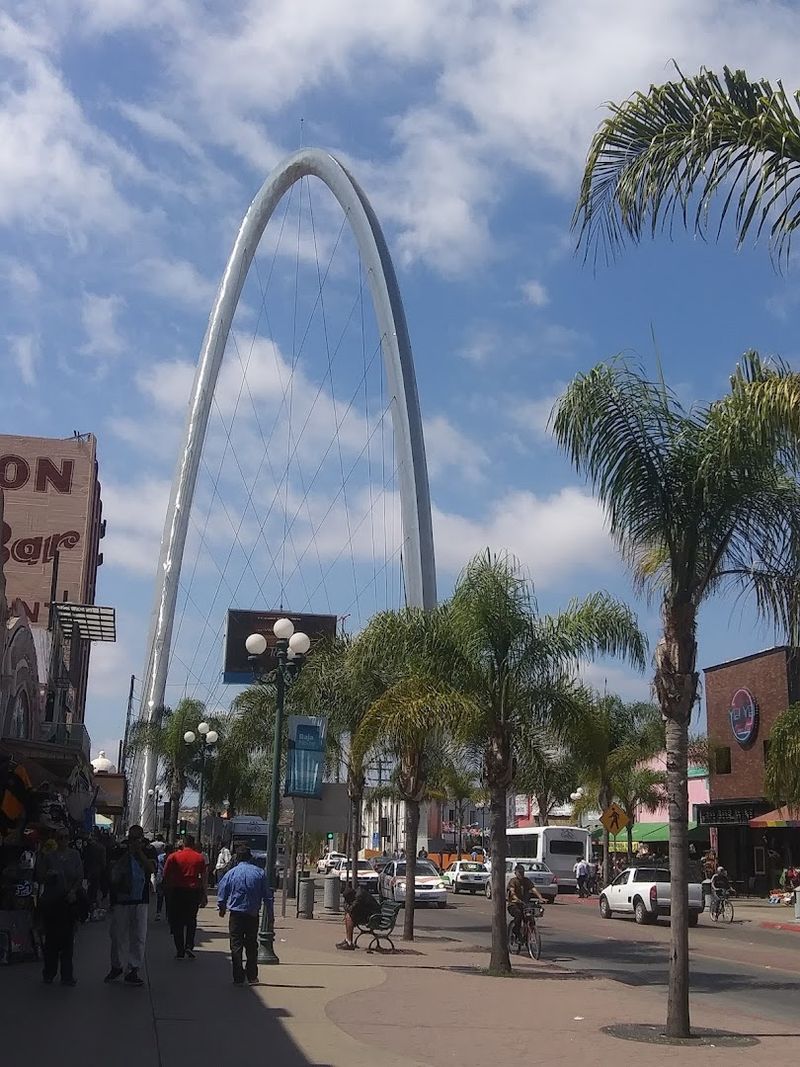
Forget the outdated reputation because modern Tijuana has been quietly building one of Latin America’s most creative urban cultures for the past two decades. The city’s food scene has earned international recognition, with chefs combining Baja California ingredients with techniques from both sides of the border in ways that have drawn serious attention from food writers worldwide.
Tijuana processes more legal border crossings than any other land port on Earth, which means constant movement between Mexican and American communities is simply part of daily life here. That flow has shaped the city’s art, architecture, and economy in deeply practical ways.
Neighborhoods like Zona Rio and Colonia Cacho showcase contemporary galleries, independent bookshops, and community spaces that reflect a city actively defining its own identity.
4. Narva, Ida Viru County, Estonia
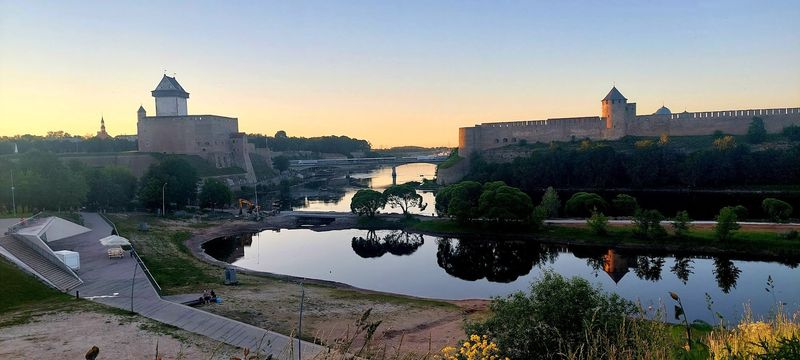
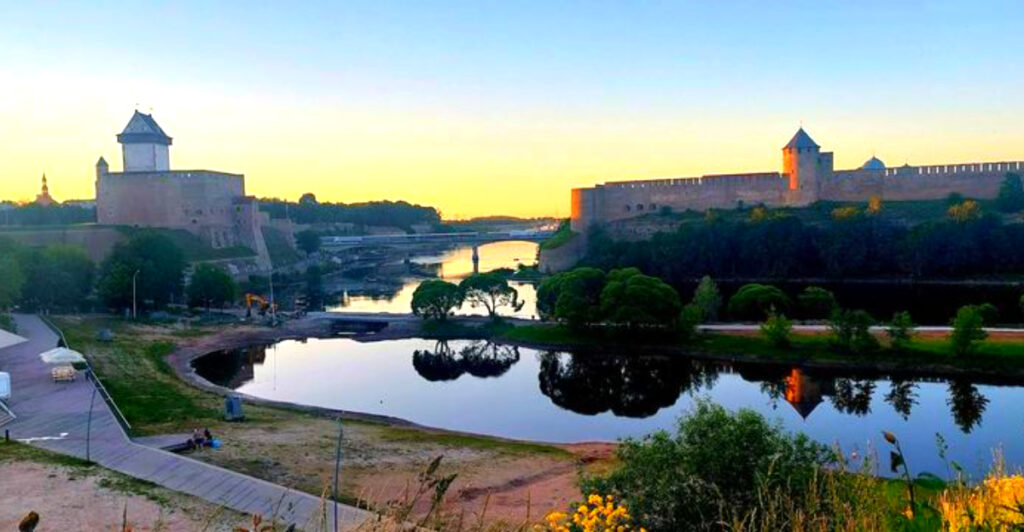
Two medieval fortresses face each other across a narrow river, one flying the Estonian flag and the other the Russian, and between them runs one of Europe’s most geopolitically charged borders. Narva Castle on the Estonian side and Ivangorod Fortress on the Russian side have been staring each other down since the 14th century.
About 97 percent of Narva’s population is Russian-speaking, which makes it a genuinely unusual corner of the European Union. Estonian institutions, Russian cultural traditions, and Soviet-era urban planning all occupy the same compact city, creating a layered identity that political maps struggle to represent accurately.
The city center still carries the grid of its Soviet rebuilding, since much of historic Narva was destroyed during World War II. Despite that, Narva has been investing in cultural renewal, with new museums and public spaces drawing visitors curious about this quietly fascinating frontier.
Standing on the riverbank, two worlds feel close enough to touch.
5. Melilla, Autonomous City of Melilla, Spain
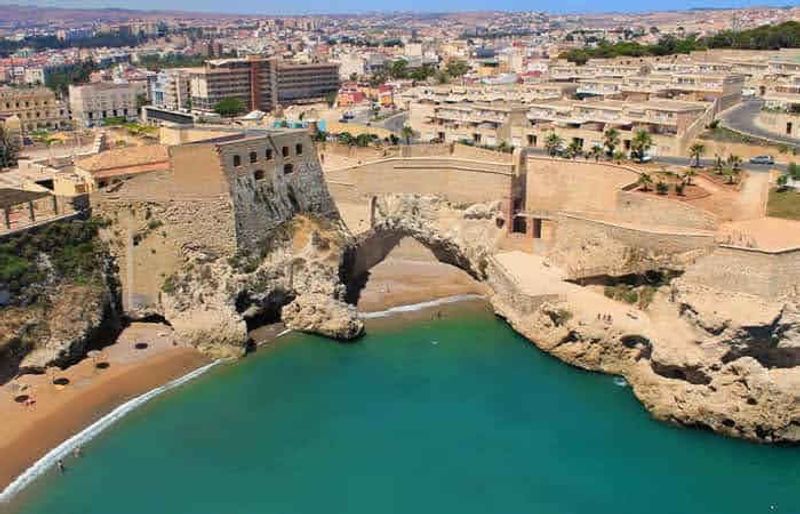
Spain has two cities on the African continent, and Melilla is the quieter, less-visited one that somehow manages to pack five thousand years of Mediterranean history into just twelve square kilometers. Its fortified old town, known as Melilla la Vieja, contains Berber, Portuguese, Spanish, and Moorish architectural layers stacked on top of each other like a historical sandwich.
The city is home to four officially coexisting communities: Christians, Muslims, Jews, and Hindus, each with their own religious buildings and cultural traditions operating within the same small urban space. That level of religious diversity within a Spanish territory on African soil is genuinely rare anywhere in the world.
Melilla also contains an impressive collection of Modernista architecture, with buildings designed by Enrique Nieto, a student of Antoni Gaudi, giving the city a visual identity that surprises most first-time visitors. The border with Morocco runs right through the city’s daily commercial life, making cross-cultural exchange here less a special event and more a Tuesday morning routine.
6. Gorizia, Friuli Venezia Giulia, Italy
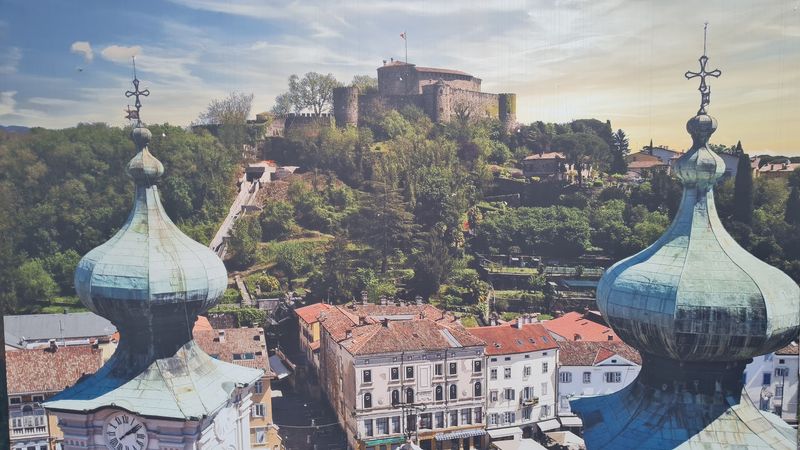
After World War II, a physical wall divided Gorizia from its Slovenian neighbor Nova Gorica, splitting families, streets, and even individual buildings between two countries. That wall came down, and today the two towns share a single central square that became a symbol of European reunification when it was designated a European Capital of Culture in 2025.
Wandering between the Italian and Slovenian sides takes only minutes on foot, and the transition is marked more by language shifts and menu changes than by any dramatic border infrastructure. Italian coffee culture meets Slovenian wine traditions in a stretch of territory that covers only a few kilometers.
The surrounding Collio and Brda wine regions straddle the border on both sides, producing white wines that have built a serious international reputation. Gorizia’s hilltop castle offers a clear view across the entire valley, framing a landscape where national borders have always felt slightly arbitrary against the backdrop of shared geography and intertwined daily life.
7. El Paso, Texas, United States
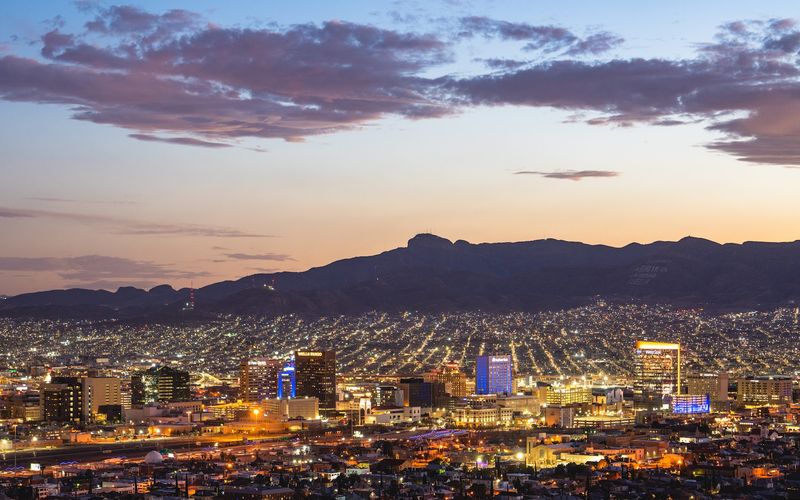
El Paso and Ciudad Juarez together form one of the largest binational metropolitan areas in the world, with a combined population of over two million people sharing a river, a history, and a cultural identity that does not split neatly along national lines. The Rio Grande serves as the official boundary, but daily life on both sides has always flowed freely across it.
El Paso’s food culture is deeply rooted in northern Mexican culinary traditions, with dishes like chile con queso and carne adovada reflecting generations of cross-border exchange rather than any single national cuisine. The city has its own distinct Tex-Mex identity that locals will quickly distinguish from what gets served in other parts of Texas.
Franklin Mountains State Park, which rises directly from the city’s urban grid, is the largest urban state park in the United States. El Paso also holds the distinction of being one of the oldest European-established settlements in North America, with Spanish colonial history stretching back to the late 1500s.
The border here is not a wall but a conversation.
8. Mostar, Herzegovina Neretva Canton, Bosnia and Herzegovina
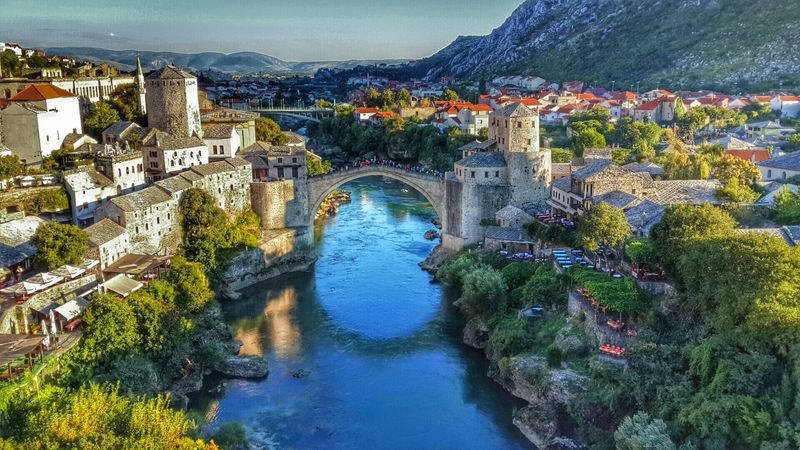
The Stari Most bridge in Mostar was built in 1566 by Ottoman architect Mimar Hayruddin, and its elegant single arch became so central to the city’s identity that when it was destroyed in 1993, the loss felt personal to people who had never even visited. The reconstructed bridge reopened in 2004 and now stands as a UNESCO World Heritage Site.
Mostar’s old bazaar, the Kujundziluk, follows the layout of a classic Ottoman market street, where craftsmen still produce traditional copperwork and jewelry using techniques passed down through generations. Within a short walk from the bazaar, Austro-Hungarian boulevards and Catholic church towers remind visitors of the city’s more recent imperial chapter.
The Neretva River runs a vivid turquoise through the city center, cutting between neighborhoods that still reflect distinct cultural communities. Mostar does not hide its complicated history.
It presents it openly, through its architecture, its divided street life, and the way its residents talk about the city they share and sometimes contest.
9. Cucuta, Norte de Santander, Colombia
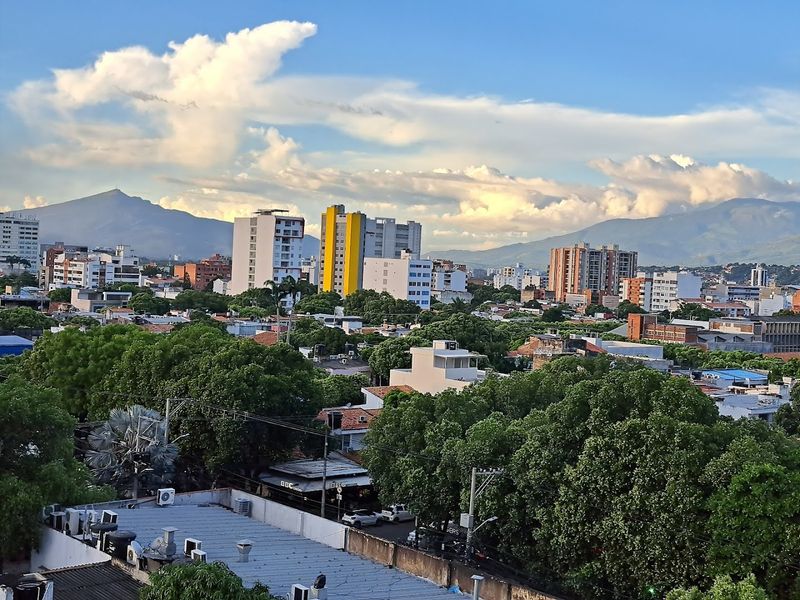
Right on the edge of Colombia and Venezuela, Cucuta has spent decades absorbing the economic and cultural currents flowing between two neighboring nations. The Simon Bolivar International Bridge connecting the two countries became one of the most-watched border crossings in South America after Venezuela’s economic crisis sent millions of people through it in search of stability.
Colombian and Venezuelan culinary traditions blend naturally in Cucuta’s restaurants and street stalls, where dishes from both countries appear on the same menu without any sense of contradiction. The city’s markets reflect this dual influence in their ingredients, vendors, and customer base.
Cucuta sits in a warm valley surrounded by the Andes foothills, and the surrounding Norte de Santander department contains some of Colombia’s most undervisited colonial towns. The city itself was almost entirely rebuilt after an 1875 earthquake, giving it a different architectural character from Colombia’s more preserved historic centers.
Its identity has always been shaped by movement, exchange, and the practical business of living on a border.
10. Irun, Basque Country, Spain
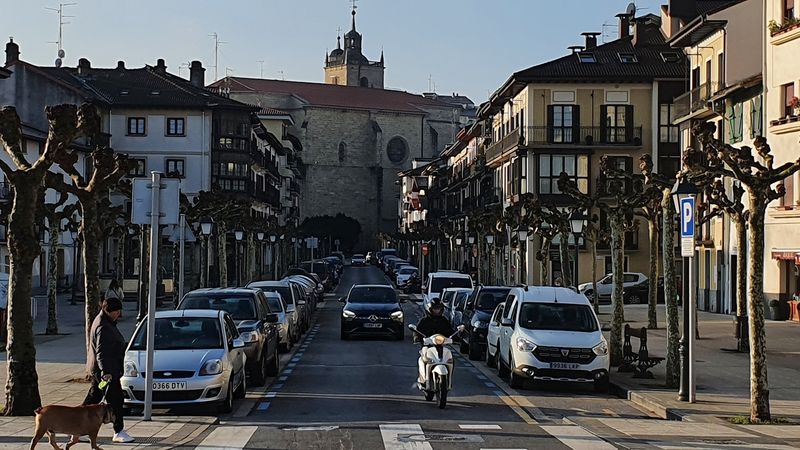
Irun holds a geographic position that has made it strategically important for centuries: it sits at the exact point where Spain meets France at the mouth of the Bidasoa River, and the Basque cultural territory extends across both sides of that border without paying much attention to where one country ends and the other begins.
The Txingudi Bay area, shared between Irun, the Spanish town of Hondarribia, and the French town of Hendaye, forms a natural estuary that three communities treat as common ground. Cross-border shopping, commuting, and socializing are completely ordinary here, with residents moving between Spanish and French systems as casually as others change neighborhoods.
Basque language, known as Euskara, is one of the oldest and most linguistically mysterious languages in Europe, with no confirmed relatives in any other language family. Irun’s festivals and local gastronomy clubs, called txokos, reflect a cultural pride that belongs to neither Spain nor France exclusively but to the Basque people themselves.
11. Suwalki, Podlaskie Voivodeship, Poland
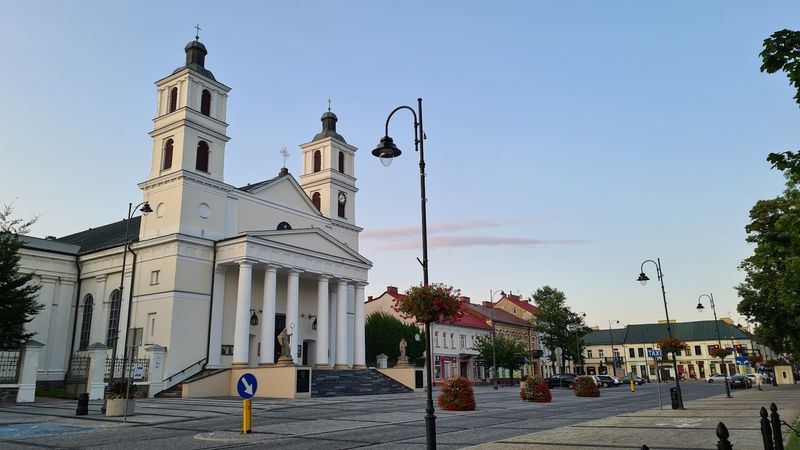
The Suwalki Gap is one of those geopolitical terms that military analysts use frequently while tourists ignore the region entirely, which means the area around this northeastern Polish city remains genuinely off the beaten path despite its fascinating cultural layering. The roughly 100-kilometer stretch of land between Lithuania and Belarus has been called the most strategically important land corridor in Europe by NATO planners.
Suwalki itself reflects the region’s complicated demographic history, where Polish, Lithuanian, German, Jewish, and Old Believer Russian communities all left their marks across centuries of shifting borders. The Old Believers, a conservative Orthodox Christian group expelled from Russia in the 17th century, still maintain communities in nearby villages with their own distinct traditions and wooden prayer houses.
The surrounding Suwalki Landscape Park contains some of Poland’s cleanest lakes and most undisturbed glacial terrain. Visitors who make the effort to reach this corner of northeastern Europe typically find a region that rewards curiosity with layers of history that most of Poland’s more famous destinations simply cannot match.
12. Dandong, Liaoning Province, China
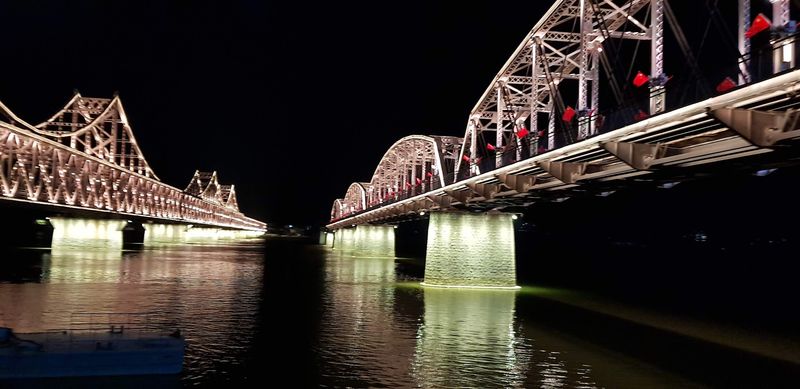
From a riverfront promenade in Dandong, visitors can look directly across the Yalu River into North Korea, making this Chinese border city one of the world’s most unusual observation points for one of its most closed societies. The Broken Bridge, bombed during the Korean War and never repaired on the North Korean side, extends halfway across the river as a permanent reminder of that conflict.
Dandong is China’s largest border city with North Korea and serves as the primary trade corridor between the two countries, handling an estimated 70 percent of bilateral trade. Korean-Chinese restaurants, Korean-language signage, and a significant ethnic Korean population give parts of the city a distinctly cross-border character.
The city’s Museum to Commemorate US Aggression in the Korean War presents a version of that conflict that differs sharply from Western accounts, offering visitors a pointed reminder of how history looks different depending on which side of the river you are standing on. Dandong does not just border another country.
It borders another worldview entirely.
13. Nicosia, Cyprus
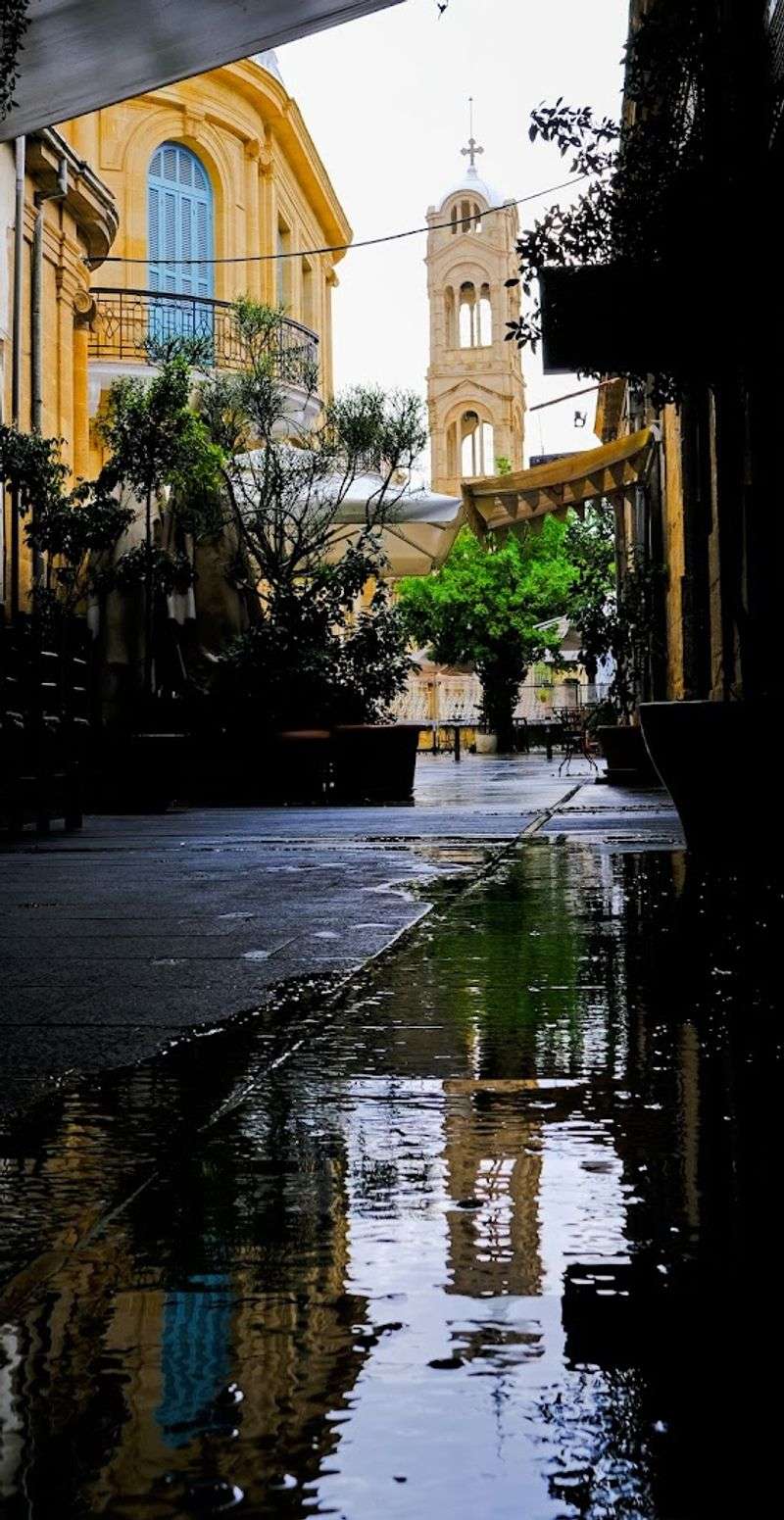
Nicosia holds the unusual distinction of being the only divided capital city remaining in the world, with a United Nations buffer zone running through its center that has separated Greek Cypriot and Turkish Cypriot communities since 1974. The buffer zone, locally called the Green Line, cuts through old neighborhoods, past abandoned buildings, and directly through the historic walled city.
Crossing through the Ledra Street checkpoint takes only minutes, but the shift in environment is immediate. Greek-language signs give way to Turkish ones, Orthodox churches give way to mosques, and the architectural character shifts from one Mediterranean tradition to another within the same ancient Venetian wall circuit.
The walls themselves were built by the Venetians in the 16th century to defend against Ottoman expansion, which adds a certain historical irony to the current division. Nicosia’s old city contains one of the Mediterranean’s most intact medieval street networks, and both sides of the divide offer distinct cafes, markets, and museums that reflect genuinely different historical narratives unfolding within the same small city.
Share this story