Missouri is not exactly a state that gets talked about enough when it comes to charming, walkable downtowns, and that is a real shame. Tucked between rolling hills, river bluffs, and wide-open farmland, the Show-Me State is home to some surprisingly delightful main streets that reward curious visitors willing to slow down and look around.
Some of these towns have histories stretching back centuries, others have quirky claims to fame, and a few have become beloved weekend escapes for people who are tired of malls and parking lots. From a town that inspired America’s most famous fictional adventures to a tiny frontier village where a tavern has been serving food since 1834, Missouri’s downtown districts offer something genuinely worth your time.
This list covers eleven of the best, and by the end, you will probably be planning a road trip you did not know you needed.
1. Downtown Hermann, Hermann, Missouri
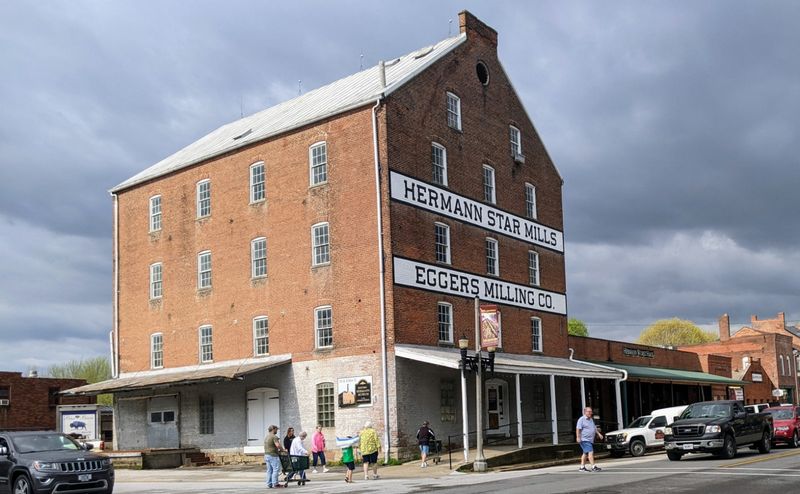
Founded by German immigrants in the 1830s, Hermann was designed from the start to remind its settlers of the Rhine Valley back home, and somehow it still does. The downtown sits in the heart of Missouri Wine Country, surrounded by rolling hills and vineyards that produce some of the state’s most recognized bottles.
The streets are lined with 19th-century brick buildings, historic clock towers, and churches that give the whole district a distinctly old-world character. Visitors can move between coffee shops, distilleries, specialty stores, and the City of Hermann Caboose Museum without ever needing to get in a car.
Hermann’s annual Oktoberfest draws thousands of visitors each fall and has become one of Missouri’s most popular seasonal events. The downtown layout is compact and easy to navigate, making it ideal for a full day of exploration without any real planning required.
Whether you are a history enthusiast or simply enjoy a well-preserved small-town main street, Hermann delivers on both counts with impressive consistency.
2. Downtown Weston, Weston, Missouri
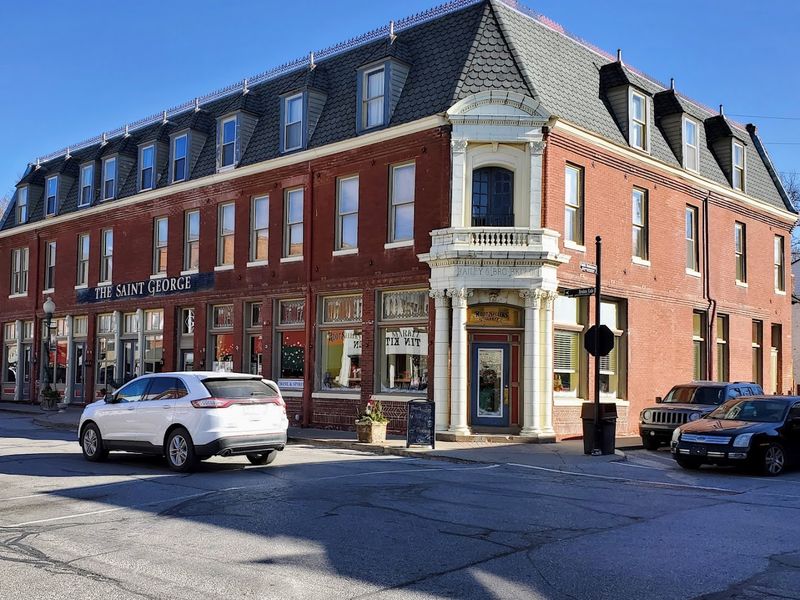
People call Weston the Town That Time Forgot, and after one walk through its downtown, you will understand why that nickname has stuck around. Founded in 1837, this small community in northwest Missouri developed into a thriving pre-Civil War trading hub, and much of that architectural legacy is still standing today.
The downtown features colorful Federal brick buildings with storefront awnings and stately windows that have barely changed in over a century. Independent shops sell locally made products, roasted coffee, cigars, and specialty goods that you simply will not find in a big-box store.
The Weston Historical Museum gives visitors a deeper look at the town’s fascinating past, while the 1842 Weston Brewing Company is one of the oldest operating breweries in Missouri. Antique stores and art galleries fill the gaps between storefronts, creating a browsing experience that rewards patience and curiosity.
Weston moves at its own pace, and the best approach is to match it completely by putting the phone away and just wandering.
3. Downtown Ste. Genevieve, Ste. Genevieve, Missouri
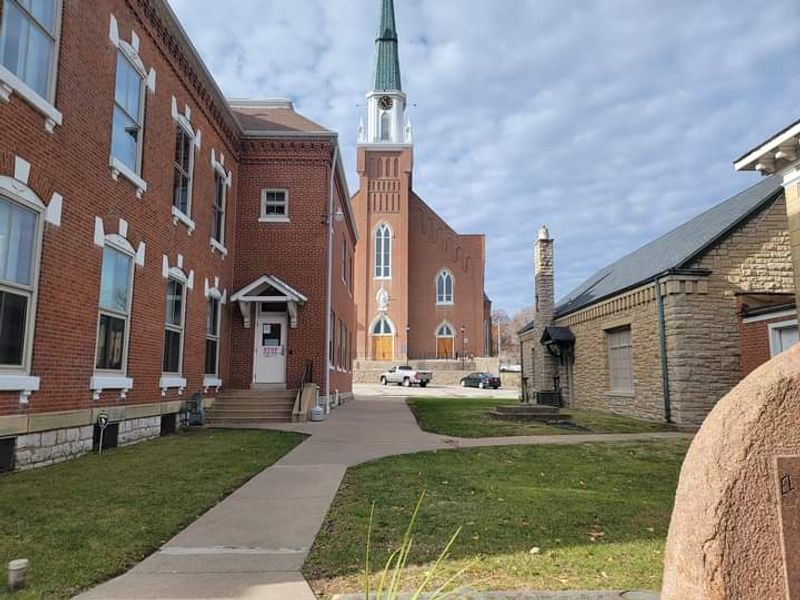
Missouri’s oldest permanent European settlement does not just have history, it has history you can walk through on a Tuesday afternoon with nowhere particular to be. Ste.
Genevieve was established in the mid-1700s, and its downtown still contains some of the best-preserved French Colonial architecture found anywhere in the United States.
The Louis Bolduc House and the Beauvais-Amoureux House are among the most notable structures, both dating back centuries and open for public tours. Narrow streets lined with picket fences connect parks, museums, and centuries-old homes in a compact layout that makes the entire historic district accessible on foot.
The steepled church visible from multiple points downtown anchors the townscape and gives Ste. Genevieve a visual identity unlike any other Missouri community.
Main Street serves as the central hub, with specialty shops and local businesses filling buildings that have seen generations of residents come and go. For anyone interested in American history that predates the Revolution, this downtown is a genuinely rare find.
4. Downtown Excelsior Springs, Excelsior Springs, Missouri
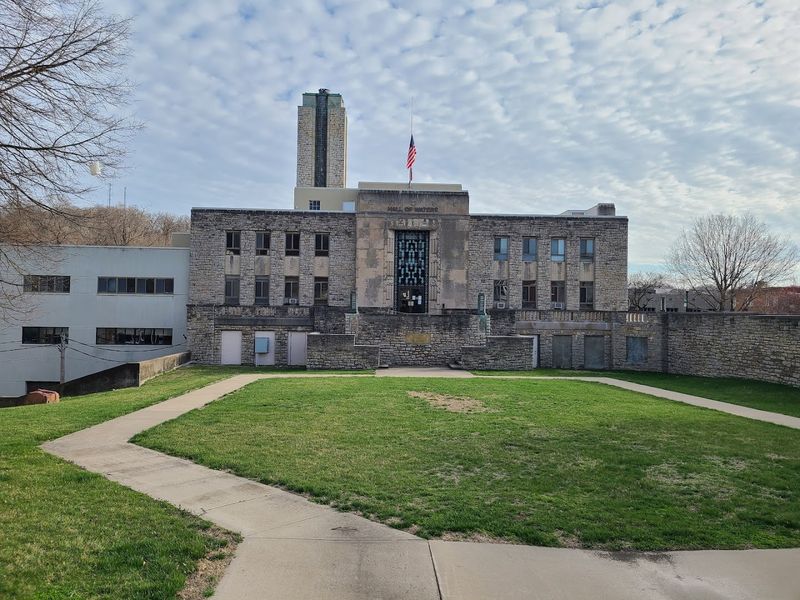
At its peak in the early 20th century, Excelsior Springs was one of the most visited resort destinations in the entire Midwest, drawing visitors from across the country to its famous mineral springs. The downtown that developed during that era is remarkably well-preserved, featuring beautiful Art Deco and classical architecture that tells the story of a town that was once genuinely glamorous.
The Hall of Waters, completed in 1937, remains one of the most striking public buildings in Missouri and still anchors the downtown district today. Local shops, cafes, and small businesses now occupy many of the historic storefronts, keeping the main street active and worth exploring.
The walkable layout makes it easy to move between architectural highlights, local retailers, and historic markers without backtracking. Excelsior Springs also sits close enough to Kansas City to make it a practical half-day trip for urban visitors looking for something different.
The town’s identity is built around the idea of slowing down, and its downtown still carries that spirit in a very real way.
5. Downtown Hannibal, Hannibal, Missouri
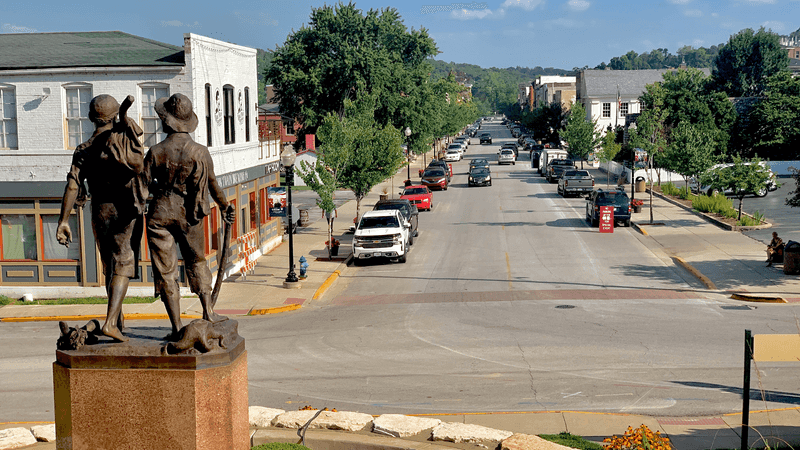
Mark Twain grew up here, and Hannibal has never let anyone forget it, which turns out to be a perfectly reasonable decision given how much history is packed into a few walkable blocks. The downtown sits along the Mississippi River and features colorful buildings with ornate moldings, striped awnings, and a main street atmosphere that feels deliberately preserved rather than accidentally surviving.
The Mark Twain Boyhood Home and Museum sits directly on Main Street and gives visitors a detailed look at the real-life settings that inspired some of American literature’s most enduring characters. Riverfront views are accessible throughout the downtown area, and several walking paths connect the historic core to the water’s edge.
Beyond the literary landmarks, Hannibal’s downtown has independent shops, local restaurants, and historic markers that reward slow exploration. The town takes genuine pride in its connection to Samuel Clemens, and that pride translates into a well-maintained district that visitors consistently rate as one of Missouri’s most enjoyable stops.
It is a place where history feels personal rather than distant.
6. Historic Downtown St. Charles, St. Charles, Missouri
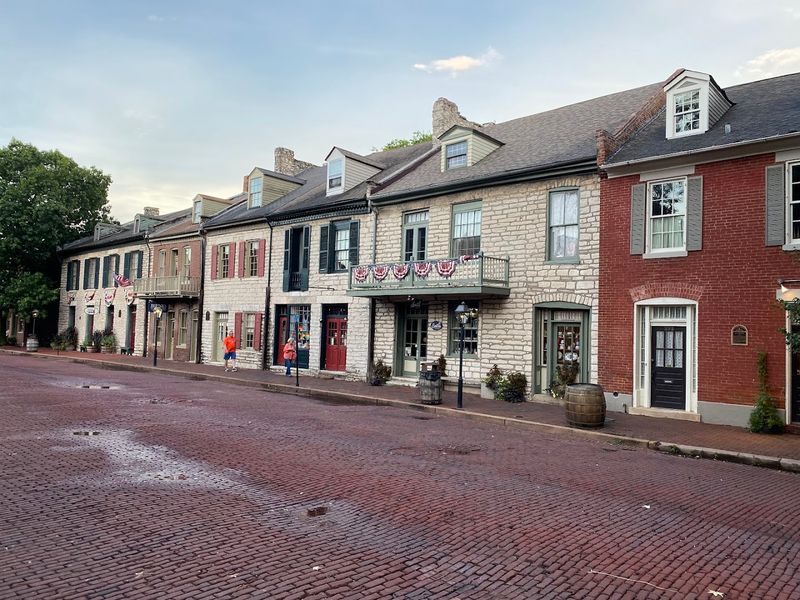
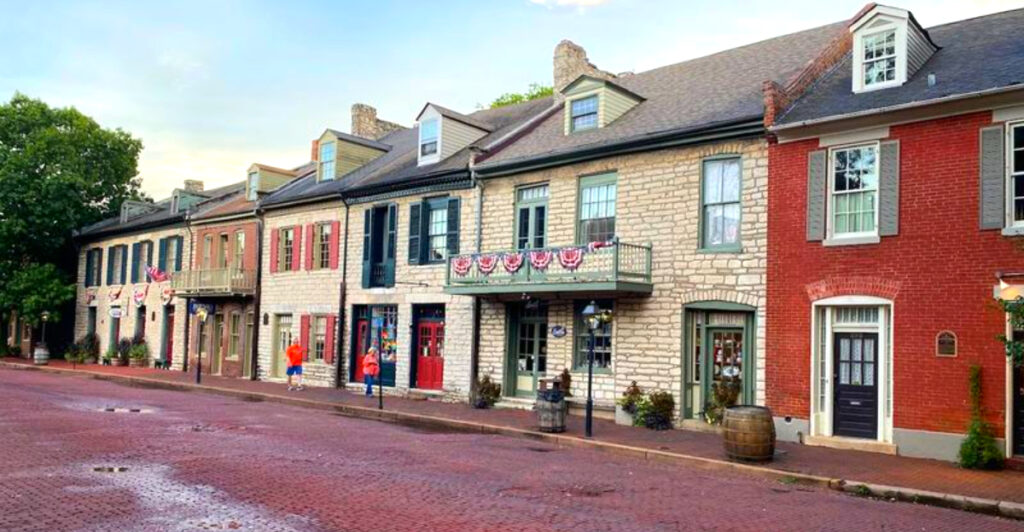
Missouri’s first state capital has a downtown that makes it very easy to lose track of time, and honestly, that is the whole point. Main Street in St. Charles stretches along the Missouri River with over 125 shops and more than 25 restaurants packed into a nationally registered historic district.
The brick-paved sidewalks follow the same paths that pioneers walked when this city was the launching point for westward expeditions. Gas lamps line the street, and the buildings themselves date back to the 1800s, housing everything from specialty boutiques to jewelers and home goods stores.
Despite having a population of around 70,000, St. Charles manages to maintain a genuine small-town atmosphere downtown that larger cities spend millions trying to fake. Visitors frequently comment that the stretch of Main Street near the river is one of the most walkable areas in the entire state.
It is the kind of place where you park the car and do not need it again until dinnertime.
7. Downtown Cape Girardeau, Cape Girardeau, Missouri
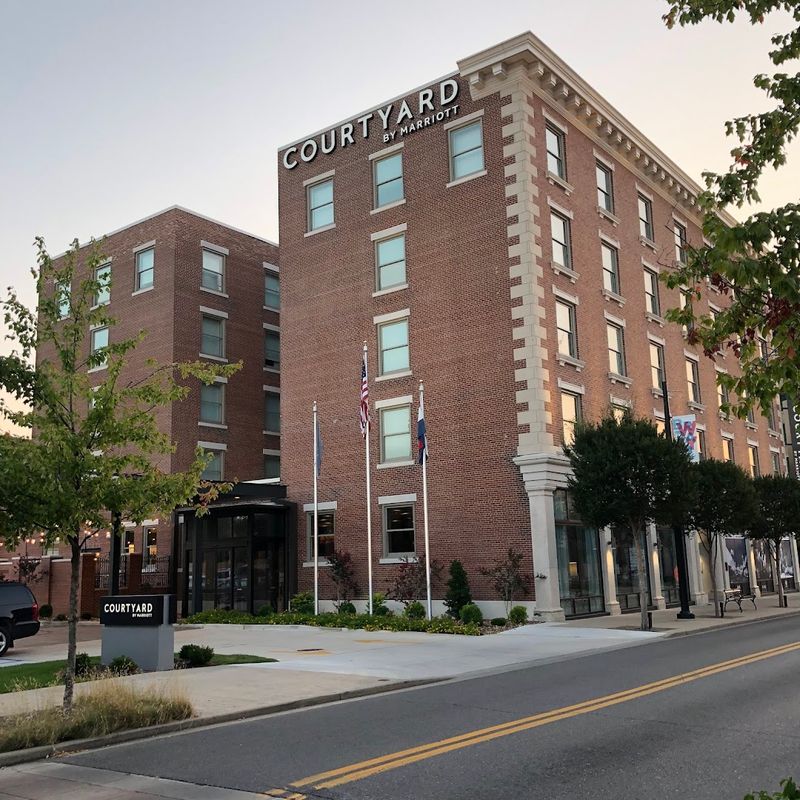
Cape Girardeau sits on a bend in the Mississippi River, and its downtown takes full advantage of that geography with riverfront access, scenic walking paths, and views that give the whole district a distinctive character. The combination of historic brick architecture and contemporary local businesses creates a main street that feels both rooted and current.
The downtown area is well-known for its collection of large-scale outdoor murals painted on building walls throughout the district, turning an ordinary walk into something closer to an open-air gallery visit. Local cafes, boutique shops, and independent restaurants fill the commercial blocks, giving visitors plenty of reasons to extend their stay.
Cape Girardeau is also a college town, which brings an energy to the downtown that keeps it active well beyond typical tourist hours. The riverfront trail system connects the historic core to the water and makes the area genuinely enjoyable for people who prefer to explore on foot.
For a mid-sized Missouri city, the downtown punches well above its weight in terms of walkability and character.
8. Downtown Independence Square, Independence, Missouri
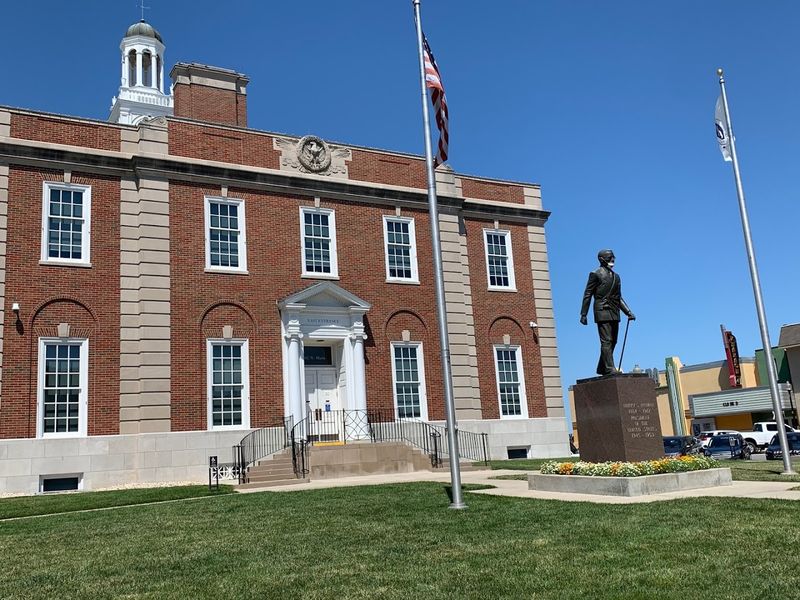
The square at the center of Independence is one of those rare downtown layouts that actually functions the way a town square is supposed to, with the historic courthouse at its center and businesses, museums, and restaurants radiating outward in every direction. It is an old-fashioned setup that works surprisingly well for modern-day wandering.
Independence has deep historical roots as a major departure point for the Oregon, Santa Fe, and California Trails, and the downtown reflects that legacy through several museums and landmarks within easy walking distance of the square. The National Frontier Trails Museum is one of the most informative stops in the area and gives visitors real context for the city’s role in American westward expansion.
Specialty shops and local restaurants line the blocks surrounding the square, creating a commercial district that rewards browsers rather than people with specific shopping lists. Independence is also the hometown of President Harry S.
Truman, and his presidential library sits just a short drive from downtown. The square itself has a comfortable, unhurried atmosphere that encourages visitors to stay longer than planned.
9. Downtown Jefferson City, Jefferson City, Missouri
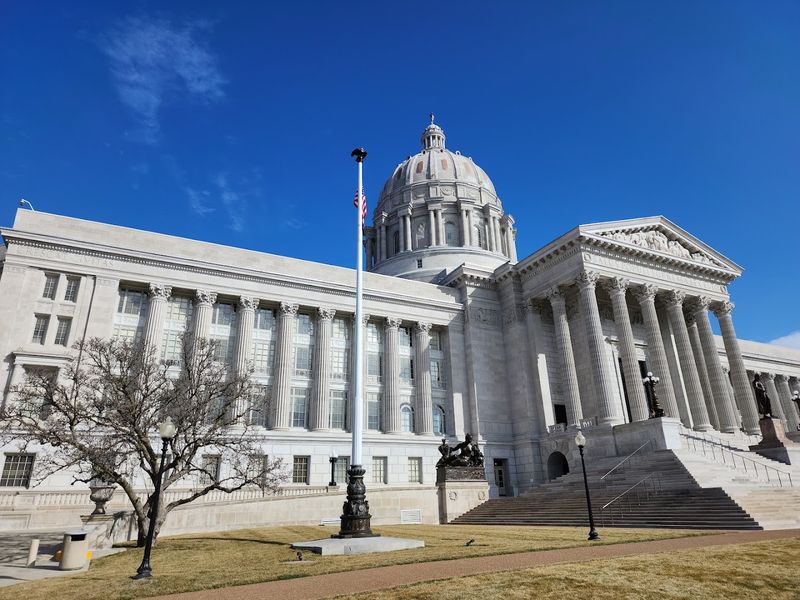
Missouri’s capital city has a downtown that most people drive through on the way to somewhere else, which means most people are making a navigational error they will eventually regret. Jefferson City sits on a bluff above the Missouri River, and the downtown area combines historic government architecture with local businesses, walkable streets, and genuine riverfront scenery.
The Missouri State Capitol building dominates the skyline and is open for public tours that cover both the architecture and the political history of the state. The surrounding streets contain locally owned restaurants, specialty shops, and historic buildings that fill out the district with everyday character beyond the government zone.
The riverfront area below the bluff offers additional walking paths and views that make the downtown feel larger and more layered than a quick visit might suggest. Jefferson City is frequently overlooked on Missouri travel lists, which is partly what makes it worth a closer look.
Visitors who take the time to explore on foot tend to leave with a much higher opinion of the city than they arrived with.
10. Downtown Washington, Washington, Missouri
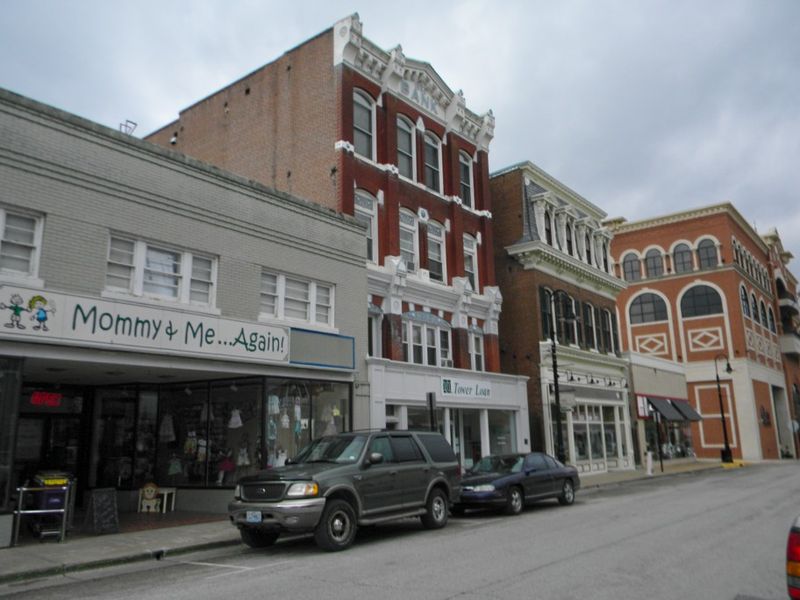
Washington sits along the Missouri River about an hour west of St. Louis, and its downtown has quietly built a reputation as one of the most pleasant main streets in the eastern half of the state. The preserved 19th-century brick buildings along Main Street give the district a visual consistency that feels earned rather than manufactured.
Boutique shops, local restaurants, and specialty retailers occupy the historic storefronts, creating a commercial strip that is genuinely worth browsing without any particular agenda. Washington is also known for its tradition of corncob pipe manufacturing, which sounds unusual until you learn that the city was once the world’s leading producer of the product and still has local businesses connected to that heritage.
The Missouri River is visible and accessible from the downtown area, adding a scenic dimension to a walk that already has plenty going for it. Washington hosts a number of seasonal events and festivals throughout the year that bring additional energy to the main street.
It is the kind of town that locals know well and out-of-towners discover with genuine surprise.
11. Downtown Lebanon, Lebanon, Missouri
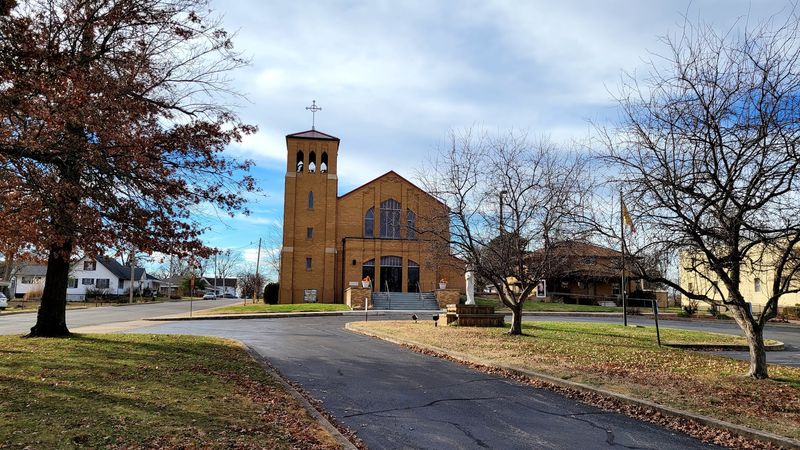
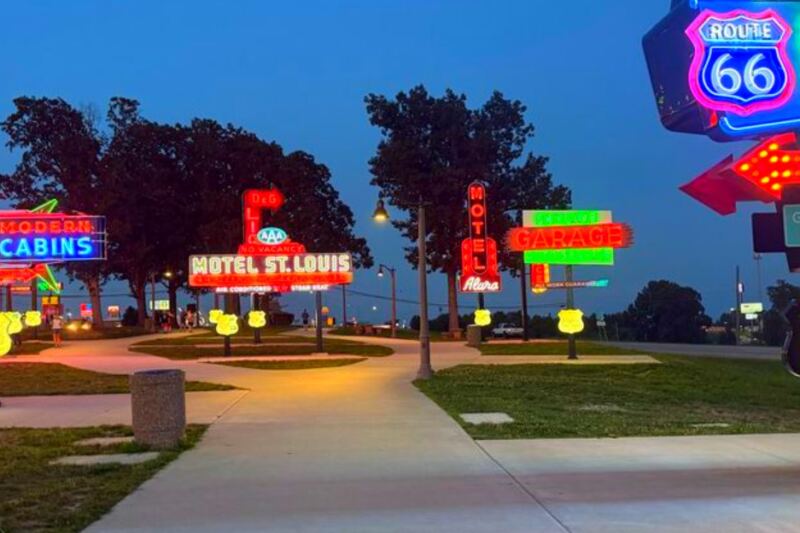
Route 66 runs straight through Lebanon, and the downtown district wears that identity with a relaxed confidence that makes it one of the more interesting stops in central Missouri. The historic storefronts along the main commercial blocks date back to the mid-20th century, giving the area a nostalgic visual character that Route 66 enthusiasts specifically seek out.
Lebanon is the seat of Laclede County and functions as a working small-town downtown rather than a purely tourist-facing district, which gives it an authenticity that more polished destinations sometimes lack. Local businesses, diners, and shops serve both residents and passing travelers, creating a main street atmosphere that feels lived-in and genuine.
The walkable layout makes it easy to cover the downtown core in an afternoon, stopping into independent shops and reading the historic markers that connect the present streetscape to its Route 66 past. Lebanon sits at a convenient point along Interstate 44, making it a practical and rewarding detour for road-trippers crossing Missouri.
Few towns this size pack this much usable history into such a compact and navigable area.
Share this story