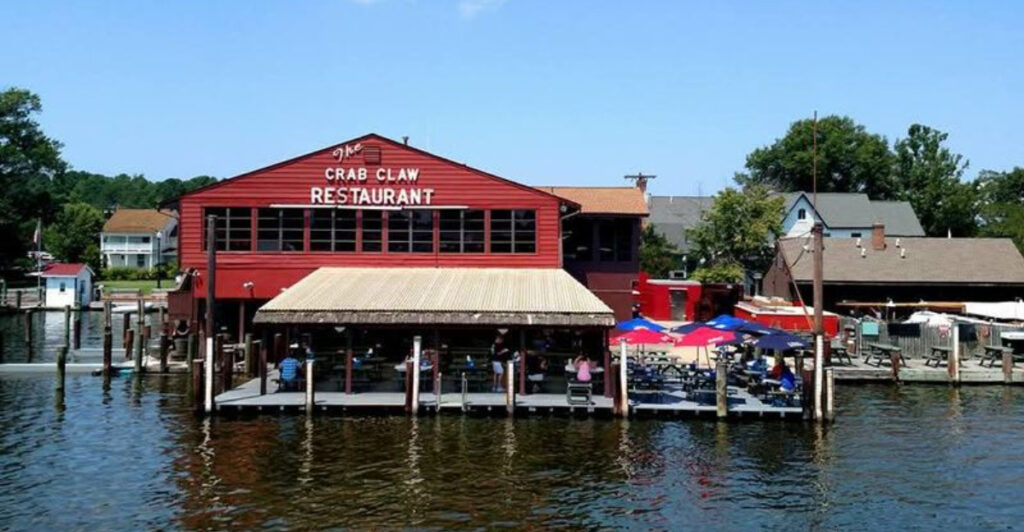
There is a waterfront spot in St. Michaels, Maryland, that has been pulling people off the road and onto its docks for longer than most of its current regulars have been alive. It sits right on the Miles River, and on a busy afternoon, the tables fill up fast with families, boaters, and first-timers who heard about it from someone who heard about it from someone else.
The Crab Claw is not a fancy place, and it does not try to be. What it offers is something harder to manufacture than a polished dining room: a genuine sense of place, a casual waterfront setting, and a menu built around the seafood that has defined Maryland cooking for generations.
This article covers everything worth knowing before you go.
Decades in the Making: A Brief History of the Crab Claw
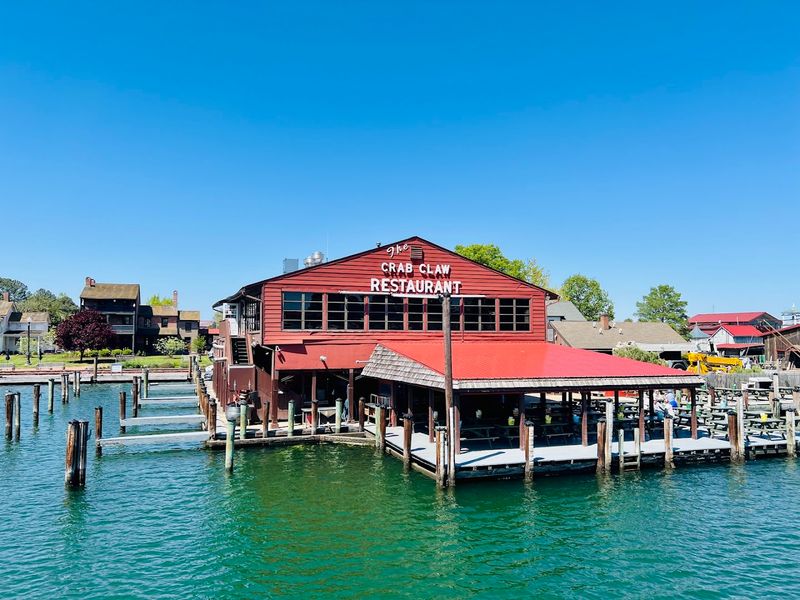
The Crab Claw opened in 1965, which means it has been serving seafood on the Miles River for nearly six decades. That kind of longevity does not happen by accident.
The restaurant became a fixture in St. Michaels during an era when the town was still very much a working watermen’s community rather than a tourist destination.
Over the years, as St. Michaels grew into one of Maryland’s most visited small towns, The Crab Claw grew with it. New generations of families started showing up, many of them returning because a parent or grandparent had brought them years before.
That layered history gives the place a weight that newer restaurants simply cannot replicate. Some guests arrive with clear memories of eating there as children, and the fact that it is still standing, still serving, and still drawing crowds says something real about its staying power in a competitive restaurant landscape.
The Miles River Right Outside Your Table
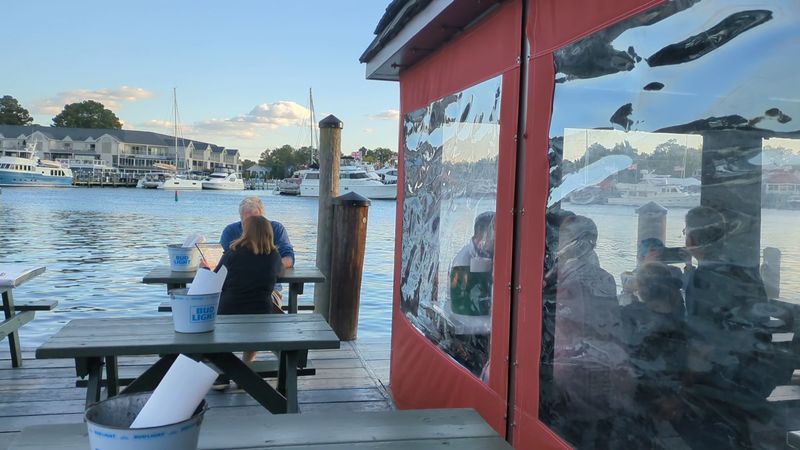
Few things define The Crab Claw more clearly than its position on the Miles River. The outdoor seating area puts diners right at the edge of the water, close enough to watch boats navigate the harbor in real time.
Yachts, sailboats, and smaller fishing vessels all pass through the view regularly.
Wildlife adds another layer to the scene. Ducks paddle along the shoreline, and birds are a constant presence.
The river itself is a working waterway, and the activity on it gives the dining experience a lively backdrop that no interior decor could replicate.
The waterfront setting is genuinely one of the restaurant’s strongest assets. On a clear afternoon, the combination of open sky, moving water, and the general ease of outdoor dining creates an atmosphere that keeps people lingering well past the last bite.
The view alone is a reason many regulars keep coming back season after season.
Casual and Unpretentious: What the Atmosphere Actually Feels Like
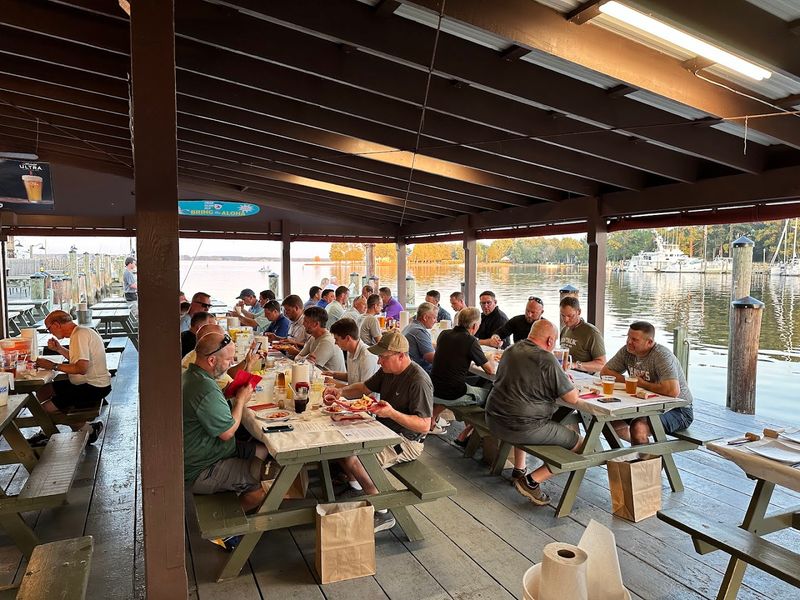
The Crab Claw does not dress itself up. Tables on the outdoor deck are covered with paper, and wooden mallets and buckets sit ready for anyone ordering whole crabs.
The setup is practical, not decorative, and that practicality is part of the charm.
The crowd tends to be a mix of locals, day-trippers from the Baltimore and Washington D.C. areas, and out-of-state visitors who planned the stop specifically. Families with young children sit alongside couples and groups of friends, and the general energy is relaxed and unhurried.
Seating is mostly on open-air benches and picnic-style tables, which keeps things informal. Some guests find the bench seating less comfortable for long meals, but the outdoor setting more than compensates.
The whole place has an old-school crab shack character that feels true to Maryland’s waterfront dining tradition, and that authenticity is something a lot of people actively seek out when visiting the Eastern Shore.
The Menu at a Glance: Regional Seafood Front and Center
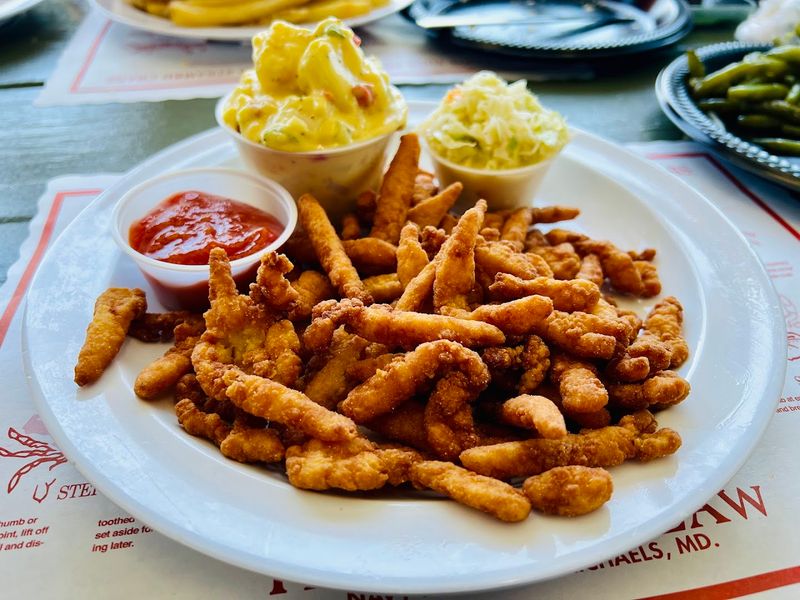
The menu at The Crab Claw is built around regional seafood, with Maryland blue crab holding the central position. Whole steamed crabs are the most iconic order, available by the individual piece or by the dozen.
Beyond that, the menu covers a solid range of classic seafood preparations.
Crab soup, crab dip, crab cakes, soft shell crabs, fried shrimp, fried clam strips, oysters, and a fried seafood sampler all appear alongside sides like hush puppies, potato salad, and green beans. The menu is not trying to reinvent anything.
It presents the seafood traditions of the Chesapeake region in a straightforward format.
For anyone unfamiliar with Maryland-style seafood dining, the menu serves as a good introduction to the regional classics. For those who grew up eating this way, it reads like a familiar list.
Either way, the focus on local seafood traditions is consistent throughout, and the variety is broad enough to satisfy most preferences at the table.
Blue Crab Season and Why Timing Matters
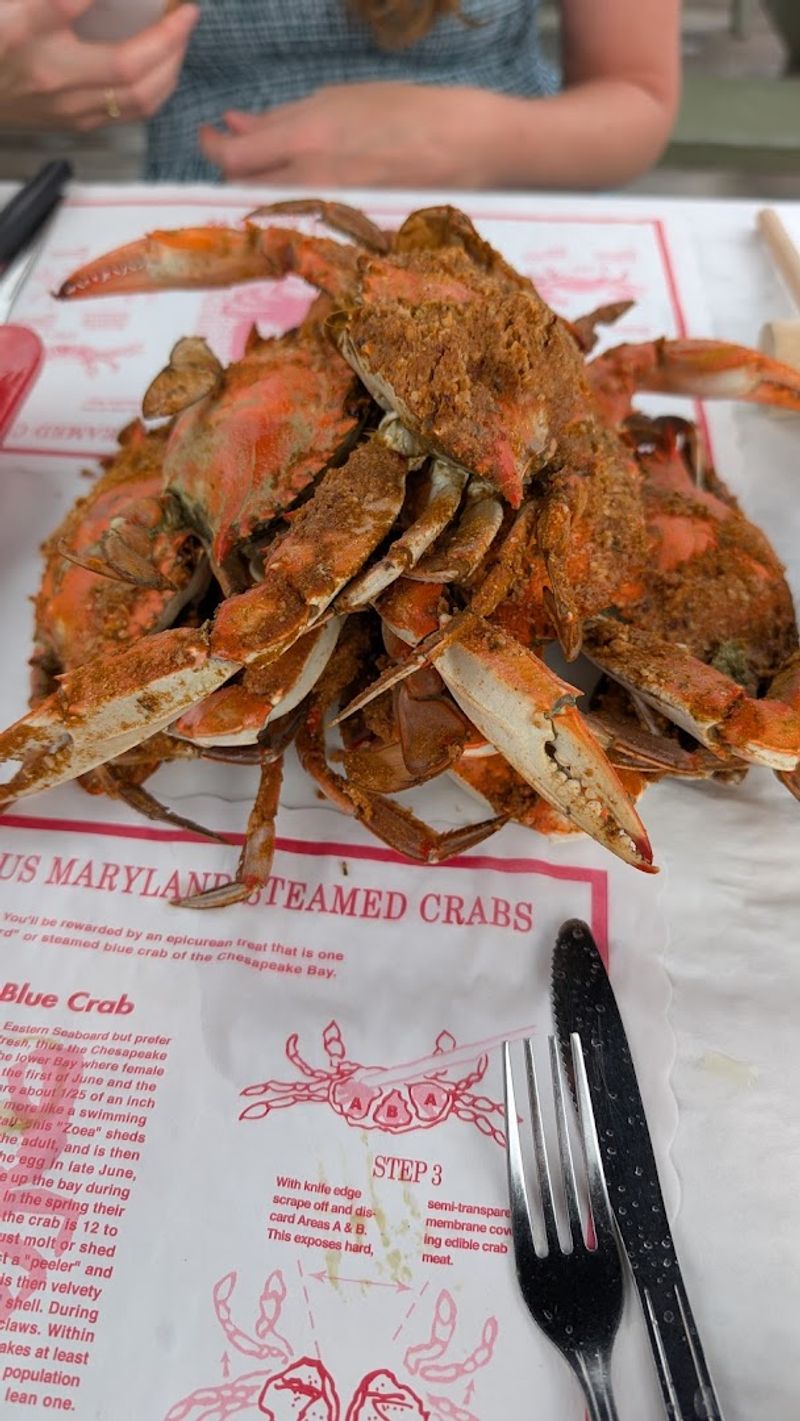
Maryland blue crab has a season, and understanding it makes a real difference in the experience at The Crab Claw. The peak season for Chesapeake Bay blue crabs generally runs from late spring through early fall, with late summer often producing the largest and meatiest crabs.
Ordering whole steamed crabs outside of peak season can be a different experience, as crab quality and size vary considerably depending on the time of year and natural conditions in the Bay. Some guests who arrive in the shoulder season find the crabs smaller or less full than expected.
The restaurant is open Wednesday through Monday from 11 AM to 8 PM, and is closed on Tuesdays. Planning a visit during the heart of crab season, roughly July through September, tends to produce the most satisfying results for anyone whose main goal is ordering a dozen steamed crabs and working through them at a waterfront table.
How to Order Whole Crabs Like a Local
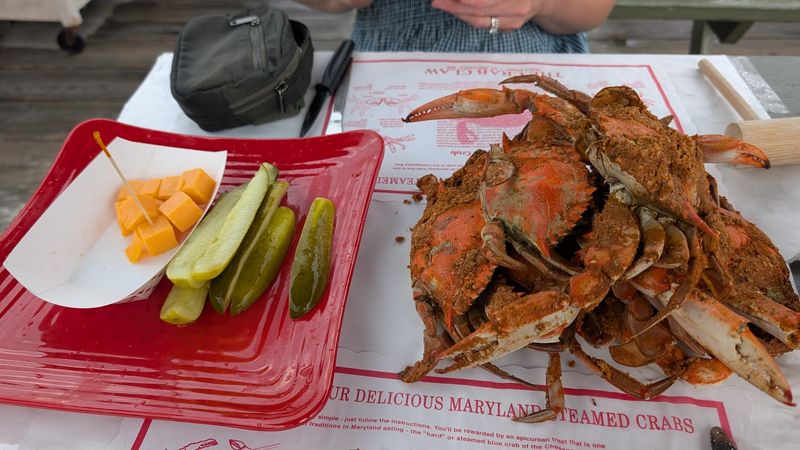
For first-timers, ordering whole steamed crabs at The Crab Claw can feel a little intimidating. The crabs arrive whole, heavily seasoned, and require hands-on work to eat.
The tools provided, wooden mallets and crab picks, are the same ones Marylanders have been using for generations.
The process involves cracking the shell, pulling apart the body, and extracting the meat from the chambers inside. It takes patience, and experienced crab-eaters will tell you the effort is part of the ritual.
The backfin and lump meat sections are the most prized, and a well-filled crab yields a satisfying amount from those areas.
Locals tend to order by the dozen and settle in for a long meal. The paper-covered tables and communal bucket setup are designed for exactly this kind of extended, hands-on dining.
For anyone new to the tradition, watching the table next to you is often the best tutorial available before the first claw hits the paper.
What Makes the Waterfront View Worth the Trip Alone
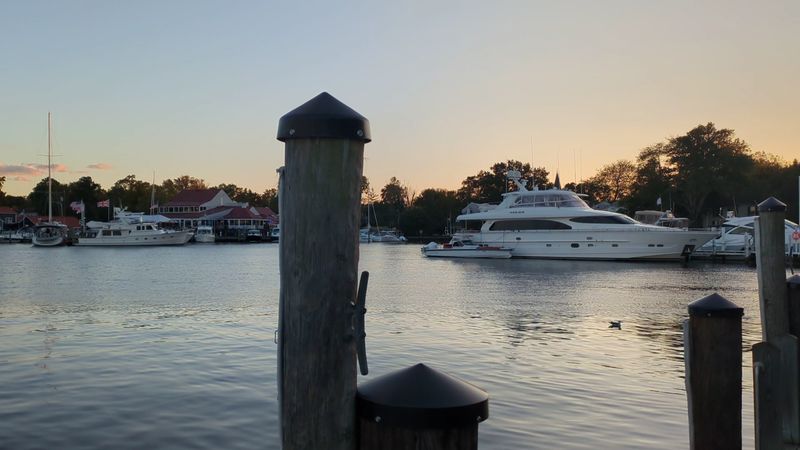
The view from The Crab Claw’s outdoor deck is one of the more genuinely appealing waterfront dining views on Maryland’s Eastern Shore. The Miles River stretches out in front of the seating area, and boat traffic moves through the harbor at a steady pace throughout the afternoon.
Yachts and sailboats are common sights, and on busy summer weekends the harbor can fill up with impressive vessels. Families of ducks are a regular presence along the waterline, and the general pace of the river gives the setting a calm, unhurried quality that pairs well with a long lunch.
The St. Michaels harbor is also a stop on the Patriot Cruise, a tour boat that travels the Miles River, so the view from the deck sometimes includes a passing tour vessel. That small detail adds to the sense that this restaurant is genuinely woven into the fabric of the town and its waterfront life rather than just adjacent to it.
Pricing and What to Expect for Your Budget
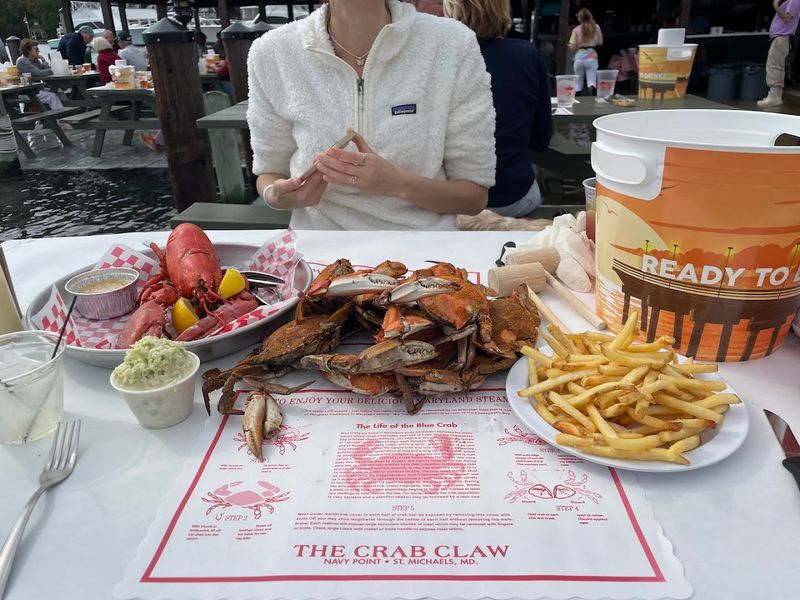
The Crab Claw is priced in the higher range for casual dining, and that is worth knowing before arrival. Whole blue crabs are among the most expensive items, and the price reflects both the cost of the seafood itself and the waterfront real estate.
A dozen large crabs can run well over one hundred dollars depending on the season and market conditions.
Other menu items, including soups, crab cakes, and fried seafood, are also priced at a premium compared to inland restaurants. The general consensus is that you are paying partly for the setting, and most guests who come specifically for the waterfront experience find the value acceptable within that context.
For budget-conscious visitors, sticking to appetizers and soups rather than ordering whole crabs by the dozen is a reasonable approach. The crab dip and hush puppies are frequently highlighted as solid choices that deliver a satisfying taste of the menu without the full financial commitment of a dozen steamed crabs.
A Look at the Outdoor Seating Setup
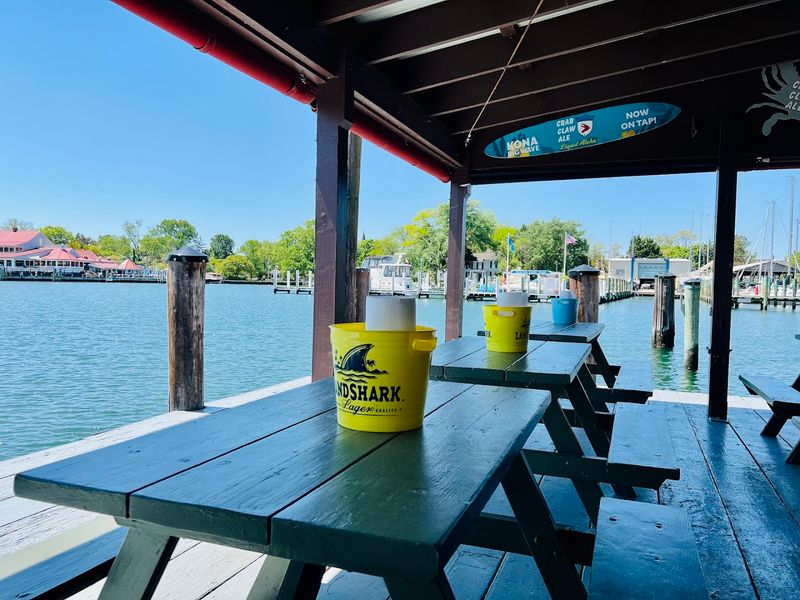
The outdoor seating at The Crab Claw is the main event, and it is worth understanding what that actually means before you arrive. Most of the dining happens on a covered deck with picnic-style benches and tables.
The setup is open to the air on the sides, which means the waterfront breeze comes through freely.
The covered structure provides shade, which is genuinely useful on hot Maryland summer afternoons. The benches are functional rather than cushioned, and some guests find them less comfortable for longer meals.
That trade-off is fairly common at crab shack-style restaurants where the focus is on the food and the setting rather than the furniture.
There is also a bar area within the outdoor space. The overall capacity is substantial, which means the restaurant can handle large groups and busy weekend crowds reasonably well.
Arriving earlier in the lunch window, around 11 AM or noon, tends to secure better table placement closer to the water’s edge.
St. Michaels as a Destination: More Than Just a Meal
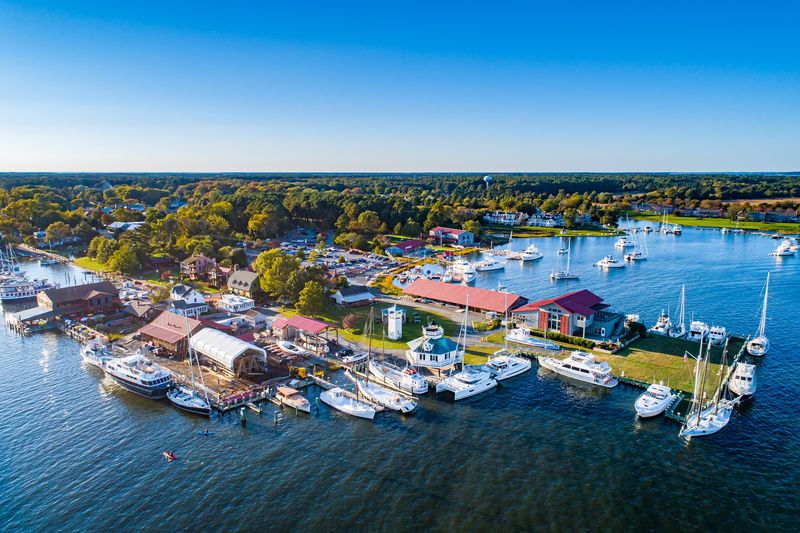
The Crab Claw benefits enormously from its location in St. Michaels, one of the most visited small towns on Maryland’s Eastern Shore. The town itself draws visitors for its maritime museum, historic inns, boutique shops, and the general appeal of a well-preserved Chesapeake Bay community.
A visit to The Crab Claw fits naturally into a full day in St. Michaels. The Chesapeake Bay Maritime Museum is a short distance away and offers a thorough look at the history of the Bay’s watermen, boats, and fishing traditions.
The town’s main street has galleries, shops, and additional dining options worth exploring.
Combining lunch at The Crab Claw with an afternoon at the museum or a walk along the harbor trail makes for a well-rounded Eastern Shore day trip. Many visitors from Baltimore, Washington D.C., and Annapolis make the drive specifically for this combination, treating St. Michaels as a reliable destination rather than a random stop along the road.
The Patriot Cruise Connection and Arriving by Boat
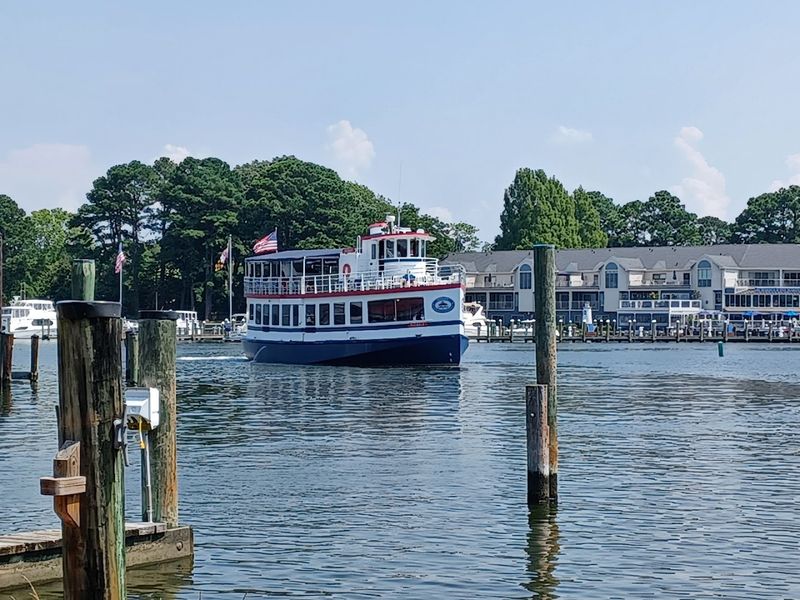
One of the more distinctive ways to experience The Crab Claw is from the water. The restaurant sits right along the Miles River, and the Patriot Cruise, a popular tour boat that operates out of St. Michaels, passes directly by the property.
Guests on the cruise get a clear view of the restaurant’s dock and outdoor deck from the water.
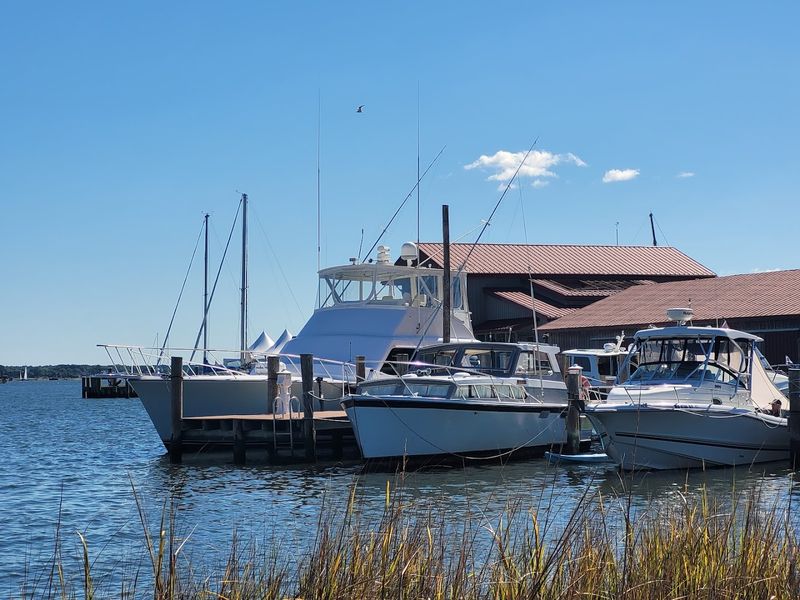
For boaters, the location is also directly accessible by water. The harbor in St. Michaels accommodates visiting vessels, and arriving by boat to have lunch at The Crab Claw is a well-established tradition among Chesapeake Bay sailors and powerboaters.
The dock-side position makes it one of the more accessible waterfront restaurants for anyone cruising the Bay.
That connection to the boating community adds a layer of authenticity to the experience. The mix of land-based diners and people who just tied up their boats nearby gives the outdoor deck a genuinely nautical energy that fits the Eastern Shore setting in a way that feels completely natural and unforced.
Tips for First-Time Visitors Worth Knowing in Advance
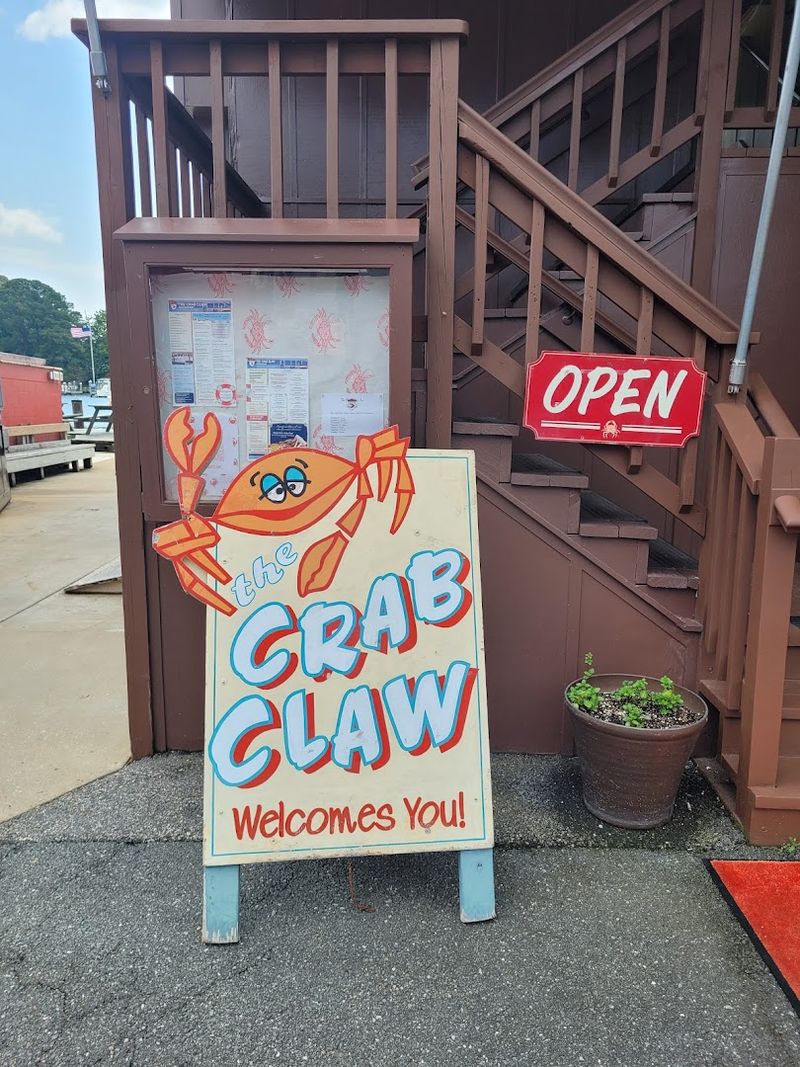
A few practical details make a real difference for anyone visiting The Crab Claw for the first time. The restaurant is open Wednesday through Monday from 11 AM to 8 PM and is closed on Tuesdays, so checking the day of your visit before making the drive is worth the thirty seconds it takes.
Arriving early is consistently the better approach, especially on summer weekends when St. Michaels draws significant tourist traffic. Tables near the water fill quickly, and the lunch rush can make the wait longer than expected if you arrive mid-afternoon on a Saturday in July or August.
Cash is useful to have on hand, though cards are accepted. Wearing clothes you do not mind getting seasoning on is genuinely practical advice for anyone ordering whole steamed crabs.
The paper table coverings and provided tools keep things contained, but crab-picking is inherently a hands-on activity. Coming prepared makes the whole experience considerably more relaxed and enjoyable from the first order to the last.
Why This Place Keeps Drawing People Back After All These Years
Nearly sixty years after it opened, The Crab Claw is still a destination that people plan trips around. That kind of sustained draw is not built on any single feature.
It is the combination of location, tradition, and a menu that stays true to what Maryland waterfront dining has always been about.
The restaurant has its critics, and the mixed feedback over the years reflects the reality that expectations vary widely among guests. Some come for the view and the experience of eating steamed crabs on the water.
Others arrive with high culinary expectations and find the food more straightforward than anticipated.
What keeps the crowds coming is something harder to quantify than a star rating. It is the fact that The Crab Claw represents a specific kind of Maryland experience, one tied to the Chesapeake Bay, the Eastern Shore, and the simple pleasure of cracking open a crab at a waterfront table.
That experience has genuine value, and for many people, it is exactly what they came to St. Michaels to find.
Where It All Begins: Address, Location, and Setting
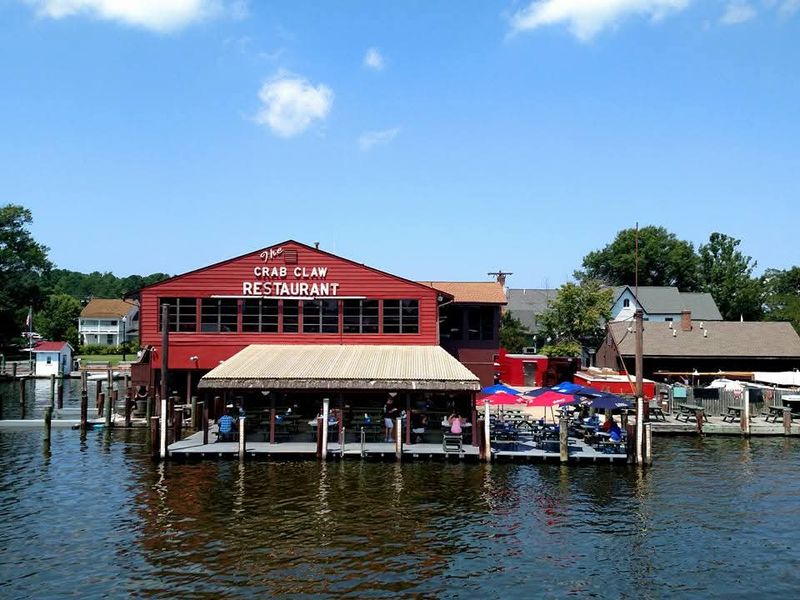
The Crab Claw sits at 304 Burns St, St. Michaels, MD 21663, right along the edge of the Miles River on Maryland’s Eastern Shore. St. Michaels is a small waterfront town on the Chesapeake Bay region, known for its maritime history, quiet streets, and deep connection to the water.
Getting there is part of the experience. The drive through Talbot County takes you past farmland, tidal creeks, and old watermen communities that have barely changed in decades.
Once you arrive in town, the restaurant is easy to find near the harbor.
The building itself is a casual, open-air structure that fits right into the landscape. There are no grand architectural statements here.
What you get instead is a direct connection to the waterfront, with the Miles River visible from most of the outdoor seating. It is the kind of place that feels like it belongs exactly where it is.
Share this story