Fame and fortune do not always go hand in hand, especially in the music world. Some of the most gifted and celebrated musicians in history spent their final years struggling to pay bills, even as their songs lived on in millions of hearts.
The gap between artistic greatness and financial security has swallowed up legends across every genre, from blues to folk to rock. These 10 stories are a sobering reminder that talent alone rarely guarantees a comfortable life.
1. Billie Holiday
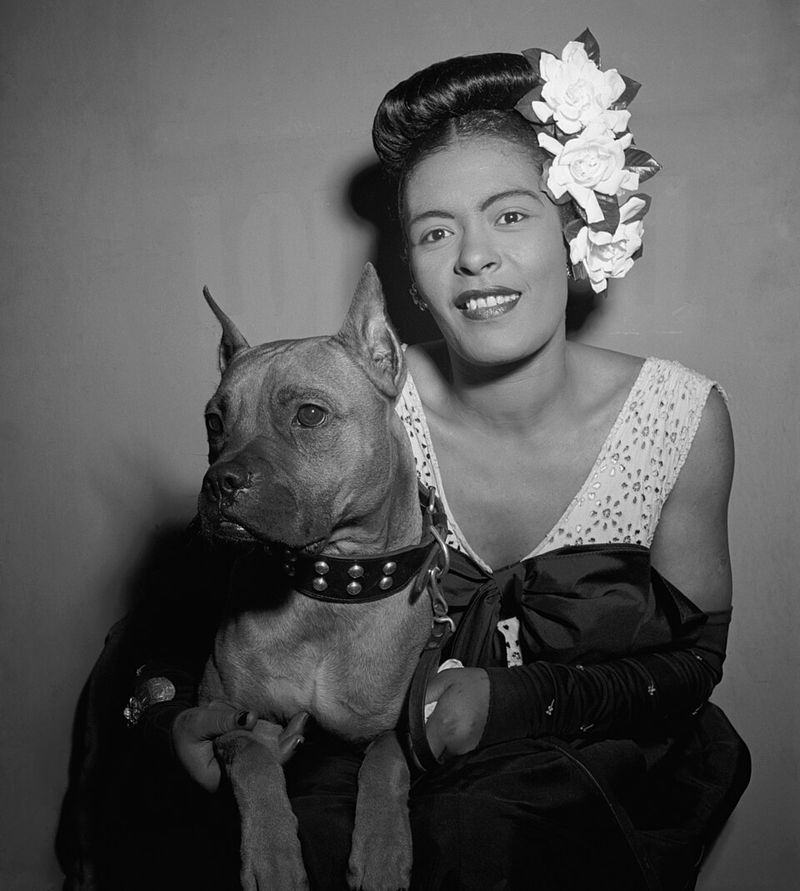
Billie Holiday sang with a voice that could break your heart in the best possible way. She sold out clubs and concert halls across America and became one of the most recognized names in jazz history.
Yet behind all that fame, her financial life was a disaster.
Holiday struggled with addiction for most of her adult life, and the people around her often took advantage of her earnings. By the time she died in 1959 at age 44, she had just $0.70 in the bank.
The government had even revoked her cabaret card, making it nearly impossible for her to perform legally in New York.
Her story is a painful example of how the music industry exploited Black artists during that era. “Strange Fruit” and “God Bless the Child” remain timeless, but she never saw the financial rewards those songs deserved.
2. Bessie Smith
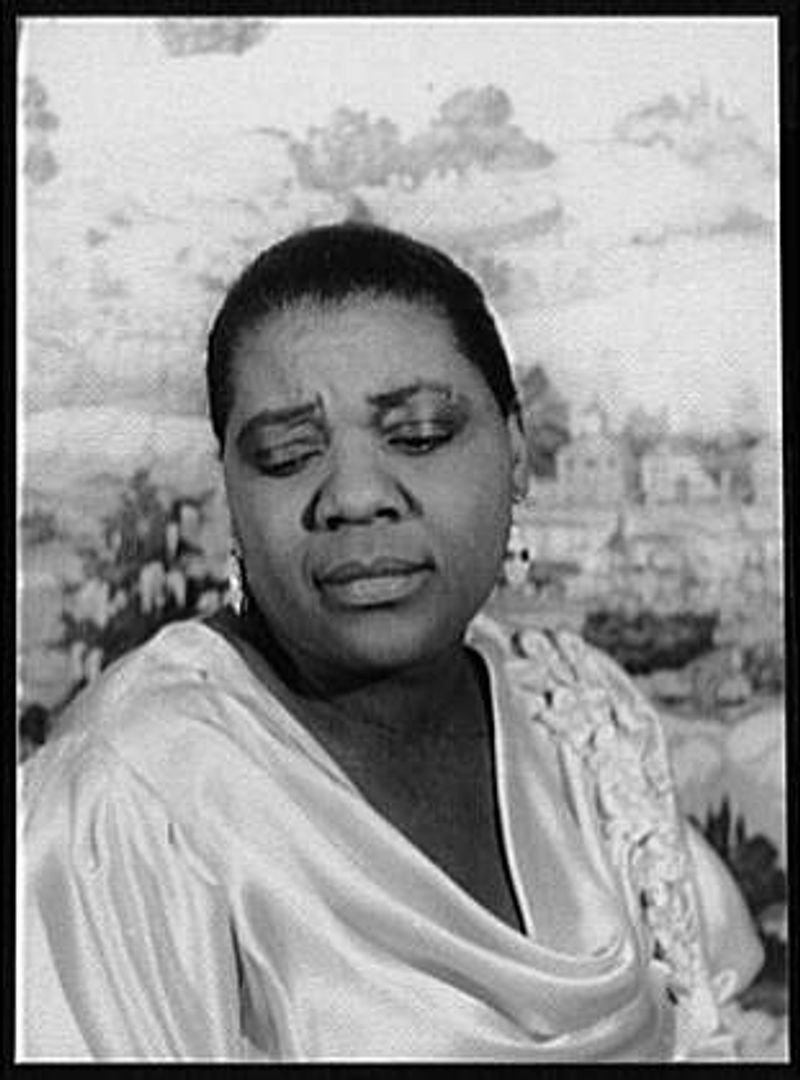
Known as the Empress of the Blues, Bessie Smith dominated American music in the 1920s with a powerful voice that filled theaters without a microphone. At her peak, she was one of the highest-paid Black entertainers in the country.
But the Great Depression hit her career hard, and record sales dried up almost overnight.
By the 1930s, she was struggling to find steady work. The lavish lifestyle she had built during her success years left her with very little savings when the money stopped coming in.
She died in 1937 following a car accident in Mississippi under circumstances that were long debated.
Her estate had little to show for decades of groundbreaking work. Columbia Records had made enormous profits from her recordings, yet she died far from wealthy.
Sharon Queenie, a fan, later paid for a headstone on her previously unmarked grave.
3. Big Mama Thornton
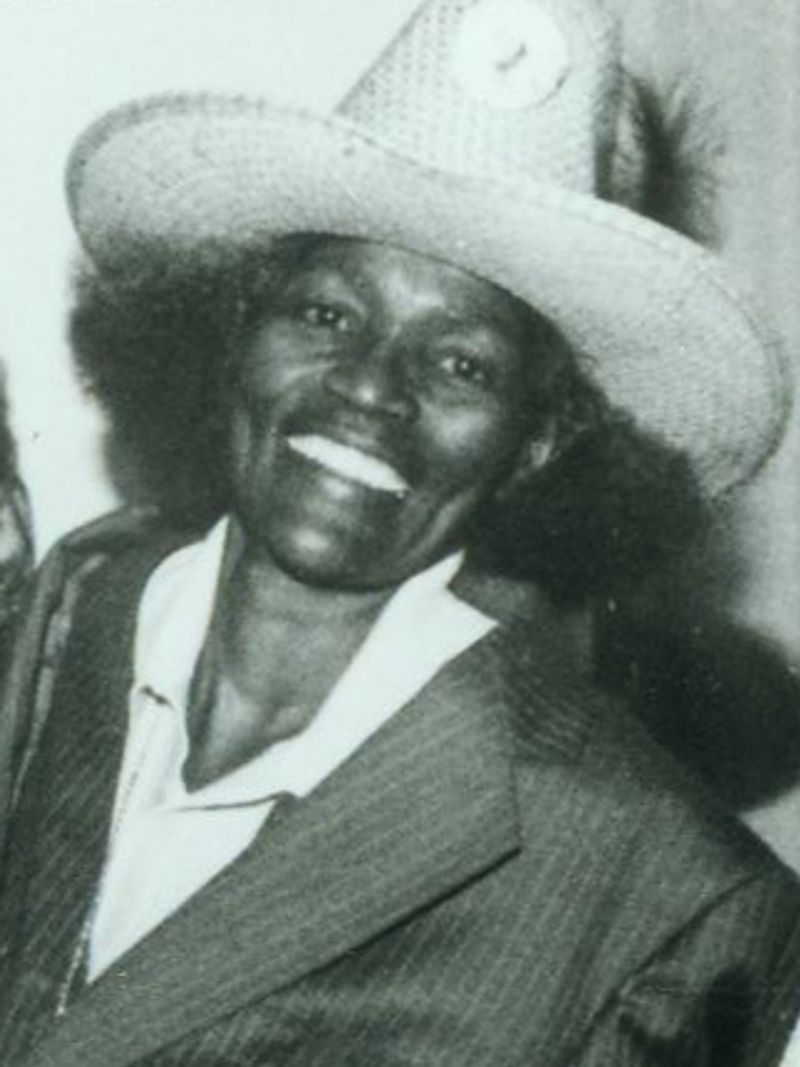
Big Mama Thornton recorded “Hound Dog” two years before Elvis Presley made it a worldwide hit, yet she earned almost nothing from it. She was paid a flat fee of $500 for the recording session and received no royalties as the song climbed the charts.
Elvis took the song to a whole new audience and became a superstar, while Thornton remained largely in the shadows.
Throughout her career, she was consistently underpaid and overlooked by an industry that profited from her raw talent. She also recorded “Ball and Chain,” which Janis Joplin later turned into a rock anthem.
Again, Thornton saw little financial benefit from the renewed attention.
She spent her later years in near poverty, living in a rooming house in Los Angeles. When she died in 1984, her estate was valued at just $500.
Her story is one of the blues world’s most glaring examples of artist exploitation.
4. Blind Willie Johnson
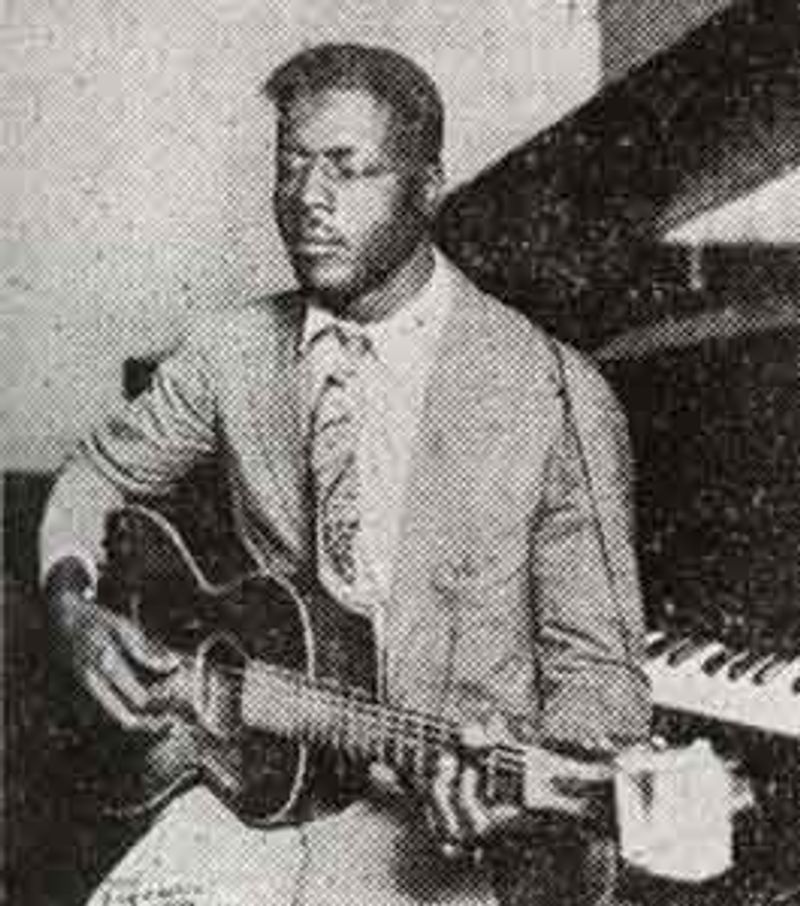
Blind Willie Johnson recorded some of the most haunting and spiritually powerful music ever captured on tape. His 1927 recording of “Dark Was the Night, Cold Was the Ground” was so moving that NASA included it on the Voyager Golden Record sent into deep space.
That one fact alone tells you how significant his music was considered to be.
Despite that legacy, Johnson lived in extreme poverty his entire life. He was blinded as a child and spent years playing on street corners for spare change.
His recordings were made for Columbia Records, but he received little compensation and no ongoing royalties.
After his home burned down in 1945, Johnson reportedly slept in the ruins. He died shortly after, likely from complications related to exposure.
He was believed to be around 48 years old. His music outlived him by decades, reaching literal outer space, while he died with almost nothing.
5. Townes Van Zandt
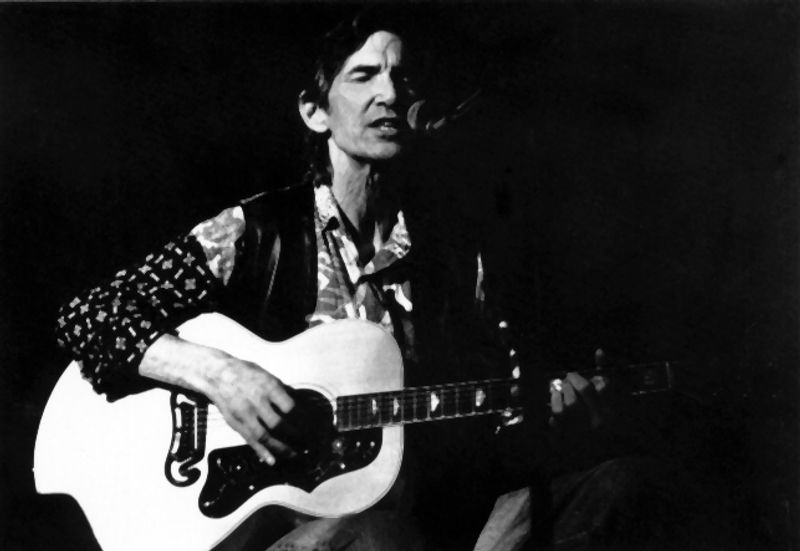
Townes Van Zandt is widely regarded as one of the greatest American songwriters who ever lived. Artists like Emmylou Harris, Willie Nelson, and Merle Haggard covered his songs, and “Pancho and Lefty” became a major country hit.
Yet Van Zandt himself rarely saw much money from those recordings due to unfavorable publishing deals he signed early in his career.
He struggled with alcoholism and mental health challenges throughout his life, which made managing finances nearly impossible. He often lived out of cheap motels or stayed with friends.
Despite his enormous influence on American roots music, he never achieved mainstream commercial success on his own terms.
Van Zandt died on New Year’s Day in 1997 at age 52, reportedly leaving behind very little financially. His catalog has since become highly valuable, but that wealth came too late.
His daughter later said he once gave away his publishing rights for a horse.
6. Tim Hardin
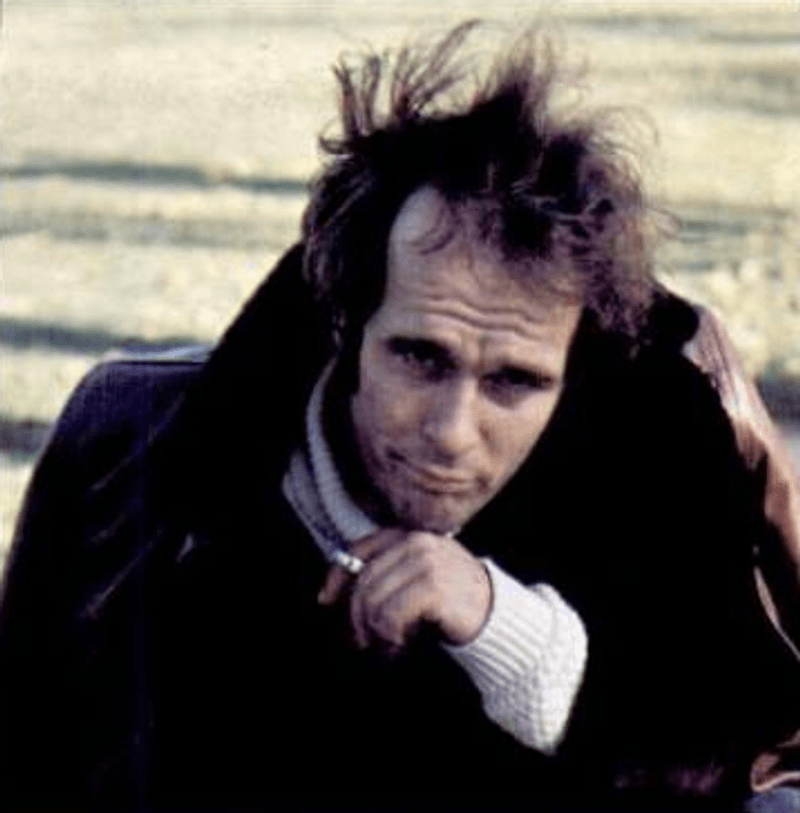
Tim Hardin wrote two of the most covered songs of the 1960s: “If I Were a Carpenter” and “Reason to Believe.” Bobby Darin, Rod Stewart, and dozens of others recorded them, turning those songs into enduring standards. Hardin, however, struggled to hold onto the money those songs generated, partly due to poor contract terms and a severe heroin addiction.
His live performances were famously unreliable. He sometimes showed up hours late or not at all, frustrating promoters and fans alike.
His voice was extraordinary when he was at his best, but his addiction made consistency nearly impossible.
Hardin moved to England in the 1970s hoping for a fresh start, but his problems followed him. He died of a heroin overdose in Los Angeles in 1980 at just 39 years old.
Despite the royalties his songs continued to earn, he had little financial security when he passed.
7. Roky Erickson
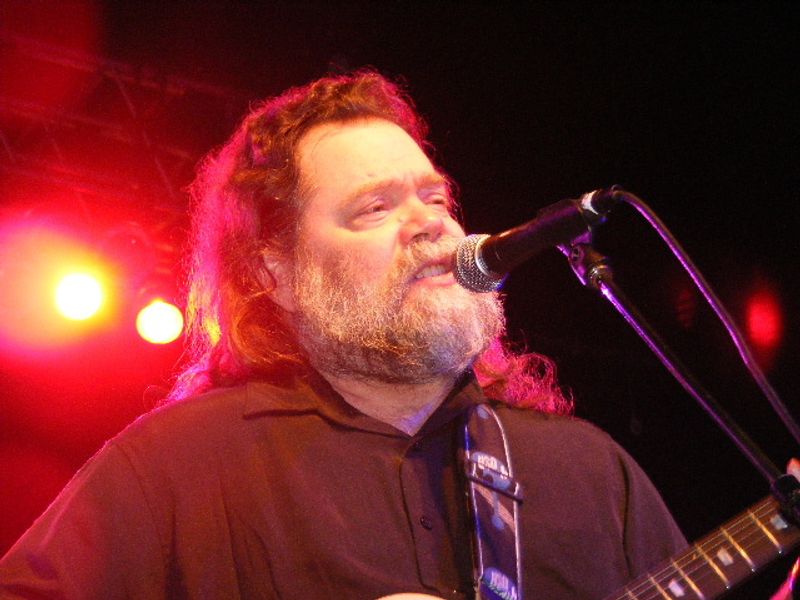
Roky Erickson helped invent psychedelic rock as the frontman of the 13th Floor Elevators in the mid-1960s. His voice was raw, electric, and unlike anything else on the radio at the time.
Bands like R.E.M., ZZ Top, and the Jesus and Mary Chain have all cited him as a major influence.
But Erickson’s life took a devastating turn when he was arrested for marijuana possession in 1969. Rather than face prison, he pleaded insanity and spent years in a Texas state psychiatric hospital, where he received harsh treatments including electroconvulsive therapy.
He emerged deeply changed and struggled for decades with mental illness and financial hardship.
For long stretches of his later life, he lived in squalor, hoarding mail and barely functioning on his own. His brother Sumner eventually became his legal guardian and helped stabilize his life.
Erickson died in 2019, finally receiving some recognition but never the financial rewards his influence deserved.
8. Sixto Rodriguez
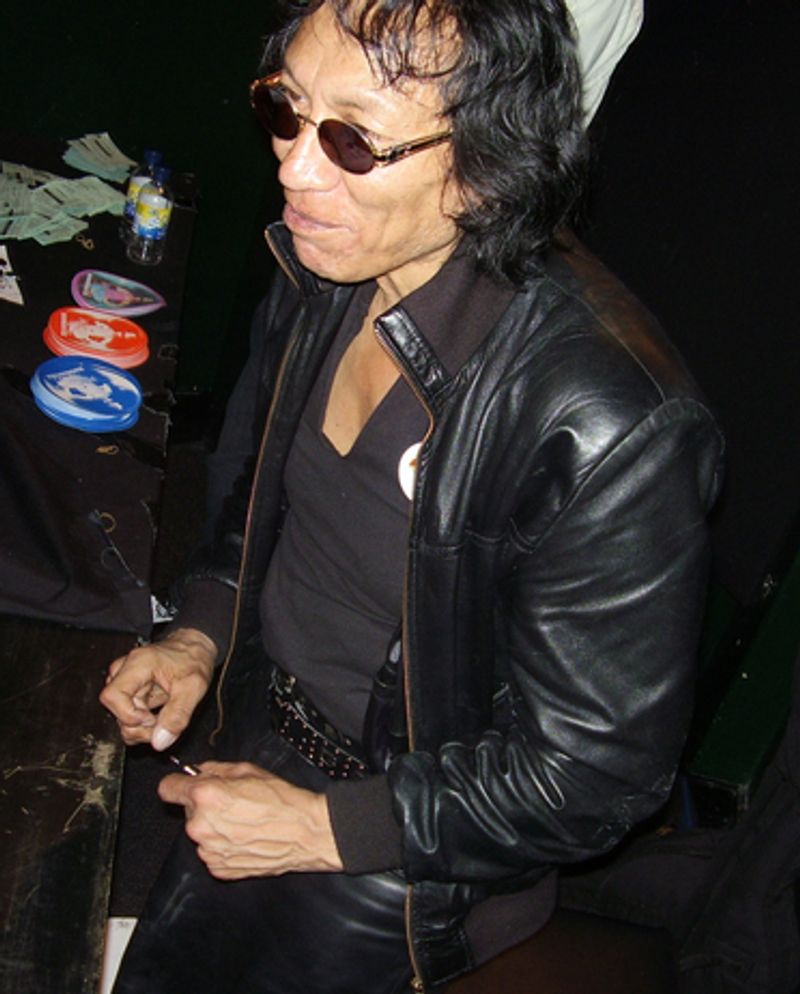
Sixto Rodriguez released two albums in the early 1970s that flopped completely in the United States. His label dropped him, and he went back to working demolition jobs in Detroit to make ends meet.
He had no idea that those same albums had become massive hits in South Africa, where he was as famous as the Rolling Stones.
For decades, Rodriguez believed his music career was over. Fans in South Africa assumed he was dead.
When journalists tracked him down in the late 1990s, they found him living in a modest Detroit home without a phone, barely scraping by. The story became the subject of the Oscar-winning documentary “Searching for Sugar Man” in 2012.
The film brought him long-overdue recognition and finally allowed him to tour internationally. But for most of his adult life, he had lived in near poverty while his music moved millions of people on the other side of the world.
9. Johnny Thunders
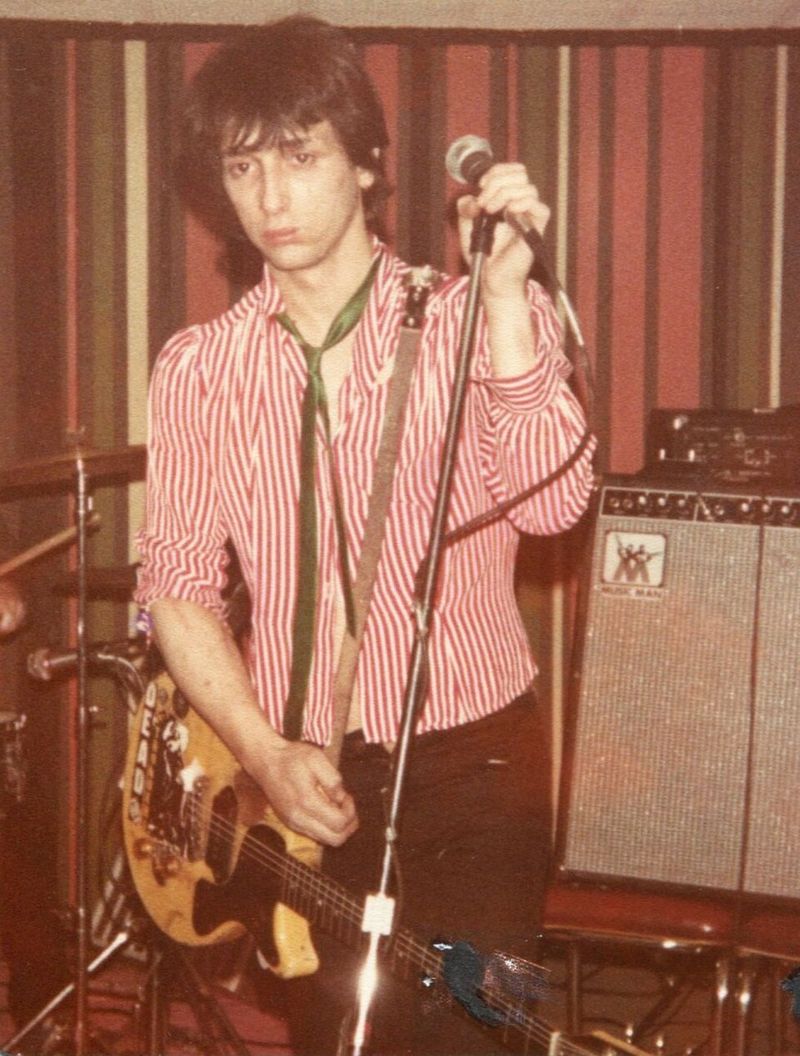
Johnny Thunders was one of the architects of punk and glam rock as the lead guitarist of the New York Dolls. His reckless guitar style and rebellious attitude influenced generations of musicians, from the Clash to Guns N’ Roses.
But his lifelong heroin addiction made it nearly impossible for him to build any lasting financial security.
He cycled through bands and solo projects throughout the 1970s and 1980s, releasing music that was critically admired but rarely commercially successful. He was known for showing up to gigs in rough shape and for burning through money almost as fast as he earned it.
His reputation made booking agents nervous and managers reluctant.
Thunders died in New Orleans in 1991 at age 38 under mysterious circumstances. The exact cause of his death was disputed, with some suggesting foul play.
He left behind a powerful musical legacy but almost no financial assets for his family.
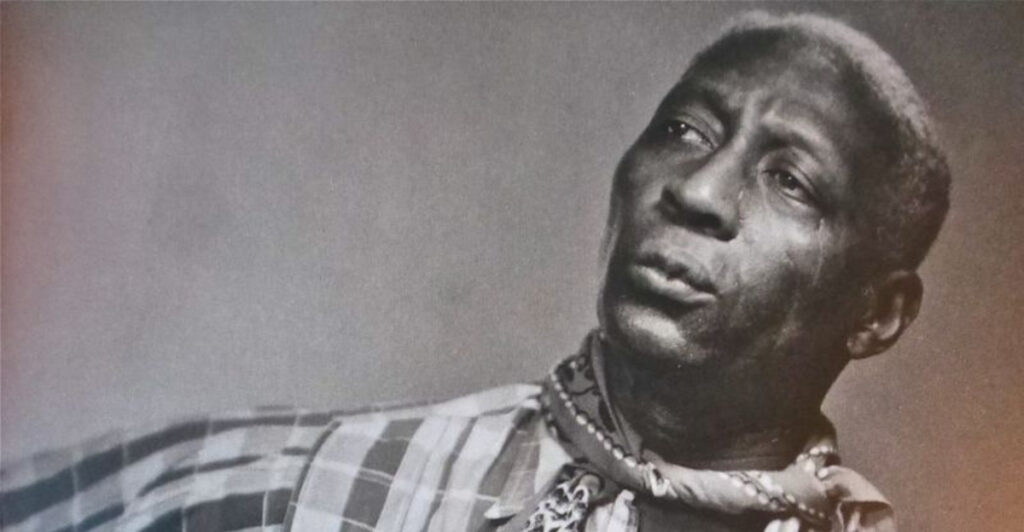
10. Lead Belly
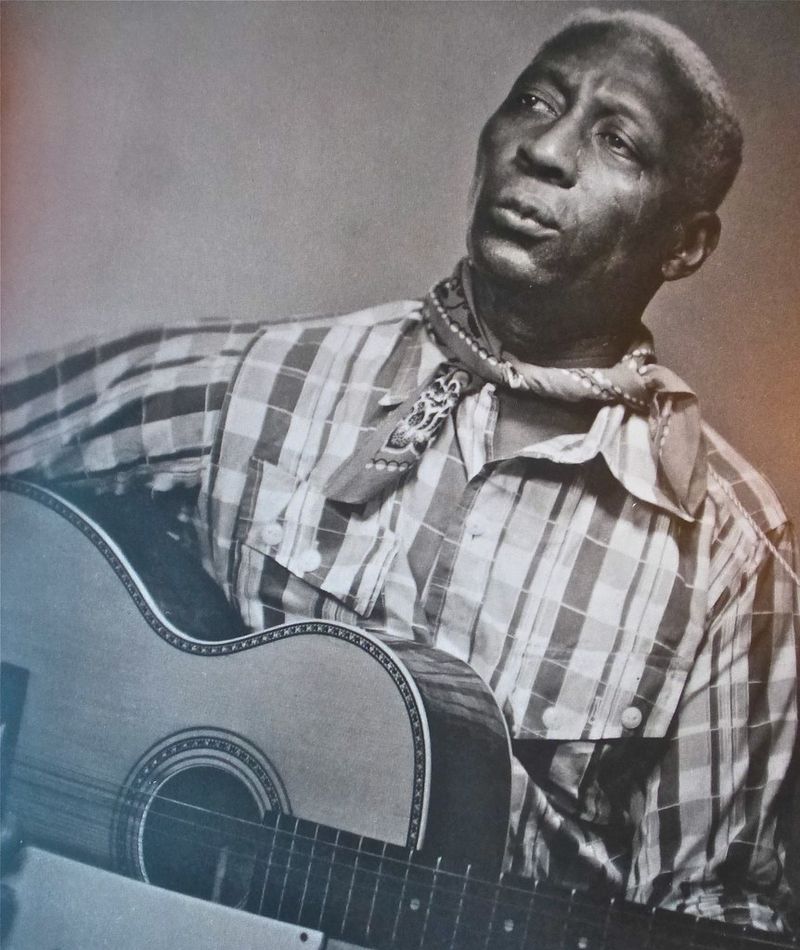
Lead Belly had one of the most remarkable life stories in American music history. He was a 12-string guitar master who spent time in prison twice, and legend has it that he sang his way to a pardon on one occasion.
His songs, including “Goodnight, Irene” and “Midnight Special,” became American standards that later generations would take to the top of the charts.
But Lead Belly himself rarely profited from those songs. The music industry of his era was deeply segregated and exploitative toward Black artists.
He worked with folklorist John Lomax, who helped document his music but also controlled much of his professional life and earnings in ways that were far from equitable.
He died in New York City in 1949, just months before “Goodnight, Irene” became a massive hit for the Weavers. He never saw the commercial success that song would bring.
His estate received very little from its enormous popularity.
Share this story