Fame does not always feel like a gift, especially when the role that made you a household name is one you wish you had never taken. Many actors have openly admitted to disliking, regretting, or even resenting the parts that launched their careers.
Whether it was creative frustration, typecasting fears, or personal discomfort, these stars found the spotlight more complicated than expected. Here is a look at 15 actors who had a complicated relationship with the roles that made them famous.
1. Robert Pattinson (Twilight)
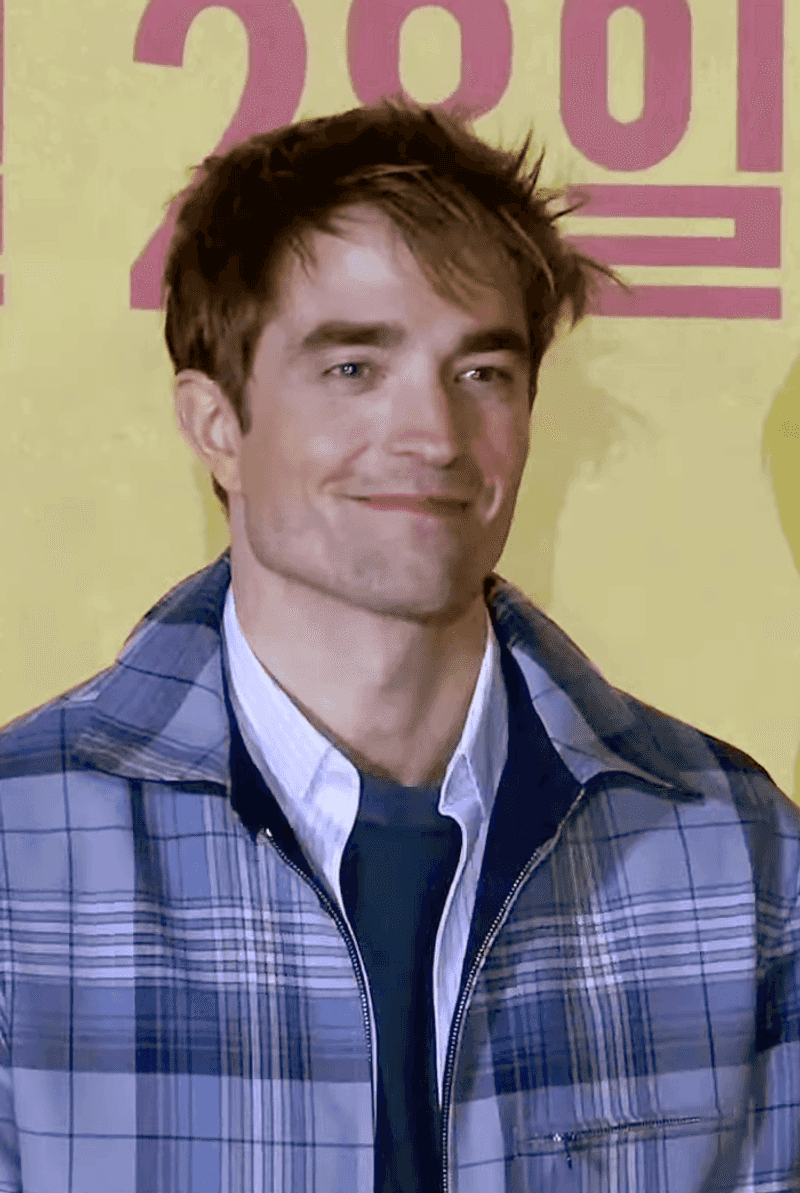
Robert Pattinson became a global superstar practically overnight when he played vampire Edward Cullen in the Twilight saga. But behind the scenes, he was far from thrilled.
In multiple interviews, Pattinson called the character “inhuman” and struggled to connect with Edward’s personality, often saying he found the role deeply frustrating to play.
He admitted feeling trapped by the franchise’s massive fanbase, which made it hard to take on other, more challenging projects without being overshadowed by his vampire image. At one point, he reportedly told a reporter that he genuinely disliked the character.
Despite his feelings, Pattinson used the experience as motivation. After Twilight wrapped, he deliberately chose dark, unconventional films like Good Time and The Lighthouse to prove his range.
His hard work eventually paid off when he landed the role of Batman, a part he truly embraced.
2. Alec Guinness (Star Wars)
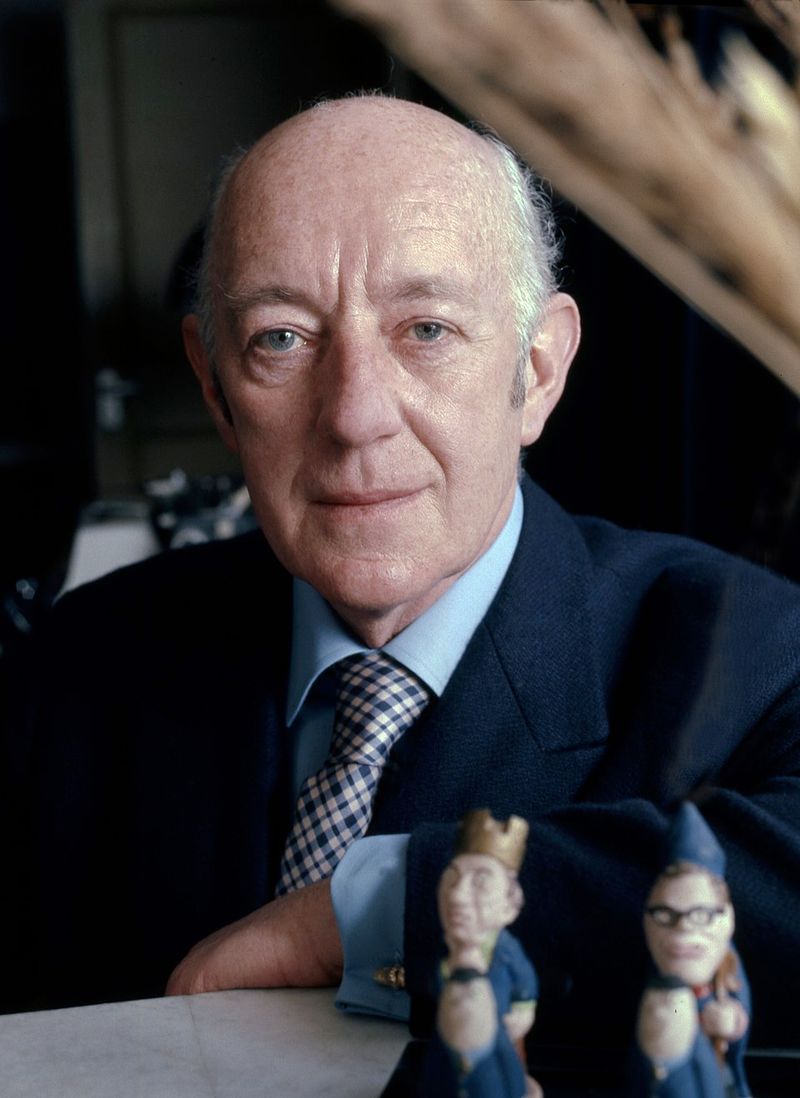
Alec Guinness was already a celebrated stage and screen actor when he took on the role of Obi-Wan Kenobi in the original Star Wars in 1977. He did it largely for the paycheck, and his private feelings about the film were far from warm.
In letters and interviews, Guinness described the dialogue as “rubbish” and found the sci-fi world difficult to take seriously.
He reportedly asked George Lucas to kill off his character early, just so he would not have to appear in more films. Guinness even wrote in his diary that he felt embarrassed by the role, despite the fact that it introduced him to a brand-new generation of fans worldwide.
Still, he honored his commitments professionally. He appeared in The Empire Strikes Back and Return of the Jedi as a ghost, keeping his screen time mercifully brief while remaining gracious toward the franchise publicly.
3. Sean Connery (James Bond)
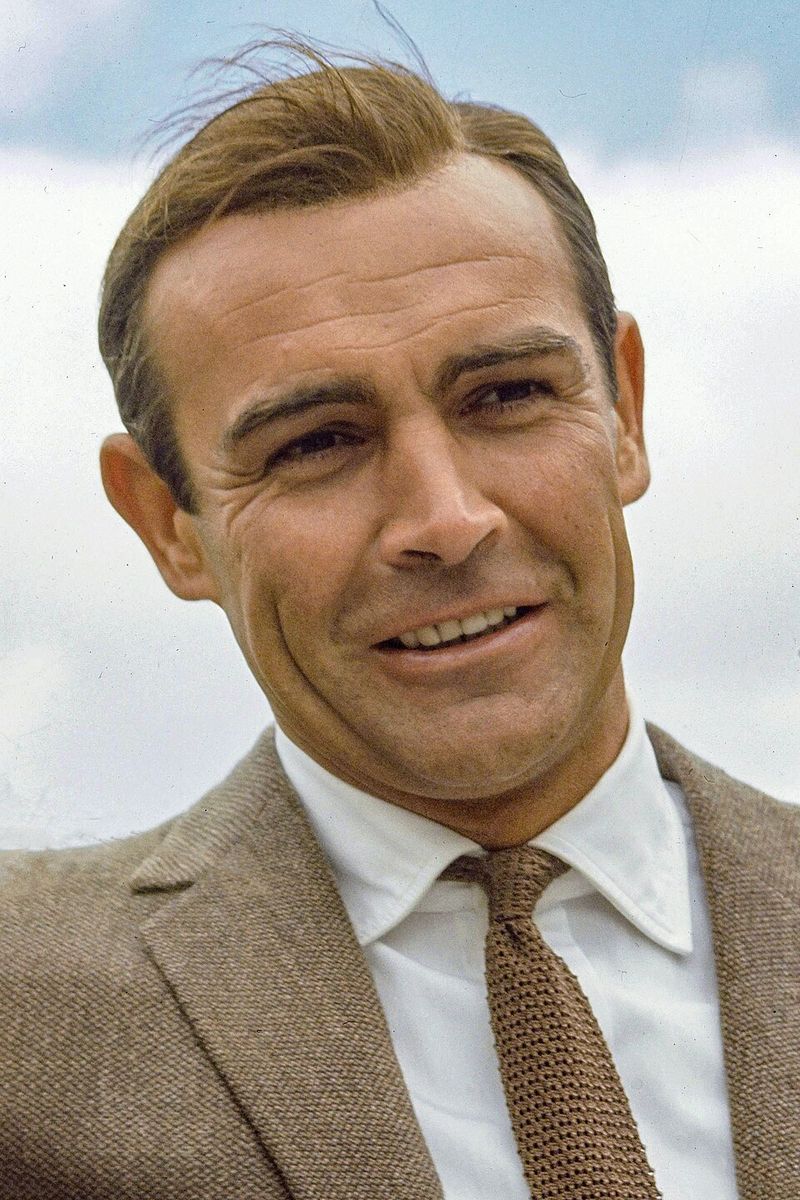
Sean Connery defined James Bond for an entire generation, but the role slowly became a prison he desperately wanted to escape. After playing 007 in six official films, Connery grew increasingly frustrated with the lack of creative freedom and felt the character was limiting his ability to grow as a serious actor.
He famously walked away from the franchise in 1967 after You Only Live Twice, citing exhaustion and creative dissatisfaction. Despite returning once more in Diamonds Are Forever for a massive paycheck, he made it clear that Bond was not a role he cherished.
Connery later said the character had typecast him for years and that breaking free from Bond’s shadow was one of the hardest challenges of his career. He went on to win an Academy Award for The Untouchables in 1987, finally earning the serious recognition he had long sought outside of the spy world.
4. Christopher Plummer (The Sound of Music)
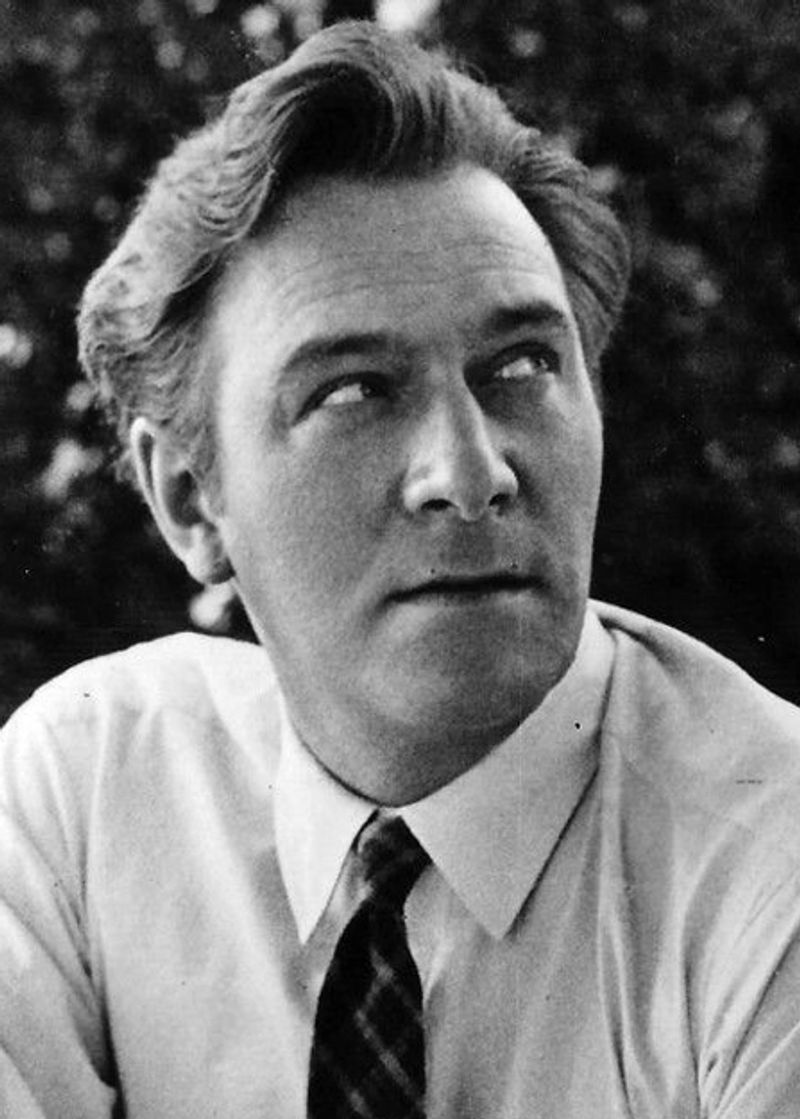
Christopher Plummer spent decades trying to escape the shadow of Captain Von Trapp, his iconic role in the 1965 classic The Sound of Music. He was so vocal about his dislike of the film that he famously nicknamed it “The Sound of Mucus” in interviews, a quip that became nearly as famous as the movie itself.
Plummer felt the film was overly sentimental and that his character was one-dimensional, offering him little room to display real acting depth. He found the experience professionally unfulfilling, even as the film became one of the highest-grossing musicals in cinema history.
What makes his story fascinating is the graceful way he eventually made peace with the role later in life. He acknowledged the film’s cultural impact and the joy it brought to millions of people, even if playing Captain Von Trapp never personally brought him the artistic satisfaction he craved throughout his career.
5. Shia LaBeouf (Transformers)
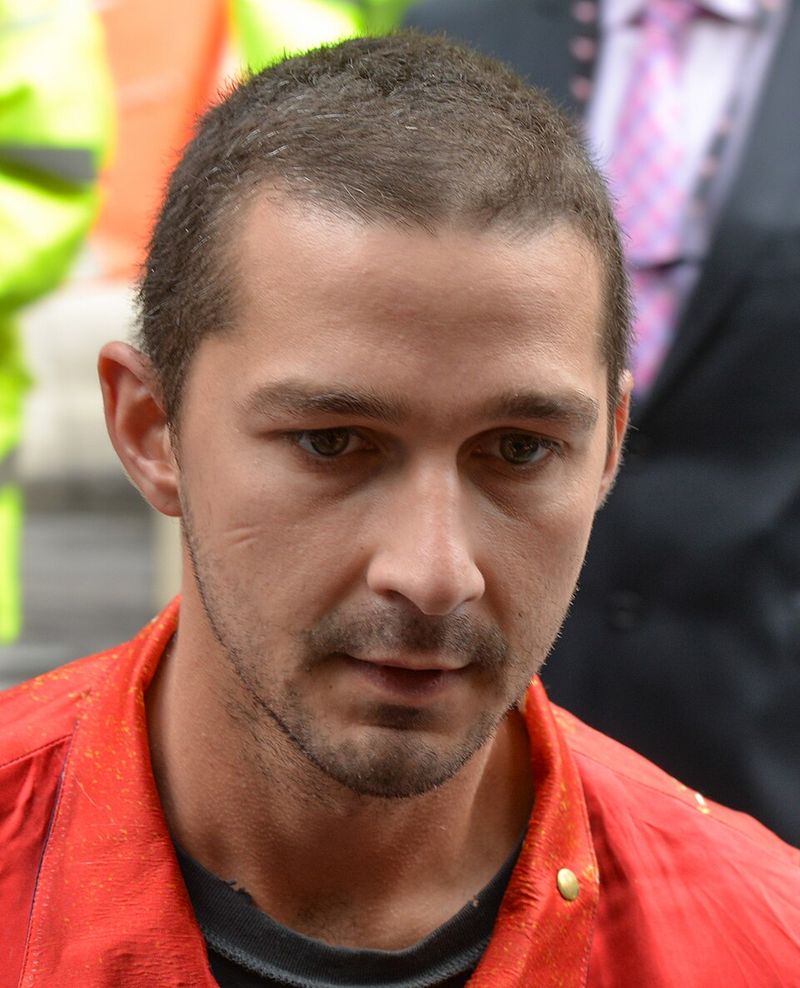
Shia LaBeouf was just a teenager when he landed the lead role in Michael Bay’s Transformers franchise, and for a while, it seemed like a dream come true. The films were blockbuster hits, and LaBeouf became one of Hollywood’s most recognizable young stars almost instantly.
But the experience left a bitter taste.
In candid interviews, LaBeouf admitted that he felt the sequels lacked artistic substance and that he was not proud of the work he had done in them. He specifically criticized Transformers: Revenge of the Fallen, saying that neither he nor the filmmakers had delivered something worth watching.
His honesty was refreshing but also career-shaking, as studios tend to frown on stars bad-mouthing major productions. LaBeouf later shifted toward independent, artistically driven films, seeking the kind of meaningful storytelling he felt was missing from the Transformers franchise throughout his time working on those big-budget sequels.
6. Angus T. Jones (Two and a Half Men)
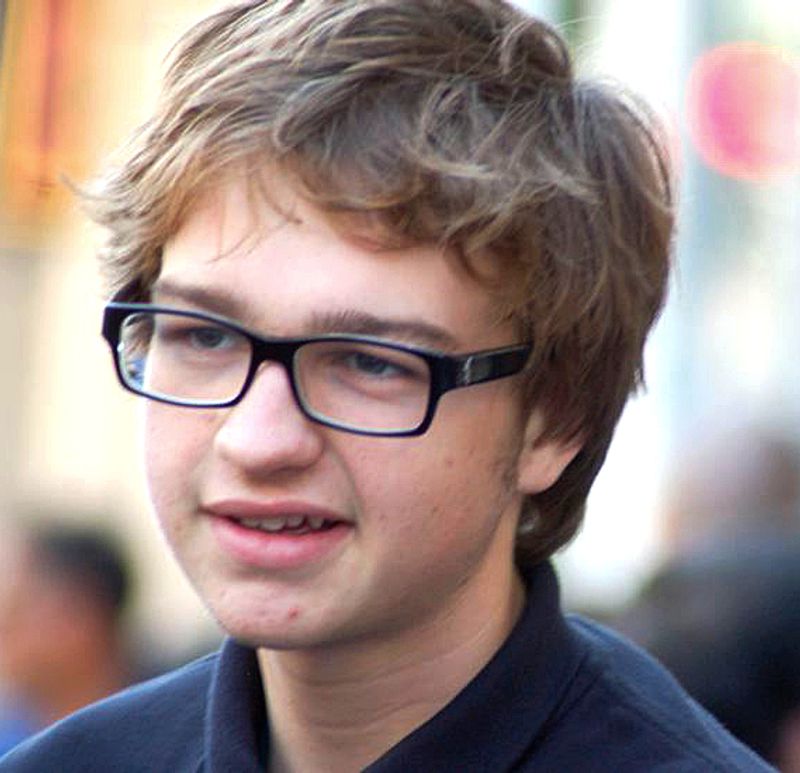
Most child actors dream of landing a recurring role on a hit TV show. Angus T.
Jones got exactly that when he joined Two and a Half Men as Jake Harper at just ten years old. The show became one of the most-watched sitcoms in television history, and Jones earned a reported $350,000 per episode at his peak.
But by 2012, Jones had experienced a significant religious awakening and publicly urged viewers to stop watching the show, calling it “filth” in a widely circulated online video. He described the content as conflicting deeply with his newly held Christian values and expressed genuine regret about being part of it.
His statement shocked Hollywood and created an awkward situation for the cast and producers. Jones eventually left the show and stepped away from acting almost entirely, choosing a quieter life that better reflected his personal beliefs over the fame and financial rewards his role had offered.
7. Harrison Ford (Han Solo)
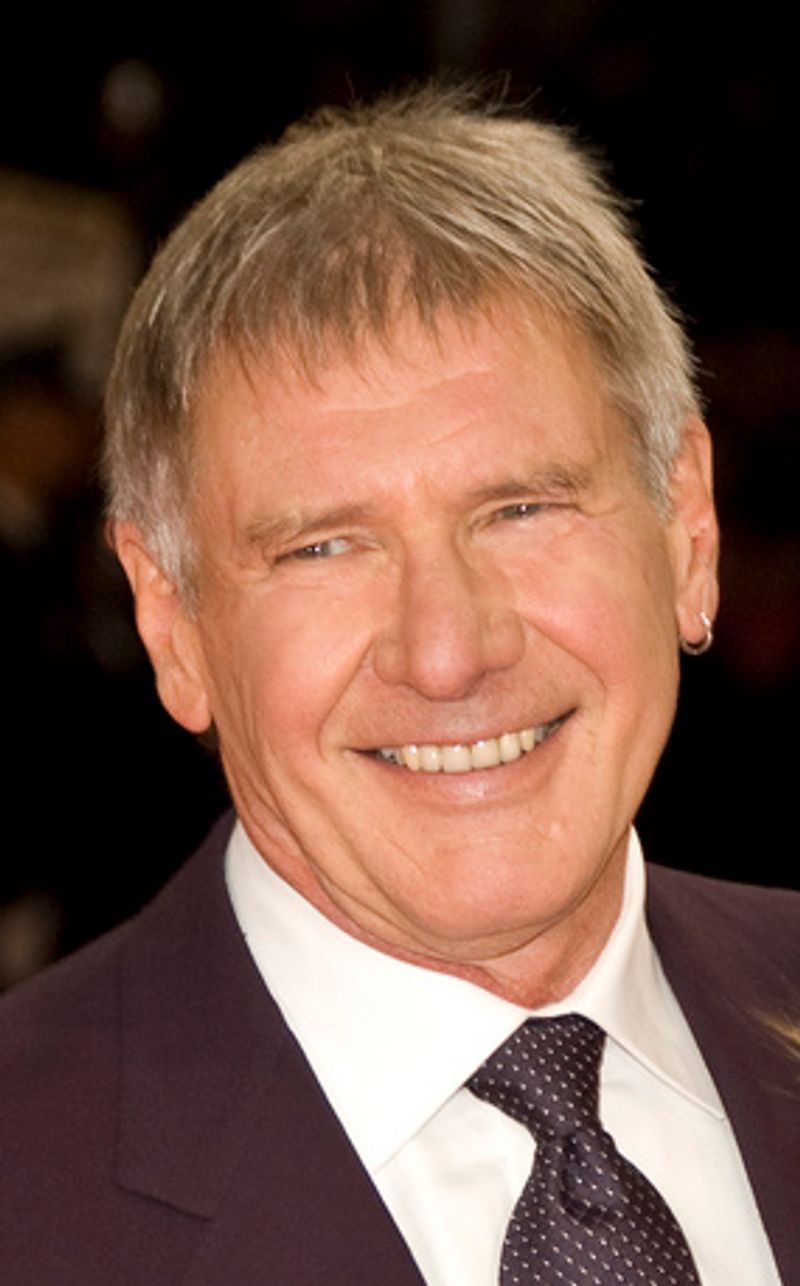
Han Solo is one of the most beloved characters in movie history, but Harrison Ford has made no secret of the fact that he wanted the character killed off long before The Force Awakens finally made it happen. From early in the Star Wars saga, Ford reportedly pushed George Lucas to let Han Solo die heroically, feeling a dramatic exit would give the character real meaning.
Ford has described the role with a mix of affection and exasperation over the years, acknowledging its importance to his career while also being clear that he was not emotionally attached to playing the character for decades. He found the Indiana Jones franchise more personally satisfying, though he expressed similar fatigue with that series in later years.
When Han Solo was finally killed in The Force Awakens, Ford spoke about the moment with obvious relief and satisfaction, suggesting he had waited a very long time for that particular scene to happen.
8. Jamie Dornan (Fifty Shades of Grey)

Jamie Dornan landed one of the most talked-about roles of 2015 when he was cast as Christian Grey in Fifty Shades of Grey. The film was a massive commercial success, but Dornan has been openly candid about the discomfort the role brought him, both personally and professionally.
He described feeling deeply awkward filming the intimate scenes and admitted that the experience made him question his boundaries as an actor. Dornan reportedly wore two pairs of underwear on set to maintain some sense of personal comfort during the more explicit sequences.
Beyond the physical discomfort, Dornan worried that the role would permanently define how audiences and casting directors saw him. He worked hard to diversify his portfolio, taking on dramatic roles in films and TV series far removed from the Fifty Shades universe.
His performance in the BBC series The Fall helped remind audiences that he was a genuinely versatile and compelling actor.
9. Katherine Heigl (Knocked Up)
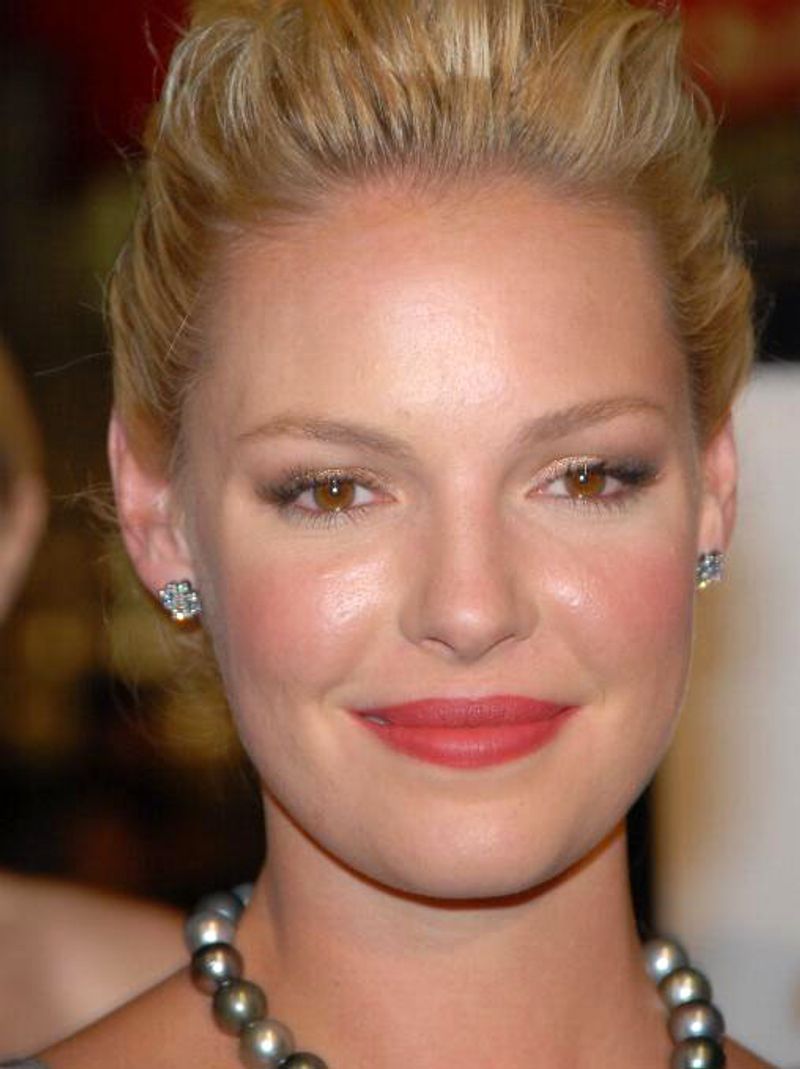
Katherine Heigl was riding high after her success on Grey’s Anatomy when she starred in Knocked Up alongside Seth Rogen in 2007. The film was a massive hit, but Heigl quickly made headlines for criticizing it publicly, calling it “a little sexist” in an interview with Vanity Fair shortly after its release.
She argued that the film presented women as uptight and humorless while allowing the male characters to be funny and lovable, a double standard she found difficult to ignore. Her comments surprised many in Hollywood, especially director Judd Apatow and her co-star Seth Rogen, who responded with a mix of confusion and frustration.
The fallout from her candid remarks contributed to a reputation for being difficult to work with, which affected her career for years afterward. Heigl has since reflected on how she could have expressed her concerns more diplomatically, acknowledging that the timing and delivery of her criticism did not serve her well professionally.
10. Megan Fox (Transformers)
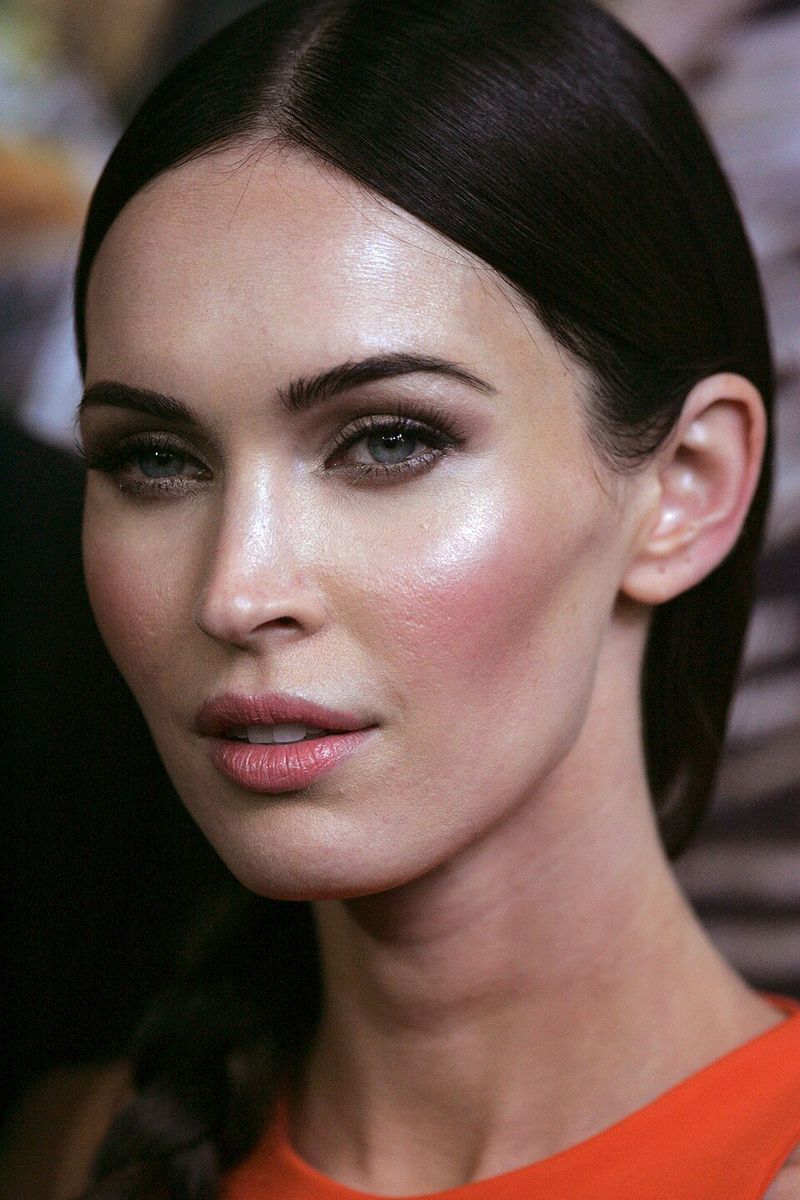
Megan Fox became one of Hollywood’s biggest names almost overnight thanks to her role in Michael Bay’s Transformers in 2007. But the experience behind the camera was far from glamorous.
Fox was vocal about her difficult working relationship with director Michael Bay, describing the set environment as uncomfortable and the experience as dehumanizing at times.
In a 2009 interview, she compared Bay’s directing style to that of Adolf Hitler, a comment that led to her being fired from Transformers: Dark of the Moon before production began. The fallout was swift and significant, temporarily derailing her career momentum.
Fox later reflected on the situation with greater maturity, acknowledging that her choice of words had been extreme and counterproductive. She has since spoken about feeling reduced to a physical image rather than valued as an actress during that period of her career, and has worked steadily to reshape her professional identity on her own terms.
11. Chevy Chase (Community / Various Roles)
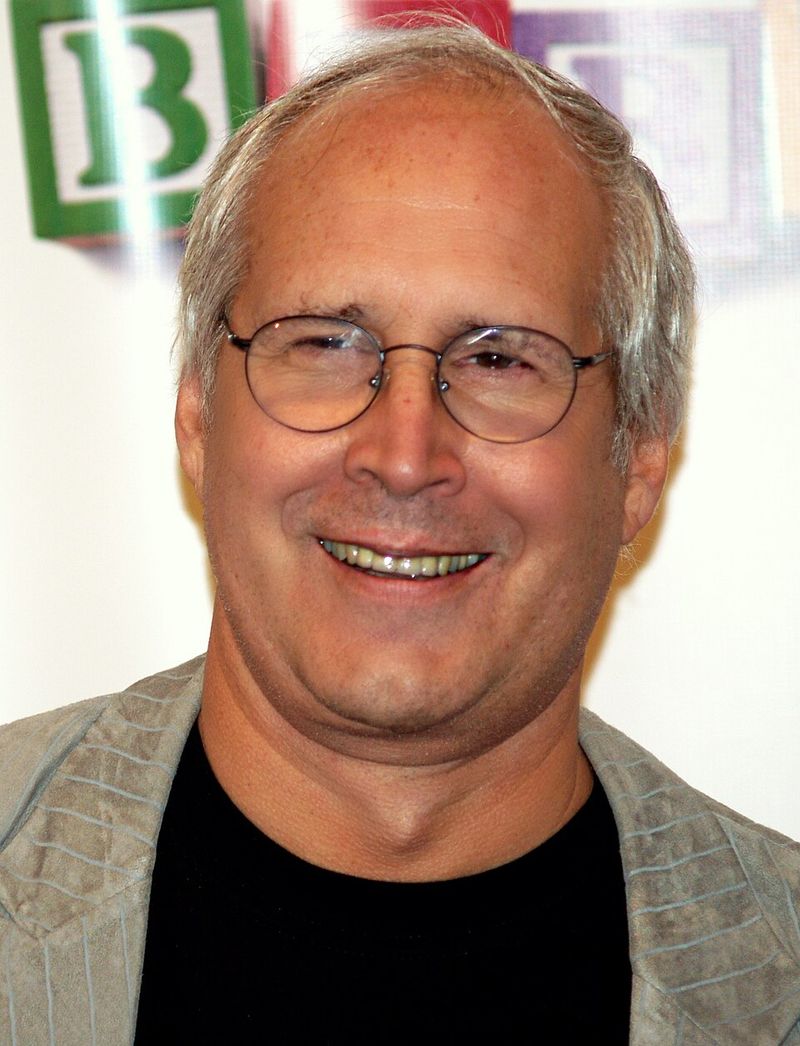
Chevy Chase built his comedy career on Saturday Night Live and a string of hit films, but his time on the NBC sitcom Community became one of the most publicly messy actor-vs-show situations in recent TV history. Chase reportedly clashed repeatedly with creator Dan Harmon and fellow cast members, making the set a tense environment for everyone involved.
He openly expressed disdain for his character, Pierce Hawthorne, calling the role beneath him and questioning the quality of the writing in front of colleagues. Audio recordings of heated arguments between Chase and Harmon eventually leaked online, exposing the depth of the conflict to the public.
Chase left the show before its fifth season, and neither party seemed particularly sad about the split. His behavior on Community became a case study in how an actor’s attitude toward a role can poison an entire production, regardless of how talented or experienced that actor may be.
12. Mandy Patinkin (Criminal Minds)
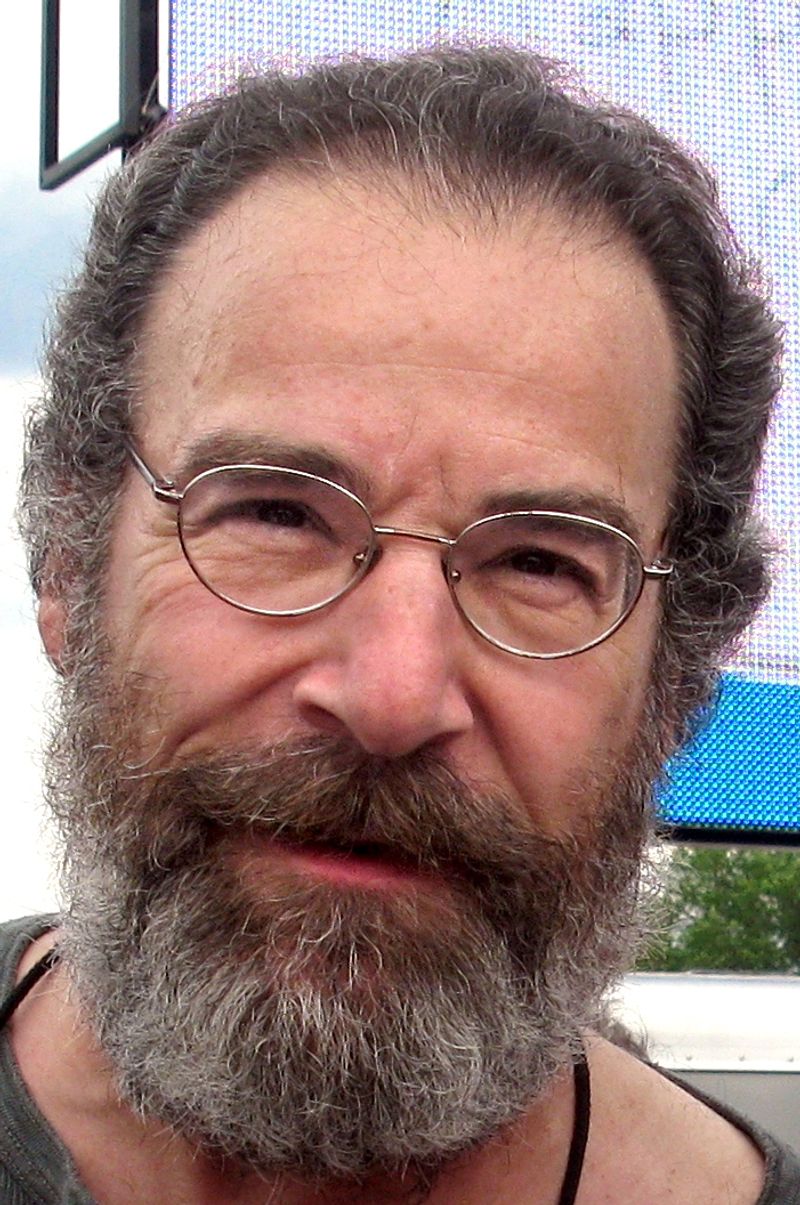
Mandy Patinkin is best known to many fans for his portrayal of Jason Gideon on Criminal Minds, but his departure from the show after just two seasons came with a powerful explanation. Patinkin later revealed that the graphic violence depicted in the series caused him genuine psychological distress, describing the experience as one of the biggest regrets of his professional life.
He said that playing a character surrounded by murder, abuse, and disturbing criminal behavior affected him deeply off-screen, making it difficult to leave the darkness of the role behind at the end of each filming day. The emotional toll became too heavy to continue carrying.
Patinkin’s candid honesty about the mental health impact of playing such a role opened up an important conversation about the psychological demands placed on actors in crime and thriller genres. He went on to find greater personal and professional satisfaction with his role in the Showtime drama Homeland, which he found far more fulfilling.
13. Charlie Sheen (Two and a Half Men)
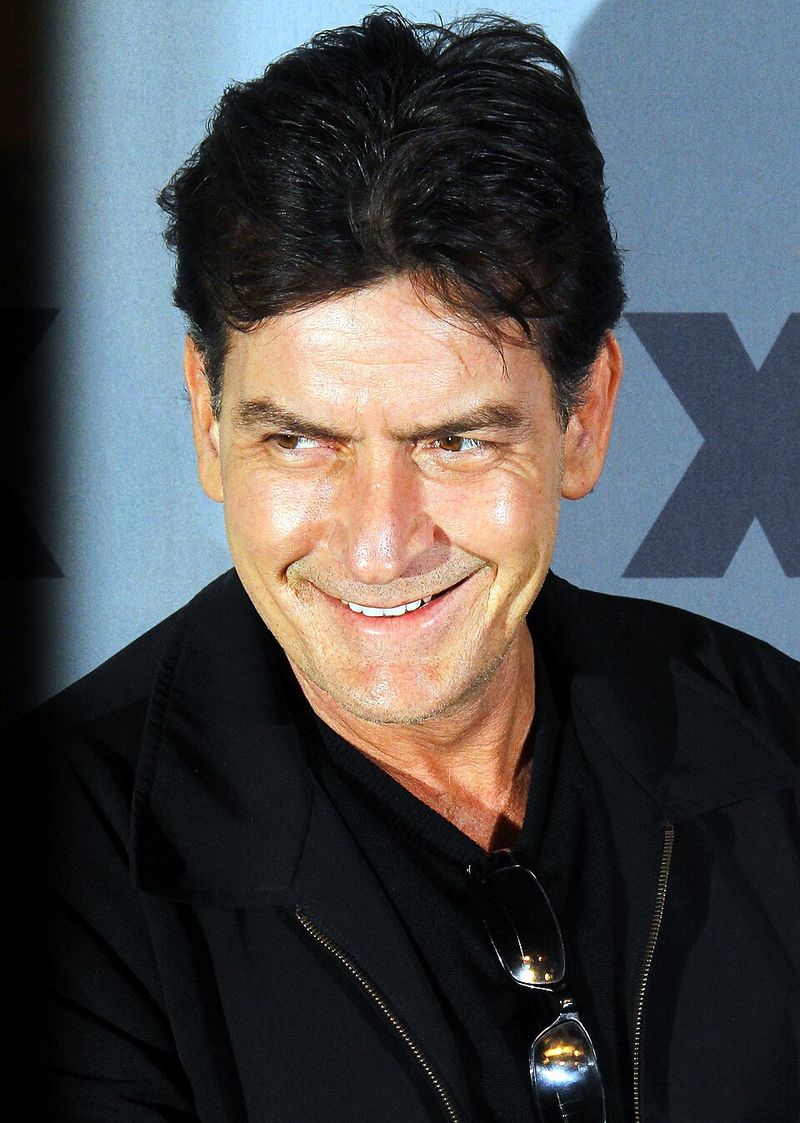
Few actor-vs-show breakups have been as loud and chaotic as Charlie Sheen’s departure from Two and a Half Men in 2011. Sheen played Charlie Harper for eight seasons, and the show was one of the highest-rated sitcoms on American television during his run.
But his relationship with creator Chuck Lorre deteriorated into a very public feud that played out across tabloids and social media.
Sheen launched a series of wild public attacks on Lorre and CBS, using phrases like “winning” and “tiger blood” that became internet sensations but also signaled a serious personal crisis. He was fired from the show in March 2011, with the network citing his personal conduct as the reason.
Rather than expressing regret about losing the role, Sheen doubled down on his defiance, launching a live tour called the Torpedo of Truth. His bravado masked what many saw as a genuinely painful and turbulent period in his personal and professional life.
14. January Jones (X-Men: First Class)
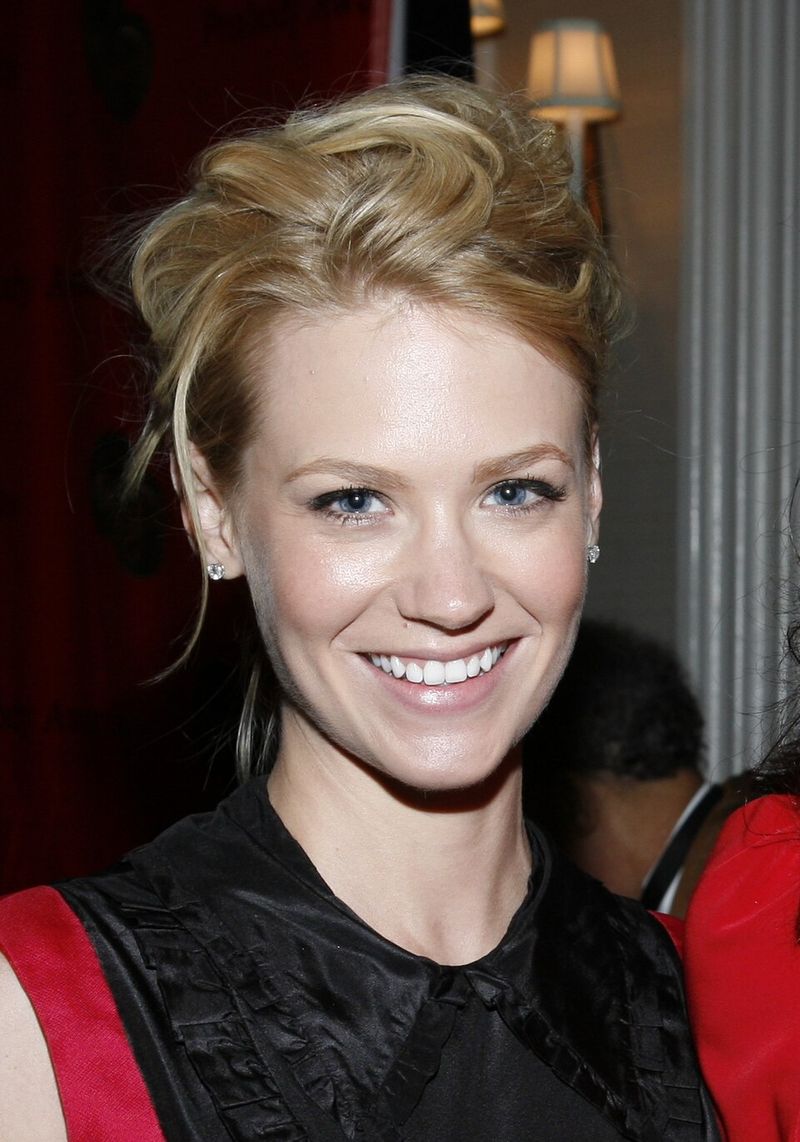
January Jones was already earning critical praise for her cold, mysterious portrayal of Betty Draper on Mad Men when she took on the role of Emma Frost in X-Men: First Class in 2011. But the experience did not exactly energize her.
Jones herself has spoken about the role with noticeable indifference, suggesting she was not entirely engaged with the character or the superhero genre.
Reports from the set indicated that she did not form close bonds with her co-stars, and director Matthew Vaughn was reportedly less than thrilled with certain aspects of her performance. The combination of mixed on-set chemistry and a lukewarm critical reception for her portrayal left the experience feeling hollow.
Jones was not invited back for the sequel, X-Men: Days of Future Past, which quietly confirmed that her time in the franchise was over. She has since focused on other projects, rarely discussing Emma Frost in interviews, which speaks volumes about how she regards that particular chapter of her career.
15. Penn Badgley (You)
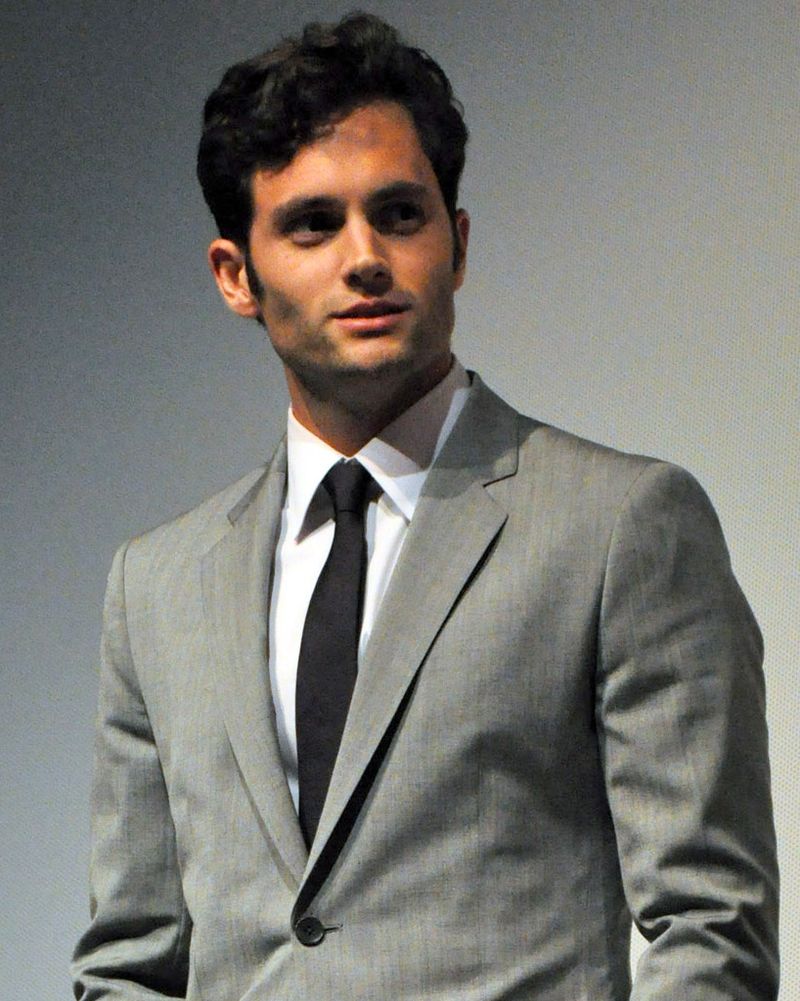
Penn Badgley plays Joe Goldberg in the Netflix thriller You, a character who is charming on the surface but deeply dangerous underneath. The show has been a massive hit, but Badgley has made headlines for repeatedly pushing back against fans who romanticize Joe’s obsessive and violent behavior online.
Badgley has gone out of his way in interviews and on social media to remind viewers that Joe is a murderer, not a romantic hero. He finds it genuinely unsettling that so many people root for the character and has spoken openly about the moral responsibility he feels as the actor bringing Joe to life on screen.
While he appreciates the show’s success and the platform it provides, Badgley has been clear that the role weighs on him in ways that other parts have not. He has used his public profile to redirect fan conversations toward the real harm caused by the kind of toxic behavior Joe represents throughout the series.
Share this story