Across the globe, there are communities that have chosen to live largely outside the reach of modern civilization. Some have done so by choice, while others have simply continued the way of life their ancestors practiced for thousands of years.
These societies offer a rare and fascinating window into how humans once lived and how diverse our world truly is. From remote rainforests to Arctic tundra, these groups remind us that there is more than one way to exist on this planet.
1. Sentinelese (India)

North Sentinel Island sits quietly in the Bay of Bengal, but step too close and you will quickly understand why it is one of the most restricted places on Earth. The Sentinelese people have lived there for an estimated 60,000 years, making them one of the oldest continuous populations on the planet.
Their ancestors survived the 2004 Indian Ocean tsunami, emerging from the forest healthy and alert shortly after.
India has legally protected the island and made contact attempts illegal to preserve both the Sentinelese and the outside world from each other. The tribe has no immunity to common illnesses, meaning even a minor cold could devastate their population.
They have consistently rejected all contact, shooting arrows at approaching boats and helicopters.
Their way of life, built on hunting, fishing, and forest knowledge, has sustained them without any outside help for millennia. That independence speaks for itself.
2. Mashco-Piro (Peru)
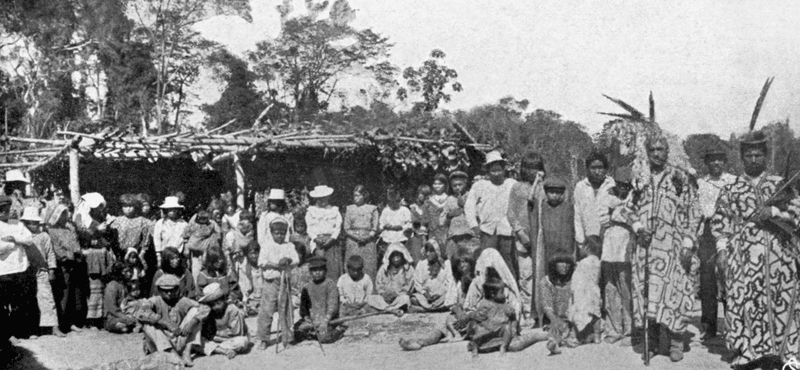
Deep inside the Peruvian Amazon, the Mashco-Piro move through the forest like shadows, rarely seen and almost never approached. They are one of the largest known uncontacted groups in the world, with estimates suggesting their population may number in the hundreds.
For decades, researchers have spotted them along riverbanks, sometimes calling out or gesturing before disappearing back into the trees.
Peru’s government has established protected reserves where the Mashco-Piro live, and entering those areas without permission is prohibited. Despite this protection, illegal logging and drug trafficking routes continue to push dangerously close to their territory.
Occasional encounters with outsiders have sometimes turned tense, reminding conservationists how fragile this boundary truly is.
Their forest-based lifestyle depends on seasonal movement, hunting wild game, and gathering plants. Every tree they know by name, every animal trail they follow represents knowledge passed down through countless generations without a single written word.
3. Kawahiva (Brazil)
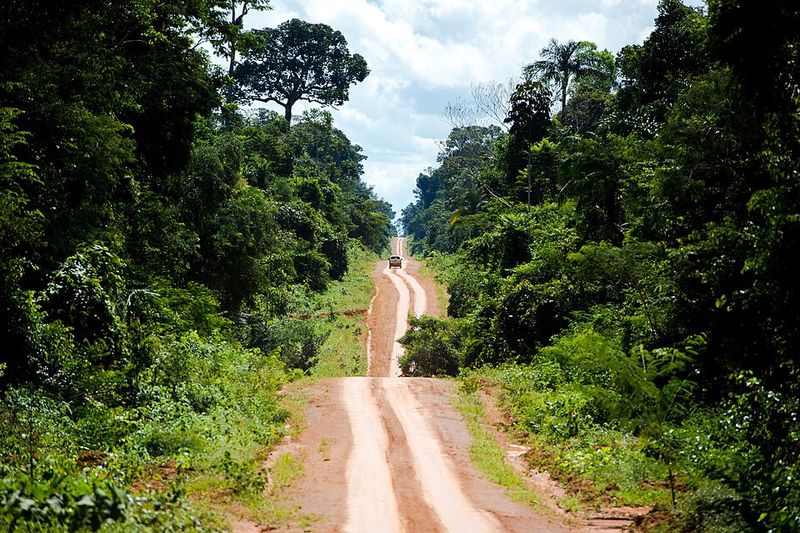
Footprints in the mud. Abandoned campsites with freshly cut palm leaves.
A hammock swaying empty between two trees. These are the traces the Kawahiva leave behind as they move through Brazil’s Amazon rainforest, always a step ahead of those who might follow.
FUNAI, Brazil’s Indigenous affairs agency, has captured rare footage of the group, confirming their existence but choosing to keep a respectful distance.
The Kawahiva are believed to be nomadic, meaning they do not stay in one place for long. They hunt, gather, and move with the rhythm of the forest itself.
Their avoidance of contact is thought to stem from violent encounters with outsiders in the past, a history shared by many Amazonian peoples.
Brazil law protects their right to live without interference. Deforestation remains their greatest threat, shrinking the territory they depend on with every passing season.
Their survival is directly tied to the survival of the forest.
4. Awa (Brazil)

Survival has never been a question for the Awa. For thousands of years, these forest people of northeastern Brazil have known exactly how to read the land, track animals, and find clean water in one of the world’s most biodiverse ecosystems.
Some Awa communities have accepted limited contact with the outside world, but others remain fully isolated, preferring the forest to anything beyond it.
Amnesty International and Survival International have both called the Awa among the most threatened Indigenous peoples on Earth. Ranchers and illegal loggers have destroyed significant portions of their traditional territory, forcing some groups closer to roads and settlements they would otherwise avoid.
Their deep knowledge of medicinal plants, forest navigation, and animal behavior represents an irreplaceable library of human understanding. Once lost, that knowledge cannot be recovered.
Organizations working to protect the Awa argue that preserving their land is the only form of help that truly matters.
5. Korowai (Indonesia)
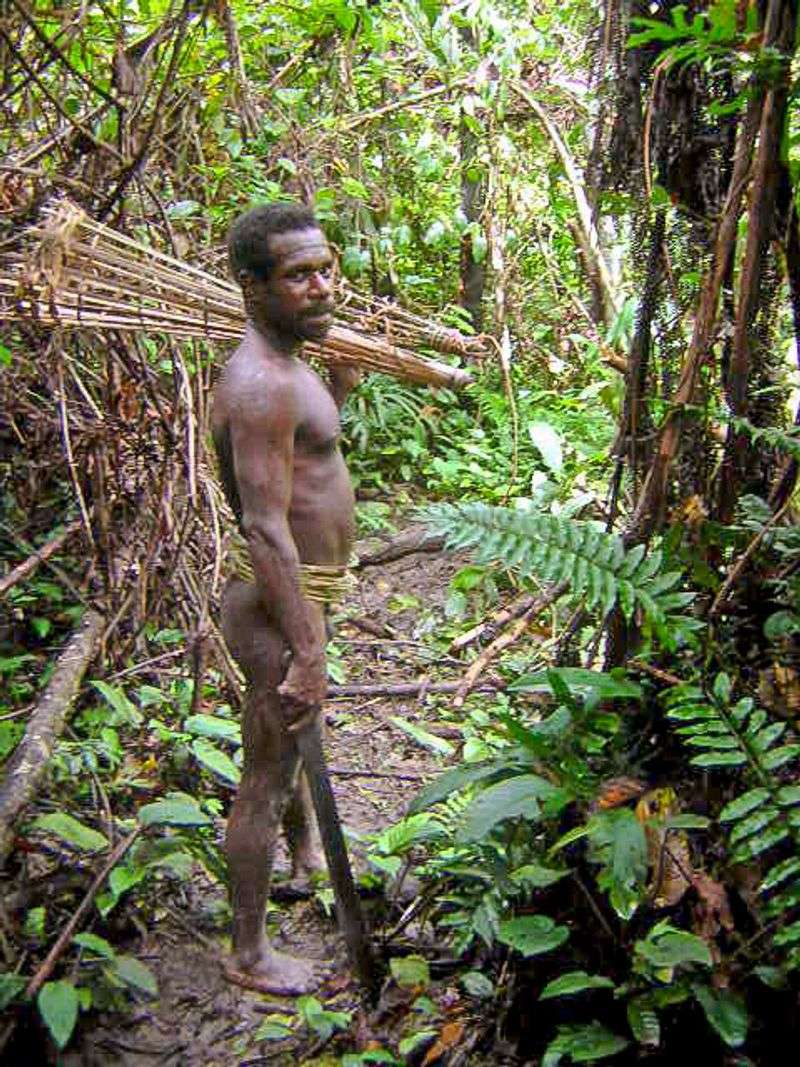
Imagine building your home 35 meters above the ground, tucked into the crown of a towering tree. That is everyday life for many Korowai families in the remote lowland rainforests of Papua, Indonesia.
Their treehouses serve both practical and cultural purposes, keeping families safe from insects, flooding, and neighboring clans while also honoring their deep connection to the forest.
The Korowai were largely unknown to the outside world until the 1970s, when Dutch missionaries made initial contact. Since then, some communities have engaged with researchers and journalists, while others remain in more remote areas with far less outside interaction.
Their daily life revolves around hunting wild boar, fishing, harvesting sago palm, and maintaining complex clan relationships.
What makes the Korowai particularly remarkable is their oral storytelling tradition, which preserves their history, spiritual beliefs, and social rules entirely through memory. No books required, just a lifetime of listening and learning.
6. Yanomami (Brazil and Venezuela)
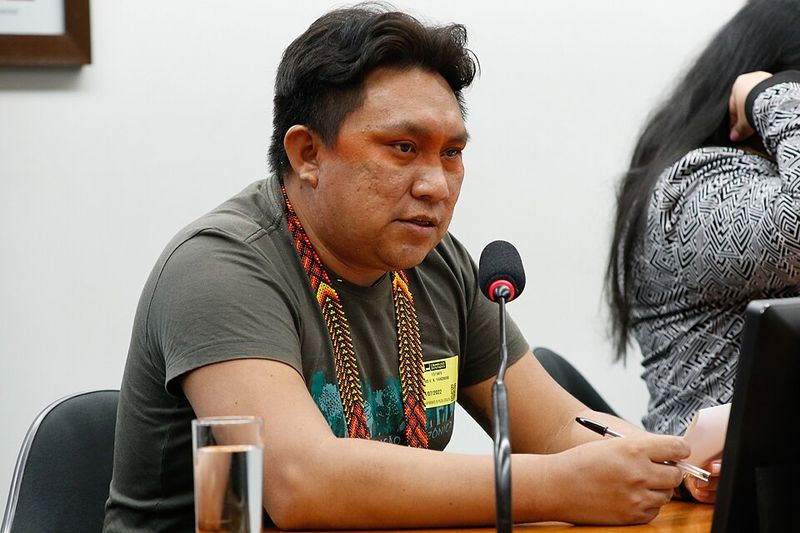
Roughly 35,000 Yanomami people live across a vast territory spanning the rainforests of northern Brazil and southern Venezuela, making them one of the largest relatively isolated Indigenous groups in the Americas. Their society is organized around the shabono, a large circular communal structure where entire extended families live, cook, sleep, and gather together under one roof.
Many Yanomami villages continue traditional subsistence farming, growing plantains and cassava in garden plots near the forest. Hunting and fishing provide additional protein, while shamans play a central role in spiritual and medical life.
Their cosmology is rich and complex, involving spirits called xapiri who communicate with healers during ceremonies.
Gold miners illegally entering Yanomami territory have caused devastating harm in recent decades, bringing disease, violence, and mercury contamination. Despite these pressures, many communities continue to resist outside interference and fight for the legal protection of their ancestral lands with remarkable determination.
7. Zo’e (Brazil)
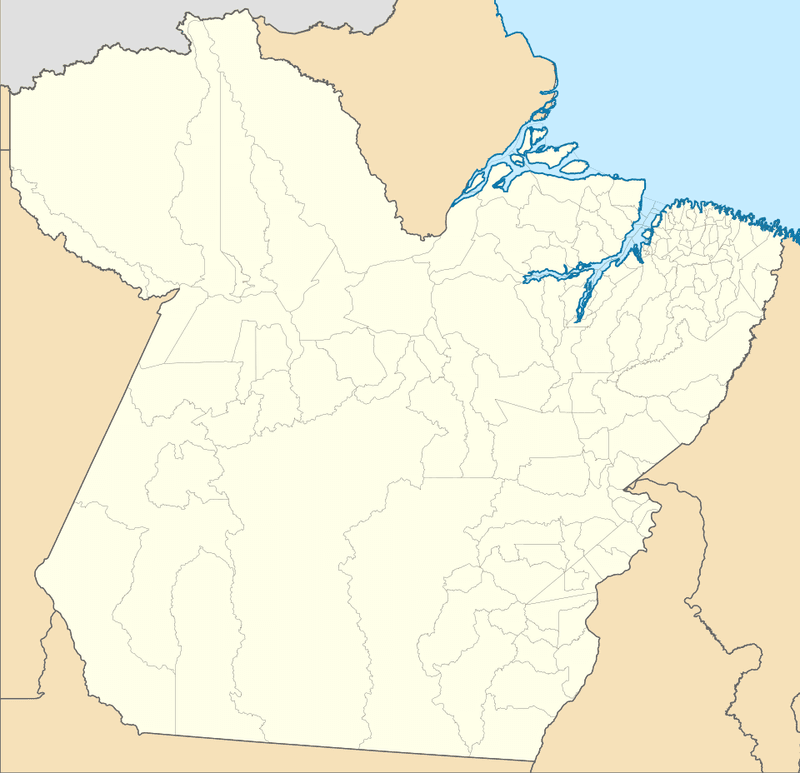
One of the most visually distinctive features of the Zo’e people is the poturu, a wooden plug inserted through the lower lip as part of their coming-of-age tradition. Far from being decorative for outsiders, this practice holds deep cultural meaning within their community and is one of many traditions that set the Zo’e apart from neighboring groups.
Located in the Para state of Brazil, the Zo’e had no confirmed contact with the outside world until 1987. Since then, Brazil’s FUNAI agency has worked to manage and limit outside access to their territory to prevent the kind of disease outbreaks that have historically wiped out other Amazonian peoples.
The Zo’e live in small, tight-knit villages and rely on hunting, gathering, and horticulture.
Their knowledge of plant medicine is especially noteworthy, with community members identifying and using dozens of forest plants for healing. That living pharmacy exists nowhere else in quite the same form.
8. Hadza (Tanzania)
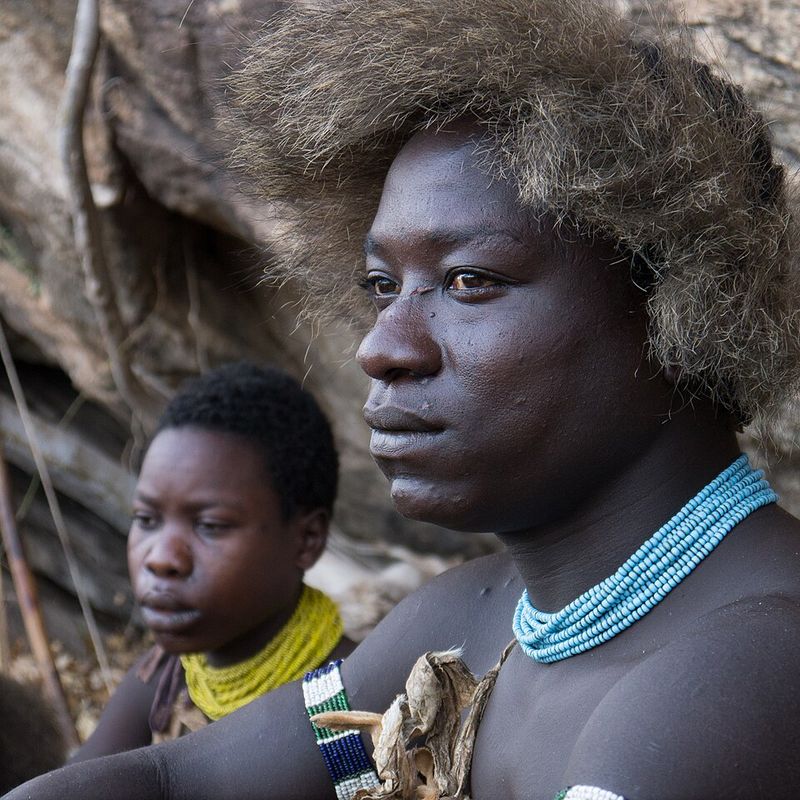
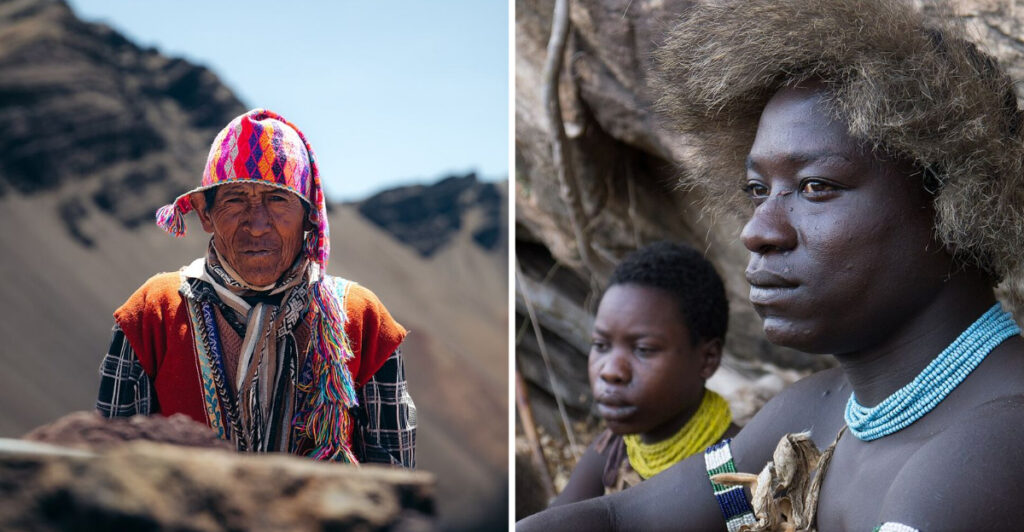
For at least 10,000 years, the Hadza people of northern Tanzania have lived as hunter-gatherers around the shores of Lake Eyasi. That is not a typo.
While civilizations rose and fell around them, the Hadza continued hunting with bows, foraging for berries and tubers, and sleeping under the open sky or in temporary shelters made from grass and branches.
Their society has no chiefs, no formal hierarchy, and no permanent settlements. Decisions are made communally, and people are free to move between camps as they choose.
This flexible social structure has proven remarkably resilient across thousands of years of changing climates and neighboring cultures.
Scientists studying the Hadza gut microbiome have found it to be among the most diverse on Earth, likely due to their varied wild diet. Their traditional foods, including honey, baobab fruit, and wild game, represent a nutritional profile modern dietitians are only beginning to understand.
Their lifestyle is a living science lesson.
9. San (Botswana and Namibia)
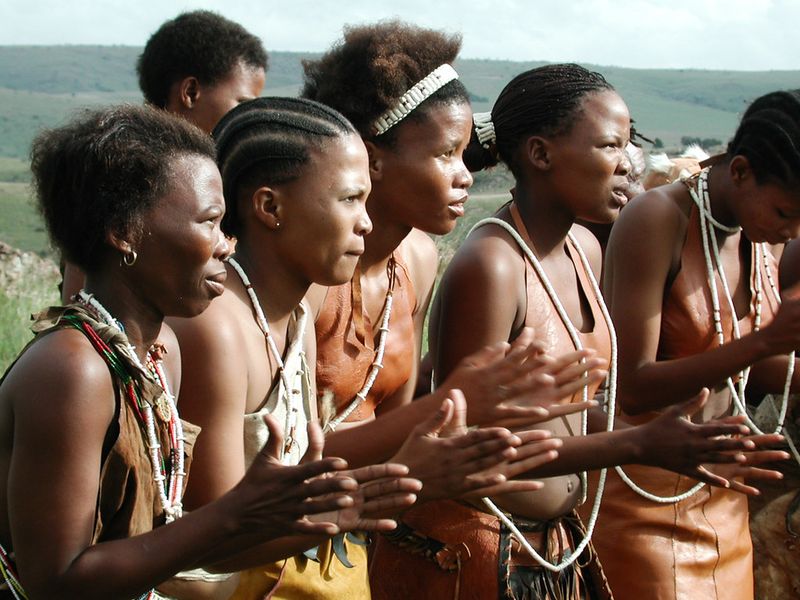
The San people of southern Africa are often described as the oldest culture on Earth, with genetic and archaeological evidence suggesting their ancestors date back over 100,000 years. Their traditional territory spans the Kalahari Desert and surrounding regions of Botswana, Namibia, and South Africa, where generations of knowledge about tracking, plant use, and water sourcing have been carefully maintained.
Not all San communities live the same way today. Many have been pushed off their ancestral lands by governments and private interests, forcing adaptation to modern economic systems.
However, some groups continue traditional practices, including trance dances used for healing, intricate tracking skills that can identify an animal by a single footprint, and detailed knowledge of dozens of edible and medicinal plants.
Their click-based languages, which include sounds not found in any other language family, are considered linguistic treasures. Efforts to document and preserve San languages are ongoing, though time is running short for some dialects.
10. Dukha (Tsaatan) (Mongolia)
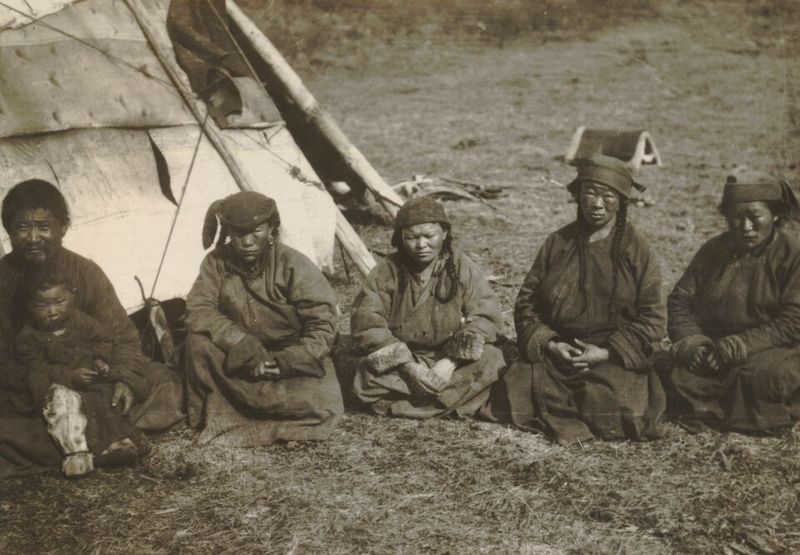
High in the taiga forests of northern Mongolia, where temperatures can plunge to minus 40 degrees Celsius, the Dukha people and their reindeer move together through the seasons. Known internationally as the Tsaatan, which roughly translates to reindeer people, this small community of fewer than 500 individuals maintains one of the last true reindeer-herding cultures in the world.
Their relationship with reindeer goes far beyond simple herding. The animals provide milk, transportation, and a spiritual connection central to Dukha identity.
Shamanism remains deeply embedded in their culture, with spiritual leaders playing key roles in healing, ceremonies, and communicating with the natural world.
Tourism has reached the Dukha in recent decades, bringing both economic opportunity and cultural pressure. Some families welcome visitors as a source of income, while others prefer to maintain distance.
Climate change is now altering the taiga ecosystem, threatening the lichen that reindeer depend on and adding new uncertainty to an already demanding way of life.
11. Nenets (Russia)
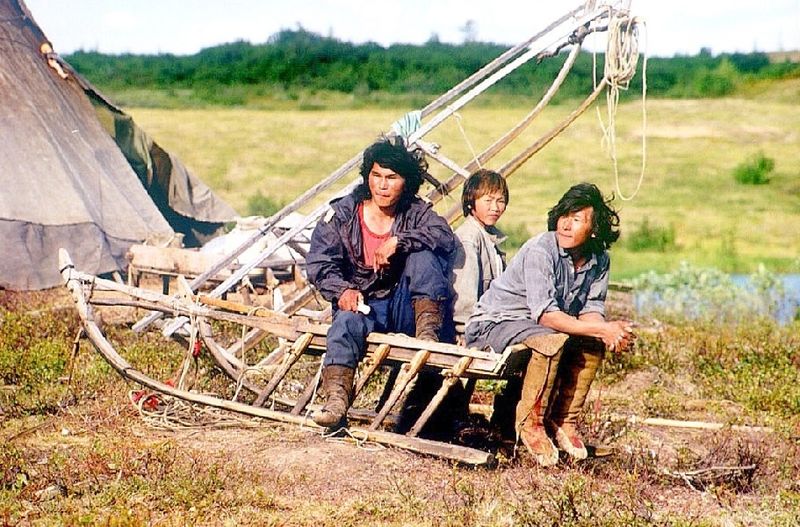
Every spring and autumn, thousands of reindeer thunder across the Arctic tundra of Siberia, guided by Nenets herders who have made this migration for centuries. The route covers over 1,000 kilometers each way, making it one of the longest land migrations of any domestic animal in the world.
Families travel by sled, living in portable conical tents called chums that can be assembled and disassembled in under an hour.
The Nenets number around 45,000 people, and while many live in modern settlements, a significant portion still follow the traditional nomadic herding cycle. Their clothing, made from reindeer hide, is so well-designed for Arctic conditions that it outperforms many modern synthetic materials in extreme cold.
Oil and gas development on the Yamal Peninsula has increasingly disrupted traditional migration routes, creating tension between industrial expansion and Indigenous land rights. The Nenets have become vocal advocates for their territory, bringing their story to international audiences with growing confidence.
12. Sami Reindeer Herders (Norway, Sweden, Finland, and Russia)
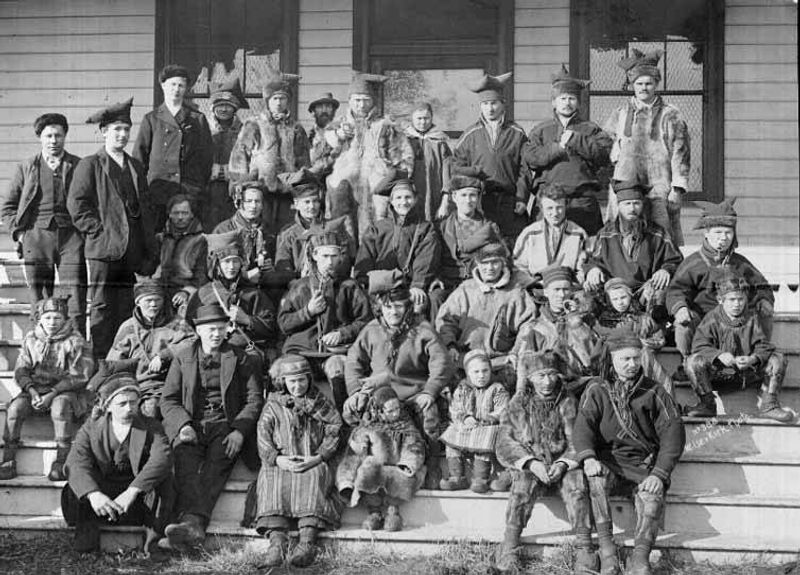
The Sami are the only officially recognized Indigenous people of Scandinavia, with a history in northern Europe stretching back at least 5,000 years. Their traditional territory, known as Sapmi, spans the northern regions of Norway, Sweden, Finland, and the Kola Peninsula of Russia.
Reindeer herding is the most visible symbol of Sami culture, though fishing, hunting, and crafts called duodji are equally central to their identity.
Today, only a fraction of the roughly 80,000 to 100,000 Sami people actively herd reindeer, but those who do maintain a way of life deeply tied to seasonal movement and land stewardship. Their languages, of which there are several distinct varieties, carry centuries of ecological knowledge embedded in vocabulary that describes snow, wind, and terrain with extraordinary precision.
Modern challenges include wind farm construction on traditional grazing lands and climate change affecting snowpack patterns. Sami organizations across all four countries are working through legal and political channels to protect their rights with increasing visibility.
13. Inuit Communities (Greenland and Arctic Canada)
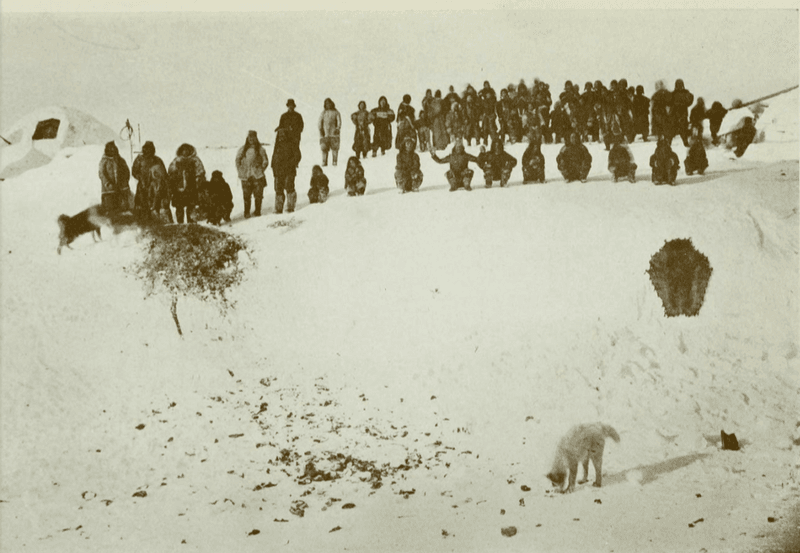
Long before GPS existed, Inuit hunters navigated across hundreds of kilometers of featureless sea ice using mental maps built entirely from memory, wind direction, star positions, and snow texture. That navigational intelligence represents just one piece of a vast knowledge system developed over 5,000 years of Arctic life.
Today, many Inuit communities in Greenland and Arctic Canada continue to hunt ringed seals, caribou, and Arctic char using both traditional and modern methods.
The Inuit are not frozen in time. They use snowmobiles alongside dog sleds, satellite phones alongside traditional weather reading, and modern health care alongside ancestral healing practices.
This blending of old and new is a conscious choice, not a compromise.
Climate change poses the most immediate threat to Inuit life. Thinning sea ice, unpredictable weather, and shifting animal migration patterns are disrupting food security in ways that outsiders rarely fully appreciate.
Their connection to the land is not cultural preference. It is survival.
14. Maasai (Kenya and Tanzania)
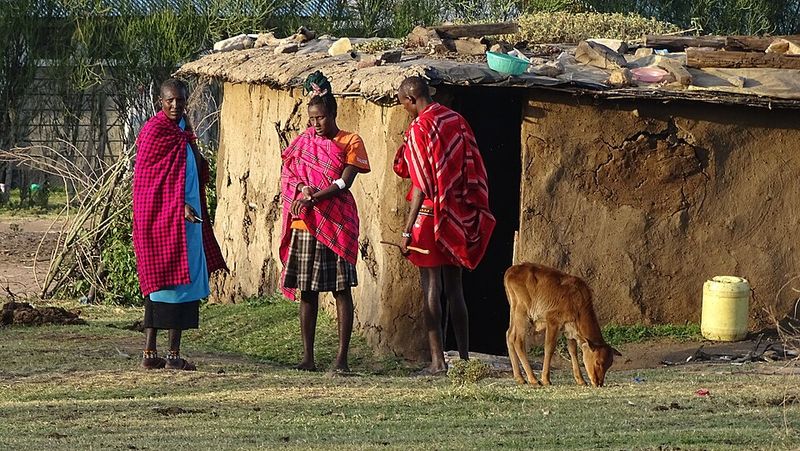
Tall, draped in vibrant red cloth, and moving with quiet confidence across the East African savanna, the Maasai are among the most recognizable Indigenous peoples in the world. Their pastoral lifestyle, centered on cattle herding, has shaped both their landscape and their identity for centuries.
Cattle are not just livestock to the Maasai. They are wealth, social currency, and spiritual symbol all at once.
Many Maasai communities continue traditional ceremonies, including the rite of passage that transforms young men into warriors, known as moran. Their circular homesteads, called manyattas, are built by women from mud, sticks, and cow dung and are designed to be temporary, reflecting a semi-nomadic lifestyle that follows seasonal grazing patterns.
Tourism has brought both opportunity and tension to Maasai communities. Some groups have found ways to share their culture on their own terms, while others face pressure to change.
Their determination to define that balance themselves is a story worth following closely.
15. Quechua Communities (Peru and Bolivia)
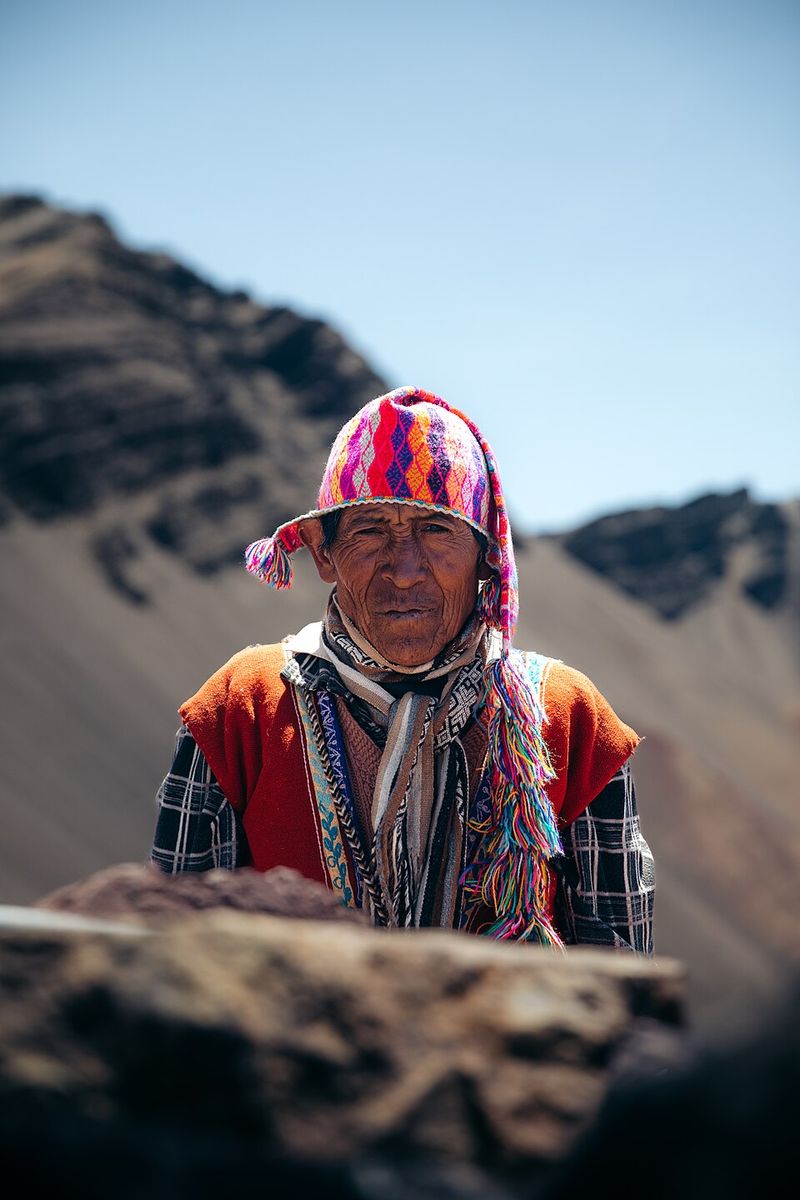
High in the Andes, where the air is thin and the mountains touch the clouds, Quechua communities have farmed the same terraced hillsides their Inca ancestors carved out over 500 years ago. These agricultural terraces, called andenes, are engineering marvels that prevent erosion, manage water, and create microclimates suited to growing potatoes, quinoa, and maize at extreme altitudes.
Modern agriculture has not improved on them in many ways.
Quechua is not just one language but a family of related languages spoken by an estimated 8 to 10 million people across Peru, Bolivia, Ecuador, and beyond. It is the most widely spoken Indigenous language in the Americas.
Many communities use Quechua as their primary language at home, weaving it into daily life alongside Spanish.
Traditional weaving practices carry deep cultural meaning, with patterns and colors communicating community identity, marital status, and regional origin. Each textile is essentially a wearable map of who someone is and where they come from.
Share this story