The world map looks very different today than it did a century ago. Borders have shifted, empires have fallen, and brand-new countries have emerged from the dust of history.
Some were born through peaceful agreements, while others came after long and painful struggles. Here are 15 countries that simply did not exist 100 years ago, and the fascinating stories behind how they came to be.
1. Pakistan
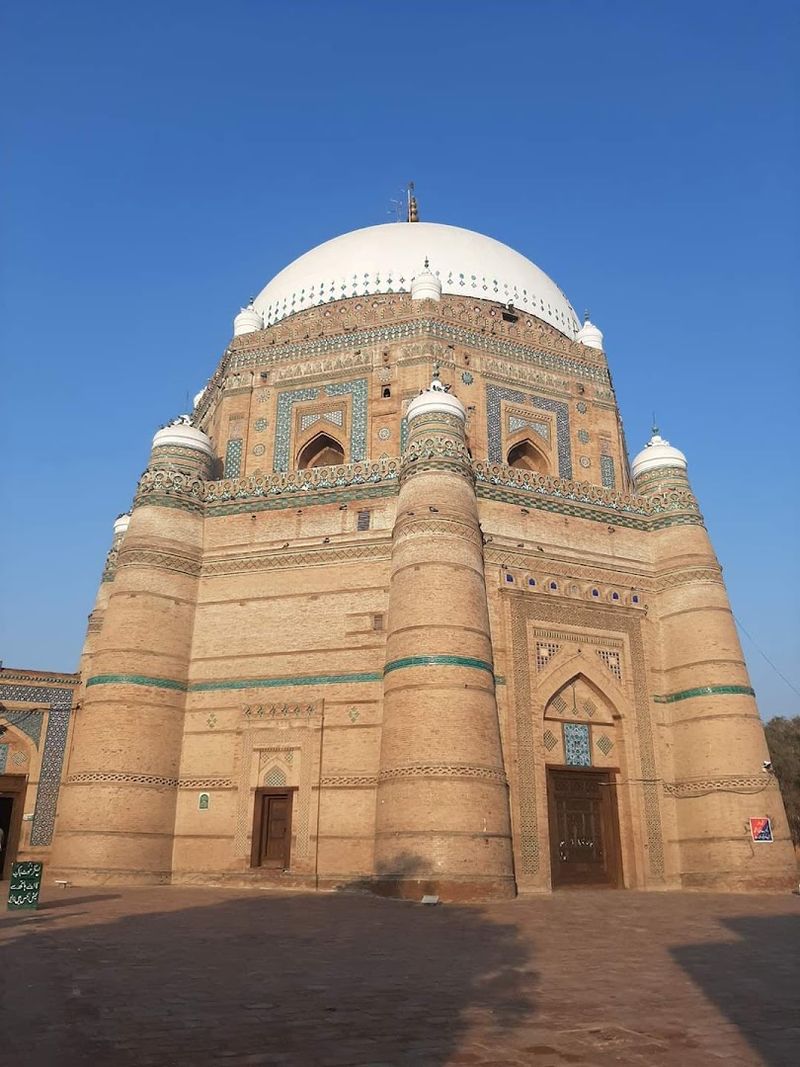
Born out of one of the most dramatic political events of the 20th century, Pakistan came into existence on August 14, 1947. When British India was divided, Muslims in the region needed a homeland of their own, and that vision became reality through the partition plan.
The founder of Pakistan, Muhammad Ali Jinnah, had fought for years to make this dream come true. Millions of people crossed new borders in one of history’s largest mass migrations.
Families were split, and entire communities were uprooted almost overnight.
Today, Pakistan is home to over 230 million people, making it one of the most populous countries on Earth. It has a rich culture, ancient history, and a growing role in global affairs.
The country’s birth was painful, but its growth over the decades tells a story of remarkable resilience and national identity.
2. Bangladesh
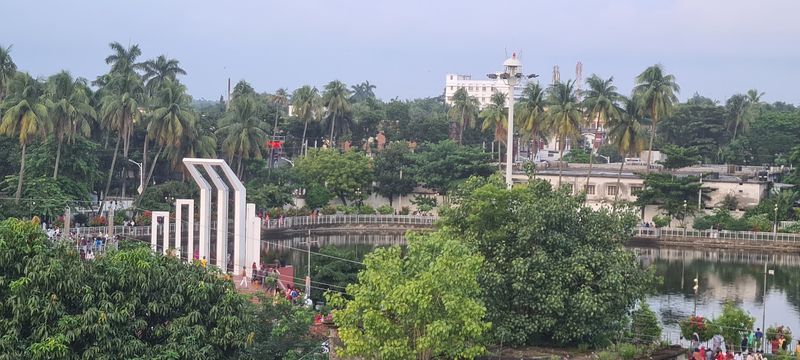
Few countries in history have been born through as much sacrifice as Bangladesh. Before 1971, this land was known as East Pakistan, separated from West Pakistan by over a thousand miles of Indian territory.
The cultural and political tensions between the two halves were impossible to ignore.
When the people of East Pakistan demanded recognition of their language and rights, the response from the government was brutal. A liberation war followed, and with support from India, Bangladesh declared independence on March 26, 1971.
The conflict lasted nine months and left deep scars on the nation.
Today, Bangladesh is a country of over 170 million people, known for its lush river deltas, vibrant textile industry, and determined spirit. Despite being one of the most densely populated nations on Earth, it has made impressive strides in reducing poverty and improving education for its citizens.
3. South Sudan
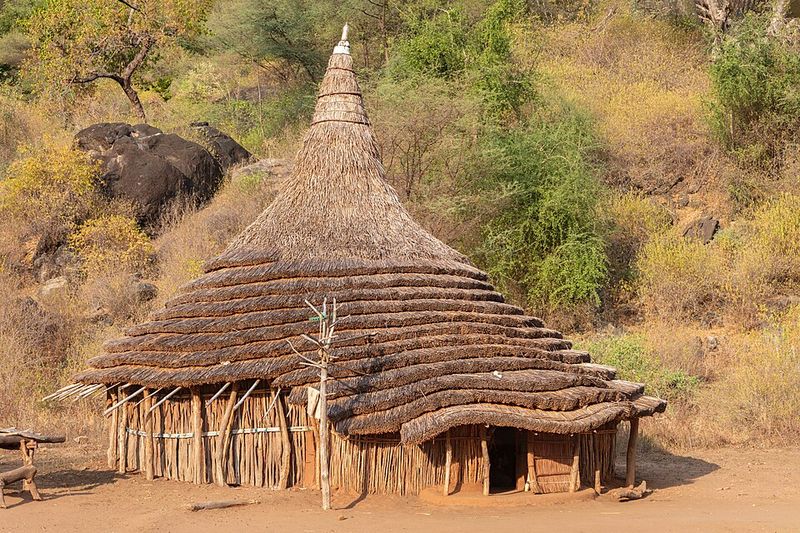
South Sudan holds the distinction of being the world’s youngest country, officially gaining independence on July 9, 2011. After decades of civil war between the predominantly Christian and animist south and the Arab Muslim north of Sudan, a peace agreement finally allowed southern citizens to vote on their future.
The referendum result was overwhelming. Nearly 99 percent of voters chose independence, and the new nation was born with enormous hope and international goodwill.
Celebrations filled the streets of the capital, Juba, as people danced and waved their new flag.
Sadly, internal conflicts have made the years since independence very difficult. Fighting between political factions has caused a humanitarian crisis, displacing millions of people.
Still, South Sudan remains a place of incredible natural beauty, with vast wildlife reserves and the mighty Nile flowing through its heart. The potential for a peaceful, thriving future has not disappeared.
4. Israel
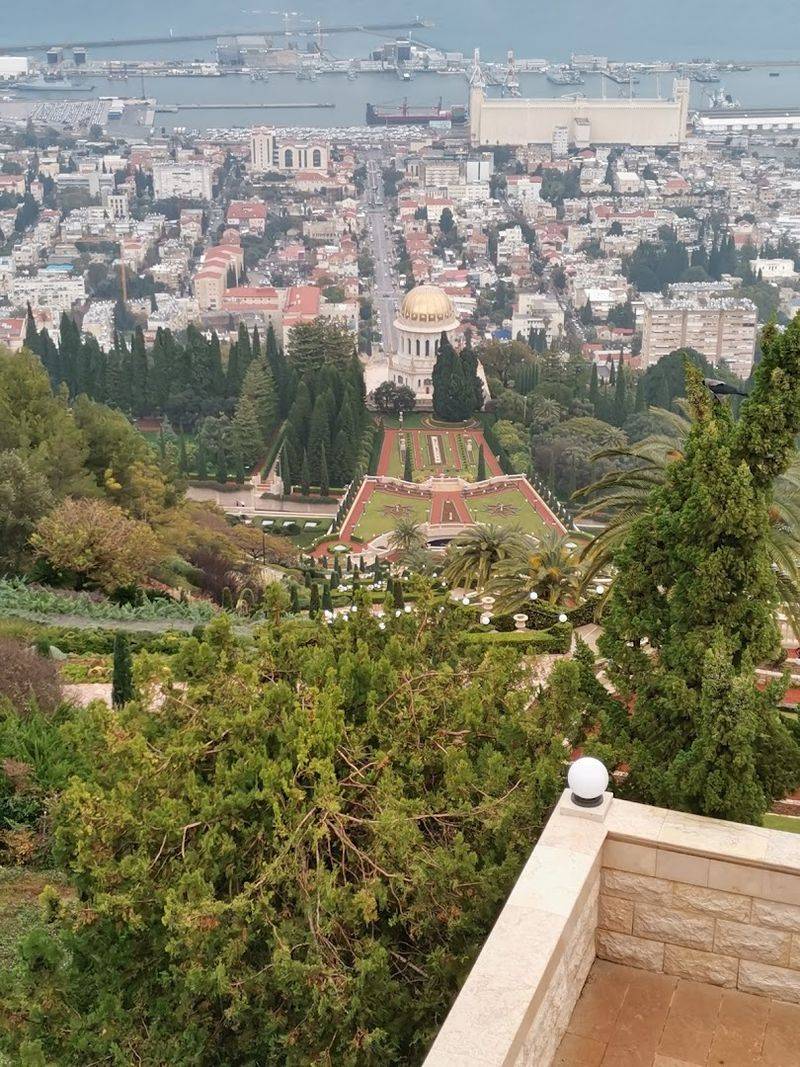
When the British Mandate for Palestine ended in May 1948, a new state was declared in the ancient land that Jewish people had called home thousands of years before. Israel’s founding was a historic moment, fulfilling the Zionist dream of a Jewish homeland after centuries of persecution across Europe and beyond.
The declaration of independence was read by David Ben-Gurion in Tel Aviv on May 14, 1948. Within hours, neighboring Arab nations launched a war against the new state, setting the stage for decades of conflict in the region.
Despite the odds, Israel survived and grew rapidly.
Today, Israel is a global leader in technology, agriculture innovation, and medical research. Its cities blend ancient history with ultramodern life.
Jerusalem, one of the most sacred cities in the world for three major religions, remains at the center of ongoing diplomatic discussions and deep spiritual meaning for billions of people worldwide.
5. United Arab Emirates
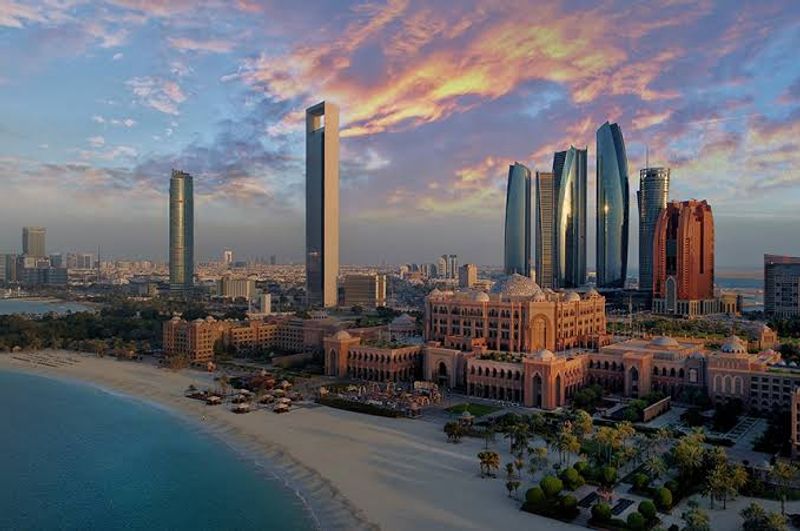
Not long ago, the land now known as the United Arab Emirates was a stretch of desert coastline dotted with small fishing villages and pearl diving communities. In 1971, seven emirates that had been under British protection came together to form one unified nation.
It was a bold experiment in cooperation.
Sheikh Zayed bin Sultan Al Nahyan, the ruler of Abu Dhabi, played a key role in bringing these emirates together. The discovery of oil had already begun transforming the region economically, giving leaders the resources to build something extraordinary.
The federation officially formed on December 2, 1971.
Within just a few decades, the UAE became one of the most visited and talked-about places on Earth. Dubai’s skyscrapers, Abu Dhabi’s cultural landmarks, and the country’s reputation for luxury and innovation are known worldwide.
From pearl diving to hosting world expos, the UAE’s transformation is nothing short of astonishing.
6. Singapore
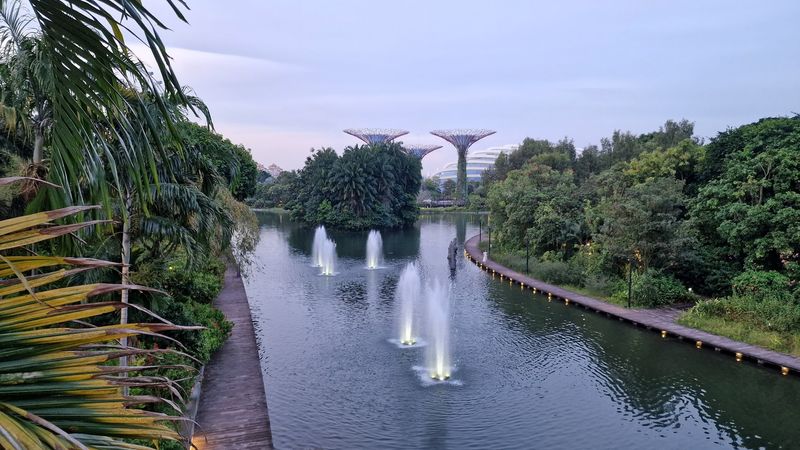
Imagine being told your country was being kicked out of a larger nation and forced to survive on your own. That is almost exactly what happened to Singapore in 1965.
When it separated from Malaysia, Prime Minister Lee Kuan Yew reportedly wept on national television, worried about the tiny island’s survival.
Singapore had no natural resources, very little land, and a diverse population that needed to be united quickly. What followed was one of the most remarkable economic success stories in modern history.
Through strict governance, investment in education, and a focus on trade, Singapore transformed itself into a global hub.
Today, Singapore is one of the richest countries per capita in the world. Its port is among the busiest on the planet, its schools rank among the best globally, and its clean, orderly streets attract millions of tourists every year.
From uncertainty in 1965 to world-class status, Singapore’s journey is truly inspiring.
7. Kazakhstan
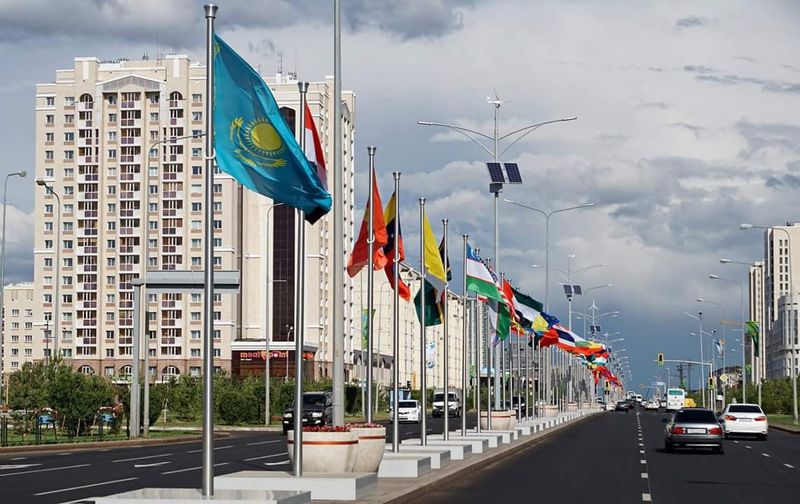
Stretching across Central Asia in a landmass roughly the size of Western Europe, Kazakhstan is the world’s largest landlocked country. For most of the 20th century, it was part of the Soviet Union, its culture and identity heavily shaped by decades of Soviet rule.
When the USSR collapsed in December 1991, Kazakhstan declared independence.
The country quickly became important on the world stage due to its enormous reserves of oil, natural gas, and minerals. Its capital was moved from Almaty to a newly built city called Astana, which has since been renamed Nur-Sultan and then Astana again.
The city itself is a symbol of modern ambition rising from the open steppe.
Kazakhstan has worked hard to build a stable economy and attract international investment. Its space launch facility, Baikonur Cosmodrome, was used by the Soviet Union and still plays a role in global space missions today.
It is a country proudly building its future while honoring its nomadic heritage.
8. Uzbekistan
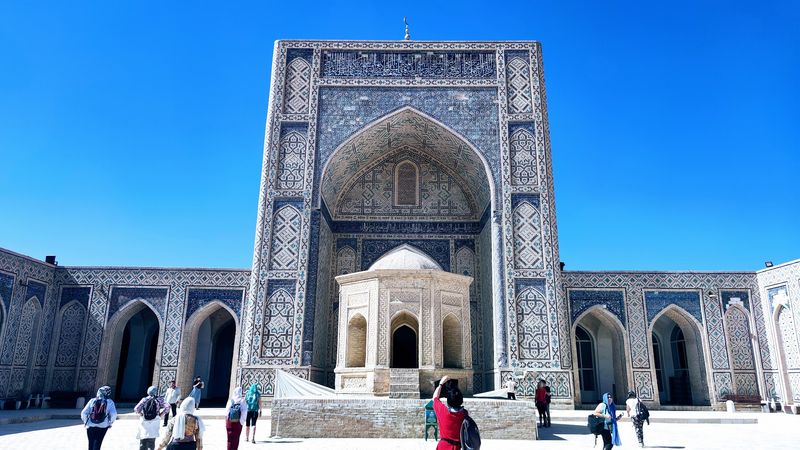
Few places on Earth carry as much historical weight as Uzbekistan. Samarkand, one of its oldest cities, was a major stop along the ancient Silk Road, the trade route that connected China with Europe for centuries.
Travelers like Marco Polo passed through these lands, marveling at the cities’ grand architecture and vibrant markets.
For most of the 20th century, Uzbekistan was a Soviet republic, its rich culture existing beneath layers of communist governance. When the Soviet Union broke apart in 1991, Uzbekistan declared independence and began the process of rediscovering its own identity.
The transition was not always smooth, but the country held together.
Today, Uzbekistan is opening up to tourism and international trade after years of relative isolation. Visitors come from around the world to see the stunning blue-tiled mosques and madrassas of Samarkand and Bukhara.
The country is proud of its heritage and eager to share it with the world.
9. Kyrgyzstan
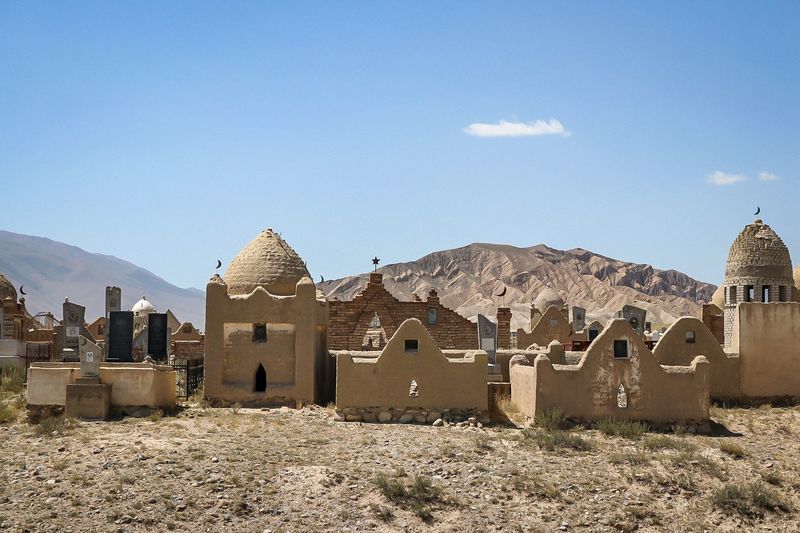
Tucked into the mountains of Central Asia, Kyrgyzstan is a country where ancient nomadic traditions still breathe life into everyday culture. Felt yurts, eagle hunting, and horse games called ulak tartysh remain part of national identity even as modern cities grow.
When the Soviet Union dissolved in 1991, Kyrgyzstan stepped into independence carrying this deep cultural heritage.
The country’s rugged terrain, with the Tian Shan mountain range running through much of it, means that many communities have historically lived in relative isolation. This geography shaped a fiercely independent people who value freedom and community bonds above much else.
Kyrgyzstan has faced political turbulence since independence, including multiple changes of government. Yet it remains one of the more open and democratic societies in Central Asia.
Its breathtaking landscapes, including the massive alpine lake Issyk-Kul, are attracting growing numbers of adventure travelers who want something raw and real.
10. Tajikistan
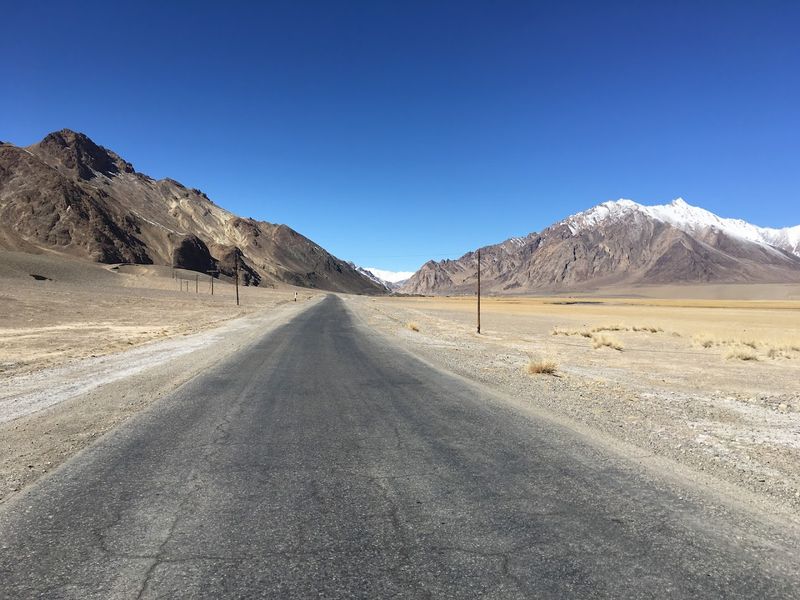
Tajikistan sits at the crossroads of some of the world’s most dramatic mountain ranges, including the Pamirs, often called the Roof of the World. When it gained independence from the Soviet Union in September 1991, it became the only former Soviet republic where the majority of people speak a Persian-derived language, Tajik, rather than a Turkic tongue.
Independence did not come without hardship. A brutal civil war erupted shortly after and lasted until 1997, causing enormous suffering and setting back the country’s development by years.
Rebuilding trust and infrastructure took the better part of a decade after peace was finally restored.
Today, Tajikistan is one of the poorest countries in Central Asia, but it has a quiet strength rooted in its ancient culture and stunning geography. The Wakhan Corridor, a narrow strip of land connecting it to Afghanistan and China, is one of the most remote and awe-inspiring places on the planet.
11. Turkmenistan
Somewhere in the middle of the Karakum Desert in Turkmenistan, a massive crater has been on fire for over 50 years. Known as the Darvaza gas crater, or the Door to Hell, it was created when a Soviet drilling accident caused the ground to collapse.
Rather than let harmful gases escape, engineers set it on fire, expecting it to burn out in weeks. It never did.
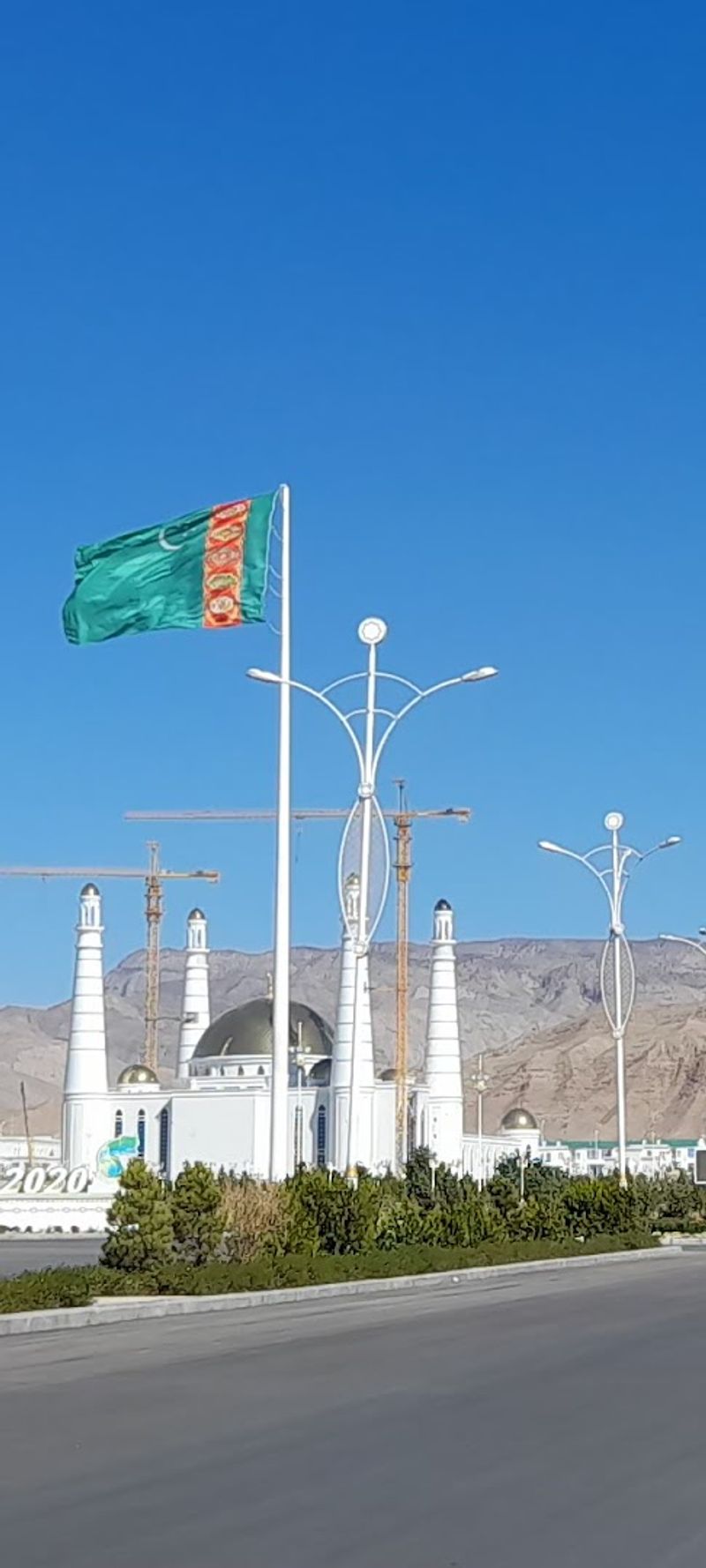
Turkmenistan itself became independent from the Soviet Union in October 1991. The country sits on some of the world’s largest natural gas reserves, making it economically significant despite its small population of around six million people.
However, it has remained one of the most closed and secretive nations on Earth.
Little outside news enters or leaves Turkmenistan easily. The government controls media tightly and limits travel.
Yet beneath that isolation lies a proud Turkmen culture, stunning desert landscapes, and ancient ruins from civilizations that once thrived along the Silk Road.
12. Eritrea
Eritrea’s path to independence was one of the longest and most grueling in African history. For 30 years, Eritrean fighters waged a war against Ethiopian rule in one of the continent’s most protracted conflicts.
When Ethiopia itself was thrown into political upheaval in the late 1980s, the opportunity for a resolution finally arrived.
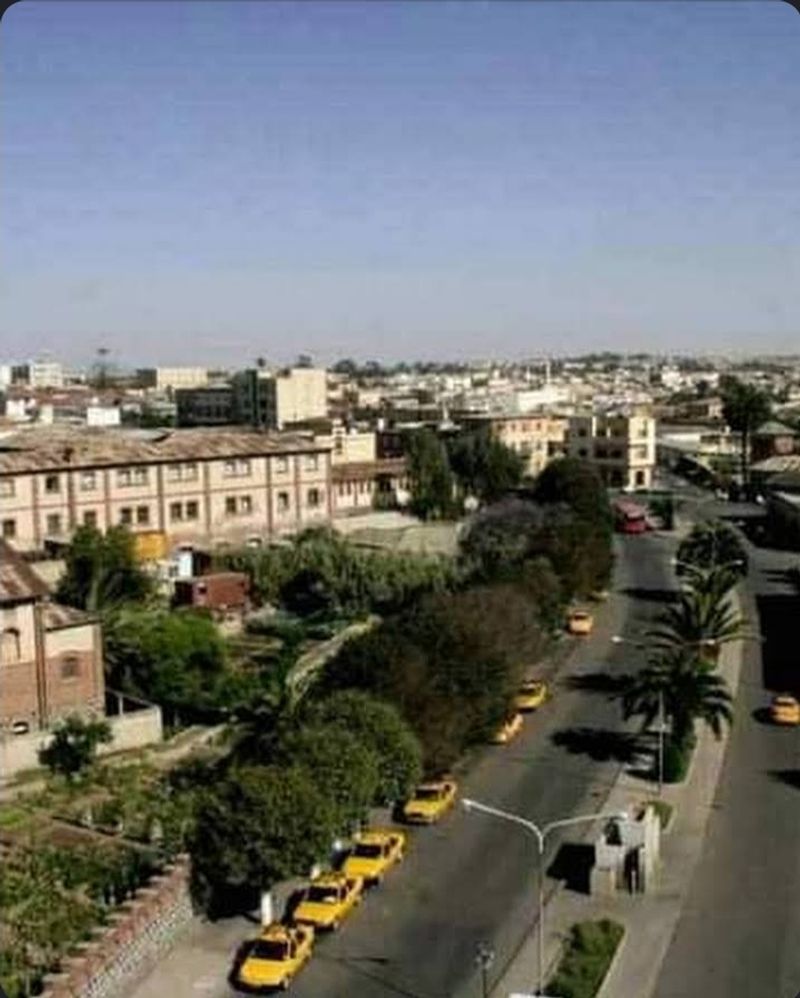
A referendum held in April 1993 produced a near-unanimous vote for independence, and Eritrea officially became a sovereign nation on May 24, 1993. The capital, Asmara, is a fascinating city filled with Italian colonial architecture from the era when Italy controlled the territory, giving it a unique and unexpected visual character.
Despite the joy of independence, Eritrea has struggled with authoritarian governance and ongoing border disputes with Ethiopia. Many Eritreans have fled the country seeking better opportunities abroad.
Still, the national pride that carried people through 30 years of war has not faded. Eritrea’s story is one of extraordinary endurance.
13. Namibia
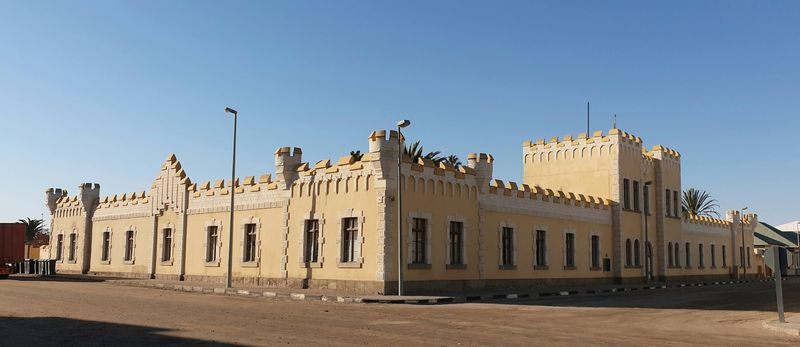
Namibia is home to some of the most otherworldly landscapes on Earth. The Namib Desert, one of the oldest and driest deserts in the world, stretches along its Atlantic coast with enormous rust-red dunes that seem to glow at sunrise.
Yet for much of the 20th century, this stunning land was not free to govern itself.
After World War I, South Africa took control of the territory and administered it under a system of racial apartheid similar to its own. Namibians resisted for decades, and after years of armed struggle and international pressure, South Africa finally agreed to withdraw.
Namibia became independent on March 21, 1990.
Today, Namibia is widely praised as one of Africa’s most stable democracies. Its wildlife, including massive elephant herds and rare desert-adapted lions, draws tourists from around the globe.
The country has also become a leader in conservation, protecting vast stretches of land for future generations to enjoy.
14. Timor-Leste (East Timor)
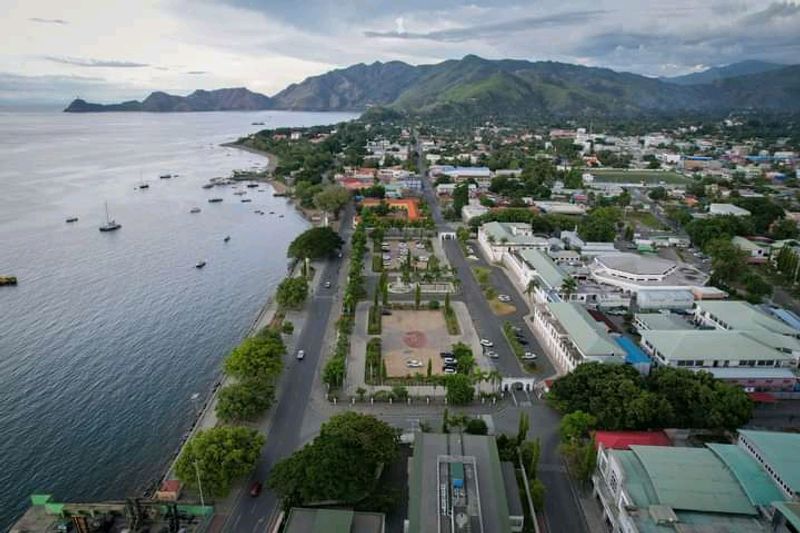
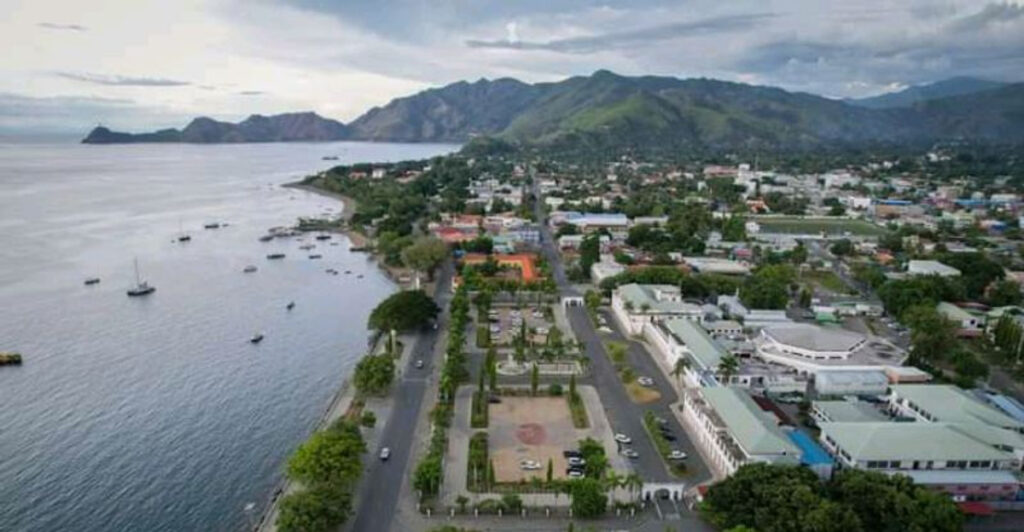
Timor-Leste, also known as East Timor, occupies the eastern half of a small island in Southeast Asia, and its road to independence was one of the most heartbreaking of the modern era. After Portugal ended its colonial rule in 1975, Indonesia invaded and occupied the territory for over two decades.
The occupation was brutal, claiming an estimated 100,000 to 180,000 lives.
International pressure eventually forced a United Nations-supervised referendum in 1999. An overwhelming majority voted for independence, but violence erupted immediately after, destroying much of the country’s infrastructure.
UN peacekeepers stepped in to restore order and help rebuild.
On May 20, 2002, Timor-Leste became the first new sovereign nation of the 21st century. The country is still developing, working to build institutions, grow its economy, and care for a young population.
Its people carry the weight of a painful past but hold onto a genuine hope for a brighter and more peaceful tomorrow.
15. Palau
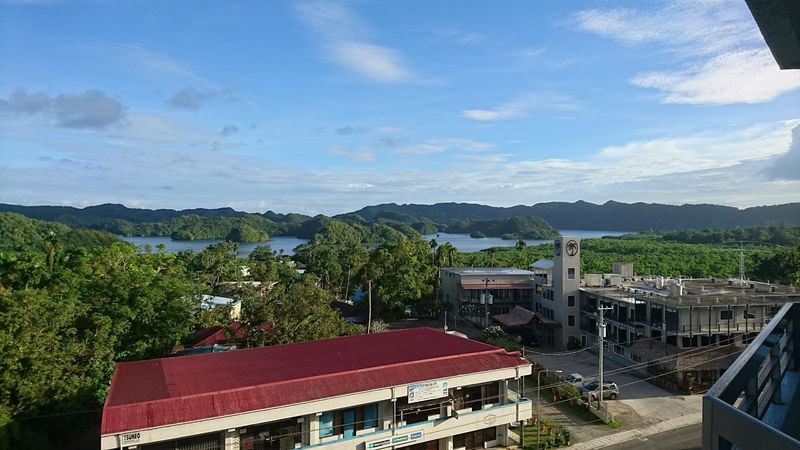
Scattered across the western Pacific Ocean, Palau is a nation of roughly 340 islands, most of them uninhabited and blanketed in dense tropical jungle. With a population of only about 18,000 people, it is one of the smallest countries in the world.
Yet what Palau lacks in size, it more than makes up for in natural splendor.
For decades, Palau was part of the Trust Territory of the Pacific Islands, administered by the United States after World War II. Negotiations for full sovereignty were long and complicated, partly because Palau adopted a nuclear-free constitution that conflicted with U.S. defense plans.
A compromise was eventually reached, and Palau gained full independence on October 1, 1994.
Today, Palau is internationally recognized as a leader in ocean conservation. The government has declared large portions of its surrounding waters as protected marine sanctuaries.
Divers and snorkelers travel from all over the world to explore its legendary reefs and encounter marine life found almost nowhere else on Earth.
Share this story