Southern cooking tells a story that goes far beyond recipes. It carries the history, resilience, and creativity of generations of people who turned humble ingredients into extraordinary meals.
Soul food, rooted deeply in African American traditions, gave the South some of its most iconic and beloved dishes. From smoky greens to crispy fried chicken, these foods continue to bring people together at tables across the country.
1. Fried Chicken
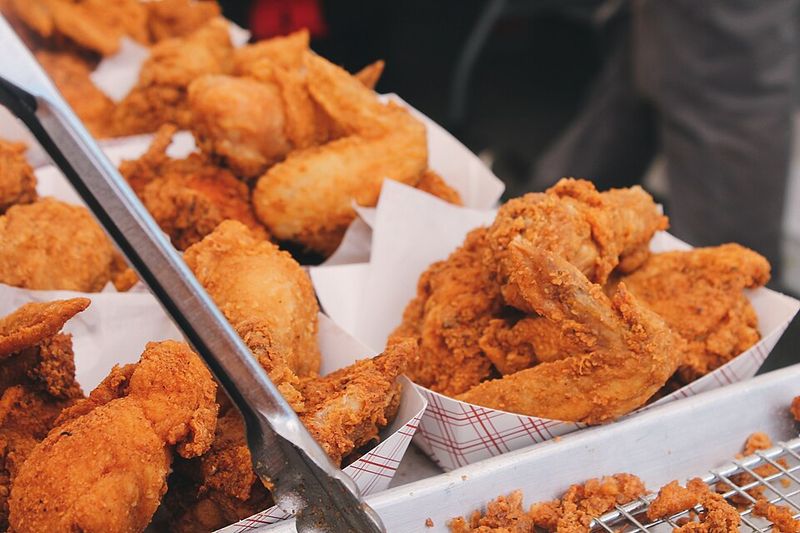
Few dishes carry as much cultural weight as a perfectly fried piece of chicken. African American cooks in the South elevated this dish with bold seasoning, cast-iron skillets, and techniques passed down through generations.
The result was something far more flavorful than anything that came before it.
Enslaved African women are widely credited with developing the seasoning and frying methods that made Southern fried chicken famous. Their knowledge of spices and cooking techniques transformed a simple protein into a cultural icon.
By the late 1800s, fried chicken was already deeply tied to African American foodways.
Today, fried chicken appears on menus from fast-food chains to fine-dining restaurants, but nothing beats a home-cooked version made from scratch. The crispy coating, juicy meat, and rich flavor tell a story of tradition, skill, and community that no recipe box can fully capture.
2. Collard Greens
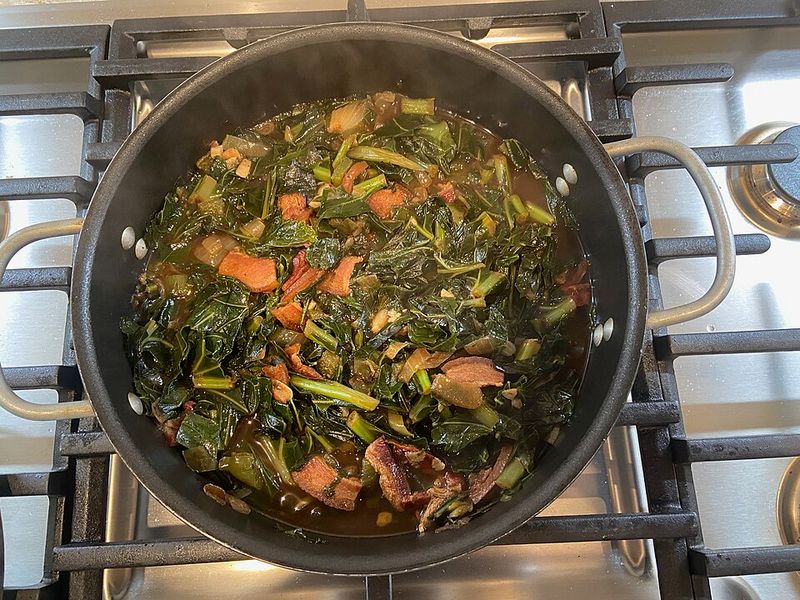
Walk into almost any Southern kitchen on a Sunday afternoon and you are likely to smell collard greens simmering on the stove. That slow, smoky aroma is one of the most comforting scents in Southern cooking.
Collards have been feeding families in this region for centuries.
West African culinary traditions brought leafy greens into American cooking, and enslaved people adapted those practices using what was available. Collards were inexpensive, easy to grow, and incredibly nutritious.
Cooking them low and slow with smoked pork made them tender and deeply flavorful.
The pot liquor, which is the broth left after cooking collards, is considered liquid gold by many Southerners. People soak their cornbread in it or drink it straight from the bowl.
Rich in vitamins and minerals, collard greens prove that the most nourishing foods often come from the simplest, most resourceful cooking traditions.
3. Cornbread
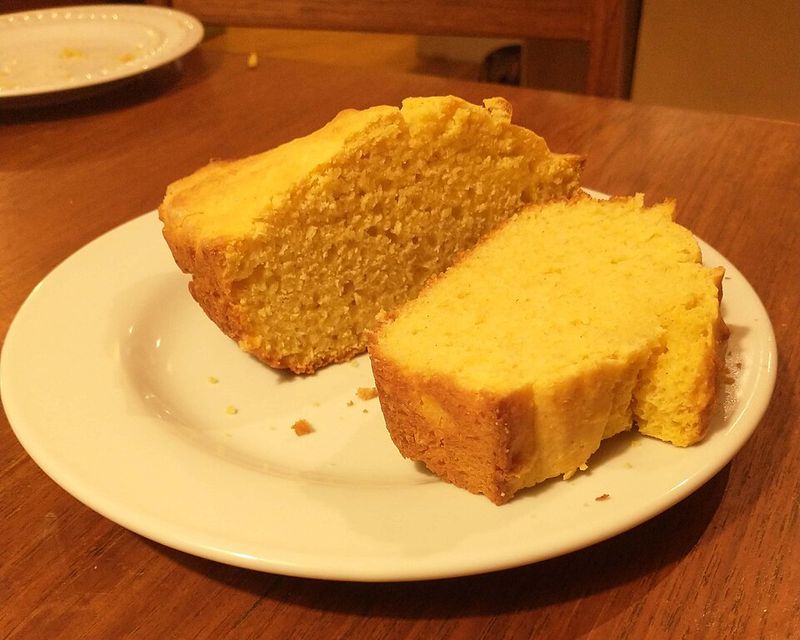
Before there was a Southern table, there was cornbread. Native Americans introduced corn-based cooking to early settlers, and African American cooks later refined it into the golden, crispy-edged skillet bread that defines soul food today.
Every family seems to have its own version, and every version sparks a friendly debate.
Some people swear by sweet cornbread, while others insist it should never contain sugar. Southerners tend to fall firmly in the savory camp, baking their cornbread in a well-seasoned cast-iron skillet to get that signature crunchy crust.
The inside stays moist and tender, making it perfect for soaking up pot liquor or gravy.
Cornbread was also practical. It required few ingredients, cooked quickly, and could stretch a meal further when food was scarce.
That combination of simplicity, flavor, and history is exactly why cornbread remains an absolute essential at any soul food gathering.
4. Black-Eyed Peas
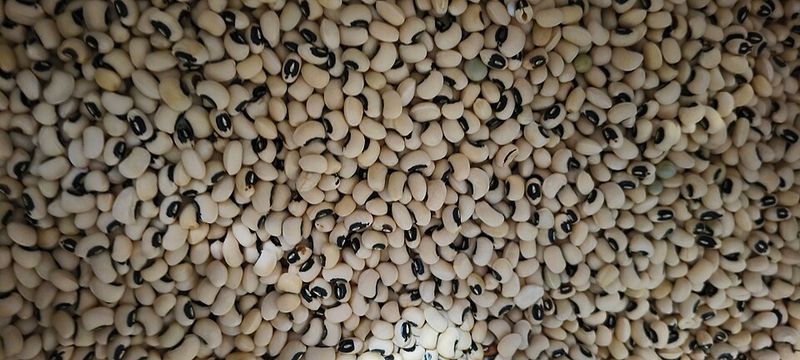
Every New Year’s Day across the South, millions of people sit down to a bowl of black-eyed peas believing it will bring good luck and prosperity in the months ahead. This tradition has been honored for generations, blending African spiritual beliefs with Southern culinary customs in a meaningful way.
Black-eyed peas originally came from West Africa and arrived in North America through the slave trade. Enslaved people cultivated and cooked them extensively, and over time they became a cornerstone of soul food cooking.
They pair beautifully with rice, greens, and cornbread for a complete and satisfying meal.
Beyond tradition, black-eyed peas are genuinely good for you. They are packed with fiber, protein, and folate, making them a smart choice for everyday eating.
Whether dressed simply with salt and onion or cooked down with smoked turkey, these humble legumes carry enormous cultural and nutritional value.
5. Candied Yams
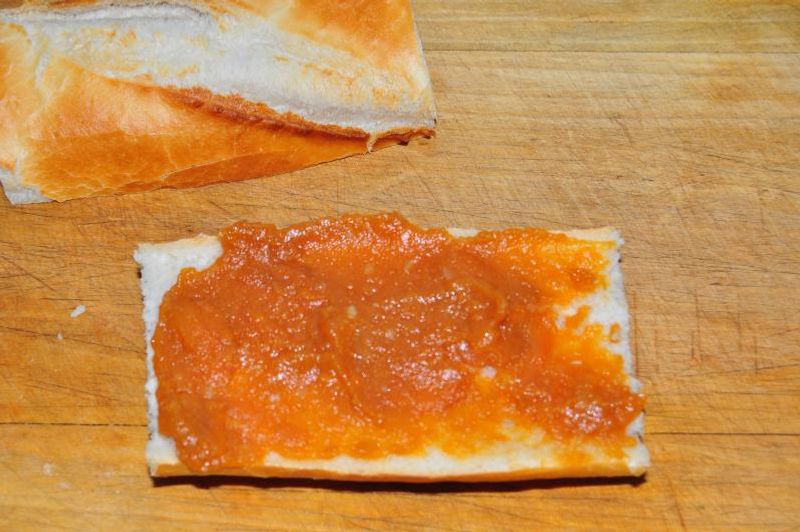
Candied yams are the kind of dish that makes a holiday table feel complete. Sweet potatoes cooked down with butter, brown sugar, cinnamon, and sometimes a touch of vanilla create a side dish so rich it almost tastes like dessert.
For many Southern families, Thanksgiving simply would not be Thanksgiving without them.
Sweet potatoes have been grown in the American South for hundreds of years. African Americans embraced them enthusiastically because they were nutritious, versatile, and reminiscent of yams from West Africa.
The candied preparation likely developed as cooks added sugar and spices to enhance the natural sweetness of the potato.
Despite being called yams, the orange-fleshed sweet potatoes used in this dish are botanically different from true yams. The mix-up dates back to the slave trade era, when African Americans used the word yam as a connection to their homeland.
The name stuck, and the dish became a soul food classic.
6. Macaroni and Cheese
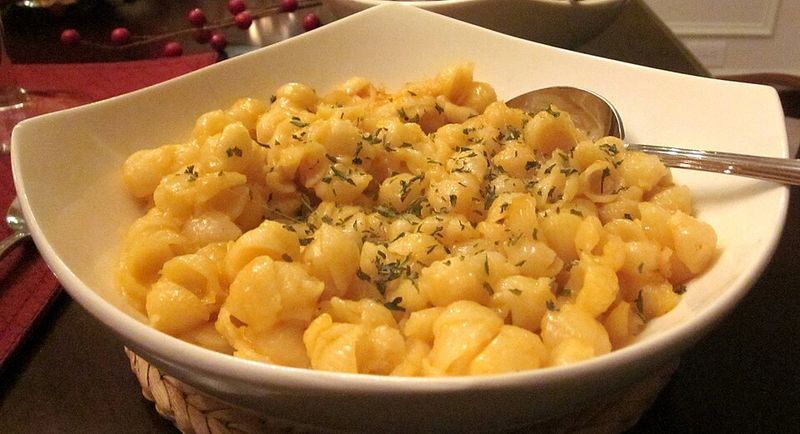
Forget the boxed version. Baked macaroni and cheese made from scratch, with layers of cheese melted into every noodle and a golden crust on top, is one of the most satisfying dishes in the entire soul food tradition.
African American families have been perfecting this recipe for generations.
While Thomas Jefferson is often credited with popularizing macaroni and cheese in America, it was African American cooks who transformed it into the rich, baked comfort food that Southern tables are known for. James Hemings, an enslaved chef who trained in France, is believed to have brought the recipe to Jefferson’s household.
At church dinners, family reunions, and holiday gatherings, baked mac and cheese holds a place of honor on the spread. People guard their recipes closely, adjusting the cheese blend, the milk-to-egg ratio, and the seasoning until it is exactly right.
That personal touch is what makes every version special.
7. Hoppin’ John
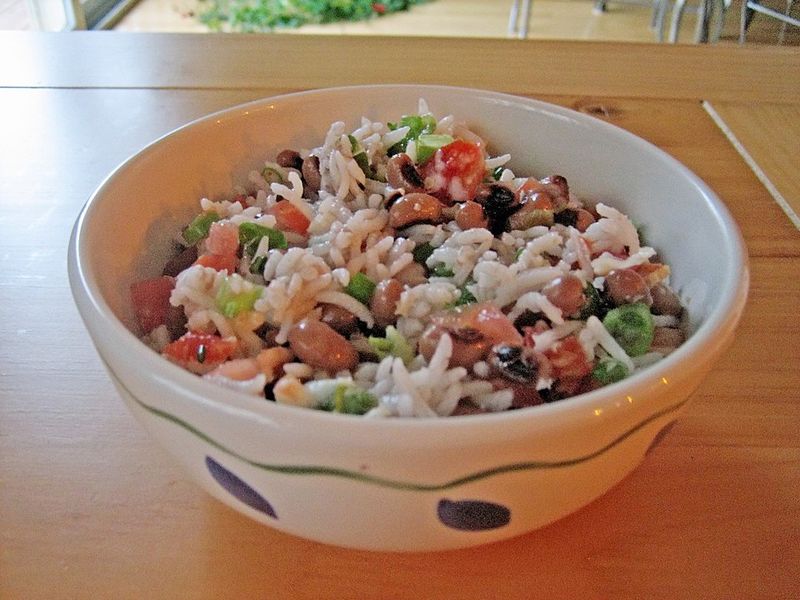
Hoppin John is one of those dishes where history and flavor meet on the same plate. A hearty combination of black-eyed peas, rice, and pork, it has been a Southern staple for centuries and carries deep ties to West African rice-cooking traditions that enslaved people brought to the Carolinas.
The dish is especially popular on New Year’s Day, often served alongside collard greens and cornbread as part of a lucky meal meant to bring fortune in the new year. Black-eyed peas represent coins, greens represent paper money, and cornbread represents gold.
That is a meal with serious symbolic weight.
The name itself is a bit of a mystery. Some historians trace it to a French term, others to a folk legend.
Regardless of its origin, Hoppin John has earned its place as a beloved and culturally significant dish. Its simple ingredients and bold flavor make it timeless and deeply satisfying.
8. Chitlins (Chitterlings)
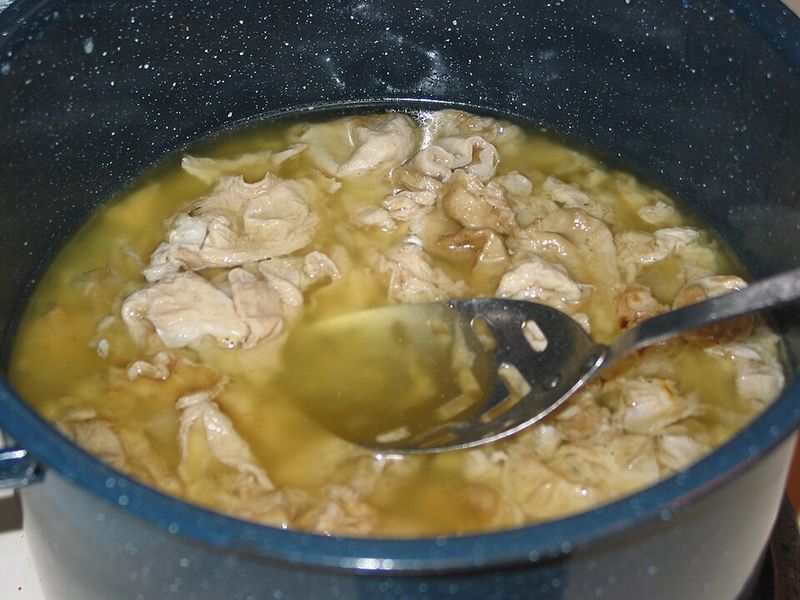
Chitlins are not for the faint of heart, and most devoted fans would not have it any other way. Made from cleaned and slow-cooked pig intestines, chitterlings represent one of the most powerful examples of resourcefulness in African American culinary history.
What others discarded, enslaved cooks transformed into a meaningful meal.
During slavery, enslaved people were given the least desirable parts of the pig. Rather than accept that as a limitation, they developed careful cleaning and cooking methods that turned those scraps into flavorful, nourishing food.
That ingenuity became the foundation of an entire cooking tradition built on making the most of everything available.
Chitlins remain a deeply personal dish for many families. They are often prepared for special occasions and holiday gatherings, carrying emotional significance alongside their bold flavor.
The smell during cooking is famously strong, but longtime fans say the finished dish is absolutely worth every step of the long preparation process.
9. Gumbo
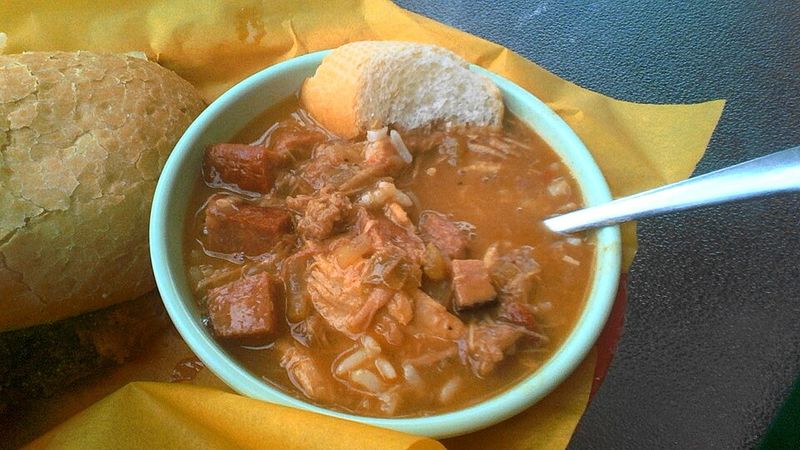
Gumbo is a dish that tells the entire story of Southern Louisiana in a single bowl. It blends African, French, Spanish, and Native American culinary traditions into a rich, slow-simmered stew that is unlike anything else in American cooking.
Every spoonful reflects centuries of cultural exchange along the Gulf Coast.
The word gumbo likely comes from a Bantu word for okra, which is one of the dish’s key thickening ingredients. African cooks brought okra to Louisiana, while French settlers contributed the roux technique and Spanish influences added bold spicing.
Native Americans contributed file powder, made from dried sassafras leaves, as another thickener.
There are countless versions of gumbo across Louisiana and the broader South. Some feature shrimp and andouille sausage, others use chicken and crab.
Arguments about the right way to make gumbo are practically a Louisiana tradition. Whatever the ingredients, a well-made gumbo is pure, layered, deeply comforting magic.
10. Okra
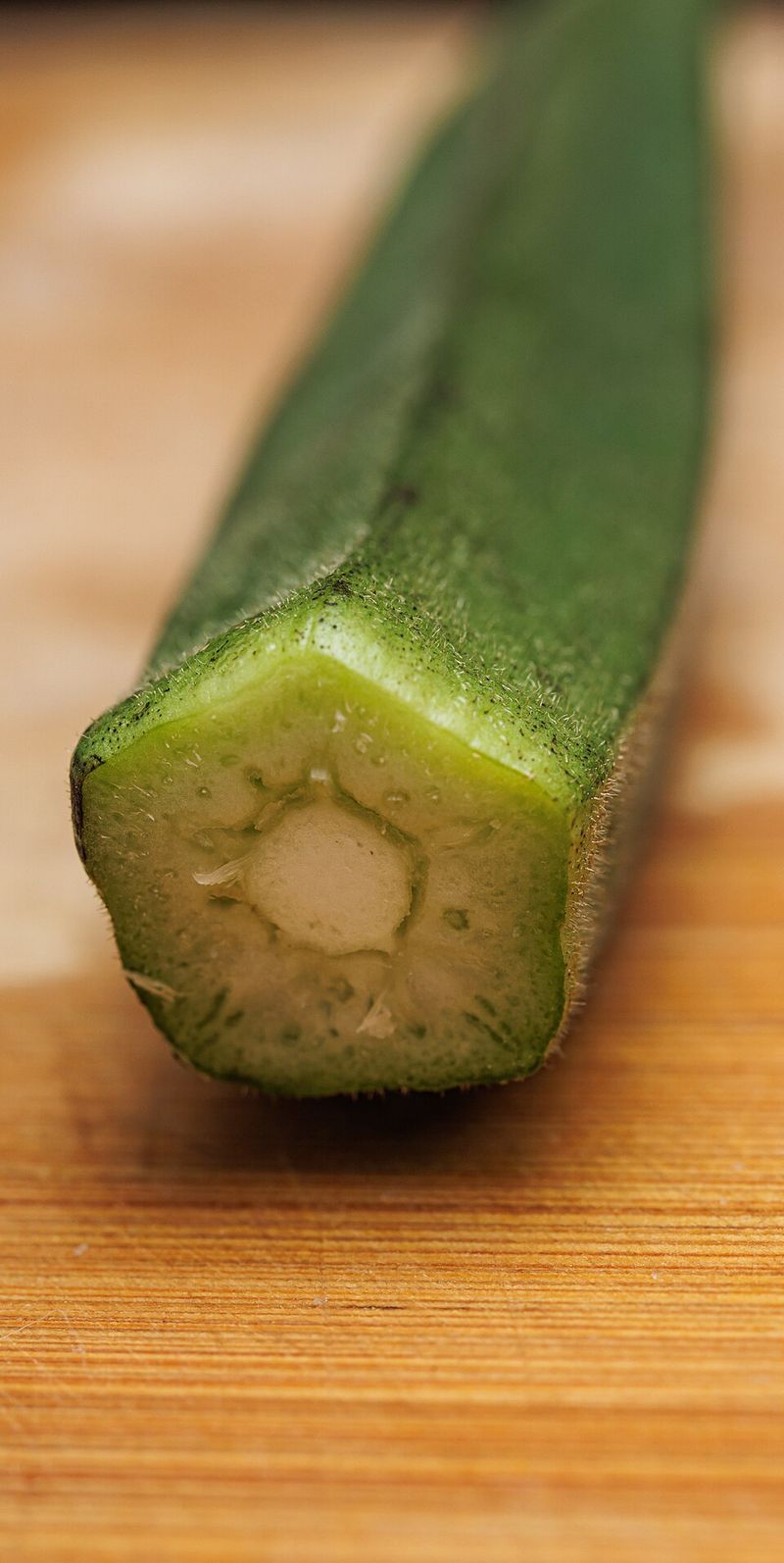
Okra might be the most underappreciated vegetable in American cooking, but in the South, it is treated with genuine respect. Slimy when raw and crispy when fried, okra has a unique texture that divides opinions.
Those who love it tend to love it fiercely, and Southern cooks have been finding creative ways to use it for centuries.
Okra was brought to North America by enslaved Africans who carried seeds across the Atlantic during the transatlantic slave trade. It thrived in the warm Southern climate and quickly became a key ingredient in gumbo, stews, and fried side dishes.
Without okra, Southern cooking would look dramatically different.
Fried okra coated in cornmeal and cooked until golden is a fan favorite at Southern restaurants and home kitchens alike. Pickled okra has also grown in popularity in recent years.
Rich in fiber and vitamins C and K, okra is as nutritious as it is culturally significant to the region.
11. Red Beans and Rice
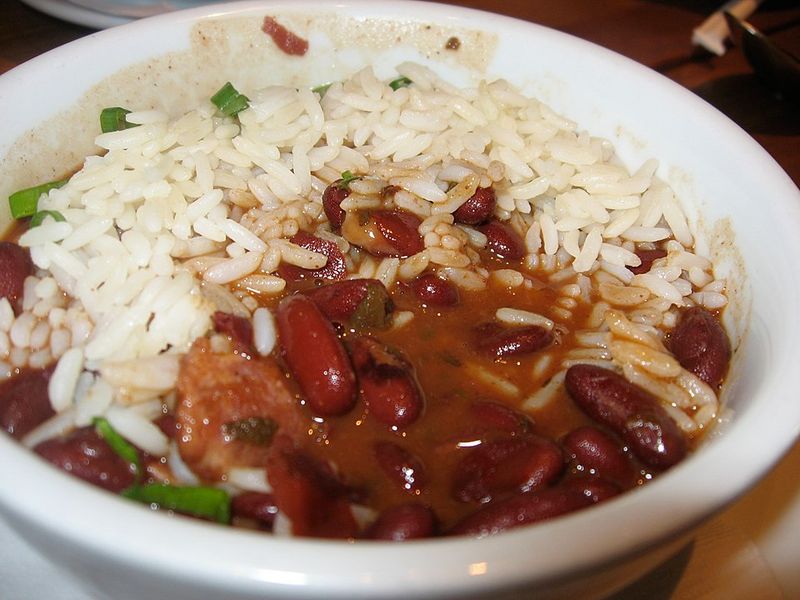
Monday used to be washday in New Orleans, and while the laundry soaked, a pot of red beans simmered on the stove all day with little attention needed. That practical tradition gave birth to one of the most beloved dishes in Louisiana cooking.
Red beans and rice became a weekly ritual that entire neighborhoods shared.
The dish draws on African and Caribbean cooking traditions that enslaved people brought to Louisiana. Red kidney beans cooked slowly with andouille sausage, onion, celery, and bell pepper develop a creamy, deeply savory flavor that coats every grain of rice.
It is filling, affordable, and endlessly satisfying.
Musician Louis Armstrong reportedly signed his letters with the phrase red beans and ricely yours, showing just how deeply this dish was woven into New Orleans culture. Today it remains a staple in homes and restaurants across Louisiana and beyond.
Simple food with that kind of staying power is always worth celebrating.
12. Biscuits and Gravy
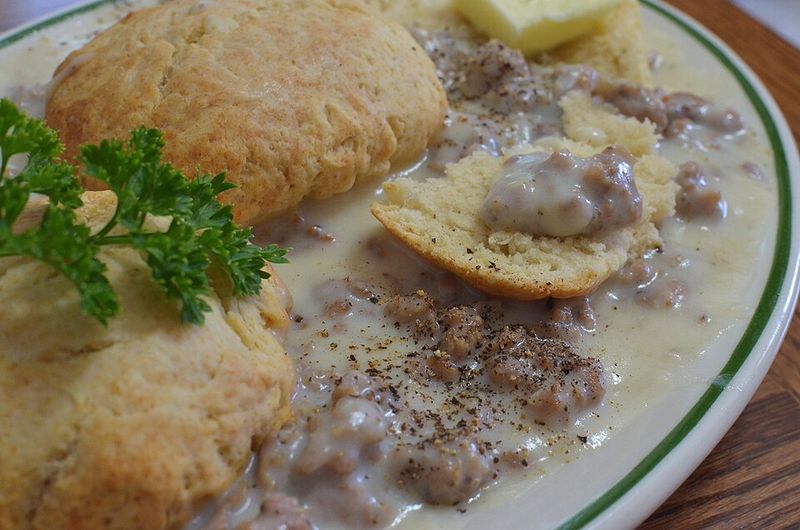
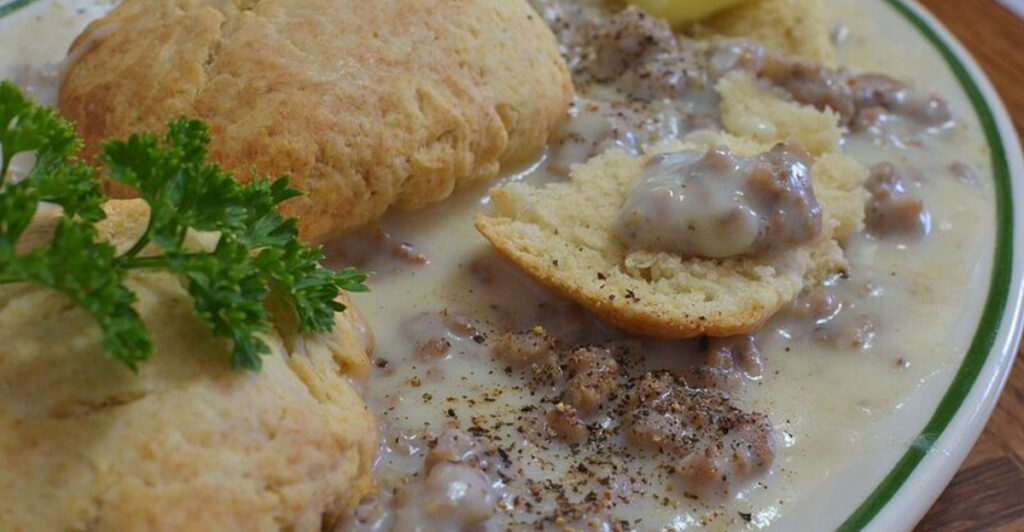
There is something deeply satisfying about splitting open a warm, fluffy biscuit and watching thick sausage gravy pour over it. Biscuits and gravy became a Southern breakfast staple because it was hearty, inexpensive, and easy to make with pantry basics.
Farmers and laborers across the South relied on this meal to power long working days.
The biscuit itself has roots in both British baking traditions and African American cooking. Skilled African American cooks were often responsible for preparing biscuits in wealthy Southern households, and their technique, using cold butter and a light hand, created the flaky, tender layers that define a great Southern biscuit.
The gravy, made from sausage drippings, flour, and milk, is creamy and savory with a little kick from black pepper. Together, the combination creates a comfort-food experience that feels like a warm hug on a cold morning.
Generations of Southern families have started their days this way, and the tradition shows no sign of fading.
13. Catfish
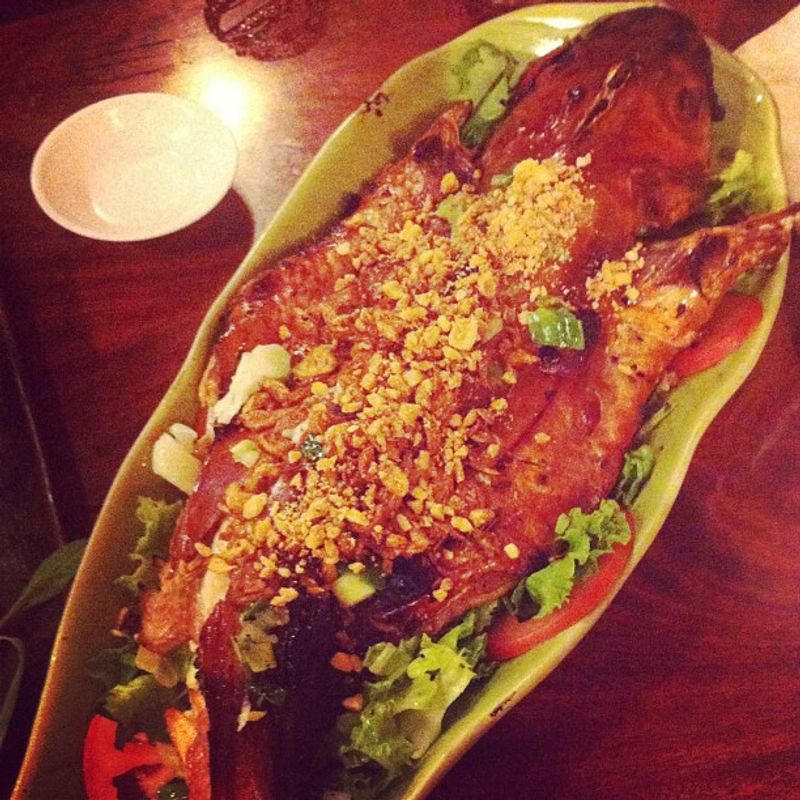
Catfish has fed Southern families for generations, and for good reason. Found in rivers, lakes, and ponds throughout the South, catfish was an accessible and affordable protein source for communities that had little money to spare.
Knowing how to catch and cook catfish was a practical life skill passed down through families.
African Americans developed many of the frying and seasoning techniques that made catfish a soul food staple. Coating fillets in seasoned cornmeal and frying them in hot oil creates a crispy, golden crust that locks in the tender, mild fish inside.
A squeeze of lemon and a side of hot sauce complete the experience.
The Southern fish fry became a community tradition, with neighbors gathering on weekends to share food, music, and laughter. Churches often hosted fish fries as fundraisers, making catfish as much about community connection as it was about the meal itself.
That social tradition remains alive and well across the South today.
14. Sweet Potato Pie
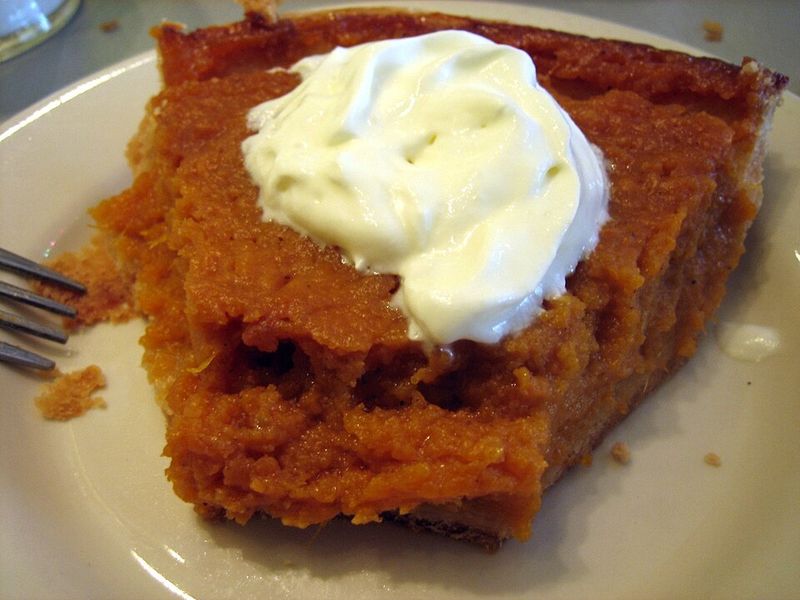
Sweet potato pie has been called the soul food answer to pumpkin pie, and honestly, fans of the sweet potato version would argue it is in a class of its own. Silky smooth, warmly spiced, and baked in a flaky crust, this dessert has been a centerpiece of African American holiday tables for generations.
Sweet potatoes were plentiful in the South and deeply familiar to African Americans whose ancestors had grown similar root vegetables in West Africa. Using them in a spiced custard pie was a natural and delicious evolution.
The flavor is richer and more complex than pumpkin, with a natural sweetness that needs very little added sugar.
Every family has its own recipe, and many of those recipes are closely guarded secrets passed from grandmother to grandchild. Nutmeg, vanilla, butter, and evaporated milk are common ingredients, but the exact combination varies by household.
At Thanksgiving and Christmas, a slice of sweet potato pie is not just dessert. It is tradition on a plate.
15. Peach Cobbler
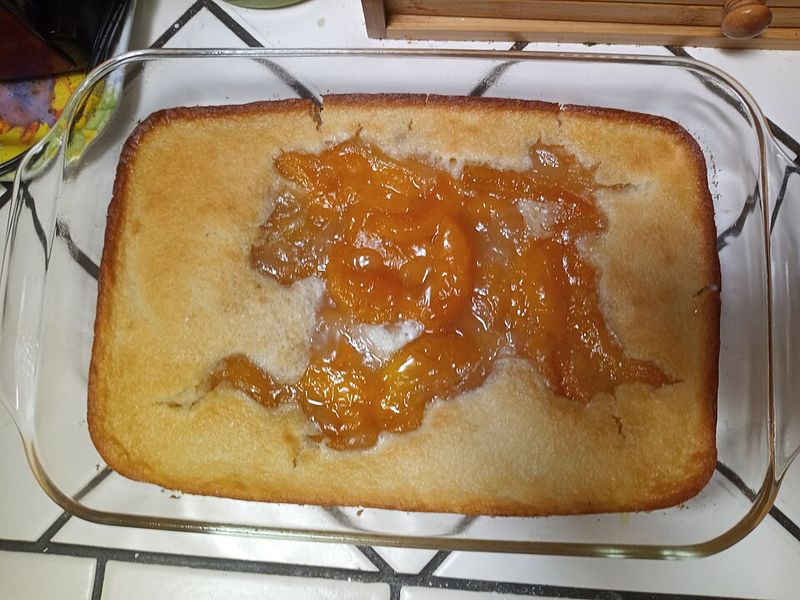
Peach cobbler is the kind of dessert that smells like summer and tastes like home. Sweet, juicy peaches bubbling under a golden, biscuit-style topping fresh from the oven is one of the South’s most treasured culinary moments.
A scoop of vanilla ice cream on top turns it into something close to perfection.
Cobblers became popular in the South because they were practical. Unlike pies, they did not require precise pastry skills or a rolling pin.
Cooks could pour fruit into a baking dish, drop batter or biscuits on top, and let the oven do the rest. Georgia, known as the Peach State, made this dessert especially synonymous with Southern identity.
African American cooks played a central role in developing and popularizing cobbler recipes across the South. The dish shows up at church picnics, family reunions, and holiday gatherings year after year.
Made with fresh, ripe peaches, it captures the warmth and generosity that defines Southern hospitality at its very best.
Share this story