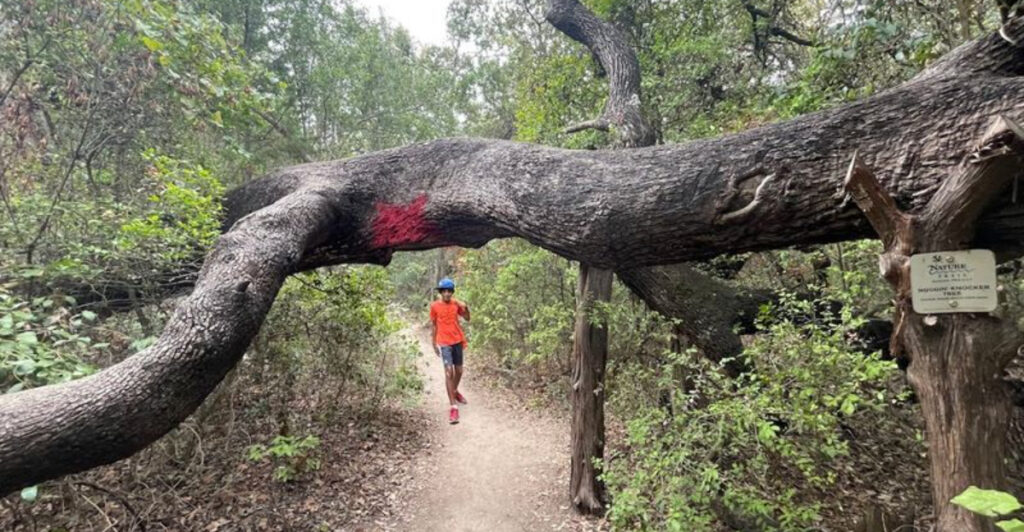
Austin is known for its live music, food trucks, and busy streets, but tucked away in a quiet residential neighborhood is a trail that feels like it belongs in a completely different world. Tall trees, rocky terrain, waterfalls, and the sound of flowing water replace the city noise in a way that genuinely surprises first-time visitors.
I had heard about this trail from a friend who kept insisting it was unlike anything else in the Austin area, and after finally making the trip out there, I completely understood the hype. This place is the kind of outdoor escape that makes you forget you are only a short drive from downtown, and once you experience it, you will want to keep coming back.
Where to Find This Urban Escape
The trailhead for River Place Nature Trail sits at 8820 Big View Dr, Austin, tucked inside a peaceful residential neighborhood in northwest Austin. When I pulled up, I honestly had to double-check the address because the surroundings looked more like a quiet suburb than a gateway to serious hiking terrain.
Street parking is available along Big View Drive, and there is also a small nearby park called Woodlands Park where visitors can park without worrying about being towed. The area is easy enough to find with GPS, but the neighborhood setting makes it feel like a local secret.
The trail is open every day of the week from 6 AM to 10 PM, which gives you plenty of flexibility for early morning hikes or late afternoon strolls. Knowing the hours ahead of time helps you plan so you can make the most of your visit.
The Trails You Can Choose From
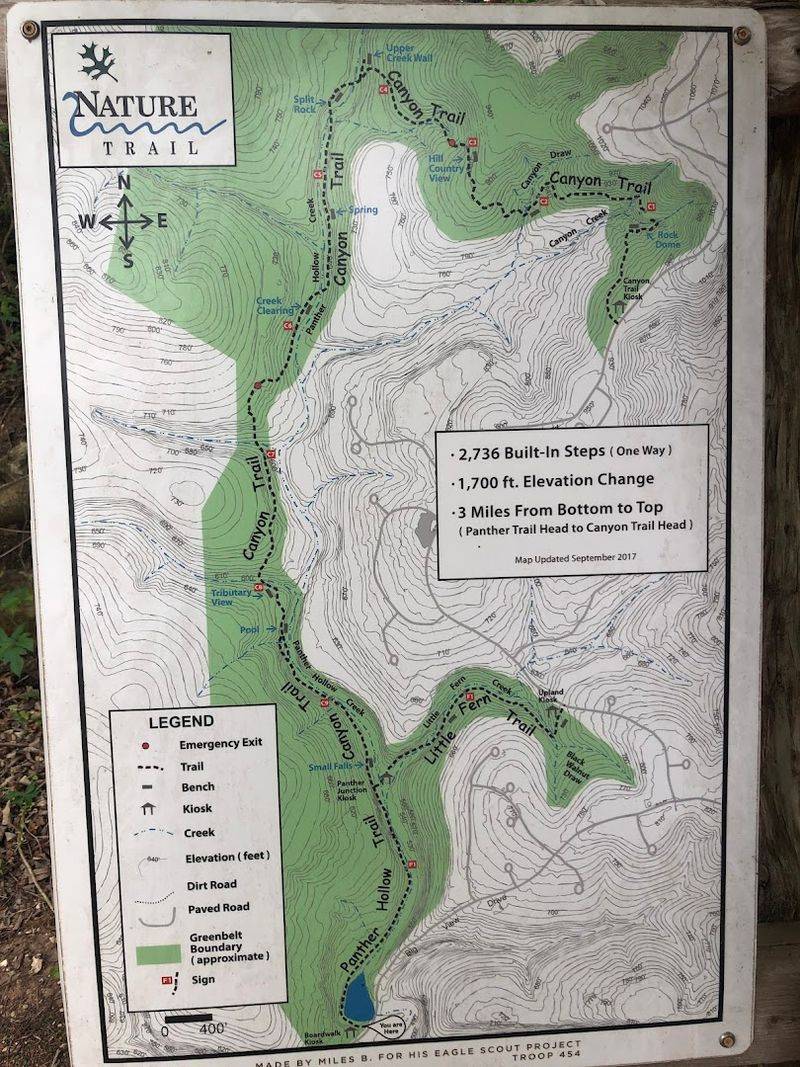
One of the first things that stood out to me about this spot is that you are not locked into a single route. River Place Nature Trail offers a few different trail options, so you can pick a path based on your fitness level and how much time you have.
The Canyon Trail is the star of the show, stretching about 2.5 miles one way and offering a real physical challenge with steep climbs, log steps, and winding paths that keep things interesting. The full out-and-back route comes in at roughly 5.4 to 5.5 miles with around 900 feet of elevation gain.
The Little Fern Trail is a gentler alternative that works well as a return route or a standalone walk for those who want something less intense. Having options makes this trail accessible to a wider range of hikers, from beginners to seasoned outdoor enthusiasts.
The Terrain That Makes Your Legs Work Hard
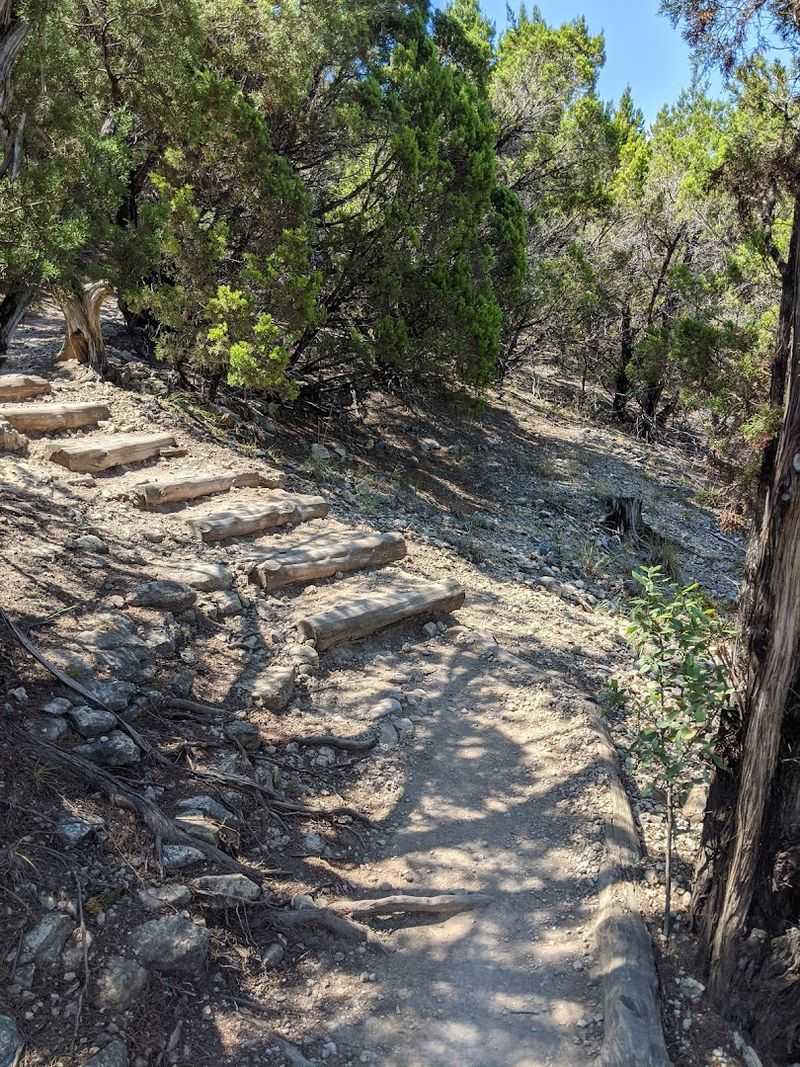
Fair warning: this trail does not mess around. The Canyon Trail reportedly has around 2,736 steps spread throughout the route, and while they are not all back-to-back, your calves will absolutely remind you of the experience the next morning.
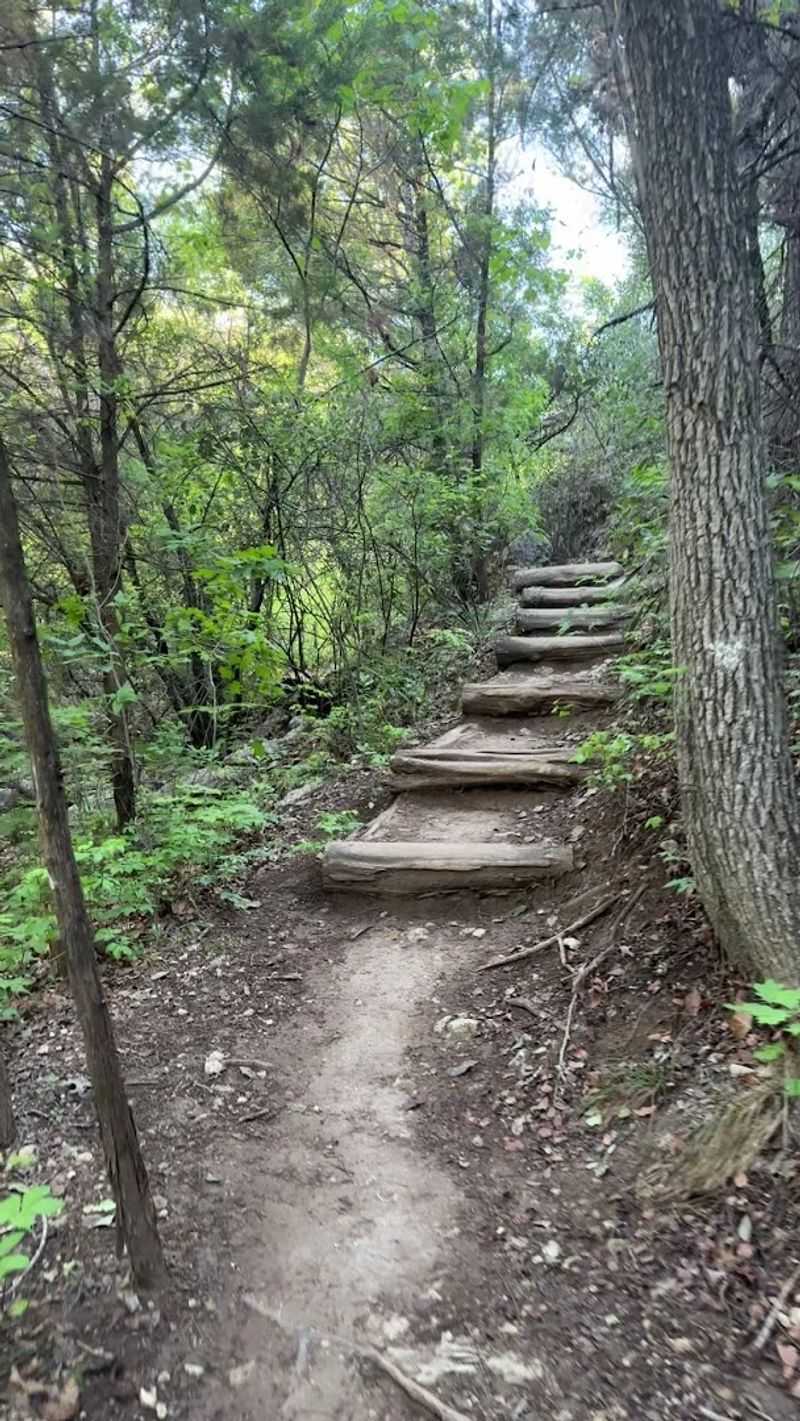
The climbs are not just straight vertical walls, which actually makes them more manageable. They wind and curve through the landscape, with wooden and log steps helping you keep your footing on the steeper sections.
That variety keeps the hike engaging rather than exhausting in a frustrating way.
I appreciated that the trail mixes flat stretches with the tough inclines, giving your legs a brief break before the next challenge. Hikers who enjoy a good cardio workout will feel right at home here, and even those who are not regular trail runners tend to find the difficulty satisfying rather than discouraging.
Your body will thank you eventually.
What the Scenery Actually Looks Like
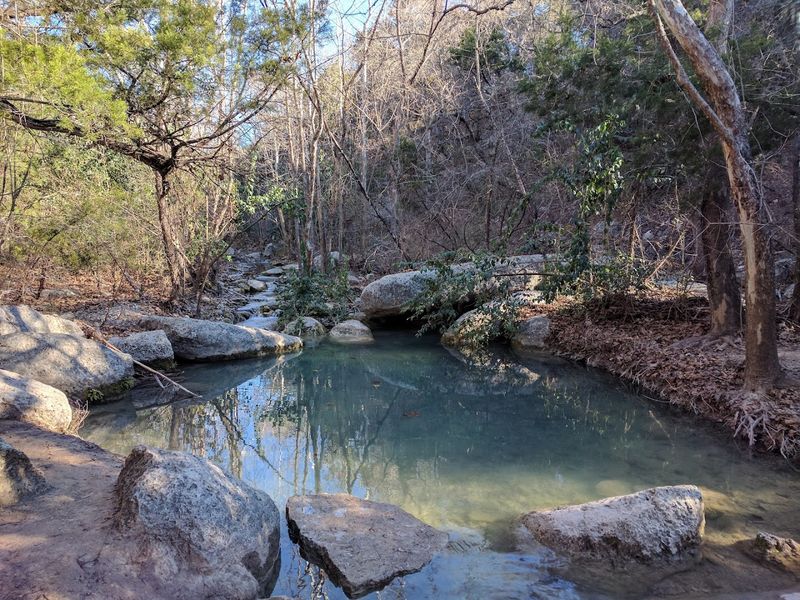
The scenery along this trail is the kind that makes you stop mid-hike just to look around and take it all in. Dense tree cover lines most of the route, creating a shaded canopy that keeps things cooler and gives the whole trail a lush, green atmosphere.
Rock formations dot the landscape, and in wetter seasons, small creeks and bodies of water appear along the path. The trail also runs close enough to the Colorado River that you can catch glimpses of that beautiful waterway through the trees, which adds a special element to the experience.
At higher points on the Canyon Trail, you can look out over the valley below, even if there is no single dramatic overlook with a panoramic view. Painted rocks left by creative trail visitors add little bursts of color and personality to the path, turning the hike into something unexpectedly charming.
Wildlife and Nature Along the Path

Nature lovers are going to feel right at home on this trail. The forested corridor along River Place Nature Trail supports a surprising variety of wildlife and plant life that keeps your eyes busy throughout the hike.
Birds are a consistent highlight, with multiple species spotted moving through the tree canopy. Wildflowers and native berries appear along the path depending on the season, giving the trail a different character in spring versus fall.
The plant diversity is genuinely interesting, especially for anyone who enjoys identifying native Texas flora.
During drier periods, the creek beds along the route may run low or dry out completely, but even then, the rocky formations and dense vegetation make the landscape visually compelling. The trail feels alive in a way that a paved park path simply cannot replicate, and that connection to the natural environment is a big part of what keeps people returning here again and again.
The Waterfall and Water Features
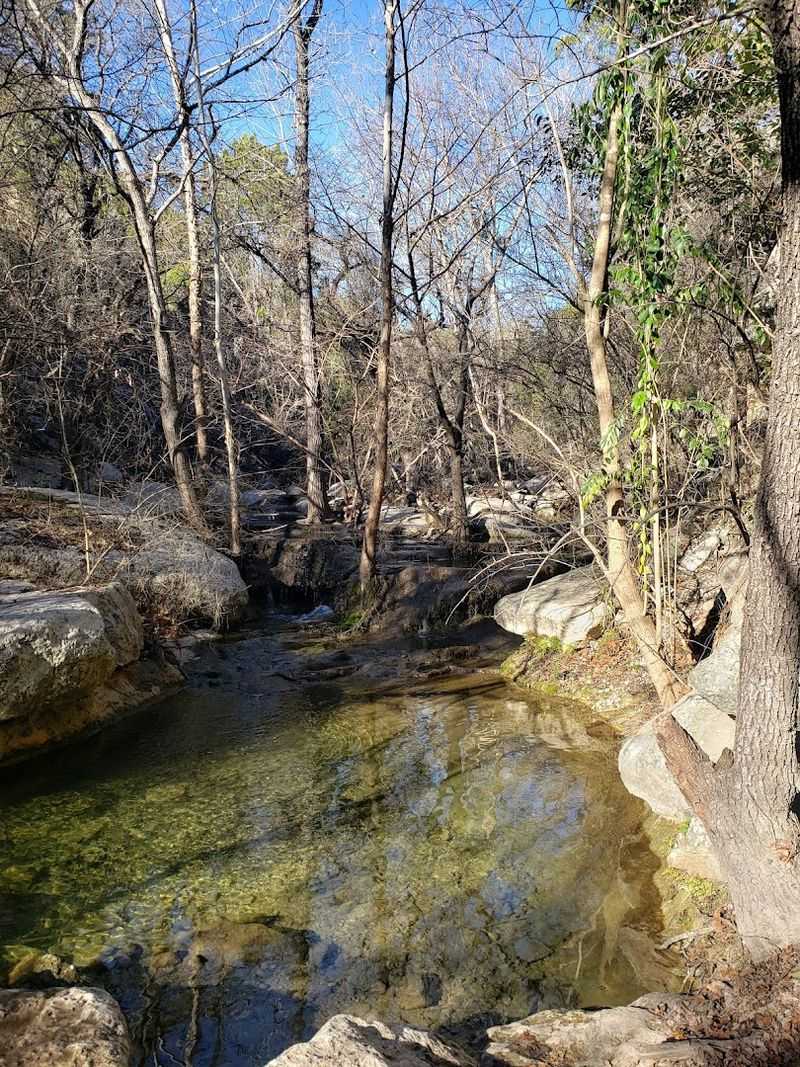
Water plays a starring role in the River Place Nature Trail experience. Small waterfalls and creek crossings appear along the route, adding both visual beauty and a peaceful soundtrack to the hike that city parks simply cannot offer.
There is a particular spot along the trail where a small river runs alongside a bench, and sitting there for a few minutes to catch your breath while listening to the water is one of those simple pleasures that makes the whole trip worthwhile. It is the kind of moment that resets your mood and reminds you why getting outside matters.
The water features vary by season and rainfall levels, so visiting after a good rain typically rewards you with the most dramatic displays. Even during dry spells, the rocky creek beds and carved stone channels are interesting to explore.
The waterfalls are one of the most photographed features on the entire trail, and for good reason.
The Entry Fee and What It Covers
A $10 per-person fee applies during peak hours on the Canyon Trail, which generally means Saturday and Sunday mornings, roughly from 8 AM to noon. Volunteers stationed at the trail entrance collect the fee, and payment by card tap or mobile pay is accepted, which makes things convenient.
Weekday visits are typically free, and the fee is not charged after attendants leave in the afternoon on weekends either. The Little Fern Trail portion is always free, supported by a government grant rather than visitor fees.
The money collected goes toward trail maintenance, which is no small task given the terrain and the number of visitors the trail receives. Keeping those steps intact, the path clear, and the overall experience enjoyable requires real effort and resources.
Most visitors find the $10 completely reasonable for what the trail delivers, and the volunteer-run model gives the whole operation a community-driven, grassroots feel that is refreshing.
Best Times to Visit for a Great Experience
Timing your visit can make a real difference in how much you enjoy the trail. Weekday mornings are the sweet spot, offering a quieter, less crowded experience where you can actually hear the birds and the water without competing with a crowd.
Spring and fall are the most comfortable seasons temperature-wise, with mild weather making the elevation changes much more manageable. Summer hikes are absolutely possible, but the Texas heat is no joke, and the trail offers enough shade to help, though the humidity can still make things tough.
Arriving early in the day also means you beat the heat and catch the trail in its most photogenic light. Avoid the peak weekend morning rush if crowds bother you, or lean into it if you enjoy a lively trail atmosphere.
Either way, checking the weather forecast before you go is always a smart move for a trail this physically demanding.
What to Pack Before You Hit the Trail
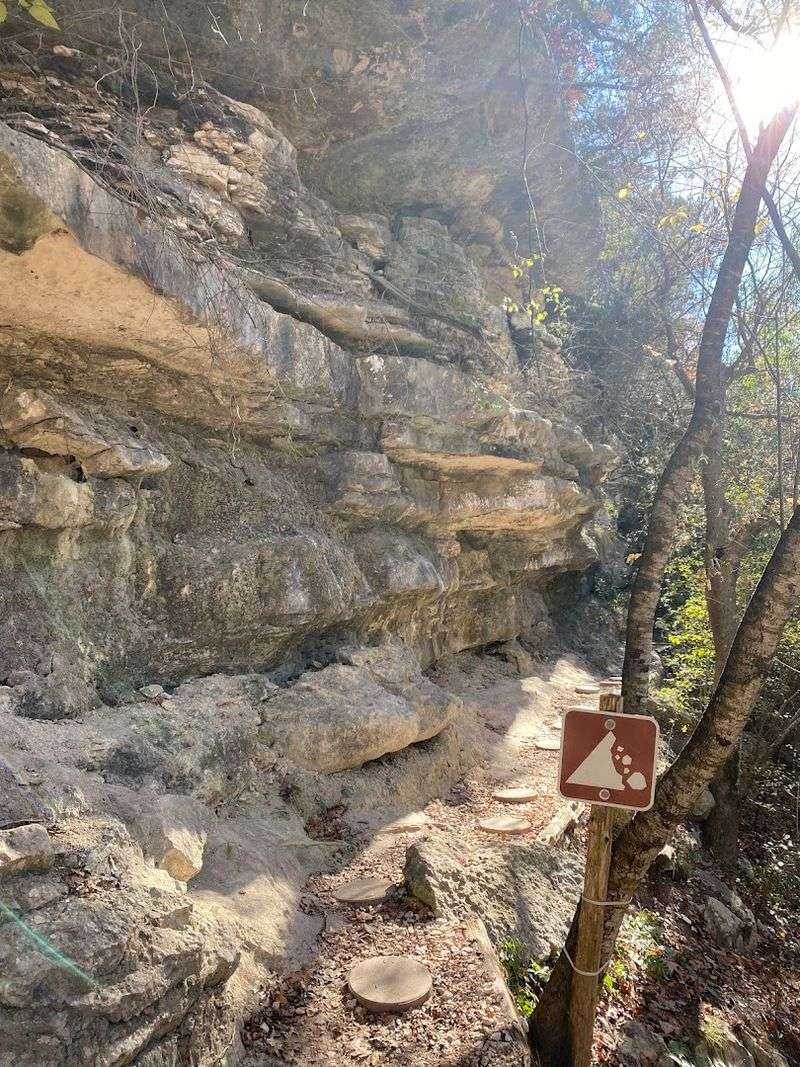
Preparation is everything on a trail like this one. The most important thing to bring is more water than you think you need, especially in warmer months.
Hikers regularly underestimate how much hydration the elevation changes and Texas heat demand, and running low on water at the two-mile mark is not a fun situation.
Sturdy hiking shoes or trail runners are strongly recommended because the terrain includes rocky steps, roots, and uneven surfaces that casual sneakers do not handle well. Sunglasses and lightweight, breathable clothing round out the basics.
A small snack or energy bar is worth tucking into your bag for the longer out-and-back route. A fully charged phone helps with navigation and photos, and downloading the trail map offline before you arrive is a smart backup plan.
The trail is well-marked, but having a reference point always adds peace of mind when you are deep in the woods.
Parking and Getting to the Trailhead
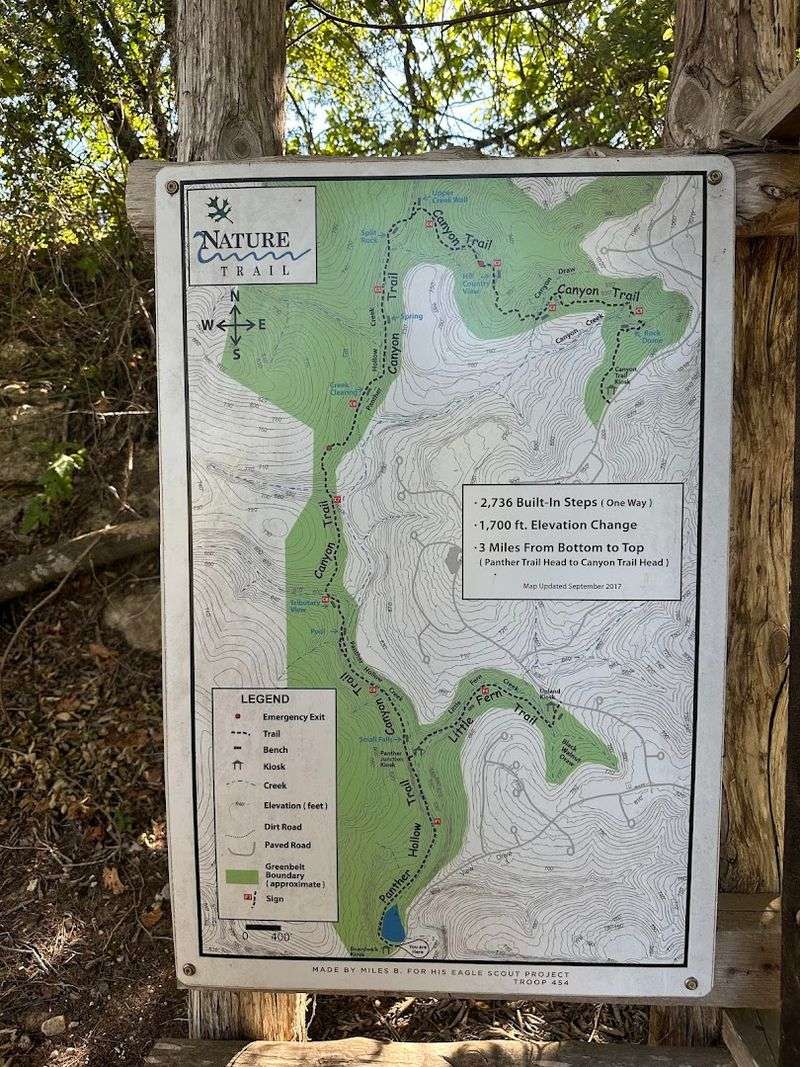
Getting to the trail is straightforward once you know what to expect. The trailhead sits on Big View Drive in a residential neighborhood, and street parking is available along the road.
Cars line up behind each other along the curb, which can look a little chaotic at first but is actually the normal and accepted way to park here.
Woodlands Park, located nearby, also offers parking and has restroom facilities, which is useful to know before you start a long hike. The park does not tow vehicles, making it a practical option when street spots fill up on busy weekend mornings.
There is no large dedicated parking lot at the trailhead itself, so arriving a bit earlier than you planned helps you snag a closer spot without stress. The neighborhood is quiet and residential, so being a considerate visitor by keeping noise low and not blocking driveways goes a long way.
The Community Behind the Trail
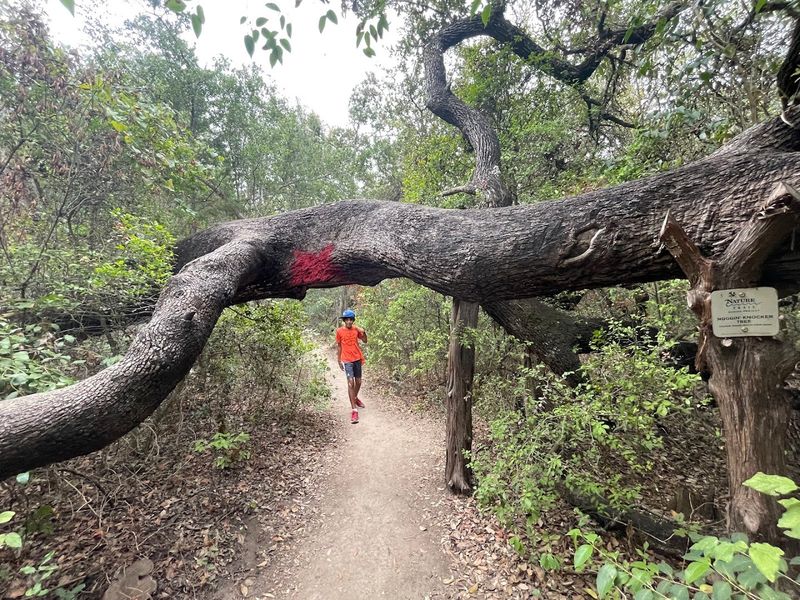
What keeps River Place Nature Trail running is not a city parks department with a big budget. It is a small, dedicated group of volunteers who show up to maintain the steps, clear the path, and keep the experience enjoyable for everyone who visits.
The Friends of River Place Trail organization manages the trail and relies on both volunteer labor and the weekend fee to fund upkeep. The fact that sometimes only two volunteers show up for a maintenance day puts into perspective how much work goes into keeping a 2.5-mile trail with nearly 2,800 steps in good condition.
Their website at friendsofriverplacetrail.com has more information about the trail and the organization behind it. Supporting the trail by paying the fee when asked and packing out your trash are two of the simplest ways visitors can give back to the community that makes this place possible.
Why This Trail Stays With You Long After the Hike
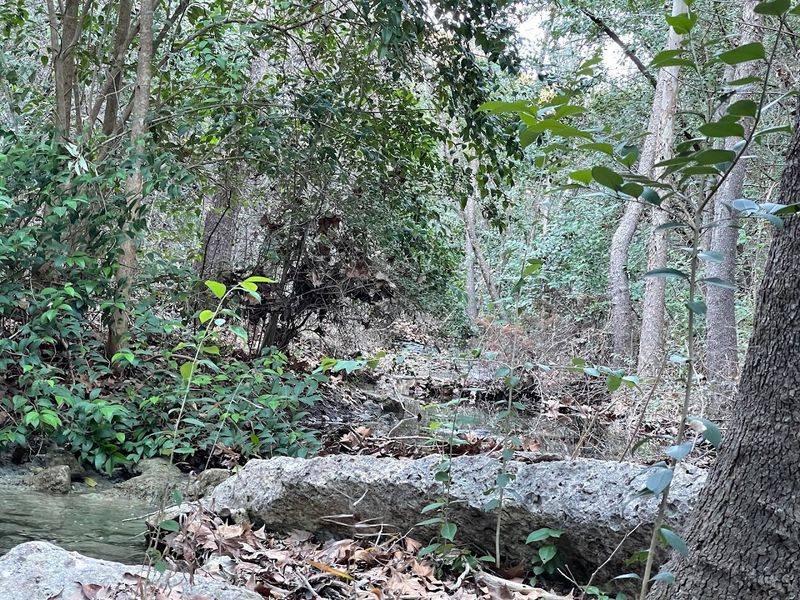
There is something about River Place Nature Trail that sticks with you after you leave. Maybe it is the way the dense forest makes you feel genuinely removed from city life, or the satisfaction of finishing a trail that actually challenged your body in a meaningful way.
The combination of waterfalls, wildlife, rocky terrain, and that proximity to the Colorado River creates an experience that feels complete rather than like a quick urban jog through the trees. People come back here regularly, some multiple times a week, because the trail offers a reliable reset from daily stress.
Whether you are a seasoned hiker looking for a worthy Austin-area challenge or someone who just wants to spend a few hours surrounded by nature without driving hours out of the city, this trail delivers something real. The city is still out there waiting when you return, but for a few hours, it feels like it simply does not exist.
Share this story