Nevada is so much more than neon lights and slot machines. I used to think the whole state was basically one giant casino floor until a road trip changed my mind completely.
From ancient red rock canyons to ghost towns frozen in time, this state is packed with jaw-dropping destinations that cost little to nothing to explore. Pack a cooler, charge your phone, and get ready to discover a side of Nevada that most tourists never see.
1. Valley of Fire State Park
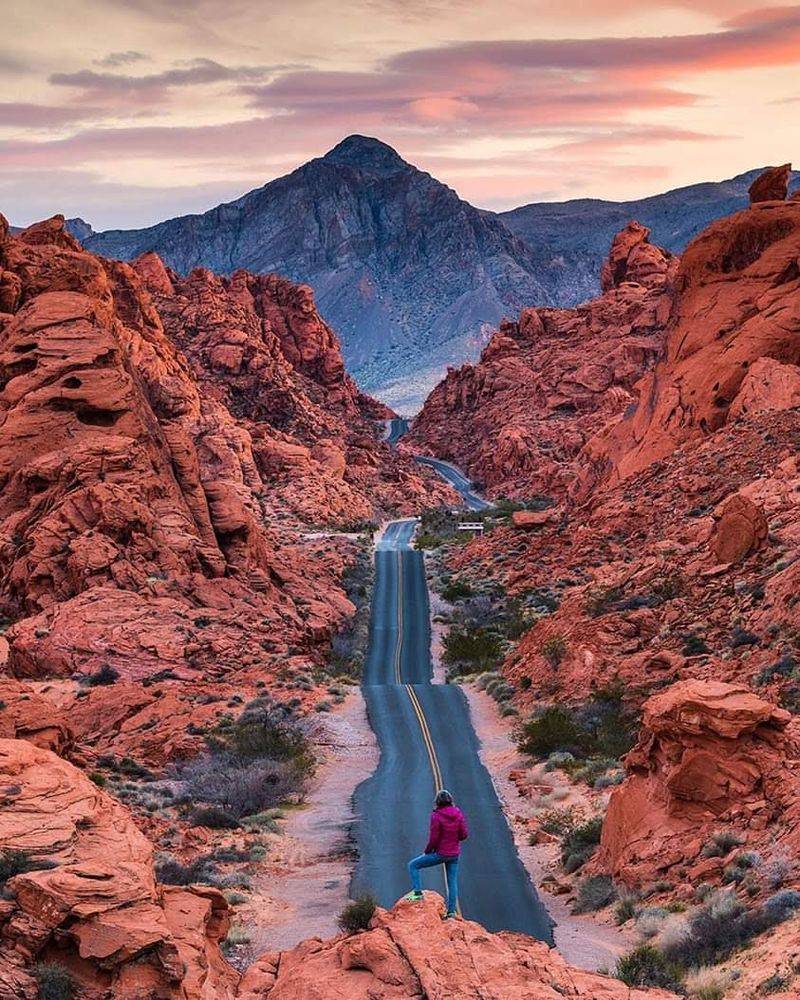
Imagine standing inside what looks like the surface of Mars, except you drove here in under an hour from Las Vegas. Valley of Fire State Park earns its dramatic name every single day, especially at sunrise when the sandstone formations practically glow like hot coals.
Ancient petroglyphs carved by the Ancestral Puebloans add a layer of mystery that no museum can replicate.
Entry fees are modest, and the scenic drive alone is worth every penny. Stop at the Visitor Center to grab a trail map before heading out.
The Fire Wave trail is a fan favorite, and for good reason. Bring plenty of water because the desert heat is no joke out here.
This park is Nevada’s oldest, established in 1935, and honestly, it has only gotten better with age.
2. Red Rock Canyon National Conservation Area
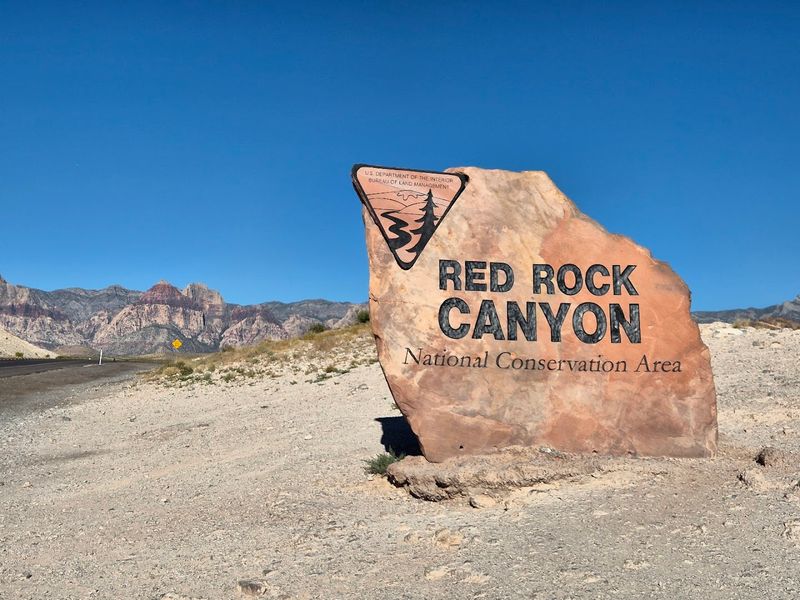
Only 17 miles from the Las Vegas Strip, Red Rock Canyon feels like a completely different planet. The contrast between the glittering city skyline and these ancient rust-colored cliffs is almost comically extreme.
I still laugh thinking about how I almost skipped this spot in favor of another buffet brunch.
The 13-mile scenic loop road is free for cyclists and pedestrians, though drivers pay a small fee. Hikers of all skill levels will find trails that match their pace, from easy strolls to challenging scrambles.
Rock climbers travel from across the country just to test themselves on these walls.
Wildlife sightings are surprisingly common here. Desert tortoises, bighorn sheep, and roadrunners all call this place home.
Arrive early on weekends to snag parking before the crowds roll in.
3. Boulder City
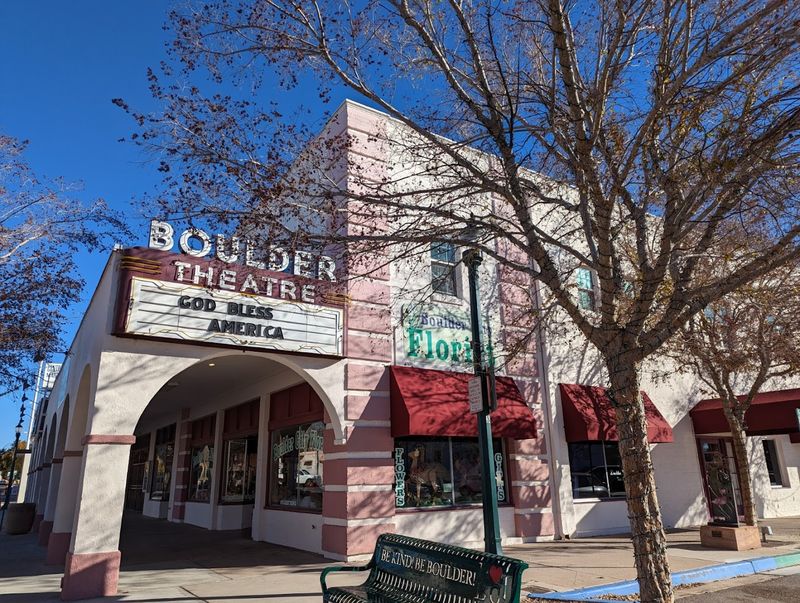
Boulder City is the only city in Nevada where gambling is illegal, which tells you something refreshing about its personality right away. Built in the 1930s to house the workers who constructed Hoover Dam, this town has preserved its historic character better than almost anywhere else in the state.
Walking the downtown streets feels genuinely unhurried and calm.
The Boulder City/Hoover Dam Museum is a hidden gem worth at least an hour of your time. Local shops sell handmade goods, vintage finds, and locally roasted coffee that beats anything on the Strip.
The annual Art in the Park festival draws thousands of visitors each fall.
Grab lunch at one of the family-owned diners before heading toward the dam. Parking is easy, prices are reasonable, and the friendly small-town vibe is completely free of charge.
4. Hoover Dam
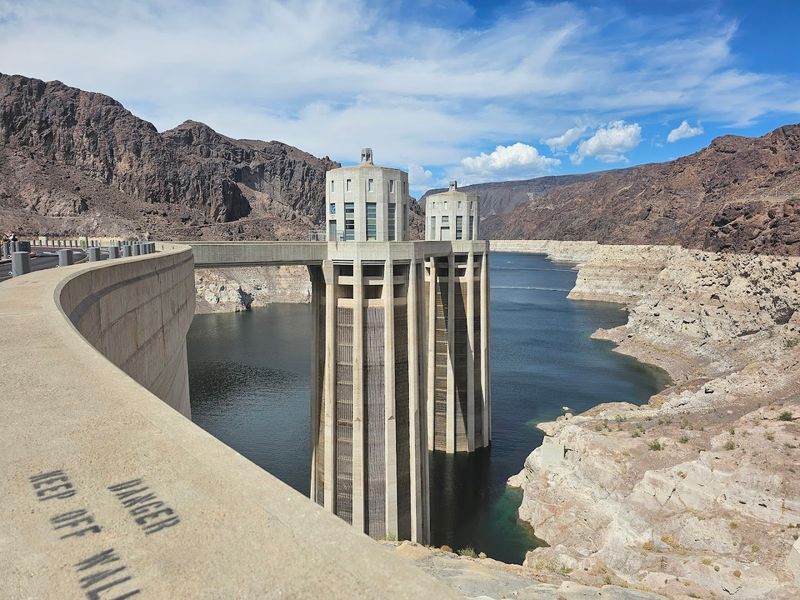
Standing on top of Hoover Dam and looking straight down is one of those experiences that rewires your brain a little. Built during the Great Depression with over 21,000 workers, this concrete giant took only five years to complete, which remains astonishing by any standard.
It still generates enough electricity to power over a million homes today.
Parking on the Nevada side costs a small fee, and walking across the dam is completely free. The visitor center tours are affordable and genuinely fascinating, especially the exhibits about the dam’s construction history.
Guided powerplant tours go deeper into the structure for a few extra dollars.
The Mike O’Callaghan-Pat Tillman Memorial Bridge nearby offers the best overhead view of the dam. Arrive early to beat tour buses.
Wear comfortable shoes because there is more walking involved than most people expect.
5. Lake Mead National Recreation Area
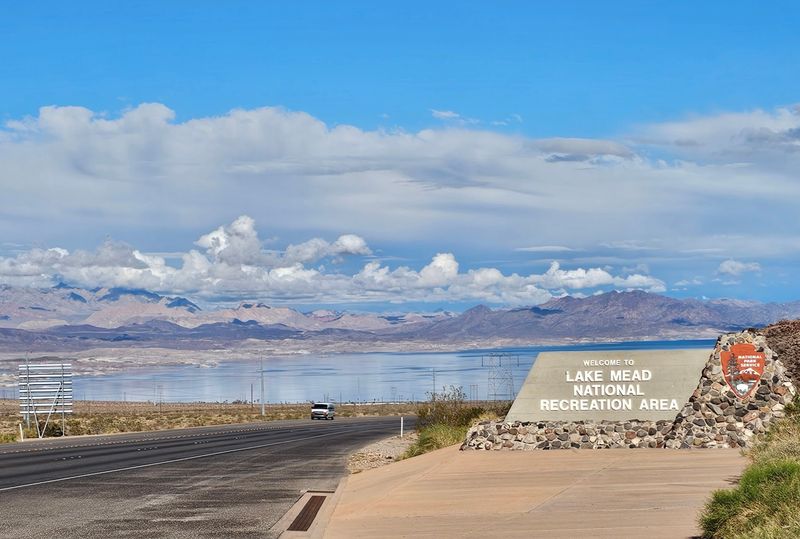
America’s first national recreation area stretches across over 1.5 million acres, making it larger than the state of Rhode Island. That is a lot of shoreline to explore for the price of a standard America the Beautiful pass.
Lake Mead offers swimming, kayaking, fishing, and hiking all within a short drive of Las Vegas.
Boulder Beach is the most popular swimming spot and gets lively on summer weekends. For quieter vibes, head toward the Overton Arm or Echo Bay areas where crowds thin out considerably.
The desert scenery surrounding the water creates a visual combination that genuinely surprises first-time visitors.
Houseboating is popular here, though renting one requires advance planning and a bigger budget. Day visitors can launch their own kayaks or canoes at several access points.
The park entrance fee covers multiple days, making it excellent value for a weekend adventure.
6. Mount Charleston
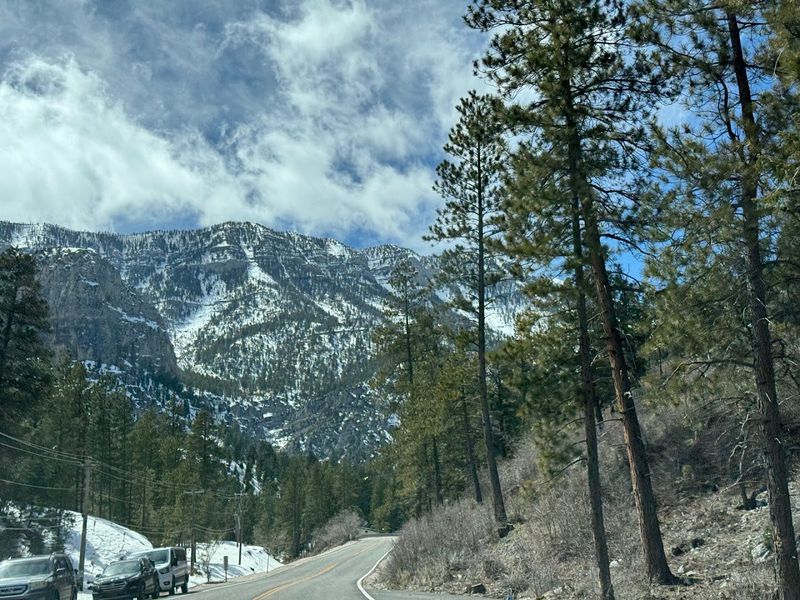
When Las Vegas hits 110 degrees and your soul starts melting, Mount Charleston is the answer. Just 35 miles from the Strip, this mountain peak tops out at nearly 12,000 feet, dropping temperatures by 20 to 30 degrees compared to the valley below.
Pine trees, deer, and actual fresh air await up here.
The Spring Mountains National Recreation Area surrounds Charleston Peak with over 50 miles of hiking trails. The Mary Jane Falls trail is a crowd favorite, rewarding hikers with a seasonal waterfall tucked into a rocky alcove.
Winter brings snow and cross-country skiing opportunities that most tourists never even know exist.
The Mount Charleston Lodge serves decent food and hot drinks on the porch with mountain views. Day use is free for most trailheads.
Pack a jacket regardless of the season because the temperature shift from Las Vegas is always more dramatic than you expect.
7. Cathedral Gorge State Park
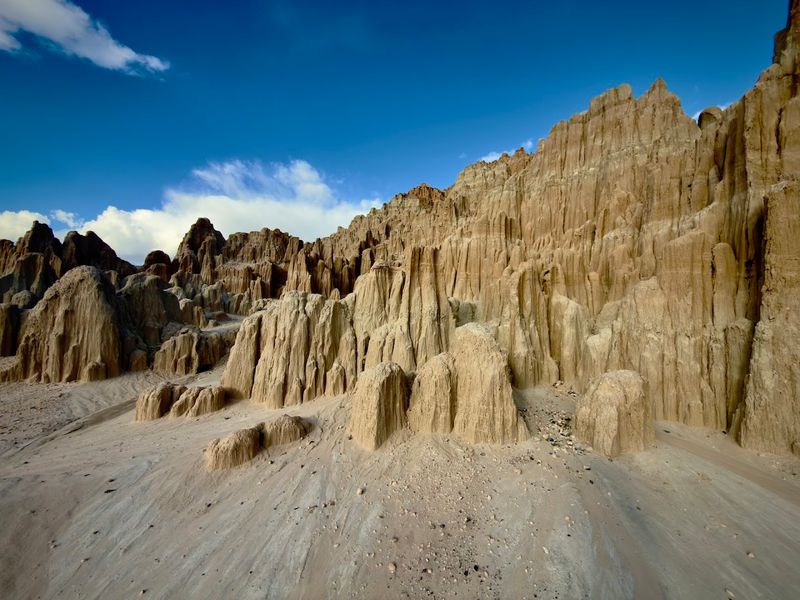
Cathedral Gorge looks like somebody sculpted an entire fantasy city out of clay and then forgot to paint it. The pale buff-colored spires rise dramatically from the valley floor, carved by millions of years of erosion from an ancient lake bed.
Nevada has no shortage of geological wonders, but this one feels particularly surreal.
Located near Panaca in eastern Nevada, this park sees far fewer visitors than its more famous counterparts, which means you might have entire canyon passages to yourself. The Miller Point overlook offers a sweeping panoramic view that is worth the short uphill walk.
Slot canyon-style passages allow explorers to squeeze between towering clay walls.
Camping is available for a reasonable nightly fee. Day use entry costs just a few dollars per vehicle.
The silence out here is remarkable, broken only by wind and the occasional raven overhead.
8. Virginia City
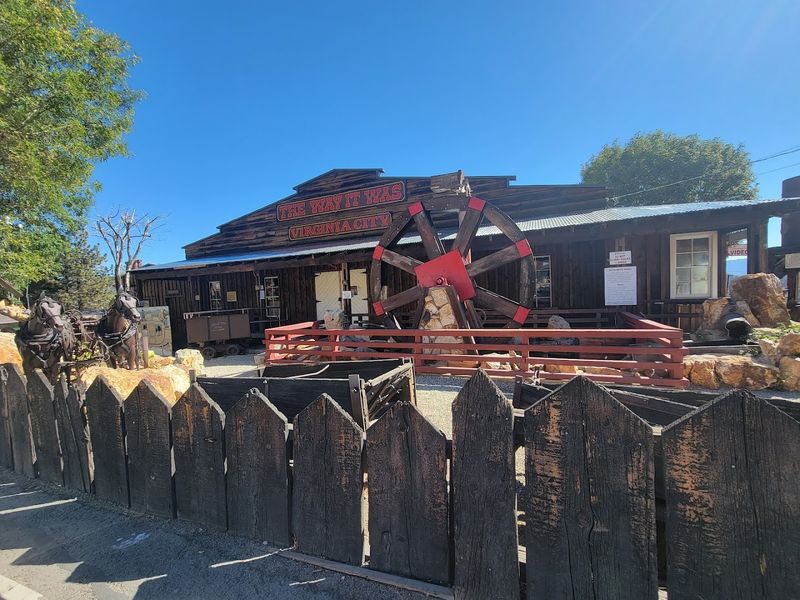
Virginia City once produced more wealth than almost any other place on earth during the Comstock Lode silver rush of the 1860s. Mark Twain himself worked as a reporter here, which adds some serious literary credibility to the wooden boardwalks.
Today the town operates as a living museum where history and tourism shake hands over a cold drink.
The historic saloons still pour drinks, the Fourth Ward School Museum tells compelling stories, and the underground mine tours are genuinely thrilling. A narrow-gauge railroad offers scenic rides around the hillside for a few dollars per ticket.
Shops sell everything from handmade jewelry to old-fashioned candy.
The town sits at 6,200 feet elevation, so temperatures stay comfortable even in summer. Parking is free along the main street.
Halloween in Virginia City has become legendary, attracting costumed visitors from across the region every October.
9. Carson City
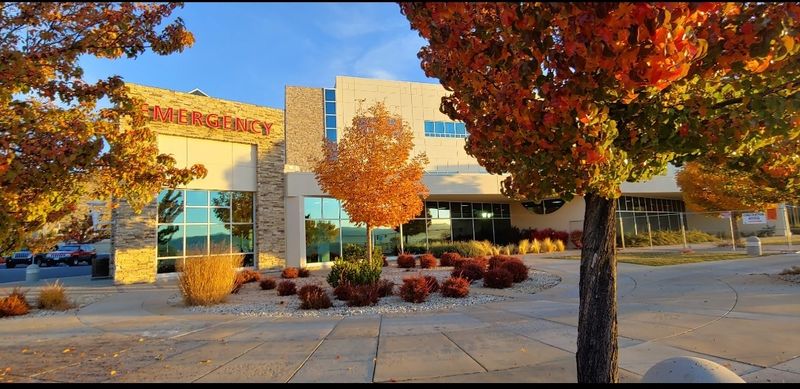
Carson City is proof that state capitals can be genuinely interesting without trying too hard. Nevada’s capital city sits at the base of the Sierra Nevada mountains, offering a compact downtown that rewards slow exploration on foot.
The Nevada State Museum alone is worth the short drive from Reno or Lake Tahoe.
The Kit Carson Trail walking tour connects 60 historic landmarks through the older neighborhoods, marked by blue line painted on the sidewalks. The Nevada State Railroad Museum houses actual full-size locomotives and offers weekend train rides that kids absolutely love.
The Capitol building is free to tour and architecturally impressive.
Stewart Indian School Cultural Center tells an important and often overlooked chapter of Nevada history. Restaurants downtown lean toward casual and affordable.
The city connects easily to Lake Tahoe, Genoa, and Virginia City, making it a natural hub for a multi-stop day trip.
10. Genoa
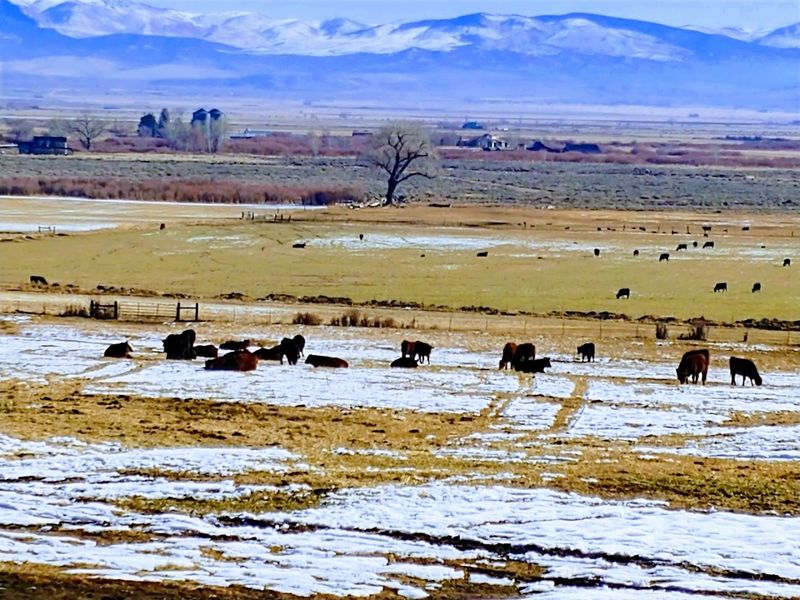
Genoa holds the title of Nevada’s oldest permanent settlement, established in 1851 as a trading post along the Emigrant Trail. The whole town feels like it got preserved in amber, with historic buildings, towering cottonwood trees, and a pace of life that makes big-city stress seem ridiculous.
Population hovers around 200 people, yet the charm is outsized.
The Genoa Courthouse Museum is a beautifully restored building housing pioneer-era artifacts and photographs. The Mormon Station State Historic Park marks the original trading post site and offers free access.
A short walk around town covers most of the highlights in under two hours.
The Genoa Bar claims to be Nevada’s oldest saloon, operating since 1853. Whether that claim is perfectly accurate or not, the atmosphere inside makes you feel like you have stepped back 150 years.
Pair the visit with a stop at Walley’s Hot Springs nearby for a relaxing soak.
11. Pyramid Lake
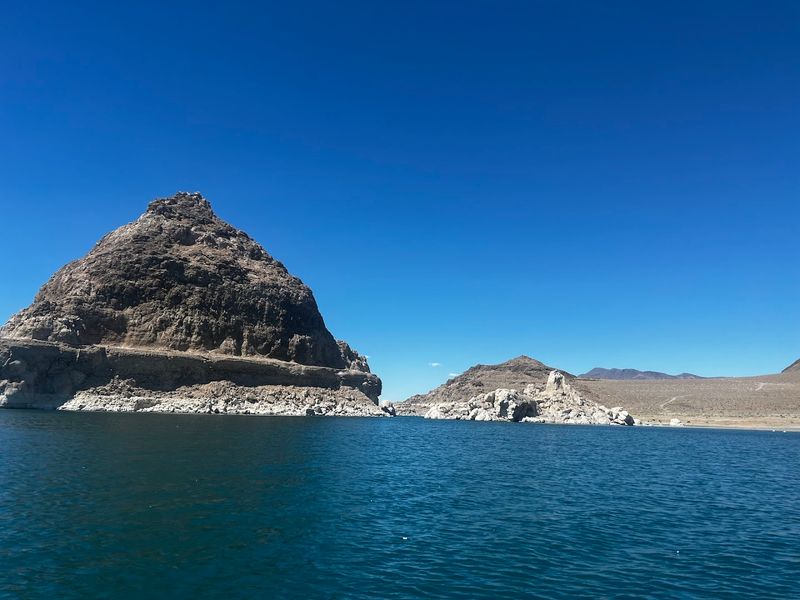
Pyramid Lake sits in the middle of the Nevada desert like a mirage that refuses to disappear. The water is an impossibly vivid shade of blue-green, and the pyramid-shaped tufa rock formation rising from the surface inspired its name when explorer John Fremont arrived in 1844.
It remains one of the most photogenic places in the entire state.
The lake is part of the Pyramid Lake Paiute Tribe reservation, and visitors purchase a daily recreation permit that supports the tribal community. Fishing for Lahontan cutthroat trout is popular and requires a separate tribal fishing permit.
The tufa formations along the eastern shore are accessible and fascinating to explore up close.
Swimming is allowed in designated areas. There are no lifeguards, so caution is important.
Sunsets over Pyramid Lake are spectacularly dramatic, with the water reflecting deep orange and purple tones that no camera fully captures.
12. Lake Tahoe Nevada State Park
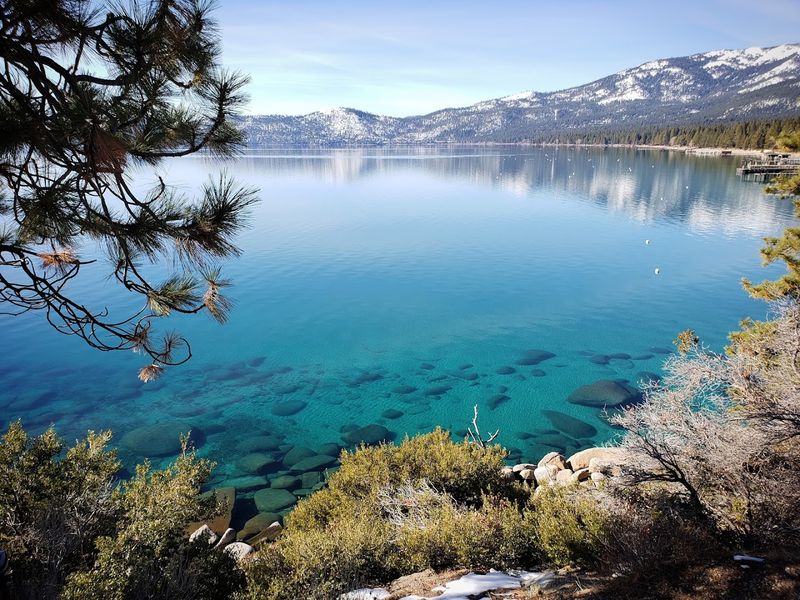
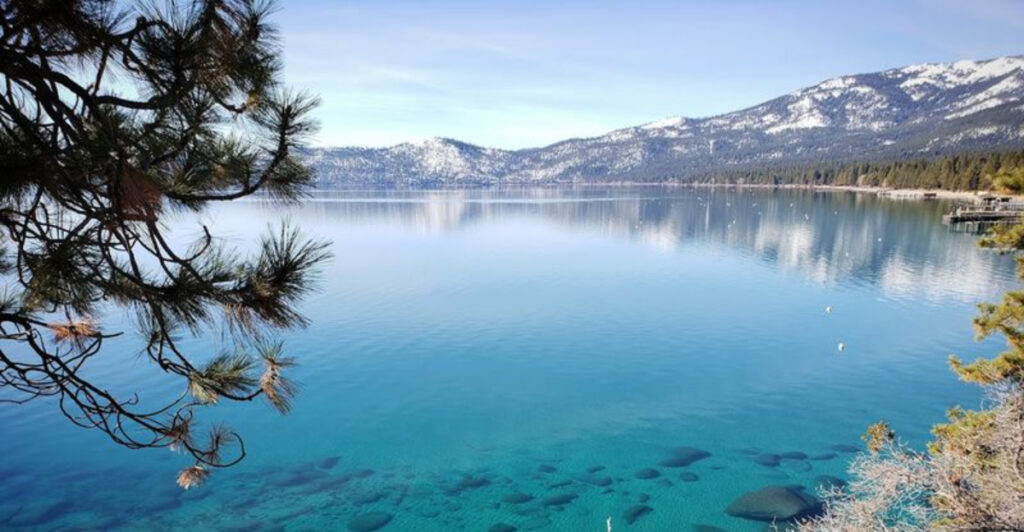
Lake Tahoe is one of those places where photographs never quite do justice to the actual color of the water. The Nevada side of the lake offers state park access with far less congestion than the California side, especially on weekday visits.
Cave Rock, Spooner Lake, and Sand Harbor all fall within park boundaries.
Spooner Lake is a peaceful spot for fishing, picnicking, and easy hiking through aspen groves that turn golden in autumn. The Tahoe Rim Trail is accessible from multiple park trailheads, offering longer adventures for serious hikers.
Wildlife sightings including black bears and mule deer are genuinely common here.
A daily use fee covers park entry. The water temperature stays cold year-round, typically ranging from 40 to 68 degrees Fahrenheit even in summer.
Bring layers because mountain weather changes faster than most people anticipate. The scenery at every turn is absolutely worth the drive.
13. Sand Harbor
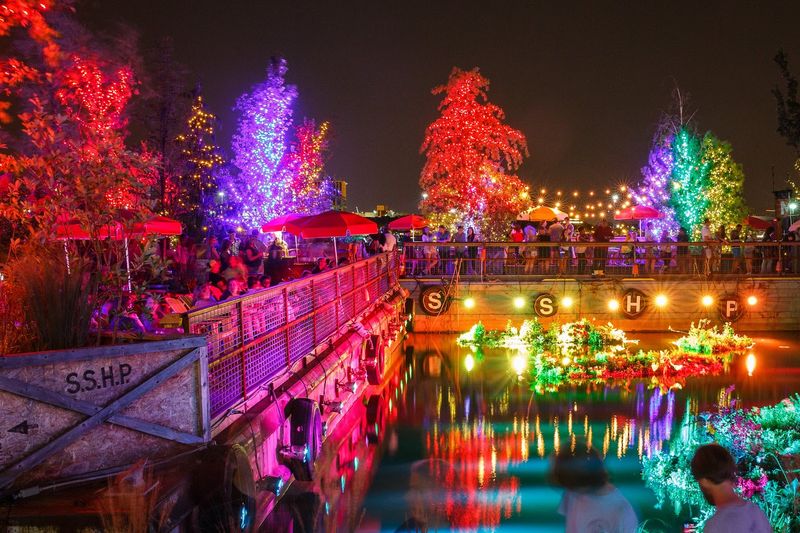
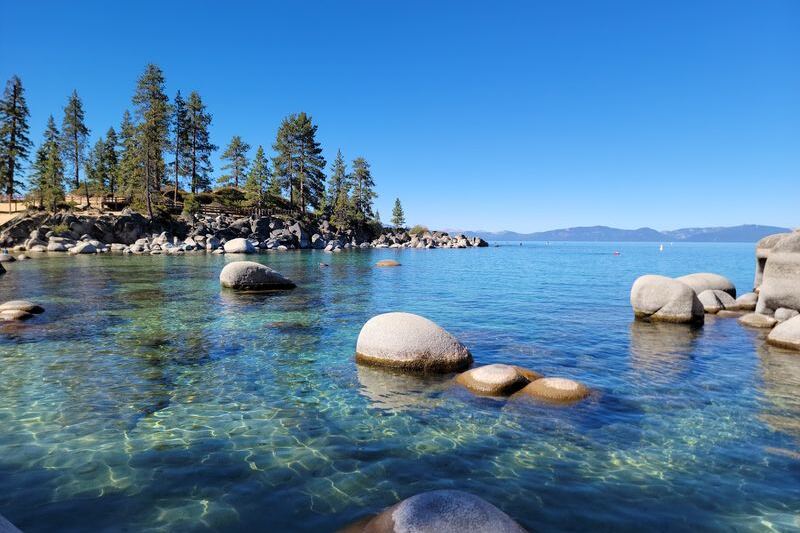
Sand Harbor might be the most beautiful beach in the American West, and I say that having visited quite a few contenders. Enormous granite boulders sit scattered across the shoreline like a giant left them behind, and the water clarity is so remarkable you can see the bottom at considerable depth.
The setting feels more Mediterranean than Nevada.
The beach fills up fast on summer weekends, so arriving before 9 a.m. is strongly recommended. Once the parking lot reaches capacity, the park closes entry until spaces open up.
Kayak and paddleboard rentals are available nearby during the warmer months.
The Lake Tahoe Shakespeare Festival stages outdoor performances at Sand Harbor every summer, combining world-class theater with one of the most dramatic natural backdrops imaginable. Day use fees apply for vehicle entry.
Bring sunscreen, water shoes, and a willingness to be completely awestruck.
14. Rhyolite Ghost Town
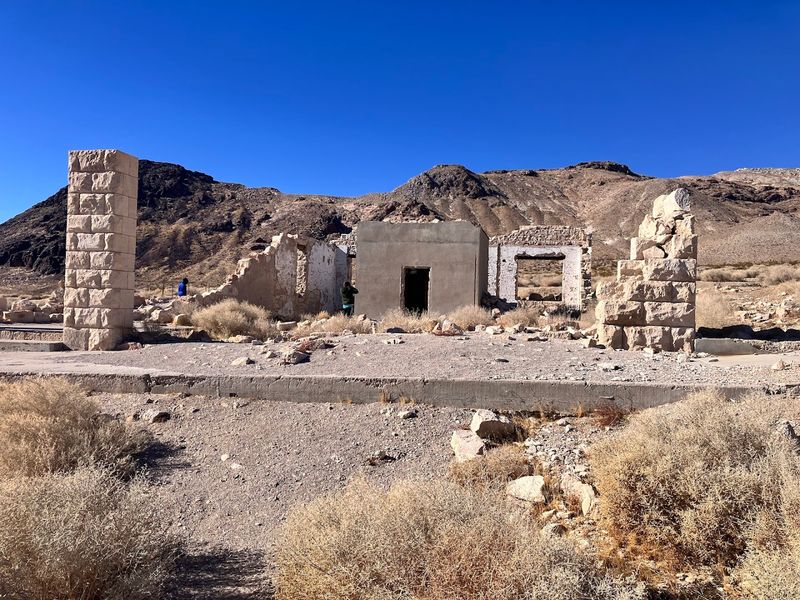
Rhyolite went from a booming gold rush city of 10,000 people to a complete ghost town in under a decade, which is one of the more dramatic boom-and-bust stories even by Nevada’s wild standards. By 1920 the town was essentially empty.
Today its skeletal stone buildings stand in eerie silence near the Nevada-California border, close to Death Valley.
The ruins are free to explore and remarkably well preserved considering over a century of desert exposure. The famous Bottle House, built from 50,000 glass bottles by a miner in 1906, still stands and is genuinely fascinating.
An outdoor sculpture park called the Goldwell Open Air Museum sits just outside town and adds a surreal artistic element.
Beatty, the nearest living town, has a small museum and a few diners worth stopping at. The drive through Amargosa Valley on the way back offers its own strange, haunting beauty.
15. Historic Downtown Reno
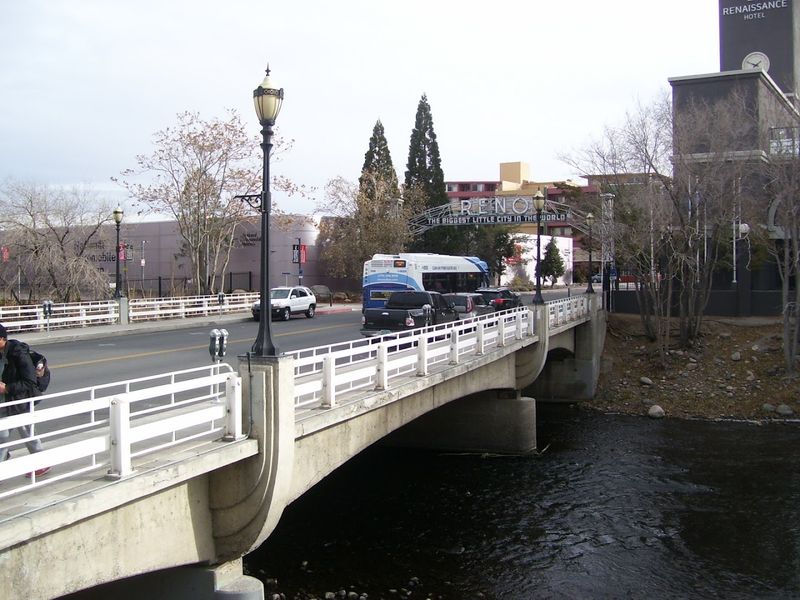
Reno spent decades trying to out-Las Vegas Las Vegas, but somewhere along the way it discovered that being itself was far more interesting. The revitalized downtown district now features an impressive public art scene, independent restaurants, craft breweries, and a riverside park system that genuinely surprises first-time visitors.
The Biggest Little City moniker has never felt more accurate.
The Nevada Museum of Art is the only nationally accredited art museum in the state and houses a genuinely impressive collection. The Discovery Museum is a hands-on science center that works brilliantly for families.
The Midtown district offers boutique shopping and some of the best food in northern Nevada.
Second Saturday art walks bring the community out every month to explore galleries and street performances. Downtown Reno is very walkable and parking is affordable.
The whole area rewards slow exploration rather than a rushed checklist approach.
16. Truckee River Walk (Reno)
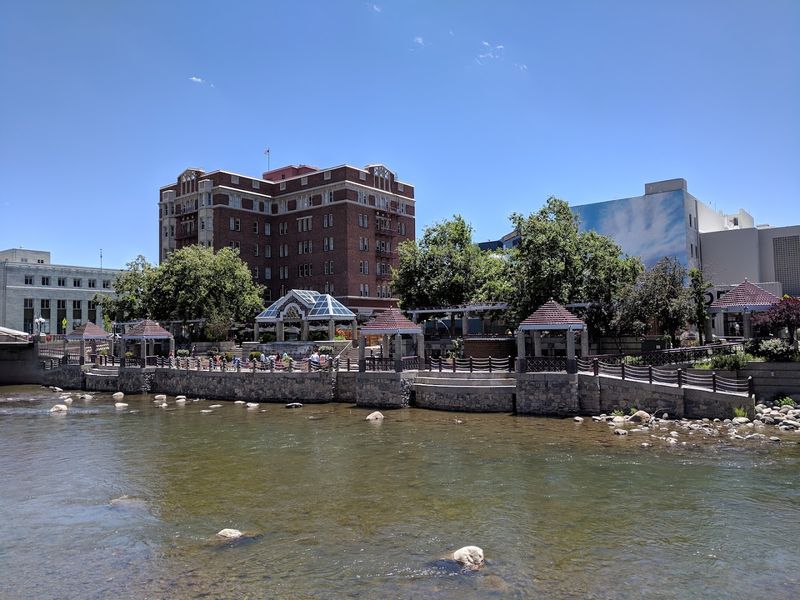
The Truckee River cuts right through downtown Reno, and the walking path built along its banks is one of the most pleasant surprises in the entire city. Locals use it for morning runs, lunch breaks, and evening strolls, which gives the whole stretch a lively community energy that visitors can easily tap into.
White water kayakers sometimes paddle the urban rapids section, which is wildly entertaining to watch from the bridges.
The path connects several parks, public art installations, and restaurant patios, making it easy to turn a simple walk into a full afternoon itinerary. Wingfield Park hosts free outdoor concerts during summer months.
The nearby Riverwalk District adds boutique shops and coffee spots within easy walking distance.
The entire main stretch covers roughly two miles along the river. It is completely free to use any time of day.
Bring comfortable shoes and maybe a snack, because the walk tends to stretch longer than planned once you start exploring.
Share this story