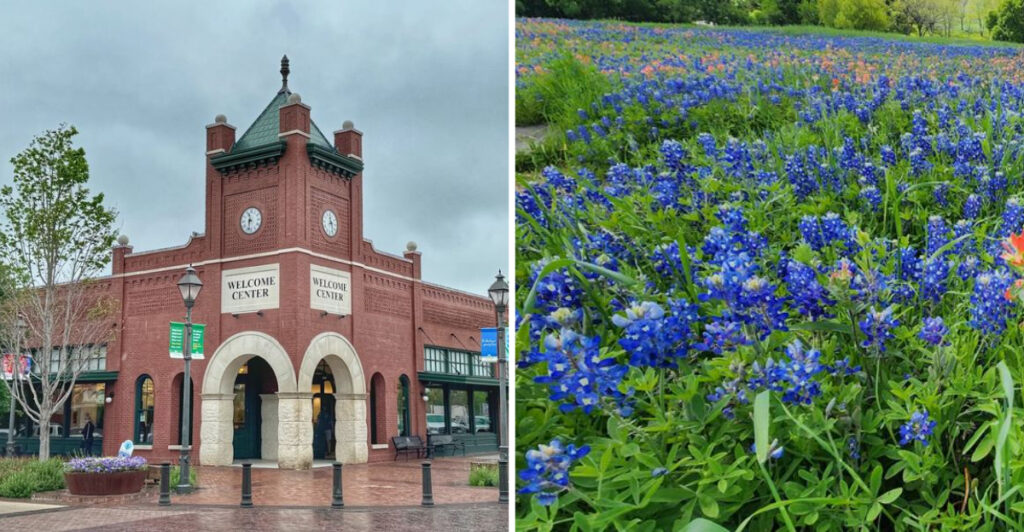
Every April, a small Texas town about 45 minutes south of Dallas transforms into something that looks like it was painted by hand. Rolling fields turn an almost unreal shade of violet-blue, country roads disappear into waves of color, and families from across the state make the drive just to stand in the middle of it all.
The Ennis Bluebonnet Trails cover roughly 40 miles of mapped driving routes through Ellis County, guiding visitors past some of the most breathtaking natural wildflower displays in the entire country. This is not a manicured garden or a ticketed attraction with roped-off paths.
It is wide-open Texas countryside at its finest, and once you see it for yourself, you will completely understand why people come back year after year without hesitation.
Where the Trail Begins: The Ennis Welcome Center
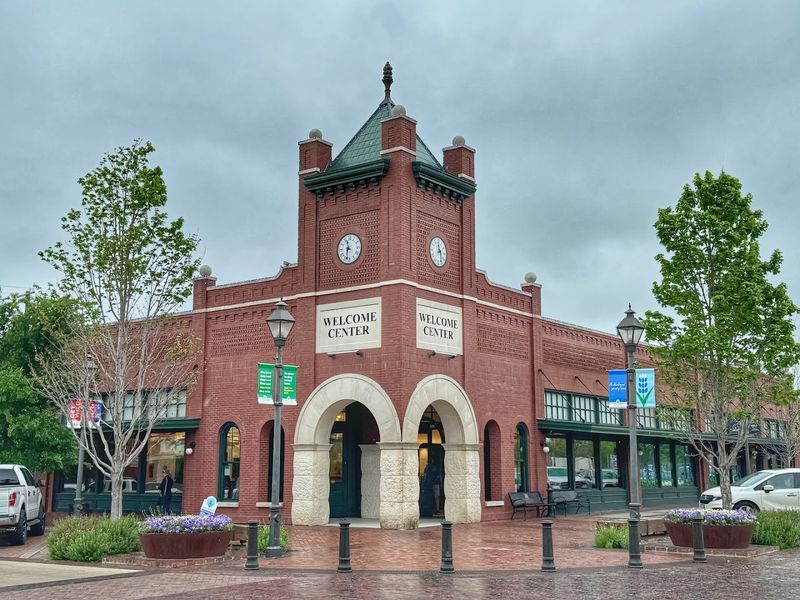
The best starting point for the entire experience sits at 201 NW Main, Ennis, right in the heart of downtown. The Ennis Welcome Center is where the adventure officially kicks off, and it is worth stopping here before you do anything else.
Free trail maps are available inside, and the knowledgeable staff can point you toward whichever loops are showing the best blooms on that particular day. That kind of real-time guidance is genuinely useful, especially since peak bloom can shift depending on rainfall and temperatures in a given year.
The center is open Monday through Friday from 8 AM to 5 PM and Saturday from 9 AM to 3 PM. It is handicap-friendly, clean, and thoughtfully designed for visitors of all ages.
Picking up that paper map here makes the whole drive feel like a proper road trip rather than just a casual scroll through Google Maps.
The 40-Mile Driving Route That Changes Everything
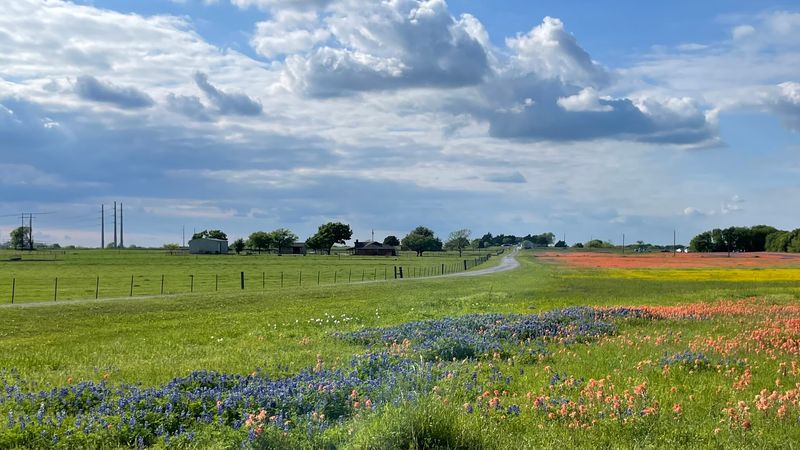
Covering approximately 40 miles of Ellis County backroads, the Ennis Bluebonnet Trails are divided into three well-marked loops that wind through farmland, open pastures, and quiet rural stretches that feel completely removed from city life.
The routes are designed so that drivers can follow one loop, return to the welcome center, and then head out on another without backtracking over the same ground twice. That thoughtful layout keeps the experience feeling fresh from start to finish.
Because the trails spread across such a wide area, the crowds thin out naturally even during the busiest weekends of the season. You can pull over on a quiet stretch of road, step out into a field of blue, and feel like you have the whole landscape entirely to yourself.
The sheer scale of the route is part of what makes it so different from a typical wildflower stop along the highway.
The Bluebonnets Themselves: Texas’s Official State Flower
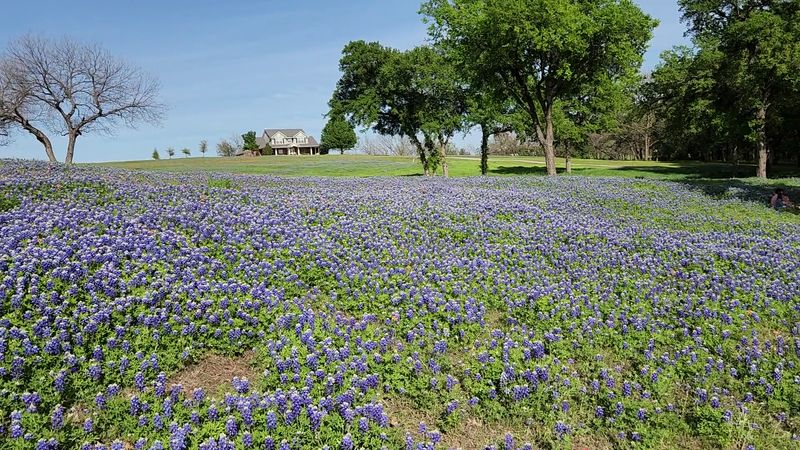
Texas takes its state flower seriously, and the bluebonnet earns that honor every single spring. The Lupinus texensis, to use its proper name, produces clusters of deep violet-blue flowers with small white tips that shimmer in the sunlight when a breeze moves through a field.
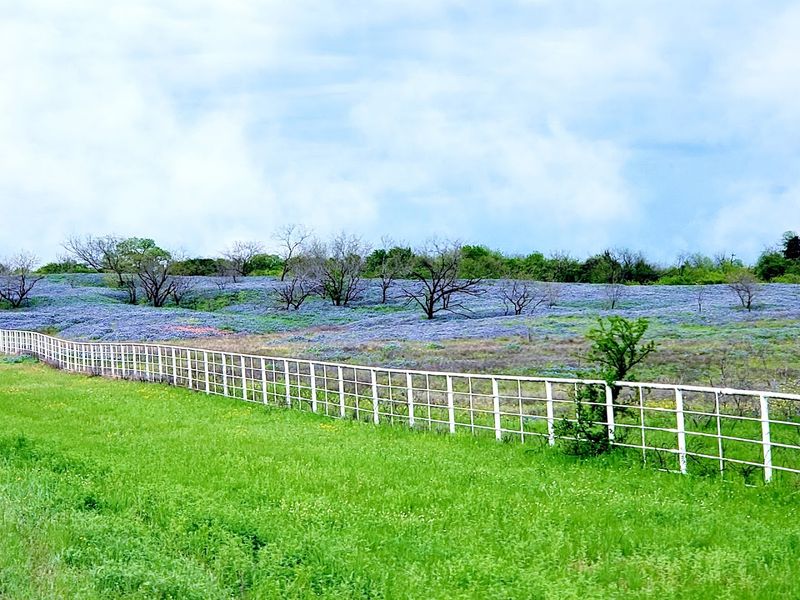
What makes the Ennis area particularly special is the sheer density of the blooms. Rather than scattered patches along a roadside, visitors here encounter full fields where the ground is almost entirely covered in blue from one fence line to the other.
The flowers typically peak somewhere between early and mid-April, though that window shifts slightly each year based on winter rainfall totals and spring temperatures. Checking the local forecast and planning your visit for a clear, sunny morning gives you the best light for photos and the most vivid color contrast against the sky.
Early weekday mornings tend to offer the quietest conditions on the trails.
Bardwell Lake: Where the Water Meets the Wildflowers
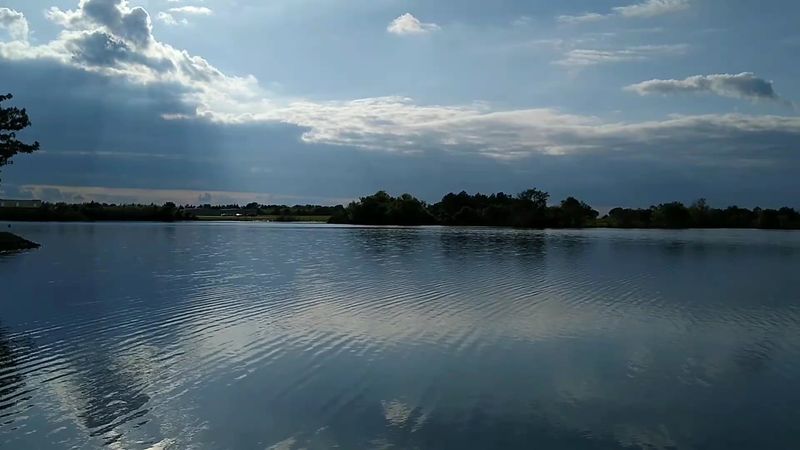
One of the most visually rewarding stops along the entire trail system is the bluebonnet area near Bardwell Lake, located within the broader trail network east of Ennis. The combination of open water, wide sky, and dense wildflower fields creates a scene that genuinely looks like it belongs on a greeting card.
The lake adds a reflective quality to the landscape that you simply do not get from fields alone. On calm mornings, the still water mirrors the blue sky above, and the surrounding bluebonnets frame the whole view in a way that even a phone camera can capture beautifully.
Picnic tables are available near the lake area, making it a natural spot to slow down, eat lunch, and watch other visitors explore the flowers. Families with young children tend to gravitate toward this section because there is more open space to walk around safely.
The lake view alone justifies the extra few minutes of driving.
Sugar Ridge: A Favorite Stop Along the Route
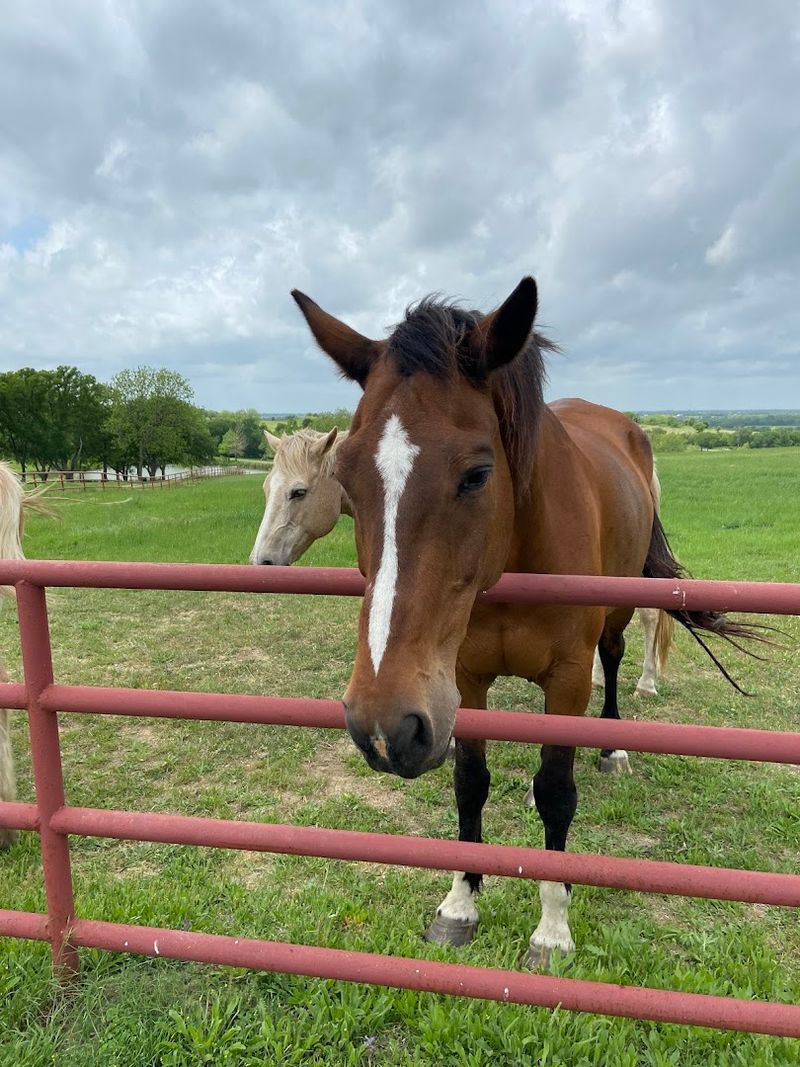
Among the many named stops along the trails, Sugar Ridge has developed a reputation as one of the most memorable. The property offers wide, open views of the surrounding bluebonnet fields, and the owners have historically welcomed visitors during the April season with genuine warmth.
At certain points during the season, large buckets of oats have been set out near the fence so that visitors can feed the horses while surrounded by flowers. That kind of unexpected detail turns a simple photo stop into a full experience that kids and adults both remember long after the drive home.
The combination of working farm life and natural wildflower beauty gives Sugar Ridge a distinctly Texas character that feels authentic rather than staged. You are not visiting a theme park version of the countryside here.
The animals are real, the land is real, and the flowers growing along those fence lines have been doing so for decades without any human intervention.
The Annual Ennis Bluebonnet Festival
Running alongside the trail season each April, the Ennis Bluebonnet Festival brings a full community celebration into the mix. The festival typically features food vendors, craft booths, live music, and carnival rides that make it a worthwhile destination even for visitors who are not primarily there for the flowers.
The event draws families from across the Dallas-Fort Worth area and beyond, and the downtown atmosphere during festival weekend has an energy that the rest of the month does not quite replicate. Vendor booths sell everything from handmade crafts to bluebonnet-themed apparel, and the welcome center often has its own selection of souvenirs available.
One practical note for festival weekend visitors: the outdoor seating areas offer limited shade, so sunscreen and a hat are genuinely useful items to pack. The Texas April sun is stronger than it looks, and a few hours of walking the festival grounds without protection can leave you more tired than expected.
Plan accordingly and you will have a much better time.
Best Time to Visit for Peak Bloom
Timing a visit to the Ennis Bluebonnet Trails is part science and part luck, but there are patterns worth knowing. The blooms generally reach full peak somewhere between the first and third week of April, with the exact window depending heavily on how much rain fell the previous winter and how warm the early spring temperatures have been.
The weekend before the official festival has historically been one of the best times to catch full bloom conditions, though that varies year to year. Checking the City of Ennis website or social media pages in late March gives you the most current updates on bloom progress before you commit to the drive.
Visiting on a weekday rather than a weekend reduces the number of other cars on the rural roads, which makes pulling over for photos much easier and more relaxed. Early morning light also gives the flowers a warm golden quality that midday sun simply cannot replicate, so setting an early alarm is genuinely worth it.
Photography Tips for the Trails
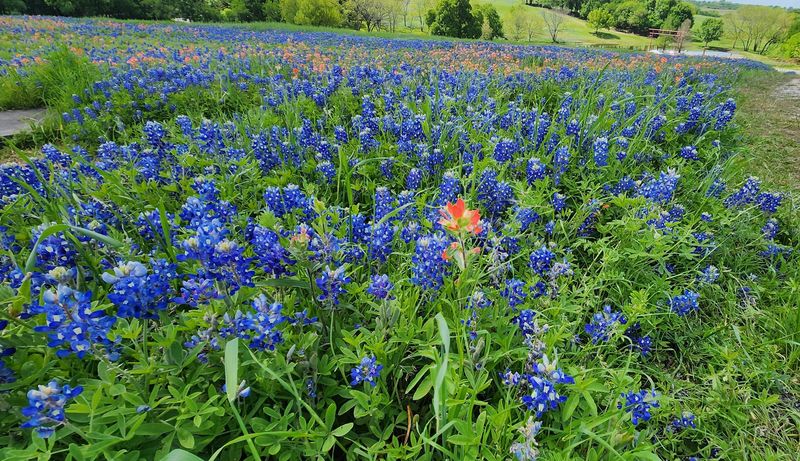
The Ennis Bluebonnet Trails have become one of the most photographed natural spots in North Texas, and for good reason. The fields provide a natural backdrop that requires very little effort to make look stunning, but a few simple techniques can take your photos from good to genuinely great.
Getting low to the ground and shooting at flower level rather than from standing height gives the blooms a dramatic, sweeping quality that fills the entire frame with color. Morning light between 8 and 10 AM produces the softest shadows and the most saturated blues without the harsh contrast that midday sun creates.
Multiple pull-off spots along the route allow you to park safely and walk into the fields without damaging the flowers. Staying on existing paths and avoiding trampling large sections of bloom keeps the fields intact for everyone else who visits after you.
Respecting the landscape is what ensures these trails stay beautiful season after season.
Ennis and Its Czech Heritage: Kolaches and Culture
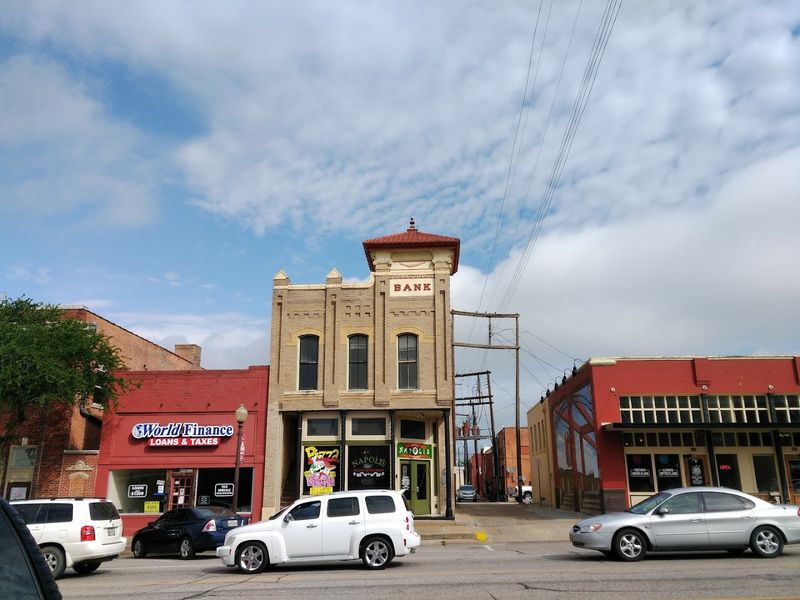
Ennis carries a strong Czech cultural identity that dates back to the waves of Czech immigrants who settled in Ellis County during the late 1800s. That heritage shows up most deliciously in the local food scene, particularly in the kolaches that several bakeries and diners around town serve fresh throughout the day.
A kolache is a soft, pillowy pastry filled with fruit, sweet cheese, or savory meat fillings, and the versions found in Ennis have a homemade quality that mass-produced versions simply cannot match. Stopping for kolaches after a morning on the trails has become something of an unofficial tradition for returning visitors.
Beyond the food, the Czech influence shapes the character of Ennis in subtle ways, from the architecture of certain downtown buildings to the annual National Polka Festival held each May. The bluebonnet season and the town’s cultural identity together create a travel experience that goes well beyond just looking at flowers from a car window.
Practical Tips for First-Time Visitors
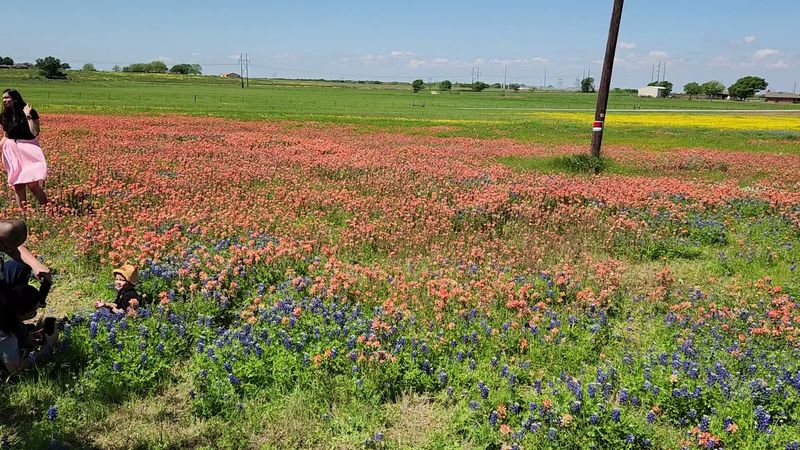
A few logistical details can make a big difference in how smoothly the day goes, especially for first-timers who have never driven the trails before. Picking up the official paper map at the welcome center is strongly recommended, as the rural roads do not always have strong cell service and GPS navigation can occasionally send you in the wrong direction.
Comfortable walking shoes are useful since several stops involve short walks across uneven terrain. Bringing water, snacks, and sunscreen covers the basics for a half-day outing, and packing a small blanket for a lakeside picnic adds a genuinely pleasant layer to the experience.
The trails are open throughout April, and the welcome center hours run Monday through Friday from 8 AM to 5 PM and Saturday from 9 AM to 3 PM. Arriving before 10 AM on weekends gives you the best chance of finding easy parking near the most popular stops before the midday crowds arrive from Dallas.
The Landscape Beyond the Flowers
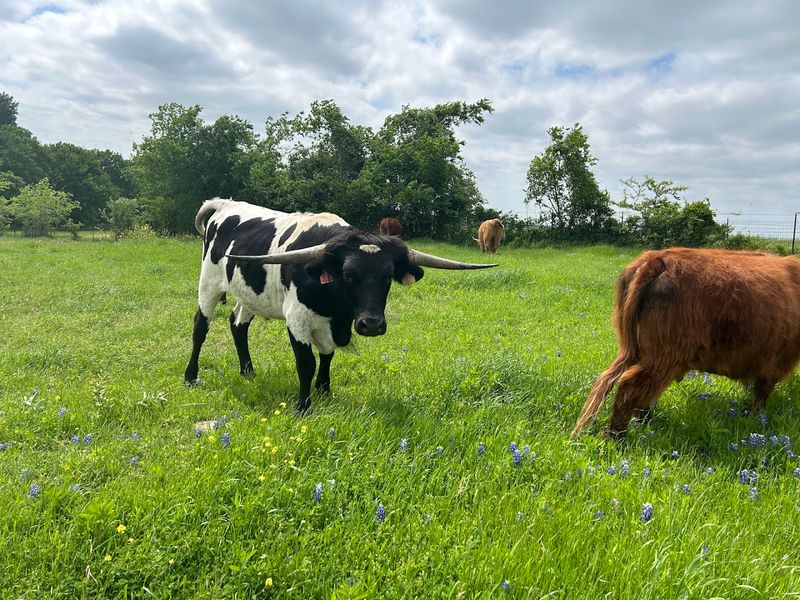
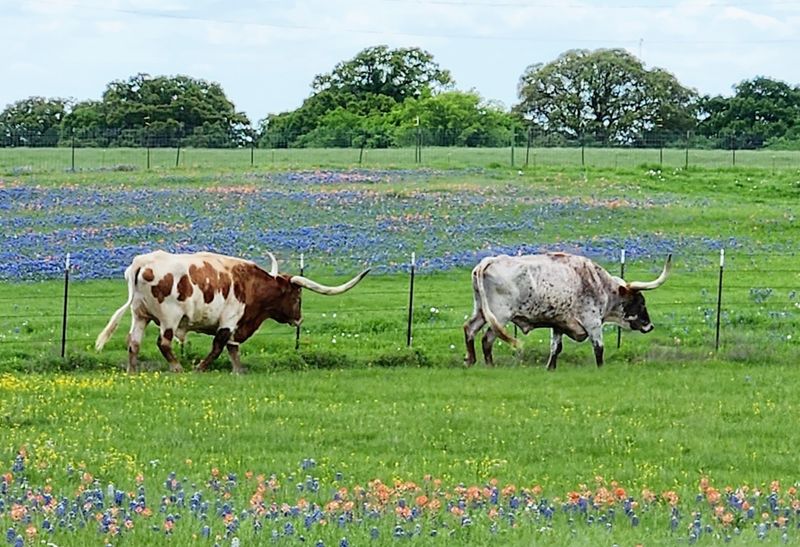
Even when the bluebonnets are not quite at peak bloom, the drive through Ellis County has its own quiet appeal. The landscape is a mix of working cattle farms, open pastures, small creek crossings, and the kind of unhurried rural scenery that feels genuinely restorative after time spent in a busy city.
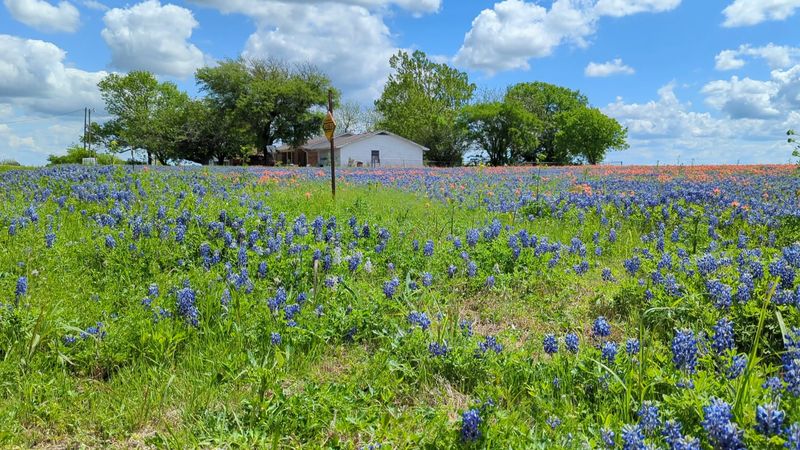
Indian paintbrush flowers often appear alongside the bluebonnets in the same fields, adding splashes of deep orange-red that contrast sharply against the blue. Other wildflower species fill in the gaps between the bluebonnet patches, turning the roadside into a layered tapestry of color that changes slightly with every mile you drive.
Small towns and historic farm structures dot the route, giving the drive a sense of place that goes beyond pure scenery. The occasional antique shop or roadside stand adds a browsing opportunity for those who like to slow down and explore.
The countryside itself tells a story about Texas that the city never quite manages to communicate on its own.
Respecting the Land and the Local Community
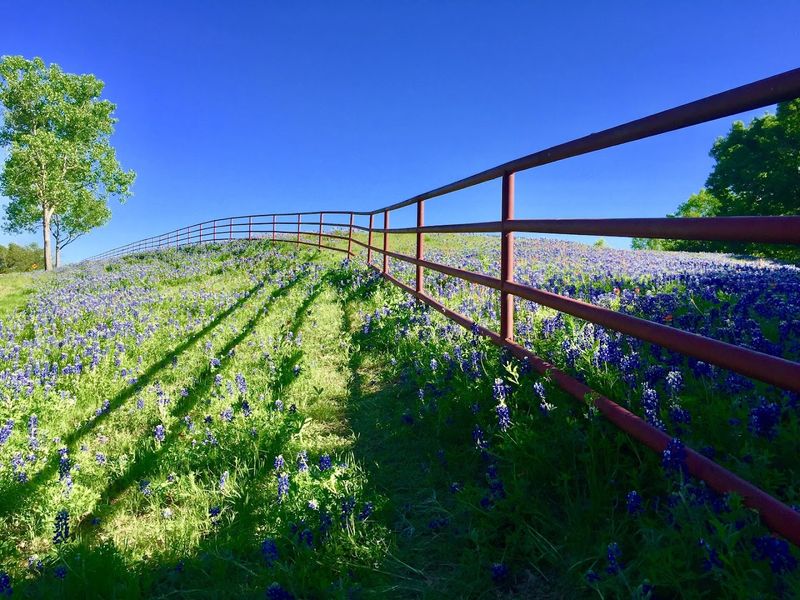
The Ennis Bluebonnet Trails run through privately owned farmland, and that context matters more than many visitors initially realize. The fields of bluebonnets that make the route so beautiful are growing on property that belongs to local farmers and landowners who generously allow the public to enjoy the view each April.
Crossing fences, approaching livestock, or walking through large sections of bloom without permission are behaviors that damage both the flowers and the goodwill that makes this experience possible in the first place. Plenty of accessible pull-off points along the route provide excellent photo opportunities without requiring anyone to trespass.
Treating the land with respect is not just courteous, it is what keeps the trails open and welcoming for future visitors. The local community takes real pride in this annual event, and that pride is visible in how well the routes are maintained and how thoughtfully the visitor experience has been organized over the years.
How Ennis Became the Official Bluebonnet City of Texas
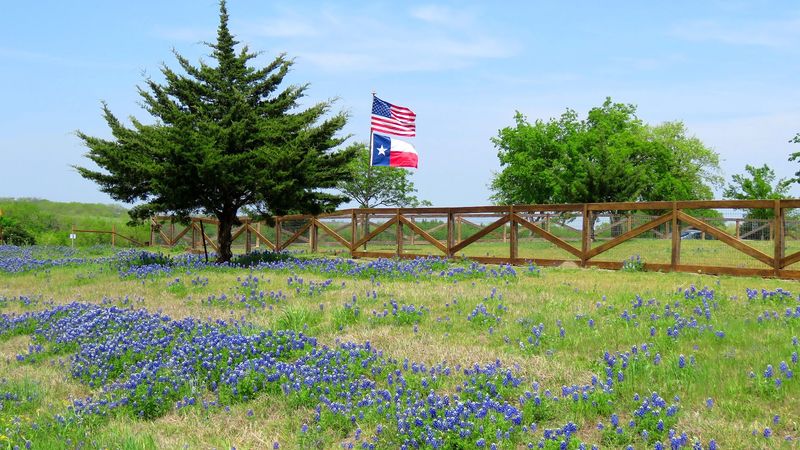
Ennis holds the official designation as the Bluebonnet City of Texas, a title recognized by the Texas Legislature that reflects both the natural abundance of the flowers in the area and the community’s long-standing commitment to celebrating them. That recognition did not happen overnight.
For decades, local organizations and city leaders worked to map, promote, and preserve the bluebonnet trails, transforming what might have remained a local secret into one of the most well-known spring destinations in the entire state. The result is a tourism infrastructure that feels genuinely community-driven rather than commercially manufactured.
The pride that Ennis takes in its bluebonnet identity shows up everywhere during April, from the signage along the routes to the themed merchandise at the welcome center. Knowing that history adds a layer of appreciation to the drive that turns a pretty road trip into something that feels more connected to the place and the people who built it.
Why This Route Deserves a Spot on Every Texas Spring Bucket List
Few seasonal experiences in Texas combine natural beauty, community spirit, local food, and easy accessibility as naturally as the Ennis Bluebonnet Trails do each April. The drive is manageable for families with young children, older visitors, and solo travelers alike, and the payoff is a landscape that genuinely earns every superlative people throw at it.
The fact that the trails remain free to drive, well-mapped, and thoughtfully organized after so many years of operation speaks to how seriously Ennis takes this tradition. There are no admission fees, no complicated reservations, and no overly commercialized add-ons to navigate around.
What you get instead is a straightforward, beautiful, deeply Texan experience that rewards anyone willing to make the drive south from Dallas on a clear April morning. The bluebonnets do not last forever, and that fleeting quality is exactly what makes seeing them in person feel so worth the effort every single time.
Share this story