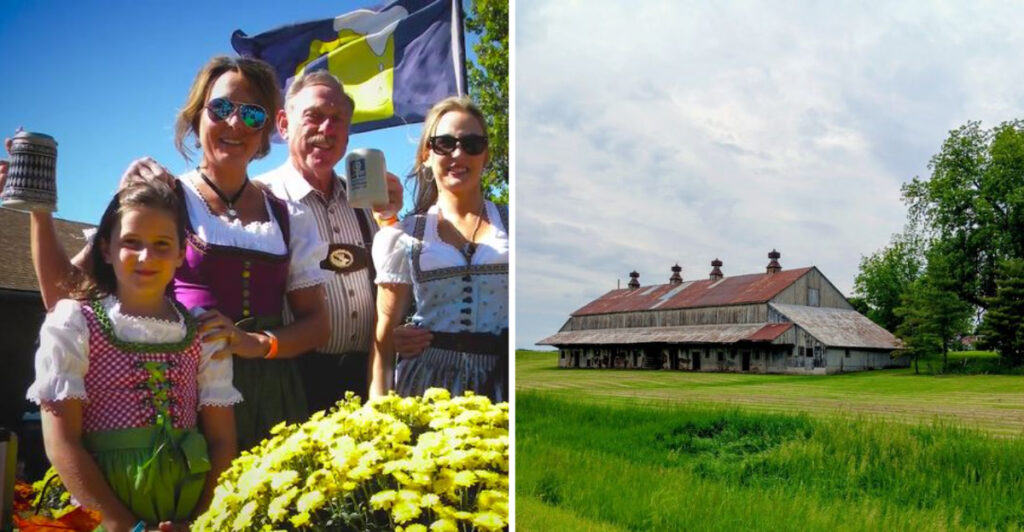
Tucked away in the rolling hills of central Iowa, there is a place where history feels genuinely alive, not just preserved behind glass. Seven villages, centuries of German heritage, and a community story unlike anything else in America all come together in one remarkable destination.
The Amana Colonies have drawn more visitors than any other tourist attraction in Iowa, and once you set foot there, it is easy to understand why. This article walks you through everything that makes the Amana Colonies Visitors Center and the surrounding area so worth your time, from its fascinating origins to the hidden details that most first-time visitors overlook.
Your First Stop: The Visitors Center at 622 46th Ave
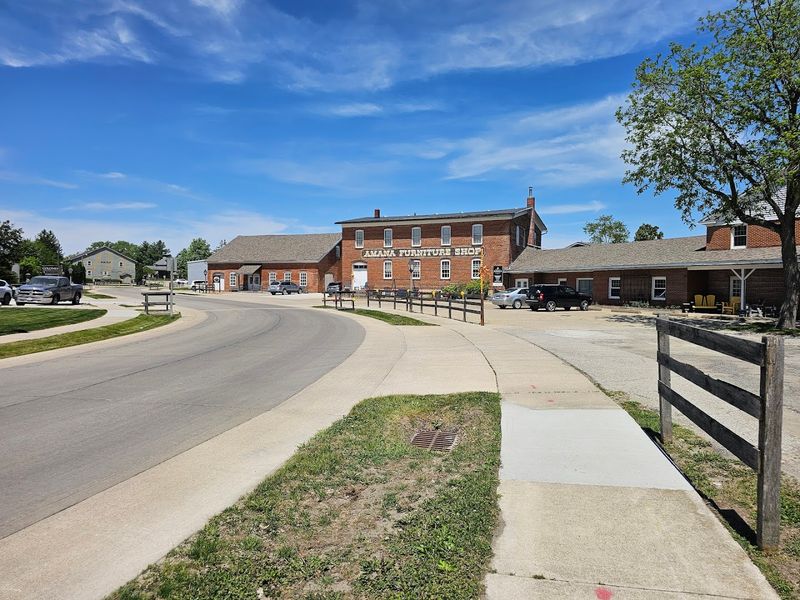
Some destinations reward you most when you start with context, and that is exactly what the Amana Colonies Visitors Center delivers from the moment you walk through the door.
Found at 622 46th Ave in Amana, this center serves as the official gateway to all seven Amana villages. It is open Monday through Saturday from 9 AM to 5 PM, and on Sundays from 10 AM to 5 PM, giving visitors plenty of time to plan their day well.
Inside, you will find detailed maps, knowledgeable guides ready to answer questions, and exhibits that set the stage for everything you are about to see. The layout is clean and easy to navigate, so you never feel rushed or overwhelmed.
Starting your visit here means you leave with a real sense of direction rather than wandering without purpose through the colonies.
The Remarkable Origin Story of the Amana Colonies
Not many American communities can trace their roots to a religious movement that crossed an ocean and then an entire continent before finally settling down for good.
The Amana Colonies were founded by members of the Community of True Inspiration, a German Pietist group that left Europe in the 1840s seeking freedom to practice their faith. They first settled in New York before relocating to Iowa in 1855, where they established seven villages along the Iowa River valley.
For nearly 90 years, the community lived a fully communal life, sharing meals, labor, and resources under a deeply held belief system. That way of life officially ended in 1932 during an event locals call the Great Change, when the community reorganized into a more conventional economic structure.
The Visitors Center presents this history with clarity, making it one of the most compelling origin stories in American community life.
A National Historic Landmark Worth Understanding
The designation of National Historic Landmark is not handed out lightly, and the Amana Colonies earned that title for very good reason.
Covering more than 26,000 acres across seven villages, the colonies represent one of the longest-lived communal societies in American history. The buildings you see throughout the area are not reconstructions or replicas.
They are original 19th-century structures built from local sandstone and brick, still standing and still in use today.
This is what separates the Amana Colonies from many other heritage sites around the country. The Visitors Center helps you understand what you are actually looking at when you walk through each village, turning what might seem like a quaint collection of old buildings into something far more layered and meaningful.
Picking up a map here before exploring is the kind of small decision that completely transforms the quality of your visit.
Seven Villages, Seven Personalities
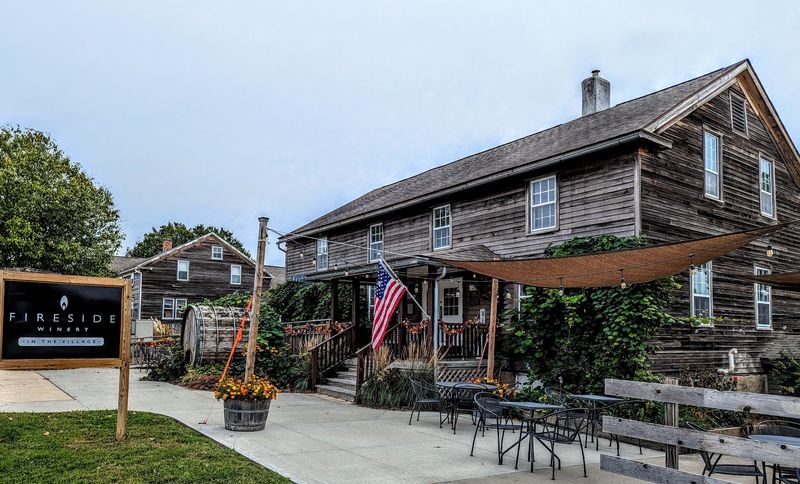
One of the first things the Visitors Center clarifies is that the Amana Colonies are not a single town but a collection of seven distinct villages, each with its own character.
The villages are Amana, East Amana, Middle Amana, High Amana, West Amana, South Amana, and Homestead. Each one developed its own specialty during the communal era, from furniture-making to textile production to milling.
That sense of individual identity has carried forward into the present day, with different shops, eateries, and points of interest spread across each village.
The Visitors Center provides a detailed map that helps you decide which villages match your interests, whether you are drawn to artisan crafts, local food, or outdoor scenery. Most visitors find that one village naturally leads them to the next, creating a relaxed and rewarding loop that feels more like exploration than a structured tour.
The Village Voyage Van Tour Experience
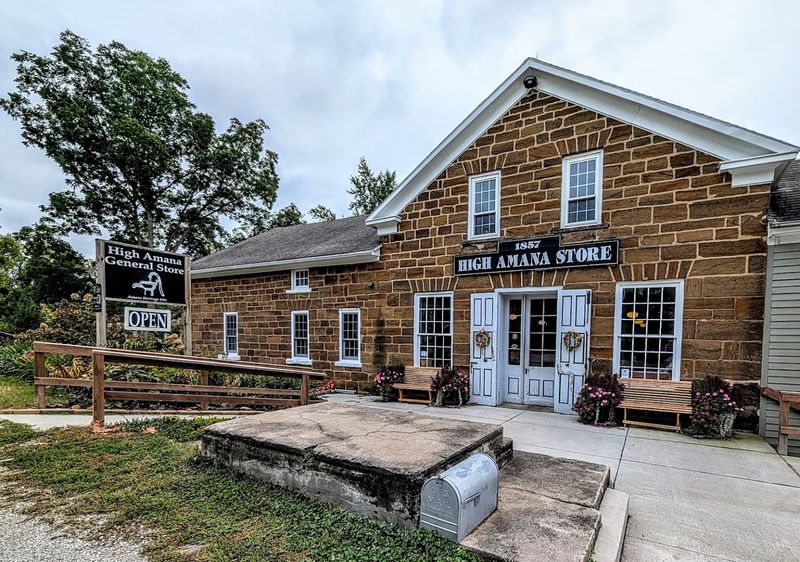
There is knowing a place, and then there is really knowing a place, and the Village Voyage Van Tour offered through the Amana Colonies is firmly in the second category.
Running from May through October, this guided tour lasts approximately two and a half hours and makes stops at four key locations throughout the colonies. Knowledgeable local guides bring the history to life in a way that no exhibit or pamphlet can fully replicate, connecting the physical landscape to the stories of the people who built it.
The Visitors Center is where you can get the full details on scheduling and availability, making it the natural starting point if the tour is on your list. Those who have taken it consistently describe it as the highlight of their entire visit, offering context that makes every subsequent stop in the colonies feel richer and more connected to the broader story of this extraordinary community.
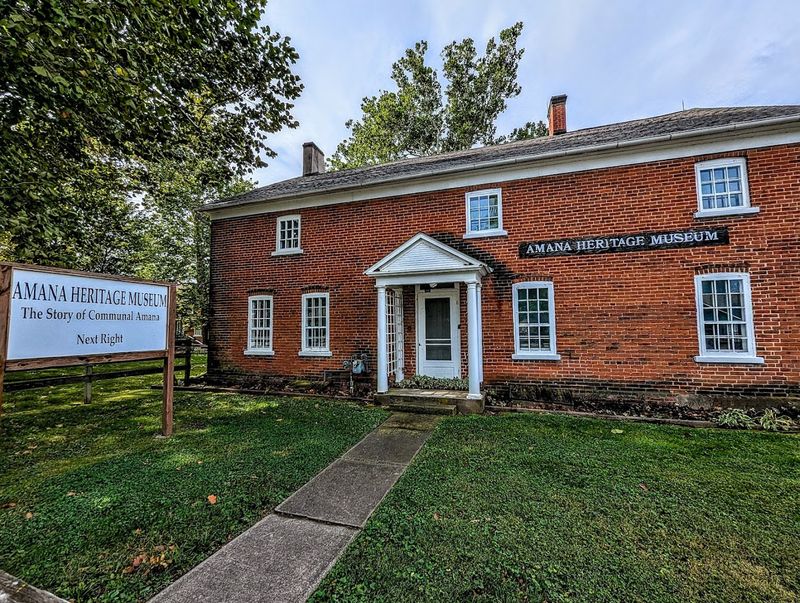
The Amana Heritage Museum Next Door
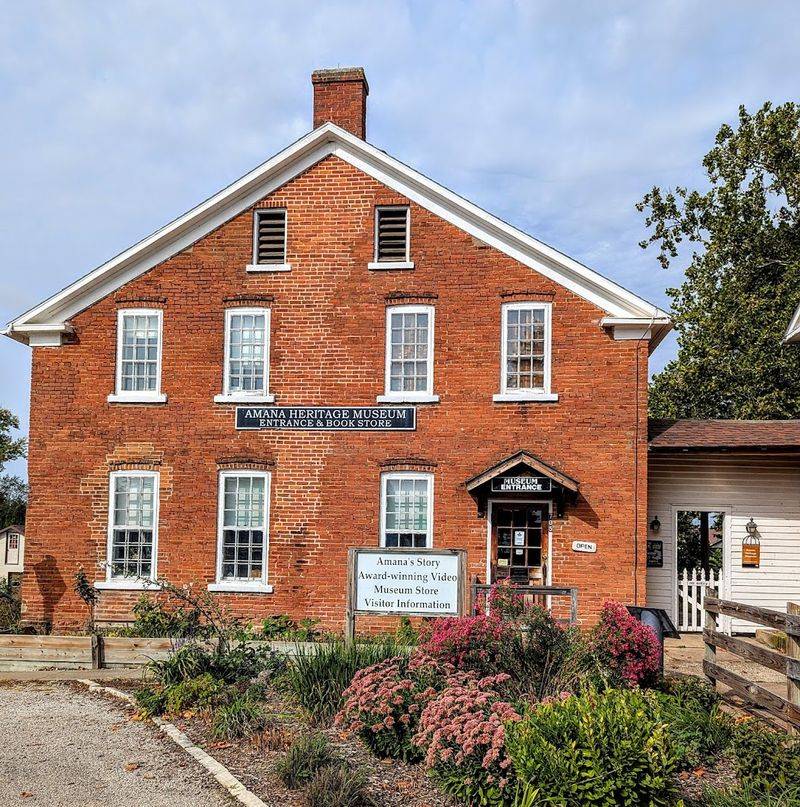
Right alongside the Visitors Center sits one of the most rewarding cultural stops in all of Iowa, the Amana Heritage Museum, and the two work together like a well-rehearsed team.
The museum features a 22-minute documentary film that gives visitors a concise but genuinely moving overview of the colonies’ history. From there, you can walk through exhibit spaces filled with original artifacts, photographs, and personal accounts that trace the arc of communal life from its hopeful beginnings to the transformative events of the 20th century.
Checking the museum’s operating hours before you visit is a smart move, since it does not always keep the same schedule as the Visitors Center itself. Those who plan ahead and carve out time for the museum tend to leave with a much deeper appreciation for what makes the Amana Colonies so different from every other historic community in the United States.
Shopping That Actually Tells a Story
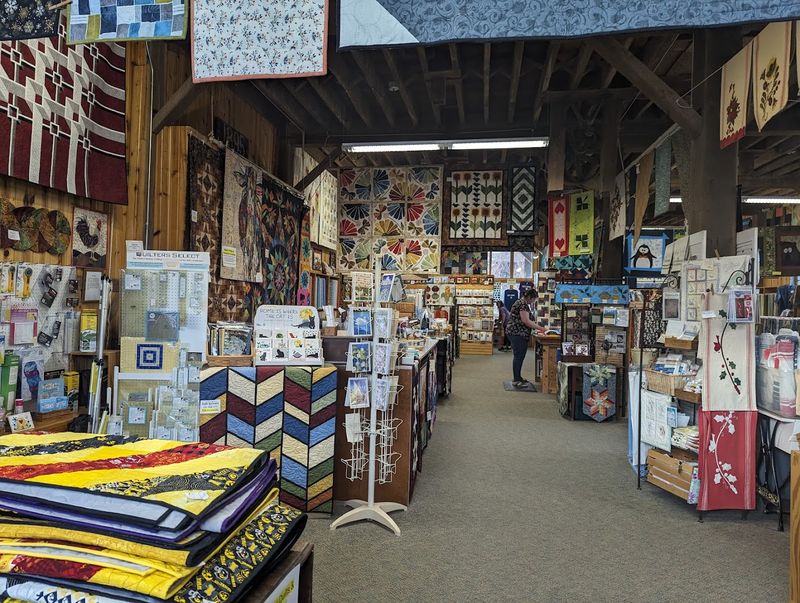
Shopping in the Amana Colonies carries a weight of meaning that you simply do not find at a typical outlet mall or tourist strip, and the Visitors Center helps you understand why before you spend a single dollar.
Many of the shops throughout the seven villages are housed in buildings that served entirely different purposes during the communal era. A store selling handcrafted furniture might occupy a space that once functioned as a communal kitchen.
A textile shop might sit inside a building where community members once worked together to produce goods for the whole colony.
The crafts and products available, from woolen goods and handmade furniture to chocolates and locally sourced foods, are largely made in the colonies or by nearby artisans. This is not mass-produced souvenir territory.
The Visitors Center map highlights the best specialty shops in each village so you can prioritize based on what genuinely interests you.
German Food Traditions Worth Tasting
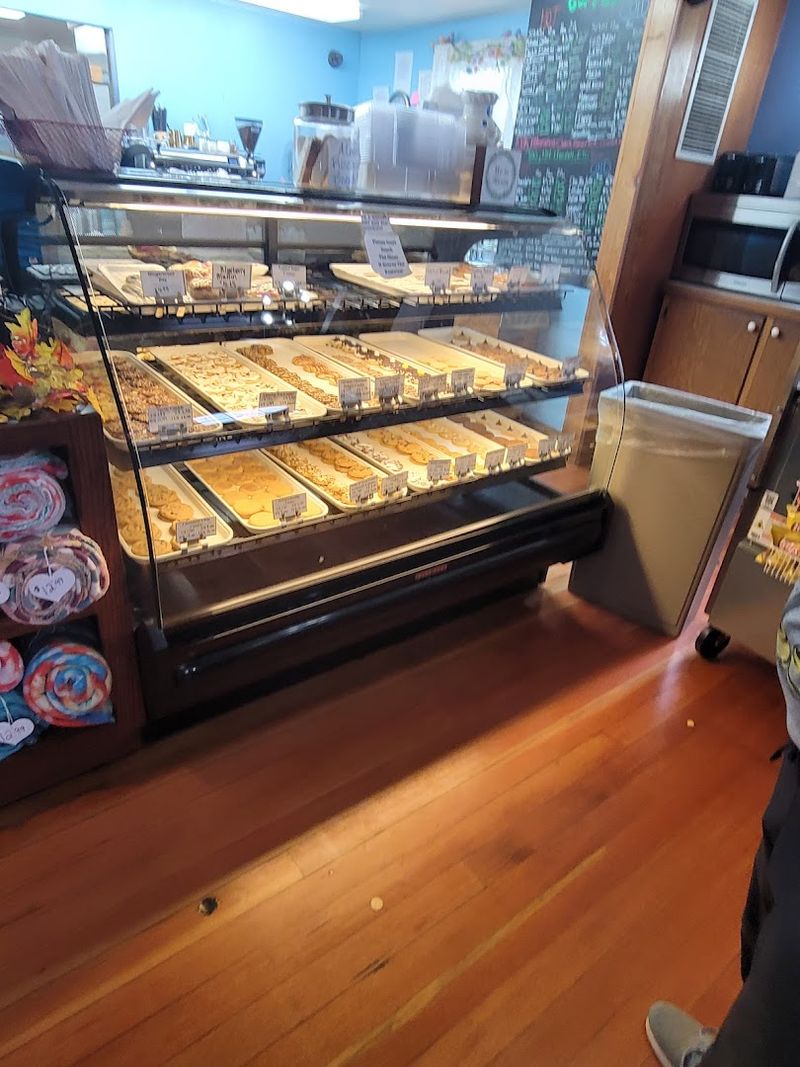
Central Iowa is not typically the first place that comes to mind for authentic German cuisine, but the Amana Colonies have been quietly delivering the real thing for generations.
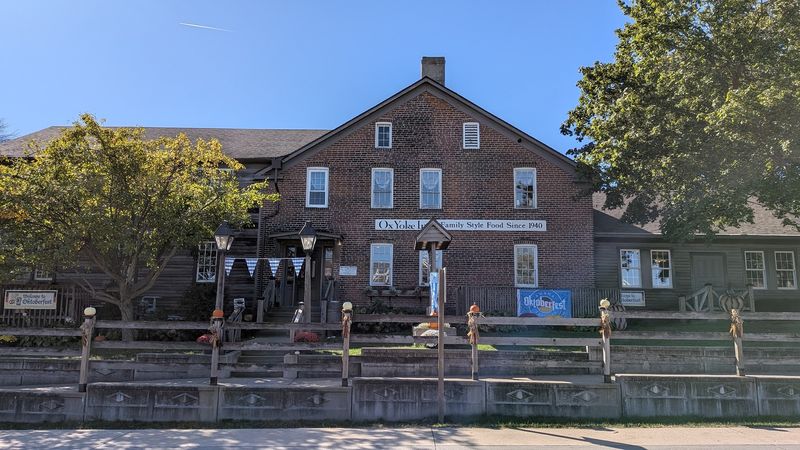
The restaurants throughout the seven villages serve hearty, traditional German-style meals rooted in the same culinary traditions that fed the communal society for nearly a century. Family-style dining is a common format, where large portions of food arrive at the table for everyone to share, a nod to the communal meal halls of the original colonies.
Reservations are a good idea during peak seasons, though walk-ins are often accommodated as well. The Visitors Center can point you toward dining options that match your group size, schedule, and appetite.
The bakeries and sweet shops scattered through the villages are worth a stop too, offering fresh goods that reflect the same tradition of handcraft that defines the entire Amana experience.
Festivals and Seasonal Events Throughout the Year
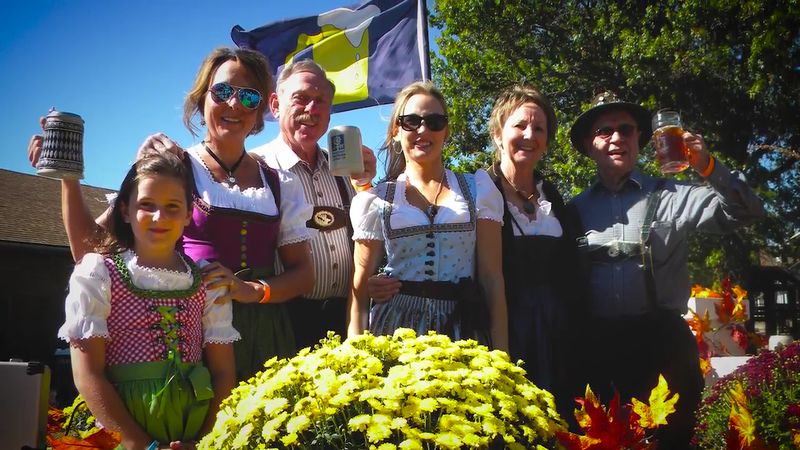
The Amana Colonies have a calendar packed with events that give each season its own distinct reason to visit, and the Visitors Center is the best place to find out what is coming up next.
Oktoberfest is arguably the most famous of the annual events, drawing large crowds to experience German cultural traditions brought fully to life across the villages. The Iowa Renaissance Festival is another popular draw, and the weeks leading up to Christmas turn the colonies into something genuinely magical, with decorated trees, seasonal goods, and a festive atmosphere throughout the general stores and shops.
Timing your visit around one of these events adds a layer of energy and cultural depth that a regular weekend trip cannot quite match. The Visitors Center keeps updated event schedules and can help you plan an itinerary that makes the most of whatever is happening during your stay.
Outdoor Trails and Natural Scenery
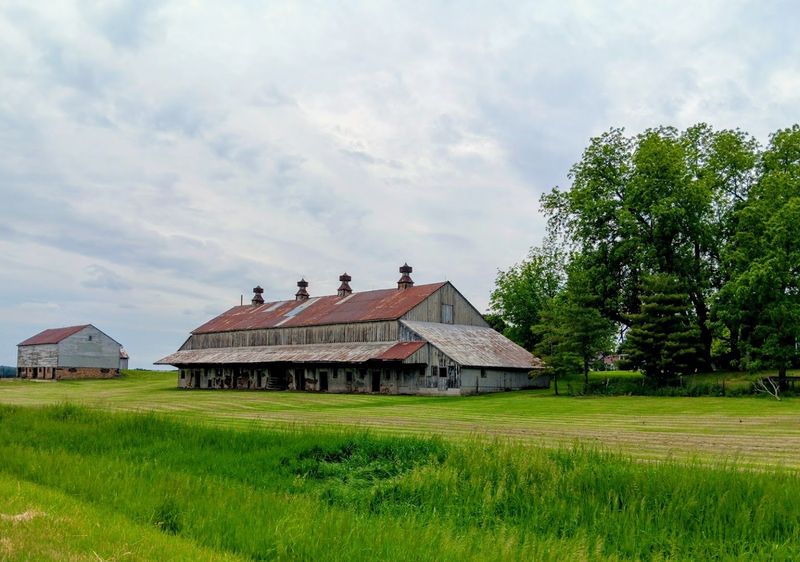
The Amana Colonies are not just a collection of historic buildings and shops. The natural landscape surrounding the seven villages is genuinely beautiful and well worth exploring on foot.
The colonies sit within the Iowa River valley, and a network of trails connects the villages through open farmland, wooded areas, and river corridors. These paths offer a quieter, slower way to experience the landscape that the original settlers chose for their community, and the scenery across all four seasons has its own appeal.
The Visitors Center provides trail maps and can advise on the best routes depending on your fitness level and how much time you have available. Leashed dogs are welcome on the trails, making this an especially popular option for visitors who bring their pets along.
The combination of history and natural beauty is one of the things that keeps people coming back to the Amana Colonies year after year.
Staying Overnight in the Colonies
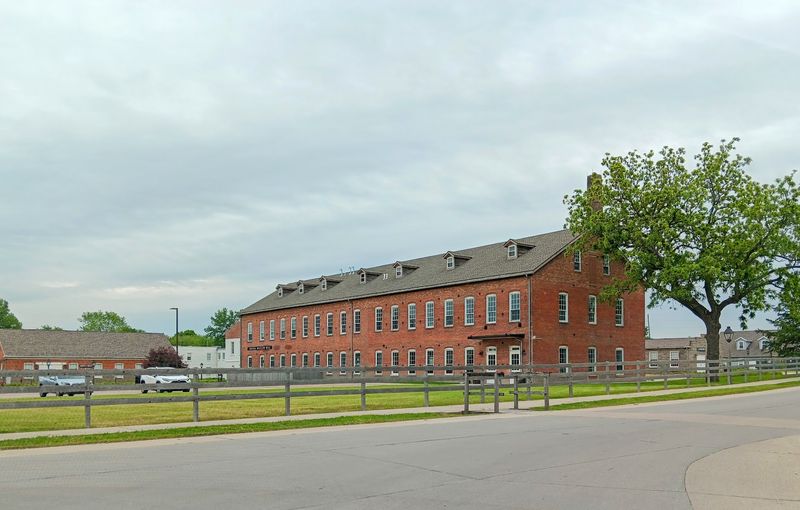
A day trip to the Amana Colonies is rewarding, but spending a night there is a completely different and far more immersive experience.
The Hotel Millwright is the most talked-about lodging option in the area, housed in a beautifully restored historic building that feels more like a living museum than a conventional hotel. Rooms are spacious, the atmosphere is carefully designed, and the connection to the surrounding history is present in every detail of the space.
Campgrounds near the colonies also accommodate RVs and tents, and the Visitors Center can provide information on all available lodging options to help you find the right fit for your group. Staying overnight means you can explore the villages at a genuinely relaxed pace, catch a meal after the day-trippers have gone home, and wake up to a quieter, more personal version of this remarkable place.
Why the Amana Colonies Keep Drawing People Back
There are historic sites that you visit once, check off a list, and move on from without a second thought. The Amana Colonies are not that kind of place, and the number of visitors who return repeatedly is a clear sign of something deeper going on here.
The combination of genuine history, living craftsmanship, good food, outdoor scenery, and a community that has maintained its identity across nearly two centuries creates an experience that feels rare in modern travel. Nothing here feels manufactured for tourist consumption.
The buildings are real, the crafts are handmade, and the stories are true.
The Visitors Center at 622 46th Ave in Amana, Iowa is where that experience begins for most people, and it is a starting point worth taking seriously. Free parking, friendly orientation, and a clear map are waiting for you, and the rest of the colonies unfolds naturally from there.
Share this story