Virginia has a sneaky way of making you fall in love with it one road trip at a time. From wild ponies on barrier islands to Civil War battlefields and mountain overlooks that make your jaw drop, this state packs an almost unfair amount of adventure into a single tank of gas.
The best part? Most of these destinations won’t cost you more than a few dollars to enjoy.
Pack a snack, grab your sunglasses, and get ready to explore some of Virginia’s best-kept secrets.
Shenandoah National Park
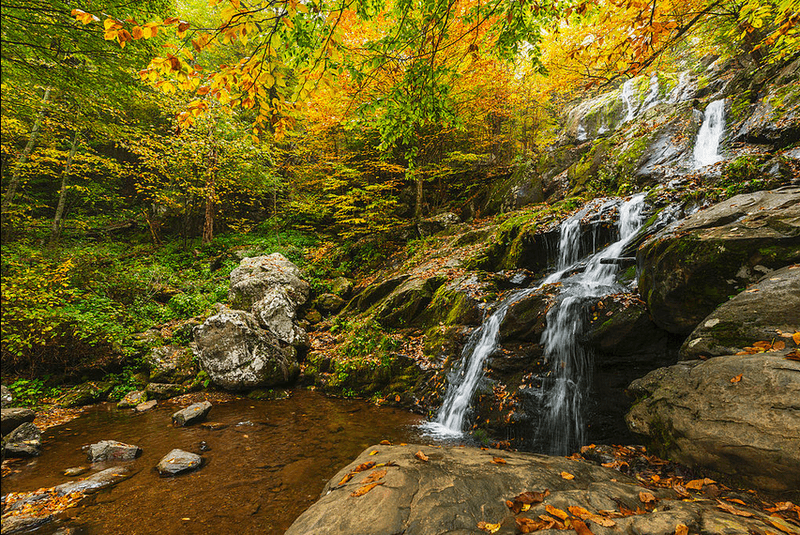
Rolling into Shenandoah National Park on Skyline Drive feels like someone pressed the refresh button on your entire soul. The 105-mile scenic road winds through the Blue Ridge Mountains, serving up overlook after overlook of jaw-dropping views.
Fall colors here are legendary, but honestly, every season has its own magic.
Hiking trails range from easy strolls to full-on leg-burners, and most are free once you pay the park entrance fee (around $35 per vehicle, good for a week). Dark Hollow Falls is a crowd favorite, a short but rewarding hike to a gorgeous 70-foot waterfall.
Bring a picnic and save yourself from overpriced snacks.
Wildlife sightings are practically guaranteed. Deer wander the roadside like they own the place, and black bears occasionally make celebrity appearances.
Just keep your snacks locked up tight unless you want a furry co-pilot.
Natural Bridge State Park
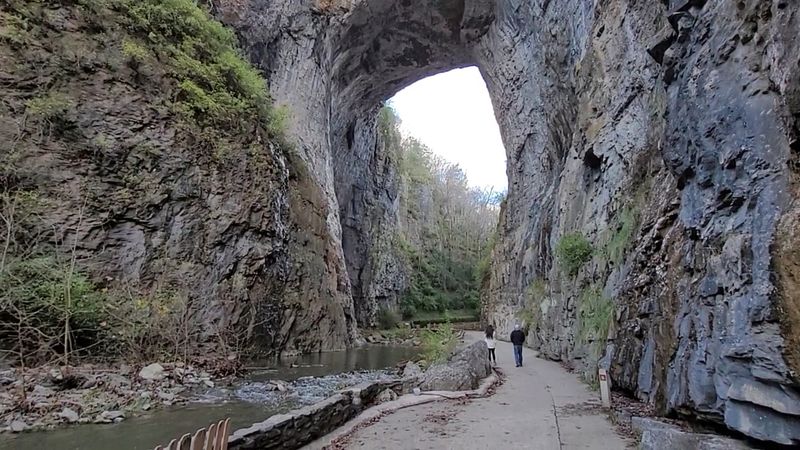
Standing beneath Natural Bridge feels like the earth decided to show off. This 215-foot limestone arch was carved by Cedar Creek over millions of years and was once surveyed by a young George Washington.
The man literally left his initials carved into the rock, which is either impressive or the world’s oldest act of vandalism.
Admission to the park is just $8 for adults, making it one of Virginia’s best bargains. The Cedar Creek Trail winds through the gorge beneath the arch, offering views that photographers absolutely lose their minds over.
Keep walking and you’ll hit Lace Falls, a delicate waterfall tucked into the woods.
The park also features a natural history museum and a Native American exhibit that adds real depth to the visit. Plan two to three hours minimum.
You’ll want to linger longer than expected, trust me on that one.
Charlottesville
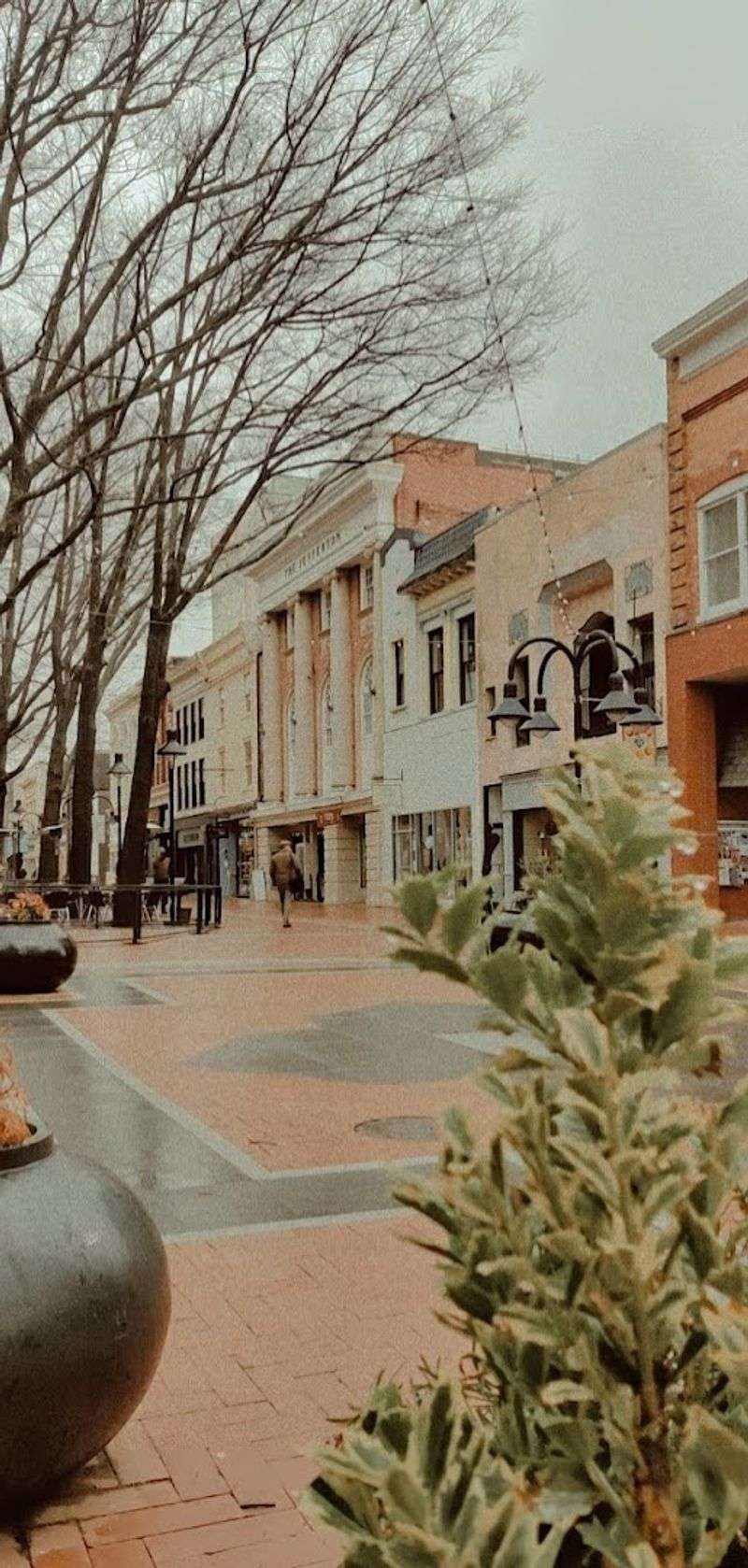
Charlottesville is the kind of town that makes you start browsing real estate listings by lunchtime. Nestled against the Blue Ridge Mountains, it combines history, culture, and seriously good food into one very walkable package.
The Downtown Mall is a car-free pedestrian street lined with restaurants, bookshops, and live music spots that buzzes with energy year-round.
Thomas Jefferson’s Monticello sits just outside town and is well worth the admission fee, but the University of Virginia’s historic Lawn and Rotunda are completely free to explore. Architecture nerds, history buffs, and curious wanderers all find something to love here.
I once spent an entire afternoon just wandering the UVA Grounds without spending a dime.
The surrounding wine country is a bonus nobody warns you about. Virginia wine has quietly become very good, and many vineyards offer tastings for under $15.
Pair that with a mountain sunset and you’ve got yourself a perfect day.
Staunton
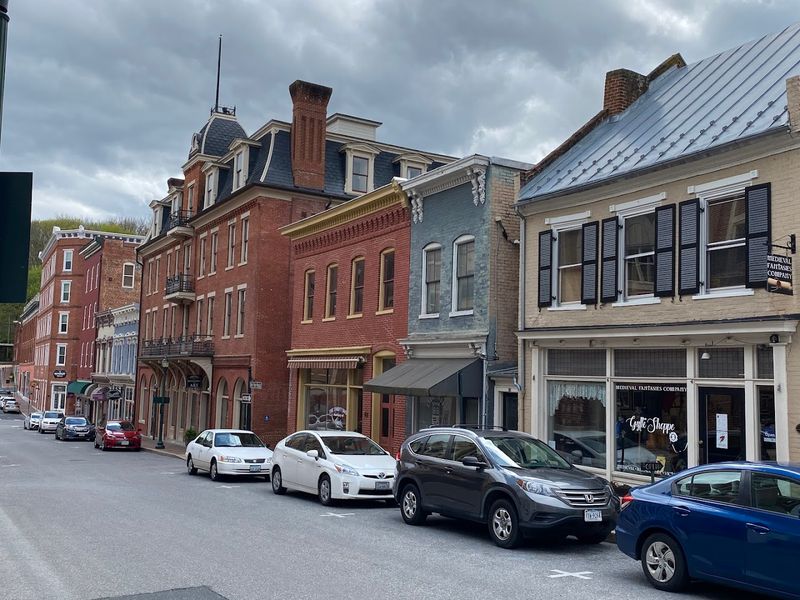
Staunton is what happens when a small town takes its history seriously and also happens to have excellent taste in restaurants. Tucked into the Shenandoah Valley, this compact city is packed with beautifully preserved Victorian architecture that makes every block feel like a movie set.
It’s also the birthplace of President Woodrow Wilson, whose museum is worth a quick visit.
The American Shakespeare Center’s Blackfriars Playhouse is the world’s only re-creation of Shakespeare’s original indoor theater. Catching a show here is a genuinely unforgettable experience, and tickets are reasonably priced.
Even walking past the building feels theatrical.
Downtown Staunton is endlessly strollable. Local boutiques, antique shops, and a growing craft brewery scene make it easy to fill an entire day without a rigid plan.
The Beverley Street corridor alone has enough coffee shops and galleries to keep you happily distracted for hours.
Lexington
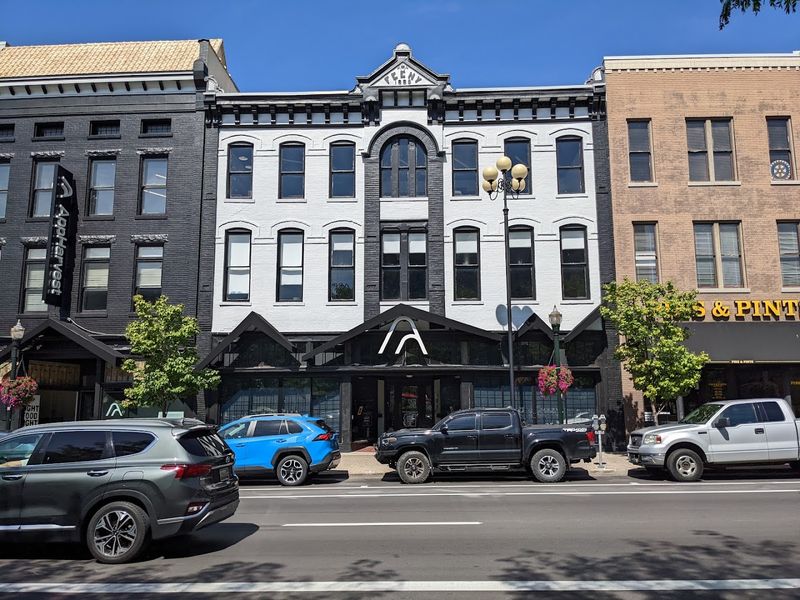
Lexington punches well above its weight for a town of about 7,000 people. Home to both Washington and Lee University and the Virginia Military Institute, it carries a sense of history so thick you can practically smell the old textbooks.
The VMI Museum is free and houses Stonewall Jackson’s stuffed warhorse, Little Sorrel, which is either fascinating or deeply unsettling depending on your perspective.
Strolling the W&L campus is free and genuinely lovely. Lee Chapel, where Robert E.
Lee is buried, sits at the center of campus and welcomes visitors at no charge. History follows you around every corner here, whether you’re looking for it or not.
Downtown Lexington has a charming mix of independent shops, used bookstores, and local eateries. The Natural Bridge is just a short drive away, making Lexington an easy combo stop.
Two towns, one tank of gas, zero regrets.
Roanoke
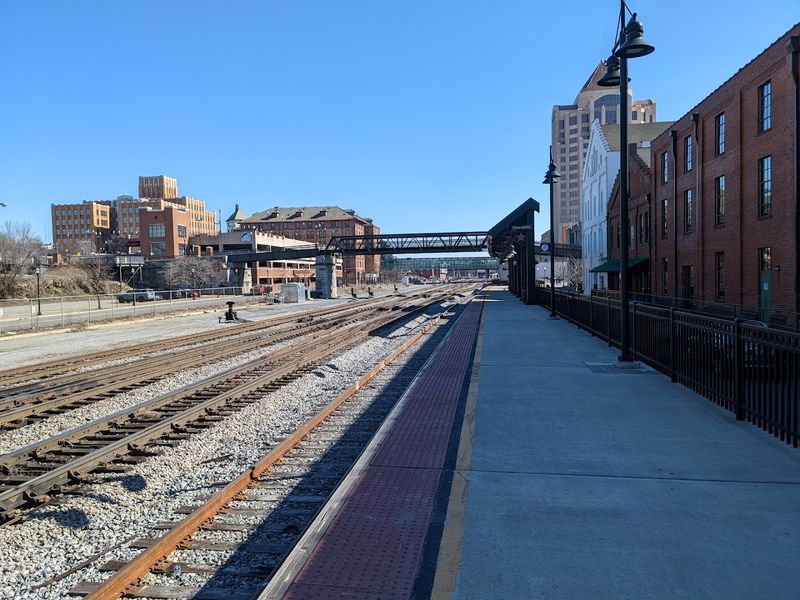
The Roanoke Star glowing from atop Mill Mountain at night is the kind of sight that makes you feel like you stumbled into a postcard. The 88-foot neon star has watched over the city since 1949, and the overlook beneath it offers some of the best free views in all of Virginia.
Drive up after sunset for maximum drama.
The Blue Ridge Parkway rolls right through the Roanoke area, offering endless free hiking and scenic driving. Explore McAfee Knob, one of the most photographed spots on the entire Appalachian Trail, though be ready for a solid four-mile climb each way.
The payoff view is absolutely worth the burning legs.
Downtown Roanoke has a farmers market that has operated continuously since 1874, making it one of Virginia’s oldest. The surrounding restaurants and shops are budget-friendly and locally owned.
Roanoke quietly overdelivers every single time.
Richmond
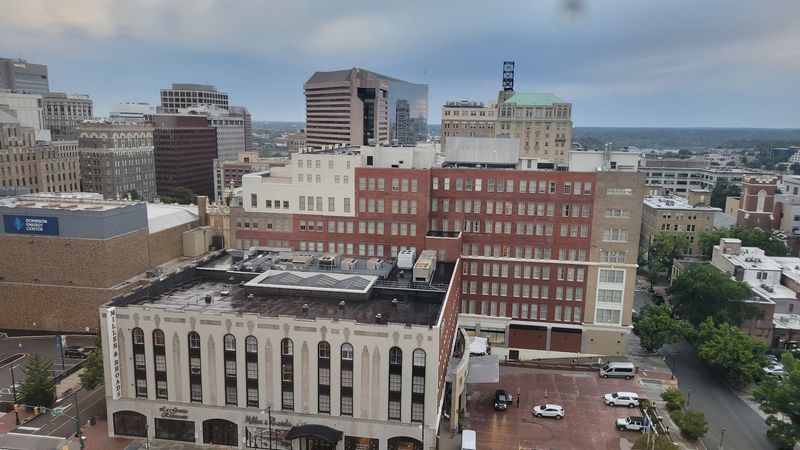
Richmond might be Virginia’s most underrated city, and locals seem perfectly happy keeping that secret. The James River cuts right through the heart of town, creating a wild urban whitewater scene that attracts kayakers, hikers, and sunbathers within walking distance of downtown skyscrapers.
Belle Isle is free to access and delivers a full outdoor adventure without a parking fee.
The Virginia Museum of Fine Arts is free and genuinely world-class. Rotating exhibits mean repeat visits never feel stale.
The museum cafe is also a solid lunch spot that won’t wreck your budget.
Richmond’s neighborhoods each have their own personality. Carytown is packed with independent shops and restaurants, while Church Hill offers stunning 19th-century architecture and sweeping city views.
Civil War history is woven into nearly every corner if you know where to look. Richmond rewards curious visitors who wander without a strict plan.
Williamsburg
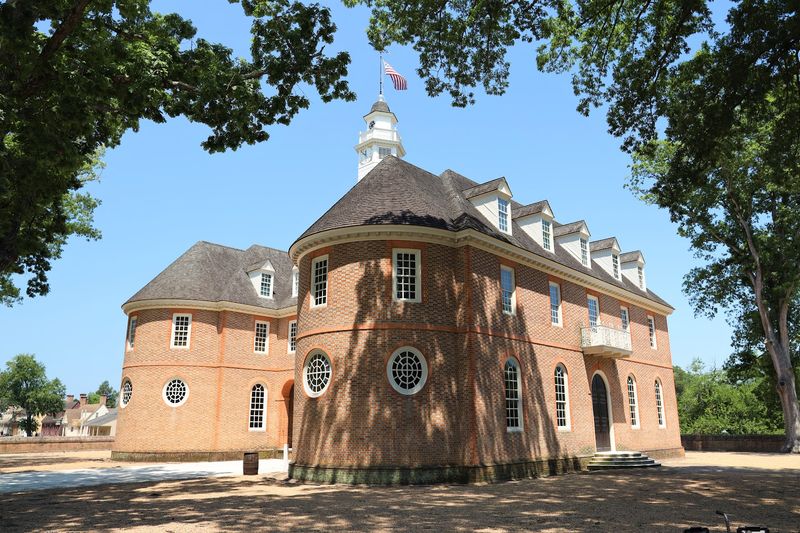
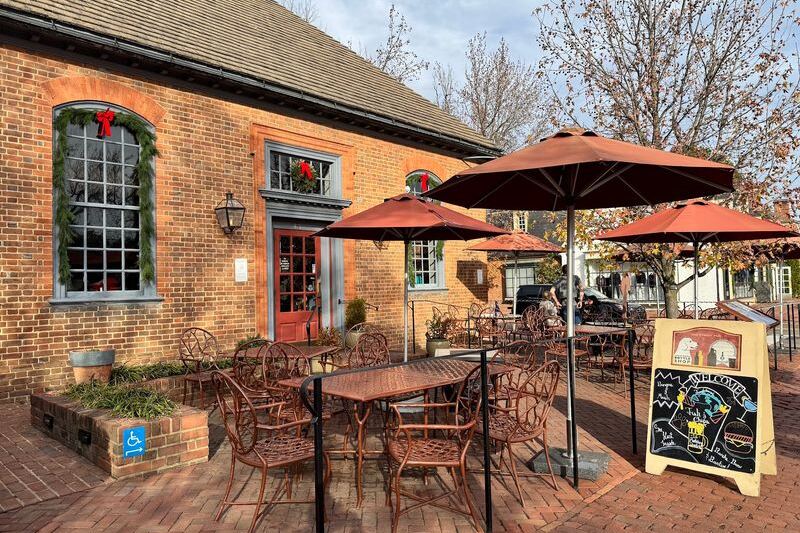
Here’s a little-known tip that Colonial Williamsburg regulars swear by: you don’t need a paid ticket to walk the historic streets. The outdoor areas, including Duke of Gloucester Street, the Palace Green, and numerous gardens, are free to explore.
Costumed interpreters roam the grounds, and the atmosphere alone is worth the drive.
Window-shopping the colonial-era buildings and watching craftspeople work in open-air shops costs absolutely nothing. The Public Gaol, the Capitol building exteriors, and the Governor’s Palace gardens are all visible without admission.
Save the indoor museum experiences for a return trip when the budget allows.
The surrounding area also offers free or cheap entertainment. Merchant’s Square has local shops and restaurants right at the edge of the historic district.
College of William and Mary’s campus is just steps away and features beautiful historic buildings open to casual visitors. Williamsburg gives generously even on a shoestring budget.
Yorktown
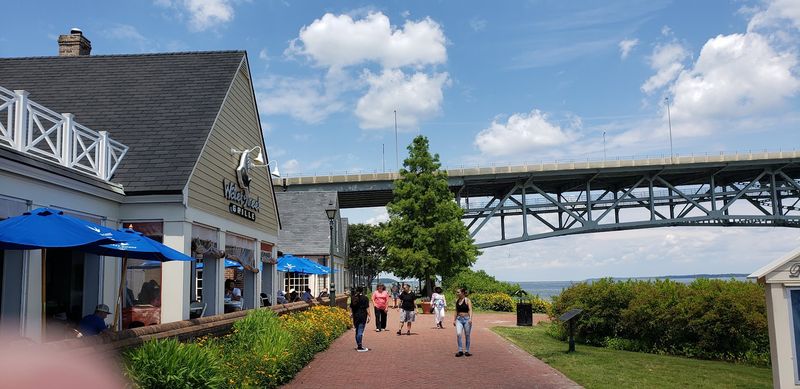
Yorktown sits quietly on the York River like it knows exactly how important it is and doesn’t need to brag about it. This is where the American Revolution effectively ended in 1781, and the battlefield is free to walk with a National Park pass or just $10 per vehicle.
Standing on the actual ground where Cornwallis surrendered hits differently than reading about it in a textbook.
The Yorktown waterfront is genuinely lovely and completely free to enjoy. A sandy beach stretches along the river, perfect for a casual afternoon stroll or a picnic with a historically significant backdrop.
Sunset from the beach pier is quietly spectacular.
The Yorktown Victory Center museum is worth the admission for history fans, but even without it, the town delivers. Independent restaurants line the waterfront, and the Riverwalk Landing area has a laid-back charm.
Yorktown feels like a reward for people who pay attention to history.
Fredericksburg
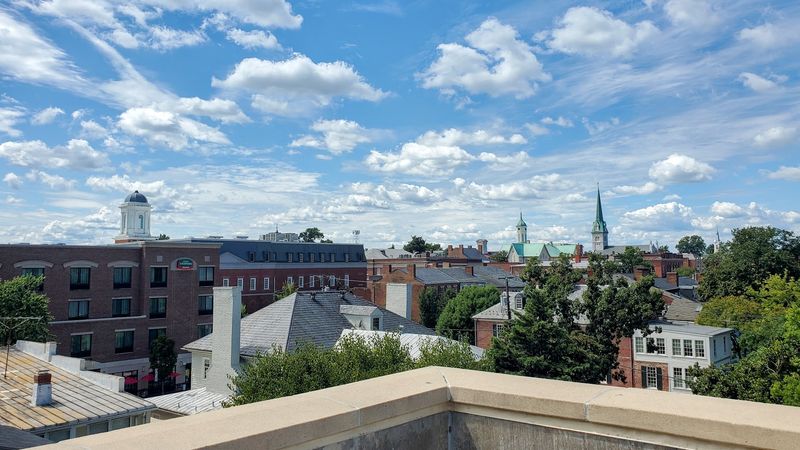
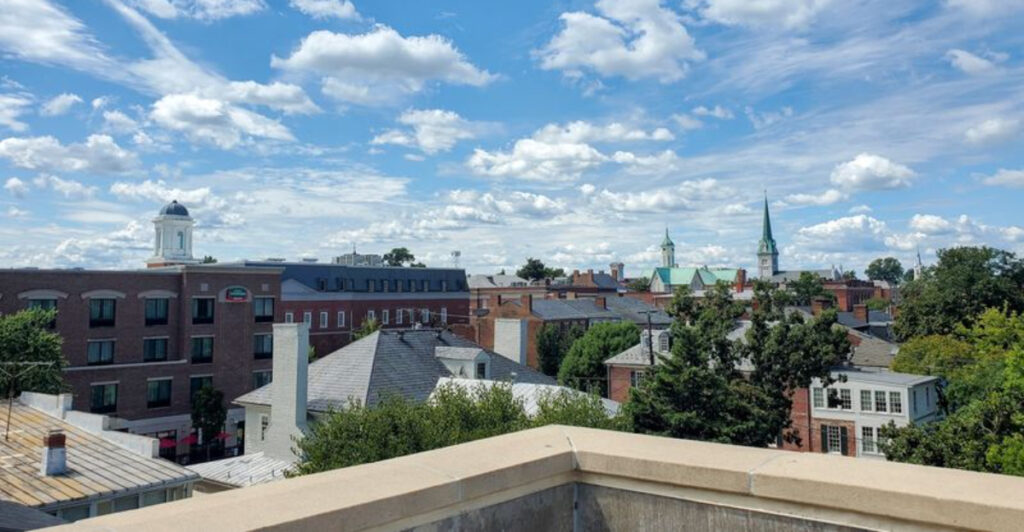
Fredericksburg has more history per square mile than almost any other city in Virginia, and it wears that history comfortably rather than turning it into a theme park. Four major Civil War battles were fought in and around this city, and the national battlefield park is free to visit.
Walking those grounds is a sobering and genuinely moving experience.
The downtown historic district is one of the most walkable in the state. Antique shops, independent bookstores, and locally owned restaurants line Caroline Street in a way that makes aimless wandering feel productive.
I could easily spend four hours just poking around without buying a single thing.
The Fredericksburg Area Museum covers the city’s full history from Native American culture through the Civil War and beyond. Admission is budget-friendly and the exhibits are well-curated.
George Washington grew up nearby, and his childhood home site is free to visit. Fredericksburg earns every mile of the drive.
Chincoteague Island
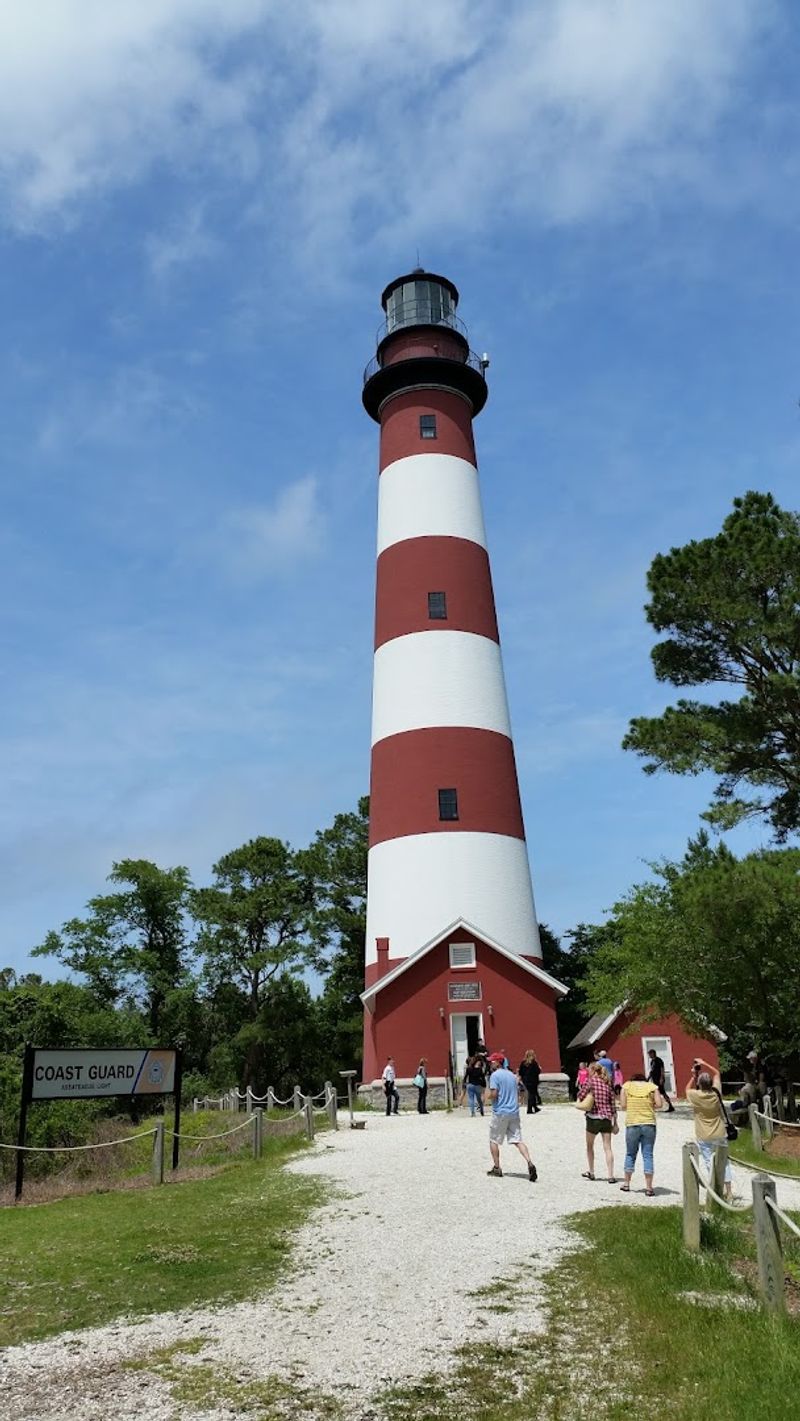
Wild ponies roaming a barrier island beach is not something you expect to see in Virginia, yet here we are, and it is every bit as magical as it sounds. Chincoteague’s famous ponies have lived on neighboring Assateague Island for centuries, possibly descendants of shipwreck survivors, though historians still debate the exact origin story.
Either way, spotting them on the beach is an experience that stays with you.
The Chincoteague National Wildlife Refuge protects over 14,000 acres of beach, marsh, and forest. Admission runs about $25 per vehicle and covers access to the wildlife loop, hiking trails, and the gorgeous Assateague Beach.
Birdwatching here is world-class, especially during migration seasons.
The town of Chincoteague itself is a charming fishing village with seafood restaurants, kayak rentals, and a genuinely slow-paced vibe. Fresh clam chowder from a local spot after a beach walk is the kind of simple pleasure that makes life feel very good.
Cape Charles
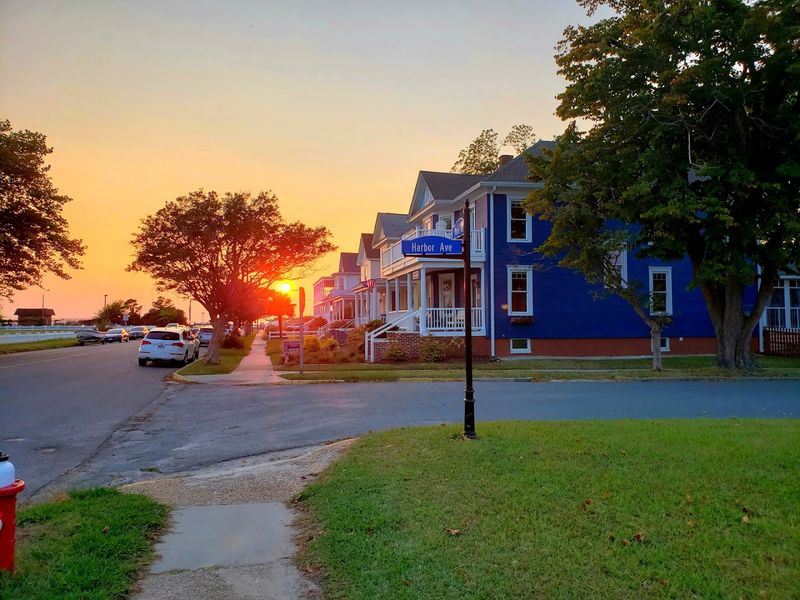
Cape Charles is the kind of place travel writers describe as a hidden gem right before everyone finds out about it. Perched on Virginia’s Eastern Shore along the Chesapeake Bay, this small town has a public beach with calm, shallow water that is perfect for families and anyone who prefers their ocean experience without aggressive waves.
Parking near the beach is free, which already puts it ahead of most coastal destinations.
The historic district runs just a few blocks and features well-preserved early 20th-century architecture. Walking it takes maybe 30 minutes but reveals a town that clearly cares about its character.
Local art galleries and boutiques have set up shop in beautifully restored buildings.
The town fishing pier is free and attracts locals casting lines at sunrise and sunset. Watching the sun dip behind the Chesapeake Bay Bridge-Tunnel from the pier is a legitimately stunning experience.
Cape Charles is the kind of quiet that recharges you completely.
Abingdon
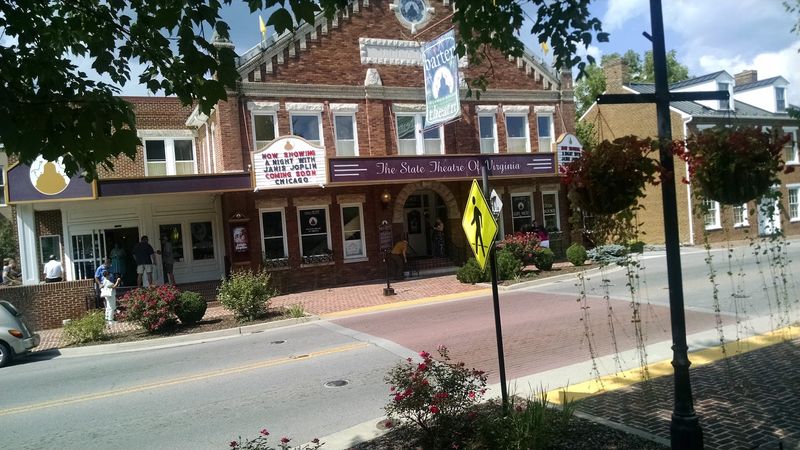
The Virginia Creeper Trail is one of the most beloved rail-trails in the entire country, and Abingdon is its western trailhead. The trail stretches 34 miles through breathtaking mountain scenery, crossing dozens of wooden trestles and passing through forests that look like something from a fairy tale.
Most people rent bikes in Damascus and coast downhill to Abingdon, which is a genuinely brilliant strategy.
Abingdon’s historic Main Street is a destination in itself. The Barter Theatre, founded during the Great Depression when people traded farm goods for theater tickets, still operates today and is one of the oldest professional theaters in America.
Catching a show there is affordable and memorable.
The town has a well-preserved downtown with independent shops, galleries, and restaurants that reward slow exploration. Martha Washington Inn anchors the main street with stately elegance.
Abingdon sits in the far southwest corner of Virginia but absolutely justifies the drive for anyone who makes the trip.
Winchester
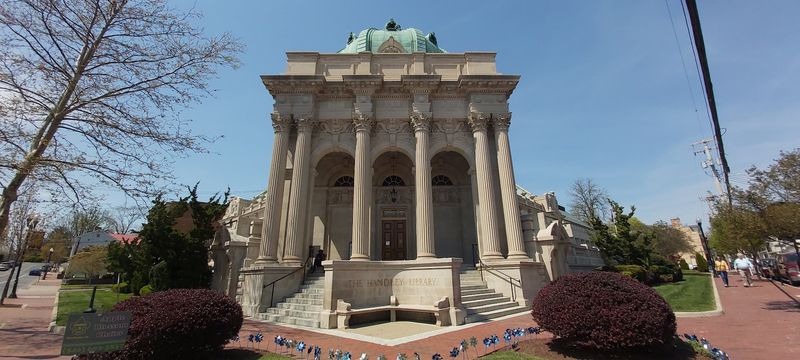
Winchester holds a quirky distinction in Civil War history: the city changed hands between Union and Confederate forces more than 70 times during the war. Seventy times.
That is either impressive military strategy or a very confusing few years for local residents. Today the city channels that layered history into museums, walking trails, and a beautifully restored Old Town.
The Old Town pedestrian mall is a car-free zone lined with shops, restaurants, and historic buildings that make for an excellent afternoon stroll. George Washington’s Office Museum, where he planned his early military campaigns, charges just a few dollars for admission and is genuinely fascinating.
Stonewall Jackson’s headquarters is also open for tours nearby.
Winchester is apple country, and the surrounding Shenandoah Valley orchards are worth a detour in fall. Many offer pick-your-own experiences for very reasonable prices.
Pair that with a cider tasting and you have an afternoon that feels like a proper celebration of autumn.
Floyd
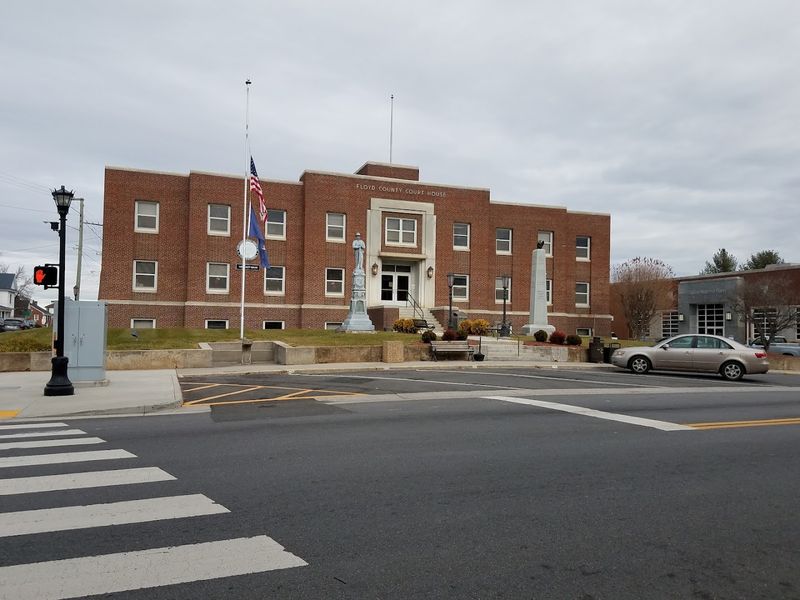
Floyd, Virginia has a population of around 400 people and somehow manages to host one of the most beloved music traditions in the state. The Friday Night Jamboree at Floyd Country Store has been going strong since 1982, drawing bluegrass and old-time musicians every single week.
Admission is a few dollars, the dancing is contagious, and the whole experience feels wonderfully genuine.
The Blue Ridge Parkway runs just outside town, offering some of its most scenic stretches in this area. Mabry Mill, a short drive from Floyd, is one of the most photographed spots on the entire parkway.
Morning fog rolling across the millpond is the kind of image that makes people question why they live anywhere else.
The town itself has a thriving artisan community with galleries, craft shops, and a natural foods co-op that reflects Floyd’s famously independent spirit. Spending a day here feels like stepping into a slower, more intentional version of life that is surprisingly easy to enjoy.
Smithfield
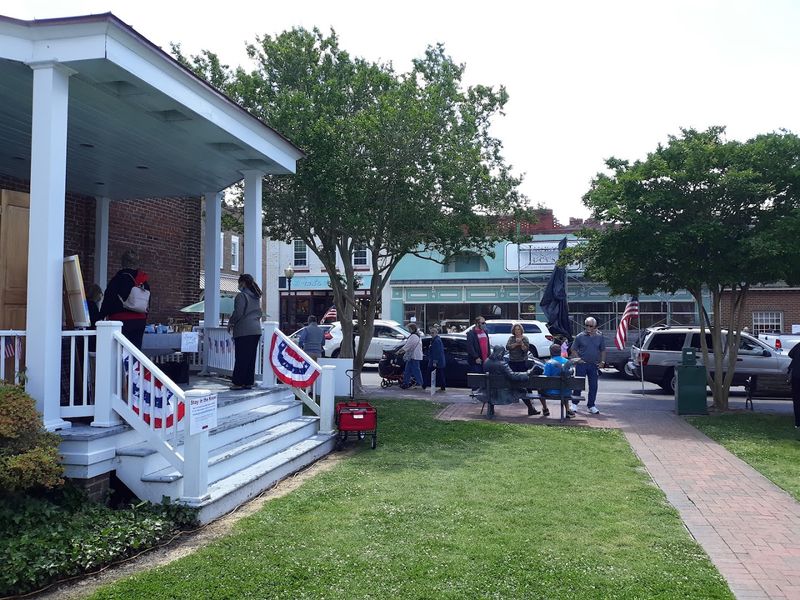
Smithfield is famous nationwide for its ham, but the town itself is far more interesting than its cured meat reputation suggests. Sitting along the Pagan River in Isle of Wight County, it features one of Virginia’s most charming historic districts, with buildings dating back to the colonial era lining quiet, walkable streets.
The whole downtown can be explored on foot in a relaxed afternoon.
Isle of Wight County Museum is free and covers the region’s history from Native American settlements through the colonial period and beyond. St. Luke’s Church, built around 1682, is considered the oldest existing English church in America and is just a short drive from downtown.
Standing inside it is a genuinely surreal brush with very old history.
The Pagan River waterfront adds a scenic backdrop to the whole visit. Local restaurants serve fresh seafood alongside the inevitable ham dishes.
Smithfield rewards visitors who slow down and pay attention to the details tucked into every corner.
Norfolk
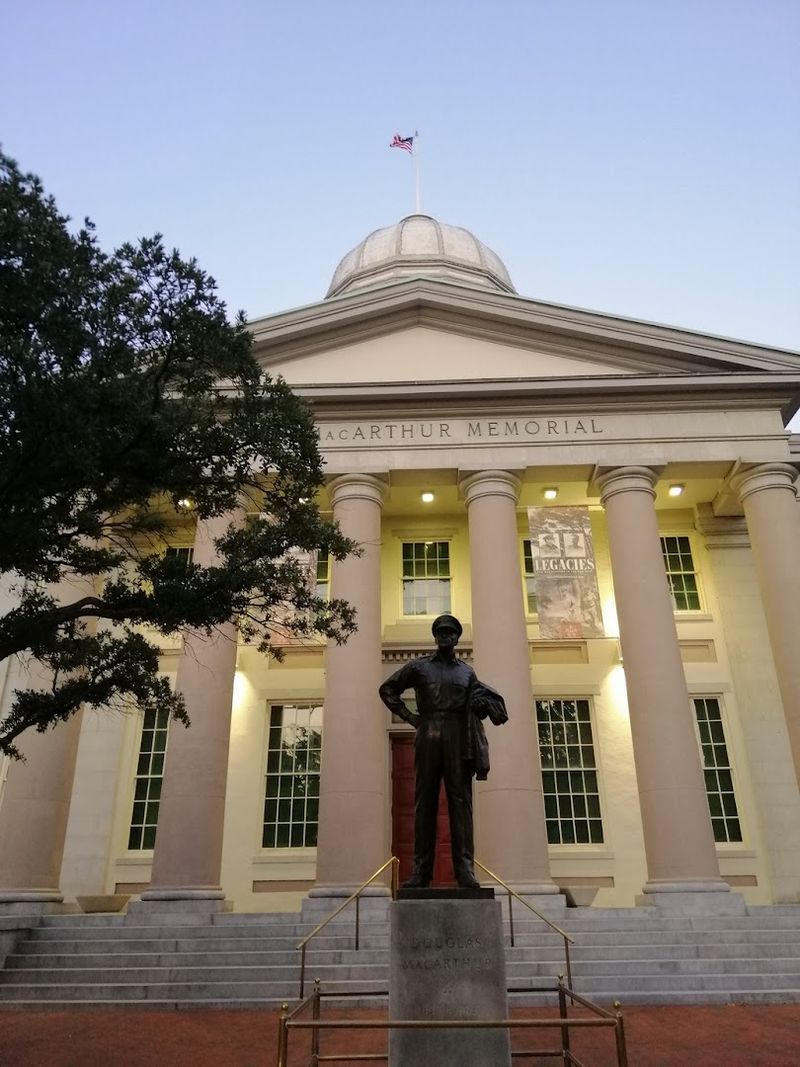
Norfolk keeps surprising people who underestimate it, which is honestly their loss and your gain. Virginia’s second-largest city has a walkable waterfront, free public spaces, and the Chrysler Museum of Art, which charges absolutely nothing for general admission.
The Chrysler’s collection includes Tiffany glass, ancient Egyptian artifacts, and European masterworks that would cost a fortune to see in most major cities.
The Waterside District along the Elizabeth River buzzes with restaurants and bars in a waterfront setting that makes lingering feel mandatory. The adjacent Freemason Historic District features stunning 19th-century architecture worth a slow stroll.
Harbor cruises run at reasonable prices and offer a completely different perspective on the city.
Norfolk is also home to the largest naval base in the world, and free tours of the facility are available to civilians on select days. Watching aircraft carriers up close is a scale-of-things moment that genuinely recalibrates your sense of what big actually means.
Norfolk earns a full day easily.
Share this story