Iowa might not be the first place that pops into your head when you think of epic road trips, but trust me, this state is hiding some serious gems. From dramatic limestone bluffs to charming Dutch villages and jaw-dropping cave systems, there is no shortage of adventure here.
I took a solo Saturday drive last spring and ended up completely blown away by how much there is to see without spending a fortune. Pack some snacks, fill up the tank, and get ready to fall hard for the Hawkeye State.
Pella
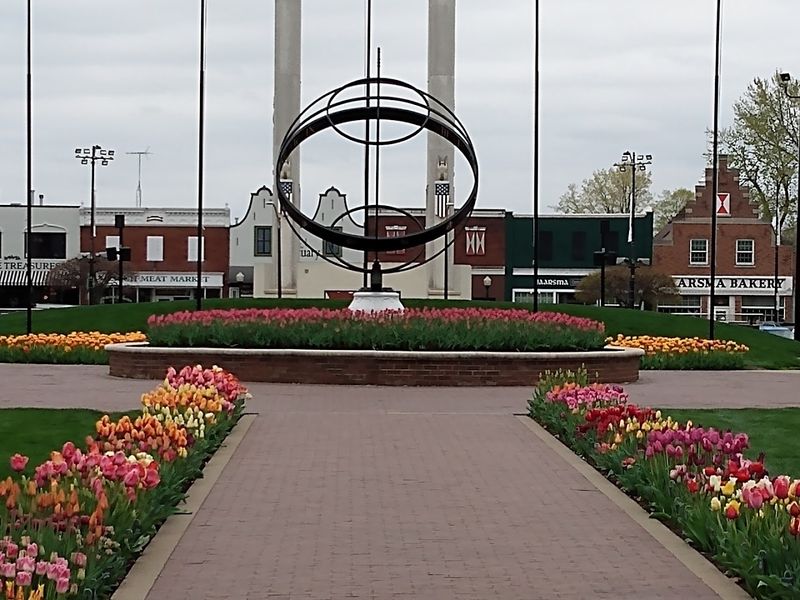
Every spring, this small Iowa town transforms into a slice of the Netherlands, complete with wooden shoes, windmills, and more tulips than you can count. Pella was founded by Dutch immigrants in 1847, and the town has never let go of its roots.
The annual Tulip Time Festival draws thousands of visitors who come for the flower shows, street scrubbing ceremonies, and Dutch pastries.
Outside of festival season, Pella is still worth the drive. The Vermeer Mill is one of the tallest working windmills in the country, and it grinds real grain.
Strolling through the town square feels like stepping into a storybook. Most attractions are free or very low cost, making Pella one of the best budget-friendly day trips in the state.
Amana Colonies
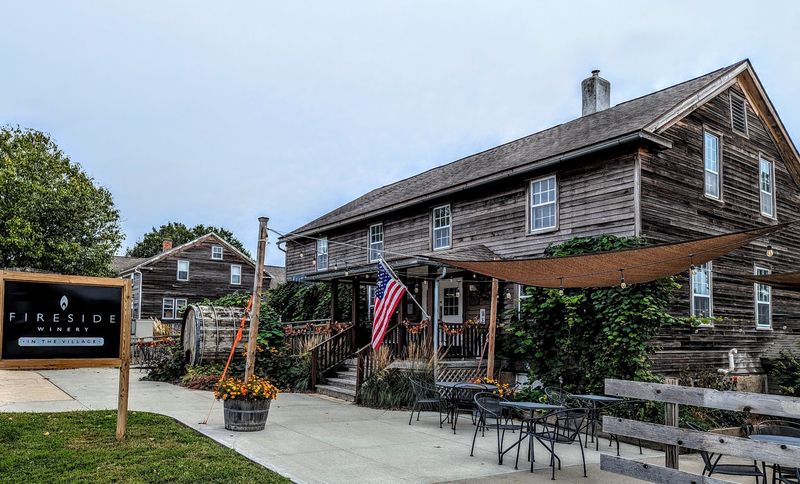
Seven villages, one incredible story. The Amana Colonies were founded by German religious settlers in the 1850s, and they lived as a communal society for nearly a century.
Walking through the colonies today feels like flipping through a living history book, except this one smells like fresh-baked bread and smoked meat.
The colonies are packed with craft shops, wineries, breweries, and restaurants serving hearty German-American food at reasonable prices. I once split a plate of schnitzel the size of a hubcap with a friend and still had leftovers.
Admission to most of the historical sites is free or very affordable. The Amana Heritage Museum fills in all the fascinating backstory if you want context with your kolache.
Dubuque
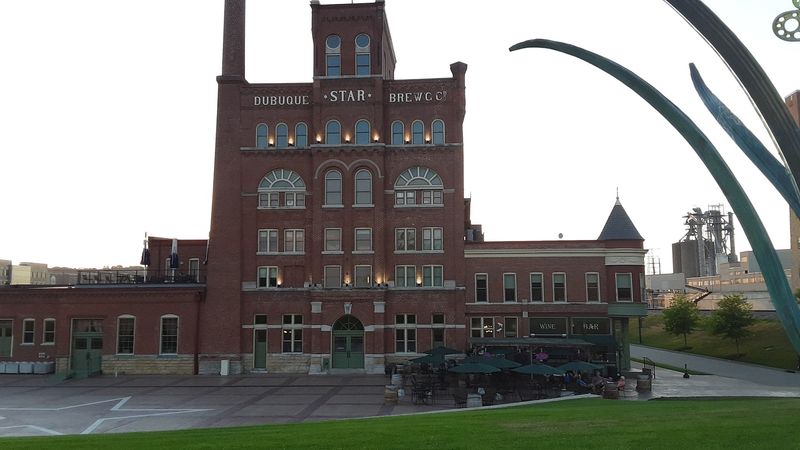
Perched right on the Mississippi River, Dubuque is one of Iowa’s oldest and most visually dramatic cities. The Fenelon Place Elevator, a funicular railway built in 1882, hauls visitors up a steep bluff for one of the best views in the Midwest.
It costs just a couple of dollars and takes about a minute, making it the most efficient sightseeing bargain around.
The National Mississippi River Museum and Aquarium is genuinely world-class and offers a deep look at river ecology, history, and wildlife. Kids go absolutely wild for the giant catfish tanks.
Downtown Dubuque has excellent restaurants, a walkable riverfront, and free public art scattered throughout. Whether you are into history, nature, or just good food, Dubuque delivers without draining your wallet.
Mines of Spain Recreation Area
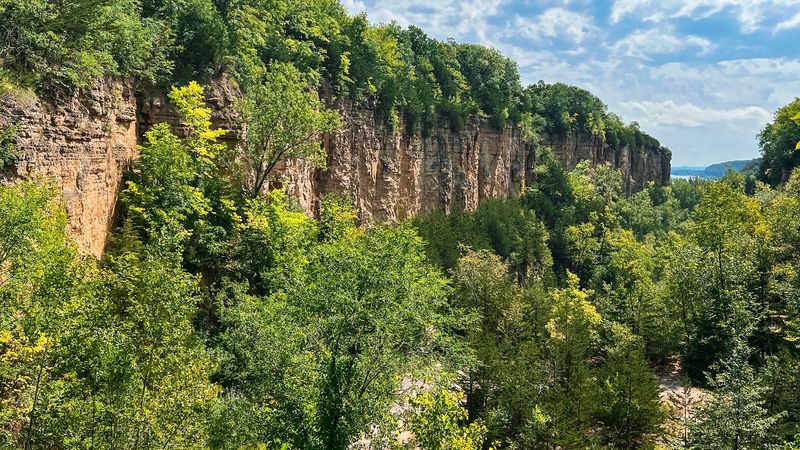
Just south of Dubuque lies one of Iowa’s most underrated outdoor escapes. The Mines of Spain Recreation Area covers over 1,400 acres of bluffs, prairies, forests, and Mississippi River frontage.
Spanish explorers once mined lead here in the 1700s, which gives the place a history as layered as its geology.
The E.B. Lyons Interpretive Center is free and provides excellent background on the area’s natural and cultural history.
Hiking trails wind through dramatic landscapes that look more like the Appalachians than the flat Midwest stereotype people love to throw around. Bald eagles are a common sight near the river, especially in winter months.
Entry is free, parking is cheap, and the scenery is genuinely stunning. Bring sturdy shoes and a camera.
Decorah
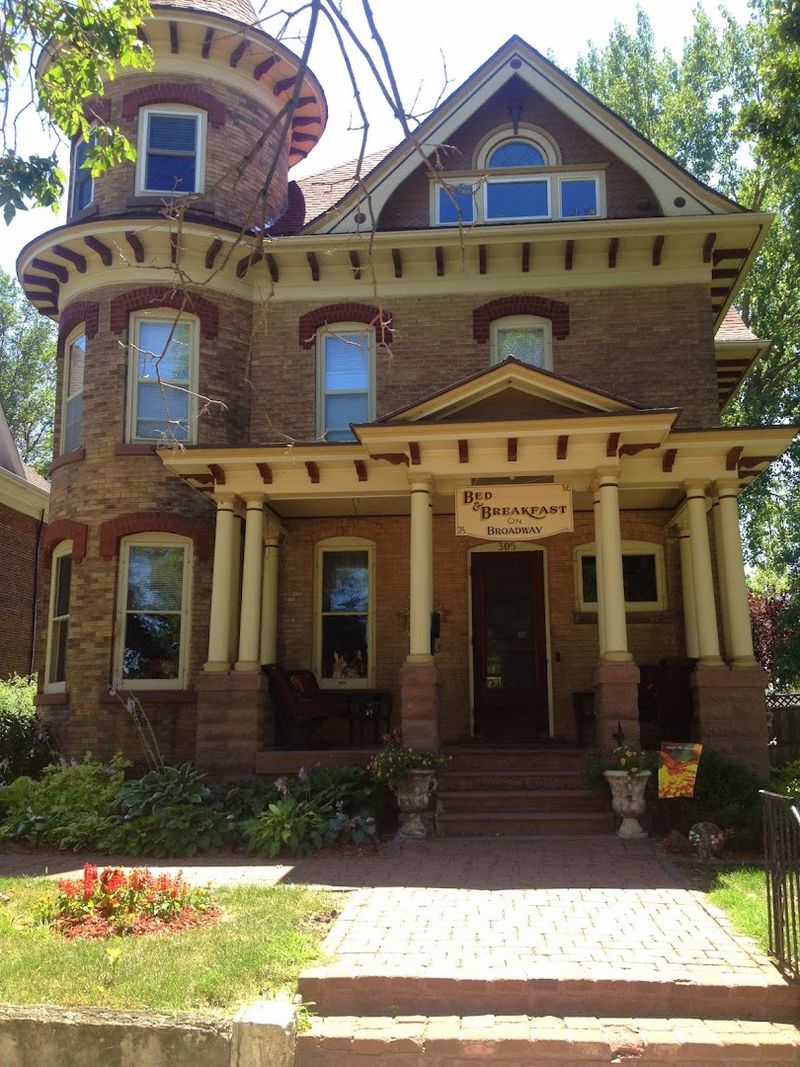
Tucked into the bluffs of northeast Iowa, Decorah is the kind of town that makes you want to move there immediately. Known as the heart of Norwegian-American culture in the Midwest, it hosts the Nordic Fest every July, a celebration of Scandinavian food, music, and traditions that draws visitors from across the country.
The Vesterheim Norwegian-American Museum is the largest museum in the US dedicated to a single immigrant group and admission is very reasonable. Decorah is also a beloved destination for trout fishing, kayaking, and cycling along the scenic Upper Iowa River.
The local brewery scene is surprisingly excellent for a small town. Luther College sits on a gorgeous hilltop campus and hosts free public events throughout the year.
Decorah is the complete package.
Maquoketa Caves State Park
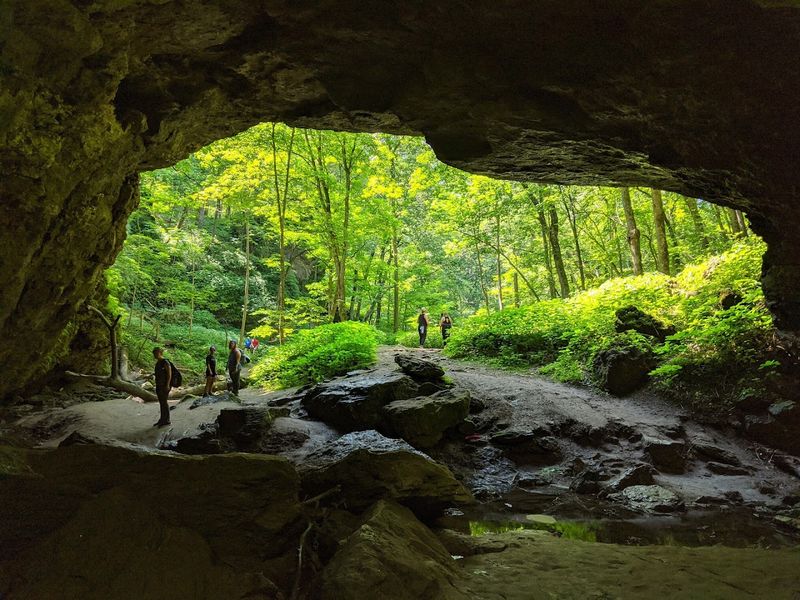
Iowa has caves, and they are spectacular. Maquoketa Caves State Park features the largest concentration of caves open to the public in the state, with over a dozen passages you can actually crawl, squeeze, and hike through.
The experience is equal parts thrilling and slightly claustrophobic in the best possible way.
Some caves require flashlights and a willingness to get muddy, which honestly makes the adventure more fun. The park also has above-ground trails, natural bridges, and dramatic rock formations that are worth the trip on their own.
Admission is affordable, and the park is family-friendly without being boring for adults. I wore my least-favorite jeans and still came out grinning.
Go on a weekday to avoid the crowds and get the full spooky, echoing cave experience.
Backbone State Park
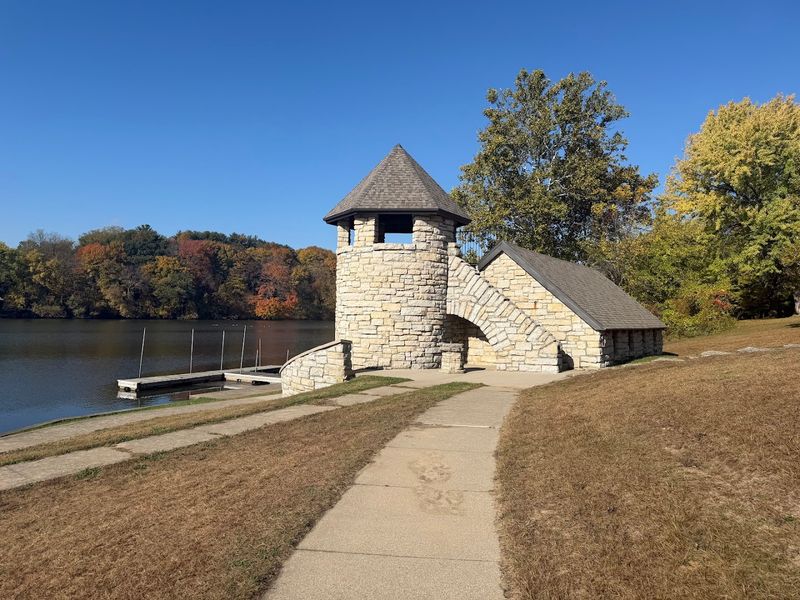
Iowa’s oldest state park has a name that sounds tough, and it absolutely delivers. Backbone State Park gets its name from a narrow, jagged limestone ridge that rises dramatically above the Maquoketa River, and hiking along its spine offers some of the most thrilling trail experiences in the state.
The views are genuinely breathtaking.
The park offers fishing, swimming, camping, and miles of trails ranging from easy strolls to genuinely challenging scrambles. Trout fishing in the cold, clear stream is a beloved pastime here, and the catch rate is reportedly excellent.
The park is affordable to enter and well-maintained. Fall is arguably the best time to visit when the hardwood forests explode in orange and gold.
Backbone is proof that Iowa’s natural beauty gets seriously underestimated by outsiders.
Effigy Mounds National Monument
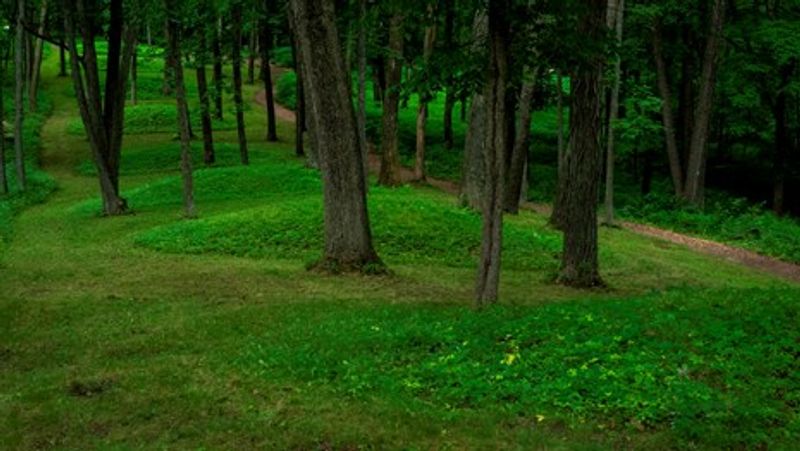
Few places in Iowa carry the quiet, powerful weight of Effigy Mounds National Monument. Built by Indigenous peoples over 2,500 years ago, these earthen mounds are shaped like birds, bears, and other animals and stretch across bluffs overlooking the Mississippi River.
Standing next to them feels like a genuine encounter with ancient history.
The monument has over 200 mounds spread across 2,500 acres of forested bluffs and river bottomlands. Trails wind through the site with interpretive signs that explain the cultural and spiritual significance of the mounds respectfully and thoughtfully.
The visitor center is excellent and entry fees are modest, especially with a national parks pass. Sunrise hikes here are absolutely magical.
This is one of those places that quietly changes how you think about the land you are walking on.
Iowa City
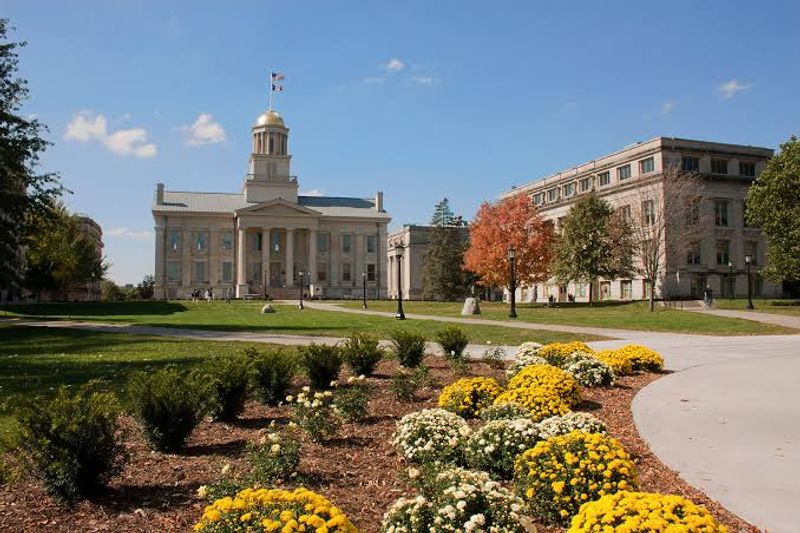
Home to the University of Iowa and the Iowa Writers Workshop, Iowa City has more literary energy per square mile than almost anywhere in the country. The pedestrian-friendly Ped Mall is lined with independent bookstores, coffee shops, and restaurants that cater to students, professors, and curious visitors alike.
The vibe is creative, welcoming, and endlessly interesting.
The University of Iowa campus is gorgeous and completely free to wander. The Museum of Art offers rotating exhibitions at no charge, and the Old Capitol building at the center of campus is a stunning piece of history.
Street performers and outdoor events pop up regularly in warmer months. Iowa City was designated a UNESCO City of Literature, which is a genuinely big deal.
Spend a lazy afternoon browsing Prairie Lights Books and you will understand why writers love this town.
Des Moines
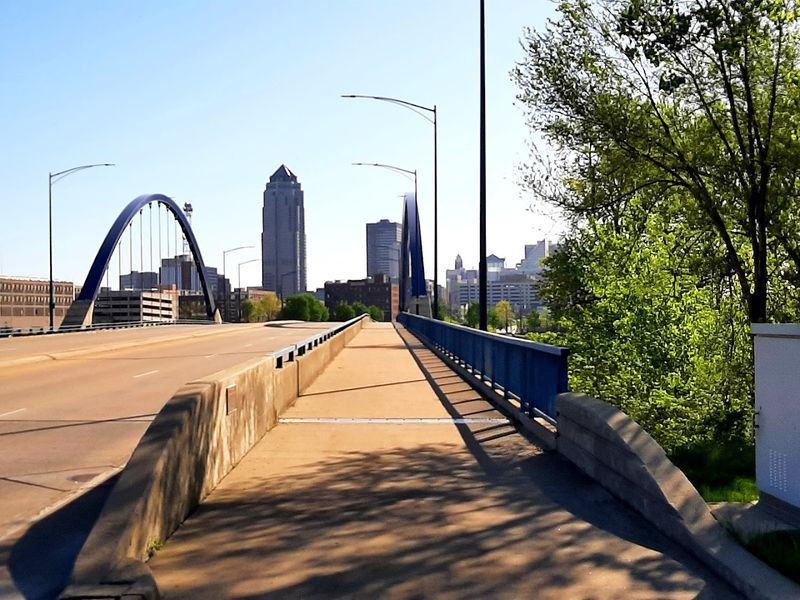
People are always surprised by how much Des Moines punches above its weight. The Iowa State Capitol building, with its stunning gold dome, is free to tour and genuinely one of the most beautiful state capitols in the country.
The Greater Des Moines Botanical Garden and the Science Center of Iowa offer affordable admission for families and solo explorers alike.
The East Village neighborhood is packed with locally owned restaurants, boutiques, and galleries that give the city real personality. The Des Moines Art Center has free general admission and a remarkable permanent collection.
Saturday mornings at the Downtown Farmers Market are a true Des Moines institution, full of local food, live music, and community energy. If you have written off Iowa’s capital as boring, you owe it a proper visit.
It will surprise you.
Madison County
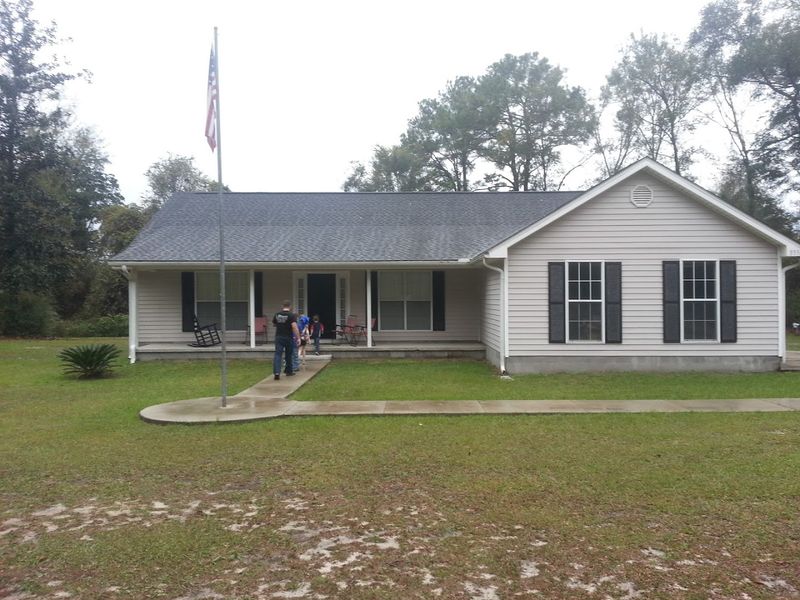
Yes, this is the place from that famous book and movie. Madison County’s covered bridges are the real deal, and visiting them on a crisp autumn afternoon is one of the most purely Iowan experiences you can have.
Six historic covered bridges are still standing, each one more photogenic than the last.
The Bridges of Madison County Museum in Winterset provides great context on the history and construction of these beloved structures. The county itself is rolling, scenic farmland that looks like a painting.
Admission to the bridges is free, and a self-guided driving tour map is easy to find online. Bring a picnic, take your time, and resist the urge to hum Celine Dion while you stand on the wooden planks.
Or do not resist. No judgment here.
Winterset
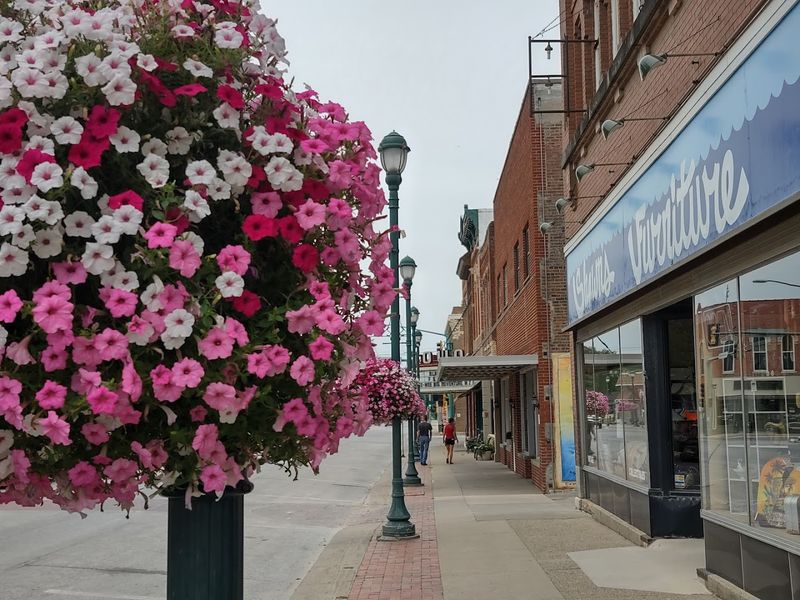
Winterset is a town with a serious claim to fame: it is the birthplace of John Wayne, one of Hollywood’s most iconic stars. The John Wayne Birthplace Museum sits in a modest white cottage and offers a surprisingly moving look at the life of Marion Morrison before he became the Duke.
Admission is very reasonable and the museum is well-curated.
The Winterset town square is one of the prettiest in Iowa, anchored by a handsome courthouse and ringed with local shops and eateries. The area also sits at the heart of Madison County’s covered bridge territory, making it an ideal base for a full day of exploration.
Local restaurants serve classic Midwestern comfort food at prices that feel refreshingly old-school. Winterset is small-town Iowa at its most charming and completely worth the detour.
Loess Hills Scenic Byway
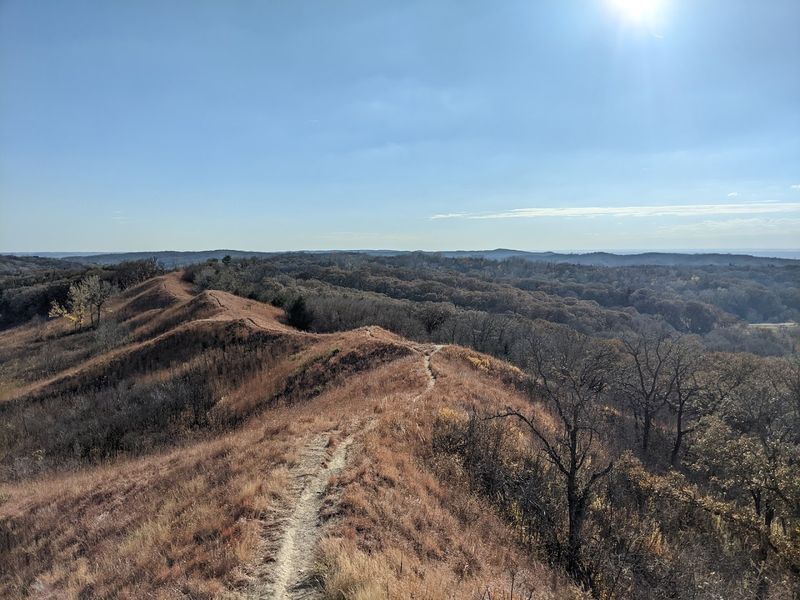
There is nowhere else on Earth quite like the Loess Hills of western Iowa. These wind-deposited silt formations create a landscape of sharply ridged hills that look more like the Badlands than the Midwest.
The Loess Hills Scenic Byway stretches nearly 220 miles along Iowa’s western edge, offering one stunning viewpoint after another.
The hills are home to rare prairie ecosystems and wildlife that thrive in this unique terrain. Pullouts along the byway offer free access to overlooks that will genuinely take your breath away, especially at sunset when the light turns everything amber and gold.
Hitchcock Nature Center near Crescent is a great stop for hiking and wildlife spotting. Driving the byway costs nothing beyond gas.
This is one of those road trips where the journey is entirely the point.
Ledges State Park
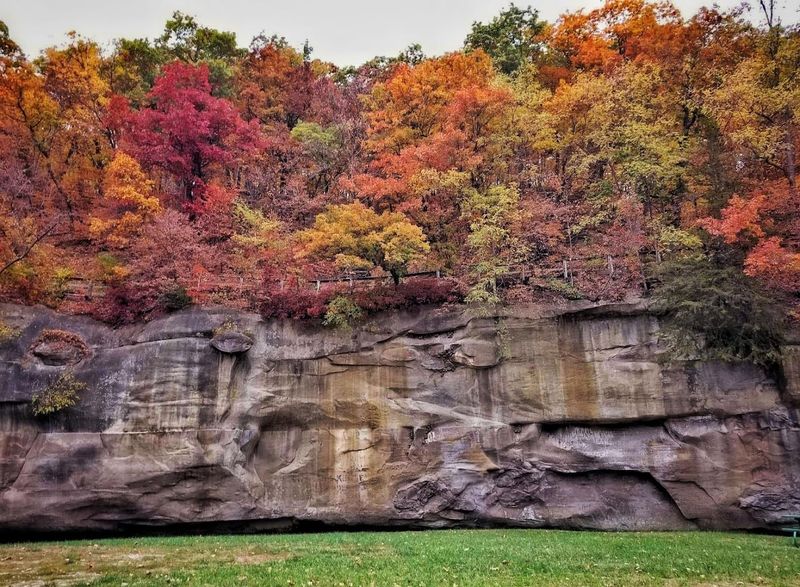
Ledges State Park might be Iowa’s best-kept secret, and I say that knowing full well it is one of the most visited parks in the state. Towering sandstone canyon walls rise dramatically above Pease Creek, creating a landscape that looks like it belongs somewhere far more exotic.
The contrast between the canyon floors and the open prairie above is genuinely surreal.
Hiking trails range from flat and easy to steep and challenging, giving the park broad appeal. The lower ledges are especially dramatic after rain, when small waterfalls cascade down the sandstone faces.
The park is located near Boone, making it an easy add-on to a Des Moines day trip. Entry fees are minimal and the park is open year-round.
Visit in early spring to catch the wildflowers blooming along the canyon walls.
Le Claire
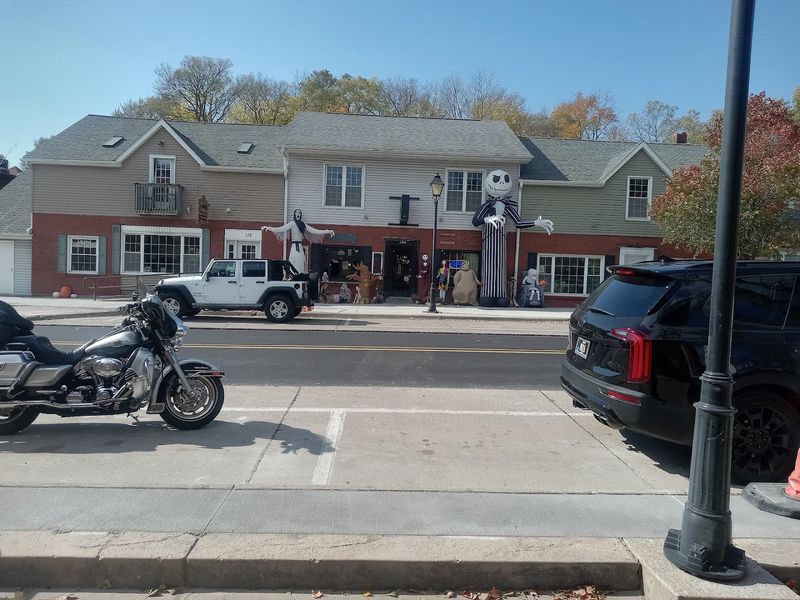
If you have ever watched American Pickers on television, you already know Le Claire. This tiny Mississippi River town is home to Antique Archaeology, the shop made famous by Mike Wolfe and Frank Fritz.
Browsing the store is free, endlessly entertaining, and packed with genuinely fascinating vintage finds from across the country.
Beyond the TV fame, Le Claire has a lovely riverfront park, excellent local restaurants, and a relaxed small-town atmosphere that makes it easy to spend a full day here. Buffalo Bill Cody was born near Le Claire, and the local museum covers both his legend and the town’s rich river history.
The Buffalo Bill Museum is affordable and surprisingly engaging. Le Claire sits just outside the Quad Cities, making it an accessible day trip from a wide swath of eastern Iowa and western Illinois.
Pikes Peak State Park
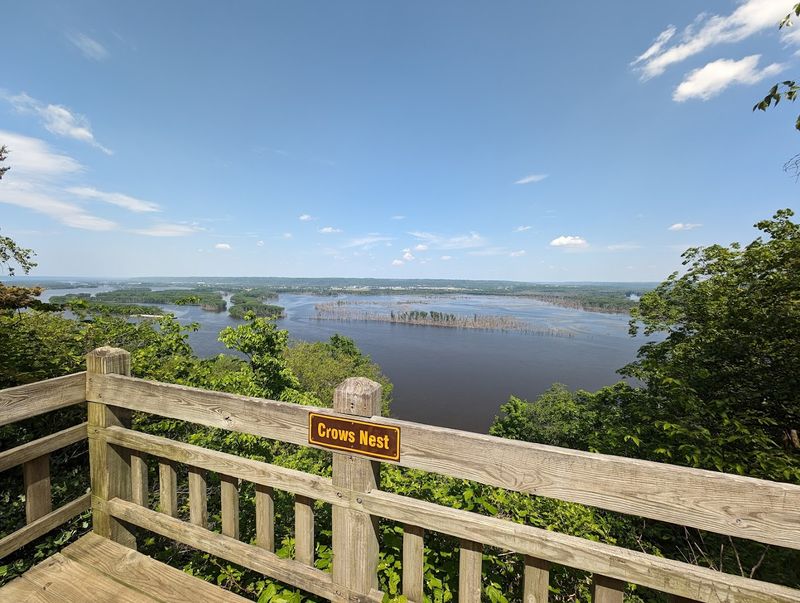
Forget Colorado for a moment. Iowa has its own Pikes Peak, and it sits atop the highest bluff on the entire upper Mississippi River.
The view from the top is one of the most dramatic natural vistas in the Midwest, with the wide river and Wisconsin’s bluffs spreading out below you in stunning panorama. It is completely free to visit.
The park near McGregor offers hiking trails through dense hardwood forests, with overlooks that reward the effort handsomely. The confluence of the Wisconsin and Mississippi Rivers is visible from the peak, a geographic spectacle that early explorers like Marquette and Joliet once marveled at too.
Fall foliage here is extraordinary, drawing photographers from across the region. Combine Pikes Peak with a visit to nearby Effigy Mounds for an unbeatable northeast Iowa day trip itinerary.
The Grotto of the Redemption
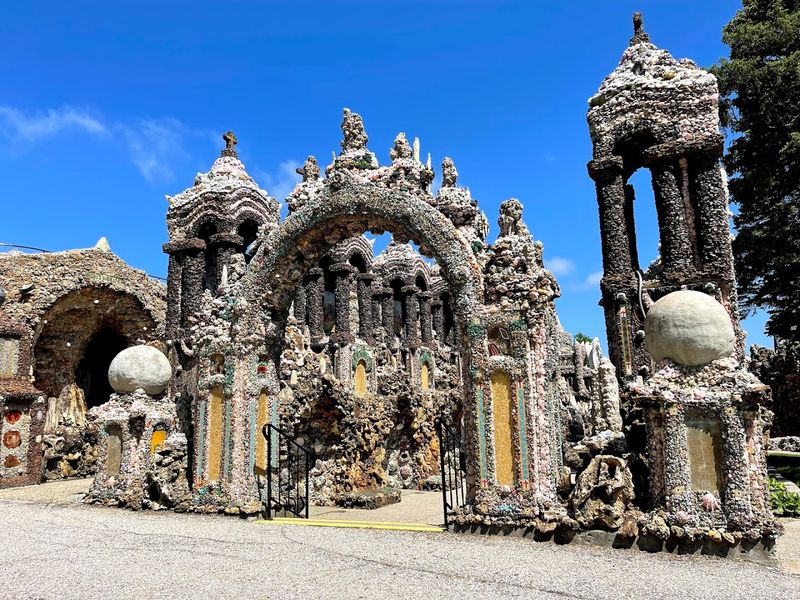
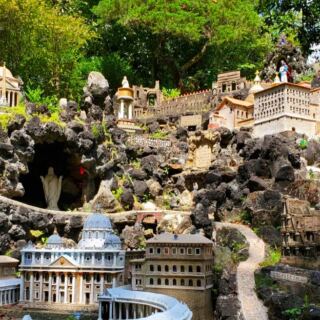
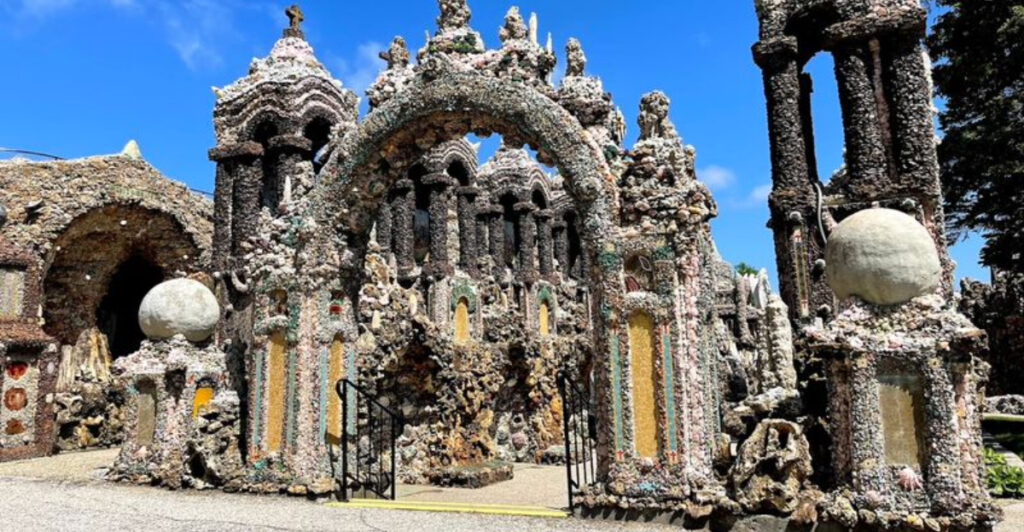
Built by a single Catholic priest over nearly 42 years, the Grotto of the Redemption in West Bend is one of the most extraordinary folk art structures in the world. Father Paul Dobberstein embedded precious stones, minerals, and fossils into nine connected grottos depicting scenes from the life of Christ.
The result is staggering in its detail and ambition.
Geologists estimate the mineral collection embedded in the grotto is worth millions of dollars, including specimens from every continent. The site draws visitors of all faiths who come to marvel at what one determined human being can accomplish with enough time and vision.
Admission is free, though donations are welcomed. The adjacent museum explains the history behind this remarkable project.
The Grotto is genuinely unlike anything else in the Midwest and absolutely earns its spot on this list.
Share this story