Louisiana has a way of pulling you in with the smell of something delicious cooking, the sound of live music drifting down a cobblestone street, and stories that feel too wild to be true. From moss-draped bayous to colorful Creole cottages, this state packs more personality per square mile than almost anywhere else in the country.
The best part? You do not need a big travel budget to experience it all.
Pack a cooler, charge your phone, and get ready for some seriously unforgettable day trips.
1. New Orleans
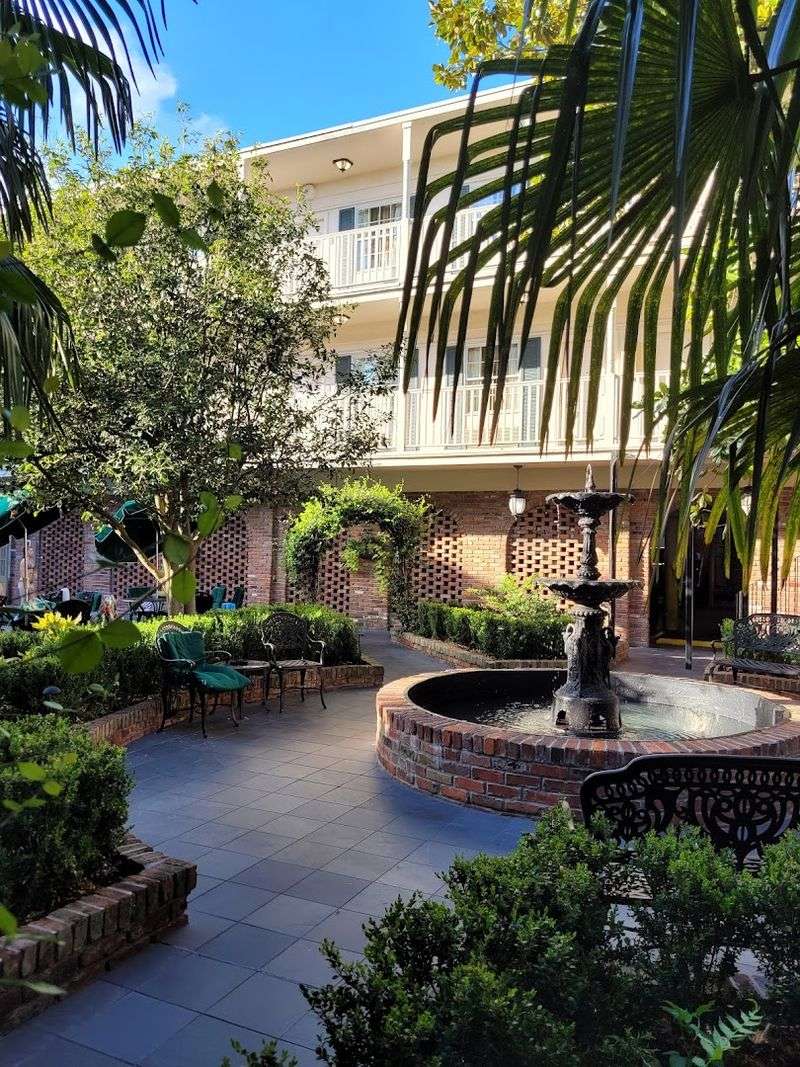
The moment you step onto Bourbon Street, your nose is hit with beignet powder, chicory coffee, and something fried that you absolutely will order. New Orleans is one of those cities that genuinely earns every bit of its legendary reputation.
Jazz spills out of doorways, and strangers smile like they know a secret you do not yet.
The French Quarter alone could fill an entire day with its colorful architecture, street performers, and history around every corner. Stop at Cafe Du Monde for beignets, then wander through the St. Louis Cathedral and Jackson Square without spending a dime.
The city’s free attractions are surprisingly plentiful.
Parking can be tricky, so consider arriving early or using the streetcar. Admission to many museums is affordable, and the food scene has options for every budget.
New Orleans rewards curious wanderers more than almost any other city in the South.
2. Baton Rouge
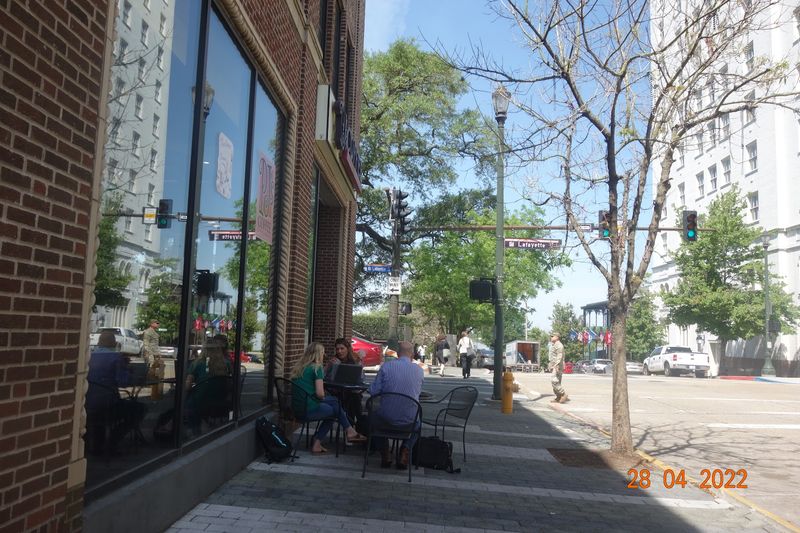
Fun fact: Baton Rouge is home to the tallest state capitol building in the entire country, and you can ride an elevator to the observation deck for free. That alone makes the drive worth it.
The view from the top stretches across the Mississippi River in a way that genuinely stops you mid-sentence.
Beyond the capitol, the USS Kidd Veterans Museum lets you walk the deck of a real WWII destroyer docked right on the riverfront. History fans will feel like kids on a field trip in the best possible way.
The Old State Capitol, a Gothic-style castle downtown, is equally worth a stop.
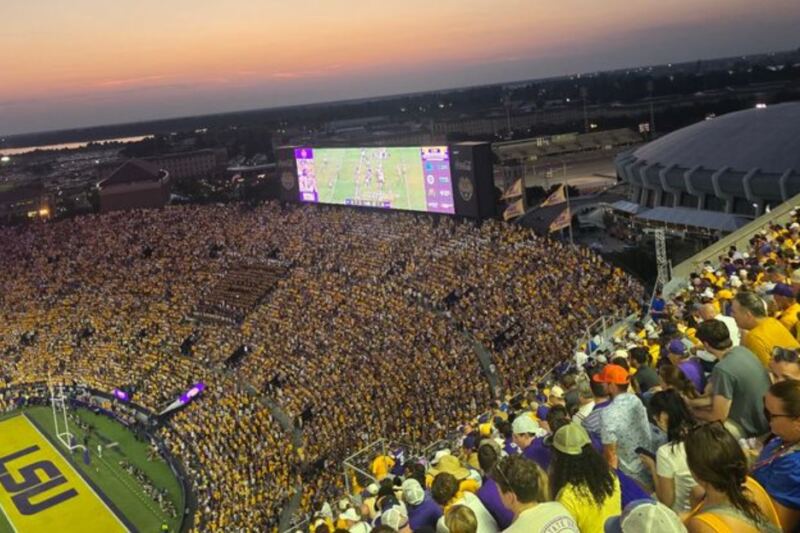
Baton Rouge also has a thriving food scene anchored by LSU tailgate culture, meaning boudin, crawfish, and plate lunches are never far away. Spend an afternoon exploring the arts district on Third Street for a surprisingly hip local vibe.
3. St. Francisville
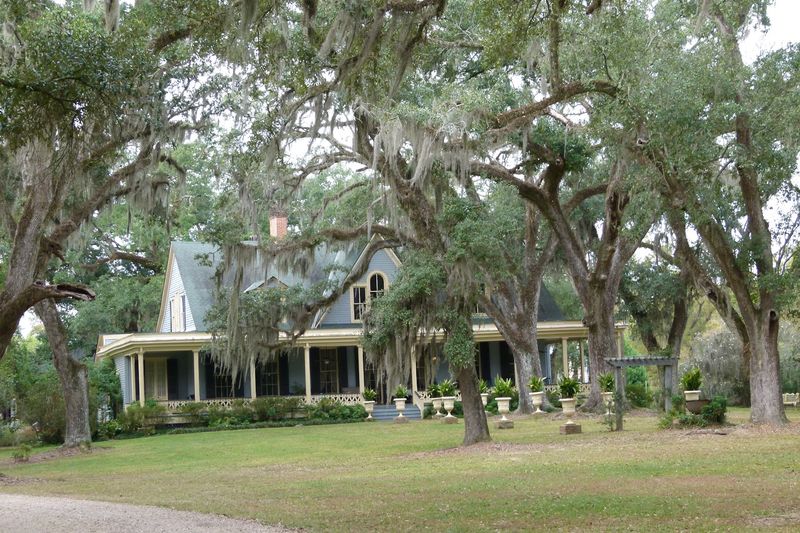
Tucked into the rolling hills of West Feliciana Parish, St. Francisville feels like someone pressed pause on time around 1850 and forgot to press play again. The town is genuinely charming in a way that feels unscripted and totally unhurried.
Spanish moss hangs from every oak like nature’s own curtain call.
The Rosedown Plantation State Historic Site is the crown jewel here, with stunning formal gardens and a beautifully preserved antebellum home. Admission is reasonable, and the grounds alone are worth the trip.
Audubon State Historic Site is another gem, where John James Audubon once painted his famous bird illustrations.
Downtown St. Francisville has a handful of adorable shops and cafes packed into a few blocks, making it easy to browse without burning through your wallet. The whole town has the kind of slow, sweet energy that reminds you why road trips exist in the first place.
4. Natchitoches
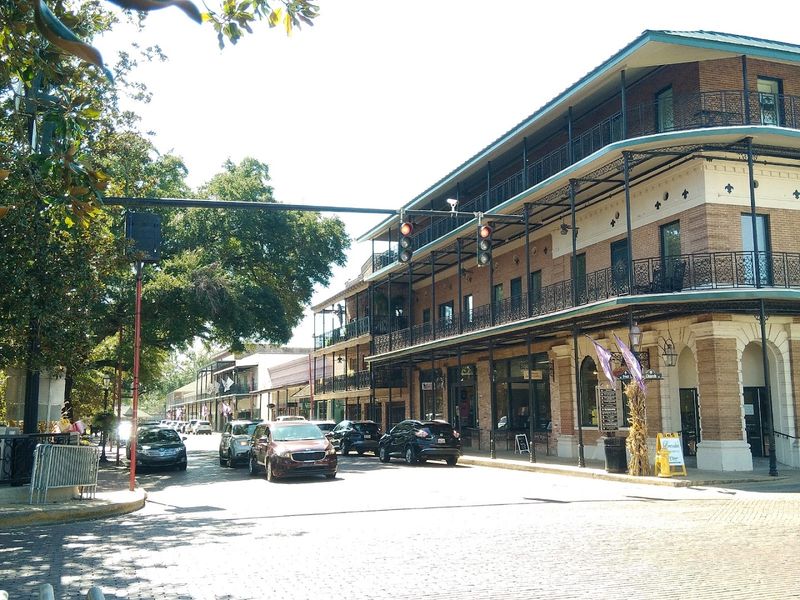
Natchitoches, pronounced NACK-uh-tish because Louisiana loves keeping you on your toes, holds the title of the oldest permanent European settlement in the Louisiana Purchase territory. That is a seriously impressive resume for a town this cozy.
It also inspired the movie Steel Magnolias, which gives it bonus points immediately.
Strolling the historic Front Street along Cane River Lake is completely free and absolutely gorgeous. The brick-paved walkway is lined with Creole cottages, local boutiques, and restaurants serving the town’s famous meat pies.
One bite of a Natchitoches meat pie and you will understand why people drive hours just for that.
The Christmas Festival of Lights held each December draws enormous crowds and transforms the riverbank into a glittering spectacle. But even on a regular weekend, the town has a warmth and character that feels genuinely welcoming.
Budget travelers will find plenty of free activities woven throughout every visit.
5. Lafayette
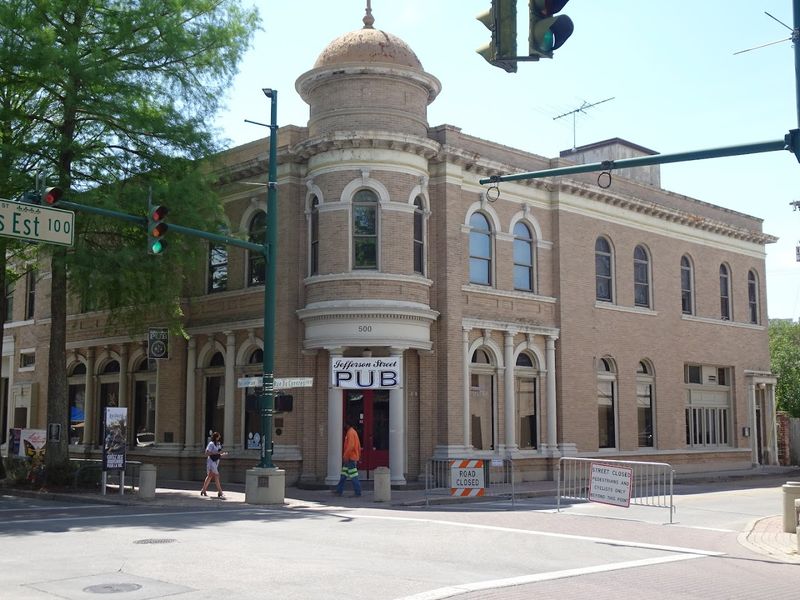
Lafayette is the heartbeat of Cajun Country, and it thumps loudly and deliciously. If you have never heard a live accordion being played by someone who looks like they are having the time of their life, Lafayette will fix that immediately.
The energy here is infectious in the best possible way.
Vermilionville Living History Museum and Folkpark is one of the best cultural experiences in all of Louisiana, offering a walkable outdoor village showcasing Cajun and Creole heritage with live music and cooking demonstrations. Admission is affordable, and you could easily spend three hours without noticing.
The Acadian Cultural Center, part of the Jean Lafitte National system, is free and equally excellent.
Food in Lafayette is not just good, it is a cultural statement. Boudin, cracklins, and crawfish etouffee are staples found at spots that cost less than a fast food combo.
Come hungry and leave with your belt one notch looser.
6. Breaux Bridge
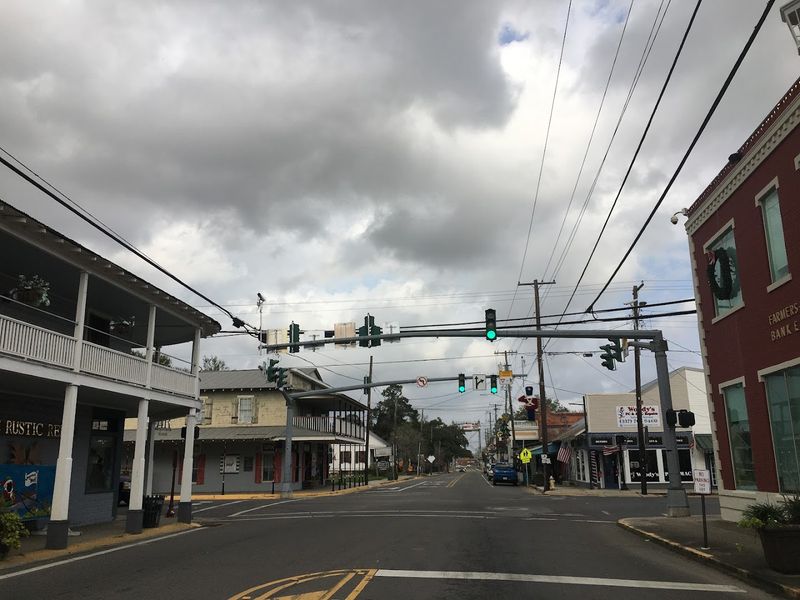
Breaux Bridge calls itself the Crawfish Capital of the World, and honestly, nobody is disputing that title. I once ate a pound of boiled crawfish on a picnic table by Bayou Teche while a man nearby played a fiddle unprompted, and I have been trying to recreate that moment ever since.
This town delivers on atmosphere without even trying.
The downtown area along the bayou is walkable, charming, and full of local shops and Cajun restaurants where the food is outrageously good and surprisingly affordable. Cafe des Amis is legendary for its Saturday Zydeco Breakfast, where people dance between tables before noon.
Yes, that is a real thing and yes, it is wonderful.
The Breaux Bridge Crawfish Festival, held every May, is one of Louisiana’s most beloved events and draws visitors from all over. Even outside festival season, the town rewards a leisurely afternoon of wandering, eating, and soaking up genuine Cajun culture.
7. Avery Island
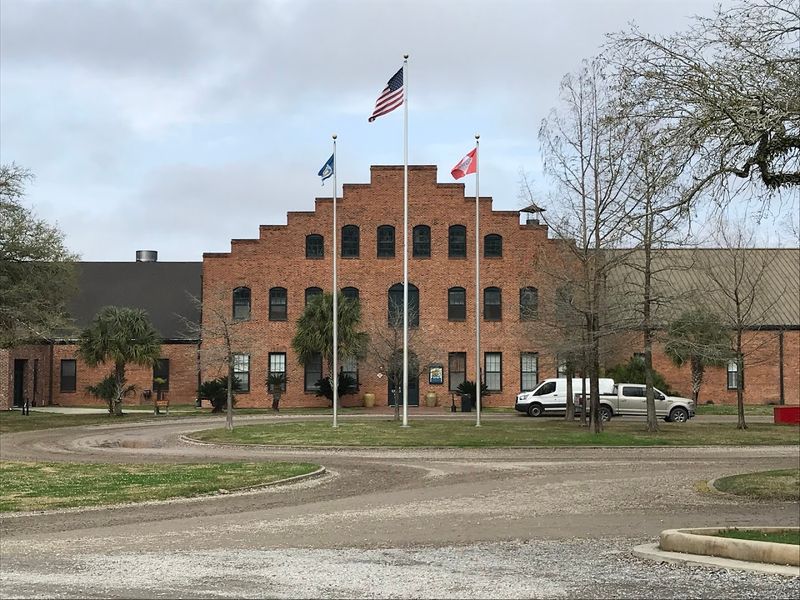
Avery Island is not technically an island but a salt dome rising above the surrounding marshland, which makes it geologically fascinating and a little bit smug about it. It is also the birthplace of Tabasco sauce, which has been made here since 1868 by the McIlhenny family.
Spice history is real history.
The Tabasco factory tour is affordable, entertaining, and ends with a tasting that will recalibrate your entire understanding of hot sauce. The Jungle Gardens on the property are absolutely breathtaking, with ancient oaks, a Buddha statue, and a heron rookery that looks like something out of a nature documentary.
Admission to the gardens is modest and completely worth it.
Bird enthusiasts will lose their minds at Bird City, a dedicated sanctuary within the gardens where thousands of snowy egrets nest seasonally. Avery Island manages to pack a factory tour, botanical garden, and wildlife refuge into one surprisingly compact and affordable day trip destination.
8. Lake Martin
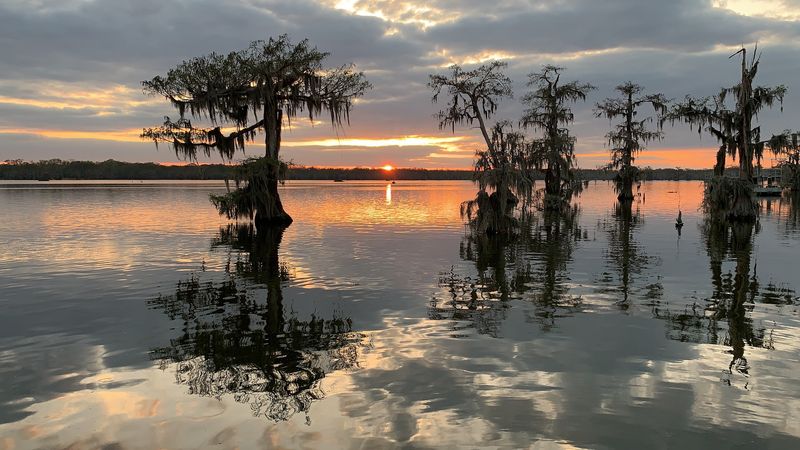
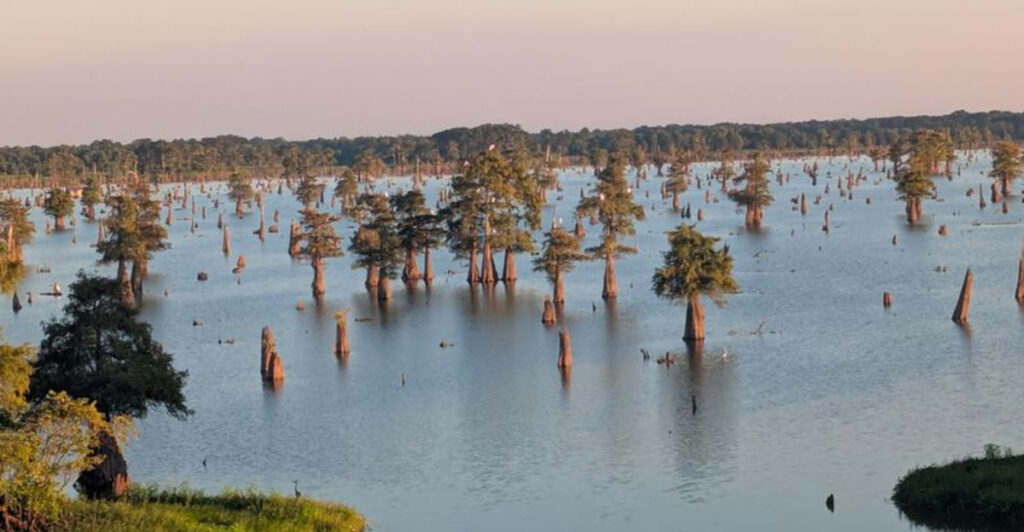
Lake Martin is the kind of place where an alligator slides off a log three feet from your kayak and you somehow feel grateful for the encounter. This cypress swamp near Breaux Bridge is one of the most accessible and visually stunning wetland ecosystems in all of Louisiana.
The silence here is loud in the best way.
A free walking boardwalk skirts the edge of the swamp, offering incredible views of nesting herons, roseate spoonbills, and the occasional very unbothered alligator. The reflections of cypress trees in the dark water look like a painting someone forgot to take off the easel.
Wildlife photographers absolutely lose it here, and rightfully so.
Guided boat tours are available at reasonable prices if you want to get deeper into the swamp with someone who knows which logs are logs and which are not. Spring and early summer bring the most spectacular bird activity, but Lake Martin rewards visitors in every season.
9. Atchafalaya Basin
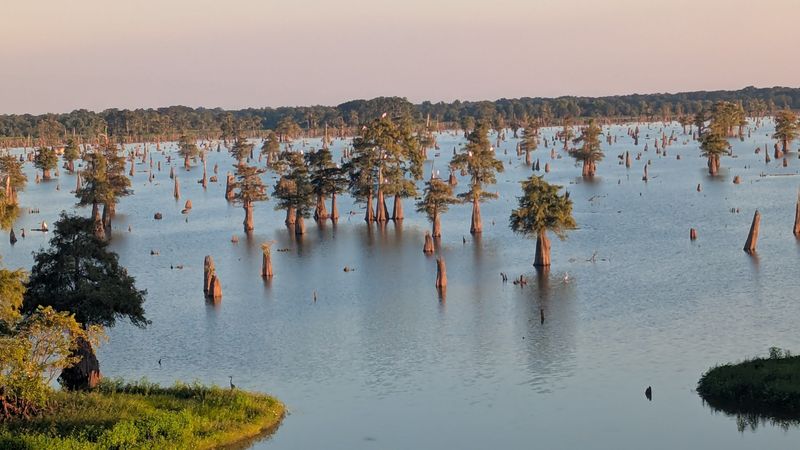
The Atchafalaya Basin is the largest river swamp in the United States, covering nearly one million acres of flooded cypress forest, bayous, and backwater lakes. That is not a small thing.
It is an ecological wonder that most people outside Louisiana have never heard of, which somehow makes it even better.
McGee’s Landing near Henderson is a popular spot for boat tours that take you deep into the basin without requiring your own vessel or navigation skills. The guides here are knowledgeable, funny, and remarkably good at spotting wildlife you would have completely missed.
Prices are reasonable for what amounts to a genuine wilderness adventure.
Fishing in the basin is world-class, and a basic fishing license is inexpensive. Paddling rentals are available for those who prefer a quieter, self-guided experience.
The Atchafalaya rewards patience, and if you sit still long enough, the swamp will eventually show off for you.
10. Houma
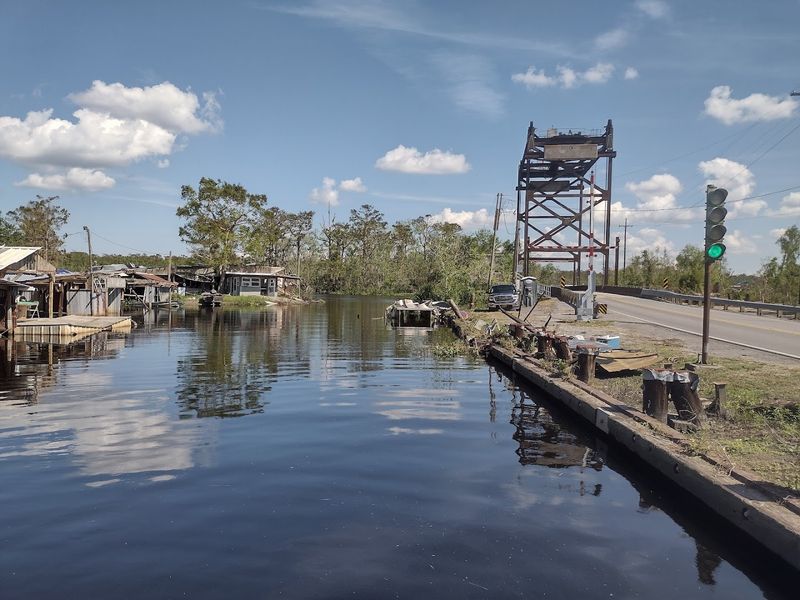
Houma sits at the crossroads of several bayous in Terrebonne Parish, making it one of the most authentically Cajun towns in the entire state. The name comes from the Houma Native American tribe, adding layers of history that stretch well beyond French and Spanish colonial influence.
There is a lot of story packed into this modest city.
Annie Miller’s Son’s Swamp and Marsh Tours is one of the most beloved swamp tour operations in Louisiana, known for guides who practically grew up in the water. You will spot alligators, nutria, and birds while learning about the wetland culture that defines this region.
It is educational, affordable, and genuinely thrilling.
The Bayou Terrebonne Waterlife Museum downtown offers a glimpse into the fishing and trapping heritage of the area, and admission is very budget-friendly. Houma also has several excellent Cajun seafood restaurants where a heaping plate of fried catfish will not break the bank.
11. Grand Isle
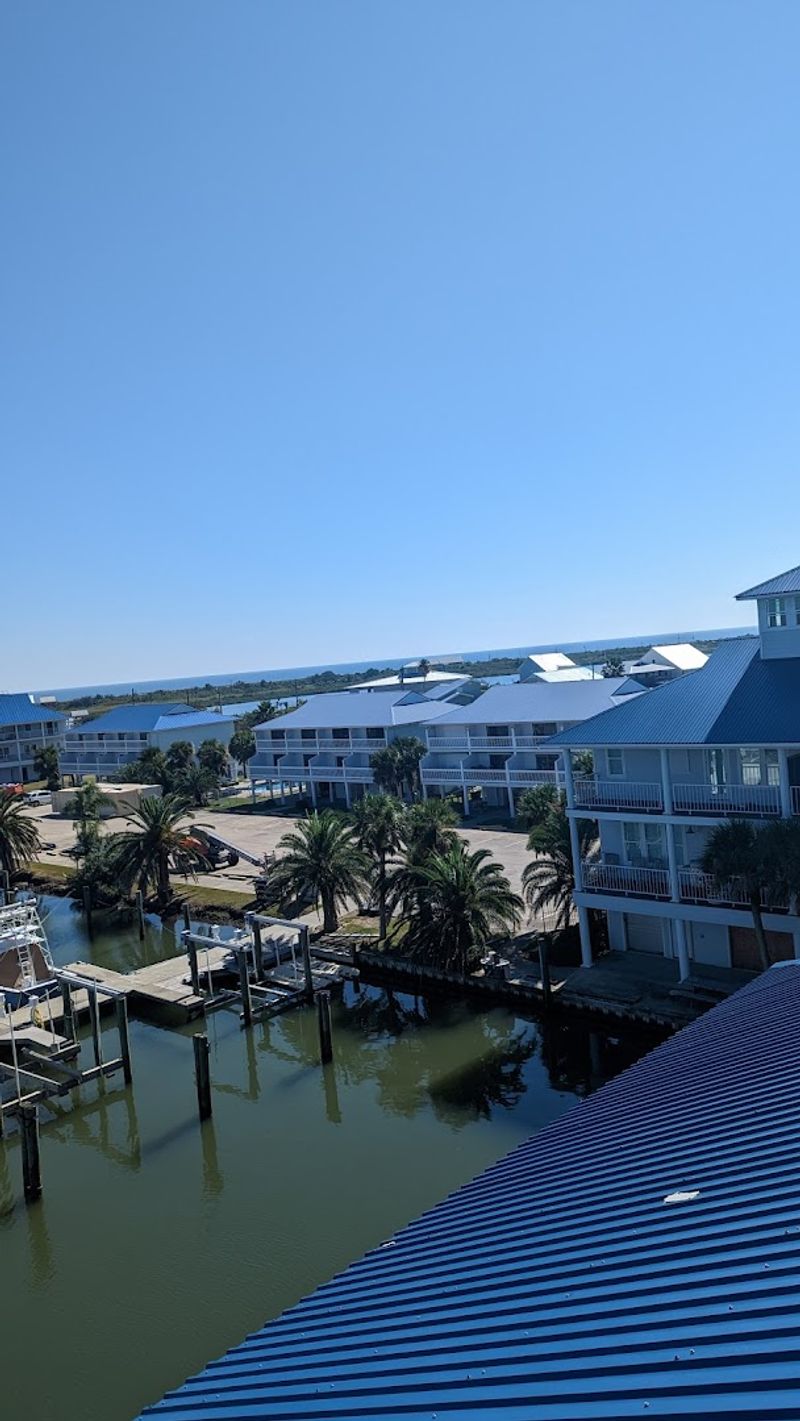
Grand Isle is Louisiana’s only inhabited barrier island, and it wears that distinction with the casual confidence of someone who has survived multiple hurricanes and keeps showing up anyway. The drive down Highway 1 through the marshes is itself one of the most scenic routes in the state.
You feel the world getting quieter with every mile.
Grand Isle State Park offers beach access, fishing piers, and bird watching all in one affordable package. The birding here is spectacular during spring and fall migration, when exhausted songbirds make landfall after crossing the Gulf of Mexico.
Watching a warbler practically fall out of the sky onto a beach shrub is oddly moving.
Fishing is the main event for most visitors, and the waters around Grand Isle are legendary for speckled trout, redfish, and flounder. The island has a handful of casual seafood spots where the catch is fresh and the prices reflect a town that still prioritizes locals over tourists.
12. Poverty Point World Heritage Site
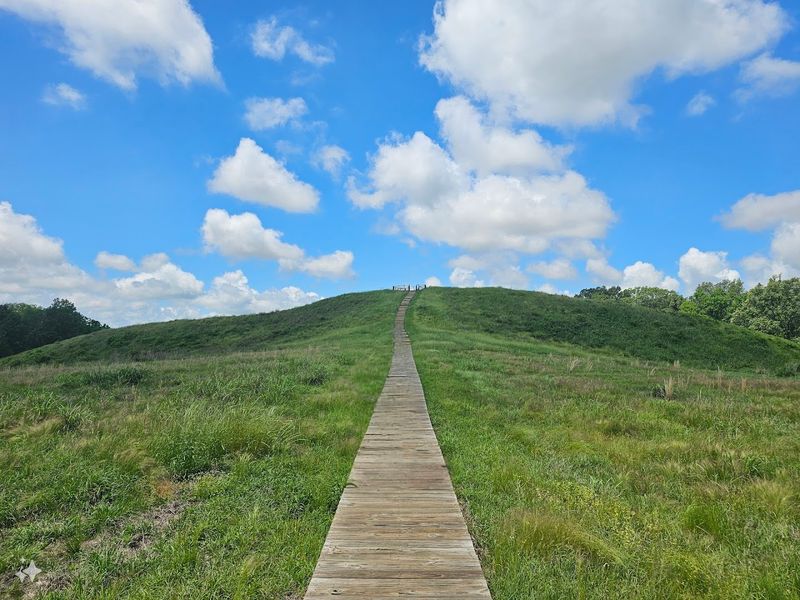
Poverty Point is one of the most mind-bending archaeological sites in North America, and the fact that most people have never heard of it is a genuine mystery. Built around 1700 BCE by a prehistoric culture we know remarkably little about, the earthworks here include massive concentric ridges and mounds that required moving millions of cubic yards of soil by hand.
By hand. Without wheels.
The site earned UNESCO World Heritage status in 2014, placing it alongside the pyramids of Egypt and Stonehenge in terms of global significance. Admission is very affordable, and the interpretive center does an excellent job of making 3,700 years of history feel immediate and relevant.
The tram tour of the mounds is highly recommended.
Poverty Point sits in northeastern Louisiana near the town of Pioneer, making it a slightly longer drive from major cities but absolutely worth the effort. History nerds will feel like they have found a secret the rest of the country forgot to notice.
13. Abita Springs
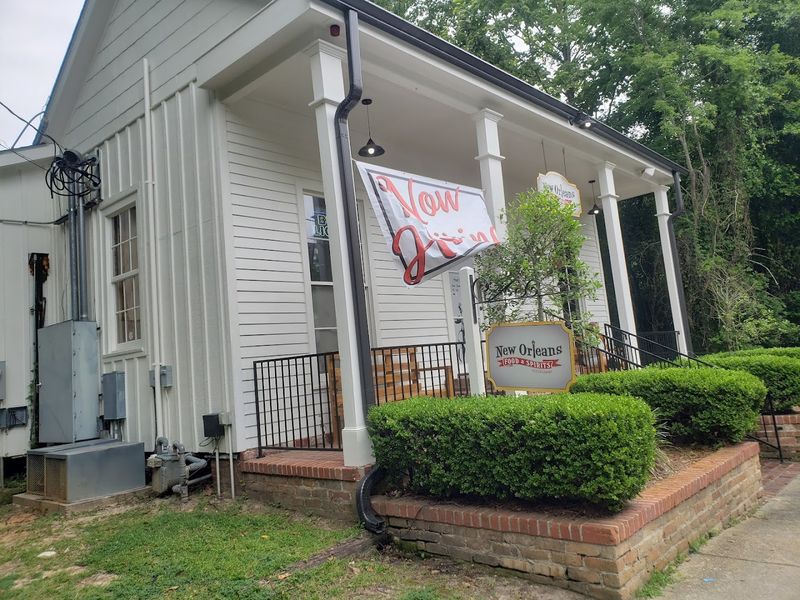
Abita Springs is the quirky, creative cousin of the North Shore towns, and it leans into that identity with tremendous enthusiasm. The town is famous for two things: its artesian spring water and the Abita Brewing Company, which has been turning that legendary water into craft beer since 1986.
Both are worth sampling.
The Abita Mystery House, also known as UCM Museum, is one of the strangest and most delightful roadside attractions in Louisiana. Created by artist John Preble, it features a miniature Mardi Gras village, a half-alligator half-car sculpture called the Buford the Bassigator, and an entire room of bizarre folk art.
Admission is just a few dollars and every penny feels like a bargain.
The Tammany Trace bike trail passes right through Abita Springs, connecting it to Covington and other North Shore towns along a scenic 31-mile route. Pack a picnic, rent a bike, and spend the day exploring at whatever pace your legs allow.
14. Covington
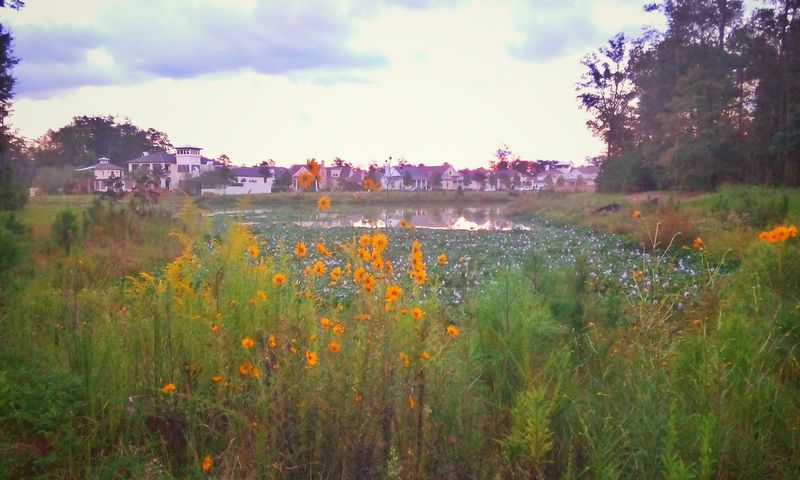
Covington has the kind of downtown that makes you want to slow down, park the car, and just wander. The streets near the Bogue Falaya River are lined with independent boutiques, art galleries, and restaurants that feel like they were designed for a long, unhurried Saturday.
It is the North Shore’s most polished small-town gem.
The arts community here is thriving and surprisingly visible, with galleries like the Covington Three Rivers Art Festival drawing regional talent each spring. Even on non-festival weekends, the downtown arts district is worth exploring.
Several galleries offer free admission, making it easy to spend hours appreciating local work without spending a dollar.
Bogue Falaya Wayside Park is a favorite local hangout where families wade in the river, dogs splash happily, and picnic tables fill up early on weekends. The food scene in Covington skews upscale but still has plenty of affordable lunch options.
It pairs beautifully with a stop in nearby Abita Springs for a full North Shore day.
15. Jean Lafitte National Historical Park and Preserve
Named after the famous privateer who helped defend New Orleans in 1815, Jean Lafitte National Historical Park and Preserve is actually six separate sites spread across southern Louisiana, each telling a different piece of the region’s cultural and natural story. The best part?
Admission is completely free at every single unit. Jean Lafitte was a pirate with surprisingly good public land policy.
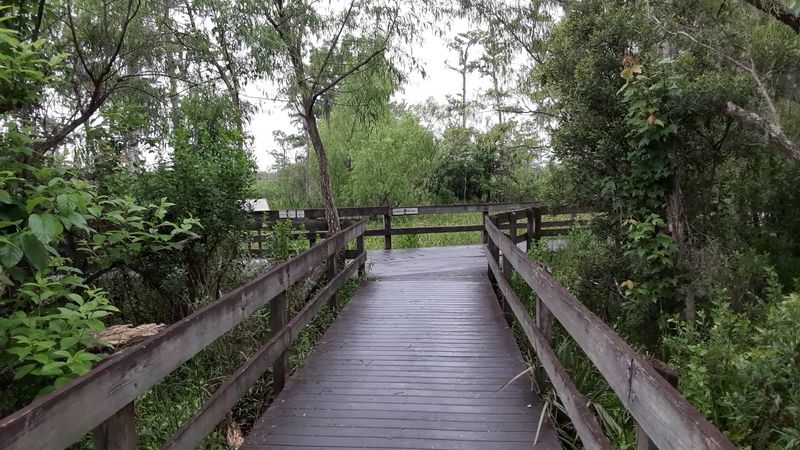
The Barataria Preserve unit near Marrero is the crown jewel for nature lovers, offering nine miles of trails through swamp, marsh, and bottomland forest teeming with alligators, turtles, and birds. The boardwalk trail is well-maintained and accessible, making it a great option for families with kids.
Early morning visits reward you with mist rising off the water and birds actively hunting breakfast.
The French Quarter Visitor Center in New Orleans and the Acadian Cultural Center in Lafayette are also part of this park system. Together, these sites offer one of the most affordable and comprehensive introductions to Louisiana’s layered cultural heritage anywhere in the state.
16. St. Martinville
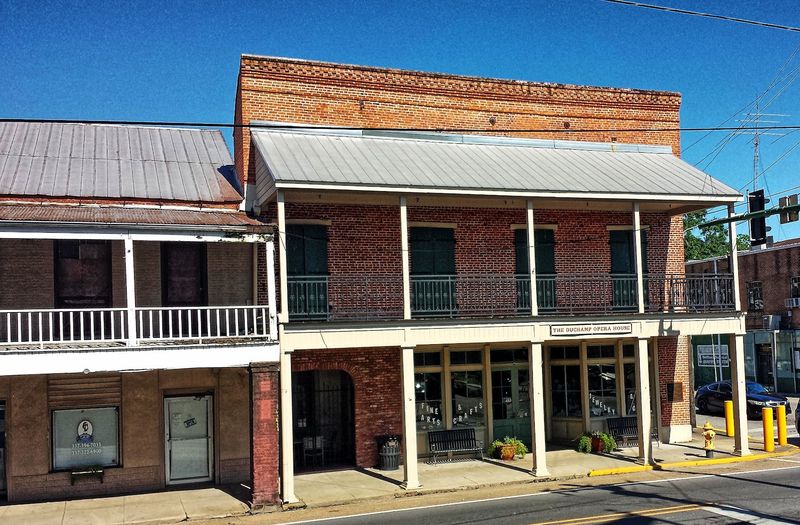
St. Martinville is where Louisiana’s most famous legend lives, quite literally rooted in place. The Evangeline Oak, an ancient live oak beside Bayou Teche, marks the spot where the real Emmeline Labiche, the inspiration for Longfellow’s poem Evangeline, reportedly waited for her lost love after being exiled from Nova Scotia.
Standing beneath it feels genuinely cinematic.
The African American Museum of St. Martinville, housed in a historic church, offers a deeply moving and important look at the Creole of Color community that shaped this region’s culture, food, and music. Admission is minimal, and the experience is unforgettable.
It is the kind of place that quietly reframes everything you thought you knew about Louisiana history.
The town’s main square, anchored by St. Martin de Tours Catholic Church, one of the oldest Catholic parishes in Louisiana, is a peaceful spot to sit and absorb the atmosphere. St. Martinville is small, slow, and absolutely worth every mile of the drive.
Share this story