Most travelers come to Montana for Yellowstone or Glacier, then leave without seeing some of the state’s most memorable places. Beyond the famous parks are abandoned mining towns, underground caverns, crystal-digging sites, ancient forests, and canyon landscapes that feel completely disconnected from the typical tourist route.
Many of these spots are surprisingly close to major highways, yet they remain overlooked because visitors rarely venture beyond the best-known attractions. Some require a gravel road or a short hike, but the payoff is often fewer crowds and a side of Montana that feels far more raw and unpredictable.
This list is for travelers who want something different from the standard postcard stops. If you are willing to take a few detours, Montana opens up in ways most visitors never expect.
1. Kootenai Falls, Libby, Montana
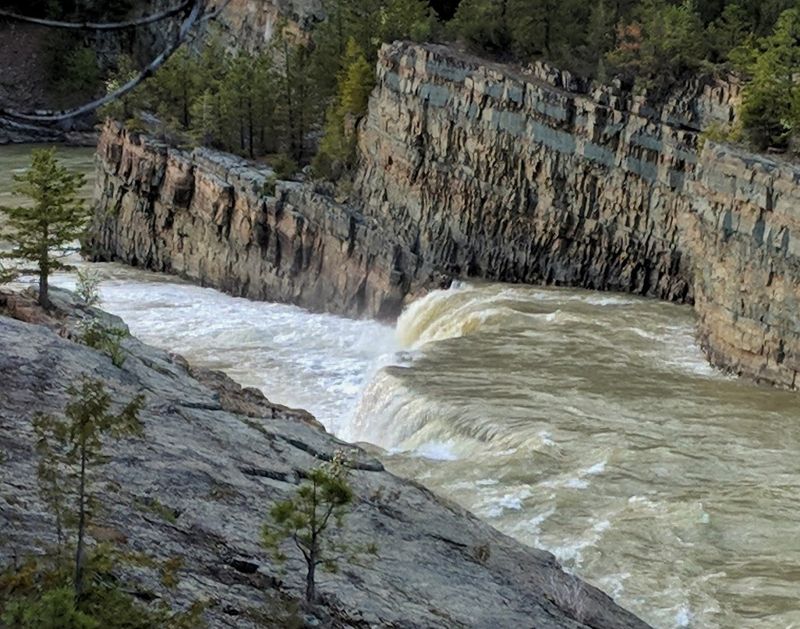
Most waterfalls in Montana require a serious hike to reach. Kootenai Falls sits just half a mile from Highway 2, which means you can go from car door to canyon overlook in under 15 minutes.
What you find at the end of that short trail is one of the largest free-flowing waterfalls in the entire Pacific Northwest, a roaring torrent of blue-green water cutting through a dramatic rocky gorge. The swinging bridge that crosses the Kootenai River nearby was actually featured in the film “The River Wild,” so there is a bit of movie history mixed in with the geology.
Wildlife sightings along the trail are common, and the canyon walls offer several good vantage points for photography. Libby is a small town with genuine western character, so pairing a falls visit with a stop in town makes for a well-rounded afternoon.
Pack a lunch and make a day of it.
2. Medicine Rocks State Park, Ekalaka, Montana
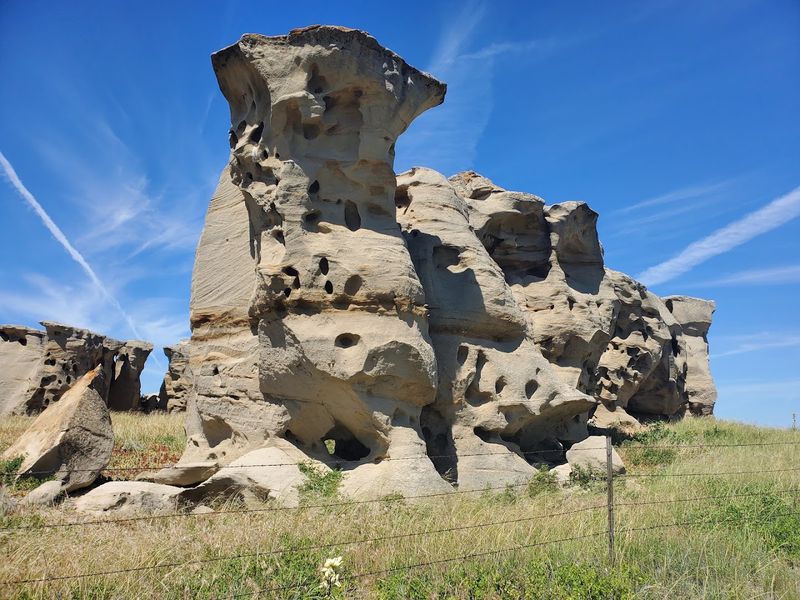
Far out in the southeastern corner of Montana, near the tiny town of Ekalaka, a collection of sandstone formations rises from the prairie like something a giant sculptor left unfinished. Medicine Rocks State Park does not appear on most Montana itineraries, which is a genuine shame.
Wind and water carved these rocks into shapes with hollow chambers, arches, and narrow passages over thousands of years. Indigenous tribes and early travelers considered this place spiritually powerful, and the park’s name reflects that long history of reverence.
Theodore Roosevelt visited the area in the 1880s and described it as a place of “fantastically beautiful” scenery, so the appreciation for this spot goes back a long way. Camping is available on-site, and the night skies out here rank among the darkest in the state thanks to minimal light pollution.
Bring a camera, bring curiosity, and leave plenty of time to wander between the formations.
3. Polebridge, Montana
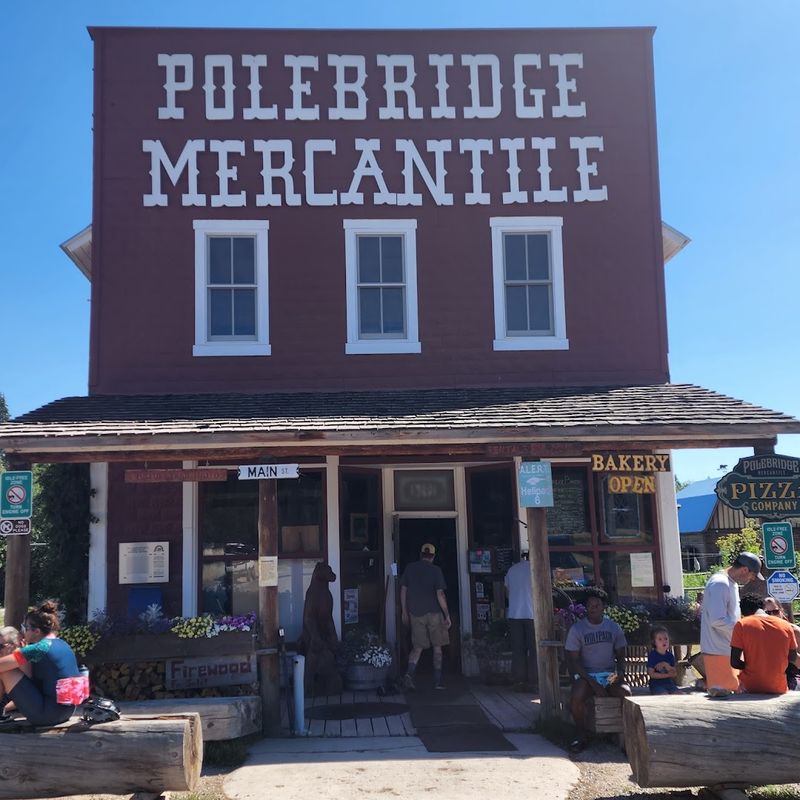
There are very few places left in America where you can honestly say there is no cell service, no chain restaurants, and no traffic lights for miles in every direction. Polebridge is one of them, and that is precisely the point.
This tiny off-grid community sits just outside the North Fork area of Glacier National Park, reachable by a long stretch of unpaved road that keeps the casual tourist crowd thin. The Polebridge Mercantile, a beloved wooden store that has operated for decades, sells homemade baked goods, basic supplies, and a whole lot of charm.
The surrounding landscape offers access to some of Glacier’s least-visited trails and camping spots. Because most visitors enter Glacier from the Going-to-the-Sun Road corridor, the North Fork area stays refreshingly quiet.
If your idea of a perfect trip involves more stars than streetlights and more moose than minivans, Polebridge belongs at the top of your list.
4. Garnet Ghost Town, Garnet, Montana
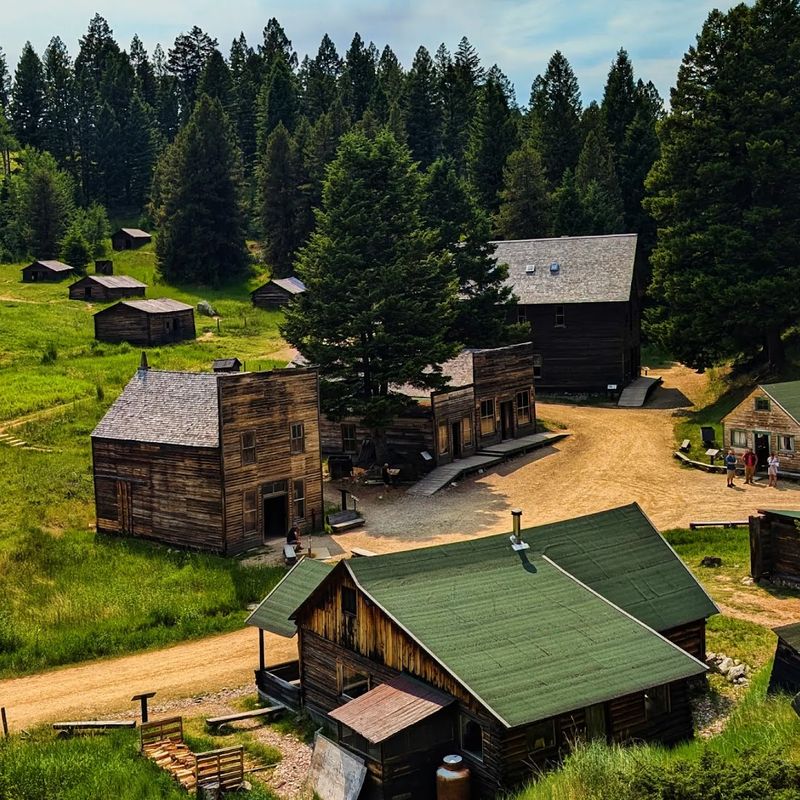
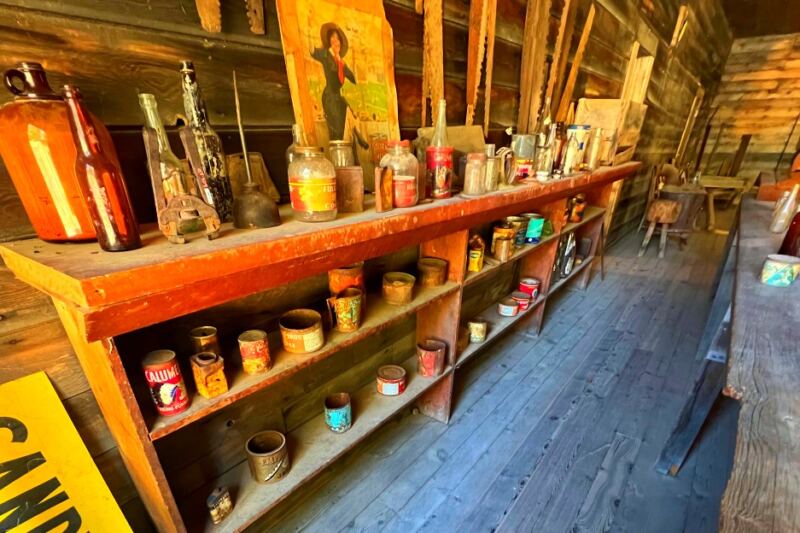
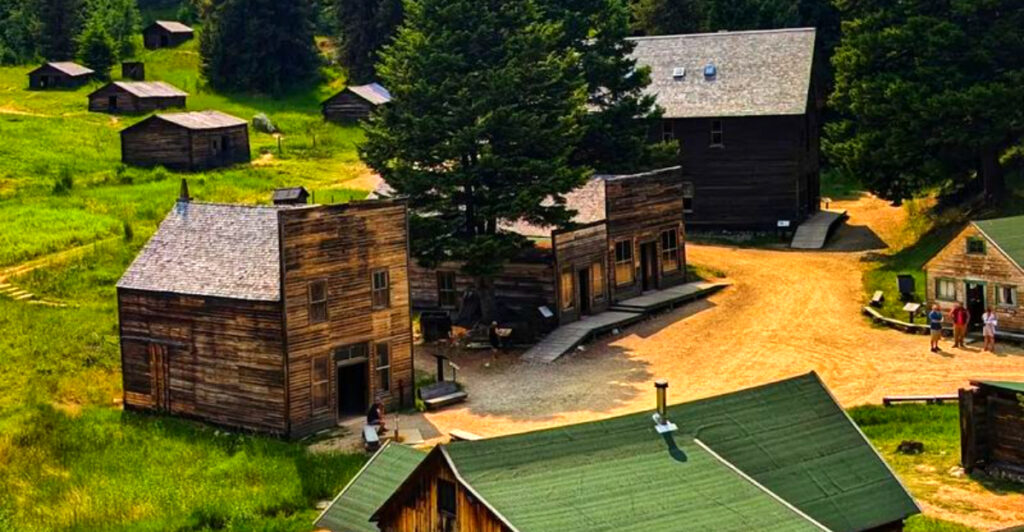
Gold fever built Garnet, and time has done a surprisingly good job of preserving what was left behind. Tucked deep in the Garnet Mountain Range east of Missoula, this is widely considered Montana’s most intact ghost town, with around 30 original structures still standing.
You can walk through the remains of a hotel, a jail, a post office, and dozens of weathered cabins without a tour guide telling you where to look. The place invites you to explore at your own pace, which makes every discovery feel personal.
In winter, the Bureau of Land Management actually opens the area for snowmobile access, so the fun does not end when the temperature drops. Summer visits are more accessible by regular vehicle, though the road gets rough toward the end.
Plan at least two hours here, because the sheer number of intact buildings rewards slow, curious exploration.
5. Bighorn Canyon National Recreation Area, Fort Smith, Montana
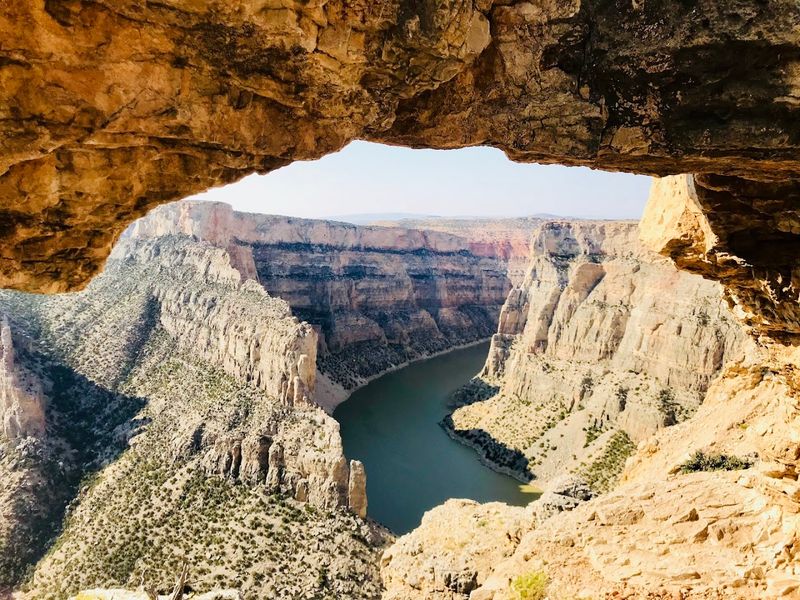
People picture forests and snow-capped peaks when they think of Montana, which means Bighorn Canyon catches nearly everyone off guard. The canyon walls here rise dramatically above the Bighorn Lake reservoir, creating a landscape that looks more like the American Southwest than the northern Rockies.
Boating, fishing, and kayaking are popular on the reservoir, and the surrounding area has hiking trails that wind through badlands terrain and open grasslands. Wildlife sightings are a real highlight, with wild horses, bighorn sheep, pronghorn, and bald eagles all making regular appearances in the area.
The recreation area straddles the Montana-Wyoming border, giving it an interesting dual identity that most visitors do not realize. The Fort Smith side in Montana offers boat launches, campgrounds, and some genuinely spectacular canyon overlooks that see only a fraction of the visitors that larger national parks attract.
Budget at least a full day, and consider an early morning boat trip for the best wildlife viewing conditions.
6. Lewis and Clark Caverns State Park, Whitehall, Montana
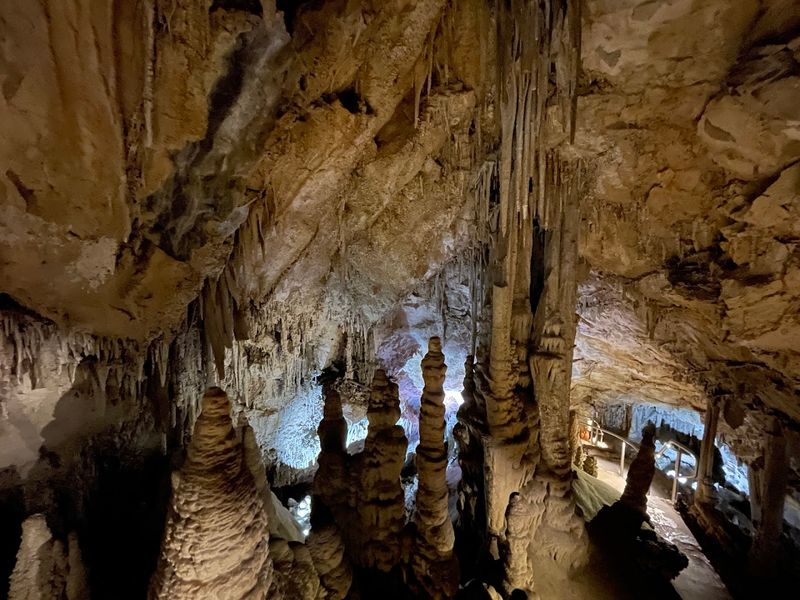
Montana’s oldest state park hides one of the most impressive underground landscapes in the entire Northwest, and yet it consistently flies under the radar of visitors focused on the state’s above-ground scenery. Lewis and Clark Caverns contains massive limestone chambers filled with stalactites, stalagmites, and twisted formations built up over millions of years.
Guided tours run regularly through the warmer months and take visitors through a series of connected chambers that vary dramatically in size and shape. The tours involve some crawling and crouching in tighter passages, which adds a genuine sense of adventure that pushes this well beyond a typical visitor center experience.
Above ground, the park sits in a scenic stretch of the Jefferson River valley with hiking trails and a campground that fills up on summer weekends. The cave maintains a consistent cool temperature year-round, making it a welcome escape on hot Montana afternoons.
Reservations for tours are strongly recommended during July and August.
7. Virginia City, Virginia City, Montana
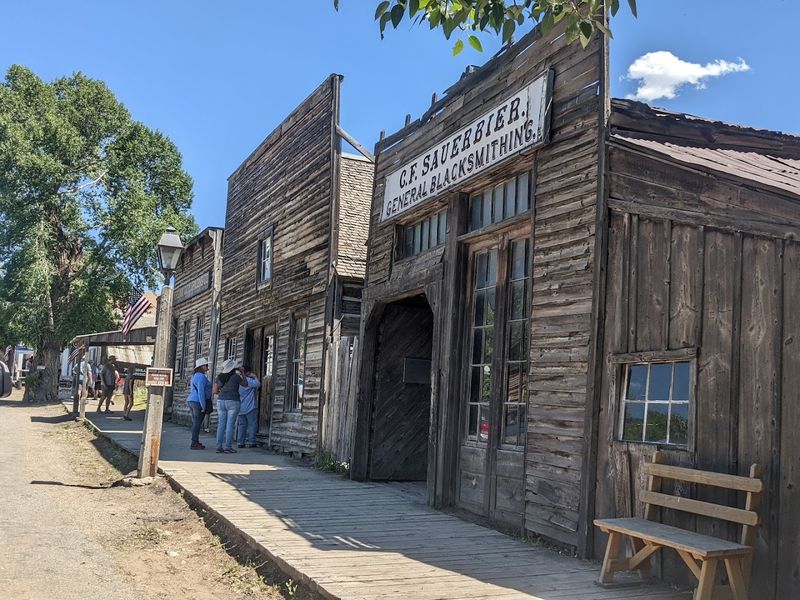
A lot of towns in the American West claim to preserve gold rush history, but Virginia City in Montana actually delivers on that promise without dressing everything up in theme-park polish. This National Historic Landmark has been carefully preserved rather than reconstructed, meaning the weathered buildings, original storefronts, and wooden boardwalks are genuinely old.
The town served as Montana’s territorial capital in the 1860s and was one of the most important settlements during the region’s gold rush era. Today, visitors can tour historic buildings, browse small shops, and catch old-fashioned entertainment at the local theater during summer months.
The nearby town of Nevada City, just a mile away, adds even more historic buildings and an outdoor museum of relocated frontier structures. Virginia City draws a loyal crowd of history buffs and road trippers who appreciate authenticity over spectacle.
The pace here is slow, the history is rich, and the experience rewards visitors who take time to read the signs and ask questions.
8. Makoshika State Park, Glendive, Montana
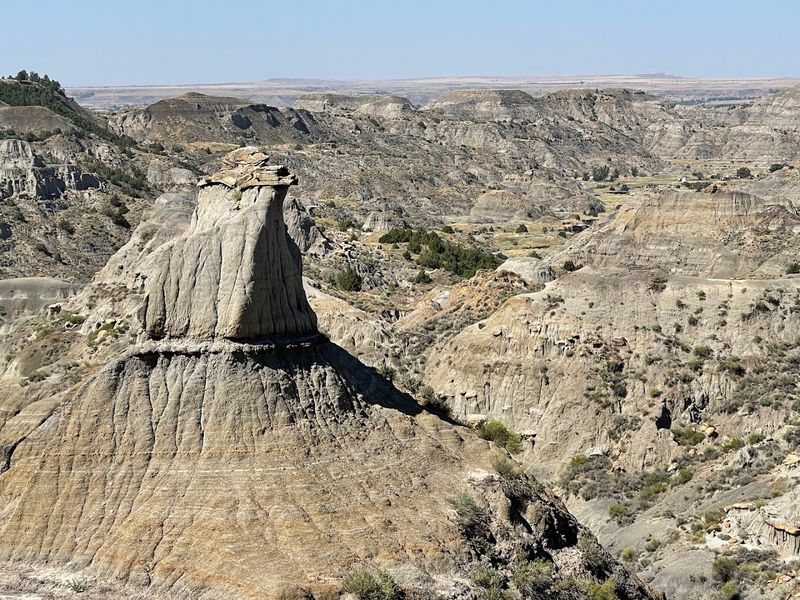
Montana’s largest state park sits right on the edge of Glendive in the eastern part of the state, yet it barely registers on most Montana travel lists. Makoshika, a name derived from a Lakota phrase roughly meaning “bad land” or “bad earth,” covers more than 11,000 acres of some of the most dramatic terrain in the northern Plains.
Badlands geology dominates the landscape here, with eroded buttes, gullies, and rock formations that shift color depending on the time of day. The park has also yielded significant dinosaur fossil discoveries over the years, including Triceratops and Tyrannosaurus rex remains, and a small visitor center displays some of the finds.
Hiking trails range from short, easy walks to longer routes that take you deep into the backcountry formations. Because most Montana visitors head west toward the Rockies, eastern Montana’s badlands stay remarkably uncrowded.
Makoshika offers a genuine wilderness experience without requiring any special permits or long drives on unpaved roads.
9. Holland Lake, Condon, Montana
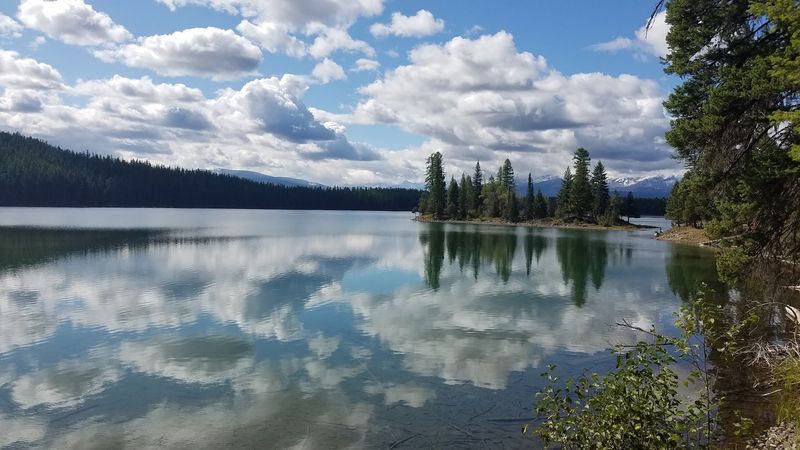
Tucked into the Swan Valley between the Mission Mountains and the Bob Marshall Wilderness, Holland Lake offers a combination of scenery and accessibility that is hard to beat anywhere in western Montana. The lake itself is clear and cold, backed by a wall of forested peaks that makes every photograph look almost too good to be real.
The Holland Falls National Recreation Trail starts near the campground and covers about two miles round trip to reach a beautiful waterfall tumbling down a rocky cliff face above the lake. The hike is manageable for most fitness levels, which makes it popular with families and casual hikers who want a rewarding payoff without an exhausting climb.
Kayaking and canoeing on the lake are popular in summer, and the Holland Lake Lodge has operated as a backcountry retreat for decades. The Swan Valley corridor leading to the lake passes through farmland and forest, making the drive itself a worthwhile part of the experience.
Arrive early on summer weekends to secure a good campsite.
10. Crystal Park, Dillon, Montana
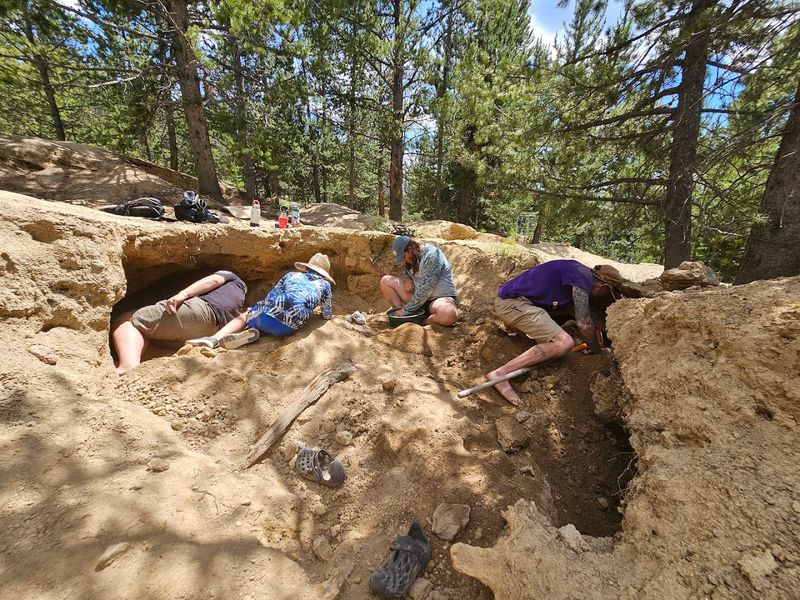
Somewhere in the Beaverhead Mountains southwest of Dillon, there is a patch of alpine ground where ordinary visitors can dig up actual quartz crystals and take them home for free. Crystal Park is managed by the Beaverhead-Deerlodge National Forest and is one of the few public sites in the country where recreational crystal collecting is actively encouraged.
The crystals found here are primarily quartz and amethyst varieties, ranging from tiny fragments to impressive multi-inch specimens depending on how dedicated your digging gets. Families with kids find the activity genuinely exciting because the reward is tangible and the search feels like a real treasure hunt.
The site sits at an elevation of around 7,800 feet, so the surrounding alpine scenery adds a lot to the experience. Basic tools like small shovels and trowels are recommended, and the Forest Service asks visitors to take only what they can carry and leave the site in good condition.
11. Ross Creek Cedars Scenic Area, Troy, Montana
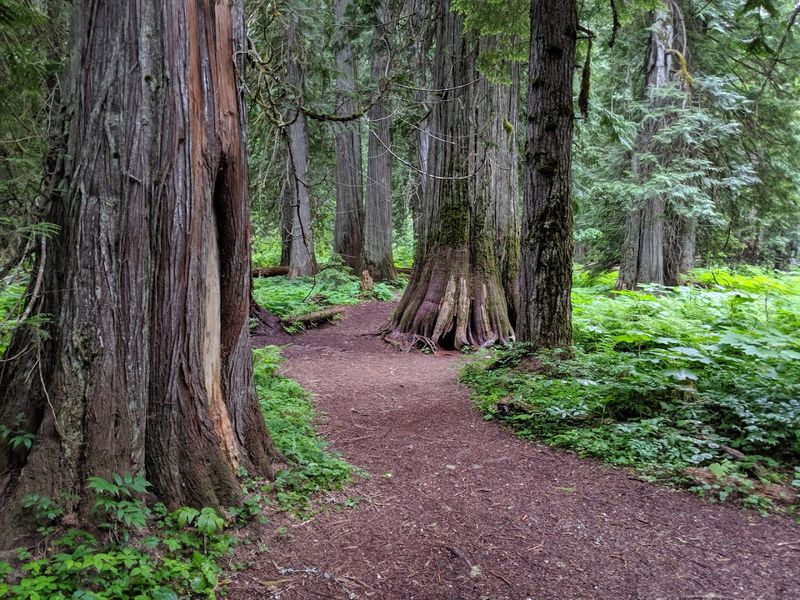
Western Montana is known for its forests, but the Ross Creek Cedars Scenic Area near Troy contains trees so large and old that the experience of walking among them feels fundamentally different from a typical forest hike. Some of these western red cedars are over 1,000 years old, with trunks measuring up to twelve feet in diameter.
A short loop trail of about one mile winds through the grove, passing boardwalks and interpretive signs that explain the ecology and age of the trees. The forest floor stays shaded and relatively cool throughout the summer, and the trail is accessible enough for most visitors including older adults and older children.
Ross Creek itself runs through the grove, adding a visual element that makes the area even more photogenic. The Kootenai National Forest surrounds the site, and the drive to the trailhead passes through scenic mountain terrain.
12. Red Lodge, Montana
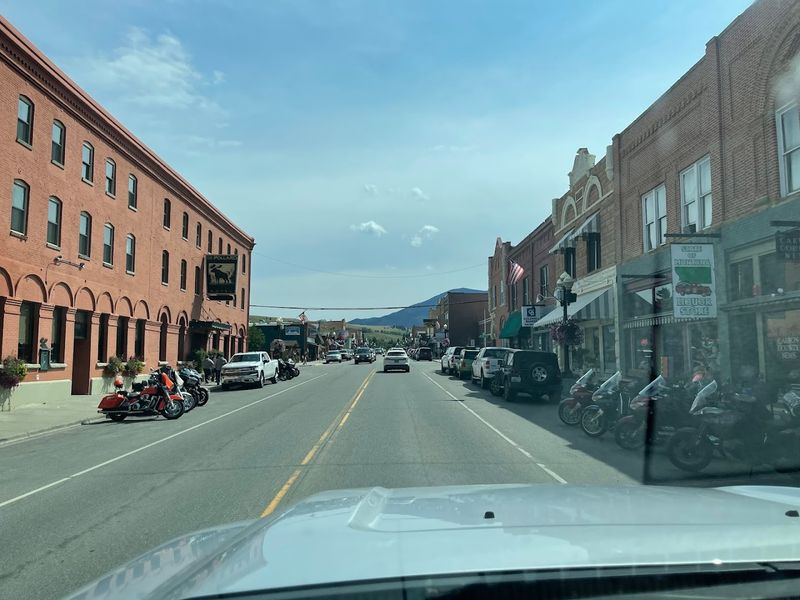
Red Lodge sits at the base of the Beartooth Highway, which is widely regarded as one of the most spectacular drives in the entire country, yet the town itself often gets treated as just a starting point rather than a destination worth lingering in. That is a mistake worth correcting.
The historic downtown is compact and walkable, lined with original brick buildings from the early 1900s that now house restaurants, shops, and galleries. The town has genuine western character built on a coal mining and ranching history, and it wears that history without trying too hard to market it.
In summer, the Beartooth Highway climbs to nearly 11,000 feet above Red Lodge, offering access to tundra landscapes, alpine lakes, and sweeping views that rival anything in the national parks. Autumn is arguably the best time to visit, when the surrounding mountains turn gold and orange and the summer crowds have mostly moved on.
13. Upper Missouri River Breaks National Monument, Near Winifred, Montana
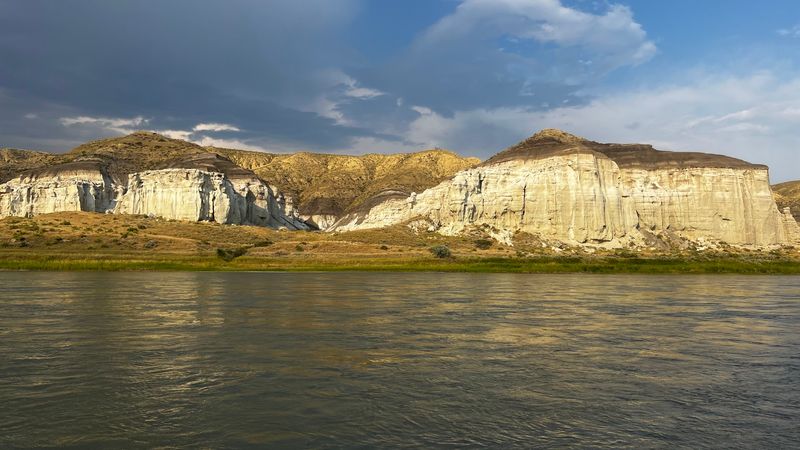
Few places in the entire country can honestly claim that their landscape looks almost identical to how it appeared 200 years ago. The Upper Missouri River Breaks National Monument, stretching through a remote stretch of north-central Montana, makes that claim convincingly.
Lewis and Clark traveled this exact section of the Missouri River in 1805 and wrote extensively about the dramatic white cliffs and towering rock formations they encountered. Those same formations still line the riverbanks today, largely untouched by development or heavy tourism infrastructure.
Float trips on this section of the Missouri are considered one of Montana’s great outdoor experiences, covering roughly 149 miles of designated Wild and Scenic River. Canoes and kayaks can be rented from outfitters in nearby towns, and multi-day floats allow visitors to camp along the riverbanks under enormous open skies.
Share this story