Summer 1989 was a defining moment for rock music, with arena-sized guitar anthems, power ballads, and surprise crossover hits dominating the airwaves. Glam metal was at its commercial peak, classic rock icons were making strong comebacks, and the seeds of the alternative rock revolution were quietly taking root.
The songs that ruled that summer captured a genre in transition, balancing the excess of the 1980s with hints of the major changes just around the corner. These 12 tracks perfectly reflect a season when rock music stood at a crossroads.
1. Runnin’ Down a Dream – Tom Petty
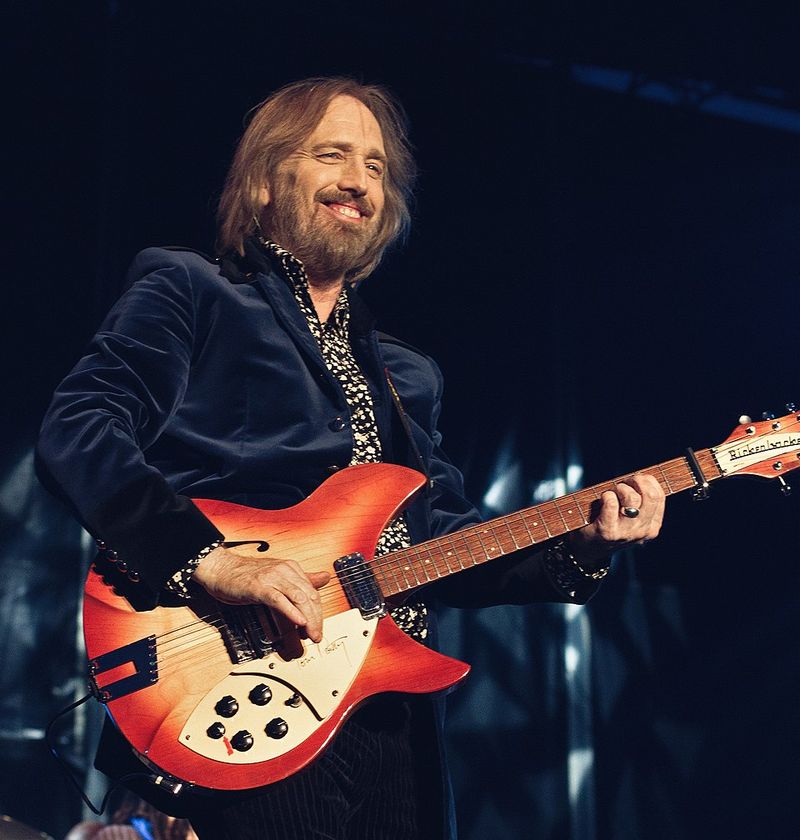
Few songs from that summer captured pure forward momentum the way this one did. Released in July 1989 as the second single from Full Moon Fever, it arrived with a driving guitar riff and a restless energy that felt perfectly suited to long highway stretches and open windows.
Tom Petty wrote the track with Jeff Lynne and Mike Campbell, and the production had a clean, confident quality that set it apart from the heavier sounds dominating rock radio at the time. It was not trying to be flashy.
It just moved.
Looking back, the song represents one of the last major victories for classic rock’s straightforward formula before alternative music complicated everything. Full Moon Fever itself was a massive commercial success, debuting during a moment when Petty’s career was already legendary.
The track reached number 23 on the Billboard Hot 100 but performed much stronger on rock charts, cementing its status as a defining anthem of that specific, irreplaceable summer.
2. Janie’s Got a Gun – Aerosmith
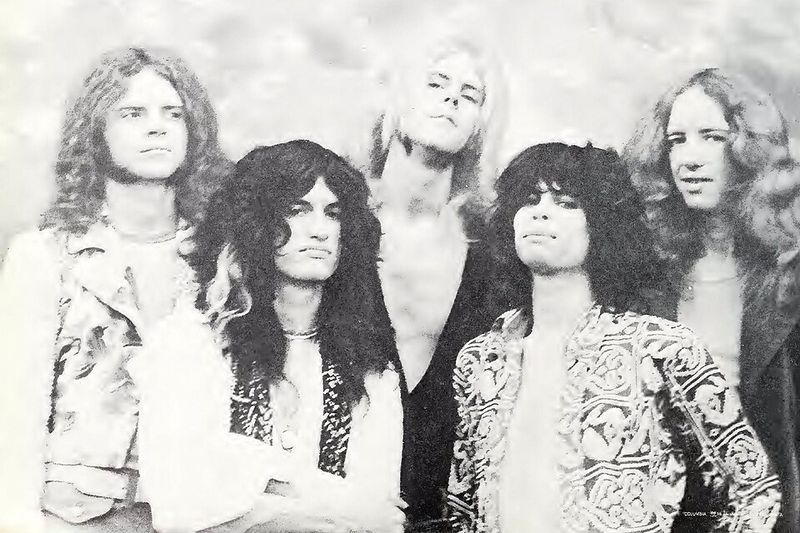
Aerosmith had already staged one of rock’s most remarkable comebacks by 1989, but this track pushed them into entirely new territory. While it gained its biggest radio traction in late summer and early fall, its presence was already building through the season, standing out immediately from everything around it.
The song’s cinematic production and serious subject matter made it a sharp contrast to the party-rock energy that had defined much of the decade. Producer Bruce Fairbairn helped craft a sound that felt weighty and purposeful rather than polished just for commercial appeal.
Steven Tyler’s vocal performance was among the strongest of his career on this recording. The track earned Aerosmith a Grammy Award for Best Rock Performance, a recognition that reflected how seriously the industry was taking their resurgence.
More than a comeback song, it signaled that rock could carry genuine emotional and narrative weight, a quality that would become increasingly valued as the 1990s approached and audiences began expecting more depth from their artists.
3. Fire Woman – The Cult
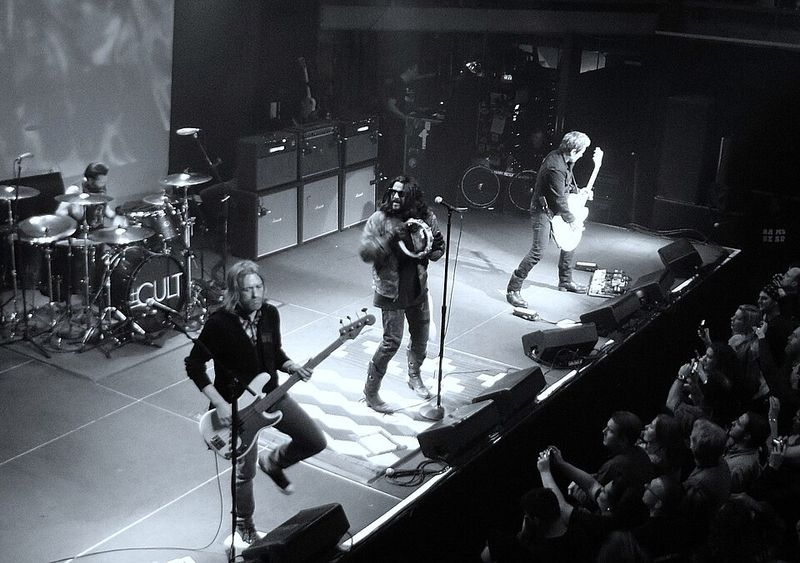
Released in March 1989, this track arrived with a confidence that immediately separated it from the crowd. The guitar work by Billy Duffy was massive and direct, built on a bluesy foundation that gave the song a timeless quality even within the very specific context of late-1980s arena rock.
The Cult had spent the mid-1980s evolving from post-punk origins into full hard rock territory, and Sonic Temple, the album this track came from, was the clearest statement of that transformation. Producer Bob Rock, who would later work with Metallica, brought a sharp, powerful clarity to the recording that made it sound enormous on the radio.
By summer 1989, the song was a genuine staple of rock stations across North America and the UK. It balanced commercial appeal with real guitar-driven grit, a combination that was becoming harder to maintain as the decade wound down.
Few songs from that year demonstrated the staying power of arena rock quite as effectively, making it one of the genre’s final major statements before alternative acts began claiming the spotlight.
4. Poison – Alice Cooper
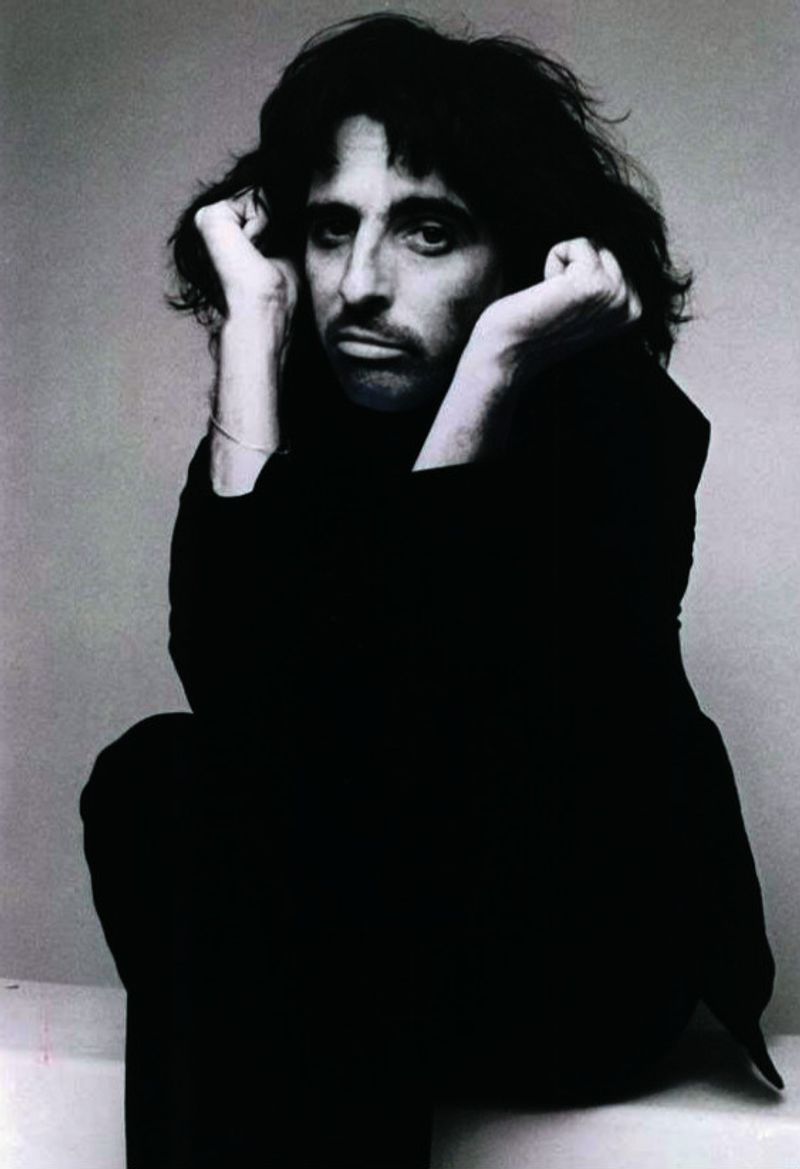
After spending much of the mid-1980s in a commercial slump, Alice Cooper returned in 1989 with a single that was impossible to ignore. Polished, melodic, and built around one of the year’s most memorable choruses, it proved that the shock-rock pioneer still had genuine chart instincts.
The song appeared on the album Trash, which was produced by Desmond Child and featured contributions from several high-profile rock musicians including members of Bon Jovi and Aerosmith. That collaborative energy gave the record a glossy, radio-ready sheen that worked entirely in its favor.
In the UK, the song reached number two on the singles chart, a remarkable achievement for an artist whose peak commercial years seemed to be well behind him. On the Retrochart for Summer 1989, it placed at number five.
The track demonstrated how a veteran artist could adapt to contemporary production trends without losing their distinct identity. More than a comeback moment, it was a genuine creative reset that reminded an entire generation why Cooper had mattered in the first place.
5. Dr. Feelgood – Mötley Crüe
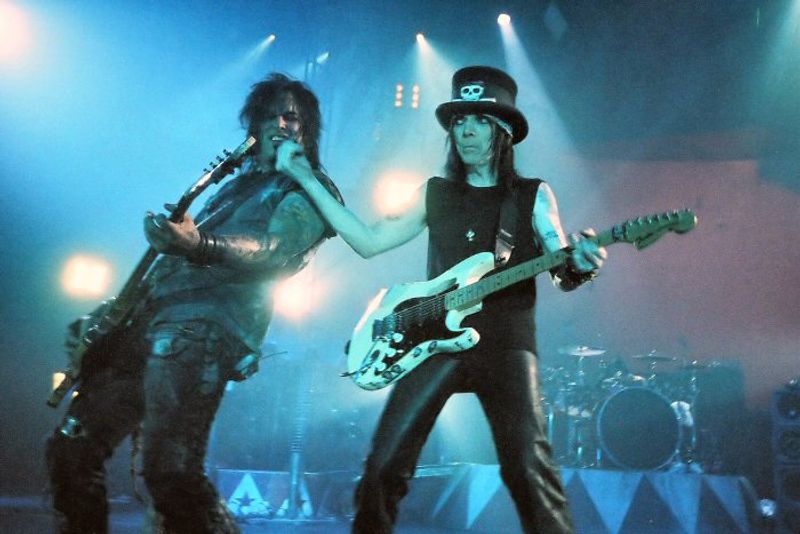
Released on August 28, 1989, just as summer was giving way to fall, this track arrived like a final declaration from the glam metal world. Loud, aggressive, and built for arenas, it captured Motley Crue at the absolute height of their commercial power.
The album it came from, also titled Dr. Feelgood, debuted at number one on the Billboard 200 and eventually sold over six million copies in the United States alone. Producer Bob Rock, who also worked with The Cult that year, gave the recording a tighter, harder sound than the band’s previous work.
At the time, few realized the genre was approaching its commercial peak. MTV was still heavily invested in glam metal, arenas were selling out, and the formula seemed unbeatable.
Within two years, the landscape would look completely different. Looking back now, this song feels like a genre celebrating itself at maximum volume just before a significant shift arrived.
It remains one of the defining documents of what hard rock sounded like in that specific, oversized, unapologetic moment.
6. 18 and Life – Skid Row
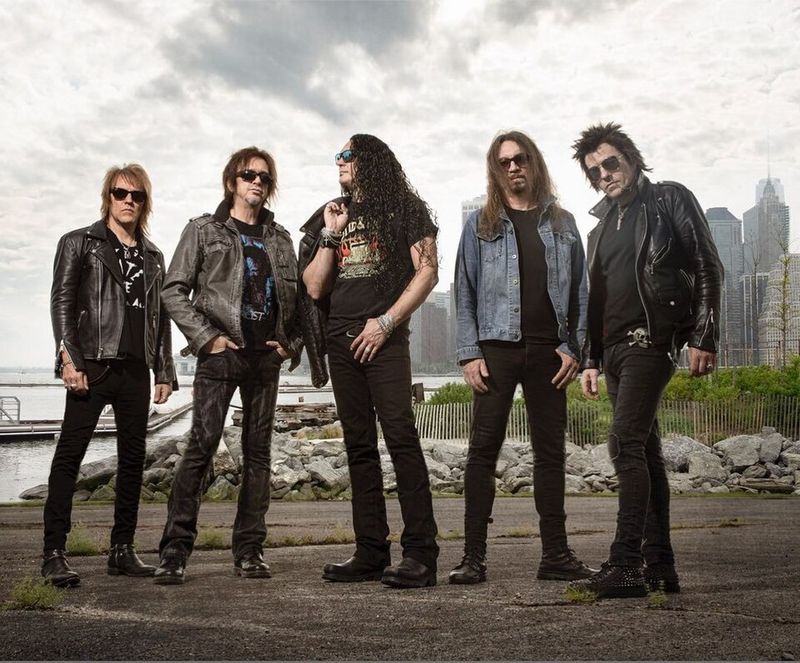
Skid Row came out of New Jersey with a debut album that moved over five million copies in the United States, and this was the track that showed they could do more than just hard rock swagger. Released in June 1989, it stood apart from the summer’s louder material with its emotional storytelling and gritty character study.
Sebastian Bach’s vocal range was immediately striking, and this song gave him the platform to demonstrate it in full. The narrative focused on a young man whose early choices lead to serious consequences, which resonated strongly with teenage listeners who were used to rock songs about partying rather than personal accountability.
The song reached number four on the Billboard Hot 100 and number nine on the Mainstream Rock chart, making it one of the year’s genuine crossover successes. It showed that late-1980s hard rock had room for emotional complexity alongside its more theatrical tendencies.
As a debut statement, it was remarkably assured and helped establish Skid Row as something more than just another band riding the coattails of a popular genre trend.
7. I’ll Be There for You – Bon Jovi
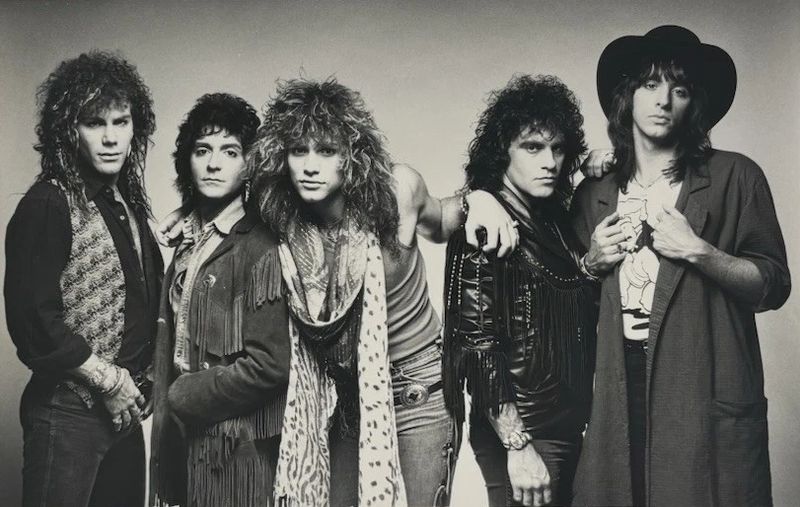
By the time summer 1989 arrived, this song had already spent two weeks at number one on the Billboard Hot 100, having hit the top spot in mid-May. That momentum carried it throughout the season, making it one of the defining sounds of those months regardless of when the calendar officially marked summer’s start.
Co-written by Jon Bon Jovi and Richie Sambora, the track appeared on the New Jersey album, which had already produced multiple hit singles by that point. The power ballad format was at its commercial peak in 1989, and this song represented the format’s highest mainstream achievement.
Bon Jovi had built their fanbase through relentless touring and a genuine connection with working-class rock audiences, and the emotional directness of this song reflected that relationship honestly. It was not a calculated soft moment designed to chase radio play.
It was the genuine center of a band that understood both the spectacle of rock and the quieter human moments beneath it. Few songs that summer felt as sincerely crafted.
8. Once Bitten, Twice Shy – Great White
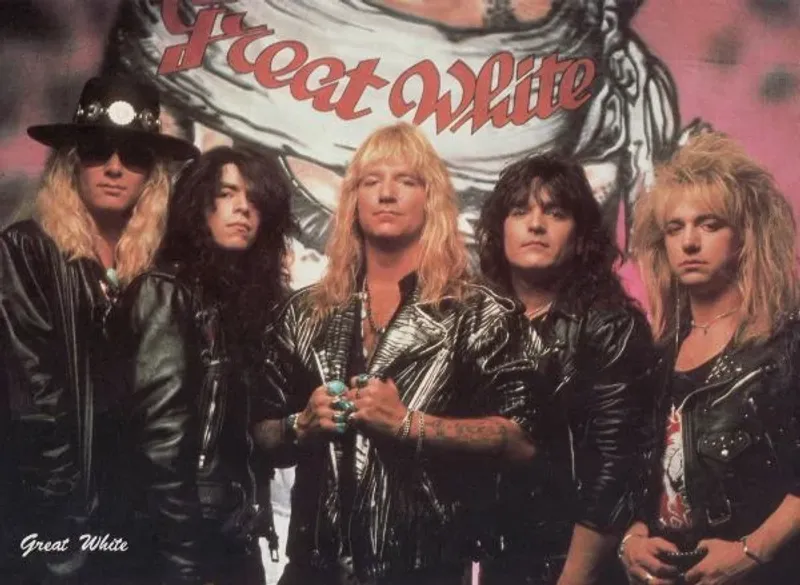
Great White took an Ian Hunter song from 1975 and transformed it into one of 1989’s most recognizable rock moments. Their version had a looser, more laid-back confidence than the original, and that relaxed energy made it feel perfectly suited to the season it dominated.
The track reached number five on the Billboard Hot 100 in the spring of 1989 and remained a radio fixture well into summer. It came from the album …Twice Shy, which became the band’s commercial breakthrough, eventually going platinum twice in the United States.
What made the cover work was how completely Great White made it their own. There was nothing tentative about the performance.
Jack Russell’s vocals gave the song a rougher edge that suited the hard rock moment, while the guitar work kept it accessible enough for mainstream radio without losing its bite. The song’s singalong quality made it a natural fit for road trips and outdoor gatherings, locking it firmly into the cultural memory of that particular summer in a way few covers ever manage to achieve.
9. The End of the Innocence – Don Henley

Don Henley had established himself as one of rock’s most thoughtful voices through his work with the Eagles and his solo output in the early 1980s. This 1989 single, co-written with Bruce Hornsby, carried that same reflective quality and arrived at a cultural moment that seemed to call for exactly that kind of perspective.
The song reached number eight on the Billboard Hot 100 and performed strongly on adult contemporary charts, demonstrating that rock in 1989 had a wide enough tent to include both arena anthems and piano-driven introspection. On KGON’s list of the best songs of 1989, it ranked at number eleven.
Lyrically, the track engaged directly with themes of political disillusionment and generational change, referencing specific figures and events from the decade. That specificity gave it a grounded quality that distinguished it from more generalized nostalgia.
It felt less like a pop song and more like a documented response to its moment. Heard today, it functions almost as a closing statement for the decade, a carefully constructed reflection on what had changed and what had been lost along the way.
10. Mixed Emotions – The Rolling Stones
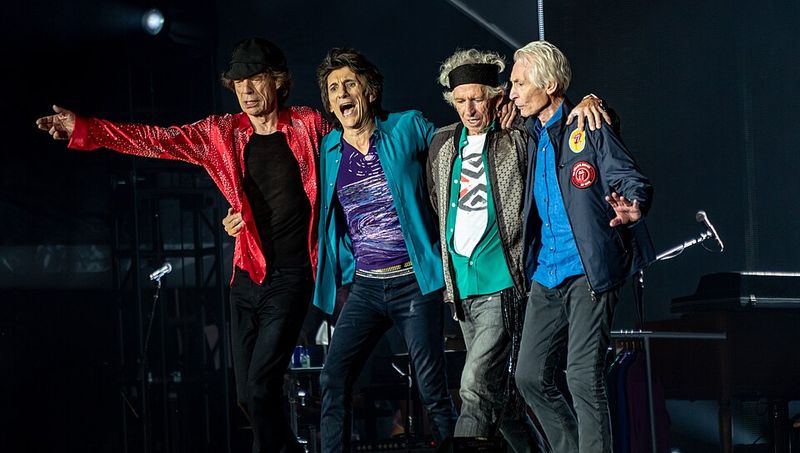
The Rolling Stones had not released a studio album in three years when Steel Wheels arrived in the summer of 1989, and this lead single reminded everyone that the band was far from finished. It peaked in August 1989 and ranked sixth on the 1989 Rock and Roll top 100, a strong showing for a group that had been making records for over two decades.
Produced by Chris Kimsey and the Glimmer Twins, the track combined the band’s classic rhythm-driven energy with a production approach that felt current without abandoning what made them distinctive. It was the kind of update that worked because it did not try too hard.
The Steel Wheels Tour that accompanied the album became one of the highest-grossing concert tours in history up to that point, proving that classic rock’s original architects could still command massive audiences. The song itself was a confident statement from a band that had nothing left to prove but continued making music anyway.
11. Love Song – The Cure
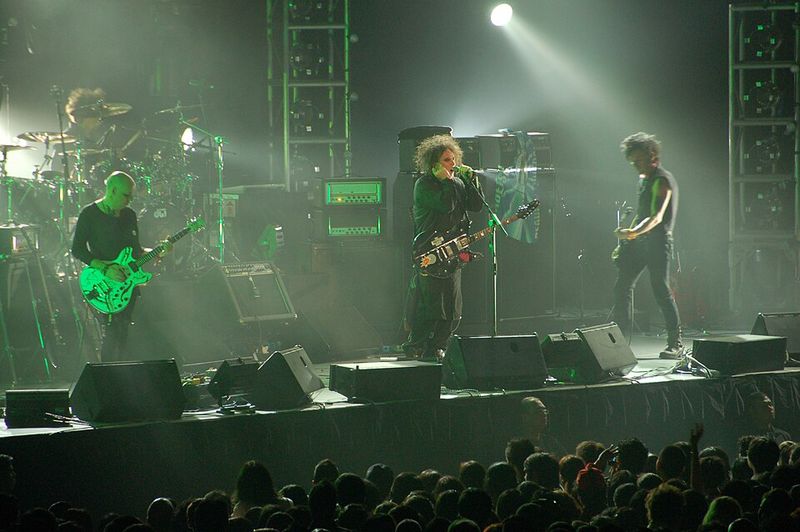
Released on August 21, 1989, this track arrived just as summer was winding down and immediately signaled that something was shifting in popular music. The Cure had spent most of the decade building a devoted following through darker, more introspective work, and this song brought that sensibility to a much wider audience.
It reached number two on the Billboard Hot 100, the highest chart position the band ever achieved in the United States. That level of mainstream success for an alternative act in 1989 was genuinely significant and reflected a growing appetite among rock listeners for something different from the arena-ready sounds that had dominated the decade.
Robert Smith wrote the song as a wedding gift for his partner, which gave it an emotional simplicity that contrasted sharply with the production excess common to the era. The minimalist approach worked precisely because it trusted the melody and the sentiment without overloading either.
12. Love in an Elevator – Aerosmith
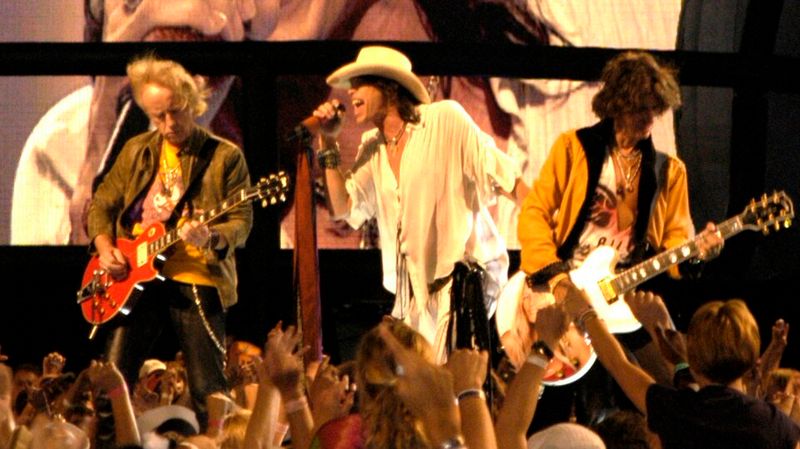
Aerosmith appeared twice in the defining rock moments of Summer 1989, which says a great deal about how completely they had reclaimed their position at the top of the genre. This lead single from the Pump album was released on August 15, 1989, and became an immediate statement of intent from a band operating at full creative confidence.
It ranked number one on KGON’s list of the best songs of 1989 and peaked in September, meaning its momentum was building all through the late summer weeks. The track’s playful energy and sharp production gave it a commercial edge that felt different from the heavier direction of Janie’s Got a Gun on the same album.
Pump eventually sold over seven million copies in the United States, making it one of the decade’s best-selling rock albums. As a summer anthem, this song captured the era’s appetite for big personalities and bigger sounds, delivering exactly what rock audiences in 1989 were looking for before everything changed.
Share this story