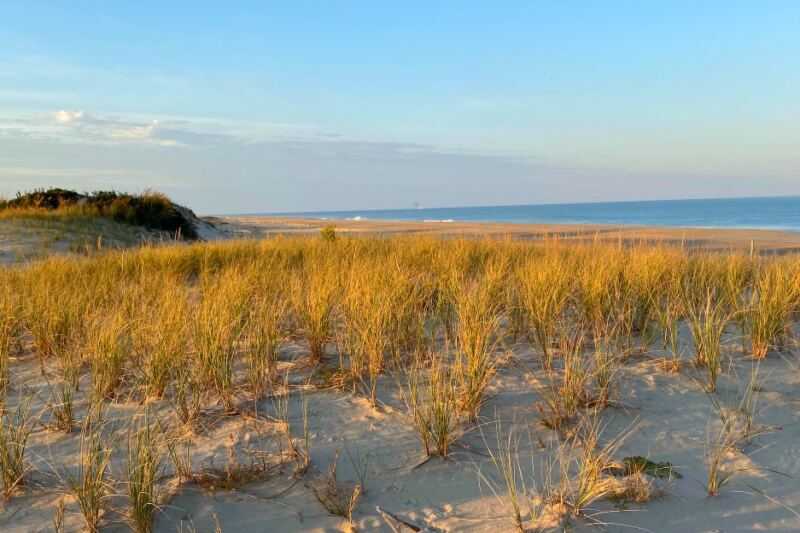
Where the Delaware Bay meets the Atlantic Ocean, Cape Henlopen State Park offers one of the most diverse coastal experiences on the East Coast. Visitors can explore wide beaches, climb historic observation towers, hike through rolling dunes, and spot dolphins just offshore, all within a single park.
The landscape is only part of the story. Hidden among the trees are World War II bunkers and military sites that reveal the area’s role in protecting the coastline.
Miles of trails connect beaches, forests, and historic landmarks, making it easy to spend an entire day exploring.
What makes Cape Henlopen stand out is the variety packed into one destination. Whether you come for the beach, the wildlife, or the history, there is far more here than most first-time visitors expect.
A Park Where Two Waters Meet: Location and First Impressions
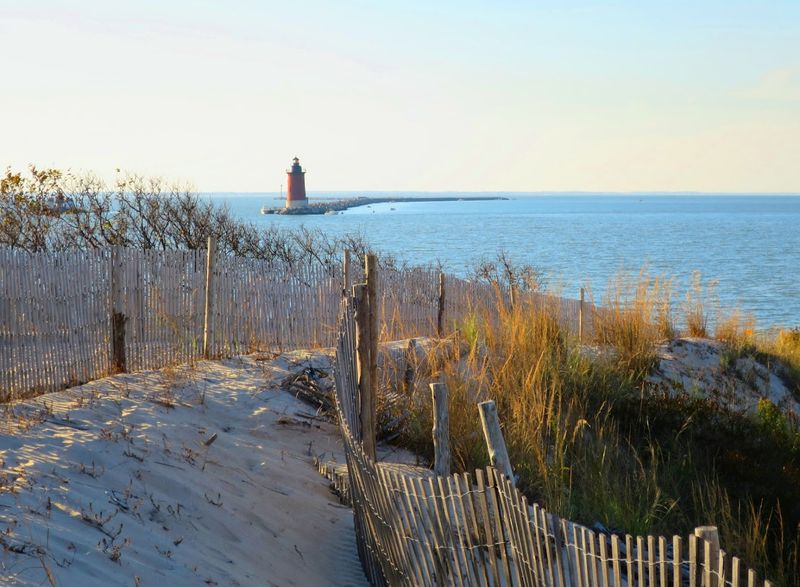
Cape Henlopen State Park sits at 15099 Cape Henlopen Drive, Lewes, DE 19958, right at the tip of the Delmarva Peninsula where the Delaware Bay and the Atlantic Ocean converge. That geographical quirk alone makes it unlike any other park in the state.
The park covers more than 5,000 acres of beaches, dunes, marshes, and coastal forest. You get ocean-side beaches on one flank and calm bay beaches on the other, all within easy walking or biking distance of each other.
Arriving on a weekday morning, the entrance felt calm and well-organized, with a staffed gate and clear signage pointing toward the beach, the nature center, and the historic Fort Miles area. Parking lots are spacious, and the roads inside the park are smooth and easy to navigate.
The sheer variety on offer becomes obvious within the first ten minutes. This is not a park you can see in a single afternoon, and that realization is one of the best feelings a visitor can have.
Sand That Moves: The Walking Dunes of Cape Henlopen
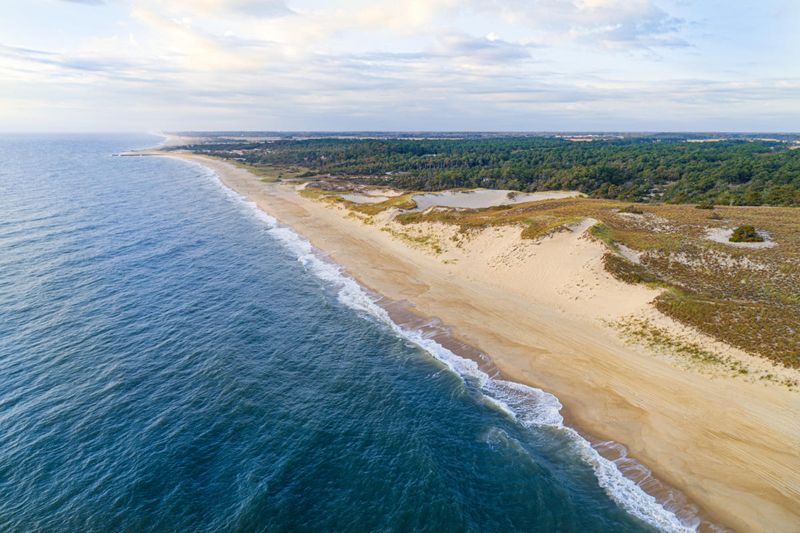
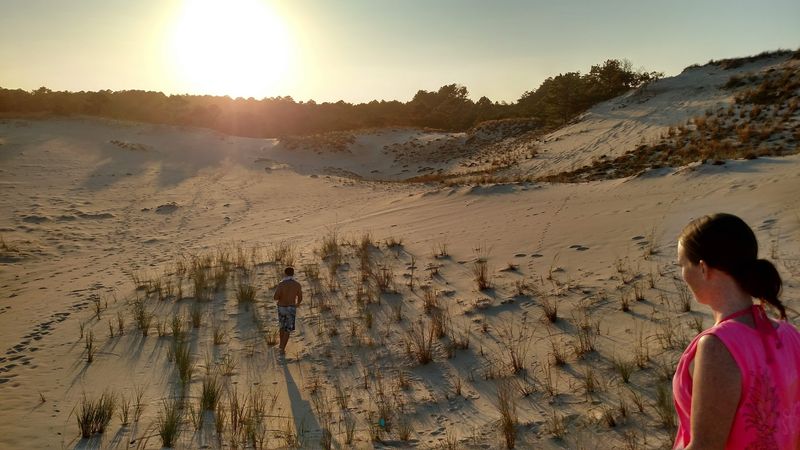
Most dunes stay put, but the ones at Cape Henlopen have other plans. The Great Walking Dune, the tallest point on the Sussex County coast at 64 feet above sea level, is literally on the move, slowly migrating inland and swallowing pine trees whole as it goes.
The Walking Dunes Trail is a 2.6-mile loop that takes you through this surreal landscape. Along the route you pass tidal marsh, open woodland, and the dune itself, which has the eerie quality of looking both ancient and restless at the same time.
The trail surface is firm crushed gravel for most of its length, making it accessible for a wide range of visitors. Views of the Great Dune from the trail feel genuinely dramatic, especially when the light is low in the morning or late afternoon.
The sight of pine tree tops poking out from beneath the advancing sand is one of those small, unforgettable details that sticks with you long after you leave the park.
Six Miles of Shoreline: The Beaches Worth Knowing About
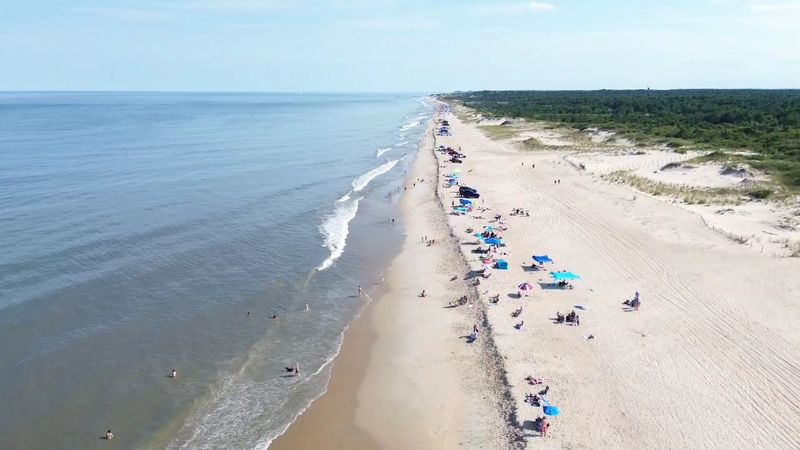
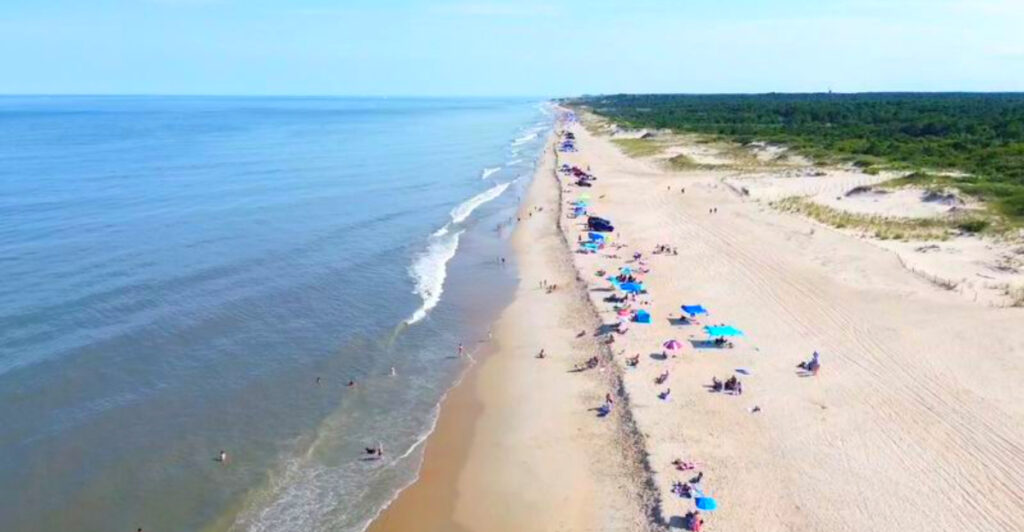
The beach situation at Cape Henlopen is genuinely impressive. Six miles of shoreline stretch across both ocean and bay sides of the park, giving visitors real options depending on whether they want surf or calm water.
Two designated swimming beaches are patrolled by lifeguards from Memorial Day through Labor Day weekends. The main ocean beach comes equipped with a bathhouse, showers, restrooms, and a small concession stand serving food that hits just right after a long swim.
Herring Point draws surfers looking for consistent Atlantic waves, and it has its own loyal crowd that arrives early and stays late. The bay beaches offer gentler conditions, which makes them a smart choice for families with younger children.
Worth noting: certain sections of beach may close during June and July to protect nesting endangered shorebirds, so checking the park website before a visit is a smart move. Dolphins have been spotted from the main beach on multiple occasions, which is the kind of bonus that no travel brochure can fully prepare you for.
Fort Miles and the Guns That Guarded the Coast
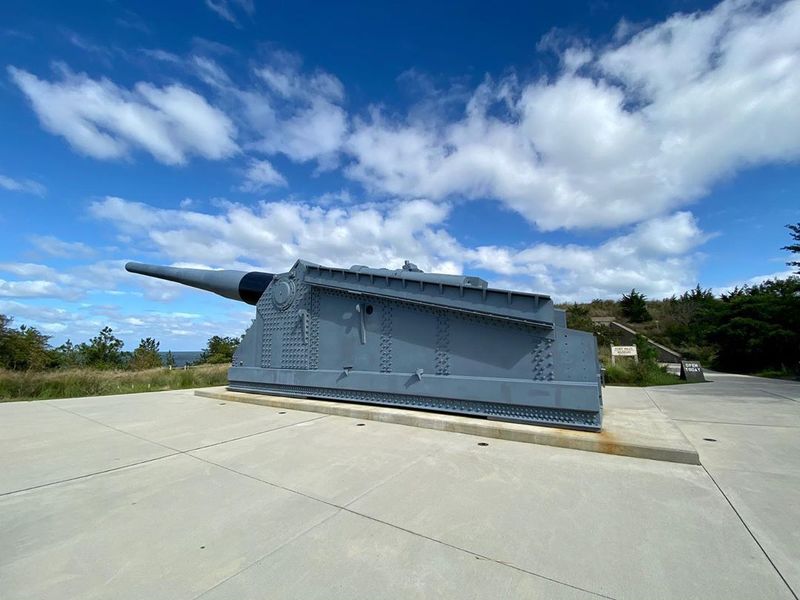
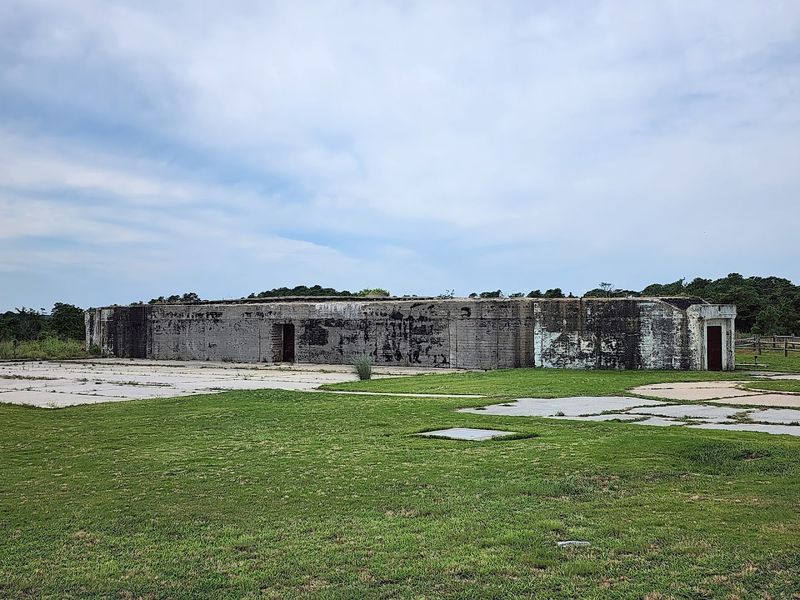
Hidden among the dunes and pine trees of Cape Henlopen is one of the most fascinating military history sites on the East Coast. Fort Miles was established during World War II as a coastal defense installation, and at its peak it comprised 250 buildings, 16 underground bunkers, and a network of concrete observation towers.
Today the Fort Miles Historic Area operates as a walkable artillery park and museum. The museum is housed in Battery 519, and the collection of large-caliber coastal defense guns arranged outside is genuinely jaw-dropping up close.
These weapons were designed to stop enemy ships from entering Delaware Bay, and seeing their scale in person makes that mission feel very real.
Several WWII observation towers still stand throughout the park. One is open to the public for climbing, and the view from the top spans the Atlantic, the bay, and the entire park below.
For anyone with an interest in military history, this section of the park alone is worth the drive to Lewes, and the museum inside Battery 519 adds useful context to everything you see outdoors.
Trails for Every Pace: Hiking and Biking Through the Park
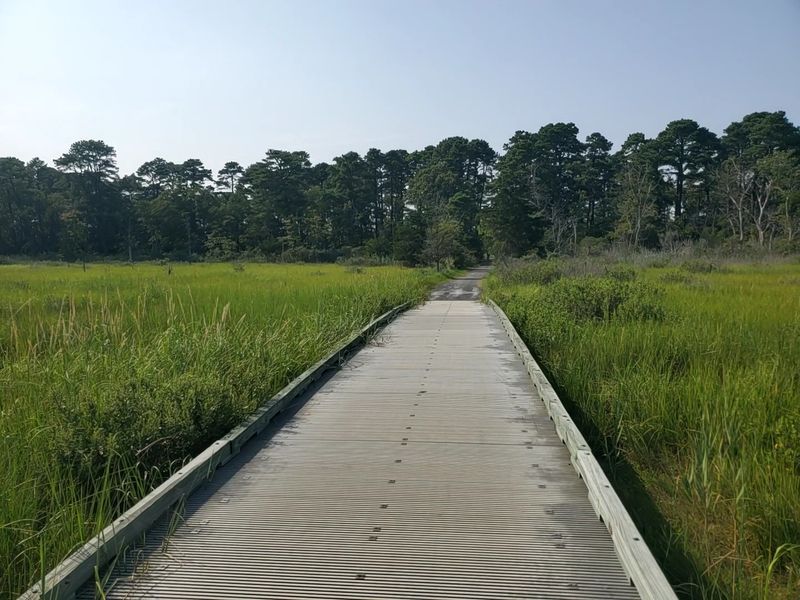
Eight distinct trails thread through the park, covering terrain that ranges from coastal upland pine forest to salt marsh to open dune landscape. Whether you are on foot or on a bike, the trail network here offers a full day of exploration without repeating the same scenery twice.
The Gordons Pond Trail is a standout. This 3.2-mile one-way route connects Lewes and Rehoboth Beach, crossing salt marshes on an elevated boardwalk with scenic overlooks of Gordons Pond, a 900-acre saltwater lagoon.
The views from the boardwalk section are the kind that make you stop mid-stride.
The Bike Loop is a 3.3-mile paved circuit that links the park office, nature center, campground, beach bathhouse, observation tower, and Fort Miles Historic Area. It is flat, well-marked, and genuinely enjoyable at any pace.
The Pine Lands Nature Trail, a 1.5-mile loop designated as Delaware’s first National Recreation Trail in 1981, winds through cranberry bogs and past old WWII artillery bunkers, proving that history has a way of showing up when you least expect it.
Free Bikes, Trackchairs, and a Park Built for Everyone
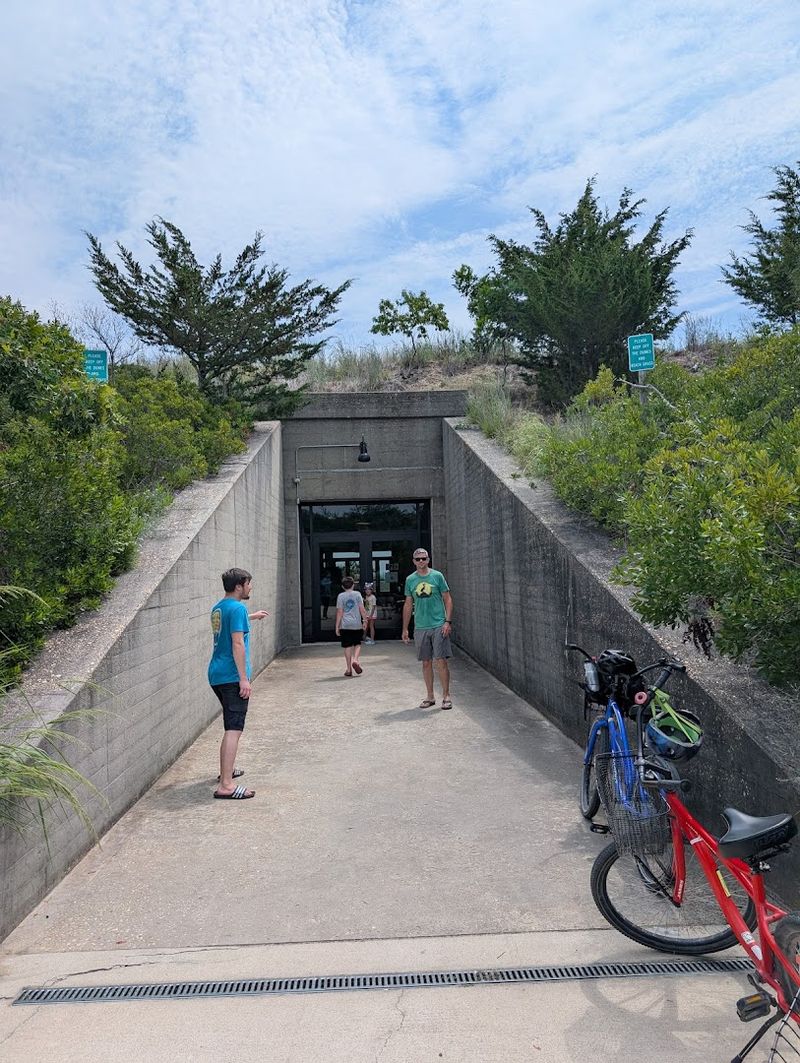
One of the most pleasant surprises at Cape Henlopen is how seriously the park takes accessibility and affordability. A free borrow-a-bike program operates out of the Seaside Nature Center, offering adult and children’s bikes along with helmets at no cost, with donations appreciated but never required.
The bikes are well-maintained, the staff running the program are genuinely helpful, and the 3-mile paved loop nearby is ideal for families who want to explore without worrying about hills or technical terrain. A water refill station is conveniently located nearby, which is a small detail that matters a lot on a warm afternoon.
For visitors with mobility challenges, the park provides Action Trackchairs, which are motorized beach wheelchairs that allow access to sandy terrain that would otherwise be difficult or impossible to navigate. Mobi-Mat beach access equipment is also available at designated wheelchair-accessible beach areas.
A shaded playground sits close to the bike barn, complete with benches and picnic tables, making it an easy stop for families with young children who need a break from the sun.
The Seaside Nature Center: Where Ocean Science Gets Hands-On
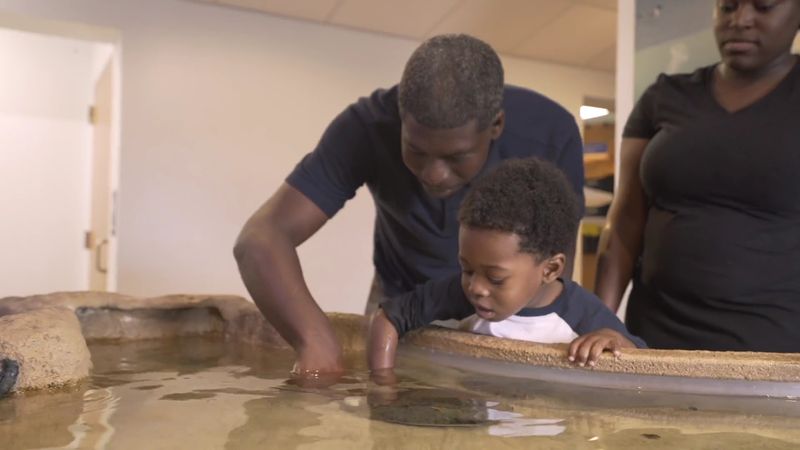
Science and curiosity collide in the best possible way at the Seaside Nature Center, one of the park’s most underrated attractions. A 500-gallon touch tank lets visitors handle horseshoe crabs, sea stars, and other local marine creatures, which is a genuinely memorable experience for kids and adults alike.
The center also features 1,000-gallon exhibit tanks stocked with species native to Delaware’s coastal waters. Watching a flounder camouflage itself against the tank floor or seeing a blue crab up close is the kind of real-world marine biology lesson that no classroom can replicate.
An Osprey camera feed broadcasts live footage from a nearby nest during nesting season, offering a front-row seat to one of nature’s more dramatic family stories. The center doubles as a useful starting point for understanding the park’s ecosystems before heading out onto the trails.
The staff at the nature center are knowledgeable and approachable, and the exhibits are thoughtfully designed for a broad age range. Plan to spend at least 30 to 45 minutes here, especially if you are visiting with children.
Birding, Wildlife, and the Magic of The Point
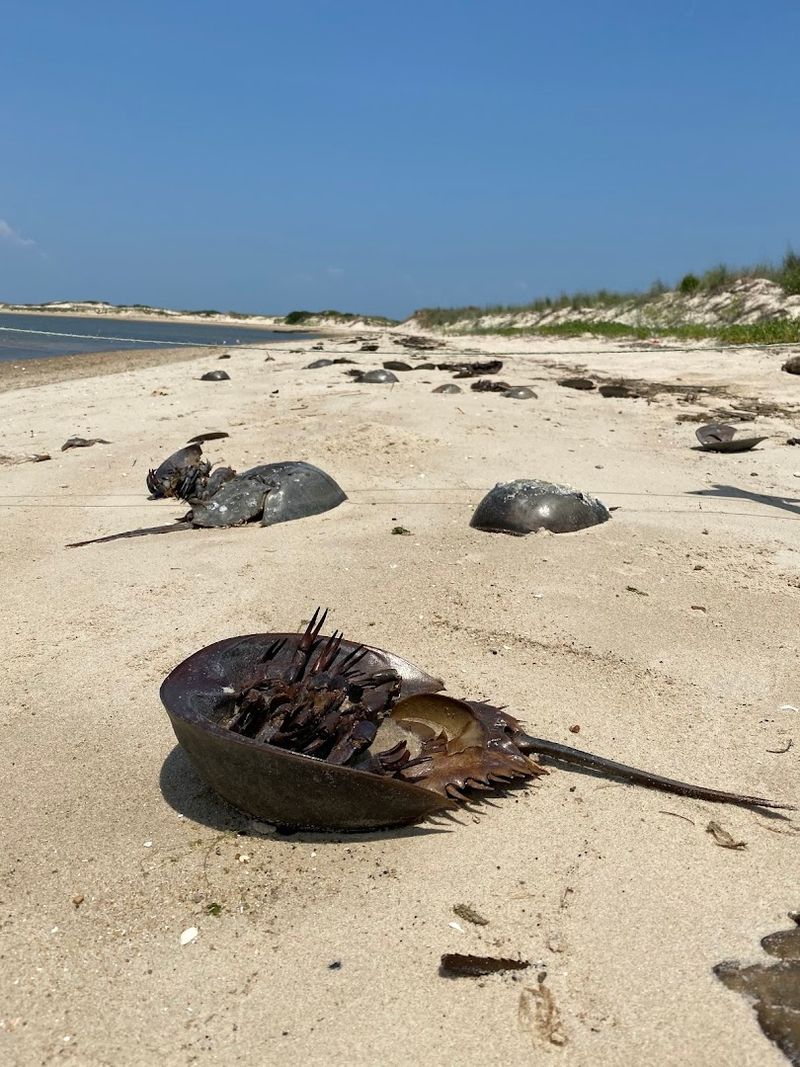
The Point, where the Delaware Bay meets the Atlantic Ocean, is one of those places that earns its reputation without any exaggeration. Birders from across the region make special trips here, and the wildlife activity on a good day is nothing short of spectacular.
Shorebirds congregate at The Point in large numbers, particularly during spring migration when horseshoe crabs come ashore to spawn and provide a critical food source for birds like the red knot. The Beach Plum Nature Preserve nearby offers additional dune and marsh habitat that is largely conserved for wildlife rather than recreation.
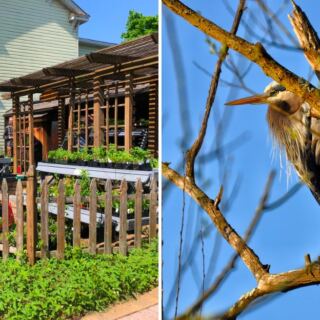
Osprey are a near-constant presence throughout the park, and dolphins have been spotted regularly from the main beach, particularly in the late summer and early fall. Deer wander the forested interior trails with a comfortable familiarity that suggests they know exactly who owns this place.
Hawk watchers set up at the park each autumn to monitor migrating raptors, and the volume of birds moving through on a peak migration day is something that turns casual observers into lifelong birding enthusiasts.
Fishing at Cape Henlopen: Surf, Pier, and Bait Shop All in One
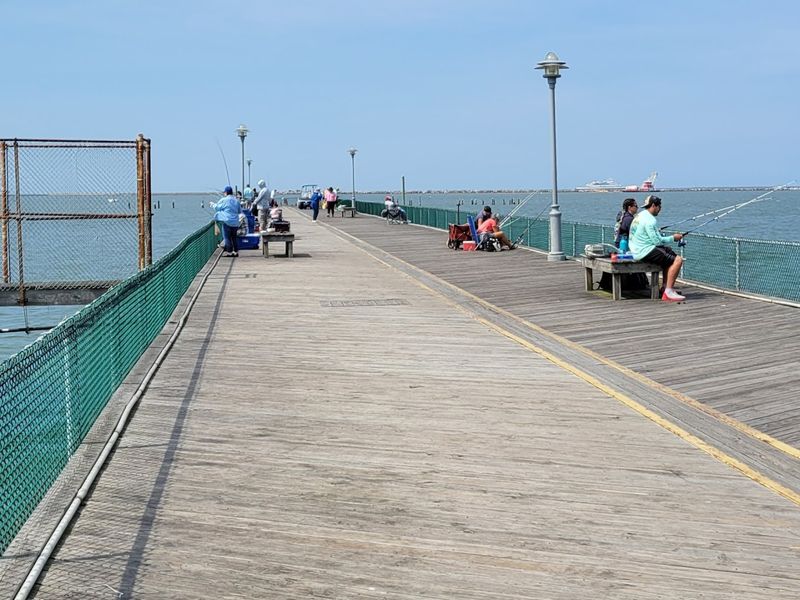
Fishing at Cape Henlopen is not an afterthought. The park offers a dedicated 24-hour, year-round fishing pier complete with a bait and tackle shop right at the entrance, which means you can show up with nothing but enthusiasm and still have a productive day on the water.
Surf fishing along the beach is equally popular, with striped bass, bluefish, flounder, and weakfish among the regular catches depending on the season. The variety of species available keeps both casual anglers and serious fishermen coming back throughout the year.
The pier is well-maintained, well-lit for night fishing, and accessible without needing a boat or specialized gear. Families with kids who are new to fishing will find it a forgiving and rewarding spot, particularly in the early morning when the water is calm and the crowds are thin.
Packing a lunch is genuinely recommended here, as a long fishing session tends to stretch into a full afternoon without anyone noticing how much time has passed, which is exactly the kind of problem worth having at the coast.
Three Centuries of History: From William Penn to World War II
The history layered into Cape Henlopen stretches back further than most visitors realize. In 1682, William Penn designated the beaches here as public land for the use of the citizens of Lewes and Sussex County, making Cape Henlopen one of the earliest examples of public land preservation in American history.
The area served as a strategic military position during the American Revolution, the War of 1812, and World War I before Fort Miles was established during World War II. That timeline of continuous significance gives the park a depth that goes well beyond its natural beauty.
The original Cape Henlopen Lighthouse, built between 1767 and 1769, was the sixth lighthouse constructed on the Atlantic Coast. It stood for more than 150 years before dune erosion caused it to fall into the ocean in 1926, a reminder that even the most permanent-looking structures are subject to the forces of the coast.
The land officially became Cape Henlopen State Park in 1964, and the combination of preserved natural landscape and intact military history makes it one of the most layered public spaces on the entire Eastern Seaboard.
Practical Tips for Making the Most of Your Visit
A few practical details can make a big difference at Cape Henlopen. The park is busiest on summer weekends, and traffic on the approach road can back up significantly during peak hours.
Arriving early on weekday mornings is the most reliable way to find easy parking and a quieter beach experience.
The park charges an entry fee, and the gate accepts cards, though having a backup payment method ready is always a smart idea. Trash cans are not available on the beach itself, so bringing a small drawstring bag or a few plastic bags for carrying out your own waste keeps the experience clean for everyone.
Jellyfish can be present in the water during summer months, particularly later in the season, so checking with lifeguards about current conditions before swimming is worth the 30-second conversation. Sunscreen, water bottles, and reef-safe products are all strongly recommended.
The park’s website at destateparks.com provides up-to-date information on beach closures, seasonal programs, and facility hours. Spending even five minutes there before your visit will save you time and help you plan a day that covers everything on your list.
Share this story