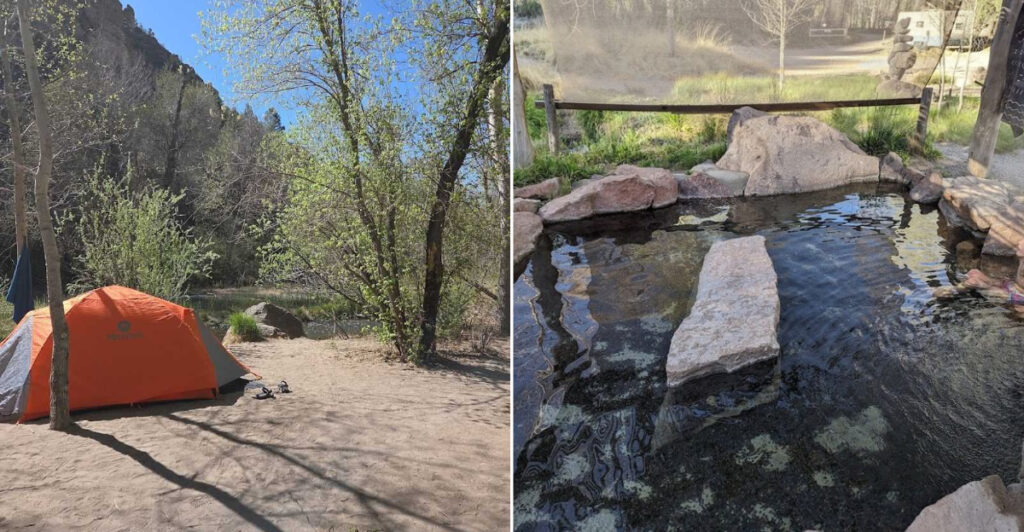
Deep in the mountains of southwestern New Mexico, far from the nearest traffic light or cell tower, there is a campground that operates on a completely different frequency from the rest of the world. This region has long attracted those who want to disconnect, but this particular spot adds something extra to the equation: three naturally heated soaking pools, a river running alongside your tent, and a night sky so clear it almost feels personal.
The road to get there winds through rugged terrain for about 30 miles from the highway, which is exactly the kind of commitment that keeps the crowds manageable. What follows is everything worth knowing about one of New Mexico’s most quietly spectacular outdoor destinations.
A Family History That Goes Back Decades
The history of this campground stretches back to at least the 1940s, when the current owner’s family first established roots in the area. That kind of multi-generational connection to a piece of land shows in the way the property is maintained and the level of care that goes into every detail.
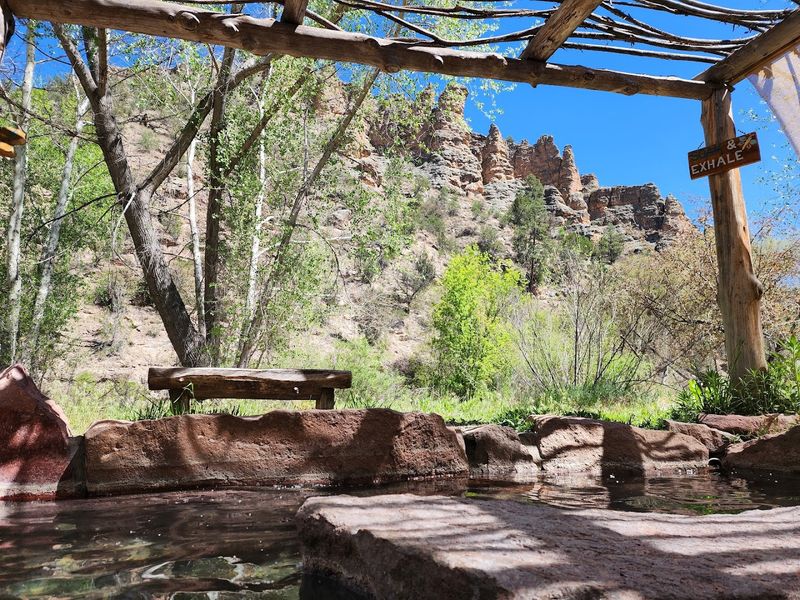
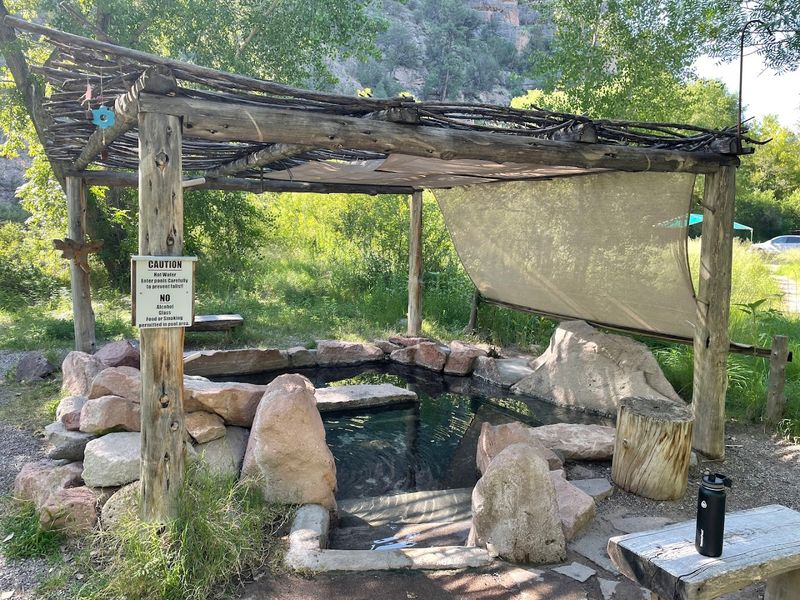
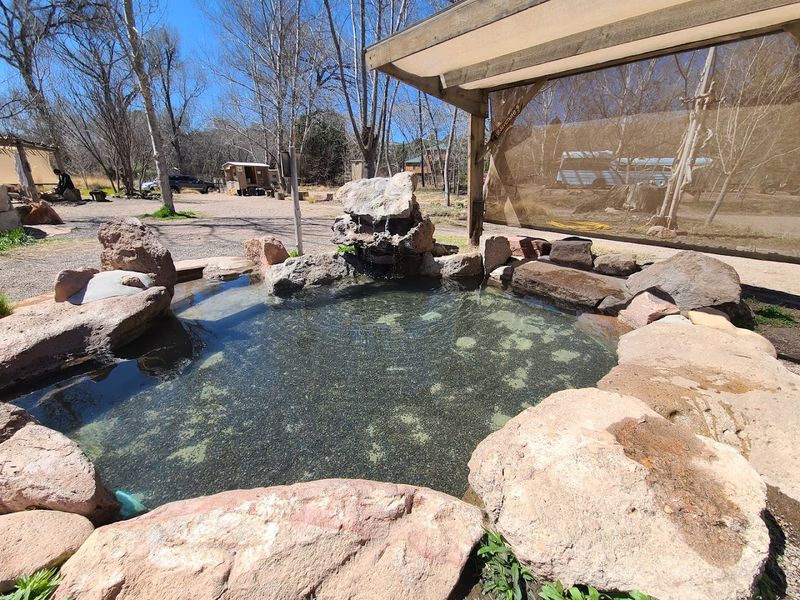
The hot spring pools themselves represent a significant investment of labor and craftsmanship. The rockwork surrounding each pool is detailed and well-built, reflecting years of effort rather than a quick commercial installation.
The pools are kept at temperatures around 100 to 103 degrees Fahrenheit, a range that has been maintained with consistent attention to guest safety.
Knowing that a single family has stewarded this land for generations adds a layer of meaning to the visit. This is not a corporate campground with a brand manual and a customer service hotline.
It is a place shaped by people who genuinely care about the land they inherited.
The Three Hot Spring Pools Up Close
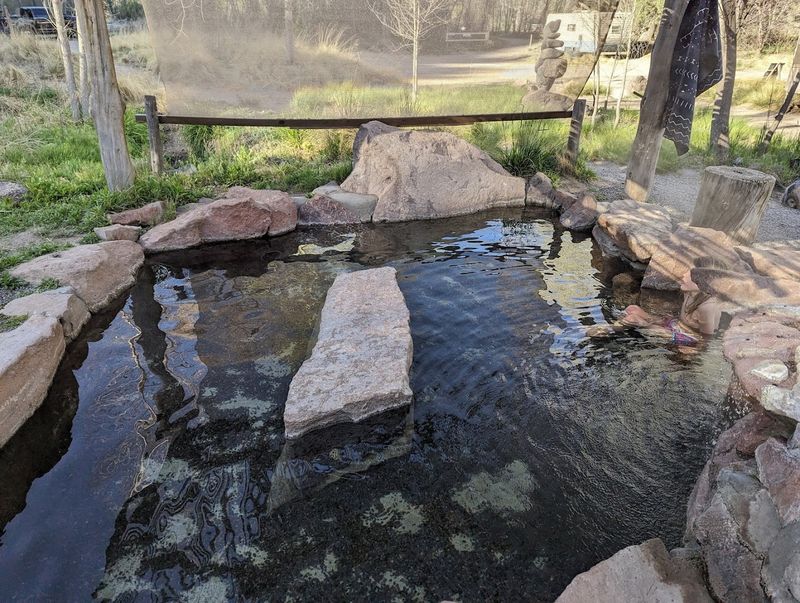
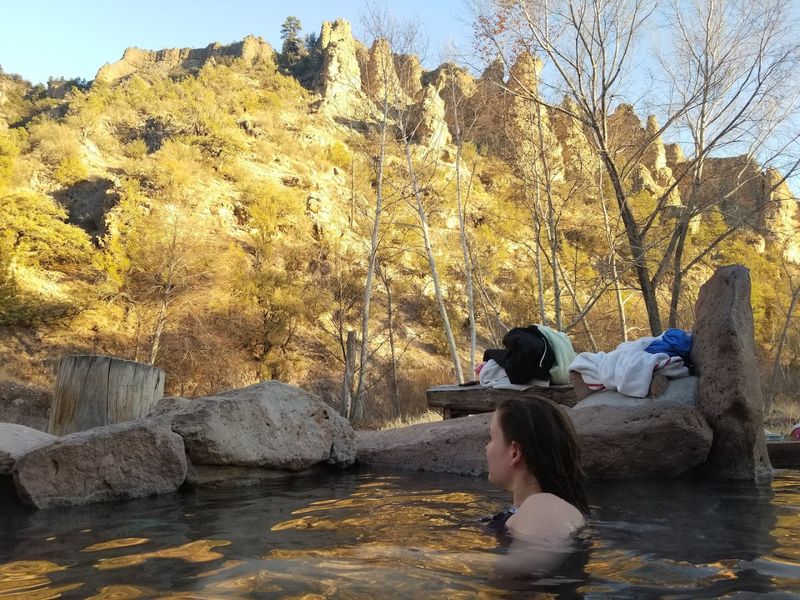
The main attraction here is straightforward: three hot spring pools, each large enough to hold several people comfortably, all fed by naturally heated water and maintained at temperatures between 100 and 103 degrees Fahrenheit. The pools are kept impressively clean, which is something that gets mentioned consistently by those who spend time there.
The rock construction around each pool is genuinely attractive, built with care rather than poured concrete uniformity. Between two of the pools, there is a potable hot water spout and a cold water spout, along with a small handwashing sink, which covers basic hygiene needs without requiring a full bathroom facility.
One practical note worth knowing ahead of time: the bottoms of the pools are covered in pea gravel, which the owners use to reduce algae growth. Water shoes are a smart addition to any packing list.
After dark, the pools operate under a clothing-optional policy, which is worth knowing before arrival.
Camping Right on the River
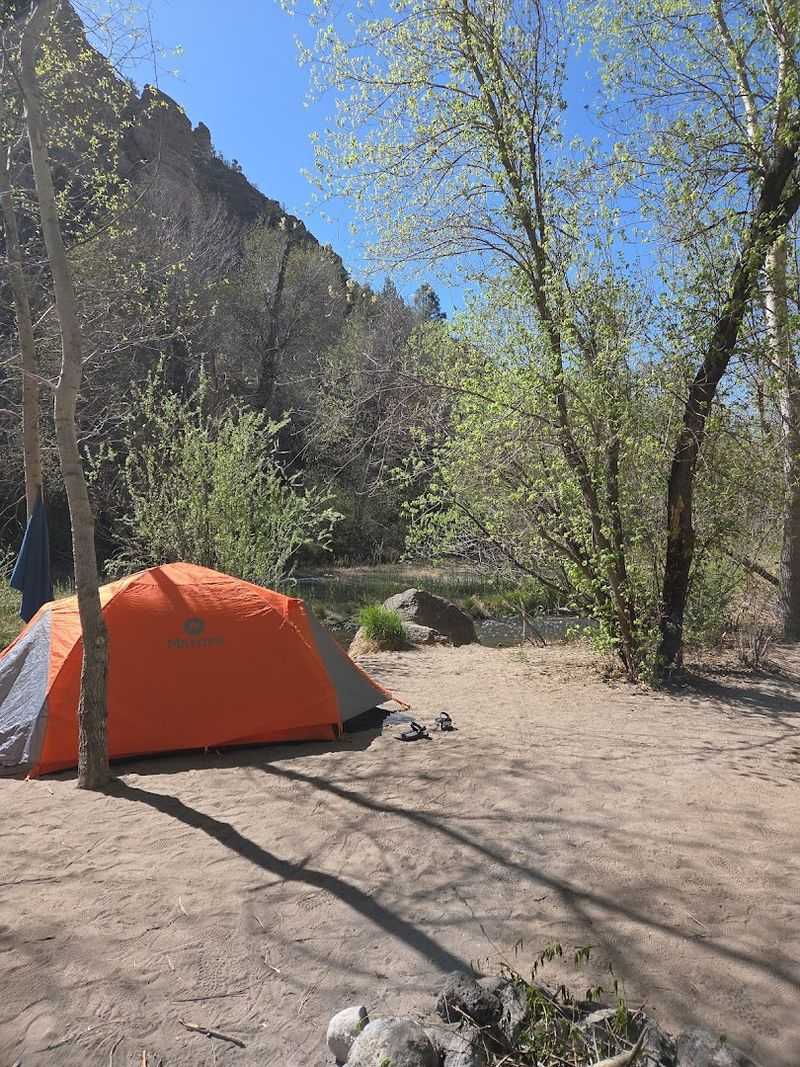
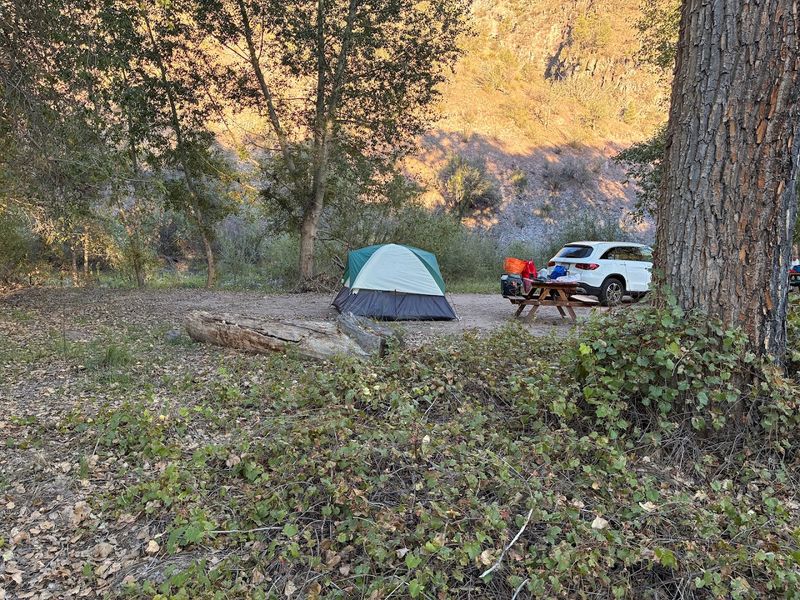
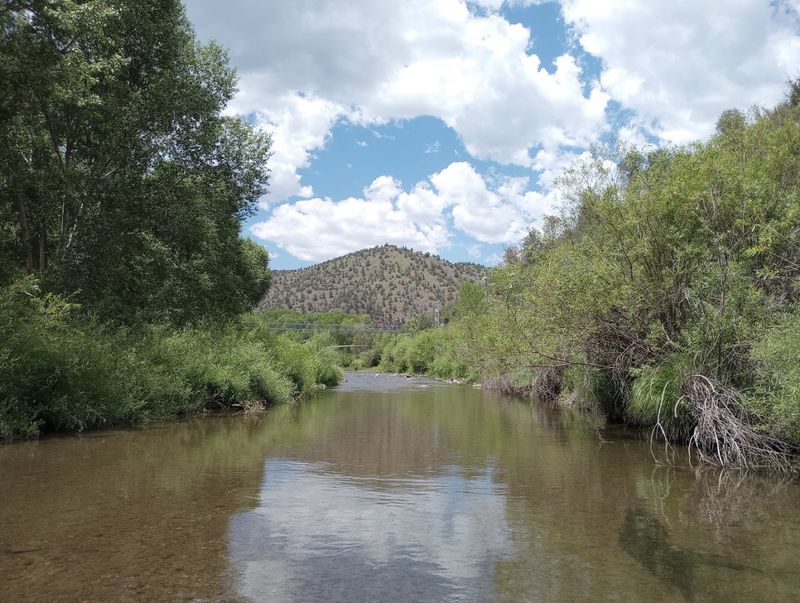
The 12 campsites at this property are positioned directly along the Gila River, with most spots sitting only about 12 feet from the water. Each site comes with a picnic table and a fire pit, and the terrain is flat enough to set up a tent without much difficulty.
The sites are described as primitive, which is accurate, but they are also tidy and well-spaced.
Falling asleep to the sound of moving water is one of the more underrated benefits of staying here. The river is shallow and accessible, and guests can use it to cool off after spending time in the hot pools.
The contrast between the warm spring water and the cooler river is a natural feature that the campground’s layout takes full advantage of.
Large shade trees line the riverbank, and the eastern cliffs provide a dramatic visual backdrop. Some sites have less shade than others during summer months, so arriving early to choose a spot is worth the effort if shade is a priority.
The Road In Is Part of the Adventure
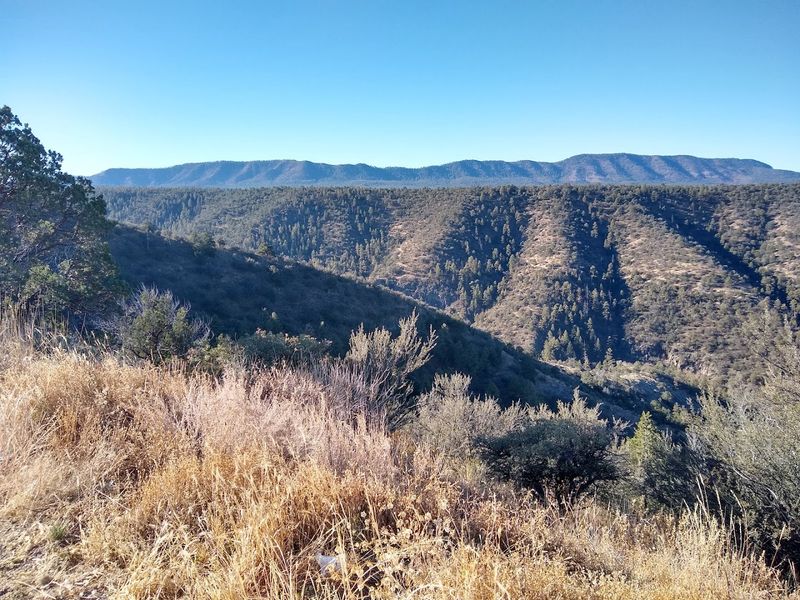
The drive to this campground is not incidental. About 30 miles of narrow, winding paved road separate the property from the main highway, and that stretch of mountain driving is both the reason most people hesitate and the reason those who make it feel like they have truly arrived somewhere worth reaching.
Cell service disappears almost immediately after leaving the highway, so navigation needs to be handled before departure. Downloading offline maps or writing down directions the old-fashioned way is a practical necessity rather than an optional precaution.
RVs have made the drive successfully, but the road is tight in places and requires confident driving.
Along the way, there is a farm with goats visible from the road, which serves as an informal landmark that signals the campground is close. The road itself passes through some genuinely striking mountain terrain, and by the time the campground comes into view, the drive has already delivered a solid portion of the trip’s value.
Pricing That Makes the Trip Accessible
Cost is rarely the first thing people talk about when describing a great outdoor experience, but at this campground it is genuinely part of the appeal. Camping rates have been reported at around $12 to $24 per night depending on the number of people, and day-use access to the hot spring pools runs approximately $8 per person for a two-hour soak.
For those who arrive in a van or camper and want overnight access to the pools without a traditional campsite, the overnight parking rate has been noted at around $12 per person. These prices make the experience accessible to a wide range of travelers, from budget backpackers to families looking for something affordable and memorable.
Cash is the preferred payment method given the remote location, though the owners have shown flexibility for guests who arrive without enough on hand. Firewood bundles are available for purchase on-site, which is a convenient detail given that the nearest supply store is a significant drive away.
What Primitive Really Means Here
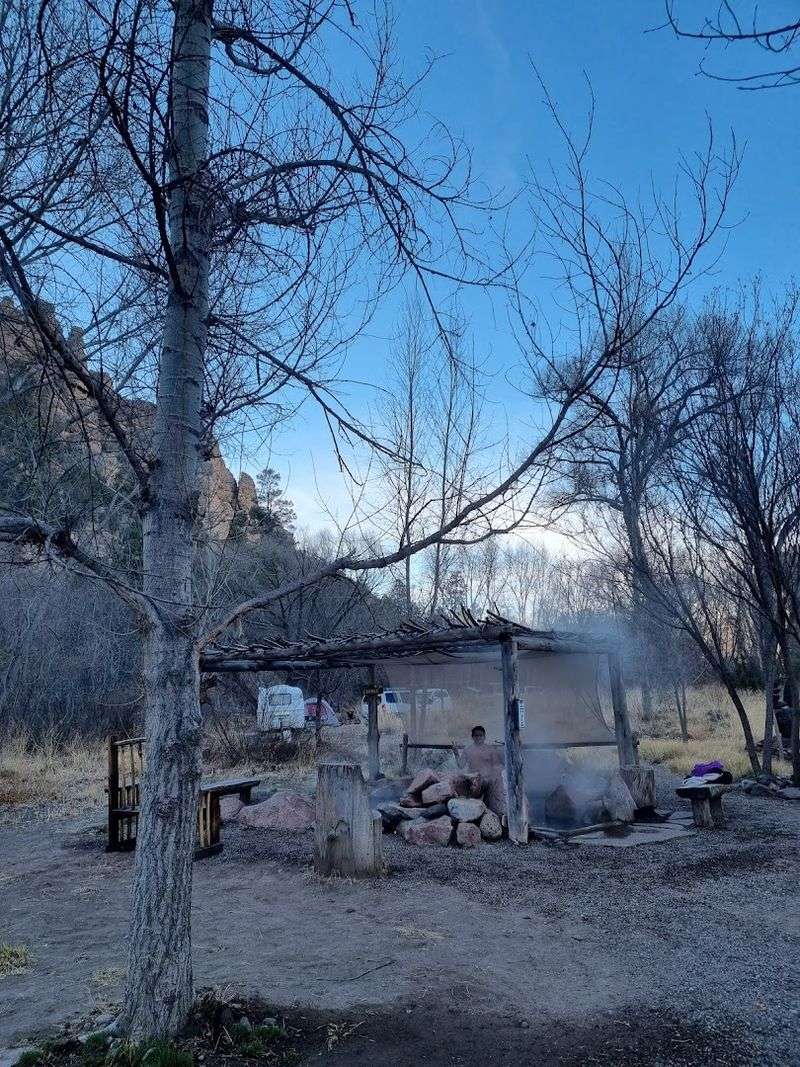
The word primitive gets used a lot in campground descriptions, but it is worth being specific about what it means in this context. There are no traditional shower facilities at this campground.
Restroom options are limited to a mobile unit with two bathrooms, which can feel stretched on busy weekends. There is no handwashing station in the traditional sense, though the spout between the pools provides hot water for basic needs.
Trash follows a pack-in, pack-out policy, so arriving with a plan for waste management is essential. The nearest gas station is a significant distance away, with some guests reporting that at least 125 miles of fuel range is needed to reach the first station when heading back toward Albuquerque.
None of this is a complaint about the campground. It is simply the reality of a place that exists far from infrastructure.
Guests who arrive with the right expectations and the right gear consistently have a much better time than those who expect amenities that were never advertised.
Wildlife and the Natural Setting Around Camp
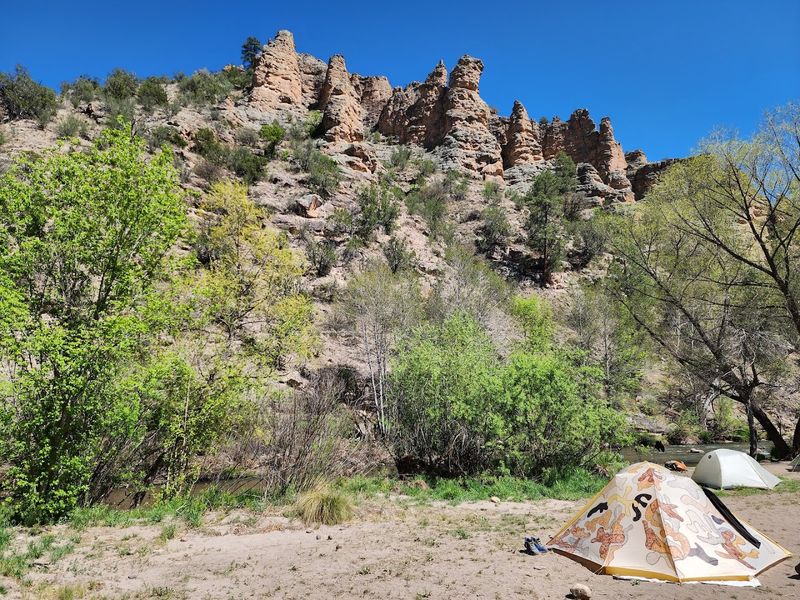
The Gila River corridor is one of the more biologically rich habitats in the American Southwest, and the area around this campground reflects that. Wildlife is active in and around the property, though the campground itself is gated, which keeps animals at a respectful distance from the actual campsites.
Riparian trees line the riverbank, providing habitat for a wide variety of bird species. The cliffs on the eastern side of the river add vertical habitat that supports additional wildlife activity.
Guests who spend quiet time near the water are likely to spot more than those who move quickly through the area.
The broader Gila National Forest, which surrounds the campground, is one of the largest national forests in the country and contains a remarkable variety of terrain. The campground serves as a comfortable base for exploring that landscape, with the hot springs available as a recovery option after a day of moving through the backcountry.
The Gila Cliff Dwellings Are Right Next Door
One of the strongest arguments for staying at this campground rather than simply day-tripping to the area is its proximity to the Gila Cliff Dwellings National Monument. The cliff dwellings are located approximately three miles from the campground, making them an easy and logical addition to any visit.
The Gila Cliff Dwellings are among the best-preserved examples of Mogollon culture architecture in the country. Built into natural cave openings in the canyon walls, the structures date back roughly 700 years and offer a genuinely striking window into how people lived and built in this landscape long before modern tools or materials.
Having the campground as a base means arriving at the trailhead early, before day-trippers from distant towns begin to show up. The hike through the dwellings is not long, but the surrounding canyon terrain offers plenty of additional exploration for those who want to extend the day beyond the monument’s official boundaries.
Rules That Actually Improve the Experience
Some campground rules exist purely for liability reasons, and others exist because someone thought them through carefully. The no-generator policy at this campground falls firmly in the second category.
Generators are loud, they produce fumes, and they push artificial light into an environment where darkness is one of the primary attractions. Banning them is a decision that benefits every guest on the property.
The two-hour limit on day-use soaking keeps the pools from becoming overcrowded, which protects the experience for both day visitors and overnight campers. The no-sunscreen rule in the pools is another practical measure that helps maintain water clarity and cleanliness, and guests are asked to respect it as part of the basic orientation when they arrive.
Dogs are welcome at the campground, which is a meaningful detail for travelers who bring pets on outdoor trips. The combination of pet-friendly access and strict quiet norms creates an environment that works well for a wide range of visitors, from solo travelers to families.
Planning Your Visit the Right Way
Reservations are strongly recommended and, by some accounts, essentially required. With only 12 campsites available, the property fills up quickly, particularly on weekends.
Showing up without a reservation is a gamble that does not always pay off, especially during warmer months when the Gila area draws more visitors.
Arriving with enough cash to cover the full stay is a practical necessity given the distance from any ATM or bank. Fuel planning is equally important, with the campground sitting far enough from the highway that guests should arrive with a full tank and account for the return trip before heading out.
The website at gilahotspringscampground.com is the best starting point for current pricing, availability, and any updated policies. WiFi is available on the property, which is a small but genuinely appreciated detail in such a remote location.
Pack swim shoes for the pools, bring firewood or plan to purchase it on-site, and leave the generator at home. Everything else tends to work itself out.
Where Exactly This Place Sits
Gila Hot Springs and Campground is located at Silver City, NM 88061, tucked into the Gila River corridor within the Gila National Forest. Getting there requires driving roughly 30 miles from the main highway along a narrow, winding mountain road that leaves cell service behind almost immediately.
The campground sits right along the Gila River, with campsites positioned just feet from the water’s edge. Large riparian trees provide shade along the riverbanks, and tall cliffs rise on the eastern side, creating a natural enclosure that feels both dramatic and peaceful.
The property is privately operated and has only 12 designated camping spots, which keeps the overall population of guests low at any given time. That limited capacity is part of what makes the experience feel so removed from the ordinary.
Plan your route carefully before leaving, because once you head down that winding road, the outside world essentially disappears.
Share this story