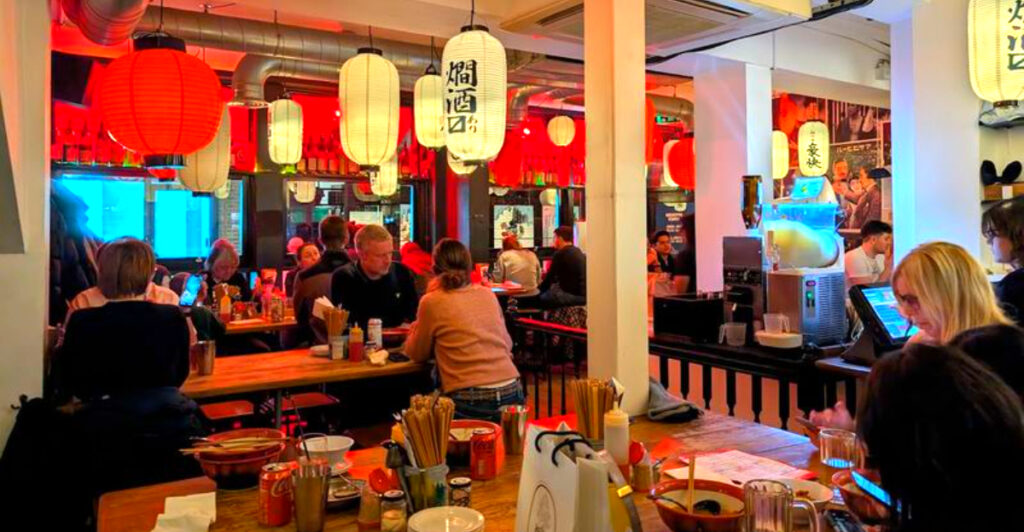
Ramen has traveled far beyond its Japanese roots, and at this point, it has basically conquered the entire planet. What started as a humble noodle dish has turned into a global obsession, with chefs from New York to Cape Town perfecting their broths, toppings, and techniques.
The best bowls outside Japan are not cheap imitations. They are thoughtful, passionate creations built by people who take their noodles very seriously.
Some restaurants fly in ingredients directly from Japan, others earn Michelin recognition, and a few have lines stretching around the block every single day. This list covers 12 cities across four continents where ramen culture has genuinely taken root.
Whether you are a longtime noodle devotee or someone who has only tried instant ramen in a dorm room, these places will completely change how you think about a bowl of soup.
1. Ivan Ramen, New York City, New York, USA
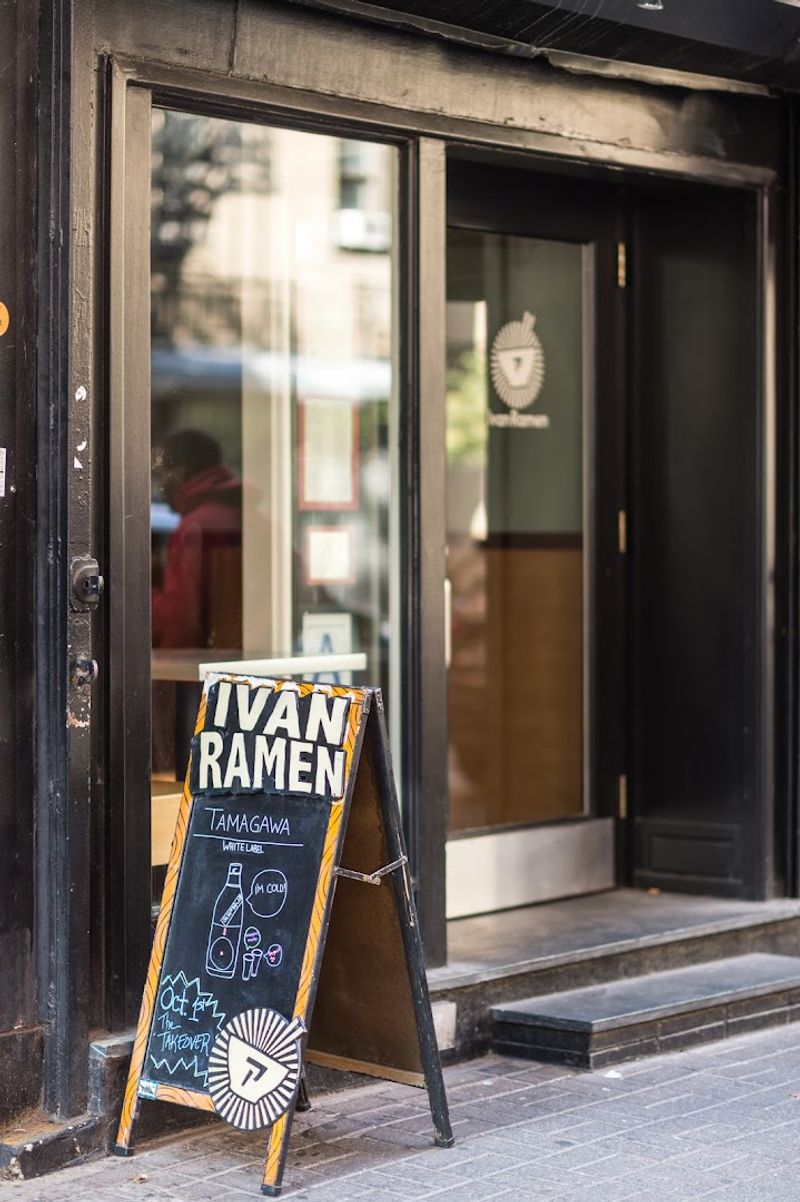
An American chef moving to Tokyo, earning the respect of Japanese ramen masters, and then bringing it all back to New York sounds like a movie plot, but that is exactly what Ivan Orkin did.
Ivan Ramen on the Lower East Side is the result of years of dedication to craft, and the menu reflects that obsession in every detail.
The broths are layered and complex, built from techniques Orkin developed during his years running shops in Tokyo.
His rye noodles are a signature touch that sets the restaurant apart from more traditional offerings.
The shio ramen, in particular, has developed a loyal following among serious ramen fans in the city.
The portions are generous, the service is focused, and the dining room has a relaxed energy that makes the whole experience feel approachable rather than intimidating.
2. Mensho Tokyo SF, San Francisco, California, USA
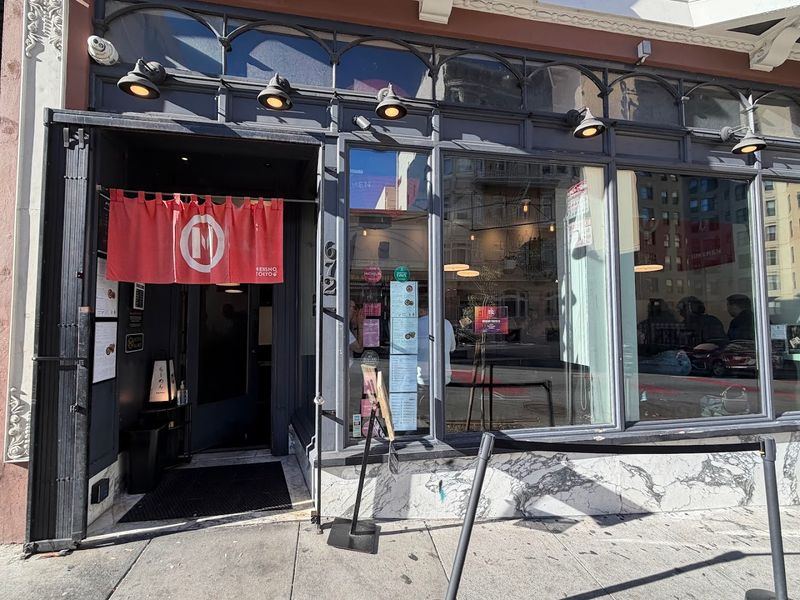
There are ramen restaurants, and then there is Mensho Tokyo SF, a place that treats each bowl more like a chef’s tasting course than a casual lunch.
The San Francisco outpost of the acclaimed Tokyo original brings the same level of precision that earned the brand its reputation in Japan.
Mensho is well known for sourcing premium ingredients, including A5 Wagyu beef and free-range duck, which feature across several signature bowls.
The toripaitan ramen, made from a rich chicken bone broth, has consistently ranked among the most praised dishes in the Bay Area.
Lines form early, and the restaurant does not take reservations, so planning ahead is genuinely useful.
The compact dining room fills quickly, and staff move with efficient precision that keeps things running smoothly even during peak hours.
3. Ramen Danbo, Vancouver, British Columbia, Canada
Vancouver has a ramen culture that rivals cities twice its size, and Ramen Danbo has played a central role in building that reputation over the past decade.
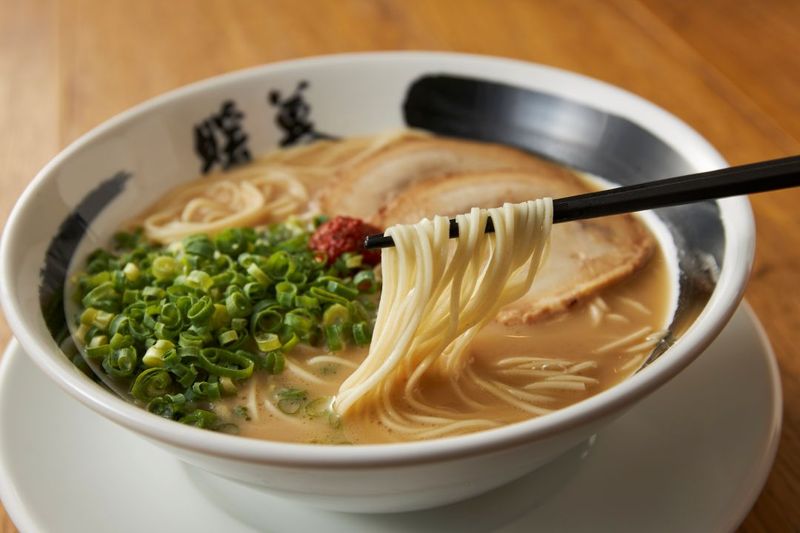
Originally from Fukuoka, Japan, Danbo specializes in Hakata-style tonkotsu ramen, and the Vancouver locations stay faithful to that tradition.
One of the most popular features is the customization system, which lets guests choose noodle firmness, broth richness, and seasoning intensity before the bowl even reaches the table.
The noodles are thin and straight, which is a hallmark of authentic Hakata style, and they hold up well throughout the meal.
Chashu pork is sliced thick and cooked until tender, making it one of the most satisfying toppings on the menu.
The restaurant tends to fill up fast on weekends, so arriving early or expecting a short wait is a reasonable strategy.
4. Hakata Gensuke, Melbourne, Australia
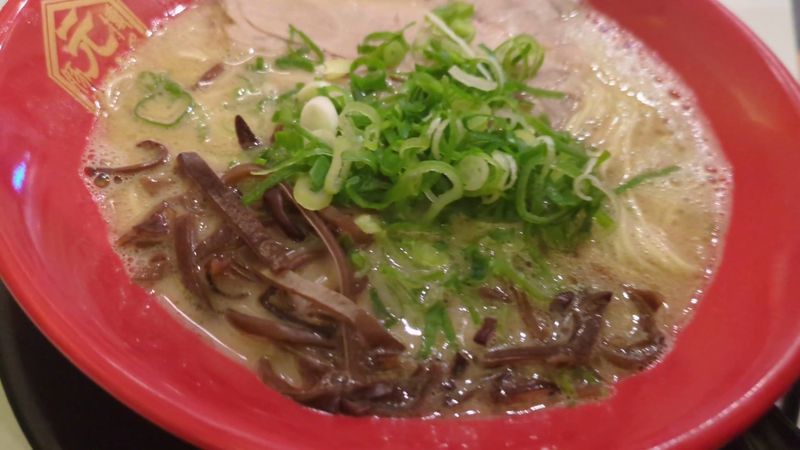
Melbourne takes its food culture seriously, and Hakata Gensuke has earned its place among the city’s most respected Japanese restaurants through consistent quality and a clear commitment to Fukuoka-style ramen.
The restaurant focuses almost entirely on tonkotsu, which means the kitchen has had years to perfect a single style rather than spreading its attention across a broad menu.
The signature bowl features a deeply developed pork bone broth that is simmered for an extended period to build richness without becoming heavy or one-dimensional.
Black garlic oil is offered as a topping and adds a distinct roasted flavor that regulars often request without hesitation.
The restaurant has multiple Melbourne locations, which speaks to how strongly the city has embraced the brand.
First-time visitors are often advised to start with the original tonkotsu before experimenting with the spicier variations on the menu.
5. Bone Daddies, London, England
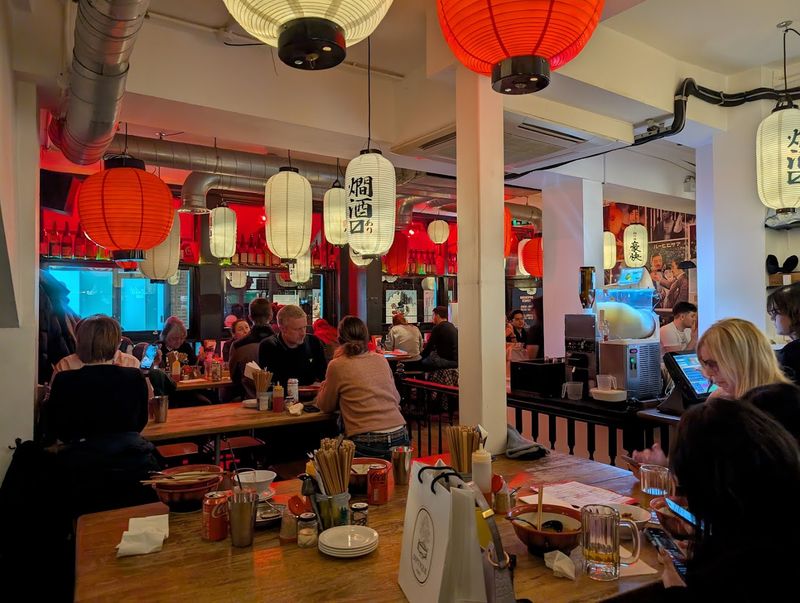
When Bone Daddies opened in Soho back in 2012, London’s ramen scene was still finding its footing, and the restaurant immediately gave it a major push forward.
Founded by a chef who trained in Japan, the restaurant built its identity around high-energy service, bold flavors, and a menu that treats ramen as a serious culinary pursuit.
The T-Bird ramen, made with a chicken and bacon broth, has become one of the restaurant’s most requested dishes and remains a menu staple years after its debut.
Bone Daddies now has several London locations, each maintaining the same commitment to quality that made the original Soho spot so popular.
The restaurant does not take reservations at most locations, which means walk-ins are the standard approach and waits during dinner hours are common.
The no-frills seating and communal tables give the whole experience a casual, unpretentious character that fits the ramen format well.
6. Tsuta, Singapore
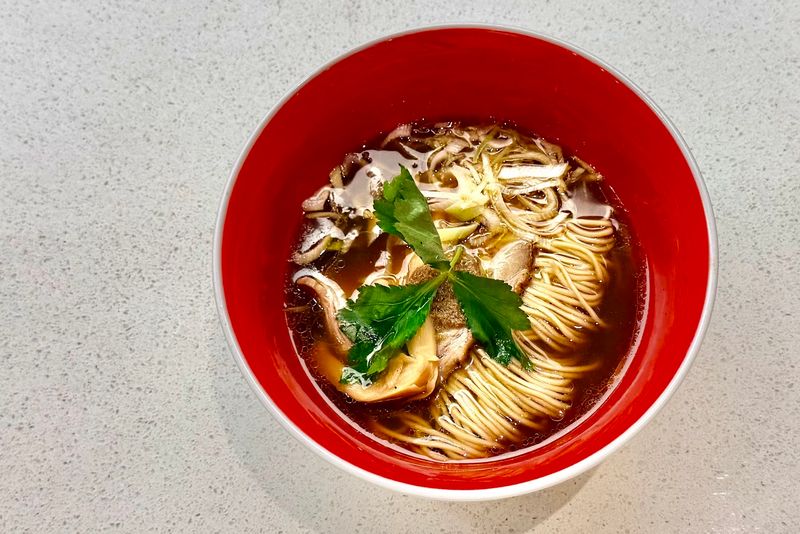
Tsuta made history in 2015 when it became the first ramen restaurant in the world to receive a Michelin star, and that distinction alone was enough to send ramen lovers into a booking frenzy.
The Singapore outpost brings the same refined approach that made the Tokyo original famous, centering on a shoyu-based broth that is carefully balanced rather than aggressively bold.
The signature truffle shoyu ramen uses black truffle paste and truffle oil to add a layer of richness that separates it from standard soy-based bowls.
Portion sizes are deliberately modest, reflecting the Japanese philosophy of quality over quantity, which can surprise first-time visitors expecting a large bowl.
The noodles are made in-house and have a smooth, springy texture that pairs well with the lighter broth style.
Reservations are strongly recommended, as the restaurant operates with limited seating and fills up well in advance on most days.
7. Ippudo Westside, New York City, New York, USA
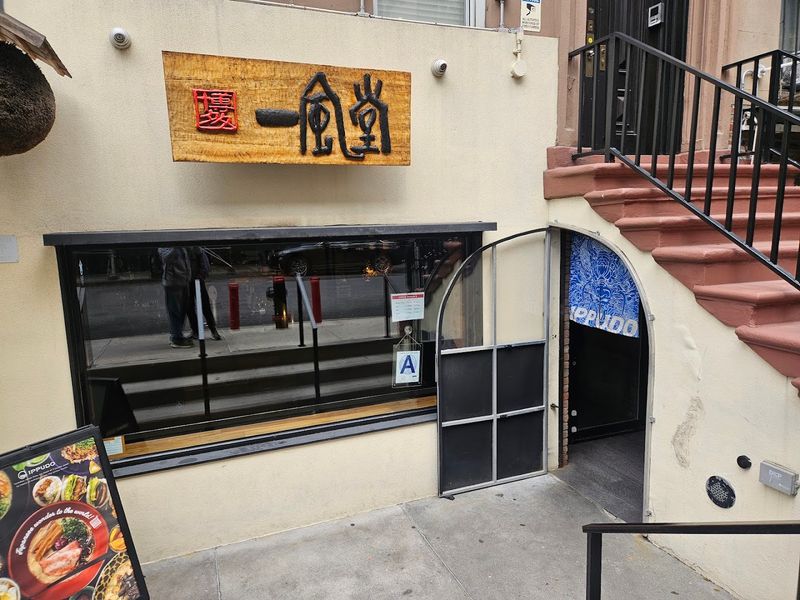
Before most New Yorkers knew what tonkotsu meant, Ippudo was already educating the city one bowl at a time, and its influence on the local ramen scene is hard to overstate.
The Hakata-based chain opened its first New York location in 2008 and immediately attracted lines that stretched around the block, a pattern that has continued ever since.
The Shiromaru Classic remains the most ordered bowl, featuring a clean tonkotsu broth, thin noodles, and a small but carefully chosen set of toppings.
For those who prefer a richer option, the Akamaru Modern adds a special blend of miso and garlic oil that gives the broth a noticeably deeper character.
The Westside location offers a slightly more spacious layout than some of the other New York branches, which makes the dining experience a bit more comfortable.
Service is prompt and well-organized, which helps manage the steady flow of guests that arrives throughout the day.
8. Slurp Ramen Joint, Copenhagen, Denmark
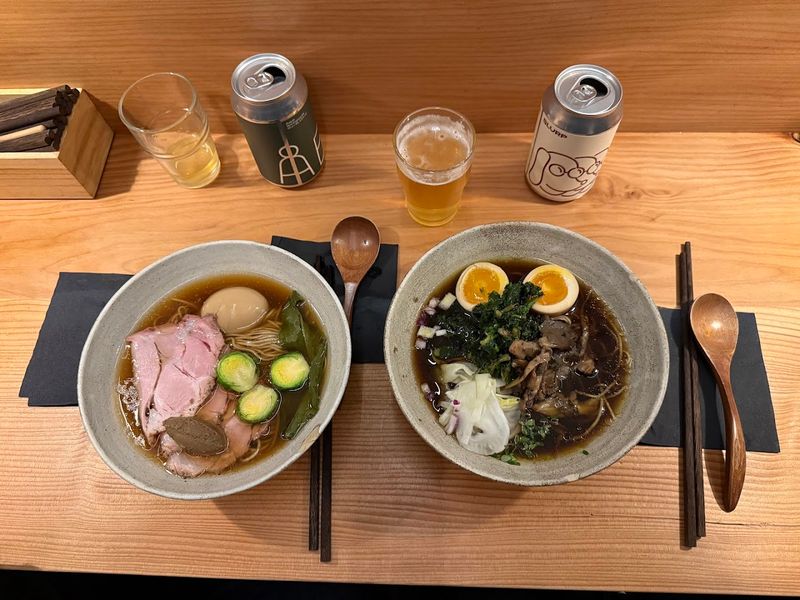
Copenhagen is not the first city that comes to mind when most people think about ramen, but Slurp Ramen Joint has been quietly making a very convincing argument for why it should be.
The restaurant was founded by a chef with roots in Nordic fine dining, and that background shows in the way the menu is structured and the ingredients are selected.
Rather than replicating Japanese ramen directly, Slurp uses local Scandinavian produce and proteins alongside Japanese techniques to build bowls that feel genuinely original.
The broth development process is taken seriously, with long cooking times and careful seasoning adjustments that reflect the precision typical of high-end Nordic kitchens.
The restaurant has earned international attention from food writers and ramen enthusiasts who were not expecting to find this level of craft in Denmark.
The dining room is small, the menu changes with the seasons, and the staff are knowledgeable about every element on the plate.
9. Ramen Nagi, Manila, Philippines
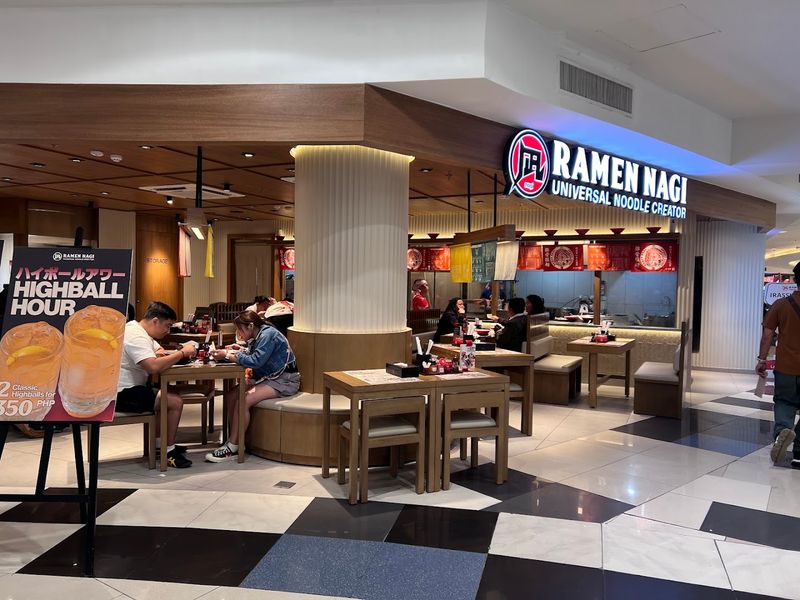
Ramen Nagi has developed one of the most loyal customer bases in Southeast Asia, and its Manila locations consistently rank among the busiest ramen restaurants in the Philippines.
The restaurant originated in Japan and built its reputation on a system that lets guests personalize nearly every aspect of their bowl, from broth intensity to noodle firmness to the number of toppings.
The King Nagi, which features a concentrated pork broth with a powerful garlic punch, is the bowl that most regulars point to when asked for a recommendation.
The customization cards that guests fill out before ordering have become a signature part of the Ramen Nagi experience and add an interactive element that first-timers find enjoyable.
Waits at peak hours can be significant, but the restaurant manages its queue efficiently and the turnover rate keeps things moving.
The consistent quality across multiple Manila branches has helped the brand maintain its strong reputation over many years.
10. Afuri, Portland, Oregon, USA
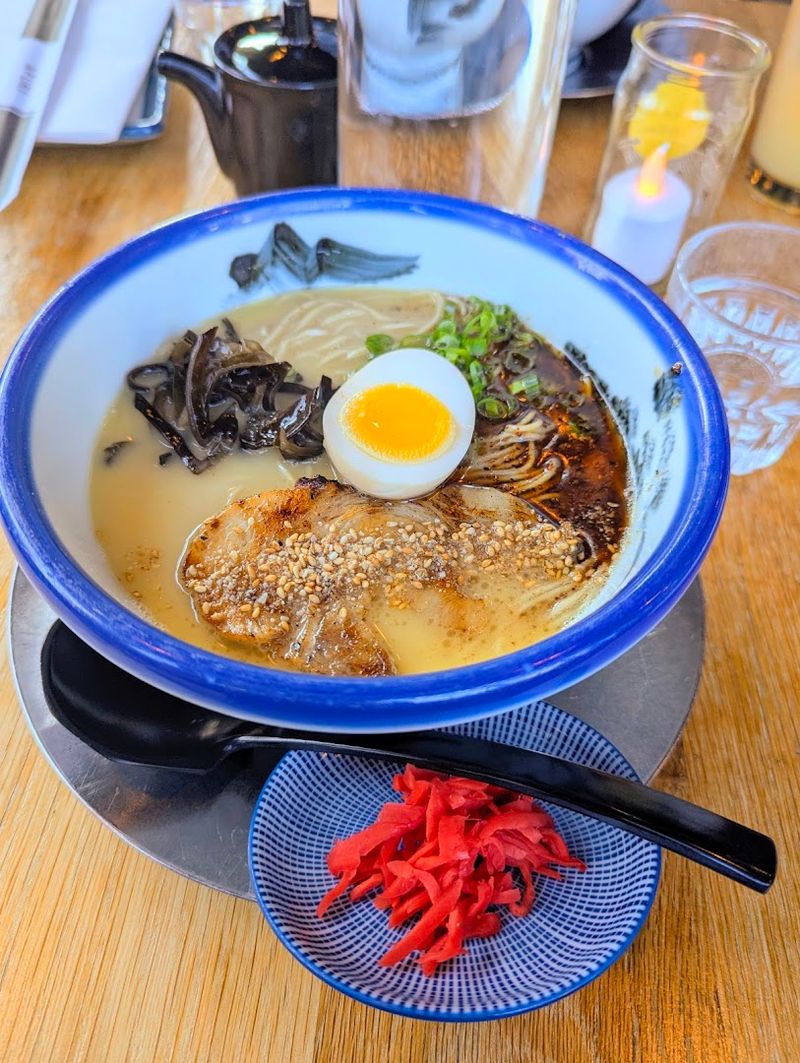
Yuzu ramen is not something you find on every ramen menu, which is exactly why Afuri built a devoted following by putting it front and center.
The original Afuri chain in Japan takes its name from Mount Afuri in Kanagawa Prefecture, and the Portland location carries that identity with a menu focused on lighter, citrus-forward styles of ramen.
The yuzu shio ramen uses a carefully developed chicken broth seasoned with salt and finished with yuzu citrus, producing a bowl that feels refined without being fussy.
This approach appeals strongly to diners who find tonkotsu too heavy or who simply want something different from the pork-bone-dominant options available elsewhere in the city.
The restaurant also offers a yuzu shoyu version for those who prefer a slightly deeper soy-based flavor profile.
Portland’s ramen scene has grown considerably, but Afuri’s focus on a distinct regional Japanese style keeps it in a category of its own.
11. Marufuku Ramen, Oakland, California, USA
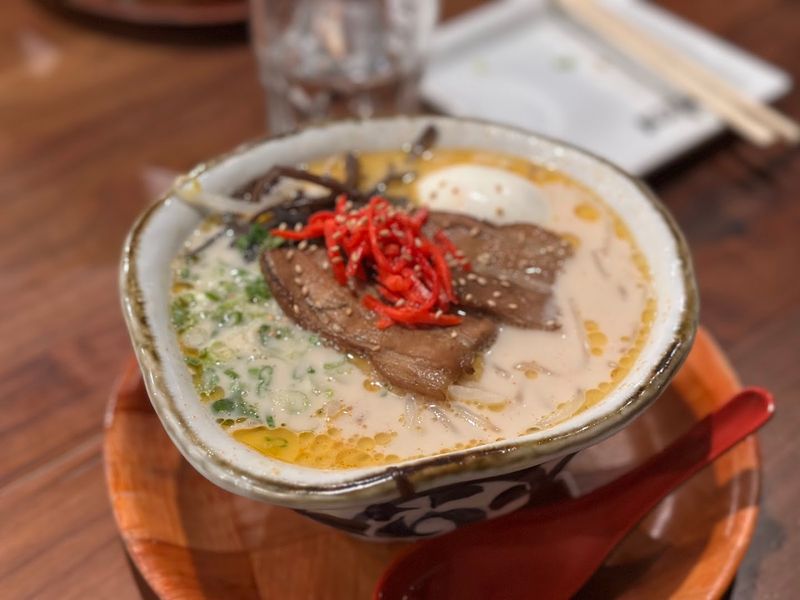
Marufuku Ramen has the kind of reputation that spreads entirely through word of mouth, built by people who tried the tonkotsu and immediately told everyone they knew about it.
The Oakland location joined the original San Francisco branch and quickly developed its own loyal crowd of regulars who treat it as a weekly ritual rather than an occasional treat.
The Hakata-style broth is milky, rich, and developed through a long cooking process that extracts maximum flavor from pork bones without tipping into excess.
The chicken paitan ramen offers a notable alternative for guests who prefer poultry-based broths, and it has earned nearly as much praise as the flagship tonkotsu.
Marufuku keeps its menu focused and its standards consistent, which is a big part of why quality rarely dips even during busy service periods.
The restaurant tends to attract a mix of ramen enthusiasts and curious newcomers, and both groups tend to leave satisfied.
12. Kinton Ramen, Toronto, Ontario, Canada
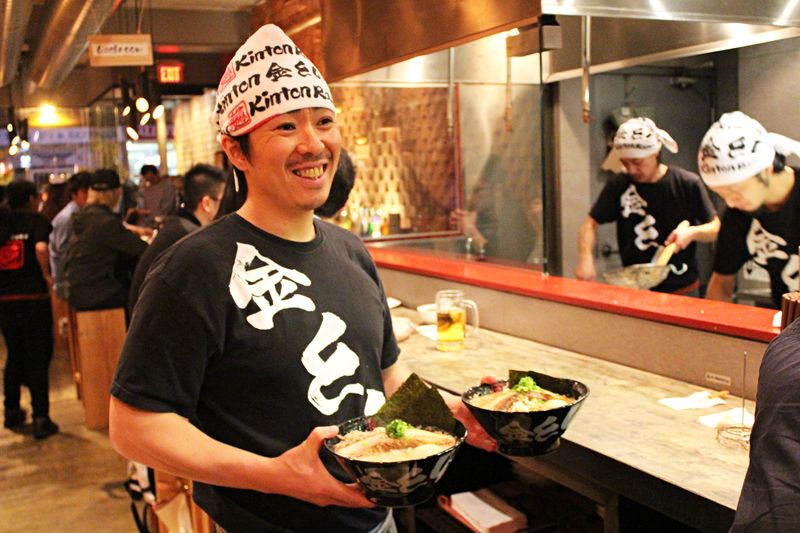
Toronto has one of the most diverse food cultures in North America, and Kinton Ramen has managed to stand out in that competitive environment through consistent quality and a broad menu that covers multiple broth styles.
Founded in 2012, the restaurant now operates several Toronto locations and has expanded to other Canadian cities, reflecting how strongly the brand has resonated with local diners.
The tonkotsu remains the most popular choice, but the miso ramen has also developed a dedicated following, particularly among guests who prefer a slightly earthier flavor base.
Kinton is frequently recommended to first-time ramen eaters because the staff are approachable and happy to explain the differences between broth styles without making the experience feel complicated.
The restaurant’s welcoming format and reasonable price points have helped it become a regular destination for students, families, and office workers alike.
During winter months, the dining room stays consistently busy, which tells you everything about how well ramen fits Toronto’s climate.
Share this story