West Virginia is full of places that defy expectations, from record-breaking engineering feats and hidden Cold War history to rugged wilderness and charming small towns. The attractions on this list showcase the landmarks, landscapes, and road trip stops that make the Mountain State one of the East Coast’s most underrated destinations.
1. Blackwater Falls State Park, Davis, West Virginia
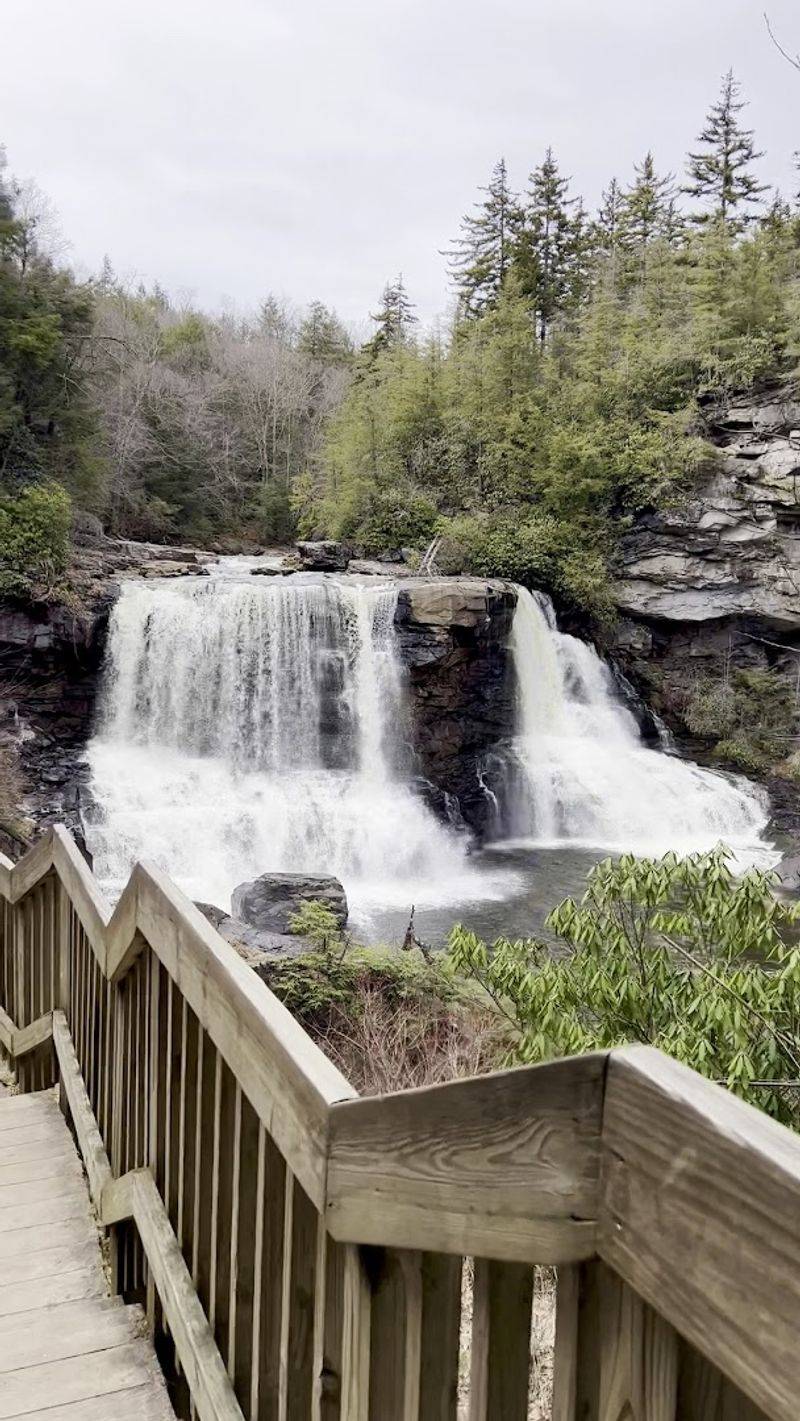
The waterfall that gives this park its name is not your average roadside trickle. Blackwater Falls drops 57 feet into a rugged canyon, and the water’s distinctive amber color comes from tannic acid released by fallen hemlock and red spruce needles upstream.
Wooden boardwalks and staircases lead visitors down to multiple viewing platforms, making the falls accessible without requiring serious hiking gear. The Pendleton Point Overlook adds another dramatic perspective, offering views across the canyon that stretch for miles.
Autumn is the park’s busiest season, when the surrounding forest turns into a full display of orange, red, and gold. But winter visits have their own appeal, with snow-dusted cliffs and partially frozen cascades creating a completely different atmosphere.
2. Seneca Rocks, Seneca Rocks, West Virginia
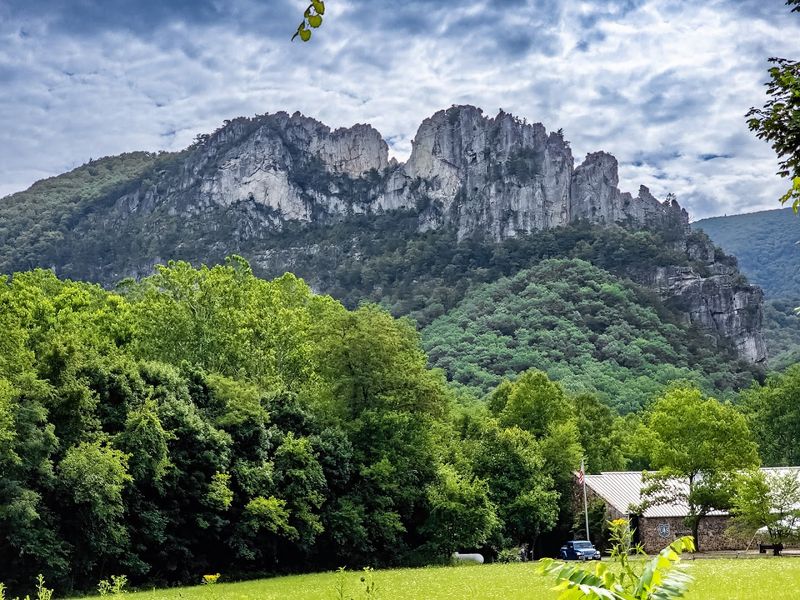
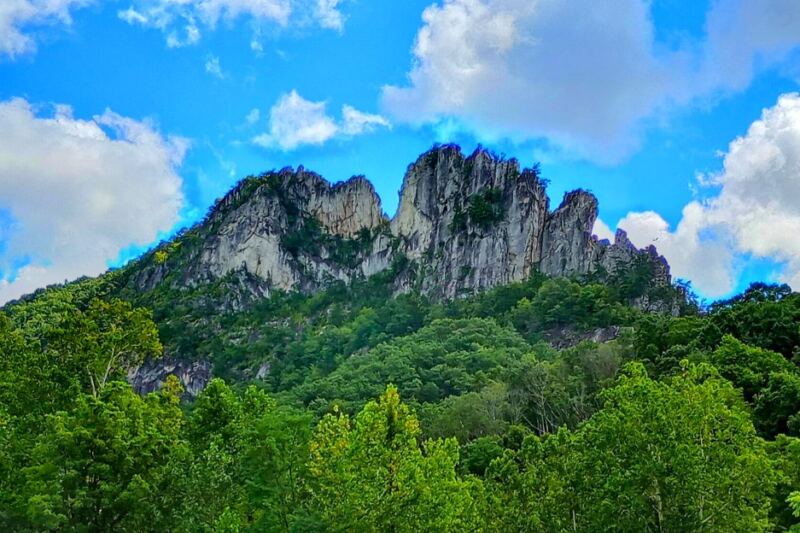
Not many geological formations in the eastern United States stop traffic the way Seneca Rocks does. The jagged quartzite fins rise nearly 900 feet above the valley floor, and they are visible from miles away on the approach road, which makes the anticipation part of the experience.
Rock climbers have been drawn to Seneca Rocks for decades, and the site is considered one of the premier technical climbing destinations on the East Coast. The routes range from beginner-friendly to seriously challenging, with experienced guides available for those who want instruction.
Hikers who prefer to keep their feet on established trails can take the 1.3-mile path to an observation platform near the summit. From the top, views include the surrounding Monongahela National Forest and a distant glimpse of Spruce Knob.
3. Harpers Ferry National Historical Park, Harpers Ferry, West Virginia
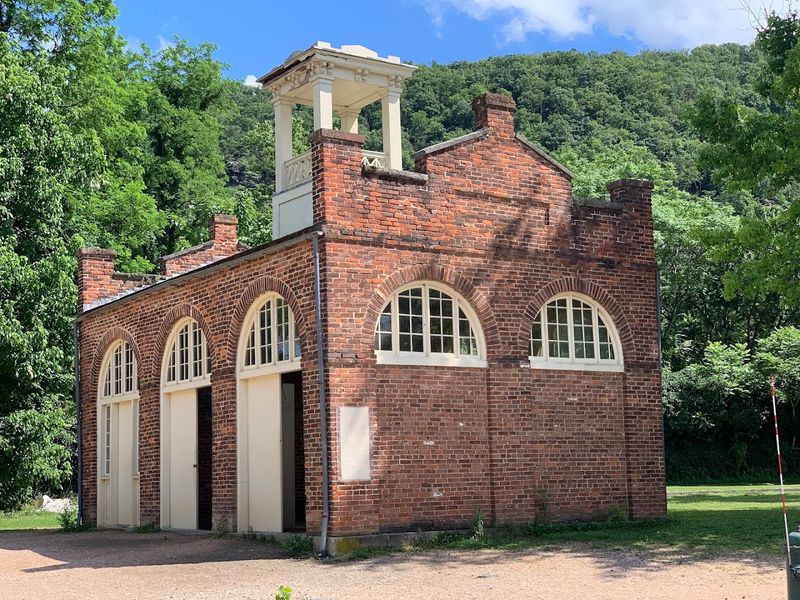
Few towns in America carry as much historical weight per square foot as Harpers Ferry. The town sits at the exact point where the Potomac and Shenandoah Rivers converge, and its location made it a strategic target throughout the Civil War era.
John Brown’s Fort is the most famous landmark here, tied to the 1859 raid that became one of the pivotal moments leading up to the Civil War. The National Park Service manages the historic district and offers ranger-led tours that bring the complicated history to life clearly and accessibly.
Cobblestone streets, preserved 19th-century storefronts, and interpretive exhibits fill the lower town. A hike up to Jefferson Rock rewards visitors with the same view Thomas Jefferson once described as worth crossing the Atlantic to see.
4. Cass Scenic Railroad State Park, Cass, West Virginia
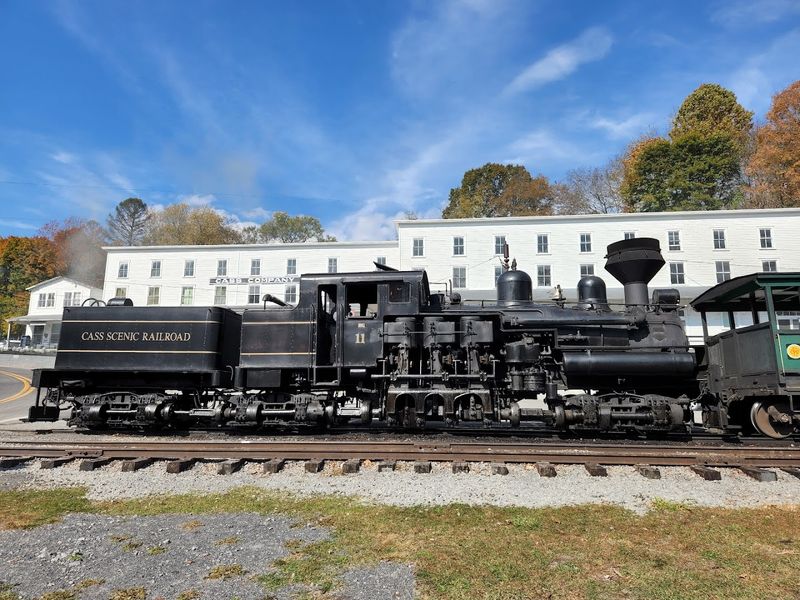
There are train rides, and then there is Cass. The steam locomotives here are not replicas or tourist gimmicks; they are restored Shay engines that once hauled timber out of the mountains during West Virginia’s logging boom in the early 20th century.
The railroad climbs steep grades through Monongahela National Forest, offering passengers views of mountain meadows, dense woodland, and valleys that are nearly impossible to reach any other way. Trips range from shorter excursions to all-day rides that go up to the top of Bald Knob, the second highest point in the state.
The town of Cass itself is part of the experience. Company-era houses have been converted into overnight cabins, and the general store still operates much as it did a century ago.
This stop appeals to history enthusiasts, train fans, and anyone who appreciates a destination that has been carefully preserved rather than commercialized.
5. Dolly Sods Wilderness, Tucker County, West Virginia
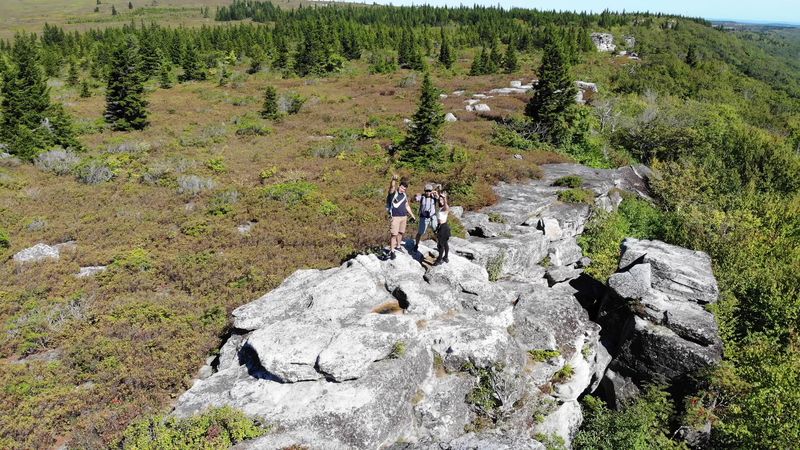
Most people do not expect to find a landscape that resembles northern Canada tucked into the mountains of West Virginia, but Dolly Sods delivers exactly that kind of surprise. The high-elevation plateau sits above 4,000 feet, and the harsh conditions have shaped an ecosystem that is genuinely unlike anything else in the mid-Atlantic region.
Open meadows, heath barrens, and wind-bent spruce trees cover the terrain, interrupted by dramatic rock outcroppings like Bear Rocks, which offer striking views and easy access from the gravel road. The wilderness area is managed with minimal development, meaning visitors should come prepared with maps and supplies.
Hiking trails cross through bogs, along ridgelines, and past red spruce forests that feel ancient. Wildlife sightings, including black bears and migratory birds, are common enough that keeping an eye out is always worthwhile.
6. The Greenbrier, White Sulphur Springs, West Virginia

The Greenbrier has been hosting guests since 1778, which means it has seen more American history than most museums. Presidents, foreign dignitaries, and celebrities have all passed through its famously colorful corridors, and the property has somehow managed to grow more interesting with every passing decade.
The resort’s most talked-about feature is not the golf courses or the spa, impressive as both are. It is the classified government bunker built beneath the property during the Cold War, designed to shelter Congress in the event of a national emergency.
The bunker was kept secret for decades and now operates as a guided tour open to the public.
Even visitors who are not staying overnight can book tours of the bunker and explore the grounds. The resort’s interior design is famously bold, with patterns and colors that decorator Dorothy Draper made iconic in the 1940s.
7. New River Gorge National Park and Preserve, Glen Jean, West Virginia
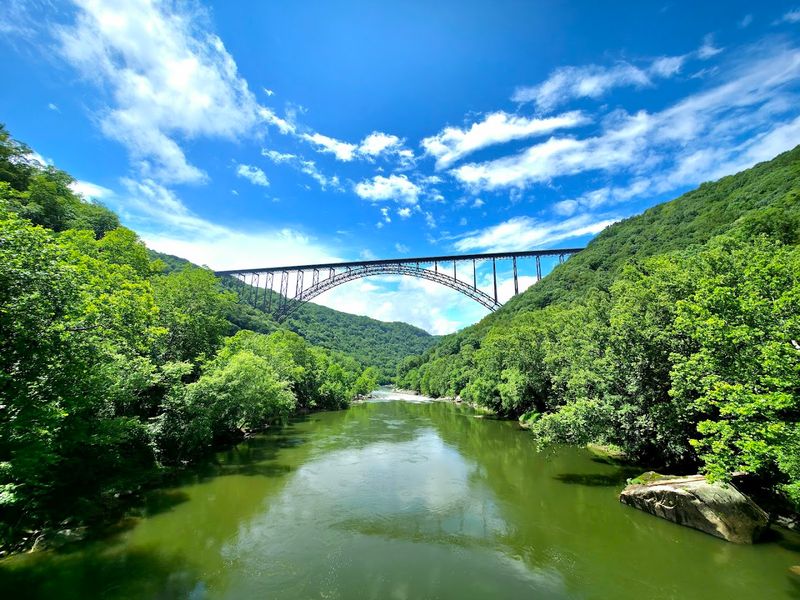
America’s newest national park earned its title in 2020, and it wasted no time proving it belongs on every road tripper’s bucket list.
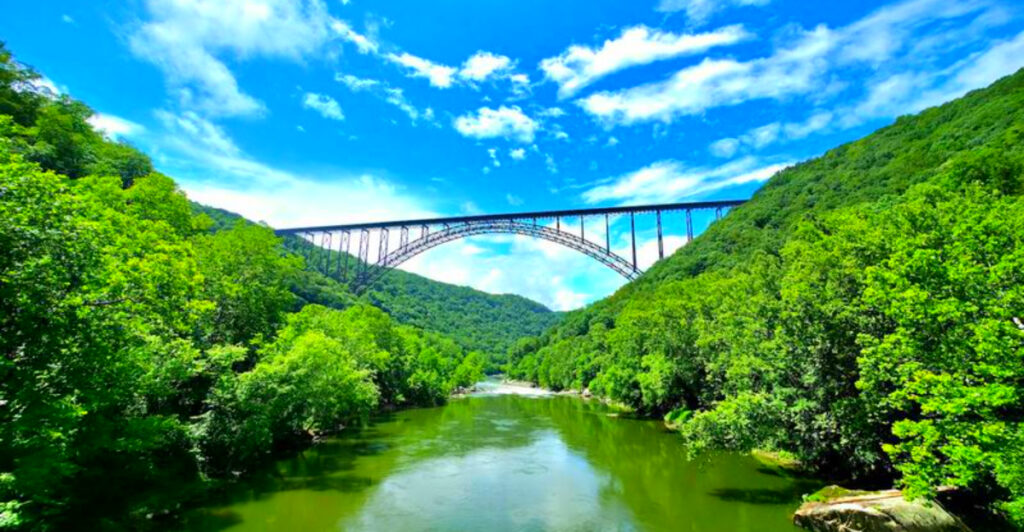
The New River Gorge Bridge is the longest steel arch bridge in the Western Hemisphere, stretching 3,030 feet across a canyon that drops 876 feet below. Brave visitors can book a guided Bridge Walk tour that takes them along a catwalk underneath the full length of the structure.
Beyond the bridge, the park offers scenic drives, including the winding Fayette Station Road that descends all the way to the river. The Endless Wall Trail and Long Point Overlook deliver panoramic views that no photo quite captures accurately.
8. Spruce Knob, Riverton, West Virginia
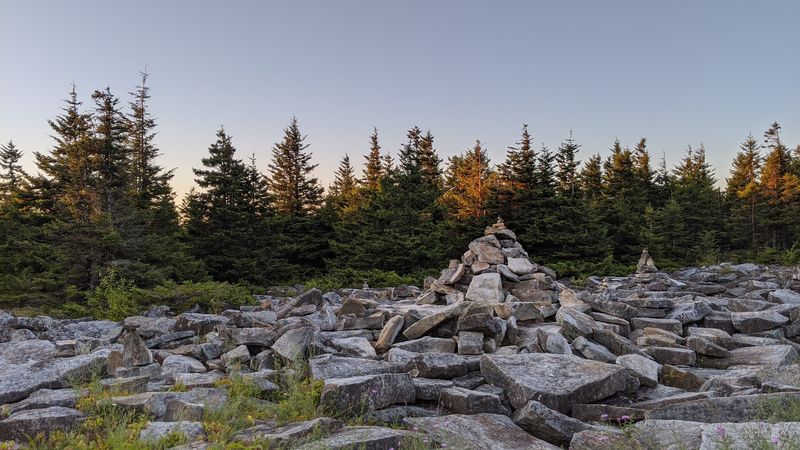
Standing at 4,863 feet, Spruce Knob holds the title of West Virginia’s highest point, and the drive to the top is a proper mountain road experience with tight curves, forest canopy overhead, and occasional clearings that hint at the views waiting above.
The summit area features a short loop trail around the windswept ridgeline, passing through stands of flagged spruce trees that have been shaped by decades of prevailing wind into dramatic, leaning forms. The observation tower at the top adds extra elevation for views that stretch across multiple counties on a clear day.
Spruce Knob sits within the Spruce Knob-Seneca Rocks National Recreation Area, which means it pairs naturally with a stop at Seneca Rocks on the same road trip day. Camping is available nearby at Spruce Knob Lake Campground, a peaceful spot with a small fishing lake.
9. Berkeley Springs State Park, Berkeley Springs, West Virginia
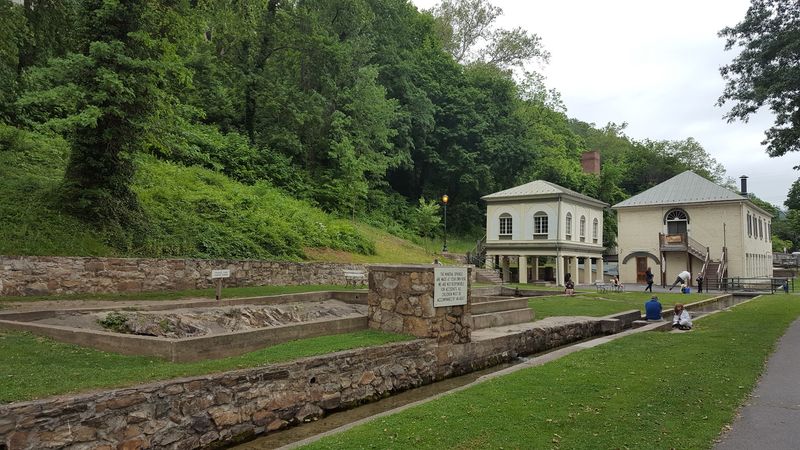
George Washington visited Berkeley Springs so often that the town eventually named a bathtub after him, which is either a great honor or an awkward one depending on how you look at it. The warm mineral springs here have been drawing visitors since the colonial era, making this one of the oldest spa destinations in the United States.
Berkeley Springs State Park sits right in the center of town and is operated by the West Virginia Division of Natural Resources. Visitors can soak in the warm mineral baths for a modest fee, with both indoor Roman-style pools and outdoor options available depending on the season.
The surrounding town adds considerable charm to the stop. Independent shops, art galleries, and cafes line the main street, making Berkeley Springs an easy place to spend a few hours wandering.
10. Babcock State Park, Clifftop, West Virginia
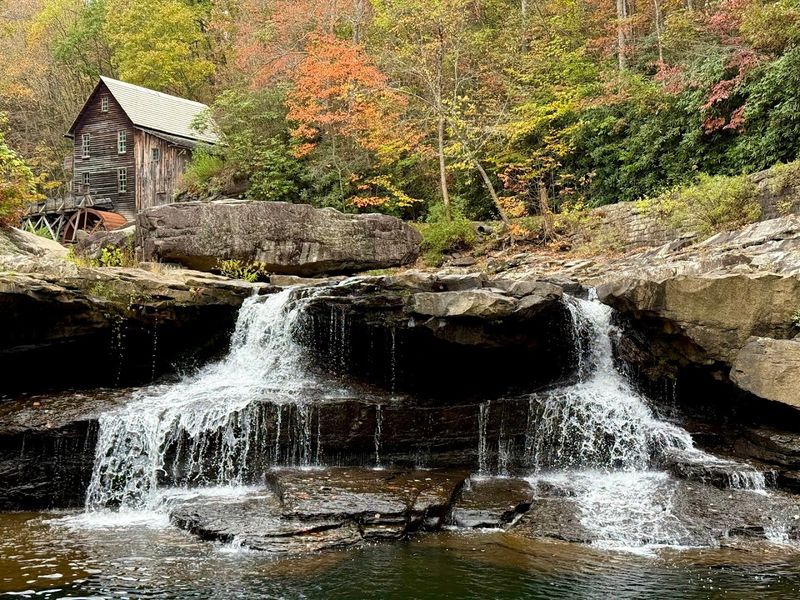
The Glade Creek Grist Mill is arguably the most photographed spot in all of West Virginia, and after one look at it, the reason becomes obvious. The reconstructed mill sits beside a rushing creek, framed by forest, and in autumn the surrounding foliage turns it into a scene that looks like it was composed specifically for a calendar.
The mill was built in 1976 using parts salvaged from three other historic mills across the state, which means it is technically a composite of West Virginia’s milling heritage rather than a single original structure. It still grinds corn and buckwheat, and visitors can purchase the stone-ground products on-site.
Babcock State Park extends well beyond the famous mill. Hiking trails wind through hardwood forests, rhododendron tunnels, and along the banks of the New River, which borders part of the park.
11. Summersville Lake, Summersville, West Virginia
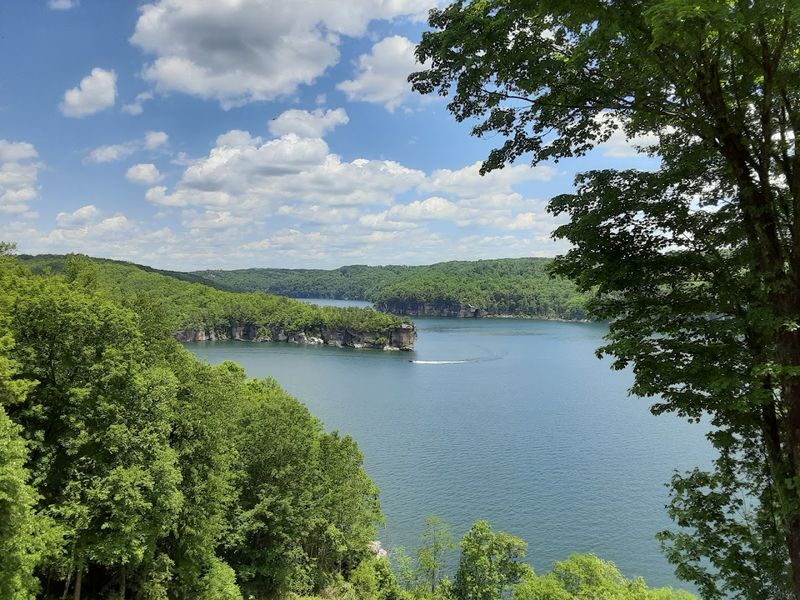
Summersville Lake has earned the nickname “The Little Bahamas of the East,” and while that comparison might seem like a stretch for a landlocked mountain state, one look at the water makes the case. The lake’s clarity is remarkable, the result of cold, deep water filtered through the surrounding sandstone geology.
At 2,790 acres, Summersville is the largest lake in West Virginia, and the towering sandstone cliffs that line its shores create a dramatic backdrop for every water activity on the menu. Boating, swimming, kayaking, and scuba diving are all popular, with the clear water making underwater visibility exceptional by freshwater standards.
The cliffs also attract rock climbers, particularly in the fall when water levels drop and more cliff face becomes accessible. This period is known locally as the “Gauley Season,” when the nearby Gauley River releases water from Summersville Dam for whitewater rafting downstream.
12. Coopers Rock State Forest, Bruceton Mills, West Virginia
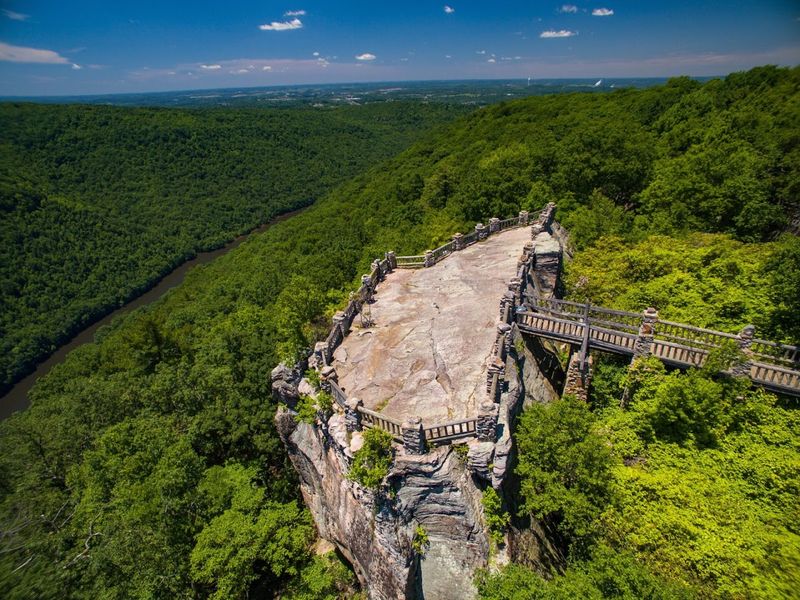
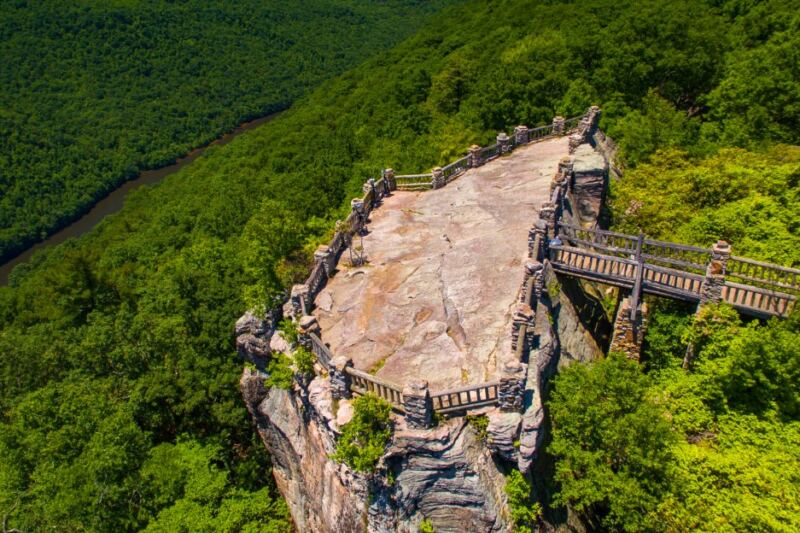
The overlook at Coopers Rock is the kind of view that makes people go quiet for a moment before reaching for their cameras. The stone observation platform sits at the edge of a sandstone cliff, looking out over miles of forested mountains and the deep cut of the Cheat River Gorge far below.
Legend holds that a fugitive blacksmith once hid from authorities among the rocks here, which is how the forest reportedly got its name. Whether the story is fully accurate or not, it adds a layer of character to an already compelling destination.
The state forest covers more than 12,000 acres and offers a solid network of hiking trails ranging from easy walks to more demanding routes along rocky ridgelines. Mountain biking is permitted on designated trails, and the forest is a popular destination for rock climbing on the sandstone outcroppings.
13. Thurmond Historic District, Thurmond, West Virginia
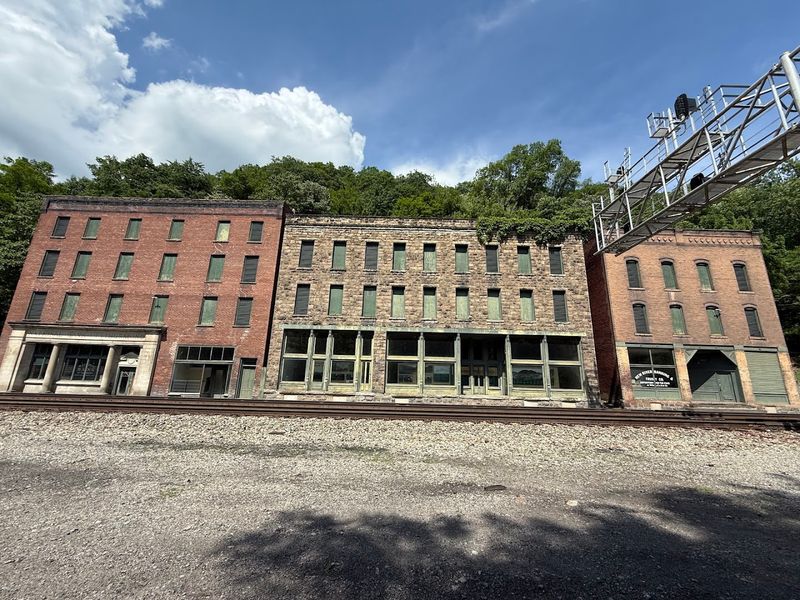
Thurmond once processed more freight than Cincinnati. That fact alone should be enough to make any road tripper take the turn-off.
At the height of the coal and railroad era, this tiny town beside the New River was one of the busiest rail points in the entire country.
Today, Thurmond has a permanent population that rarely exceeds ten people, making it one of the least populated incorporated communities in the United States. The preserved depot, bank, and commercial buildings still stand along the tracks, maintained by the National Park Service as part of New River Gorge National Park.
Reaching Thurmond requires a scenic drive down a narrow road that follows the river through the gorge, which adds considerably to the feeling of discovering something hidden. Passenger trains still stop here occasionally, operated by Amtrak on the Cardinal route.
14. Canaan Valley Resort State Park, Davis, West Virginia
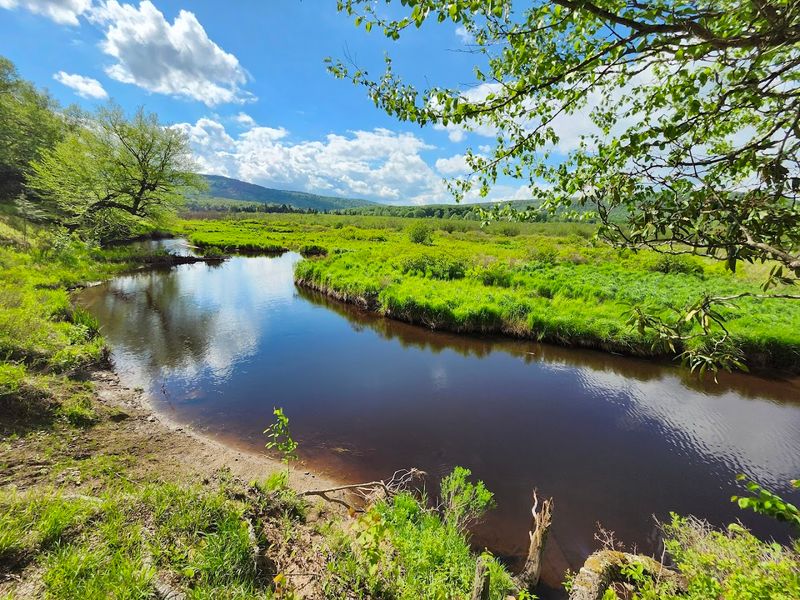
Canaan Valley sits at an average elevation of about 3,200 feet, making it the highest valley of its size east of the Rocky Mountains. That elevation shapes everything about the place, from the cooler temperatures and longer winters to the unusual mix of ecosystems crammed into a single landscape.
The valley floor is dominated by extensive wetlands that support an impressive variety of wildlife, including black bears, white-tailed deer, beavers, and migratory birds that use the area as a rest stop during seasonal journeys. The state park operates a wildlife center with exhibits that help visitors understand what they are looking at during nature walks.
Hiking trails range from flat boardwalk routes through the wetlands to longer climbs along the surrounding ridgelines. In winter, the resort operates a ski area, making Canaan Valley a year-round destination rather than a seasonal one.
15. Trans-Allegheny Lunatic Asylum, Weston, West Virginia
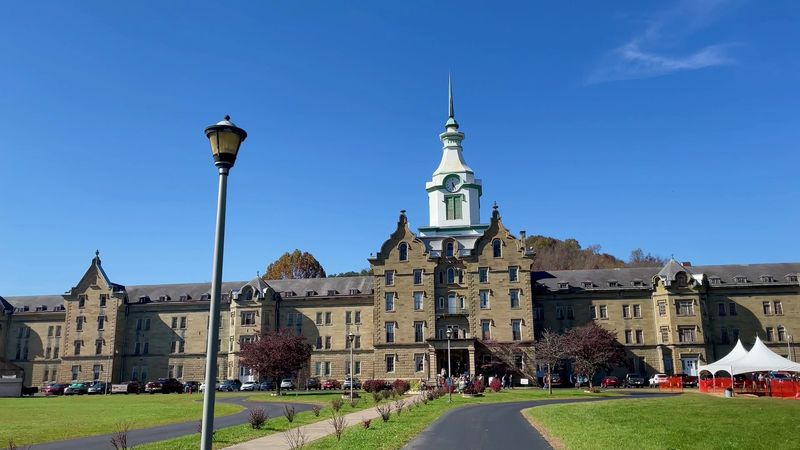
Built between 1858 and 1881, the Trans-Allegheny Lunatic Asylum is one of the largest hand-cut stone structures in North America, and its Gothic Revival architecture makes it look like it was designed specifically to appear in a history book. The building covers over 242,000 square feet and was constructed using a Kirkbride plan, a 19th-century design philosophy that emphasized natural light and fresh air as part of patient treatment.
The facility operated as a psychiatric hospital until 1994, giving it over a century of documented history that tours explore in considerable detail. Guides cover the evolution of mental health treatment, the architecture, and the daily realities of institutional life across different eras.
Day tours run regularly and cover the history and architecture without sensationalism. Evening tours with a more historical mystery focus are available for visitors who prefer that format.
Share this story