Most people experience a fairly predictable cycle of sunrise and sunset. But in some corners of the world, nature completely rewrites the rules.
Certain cities endure weeks or even months of nonstop daylight or near-total darkness, creating lifestyles that can feel almost impossible to imagine. From the frozen Arctic to remote Siberia, these places push the boundaries of what living with light really means.
Longyearbyen, Svalbard, Norway
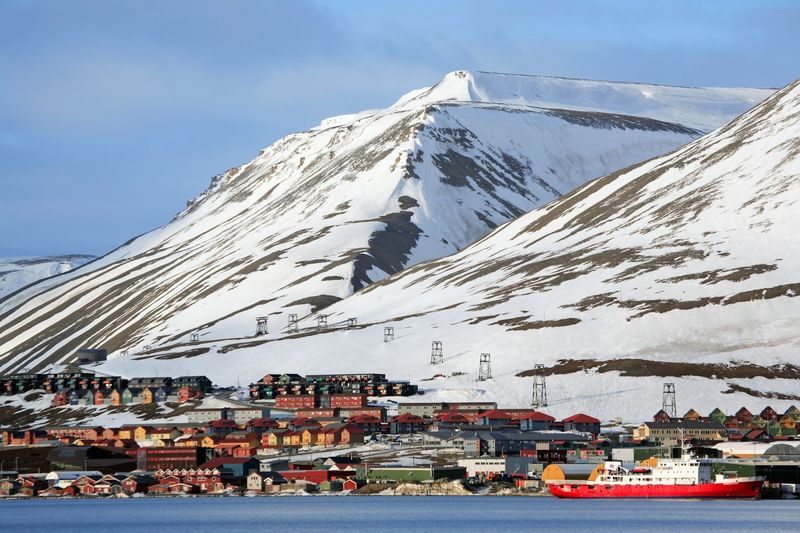
Imagine stepping outside at 2 a.m. and squinting because the sun is blazing full force in the sky. That is everyday life in Longyearbyen, the world’s northernmost permanently inhabited settlement.
Located deep in the Arctic at about 78 degrees north latitude, this remote Norwegian community sits closer to the North Pole than to mainland Norway.
From late April through August, the sun never dips below the horizon. That means zero darkness for months straight.
Blackout curtains become a household essential, and clocks matter more than sunlight when deciding whether it is bedtime. Locals joke that telling kids to come inside when it gets dark is completely useless advice.
Winter flips the script dramatically. The polar night lasts from late October to mid-February, meaning residents go weeks without seeing the sun rise at all.
A faint twilight glow around midday is the closest thing to daytime. Despite the challenges, around 2,400 people call this extraordinary place home year-round, drawn by its raw beauty, tight-knit community, and the kind of adventure that most people only read about.
Utqiagvik, Alaska, United States
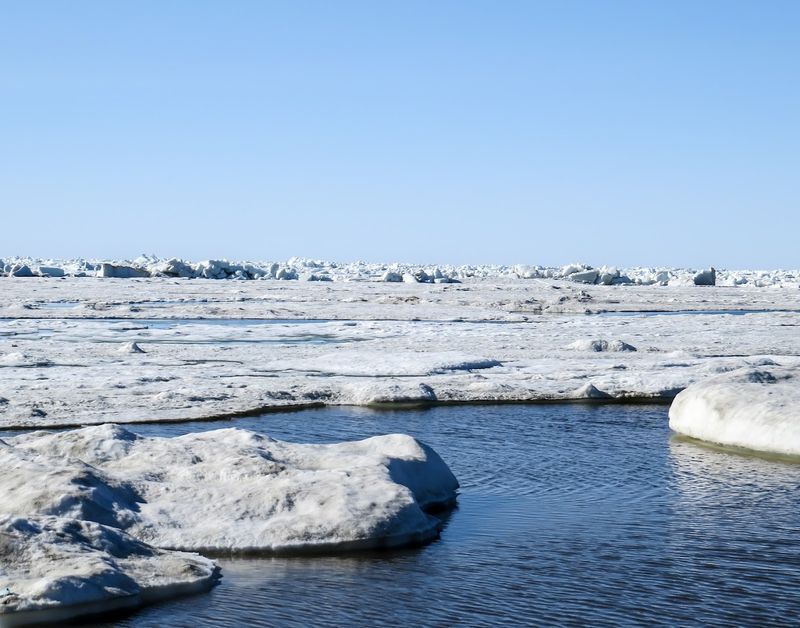
Welcome to the top of America, where the sun pulls a vanishing act for over two months every winter. Utqiagvik, formerly known as Barrow, is the northernmost city in the United States, and its relationship with sunlight is nothing short of theatrical.
Around November 18th each year, the sun sets and does not rise again until late January.
That is roughly 65 days of complete polar night. Residents rely on artificial lighting, community gatherings, and a deeply rooted Inupiaq culture to stay connected and energized through the long dark stretch.
The local community has adapted remarkably well, turning winter into a season of storytelling, traditional practices, and indoor festivals.
Summer swings to the opposite extreme with 82 consecutive days of midnight sun. The sun circles the sky without ever touching the horizon, bathing the tundra in warm golden light around the clock.
Outdoor activities like fishing and hiking stretch late into what would normally be nighttime hours. Visitors often find the experience equal parts thrilling and disorienting.
Utqiagvik proves that humans can adapt to almost anything, even a sky that refuses to follow the usual schedule.
Tromsø, Norway
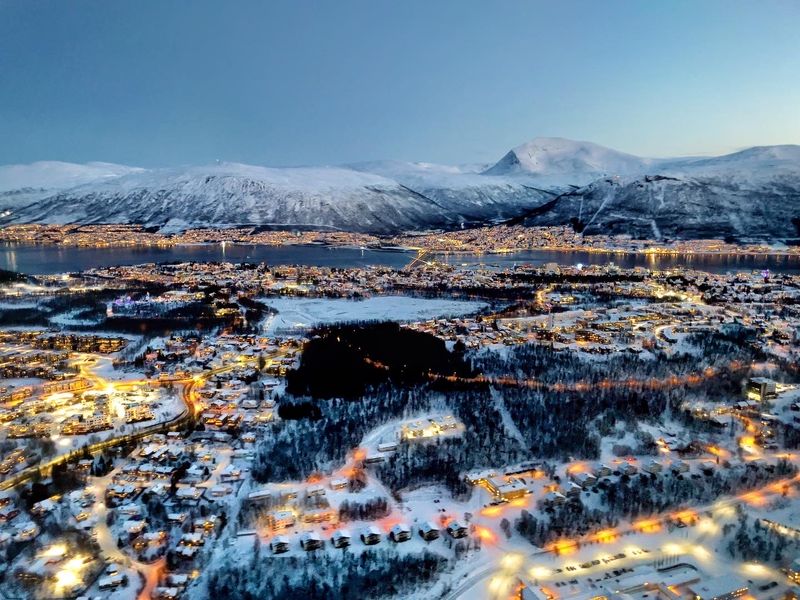
Tromsø has mastered the art of thriving no matter what the sky is doing. Perched above the Arctic Circle in northern Norway, this city of around 75,000 people has built an entire identity around its wild seasonal light swings.
During summer, the midnight sun shines from late May through late July, turning the city into a 24-hour playground.
Cafes fill up at midnight, hiking trails stay busy past 11 p.m., and the energy never quite dies down. Residents have a cheerful relationship with the endless light, though newcomers often confess that sleeping feels strangely rebellious when the sun is staring right at you through the window.
Winter brings the polar night from late November to mid-January. Rather than shutting down, Tromsø leans into the darkness with cozy restaurants, vibrant nightlife, and world-class northern lights viewing.
The city sits directly under the auroral oval, making it one of the best places on Earth to watch the northern lights dance across the sky. Tromsø is living proof that a city can celebrate both extremes of sunlight with equal enthusiasm and style.
Murmansk, Russia
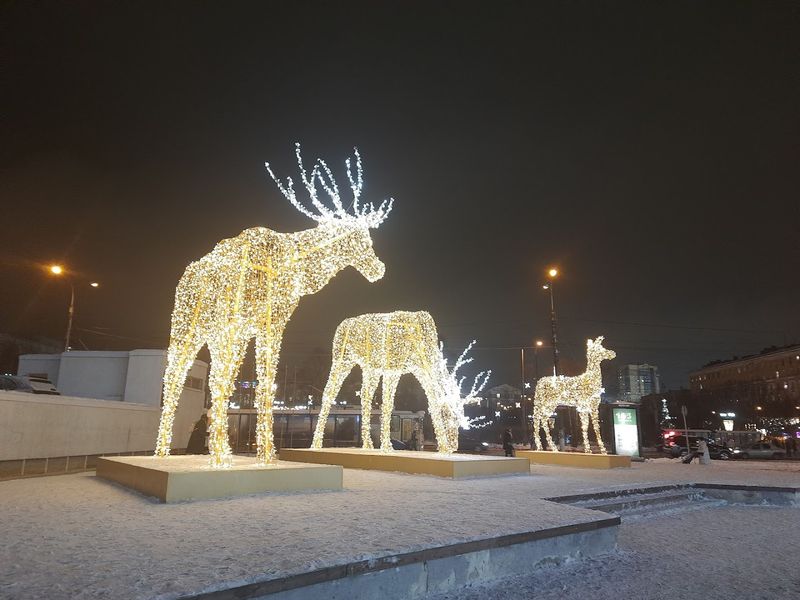
Murmansk holds a record that turns heads: it is the largest city in the world located north of the Arctic Circle, home to roughly 280,000 people. Sitting on the Kola Peninsula in northwestern Russia, this industrial port city experiences some of the most dramatic seasonal light contrasts found anywhere in a major urban center.
Summer brings polar day from late May through mid-July. The midnight sun hangs stubbornly in the sky, casting a warm amber glow over the harbor and the surrounding hills.
Locals use the extra light to garden, fish, and explore the rugged landscape that surrounds the city on all sides.
Winter is a different story entirely. From late November to mid-January, the sun never rises above the horizon.
The city operates entirely by artificial light during the day, and the streets take on a moody, cinematic quality under lamplight and snowfall. Despite the harsh conditions, Murmansk has a proud, resilient character shaped by decades of Arctic living.
Its history as a critical Soviet-era port and its modern role as an Arctic gateway make it one of Russia’s most uniquely fascinating cities to explore.
Rovaniemi, Finland
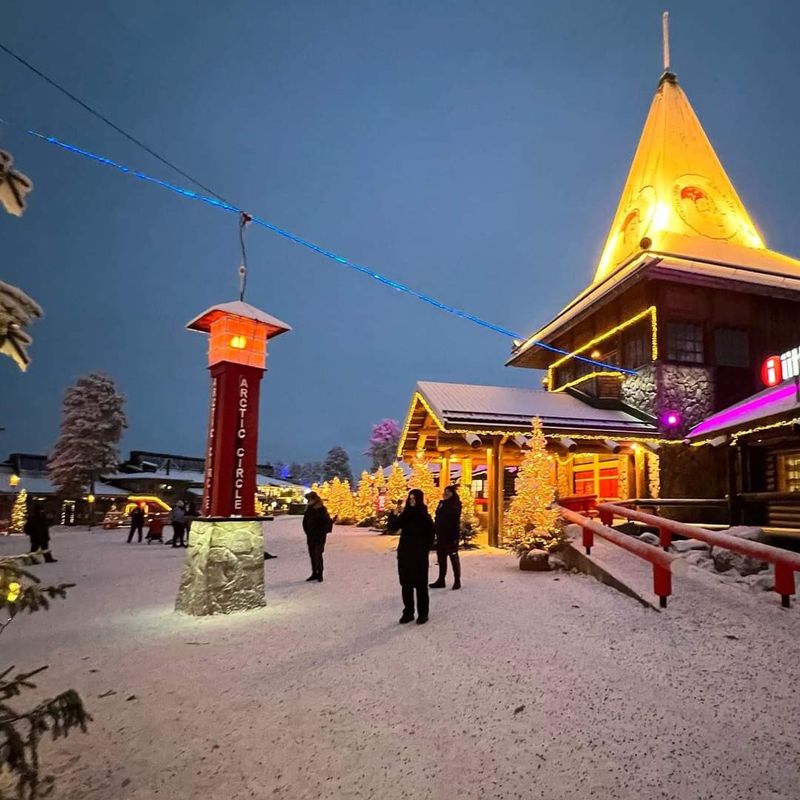
Most people know Rovaniemi as the official hometown of Santa Claus, but this Finnish city on the Arctic Circle has a light story that is equally magical. Sitting almost precisely on the 66th parallel, Rovaniemi straddles the boundary between normal seasonal changes and full Arctic extremes, giving it a fascinating mix of both worlds.
During summer, the sun barely sets for several weeks around the solstice, creating long golden evenings that feel suspended in time. The Kemijoki River glows under the late-night sun, and locals take full advantage by kayaking, cycling, and hosting outdoor events that run well past midnight.
Visitors often arrive expecting a brief Lapland adventure and end up staying longer than planned.
Winter days are short and hushed, with the sun rising low on the horizon for just a few hours before disappearing again. Temperatures drop sharply, and snow blankets everything in a soft, muffled quiet.
The darkness, however, brings one major reward: incredible northern lights displays that light up the night sky in swirling greens and purples. Rovaniemi packages Arctic wonder into a city that manages to feel both adventurous and surprisingly welcoming throughout the entire year.
Kiruna, Sweden
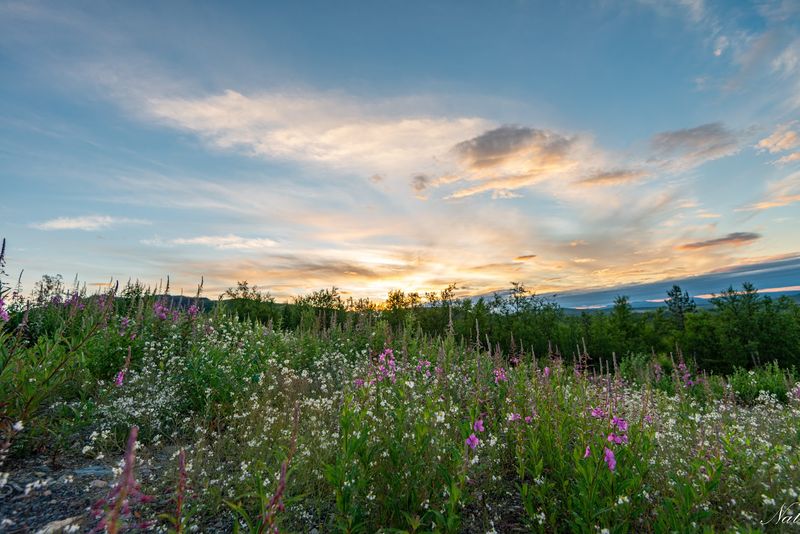
Sweden’s northernmost city sits so far above the Arctic Circle that it practically waves at the North Pole. Kiruna, located in the Lapland region of northern Sweden, is a city built on iron ore mining that also happens to sit in one of the most dramatically lit places in all of Scandinavia.
The seasonal light extremes here are genuinely jaw-dropping.
Summer delivers a midnight sun that lasts from late May through mid-July. The sky stays bright around the clock, and the surrounding wilderness takes on an otherworldly golden glow that photographers travel from across Europe to capture.
Reindeer roam freely through landscapes bathed in endless light, adding to the surreal atmosphere.
Winter introduces weeks of polar night, where the sun stays hidden and the landscape is lit only by snow reflection and twilight. Rather than feeling gloomy, winter in Kiruna has a hushed, almost magical quality.
The nearby Icehotel in Jukkasjarvi, built fresh each year from ice harvested from the Torne River, draws visitors eager to sleep inside frozen walls under a sky that occasionally erupts in northern lights. Kiruna balances industrial grit with natural wonder in a way few cities manage.
Reykjavik, Iceland
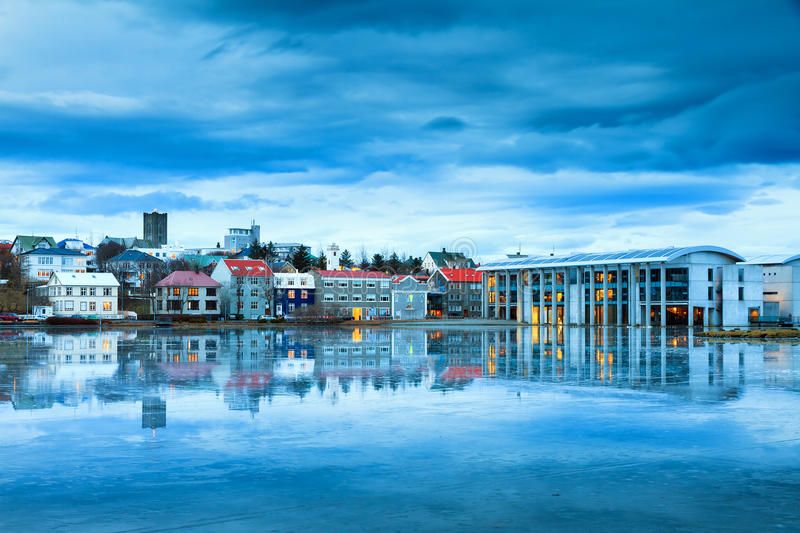
Reykjavik sits just below the Arctic Circle, but do not let that technicality fool you. Iceland’s capital still experiences some of the most extreme daylight conditions found in any capital city on Earth.
Around the summer solstice in late June, the sun barely grazes the horizon before rising again, leaving the sky in a state of permanent golden twilight throughout the night.
Locals call this the White Nights, and they embrace it with open arms. Outdoor concerts, street festivals, and late-night strolls become part of summer culture in a city that genuinely does not want to go to sleep.
The famous Reykjavik Arts Festival often runs well into the bright evenings, filling parks and squares with music and crowds that refuse to call it a night.
Winter brings the flip side, with only four to five hours of actual daylight around the December solstice. Sunrise arrives around 11 a.m. and sunset follows by 3:30 p.m., leaving long, dark evenings that Icelanders fill with hot springs, cozy bookshops, and hearty meals.
The darkness has inspired a rich tradition of storytelling and literature that dates back centuries. Reykjavik is a city that lives fully in both extremes without apology.
Whitehorse, Yukon, Canada
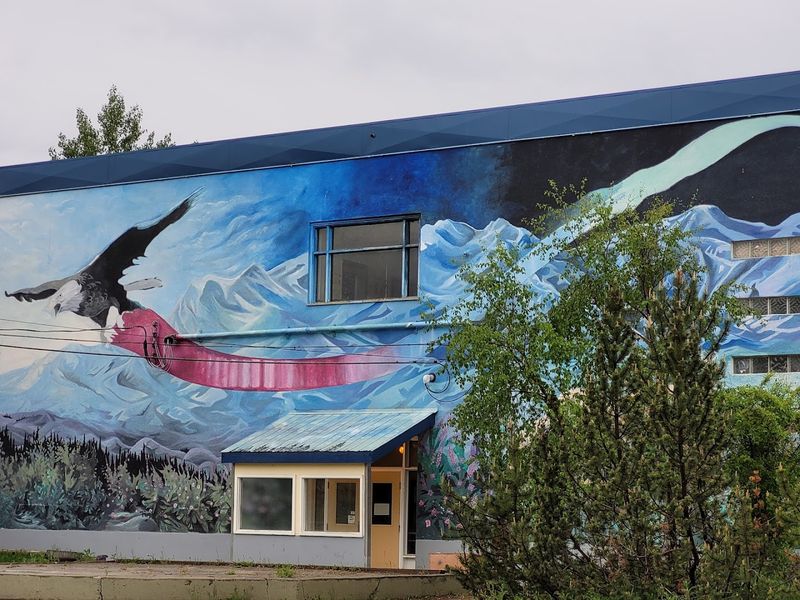
There is something wonderfully defiant about hiking at 10 p.m. with the sun still blazing overhead, and that is a completely normal Tuesday in Whitehorse during June. As the capital of Canada’s Yukon territory, Whitehorse sits at about 60 degrees north latitude, which is enough to push its summer days into genuinely spectacular territory.
Around the summer solstice, Whitehorse enjoys nearly 20 hours of daylight, with twilight filling the remaining hours. The city hosts the Midnight Sun Road Race every June, a running event that kicks off at midnight and uses natural light for the entire race.
It is the kind of event that perfectly captures the playful relationship Whitehorse residents have with their extraordinary summer skies.
Winter is noticeably shorter on daylight, with only about six to seven hours of sunshine in December. But the long dark evenings bring excellent opportunities for northern lights viewing, as Whitehorse sits within the auroral zone.
Dog sledding, snowshoeing, and ice fishing keep the community active through the cold months. The Yukon’s vast wilderness surrounds the city on all sides, making every season feel like a genuine outdoor adventure.
Whitehorse is Canada’s best-kept secret for extreme seasonal light.
Norilsk, Russia
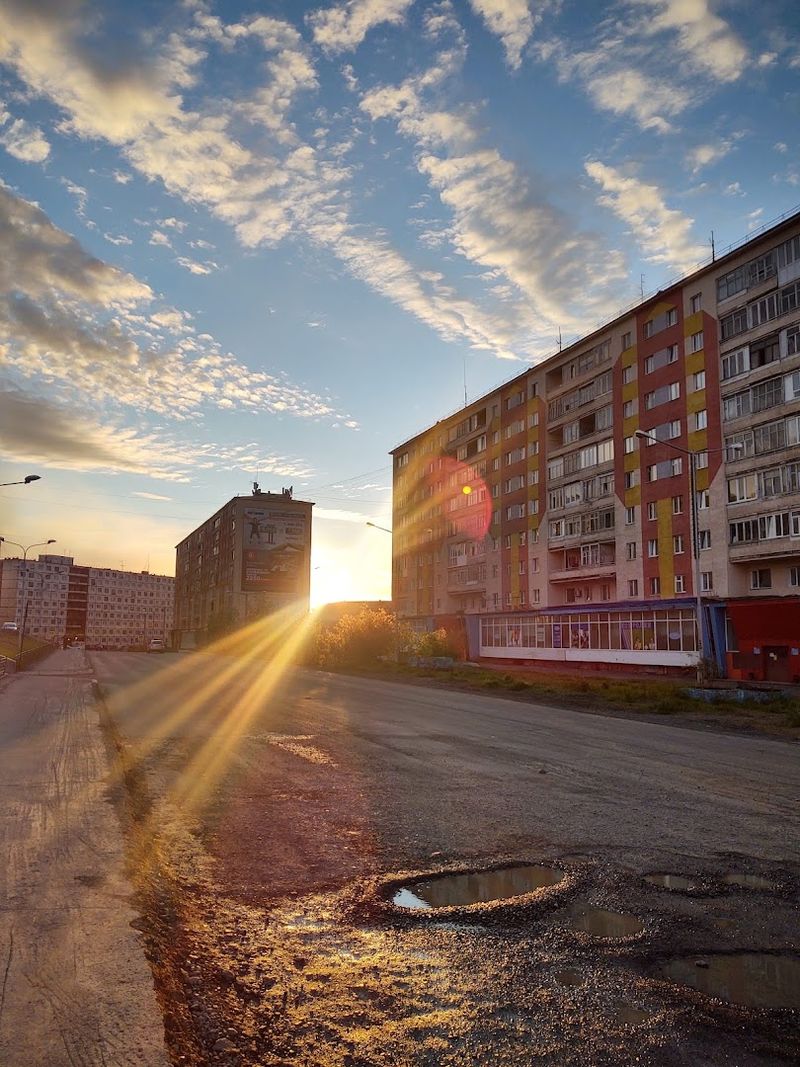
Norilsk is not a city that makes travel wish lists for its charm, but for raw extremes of light and darkness, few places on Earth come close. Located in central Siberia at about 69 degrees north latitude, Norilsk is one of the most isolated and northernmost cities in the world, home to roughly 180,000 people living in genuinely harsh conditions.
The polar night here lasts from late November to mid-January, roughly 45 days without a single sunrise. Temperatures during this period regularly plunge to minus 30 degrees Celsius or colder, making the darkness feel even more absolute.
Workers commute, children attend school, and daily life continues entirely under artificial light during these weeks.
Summer flips the experience with nearly two months of midnight sun, when the sun circles the sky without setting from late May through mid-July. The sudden burst of light after months of darkness is reportedly one of the most emotionally powerful seasonal transitions residents experience.
Norilsk was built largely by Soviet-era labor camps, and its difficult history adds weight to an already intense environment. Life here is tough, unconventional, and shaped entirely by the extreme rhythms of Arctic light and darkness.
Sommaroy, Norway
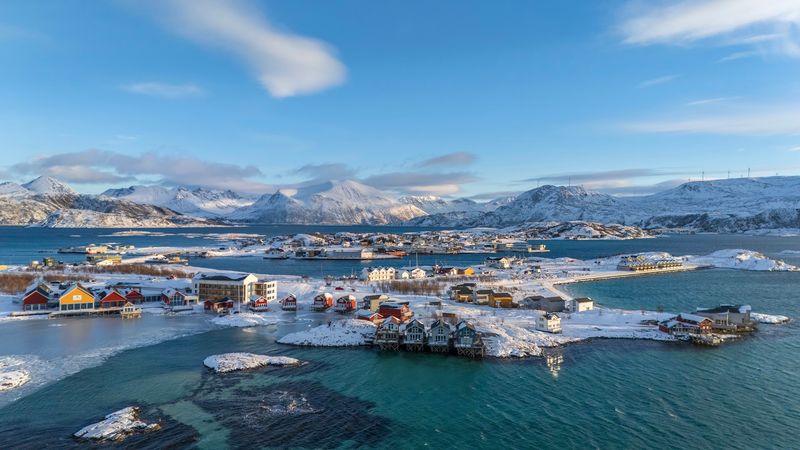
In 2019, residents of this tiny Norwegian island made international headlines by formally requesting to become the world’s first time-free zone. Their argument was simple: when the sun shines for 69 straight days without setting, clocks become meaningless.
Sommaroy, located off the coast of northern Norway near Tromsø, may be small in size but it is enormous in personality.
The island’s summer is extraordinary even by Norwegian standards. From mid-May through late July, the sun stays visible around the clock, and locals fish, swim, and socialize at whatever hour feels right.
A beloved local tradition involves hanging watches on a bridge as a symbolic gesture of freedom from time itself during the summer season.
Winter arrives with the opposite intensity, plunging the island into months of near-total darkness. The contrast between the two seasons is so extreme that it shapes nearly every aspect of community life on the island.
Sommaroy has only a few hundred permanent residents, but its story has captured global attention as a symbol of humanity’s complicated relationship with sunlight. Few places on Earth demonstrate the raw power of Earth’s tilt quite as vividly or as charmingly as this small Arctic island does.
Share this story