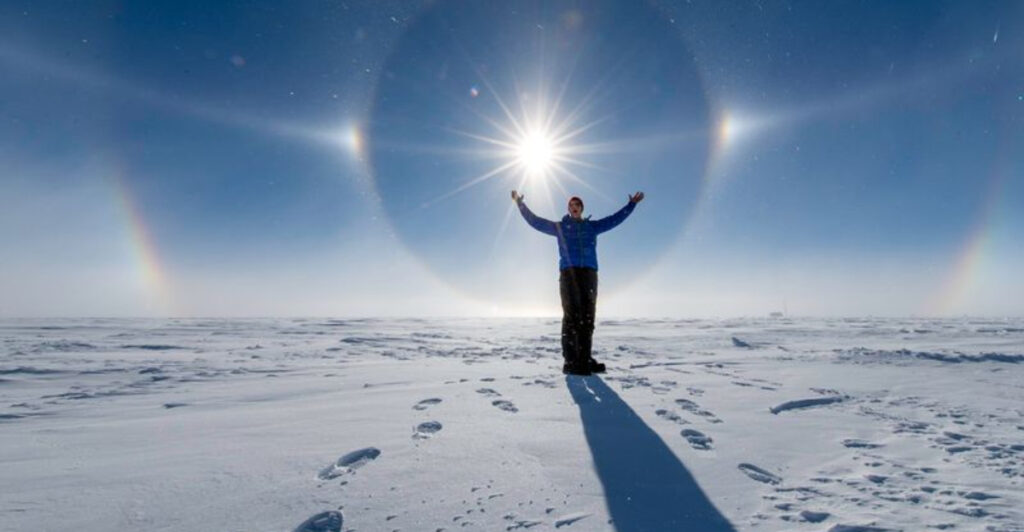
Not every traveler is searching for poolside relaxation and easy sightseeing. Some chase towering peaks, remote wilderness, extreme climates, and adventures that push both physical and mental limits.
These destinations have become legendary among travelers who crave experiences far beyond the ordinary. If you have ever wondered where the boldest explorers on Earth choose to go, this list has your answer.
Mount Everest Base Camp, Nepal
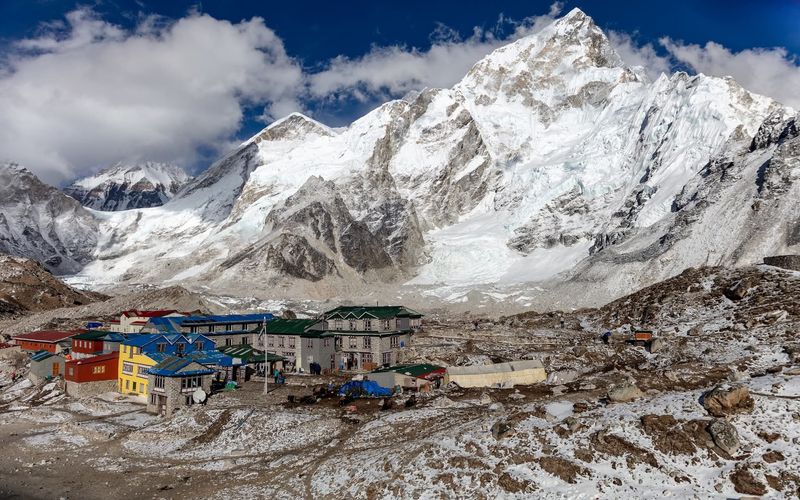
Standing at 17,598 feet above sea level, Everest Base Camp is not a casual weekend hike. The trek takes around 12 to 14 days, winding through ancient Sherpa villages, dense forests, and high-altitude terrain that slowly robs your lungs of oxygen.
Every step forward feels earned.
Altitude sickness is a real concern, and most trekkers spend extra nights at certain camps just to let their bodies adjust. Headaches, fatigue, and shortness of breath are common companions along the route.
Experienced guides and proper acclimatization schedules are absolutely essential for safety.
The reward waiting at the end is genuinely hard to describe. Massive glaciers, towering ice formations called seracs, and the sight of Everest’s peak rising above everything else create a scene that stays locked in memory forever.
Many trekkers say reaching Base Camp changed the way they think about their own limits. The Khumbu region also offers rich Tibetan Buddhist culture, colorful monasteries, and some of the warmest hospitality found anywhere on the planet.
Antarctica
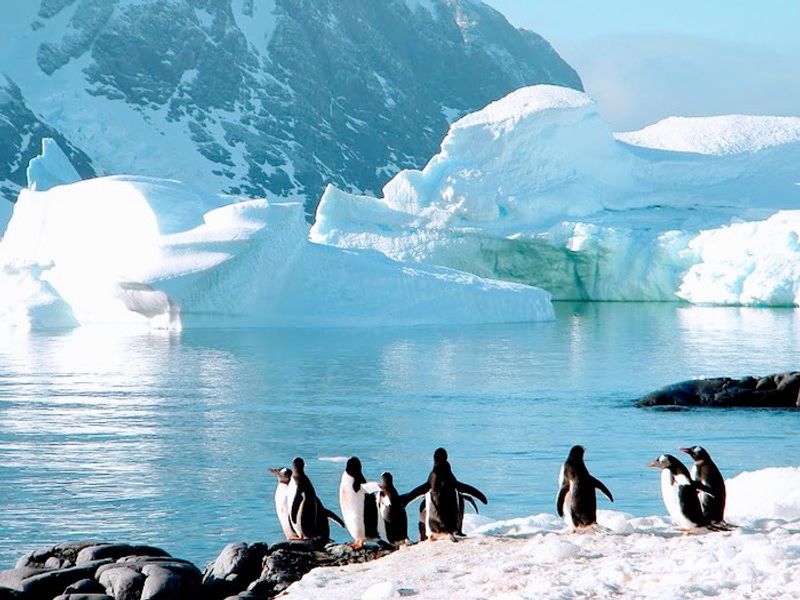
Fewer people have visited Antarctica than have traveled to outer space. That fact alone tells you everything about how remote and challenging this continent really is.
Getting there means crossing the Drake Passage, one of the stormiest stretches of ocean on the planet.
Expedition cruises are the primary way most travelers reach Antarctica, and the journey itself is part of the adventure. Giant icebergs drift past the ship while humpback whales surface nearby.
Emperor penguins waddle along frozen shores with absolutely zero fear of humans, making wildlife encounters feel almost surreal.
Temperatures regularly drop far below freezing, and weather conditions can change without warning. Visitors must follow strict environmental guidelines to protect the fragile ecosystem from any human impact.
Despite the challenges, those who make the trip often describe it as the most profound experience of their lives. The silence, the scale, and the sheer untouched beauty of the landscape create a feeling that nowhere else on Earth can replicate.
Antarctica does not just test your courage, it completely reframes your understanding of what wild truly means.
Mount Huashan, China
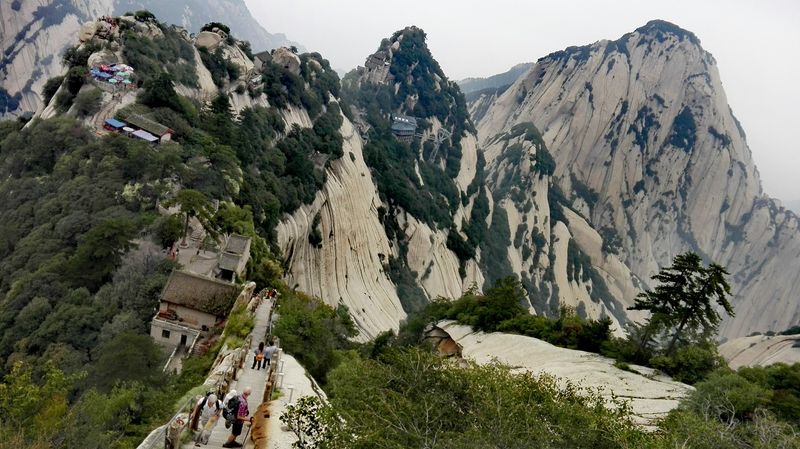
Bolted to a cliff face thousands of feet above the ground, the Huashan plank walk has earned a reputation as one of the scariest hiking experiences anywhere in the world. Narrow wooden boards, a thin chain to grip, and a straight-down drop into fog below are basically all that stands between you and the void.
Mount Huashan itself is one of China’s five sacred Taoist mountains, and pilgrims have been climbing its steep granite slopes for centuries. The mountain features multiple peaks, ancient temples, and narrow staircases carved directly into the rock.
Reaching the summit requires serious physical effort even before the famous plank walk begins.
Safety harnesses are now required on the most exposed sections, which has made the route slightly less terrifying but no less thrilling. Most visitors start the climb before dawn to avoid crowds and catch the sunrise from the peak.
The combination of spiritual history, jaw-dropping scenery, and pure adrenaline makes Huashan unlike almost any other mountain experience available to travelers. People who complete the plank walk tend to talk about it for years afterward, usually with very wide eyes.
Patagonia, Chile and Argentina
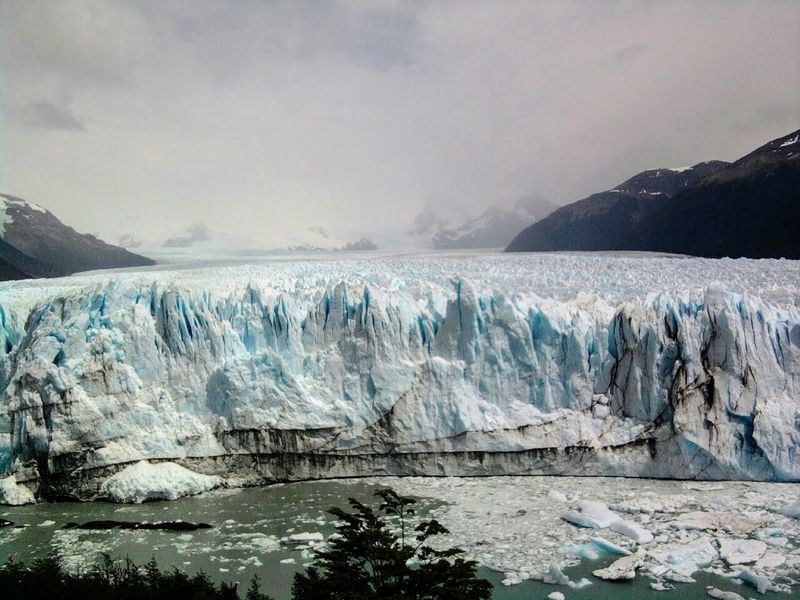
Wind so powerful it can knock a grown adult sideways is just a Tuesday in Patagonia. Stretching across the southern tips of Chile and Argentina, this region is defined by raw, untamed wilderness that rewards those willing to endure its moody weather and demanding terrain.
The landscapes here seem almost too dramatic to be real. Glaciers the size of small cities calve thunderously into turquoise lakes.
Condors circle overhead while guanacos graze on windswept plains below jagged mountain peaks. Torres del Paine and Los Glaciares National Park are the two crown jewels of the region, each offering multi-day treks through some of Earth’s most cinematic scenery.
Gear matters enormously in Patagonia. Layers, waterproof everything, and a solid pair of boots are non-negotiable essentials.
Weather can shift from bright sunshine to horizontal sleet within minutes, and trail conditions vary wildly by season. Most serious trekkers spend at least a week exploring the area, though many end up extending their trips because leaving feels genuinely difficult.
Patagonia has a way of making every other landscape feel slightly ordinary by comparison.
Svalbard, Norway
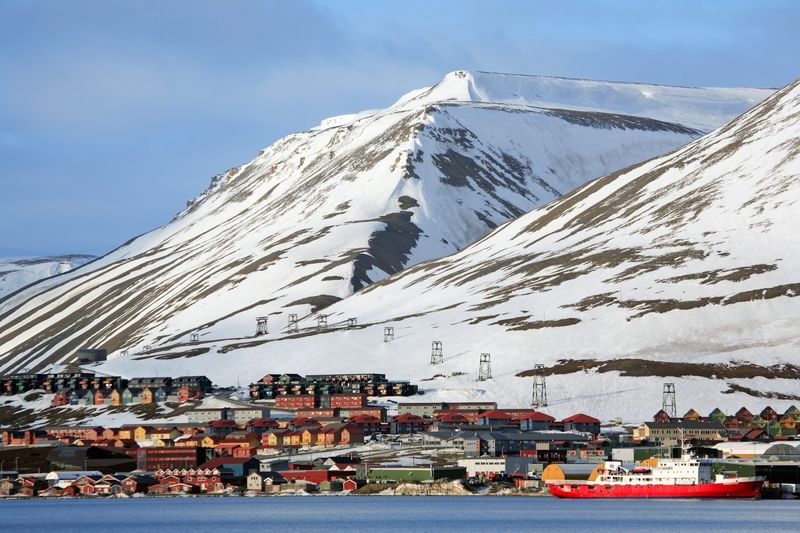
Polar bears outnumber people in Svalbard, and that is not a quirky travel brochure fact. It is the actual reality of life on this Norwegian archipelago sitting deep inside the Arctic Circle.
Residents and visitors alike are strongly advised to carry firearms when venturing outside town limits.
The landscape is extraordinary in every season. During winter, travelers experience months of complete polar darkness broken only by the glowing curtains of the Northern Lights.
Summer flips the switch entirely, delivering the midnight sun and round-the-clock daylight that makes the whole concept of bedtime feel negotiable.
Glacier hikes, snowmobile expeditions, dog sledding, and Arctic wildlife safaris are among the main draws for adventure travelers. The main settlement, Longyearbyen, is the world’s northernmost town with a permanent population, which gives the whole place an end-of-the-world atmosphere that many visitors find oddly thrilling.
Getting to Svalbard actually requires no visa for most nationalities due to a unique 1920 treaty. That open-door policy has attracted scientists, adventurers, and curious travelers from across the globe, all drawn by the same magnetic pull of the extreme Arctic north.
Torres del Paine National Park, Chile
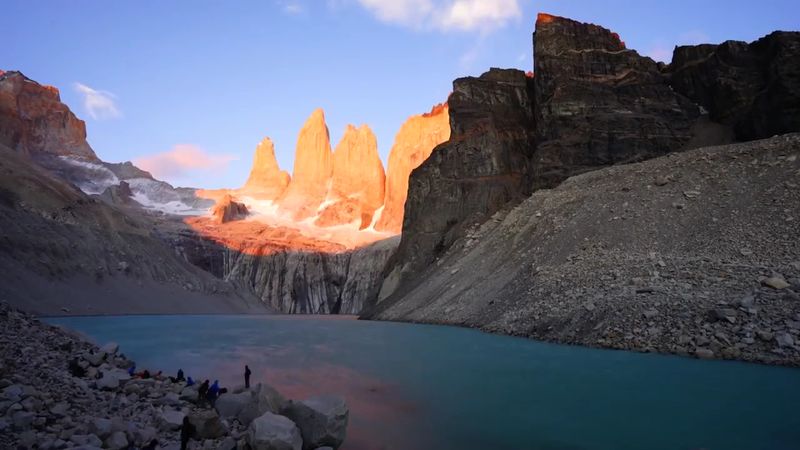
Sunrise at the base of the Torres towers is the kind of moment that makes even experienced travelers go completely quiet. The three granite spires glow orange and pink as dawn light hits them, reflecting perfectly in the lake below.
It is the reward at the end of one of South America’s most demanding hikes.
The famous W Trek covers roughly 50 miles of trail through wildly varied terrain including hanging glaciers, turquoise lakes, windswept valleys, and dense lenga beech forests. Most hikers take five to seven days to complete it, camping or staying in mountain refuges along the route.
The full O Circuit adds another several days and takes trekkers around the entire Torres massif.
Weather inside the park is notoriously unpredictable. Sun, rain, hail, and gale-force winds can all arrive within a single afternoon, making flexibility and solid gear critical for survival and enjoyment.
Park permits must be booked well in advance since visitor numbers are tightly controlled to protect the ecosystem. Rangers enforce strict leave-no-trace rules throughout the park.
Torres del Paine is not just a hike, it is a genuine wilderness immersion that demands respect and preparation in equal measure.
The Karakoram Range, Pakistan
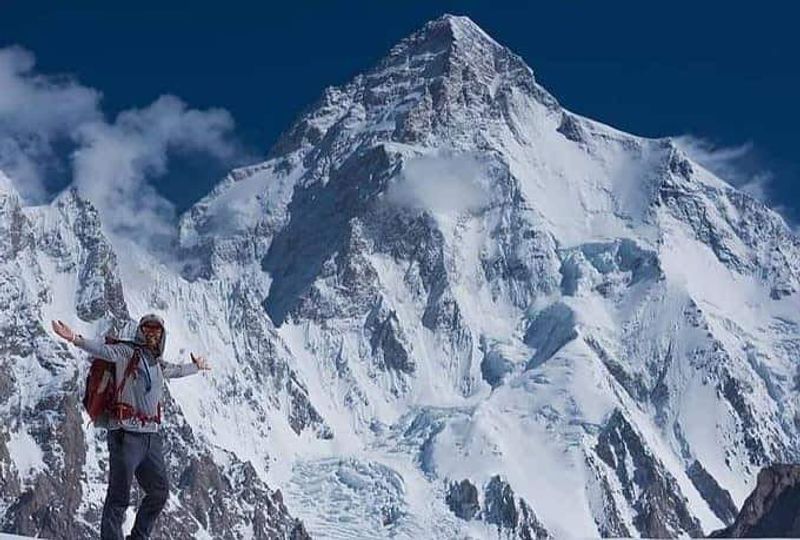
K2 kills roughly one climber for every four who successfully summit it. That brutal statistic captures the spirit of the Karakoram perfectly.
This mountain range in northern Pakistan contains more peaks above 26,000 feet than anywhere else on Earth, and the terrain between them is just as unforgiving.
The trek to K2 Base Camp along the Baltoro Glacier is widely considered one of the greatest mountain walks in the world. Trekkers spend over two weeks navigating crevassed glaciers, rocky moraines, and high-altitude campsites while surrounded by an unbroken parade of enormous peaks.
Gasherbrum, Broad Peak, and the Trango Towers all loom over the route like stone giants.
Pakistan’s Karakoram is not an easy destination to reach logistically. Flights to Skardu, rough jeep roads, and the need for experienced local guides add layers of complexity before the trek even begins.
Permits are required, and the trekking season is limited to summer months. Despite all of that, the number of travelers making this journey has grown steadily as word spreads about the sheer scale and raw beauty of the region.
Few places on Earth make you feel this small in the best possible way.
Queenstown, New Zealand
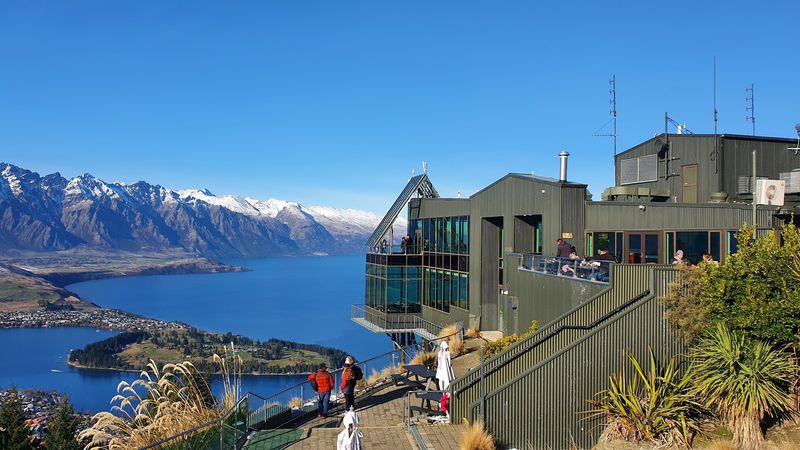
Queenstown basically invented modern commercial bungee jumping, and it has never looked back. Perched on the shores of Lake Wakatipu with the Remarkables mountain range as a backdrop, this small New Zealand city has built its entire identity around making your heart rate spike in the most spectacular settings imaginable.
The activity menu here reads like a dare. Skydiving from 15,000 feet, jet boating through narrow canyon gorges at 85 miles per hour, paragliding above the lake, white-water rafting, canyon swinging, and heli-skiing are just a sample of what is available on any given day.
Queenstown does not believe in doing things halfway.
Surprisingly, the town itself is charming and easy to navigate, with excellent restaurants, lively bars, and a vibrant backpacker scene that keeps energy levels high after the adrenaline wears off. Winter brings world-class skiing at nearby Coronet Peak and The Remarkables ski fields.
Summer opens up hiking, mountain biking, and water-based adventures. Queenstown works year-round, which is part of why it draws visitors from every corner of the globe.
If you want your vacation to feel less like a holiday and more like a personal challenge, this is your place.
The Skeleton Coast, Namibia
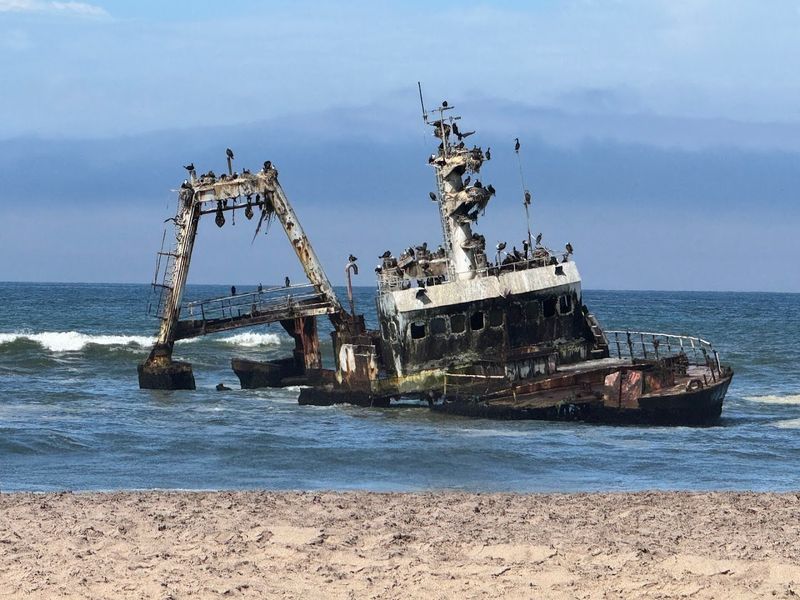
Portuguese sailors once called this stretch of coastline the Gates of Hell. It is easy to understand why.
Namibia’s Skeleton Coast is a 300-mile stretch of fog-drenched shoreline where the cold Benguela Current meets towering desert dunes, creating one of the most hauntingly beautiful and genuinely hostile environments on the African continent.
Shipwrecks litter the beach like forgotten monuments, their rusting hulls half-swallowed by advancing sand. Colonies of Cape fur seals gather in enormous, noisy groups along the shore, attracting desert-adapted lions and brown hyenas that have learned to hunt along the waterline.
Wildlife sightings here feel raw and unscripted in a way that even other African safari destinations rarely match.
Access to the northern section of the Skeleton Coast is tightly restricted and requires a special permit, with visitor numbers kept deliberately low to preserve the wilderness character of the area. Most travelers explore it via small-group fly-in safaris that land on remote airstrips and camp under the stars.
There are no crowds, no gift shops, and no safety nets. Just vast, windswept emptiness, ancient geology, and the kind of solitude that modern life rarely offers.
Iceland’s Highlands
Most tourists never see the real Iceland. They stick to the Ring Road, the Golden Circle, and the Blue Lagoon, which are all wonderful.
But the interior Highlands are something else entirely, a vast, road-challenging, weather-punishing, mind-expanding landscape that feels like another planet.
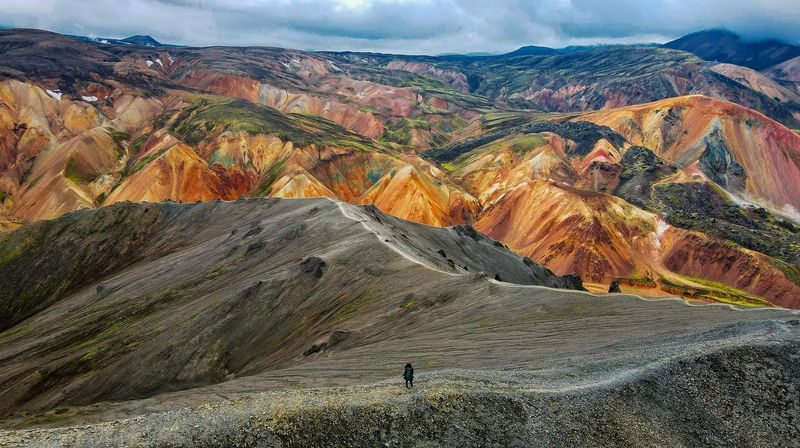
The Highlands are only accessible during summer months, and even then only with a high-clearance 4×4 vehicle built for river crossings and rough volcanic tracks. Routes like the Kjolur and Landmannalaugar roads pass through lava fields, steaming hot springs, obsidian mountains, and multicolored rhyolite hills that glow orange, red, and purple in the right light.
Landmannalaugar itself is a hiker’s paradise, serving as the starting point of the famous Laugavegur Trail, a 34-mile route through geothermal hot springs, black sand deserts, and glacial rivers. Camping in the Highlands means waking up to landscapes so surreal that pinching yourself feels reasonable.
Cell service is essentially nonexistent, and help is far away if something goes wrong. That combination of remoteness and raw natural drama is precisely what draws adventurous travelers here year after year, willing to trade comfort for something they simply cannot find anywhere else.
Umling La, Ladakh, India
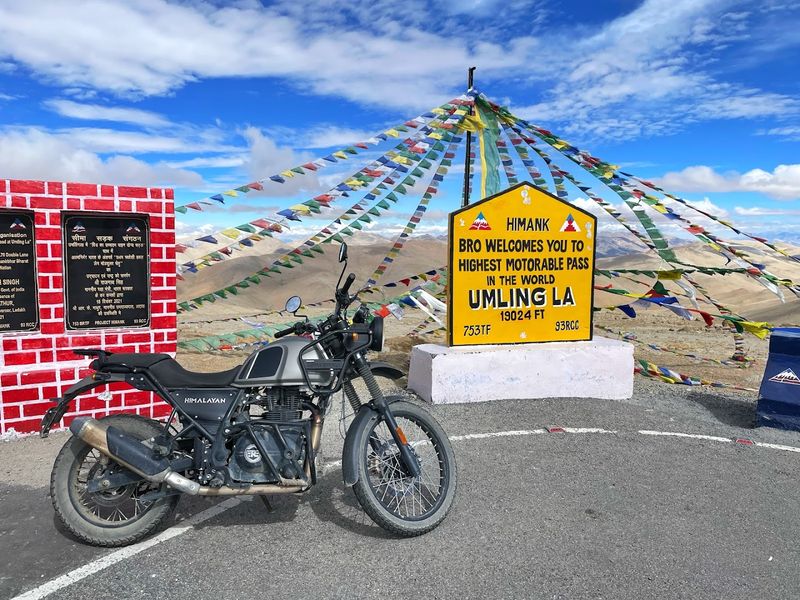
At 19,024 feet above sea level, Umling La holds the official record as the world’s highest motorable road. Breathing at that altitude feels like trying to inhale through a damp cloth.
Most visitors feel lightheaded, slow, and genuinely humbled within minutes of arriving at the summit.
The road was built by the Indian Army’s Border Roads Organisation and opened in 2017, connecting remote villages in the Ladakh region that were previously cut off for much of the year. Motorcyclists and 4×4 enthusiasts from across India and beyond now make the pilgrimage here, often as part of a broader Ladakh road trip that includes the famous Khardung La and Chang La passes.
The surrounding landscape is starkly beautiful in a way that feels almost confrontational. Barren brown mountains dusted with snow, wide open valleys, and skies so deeply blue they seem artificial frame every kilometer of the drive.
Altitude sickness is a serious risk, and acclimatizing in Leh for several days before attempting the pass is strongly recommended. The journey is demanding, the air is thin, and the roads are rough.
But the feeling of standing on top of the world’s highest drivable point is something very few people on Earth ever get to experience.
The Blue Hole, Belize
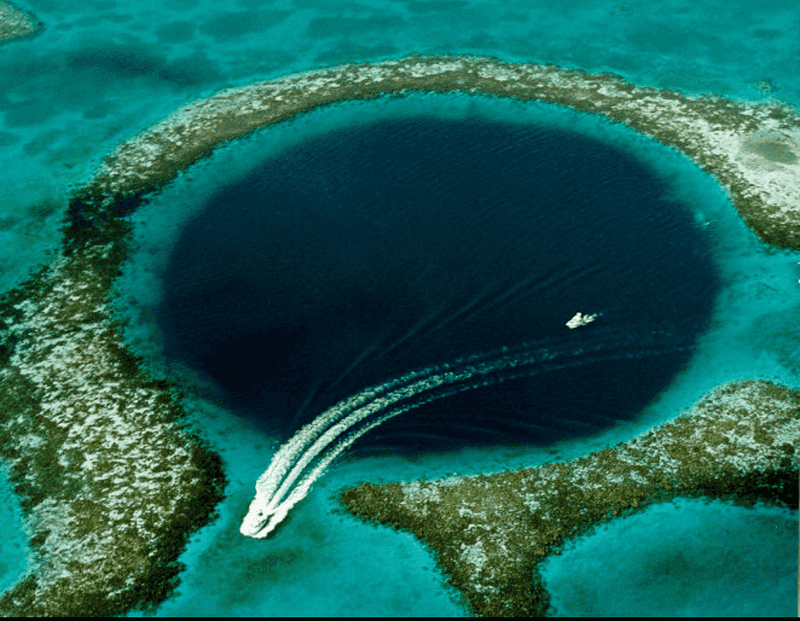
From above, the Great Blue Hole looks like someone punched a perfect circle of midnight blue into the turquoise Caribbean Sea. This giant marine sinkhole stretches 1,000 feet across and plunges more than 400 feet deep, making it one of the most iconic dive sites on the entire planet.
Jacques Cousteau made this spot famous in 1971 when he sailed his research vessel Calypso here and declared it one of the top scuba diving locations in the world. Inside the hole, massive stalactites hang from underwater cave ceilings at depths of around 130 feet, geological relics from the last ice age when the cavern sat above sea level.
Reef sharks, hammerhead sharks, and large groupers patrol the deeper sections.
The dive itself is technically straightforward, but the depth and open-water environment make it suitable only for advanced certified divers. Visibility inside the hole can stretch to 100 feet on calm days, allowing divers to see the full scale of the formations.
The dramatic color contrast visible from the surface makes the Blue Hole one of the most photographed natural features in the Caribbean. Seeing it from a seaplane before your dive adds a whole extra layer of spectacle to an already extraordinary experience.
Kyrgyzstan’s Tian Shan Mountains
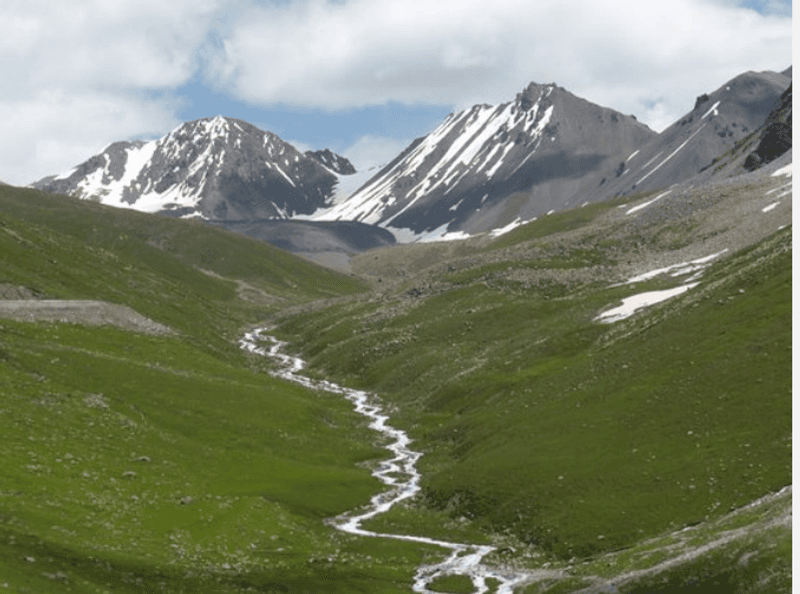
Kyrgyzstan is the kind of destination that makes seasoned travelers slap their forehead and say, why did I not come here sooner? The Tian Shan mountain range covers roughly 80 percent of the country, delivering an almost absurd concentration of high passes, glacial lakes, and open grasslands that feel completely untouched by mass tourism.
Hiking, horseback riding, and mountain biking are the main ways travelers explore the range. Routes cross 13,000-foot passes, skirt the edges of turquoise alpine lakes, and wind through valleys where nomadic herders still live in traditional yurts during summer months.
Staying with a local family in a yurt camp is one of the most authentic travel experiences available anywhere in Central Asia.
Son Kul Lake, sitting at over 9,800 feet elevation, is a highlight that draws both photographers and trekkers. The lake turns a vivid shade of blue during summer while horses graze on the surrounding plateau.
Logistics in Kyrgyzstan require some planning since English is not widely spoken outside the capital Bishkek, and road conditions in the mountains can be challenging. Still, travelers who put in the effort consistently describe Kyrgyzstan as one of the most underrated adventure destinations on the planet.
Cape Town, South Africa
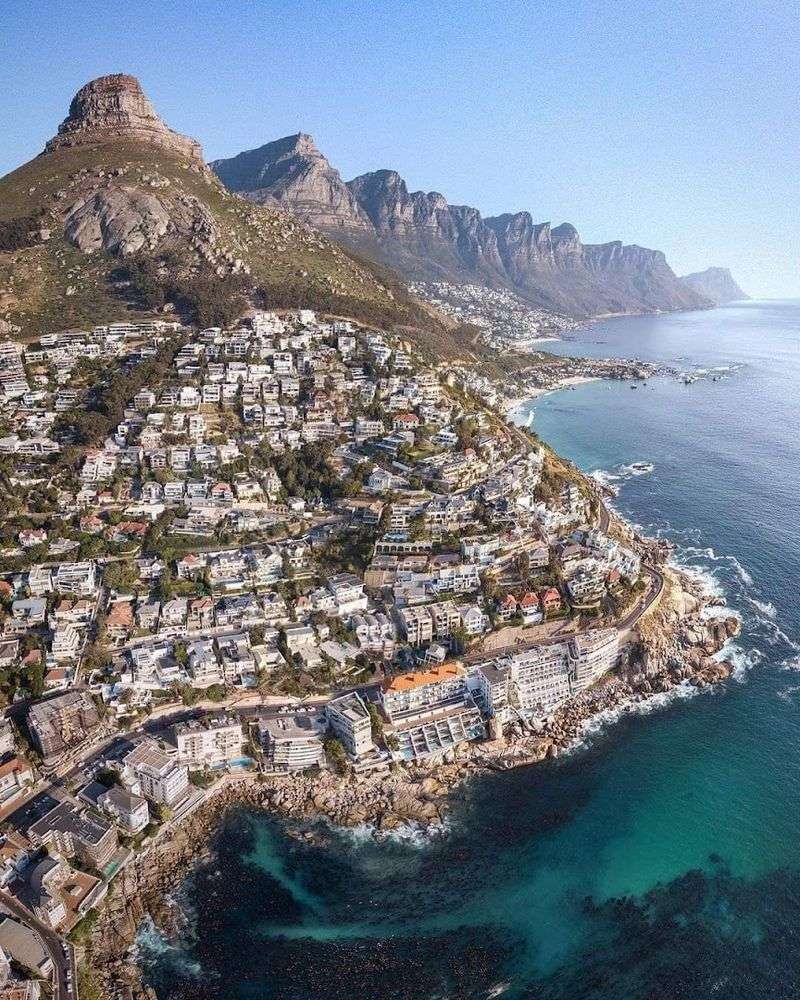
Cape Town might be the only city on Earth where you can cage dive with great white sharks, paraglide off a mountain, and watch penguins waddle around a beach all in the same weekend. The city sits where two oceans meet, surrounded by dramatic geography that practically demands adventure at every turn.
Table Mountain dominates the skyline and offers hiking routes ranging from easy walks to serious scrambles up exposed rock faces. The Cableway provides a more relaxed option for reaching the summit, but most adventure travelers prefer earning the view on foot.
From the top, the city, ocean, and Cape Peninsula spread out below in a panorama that genuinely stops people mid-sentence.
Shark cage diving operates year-round out of nearby Gansbaai, where great white shark sightings are among the most reliable in the world. Operators lower steel cages into the water while sharks circle, sometimes close enough to touch.
Back in the city, the neighborhoods of Bo-Kaap, Woodstock, and the V and A Waterfront offer excellent food, vibrant street art, and a cultural richness that balances out all the adrenaline. Cape Town is the rare destination that satisfies both the thrill-seeker and the curious explorer without asking anyone to compromise.
The South Pole, Antarctica
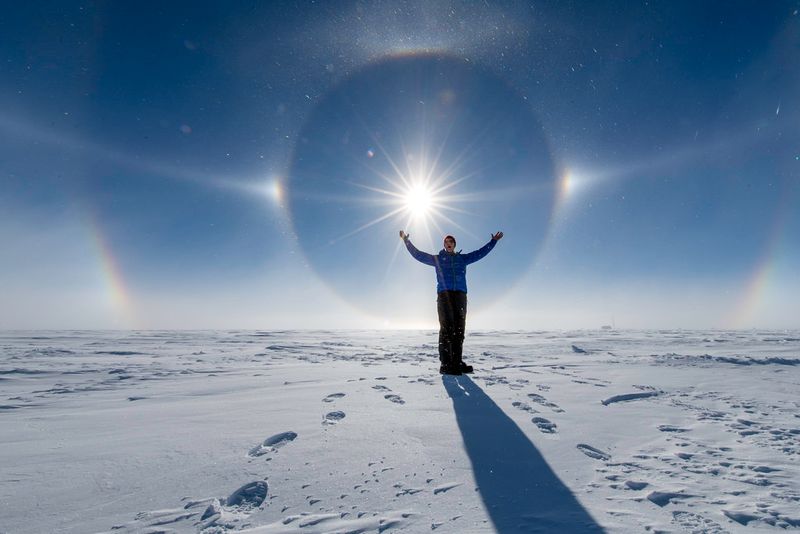
Only around 1,500 people have ever stood at the geographic South Pole. To put that in perspective, more people have climbed Mount Everest.
Reaching this remote point at the bottom of the Earth is not a trip you book on a travel app. It requires serious planning, serious fitness, and a serious tolerance for brutal cold.
Most travelers reach the South Pole either by ski expedition or by flying from Union Glacier Camp in Antarctica. Ski expeditions cover roughly 700 miles of flat, featureless ice while temperatures regularly hit minus 40 degrees Fahrenheit.
Winds create whiteout conditions that can disorient even experienced polar travelers within seconds. The physical and mental demands of such a journey are genuinely extreme.
Amundsen-Scott South Pole Station, operated by the United States, sits right at the pole and houses a small team of scientists year-round. Visitors who arrive by ski or plane can briefly visit the ceremonial pole marker, a striped barber pole surrounded by the flags of the original Antarctic Treaty nations.
Standing there, with nothing but ice in every direction for hundreds of miles, delivers a feeling of profound isolation and awe that no other destination on Earth can replicate. The South Pole does not just test you.
It defines you.
Share this story