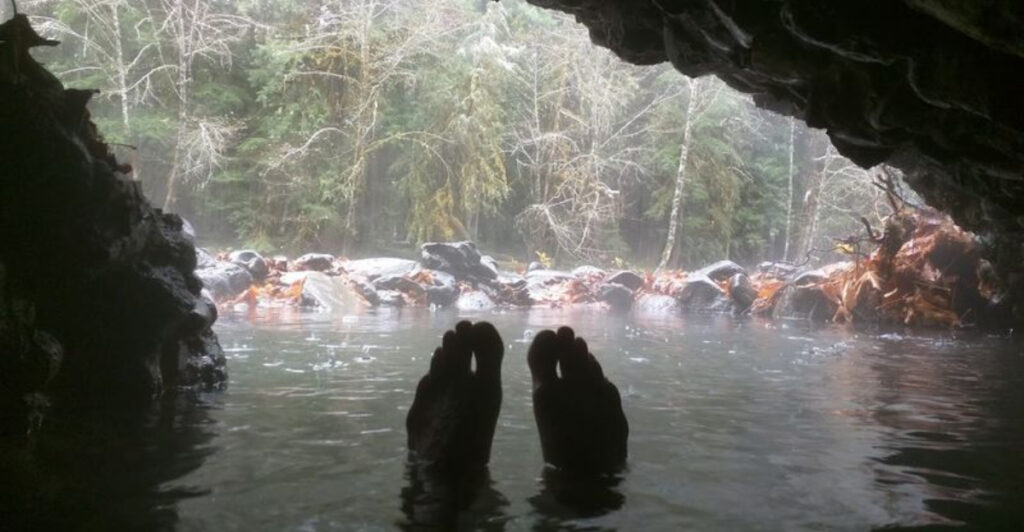
There is a small cave carved into a forested riverbank in Oregon where warm water bubbles up from the earth and meets the cold rush of a mountain river just a few feet away. Most people driving along Highway 126 have no idea it exists.
The trail is short, the parking lot is easy to miss, and the grotto itself is so small that it feels like a secret the forest decided to keep. I stumbled across it on a road trip and ended up staying far longer than planned, sitting in warm mineral water while ferns swayed overhead and the McKenzie River roared past.
This is the kind of place that rewards the curious traveler who is willing to scramble over a few roots and rocks to find something genuinely special.
Where to Find This Hidden Grotto
The address that gets you closest to this spot is Blue River, OR 97413, and you will find the parking area off Deer Creek Road, between mile markers 14 and 15 on Highway 126 in the McKenzie River Valley of Oregon. The turnoff is easy to miss if you blink at the wrong moment, so keep your eyes open as you drive east from the town of Blue River.
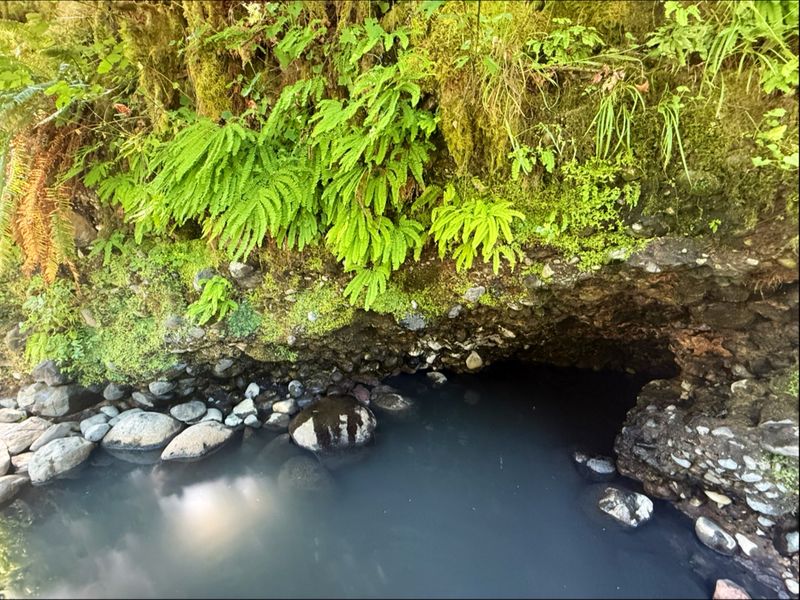
Once you park, cross the bridge and take the lower trail to the left. The hot spring pool sits just a few hundred feet down that path along the riverbank, tucked against a small rocky cave where warm water seeps out from underground.
Because the area sits deep in a forested canyon with limited cell service, downloading offline maps before you leave home is genuinely useful advice, not just a suggestion. Oregon’s Cascade foothills have a way of swallowing GPS signals whole, and the last thing you want is to miss the turnoff because your phone gave up on you three miles back.
The Grotto Itself: What You Are Actually Getting Into
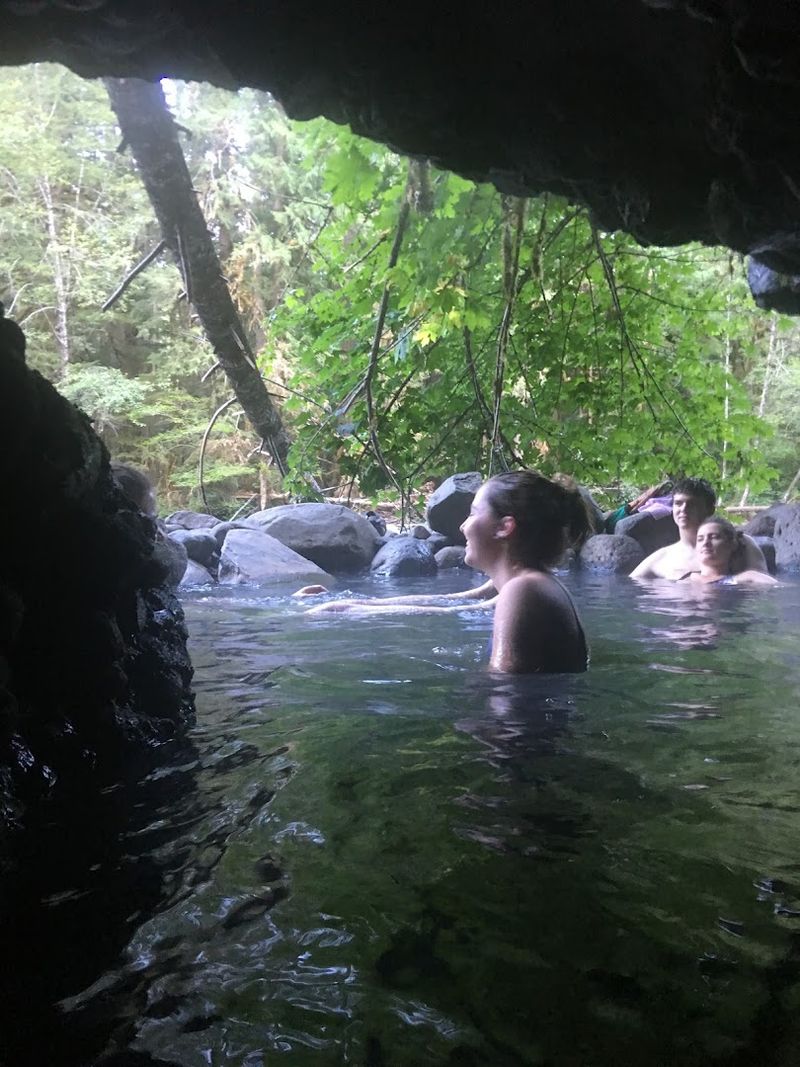
Calling it a hot spring in the traditional sense might set the wrong expectations, and that is worth saying upfront. The pool is tiny, essentially a shallow basin formed by rocks at the edge of the McKenzie River, fed by warm mineral water that seeps out from a low cave opening in the hillside.
The water temperature hovers around 100 to 102 degrees Fahrenheit during summer and fall, which is genuinely comfortable for a long soak. In winter and spring, the river runs high and cold water floods the pool, dropping the temperature considerably and turning what should be a warm soak into something closer to a chilly plunge.
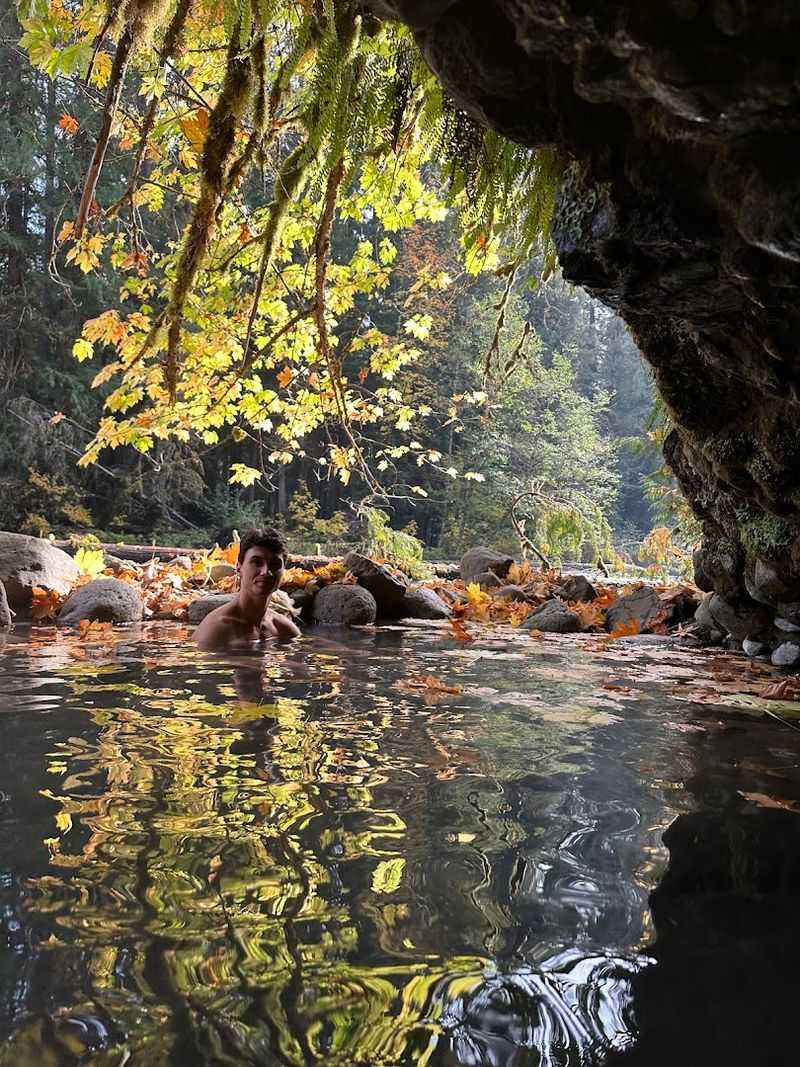
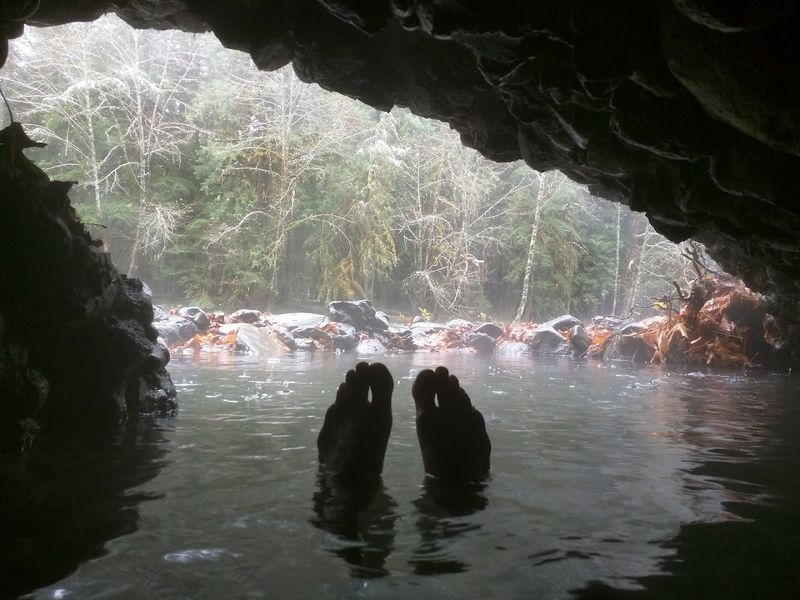
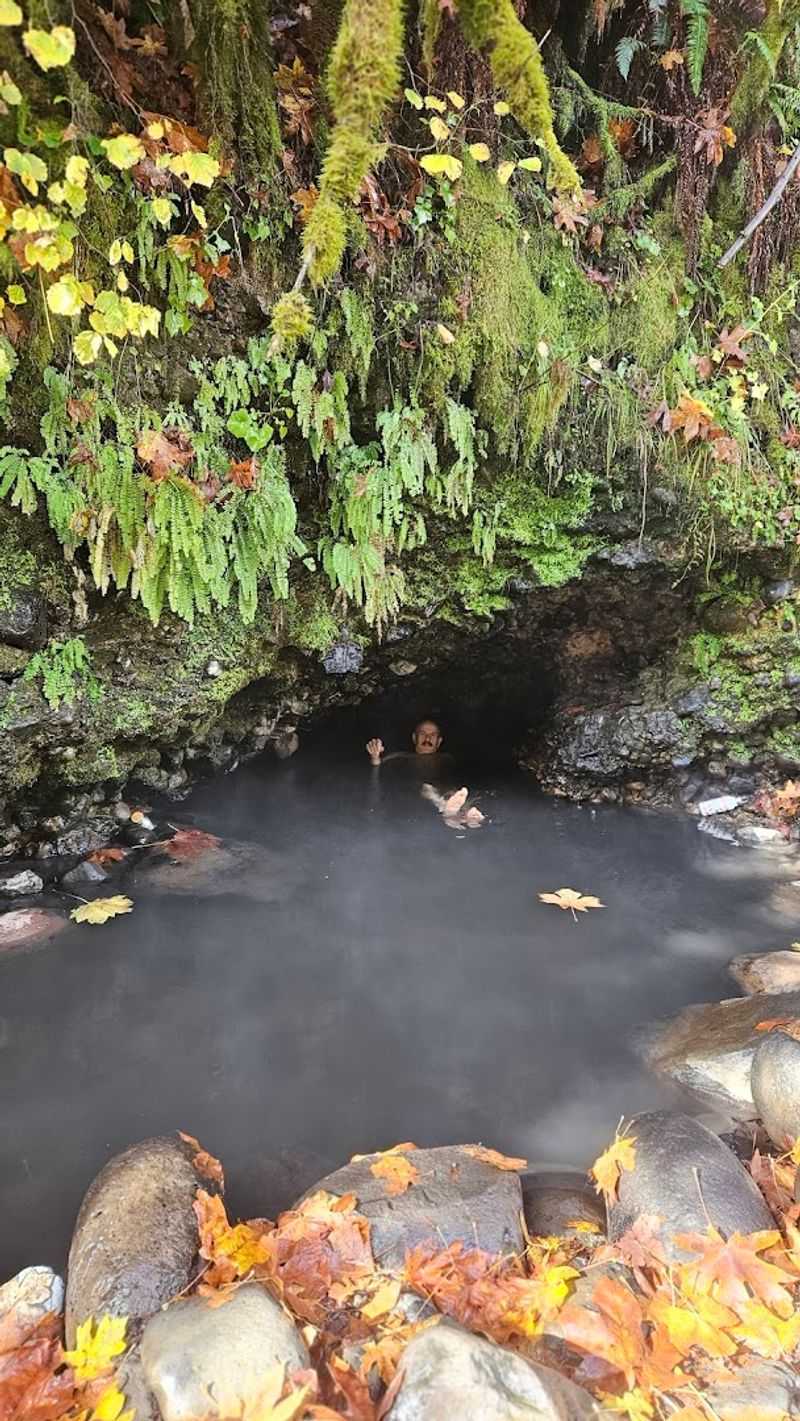
The grotto has a mossy, cave-like ceiling that frames the whole scene, with ferns hanging overhead and the sound of rushing water all around. The water tends to be murky, which is completely normal for a natural mineral spring, so do not let the dark color put you off.
Arriving early on a weekday morning almost guarantees you will have this remarkable little corner of Oregon entirely to yourself.
The Best Time of Year to Visit
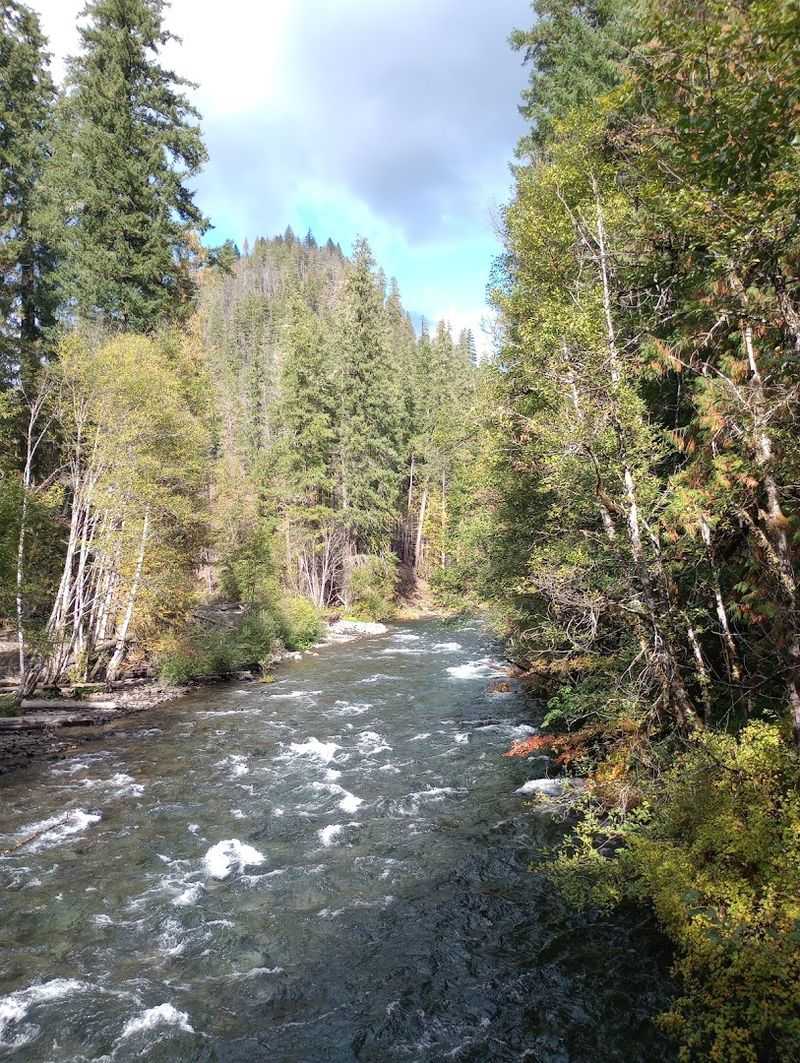
Summer and fall are the clear winners for a visit here, and the difference between seasons is dramatic enough that timing genuinely matters. During late summer and into October, the McKenzie River drops to its lowest level, which means the cold river water mingles less aggressively with the spring water in the pool.
That balance is what allows the pool to reach its peak warmth, sitting comfortably in the low hundreds on a good day. The surrounding forest is stunning in autumn, with bigleaf maples dropping gold and orange leaves into the current while you soak in relative peace.
Spring visits can still be worthwhile if you enjoy the landscape and the hike, but going in expecting a hot soak in late April or May will likely leave you disappointed by the temperature. One visitor described the spring water in late April as warm compared to the river but not relaxing by any stretch.
Winter brings snow to the trail and a certain wild beauty to the canyon, though the pool at that point is essentially cold bath water surrounded by gorgeous scenery.
The Trail Down to the Springs
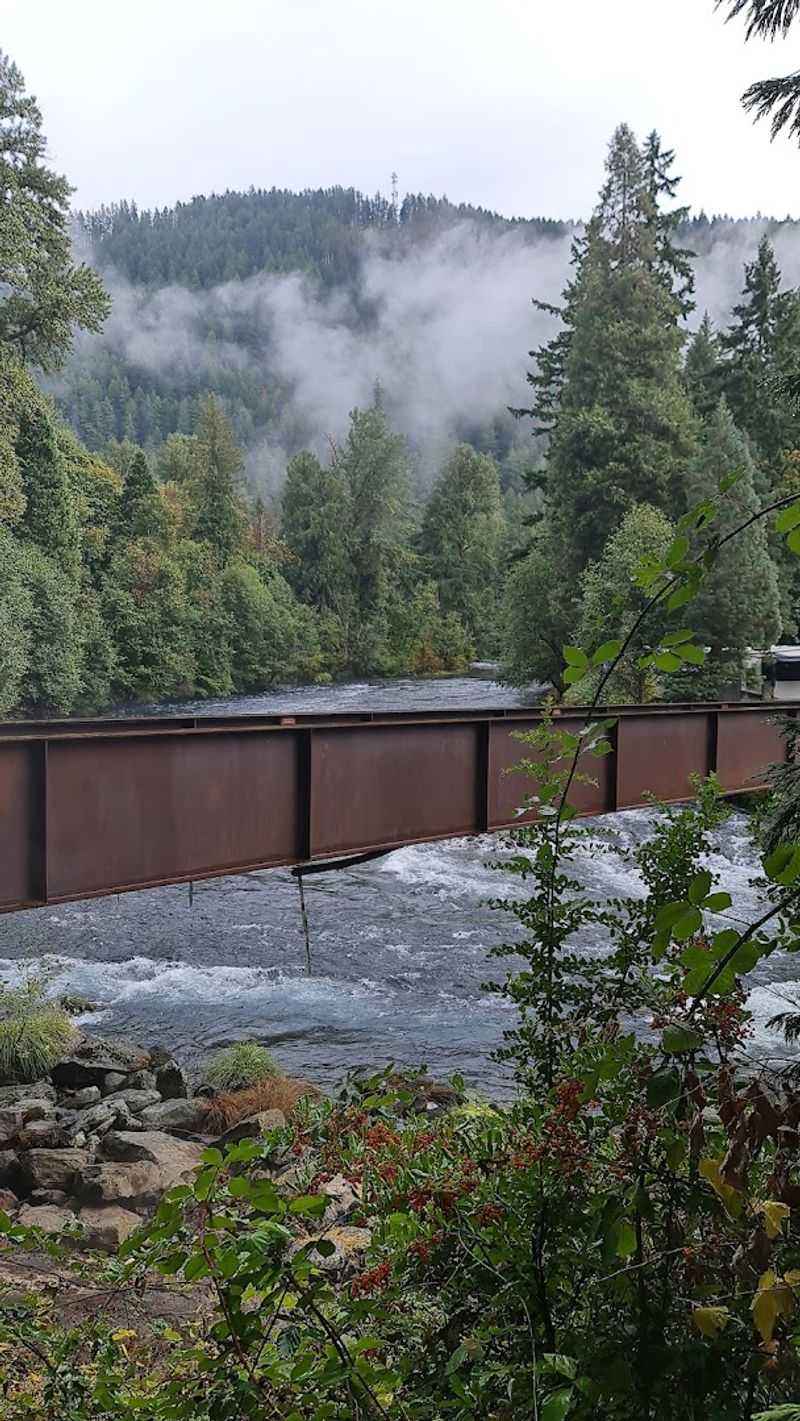
The path from the parking area to the spring is short enough that most people would not even call it a hike, but it does require a bit of physical effort that catches some visitors off guard. After crossing the bridge, the lower trail on the left takes you along the riverbank through a corridor of old Douglas firs and sword ferns.
You will scramble over some exposed tree roots and navigate around boulders that have tumbled down from the hillside over the years. The footing is uneven in places, especially when the ground is wet, so wearing shoes with actual grip is a smarter choice than flip-flops, even though the walk is only a few minutes long.
Along the way, you will pass a few spots where visitors have arranged rocks to mark informal swimming holes in the river itself. These are worth a quick look, especially if the hot spring is crowded when you arrive.
The trail connects to a broader network of paths in the area, which gives you a pleasant option to stretch your legs before or after your soak rather than simply turning around and heading back to the car.
The Sulfur Smell and What It Actually Means
The first thing that hits you as you approach the grotto is the smell, a distinct sulfur note that some people describe as rotten eggs and others barely notice at all. That sulfur scent is actually a reliable sign that you have found a genuine geothermal spring rather than just a warm puddle, so treat it as confirmation rather than a red flag.
Hydrogen sulfide is a natural byproduct of the underground geological activity that heats the water as it travels through rock before reaching the surface. Natural hot springs around the world carry this same signature, from Iceland to Japan to the hot springs of Oregon’s Cascade Range.
The intensity of the smell varies depending on wind direction and how much river water is mixing with the spring water on a given day. On a calm summer afternoon with the river low, the sulfur scent is noticeable but not overwhelming.
The minerals in the water are also what give the pool its characteristic murky, dark appearance, which is completely natural and not a sign of pollution. Once you settle into the warm water and the forest closes in around you, the smell fades into the background almost entirely.
Crowds, Timing, and Managing Expectations
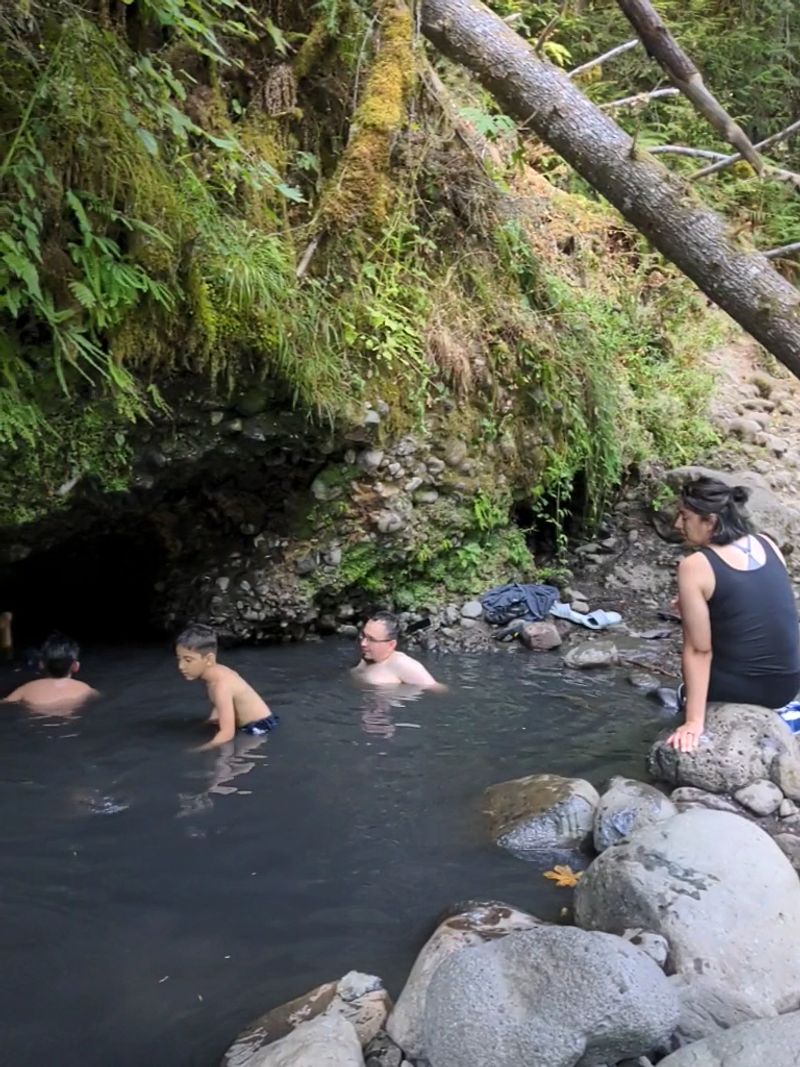
The pool is genuinely tiny, which is part of its charm but also its main practical limitation. When six or seven people are already in the water, there is simply no comfortable room for more, and the energy of the spot changes noticeably when it feels packed.
Weekday mornings are the best strategy for anyone who wants a quiet, unhurried experience. One early visitor arrived at 9 a.m. on a Friday and had the whole grotto to themselves for a full hour before anyone else appeared.
Weekend afternoons, particularly during summer, tend to draw a steady flow of visitors, and the spot fills up fast once word spreads through the parking lot.
The good news is that the nearby trail system gives you a productive way to spend time if you arrive and find the pool occupied. A short hike through the old-growth forest along the McKenzie River is rewarding on its own terms, and by the time you loop back, you will often find the pool has cleared out.
Patience and flexibility are the two most useful things you can bring to this spot, right alongside a dry towel and a change of clothes.
The McKenzie River: The Co-Star of This Whole Experience
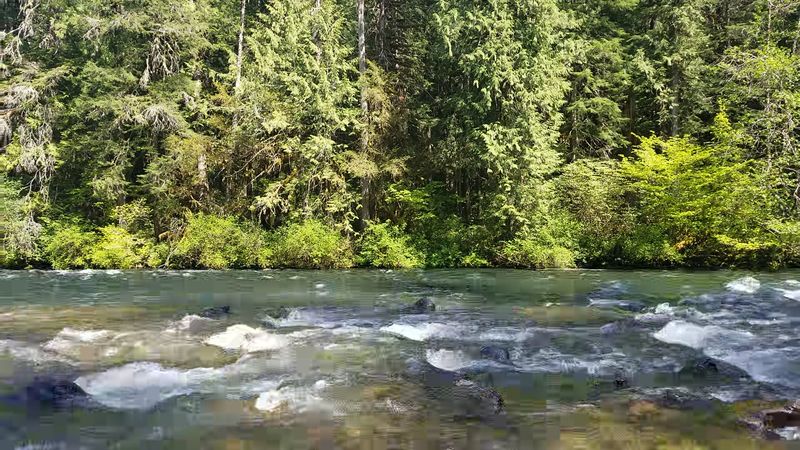
The hot spring does not exist in isolation. The McKenzie River is right there, just a few feet away, and its presence shapes everything about the experience at this spot.
The river runs cold, clear, and fast through this stretch of the Cascade foothills, and the contrast between its icy current and the warm spring pool is one of the most satisfying natural pairings I have ever encountered.
You can ease out of the warm grotto and dip into the river for a bracing contrast, then slip back into the spring to warm up again. That back-and-forth rhythm is genuinely restorative in a way that is hard to explain but easy to feel.
The river also provides a constant soundtrack, a rushing, tumbling noise that drowns out everything else and makes the whole canyon feel miles away from civilization.
The McKenzie River corridor is one of Oregon’s most celebrated natural areas, with the river itself designated as a National Wild and Scenic River. The water here is some of the clearest in the state during low-flow season, fed by springs from the High Cascades rather than surface runoff.
Watching the river from the edge of the grotto, with your feet in warm mineral water, is a very specific kind of contentment.
What to Bring for the Perfect Visit
A little preparation goes a long way at a spot this remote and this informal. The hot spring has no facilities whatsoever, which means no restrooms, no changing rooms, no trash cans, and no lifeguard.
Packing out everything you bring in is the baseline expectation, and the local community takes that seriously.
Water shoes or sandals with straps are worth considering for the scramble over rocks and roots on the trail, especially if the ground is wet. A dry bag or a waterproof pouch for your phone and keys is also practical, since you will be moving around near water the entire time.
Bring more water than you think you need, because soaking in warm mineral water is dehydrating in the same way that sitting in a sauna is.
A towel, a dry change of clothes, and a small snack for after the soak round out the essentials. The drive along Highway 126 passes through some genuinely beautiful Oregon scenery, and having food ready for the road home makes the whole outing feel complete.
Leave the fancy gear at home and keep it simple, because the spring itself is the entire show here, and it does not need any help from equipment to impress.
The Atmosphere at Dusk and in the Rain
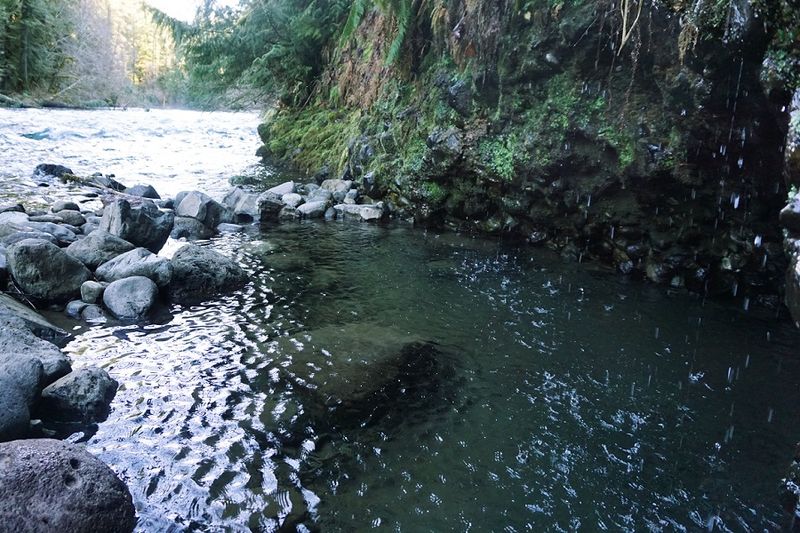
One of the more unconventional ways to experience this spot is to show up at sundown on a rainy evening, which sounds like it should be miserable but is actually one of those rare travel moments that sticks with you. The rain patters on the ferns overhead, the river roars a little louder, and the steam rising off the warm pool becomes more visible as the air temperature drops.
The darkness of the canyon closes in quickly after sunset, so bringing a headlamp is essential for the walk back to the parking lot. The trail is not technically difficult, but navigating wet roots and rocks without a light source is an invitation to a twisted ankle.
There is something about soaking in warm water while rain falls and a cold river rushes past that feels almost theatrical, like the forest is putting on a show specifically for you. The sulfur scent becomes more present in humid air, which either adds to the atmosphere or tests your patience depending on your sensitivity to it.
Either way, an evening visit in wet weather is a completely different experience from a sunny afternoon soak, and both versions of this spot are worth your time in their own distinct way.
Free, Wild, and Worth Every Penny
There is no fee to visit this spot, no reservation system, no parking charge, and no wristband to scan. That kind of free, unmanaged access to a natural geothermal feature is increasingly rare in the American West, and it is one of the things that makes this place feel genuinely special rather than commercialized.
The trade-off for that freedom is that the site depends entirely on visitors to keep it clean and respectful. There have been periods when the parking area attracted people treating it as a long-term camping spot, which created an uncomfortable atmosphere for day visitors.
Showing up with the right mindset, enjoying the spring, leaving no trace, and moving on, helps protect the character of the place for everyone who comes after you.
The broader Oregon outdoor community has a strong ethic around wild spaces like this one, and most visitors honor that culture without needing to be told. The spring sits on national forest land, which means the rules of responsible use apply even if no ranger is standing there to enforce them.
Free access is a privilege, and treating it that way is the most straightforward way to make sure this grotto stays open and welcoming for years to come.
Nearby Attractions Along the McKenzie River Corridor
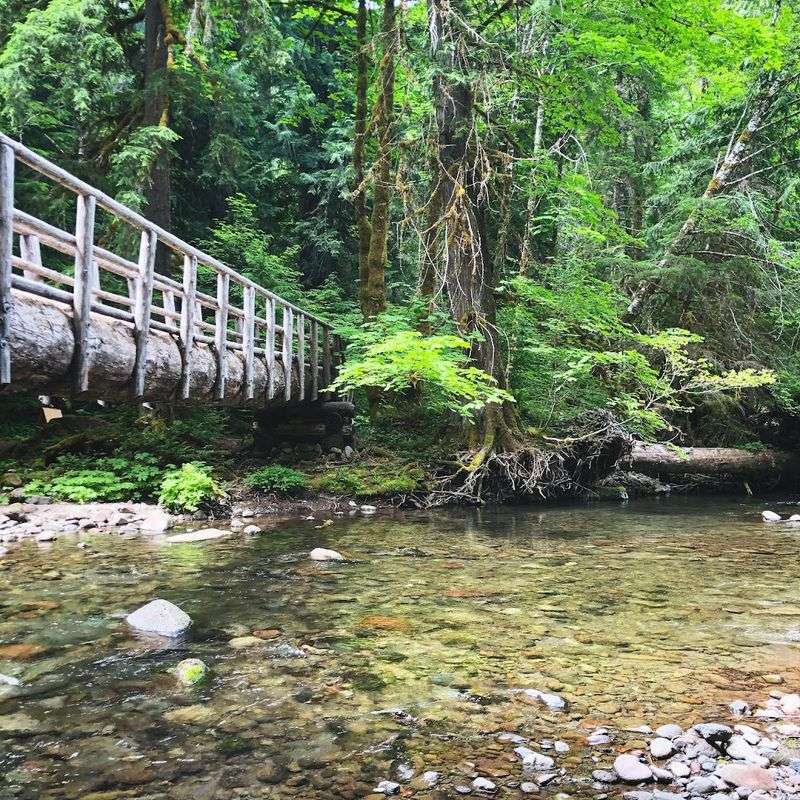
The drive along Highway 126 through the McKenzie River Valley is one of those roads that makes you slow down without being asked. Old-growth Douglas firs line the corridor, waterfalls appear around unexpected corners, and the river itself is visible from the road in long, glittering stretches.
The area has enough to fill a full day or even a weekend if you are willing to explore beyond the hot spring.
Koosah Falls and Sahalie Falls are both within a short drive east of the hot spring, and they are connected by a trail that follows the river through some of the most dramatic volcanic scenery in the state. The lava fields in this part of Oregon are a reminder of just how geologically active the Cascades have been over thousands of years, which also explains why a hot spring exists here at all.
Blue River Reservoir, just west of the hot spring turnoff, offers calm water and forest views that contrast nicely with the rushing McKenzie. The whole corridor feels like a concentrated version of Oregon’s greatest natural hits, and the hot spring is the quiet, tucked-away bonus that most tourists driving through never think to seek out.
Unlike the more famous spots in the state, this one still rewards the traveler who does a little homework before showing up.
A Few Honest Words Before You Go
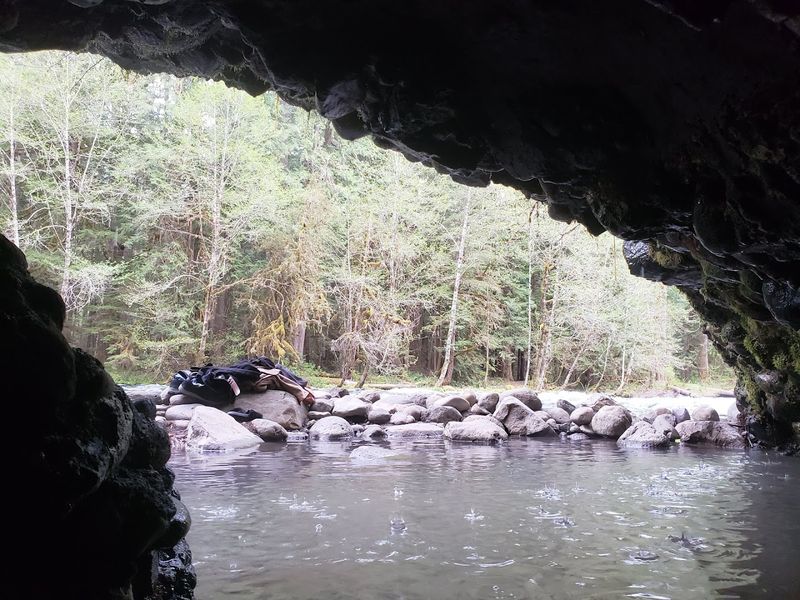
This is not a resort hot spring with clear blue water and a tiled edge. The pool is small, the water is murky, the smell is sulfurous, and the access trail requires a bit of scrambling.
Knowing all of that before you arrive is the difference between being delighted and being annoyed when you get there.
The experience is genuinely worthwhile for anyone who enjoys wild, unpolished natural spaces. Sitting in warm mineral water with a cold river rushing past and ferns swaying overhead while the forest goes quiet around you is the kind of moment that does not require a filter or a caption to feel meaningful.
It just requires showing up with reasonable expectations and a willingness to get a little muddy.
Oregon has no shortage of hot springs, from the well-developed pools at Bagby to the roadside pools further south, but Bigelow occupies a specific niche as a genuinely low-key, low-infrastructure spot that rewards patience and curiosity over convenience. It is the kind of place that people in states like Oklahoma, far from the Pacific Northwest’s geothermal landscape, might find hard to believe actually exists for free, right off a highway, in the middle of a national forest.
That disbelief is exactly what makes it worth the drive.
Share this story