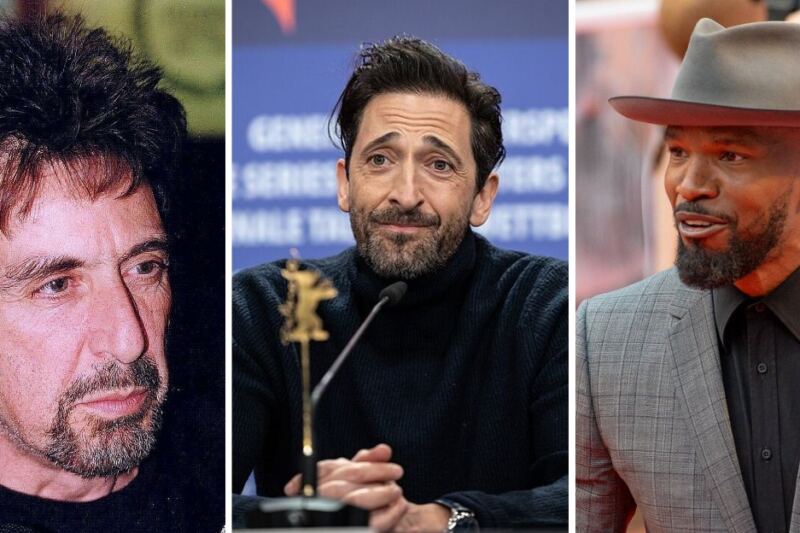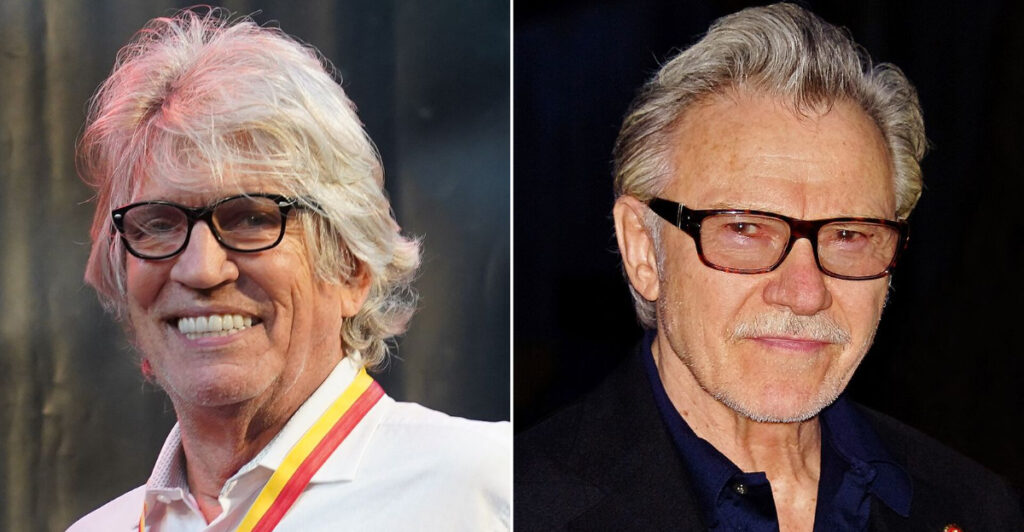
Some actors show up in a movie or two and then fade into the background. But a select few seem to appear in absolutely everything, racking up filmographies so massive they could fill a small library.
From horror legends to Oscar winners, these 20 stars kept their schedules packed across decades, genres, and continents. Their careers are a masterclass in hustle, talent, and sheer staying power.
Christopher Lee
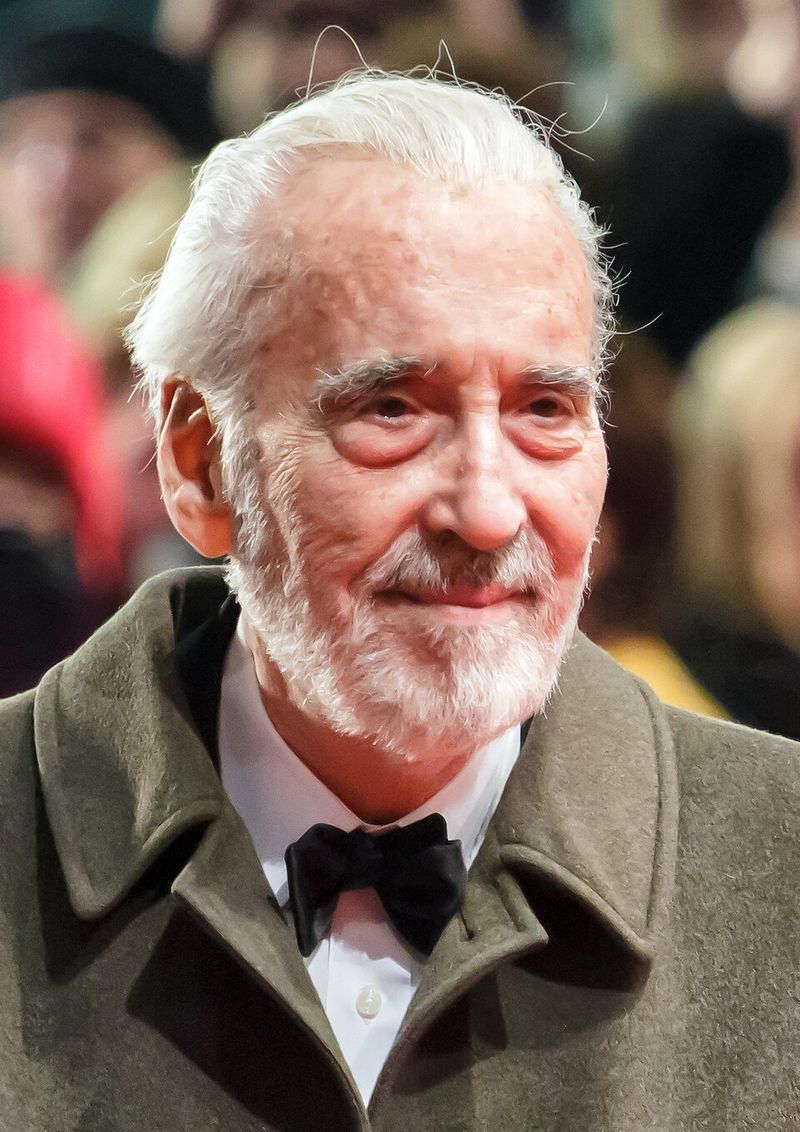
Nobody played a villain quite like Christopher Lee. The man had a voice so deep it could rattle windows, and a stare that could freeze a room solid.
He became famous as Count Dracula in the Hammer Horror films, then kept reinventing himself for decades.
Lee appeared in over 250 films across his career, covering horror, fantasy, action, and drama. He played Saruman in The Lord of the Rings and Count Dooku in the Star Wars prequels, both roles that introduced him to brand-new audiences.
Not bad for a man who started his film career in 1948.
What truly sets Lee apart is his refusal to slow down. He released a heavy metal album in his eighties and was still acting into his nineties.
Christopher Lee was not just busy. He was unstoppable.
Eric Roberts
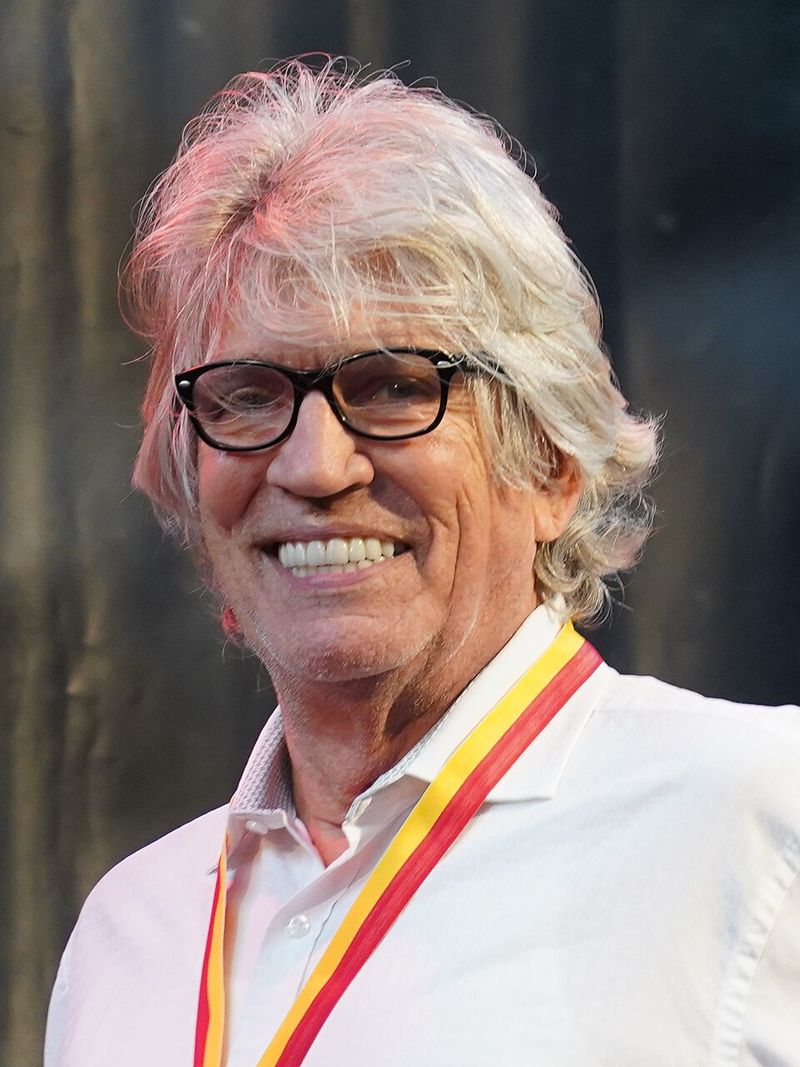
Eric Roberts holds a record most actors would find exhausting just to read about. He has appeared in well over 600 film and television projects, making him one of the most prolific performers in Hollywood history.
The man barely takes a day off.
His Oscar-nominated role in Runaway Train proved he had serious dramatic chops early on. Then came The Dark Knight, which put him in front of a whole new generation of fans.
Roberts never seemed to care much about staying in one lane, jumping between big studio films, indie projects, and TV with equal enthusiasm.
I once counted his credits on a movie database and genuinely lost track around the 400 mark. His output is almost comically impressive.
Eric Roberts is proof that if you love what you do, you just keep doing it.
Michael Madsen
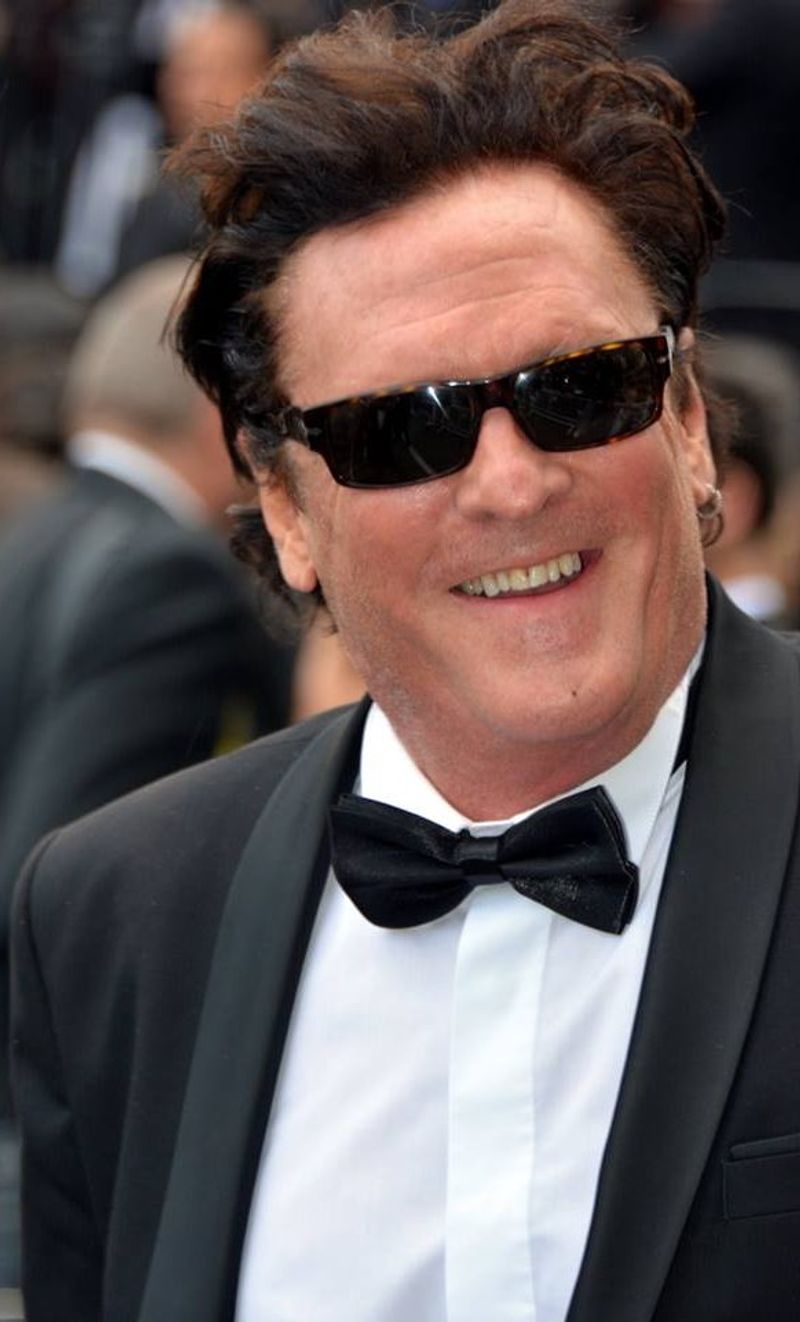
There is something about Michael Madsen that makes every scene feel a little bit dangerous. His slow drawl, heavy stare, and relaxed menace turned Mr. Blonde in Reservoir Dogs into one of cinema’s most chilling characters.
And that was just the beginning.
Madsen went on to rack up an extraordinary number of credits across crime dramas, thrillers, westerns, and action films. He worked with Quentin Tarantino multiple times, appeared in the Kill Bill films, and built a reputation as a reliable heavy in any genre.
His career stretches well past 300 film appearances.
Critics have sometimes been harsh, but audiences keep showing up wherever Madsen appears. There is a magnetic quality to his work that is hard to explain but easy to recognize.
When Michael Madsen walks into a scene, you pay attention whether you planned to or not.
Danny Trejo
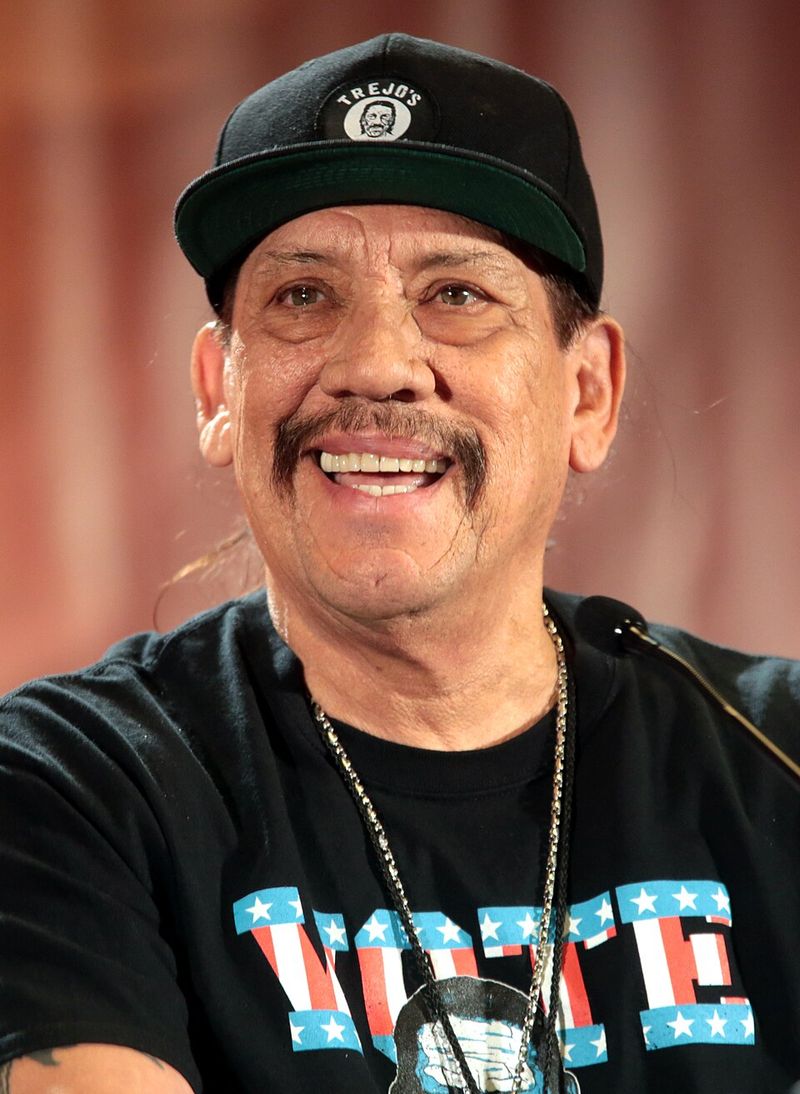
Danny Trejo has one of the greatest comeback stories Hollywood has ever seen. He spent years in prison before turning his life around, eventually landing film roles through sheer persistence.
Now he has one of the most recognizable faces in the entire industry.
With credits in well over 400 productions, Trejo has appeared in everything from blockbusters like Heat and Desperado to cult favorites like Machete. He plays tough guys, villains, and occasional heroes with equal conviction.
Directors love casting him because he brings instant credibility to any scene he enters.
What makes his career even more remarkable is the warmth behind it. Off screen, Trejo runs restaurants, mentors at-risk youth, and is genuinely beloved by fans everywhere.
He is not just a busy actor. He is living proof that it is never too late to build something extraordinary.
Robert Loggia
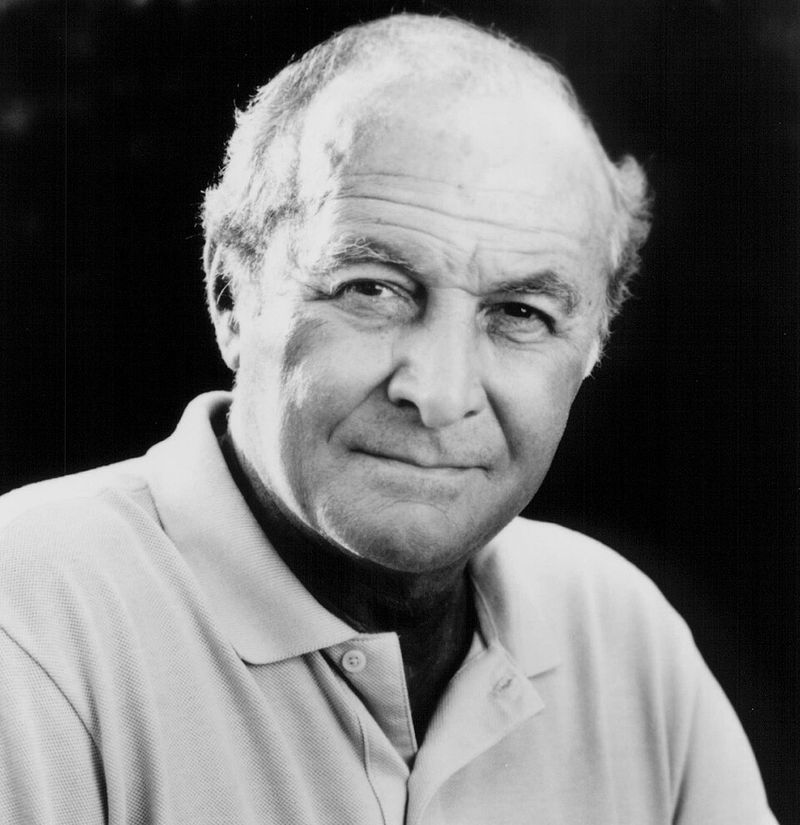
Robert Loggia had a face built for authority. Whether he was playing a mob boss, a government official, or a gruff father figure, he filled the screen with a presence that was impossible to overlook.
His role in Scarface is still talked about decades later.
Loggia’s career ran from the early 1950s all the way through the 2010s, covering film, television, and stage. He appeared in Big alongside Tom Hanks in one of cinema’s most joyful scenes, then turned around and played cold, menacing characters in films like Independence Day.
That range is genuinely rare.
He earned an Academy Award nomination for his role in Jagged Edge, which showed the world his dramatic depth. Robert Loggia was never the flashiest name on a poster, but he made every project better just by being in it.
That is the quiet mark of a true professional.
Samuel L. Jackson
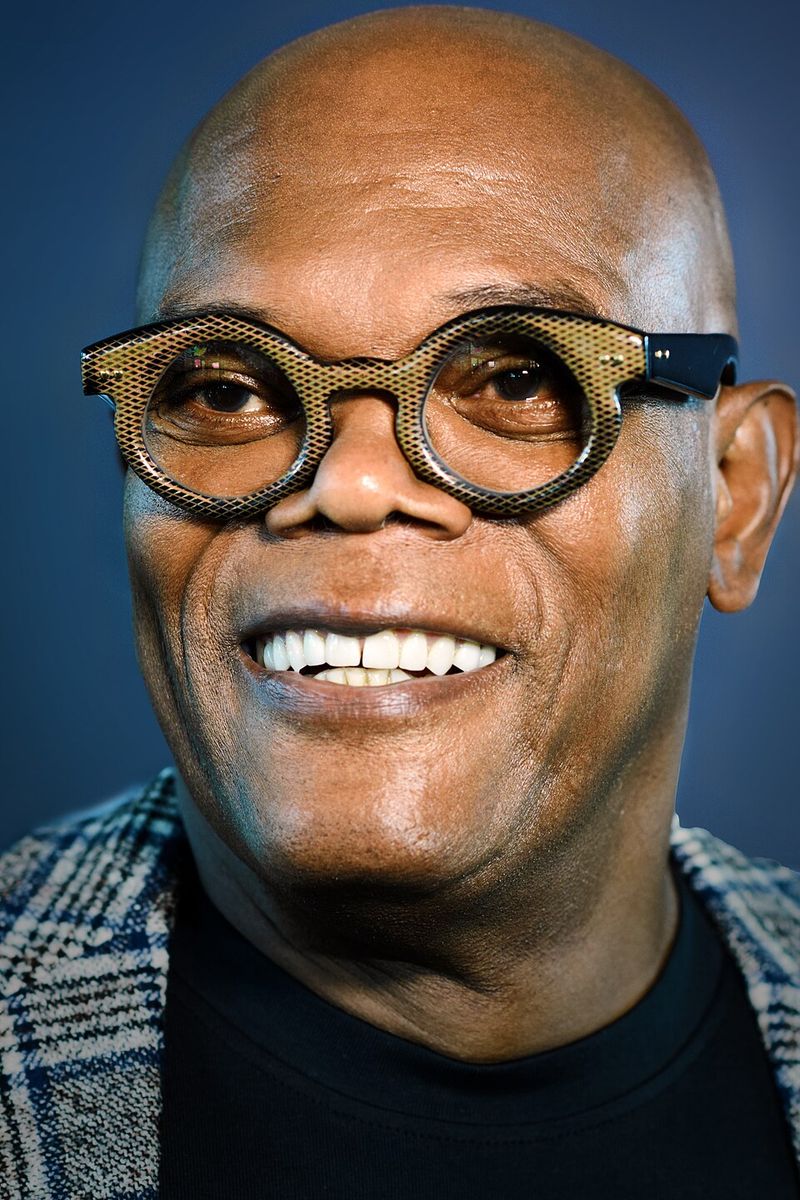
Samuel L. Jackson holds the Guinness World Record for the highest-grossing actor of all time.
His films have collectively earned over 27 billion dollars worldwide. That number is so large it almost stops making sense after a while.
From his electric performance in Pulp Fiction to his decade-long run as Nick Fury across the Marvel Cinematic Universe, Jackson has become one of the defining screen presences of modern cinema. Add in Mace Windu from Star Wars and you have a man who has appeared in three of the biggest franchises in film history.
Simultaneously.
What keeps his career so fresh is his obvious enjoyment of the work. He takes big roles, small roles, voice roles, and cameos with equal enthusiasm.
Samuel L. Jackson does not coast on his reputation.
He shows up, turns it on, and reminds everyone exactly why he became a legend.
M. Emmet Walsh
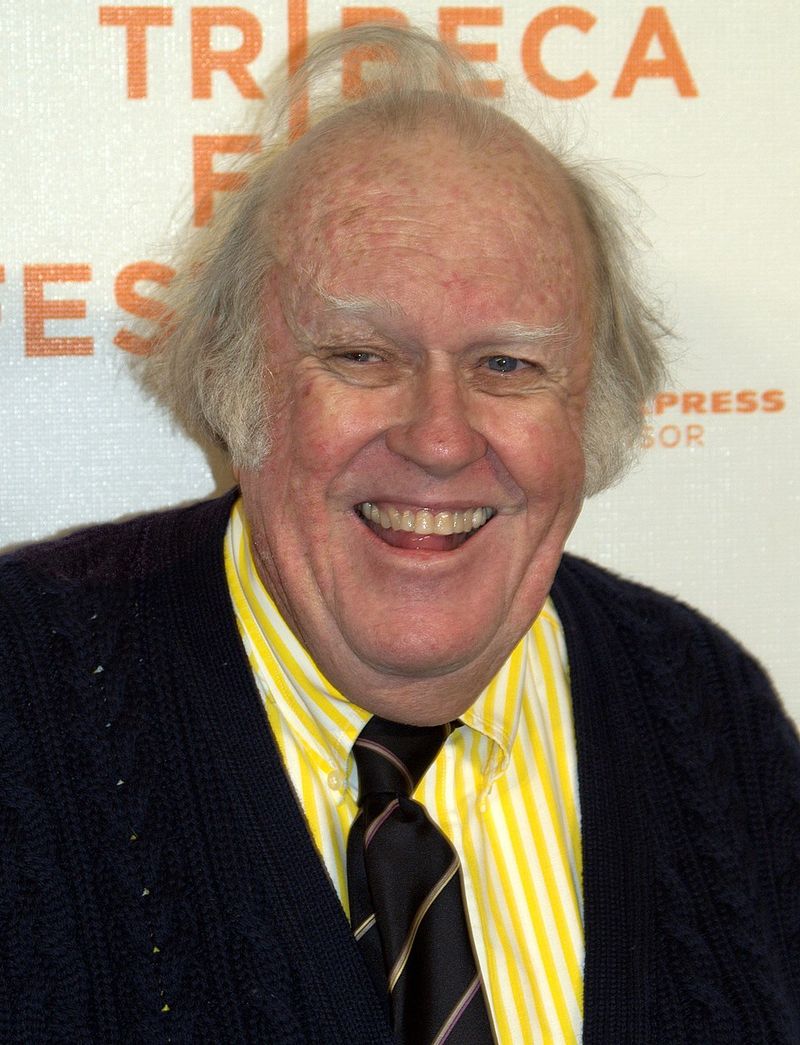
M. Emmet Walsh was the kind of actor who made you think you had seen him somewhere before, probably because you had.
His face appeared in so many films across so many decades that he became a permanent fixture of American cinema without ever being a household name.
His chilling performance in Blood Simple remains a career highlight, but Walsh also brought warmth and humor to films like The Jerk and Knives Out. He worked with the Coen Brothers, Ridley Scott, and countless others, adapting effortlessly to wildly different directors and styles.
That flexibility is what kept him working for over five decades.
Scene stealers rarely get the credit they deserve, and Walsh is the ultimate example. He could walk into any film, deliver a handful of lines, and walk out having made the whole thing better.
That is a genuine and underappreciated superpower in Hollywood.
Donald Sutherland
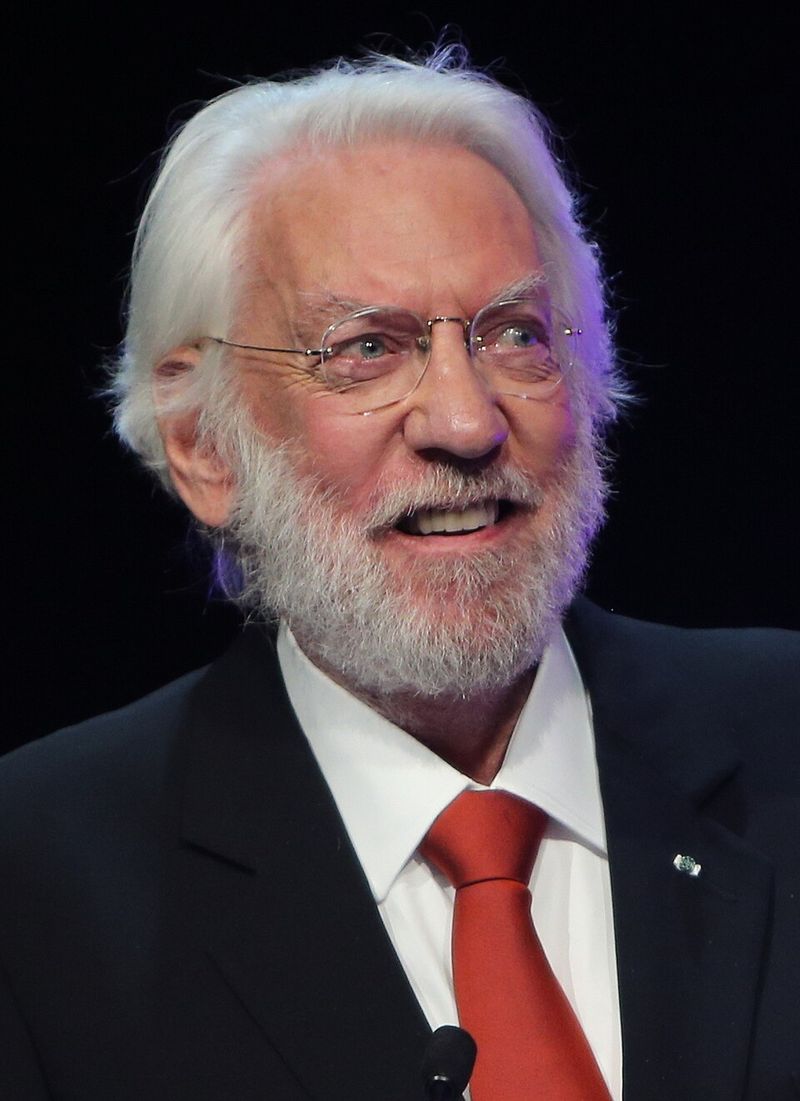
Donald Sutherland is the kind of actor whose presence automatically elevates any film he joins. He has this effortless quality that makes even ordinary scenes feel significant.
His performance in MASH helped define an entire era of American cinema.
His career stretches from the late 1960s through the 2020s, covering comedies, war films, thrillers, and major franchise blockbusters. A whole new generation discovered him as the icy President Snow in The Hunger Games, a villain so quietly terrifying that he barely needed to raise his voice.
Don’t Look Now remains one of the most unsettling films ever made, largely because of him.
Sutherland never chased awards or celebrity. He just kept choosing interesting work and doing it extremely well.
His son Kiefer Sutherland became a star in his own right, but Donald’s filmography is arguably the more fascinating of the two.
Gerard Depardieu
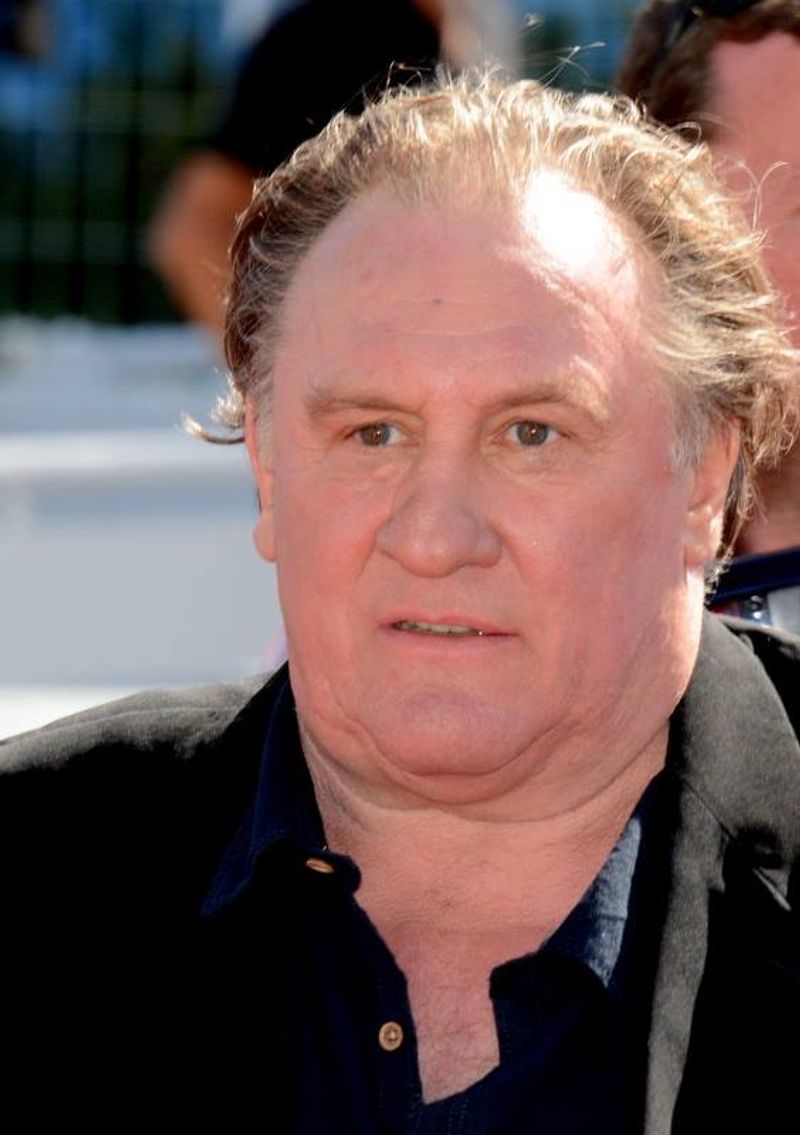
Gerard Depardieu is basically the French version of a one-man film industry. He has appeared in well over 200 films spanning French cinema, international co-productions, and English-language features.
His output is staggering even by Hollywood standards.
His role in Cyrano de Bergerac earned him international acclaim, while Green Card introduced him to American audiences in a surprisingly charming romantic comedy. Depardieu has worked with nearly every major French director and collaborated with filmmakers across Europe, Russia, and the United States.
The man does not believe in geographical limitations.
His personal life has generated plenty of controversy over the years, but his contributions to world cinema are undeniable. Depardieu brought raw emotional power and physical intensity to roles that lesser actors would have played safely.
He committed fully, every single time. That total commitment is what made him one of the most compelling screen actors of his generation.
Christopher Walken
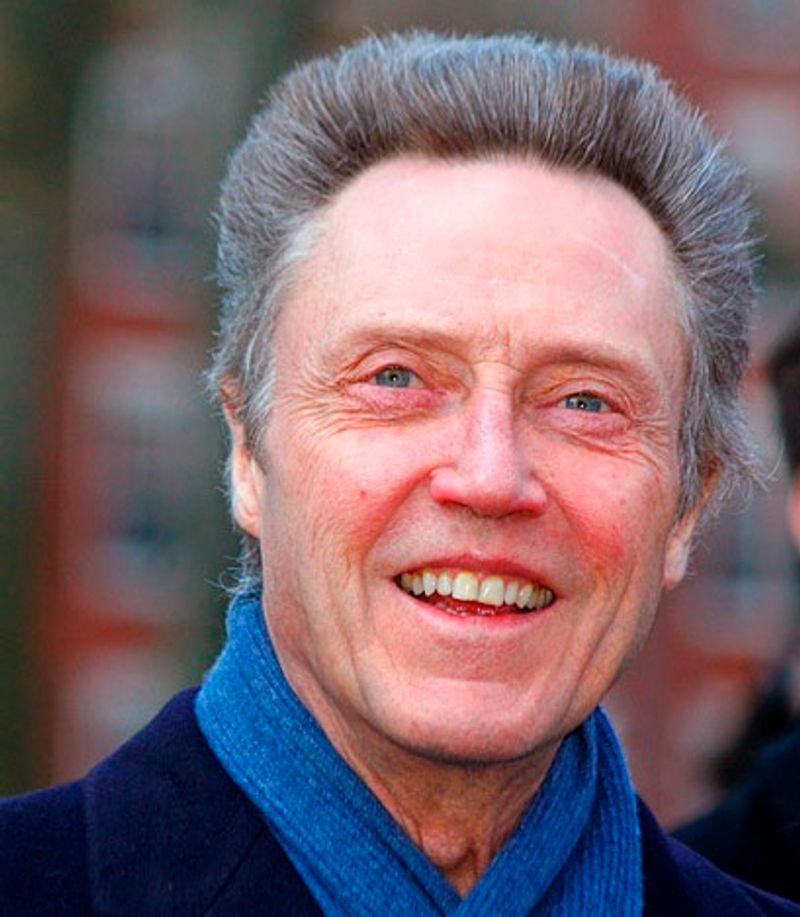
Christopher Walken speaks in a rhythm that belongs entirely to him. Pauses land in unexpected places.
Words stretch or compress without warning. The result is a delivery style so distinctive that comedians have been impersonating it for forty years and still cannot quite nail it.
His Oscar-winning performance in The Deer Hunter showed the world his dramatic range early on. Then came Catch Me If You Can, Pulp Fiction, True Romance, and dozens of others, each adding another layer to one of the most unpredictable careers in Hollywood.
He even played King Louie in The Jungle Book, which somehow made perfect sense.
Walken has appeared in over 100 films and is known for saying yes to almost anything that interests him. That openness has produced some genuinely weird choices, but it has also produced some unforgettable performances.
With Christopher Walken, boring is simply not an option.
Steve Buscemi
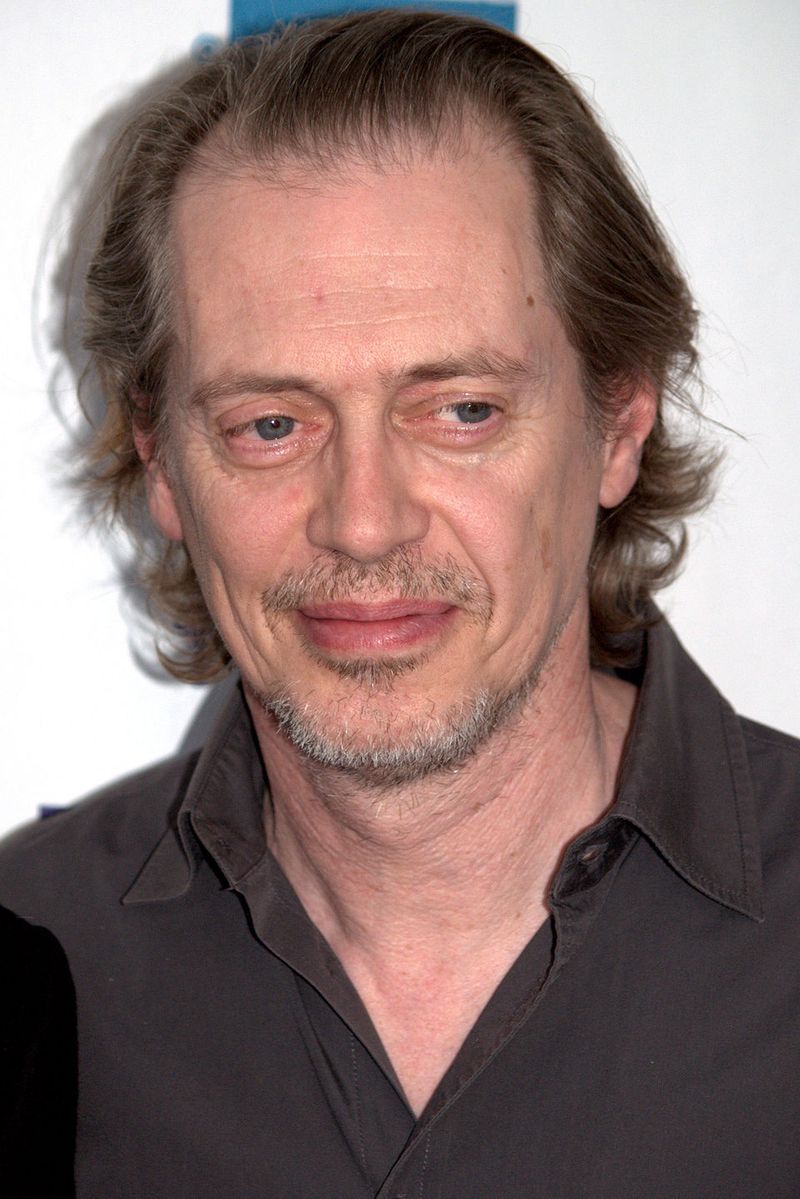
Steve Buscemi has one of those faces that is impossible to forget. His wide, pale eyes and intense expressions have made him perfect for nervous wrecks, lovable losers, and genuinely frightening villains.
Sometimes all three in the same film.
His credits read like a checklist of great American cinema. Reservoir Dogs, Fargo, The Big Lebowski, Boardwalk Empire.
Each role showcased a different gear, from dark comedy to genuine menace. He even stepped behind the camera to direct episodes of The Sopranos, proving his talents extend well beyond performance.
Before his acting career took off, Buscemi was a New York City firefighter. After the September 11 attacks, he returned to his old firehouse and worked alongside rescue crews without any fanfare or publicity.
That story says everything about who he actually is. Steve Buscemi is one of the genuinely good ones, on screen and off.
Nicolas Cage
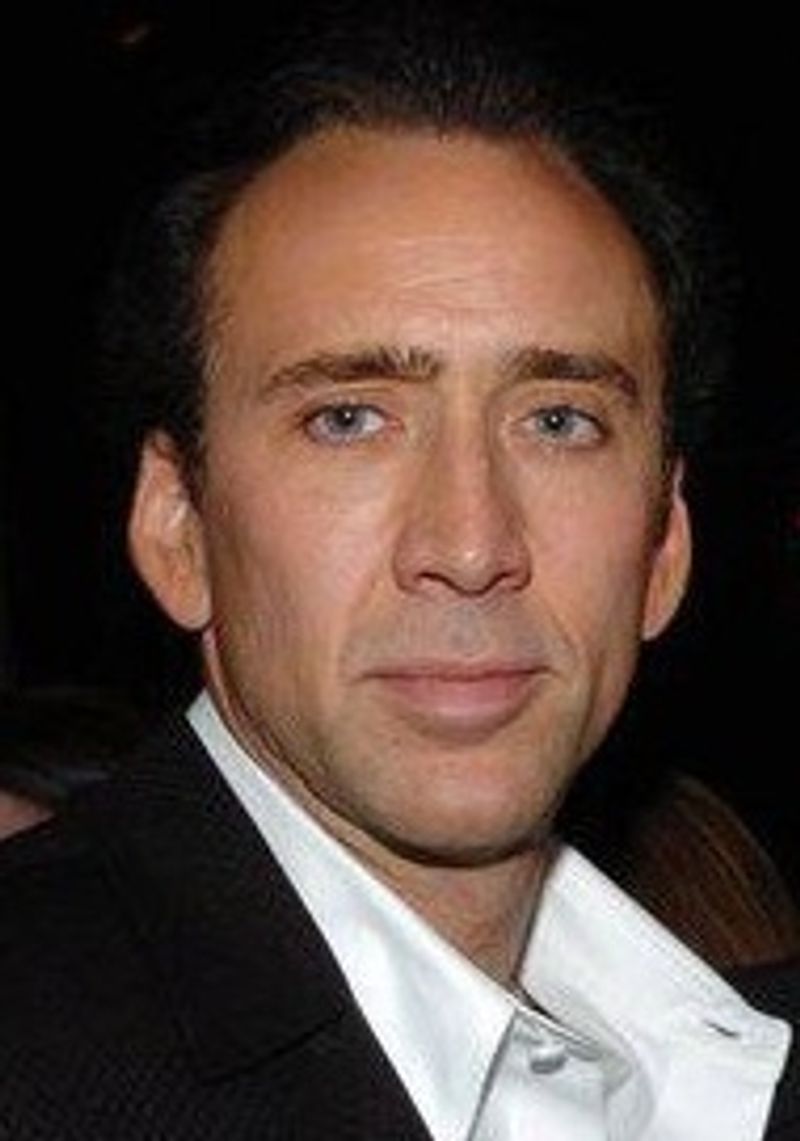
Nicolas Cage operates on a frequency that no other actor can access. He won an Oscar for Leaving Las Vegas, went full action hero in Face/Off and Con Air, and then spent years starring in a wildly eclectic mix of low-budget thrillers, art films, and deeply strange experiments.
His filmography is basically its own genre.
Critics spent years mocking his more unusual choices, but Cage never seemed bothered. He kept working at a relentless pace, averaging several films per year through the 2010s.
Then Pig came along in 2021 and reminded everyone that underneath all the chaos lives a genuinely extraordinary actor.
His career is unpredictable by design. Cage once said he approaches acting like a form of abstraction, which explains a lot.
Whether you find his choices brilliant or baffling, one thing is certain. Nicolas Cage is never, ever boring.
And in Hollywood, that counts for a great deal.
Harvey Keitel
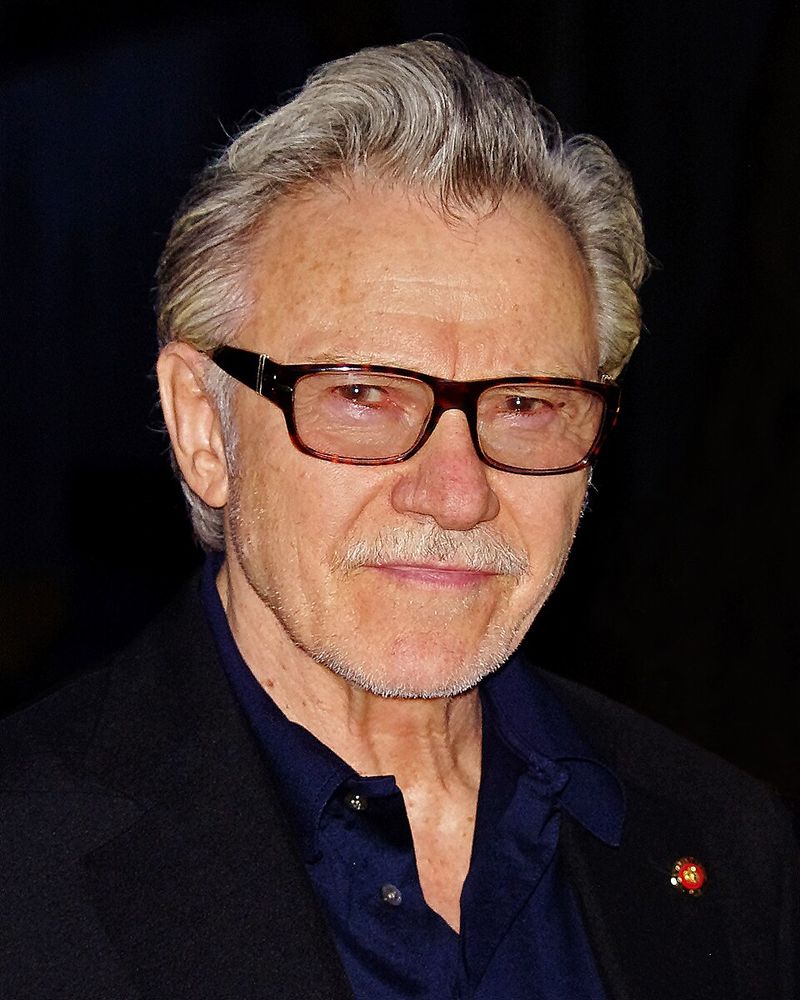
Harvey Keitel helped define the gritty, raw style of American filmmaking that exploded in the 1970s. His early collaboration with Martin Scorsese on Mean Streets and Who’s That Knocking at My Door laid the groundwork for a career built on intensity and honesty.
He then became a fixture in Quentin Tarantino’s films, most memorably as Mr. White in Reservoir Dogs and as the fixer Wolf in Pulp Fiction. His role in The Piano earned him widespread critical praise and introduced him to audiences who had not followed his work from the beginning.
Keitel has never been afraid of difficult, uncomfortable material.
Working steadily from the late 1960s onward, he has built a filmography that includes art house classics, mainstream thrillers, and everything in between. Harvey Keitel picked challenging projects because he genuinely believed in the work.
That integrity made him one of the most respected actors of his generation.
Martin Sheen
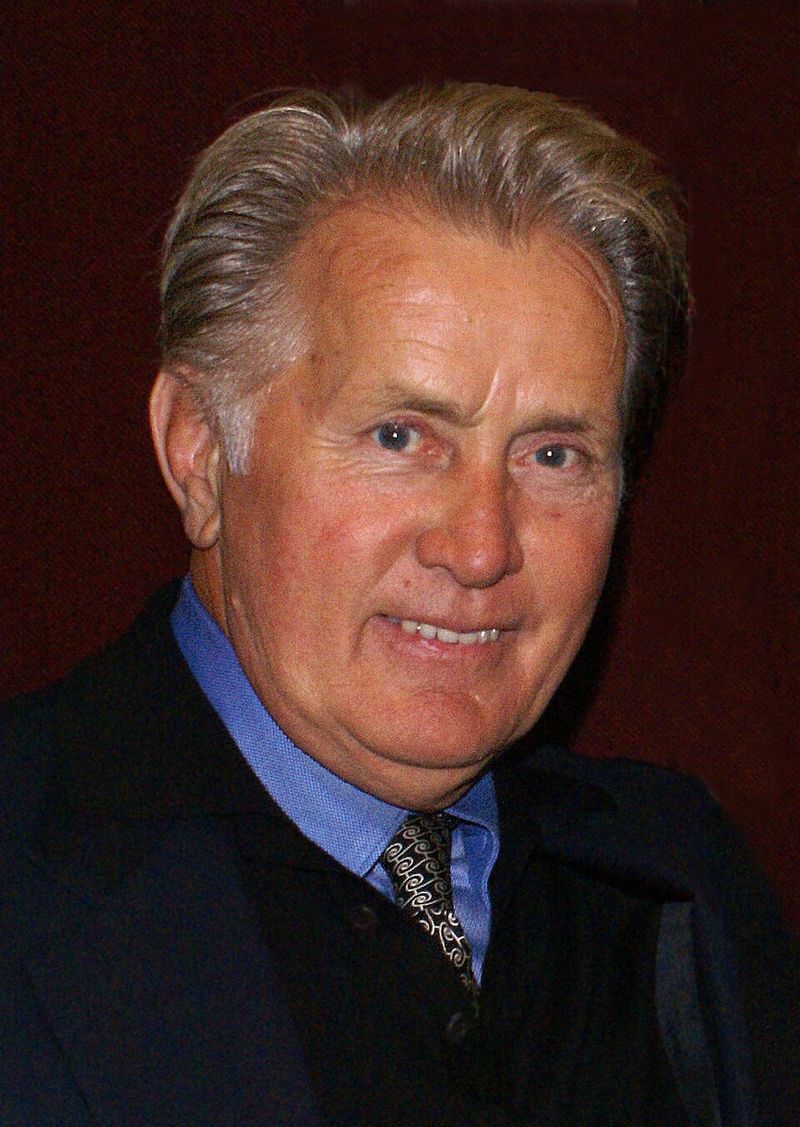
Martin Sheen once said that the two most important days in a person’s life are the day they are born and the day they find out why. Based on his career, he found out very early.
His performance in Badlands at age 33 announced a talent that would last for decades.
Apocalypse Now gave him one of the most demanding roles in cinema history, a journey into darkness that reportedly pushed him to his physical and emotional limits. He survived it and delivered something truly extraordinary.
Then The West Wing came along and made him beloved all over again as President Bartlet, a role he played with quiet dignity for seven seasons.
Sheen has also been deeply committed to social activism throughout his career, which has occasionally landed him in legal trouble but has never slowed his work. He keeps acting because he genuinely loves storytelling.
That passion is visible in every single performance.
Keith David
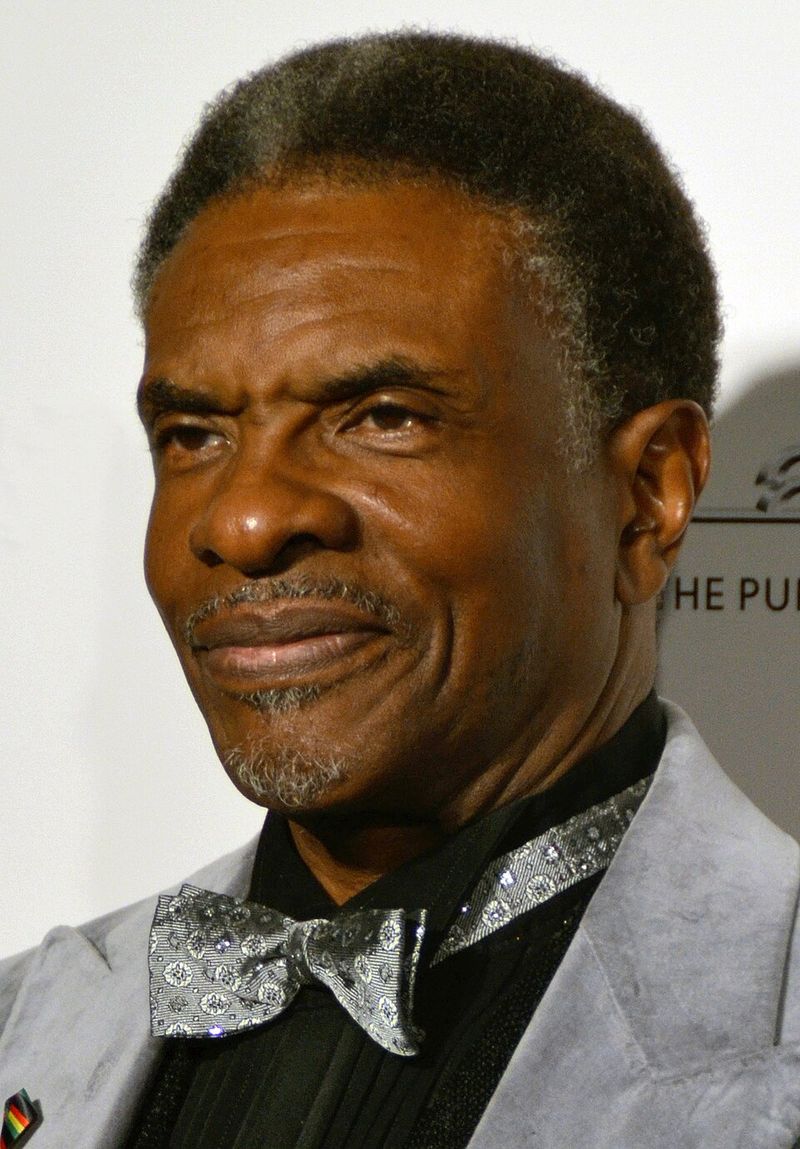
Keith David has a voice that sounds like it was engineered specifically to narrate the history of the universe. Rich, deep, and authoritative, it has made him one of the most sought-after voice actors in the business alongside a genuinely impressive live-action career.
His roles in John Carpenter films are the stuff of cult legend. They Live and The Thing both feature performances that hold up beautifully decades later.
He also appeared in Platoon, Requiem for a Dream, and Men at Work, covering genres from war drama to dark comedy with ease.
In the world of animation and video games, David is equally dominant. He voiced characters in Mass Effect, Fallout, and countless animated series.
The range of his career across live-action, voice work, and narration is almost unparalleled. Keith David did not just find one lane.
He built an entire highway and drove all of them at once.
Morgan Freeman
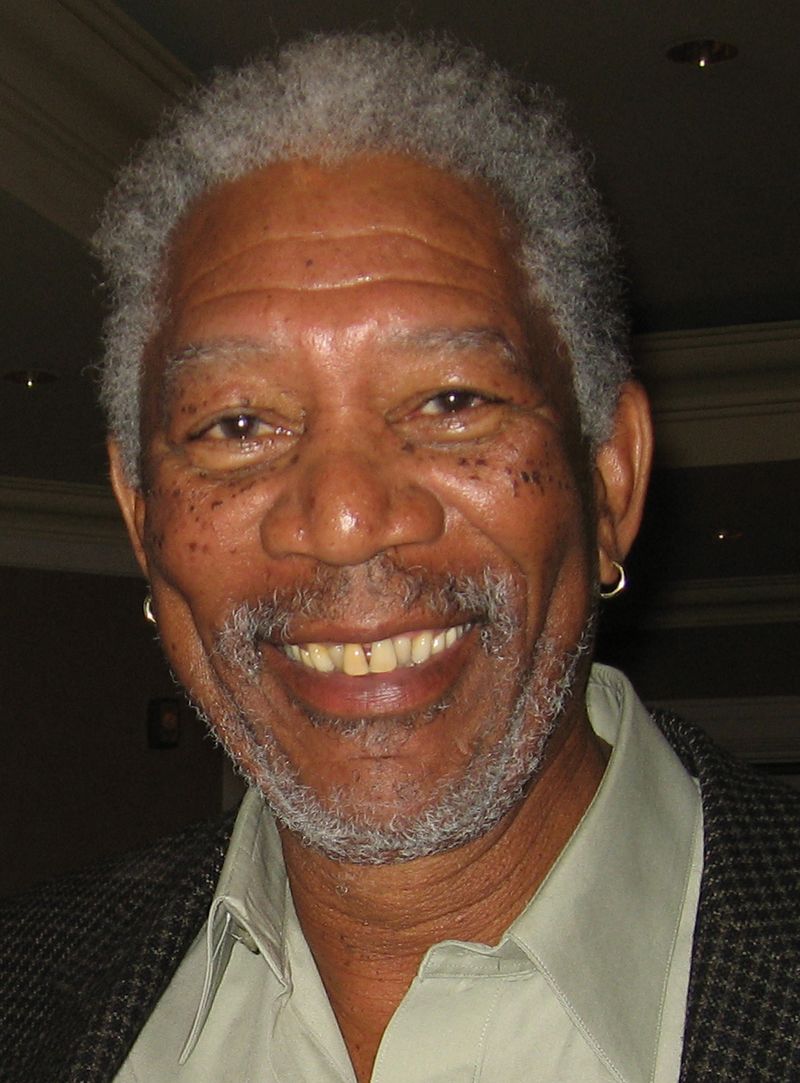
Morgan Freeman’s voice is so recognizable that it has become a cultural shorthand for wisdom, calm, and authority. Documentary producers have built entire careers around getting him to narrate things.
But his acting career is just as impressive as his vocal reputation.
The Shawshank Redemption gave him one of cinema’s most beloved characters in Red, a role of such quiet power that it still tops best-film lists decades later. He followed that with Se7en, Million Dollar Baby, and Driving Miss Daisy, each demonstrating a different emotional register.
His Oscar win for Million Dollar Baby was long overdue by any reasonable measure.
Freeman did not become a major film star until his forties, which makes his output even more remarkable. He has appeared in dramas, thrillers, superhero films, and comedies, adapting effortlessly to every tone.
Morgan Freeman brings gravity to everything he touches, and Hollywood has never stopped being grateful for that.
Robert Duvall
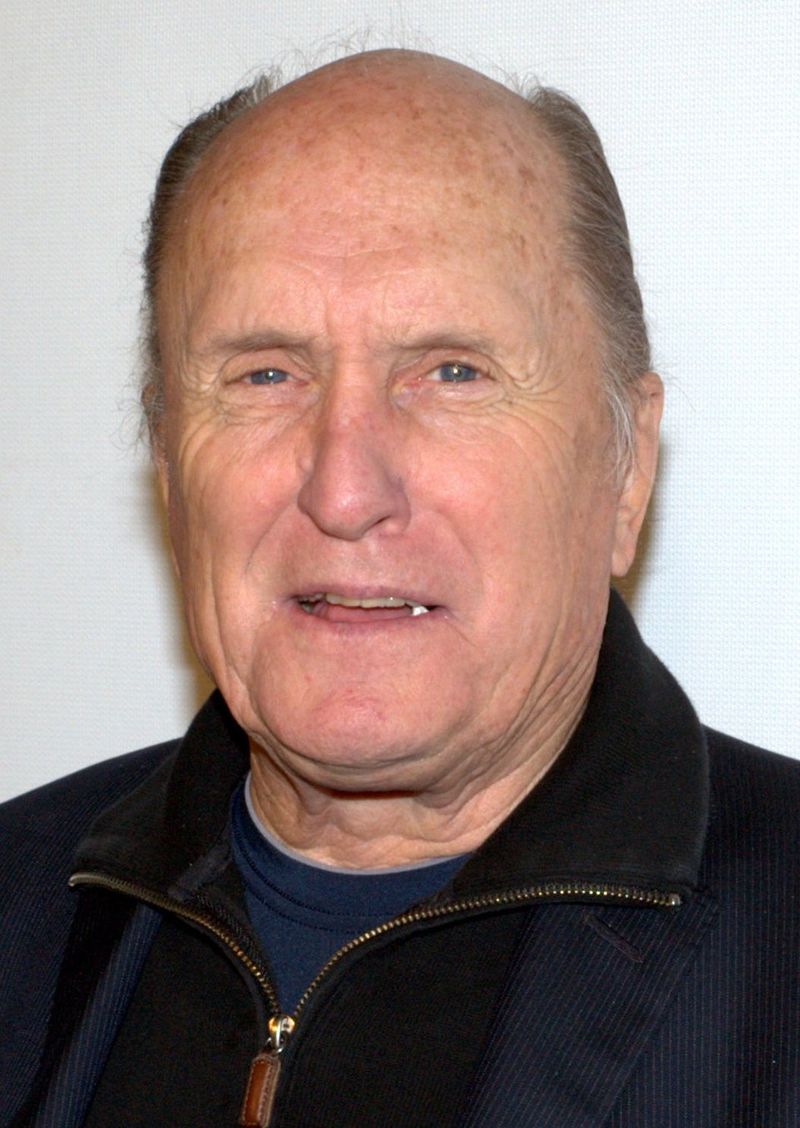
Robert Duvall has a quality that very few actors ever develop. He can do absolutely nothing on screen and still hold your complete attention.
It is something in the stillness of his performance, a sense that this character carries a whole world of experience just beneath the surface.
His career began in earnest with To Kill a Mockingbird, where he played Boo Radley without speaking a single line. From there he went on to The Godfather, Apocalypse Now, and Tender Mercies, winning the Oscar for that last film in a performance of devastating simplicity.
Lonesome Dove on television added another landmark role to a career already overflowing with them.
Duvall has consistently chosen roles that challenge him rather than roles that flatter him. He plays complicated men with complicated histories, and he does it without ever asking for your sympathy.
Robert Duvall is one of those rare artists who makes difficulty look completely effortless.
Clint Eastwood
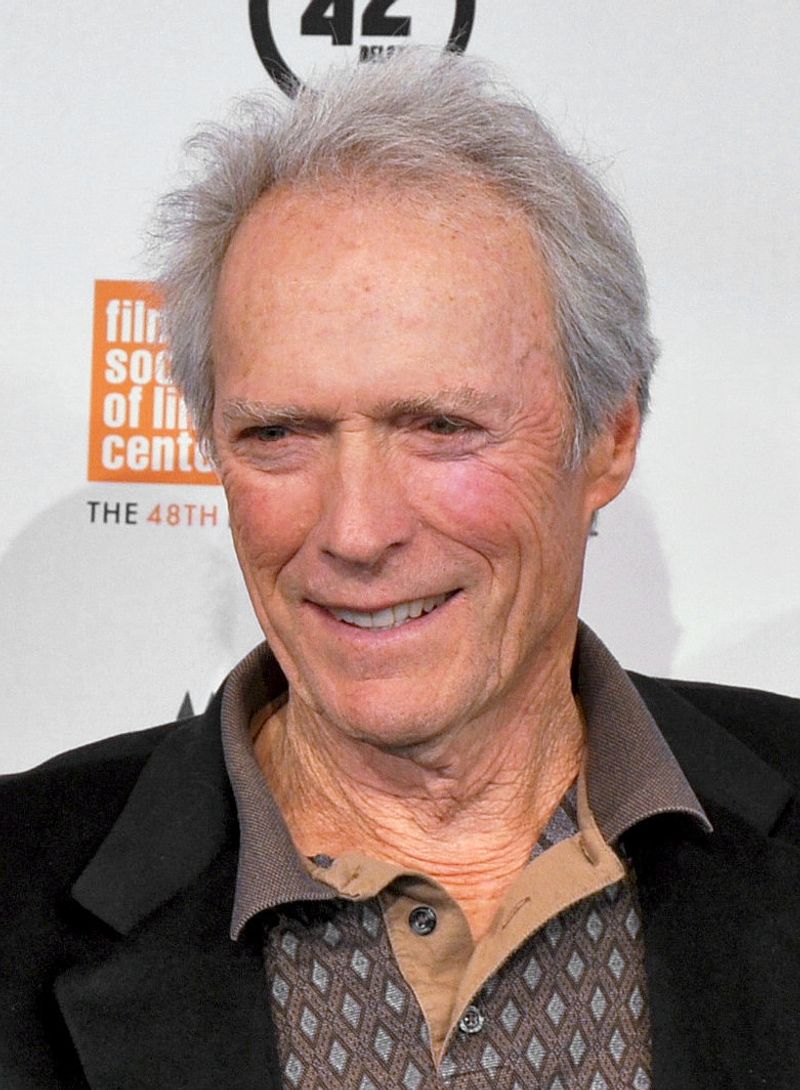
Clint Eastwood has been famous longer than most people have been alive. His squint alone launched a thousand Western showdowns.
But what makes his career truly extraordinary is that he rebuilt it completely from the ground up, twice, and both times came out on top.
First came the Spaghetti Westerns and Dirty Harry, which made him a global icon of tough-guy cinema. Then, rather than coasting on that legacy, he became one of Hollywood’s most respected directors.
Unforgiven won the Oscar for Best Picture. Million Dollar Baby won it again.
Gran Torino reminded everyone he could still carry a film as an actor well into his seventies.
Eastwood directed his first film in 1971 and was still directing in his nineties. The sheer duration and quality of his output is genuinely staggering.
In a town where careers often peak early and fade fast, Clint Eastwood just kept building. That is a rare and remarkable thing.
Malcolm McDowell
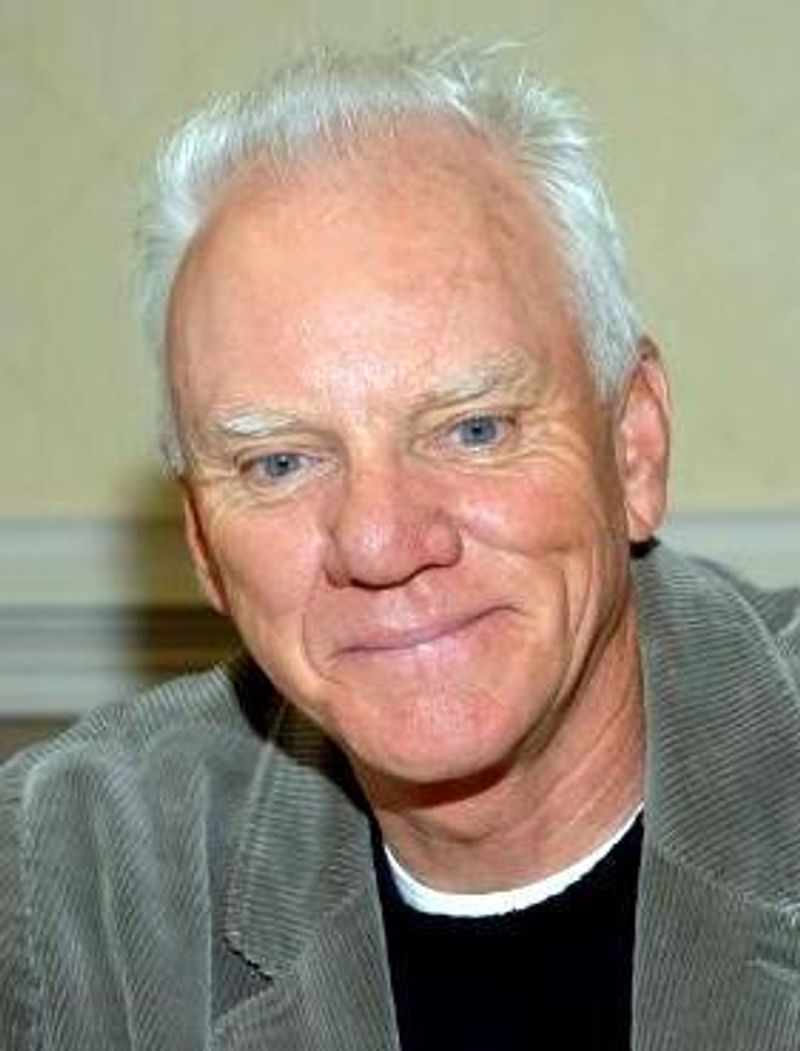
Malcolm McDowell looked directly into the camera at the start of A Clockwork Orange and the world has never quite recovered. That performance, bold, unsettling, and completely committed, announced an actor willing to go places most performers would refuse to visit.
Stanley Kubrick knew exactly what he had found.
Since that 1971 landmark, McDowell has worked continuously across film, television, and voice acting. He has played villains in franchise films, eccentric supporting characters in comedies, and historical figures in prestige dramas.
He voiced villains in animated series and appeared in video games, always bringing that distinctive edge to whatever he takes on.
What keeps McDowell interesting is his total lack of vanity about the work. He will appear in a big-budget Hollywood production and a low-budget British indie in the same year without batting an eye.
Malcolm McDowell never stopped being interesting, which is exactly why directors never stopped calling him.
Donald Pleasence
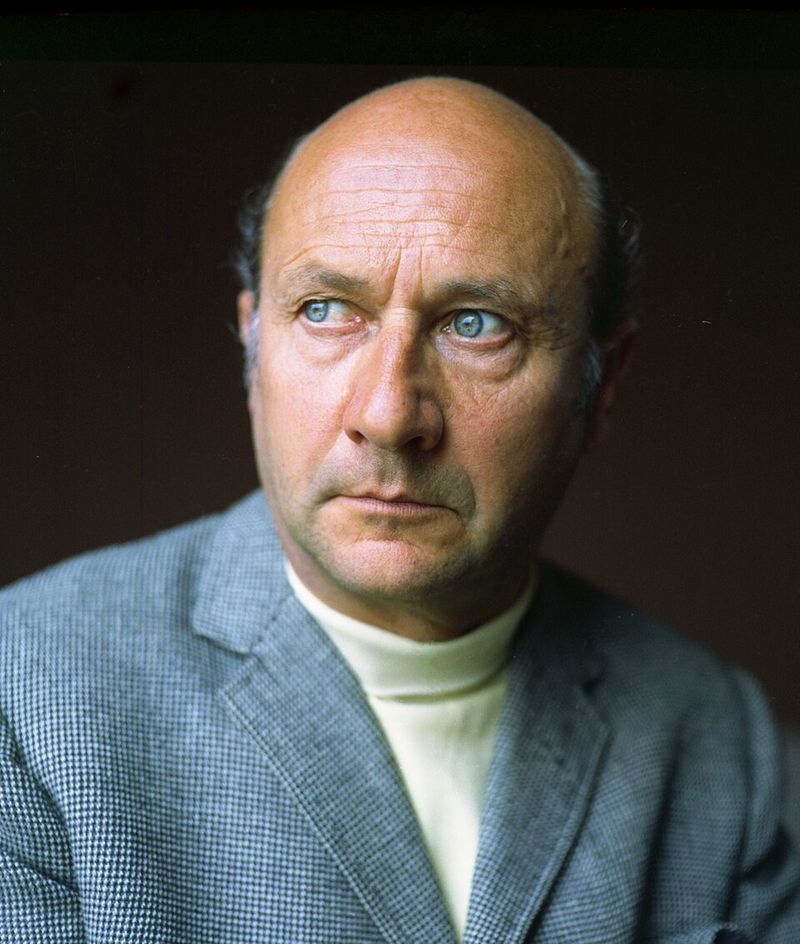
Donald Pleasence had a face that seemed designed specifically for thrillers. Pale, bald, with eyes that could shift from warmth to menace in a single frame, he became one of British cinema’s most reliably unsettling presences across a career that spanned five decades.
Horror fans know him best as Dr. Sam Loomis in the Halloween franchise, a role he played across several sequels with unwavering conviction. Bond fans recognize him as the scarred, cat-stroking Blofeld in You Only Live Twice, possibly the most iconic villain entrance in the entire franchise.
The Great Escape showed he could hold his own in a cast packed with massive Hollywood stars.
Pleasence worked in theater, film, and television constantly throughout his career, rarely turning down a project that interested him. He once said he took roles to keep busy and to keep learning.
Donald Pleasence never stopped doing either, right up until the very end.
Share this story