Laura Ingalls Wilder wrote the Little House books in a small stone cottage in the Missouri Ozarks. Today, visitors can tour the home where she lived and worked while creating one of America’s most beloved book series.
Built as a gift from her daughter, Rose Wilder Lane, the cottage offers a glimpse into Wilder’s later life and remains one of Missouri’s most interesting literary landmarks.
Where the Story of the Rock House Begins
The Rock House sits at 3068 Highway A, but the official museum complex is accessed from 1339-1351 Stewart Drive, Mansfield, Missouri 65704, right in the heart of the Ozark hill country. Mansfield is a small, quiet town in Wright County, and the surrounding landscape feels genuinely unhurried, with narrow roads winding through thick green woods.
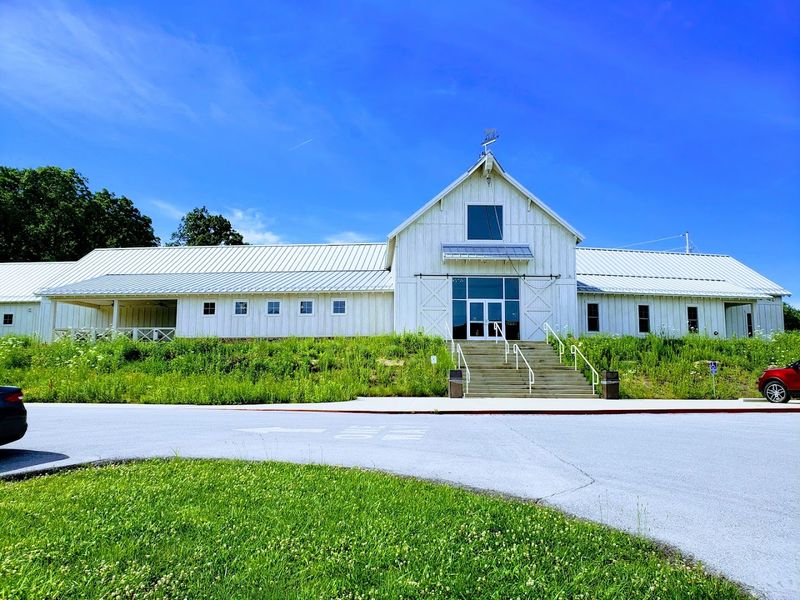
The property is part of the Laura Ingalls Wilder Historic Home and Museum complex, known collectively as Rocky Ridge Farm. When you arrive at the visitor center, the staff hands you a map that marks all the key sites on the grounds, making it easy to plan your walk between buildings.
The Rock House itself is a short, pleasant walk from the main museum along a tree-lined path. The whole setting has a calm, almost storybook quality that matches what you already know about Laura from her books, and that feeling only deepens once you step inside.
The Daughter Who Built Her Parents a Dream Home
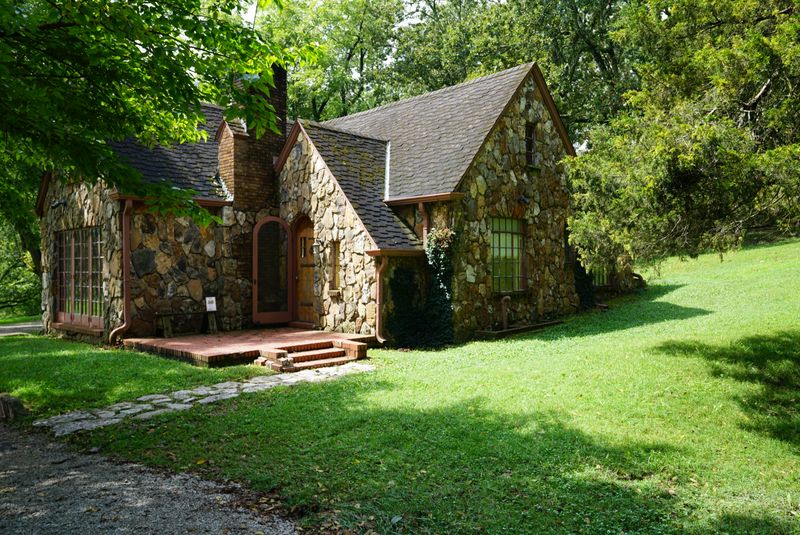
Rose Wilder Lane was already a successful journalist and writer when she decided to give her parents something truly remarkable. In 1928, she commissioned the Rock House as a gift for Laura and Almanzo, funding its construction entirely from her own earnings.
The design came from an English Cottage plan found in a Sears, Roebuck, and Company catalog, but Rose added her own personal touches throughout to make it feel special. The result was a home that was genuinely modern for its era, complete with indoor plumbing, central heating, and electric lights, all of which were considered real luxuries in rural Missouri at the time.
Rose wanted her parents to have comfort and ease after decades of hard farm work. What makes this story even more layered is that the very house Rose built to give her mother a rest ended up becoming the place where Laura found her greatest creative energy, which is a detail that still catches visitors off guard.
A Sears Catalog House With a Personal Twist
Not many people can say their childhood home came from a mail-order catalog, but the Rock House has that unusual distinction. Rose selected an English Cottage plan from the Sears, Roebuck, and Company catalog and then worked with local builders to bring it to life on the Rocky Ridge property.
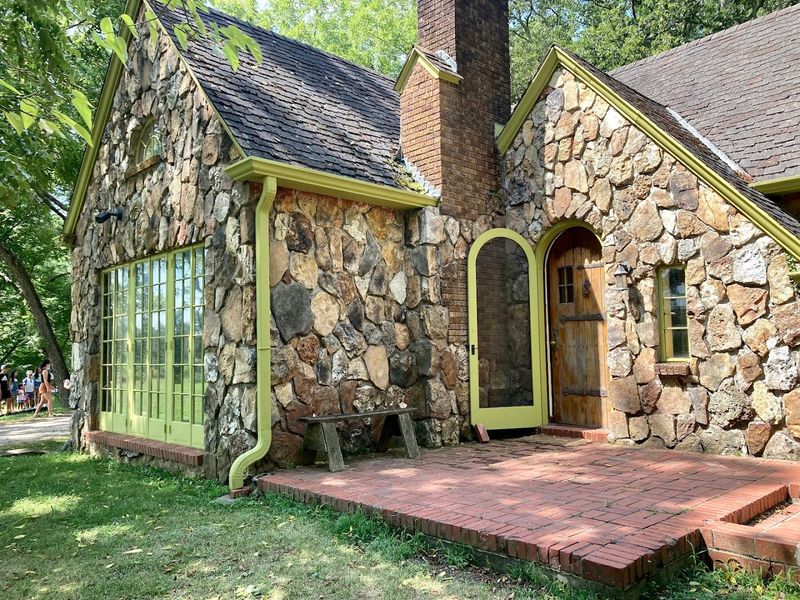
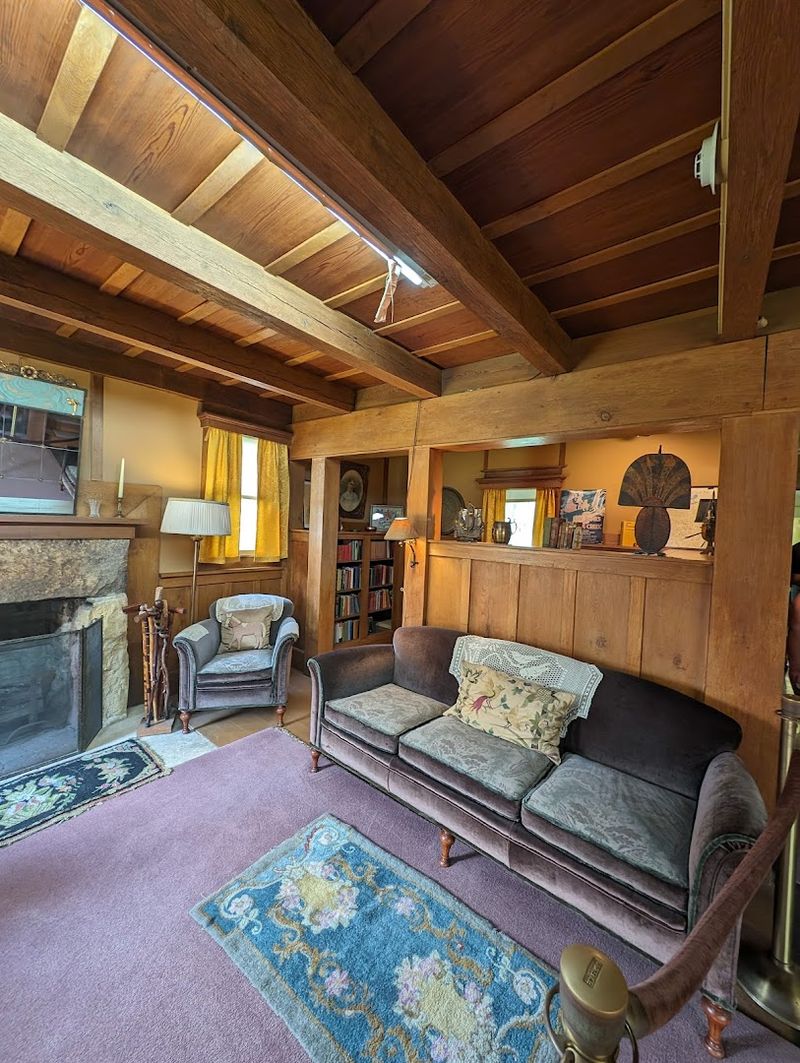
The exterior walls are built from native Missouri stone, which gives the house its distinctive, sturdy look and is part of why it earned the nickname that has stuck for nearly a century. Inside, the rooms are modest in size but carefully arranged, with original furniture and household items still in place exactly as the Wilders used them.
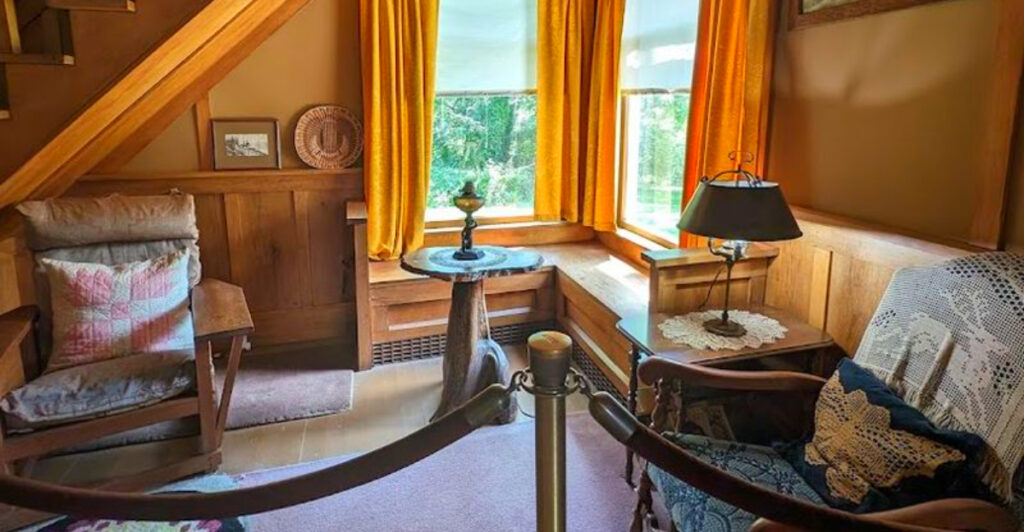
Dishes, clocks, and personal belongings are displayed throughout the house, and tour guides point out which pieces belonged to Laura and Almanzo personally. Seeing Pa’s fiddle, the Christmas clock, and Laura’s jewelry box arranged in those small, stone-walled rooms creates a genuinely intimate connection to the family that no museum display case can quite replicate.
Laura Moves In at Sixty-Five and Picks Up a Pen
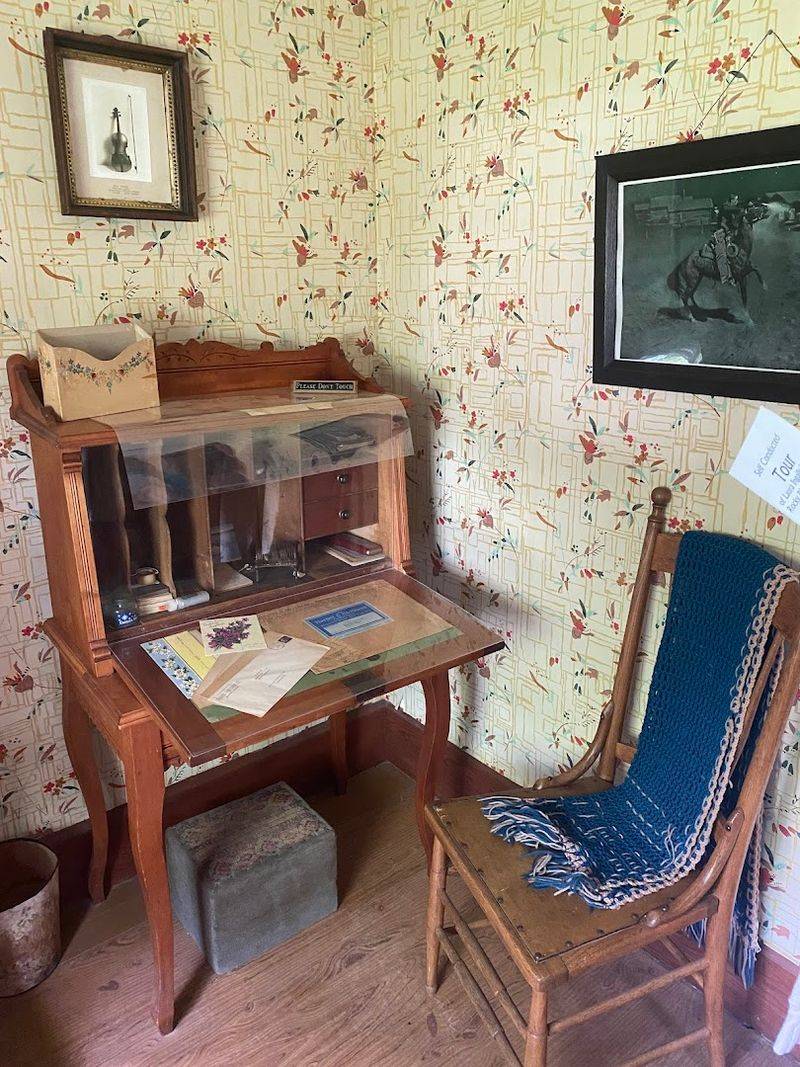
There is something quietly remarkable about the fact that Laura Ingalls Wilder did not begin her famous book series until she was already sixty-five years old. She and Almanzo moved into the Rock House in December 1928, and it was within those stone walls that she started writing the stories that would eventually reach millions of readers around the world.
By the time she left the Rock House in 1936, she had completed the first four books of the Little House series: Little House in the Big Woods, Farmer Boy, Little House on the Prairie, and On the Banks of Plum Creek. That is an extraordinary creative output for any writer, let alone one who began so late in life.
The house itself seems to have agreed with her. The rooms are quiet, the setting is peaceful, and there is a sense that the place was genuinely designed for rest and reflection, which turned out to be exactly the right environment for storytelling on that scale.
Eight Years Between These Stone Walls
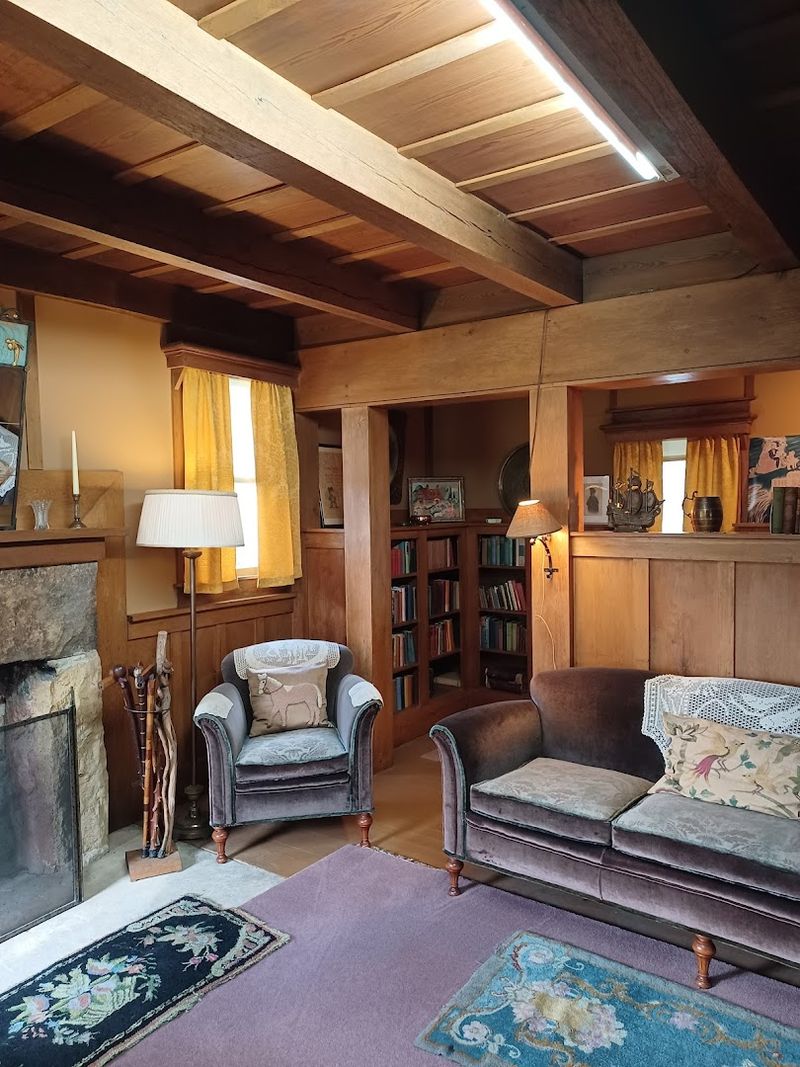
Laura and Almanzo called the Rock House home from 1928 until 1936, a full eight years that represent one of the most productive stretches of Laura’s entire life. During that period, the house was both a comfortable retreat and a working creative space, which is a combination that clearly suited her well.
The Rock House had features that the older farmhouse did not, including modern heating and plumbing that made daily life considerably easier. For two people who had spent decades working a demanding Missouri farm, that kind of comfort was genuinely meaningful, not just a luxury.
Despite all of that, Laura and Almanzo eventually returned to the original Rocky Ridge Farmhouse in 1936. Their reason, as Laura described it, was straightforward: they were simply homesick for the old place.
That detail says a great deal about the kind of people they were, and it also makes the Rock House feel like a fascinating in-between chapter in a life that was anything but ordinary.
The Stone Walls That Still Hold Their Stories
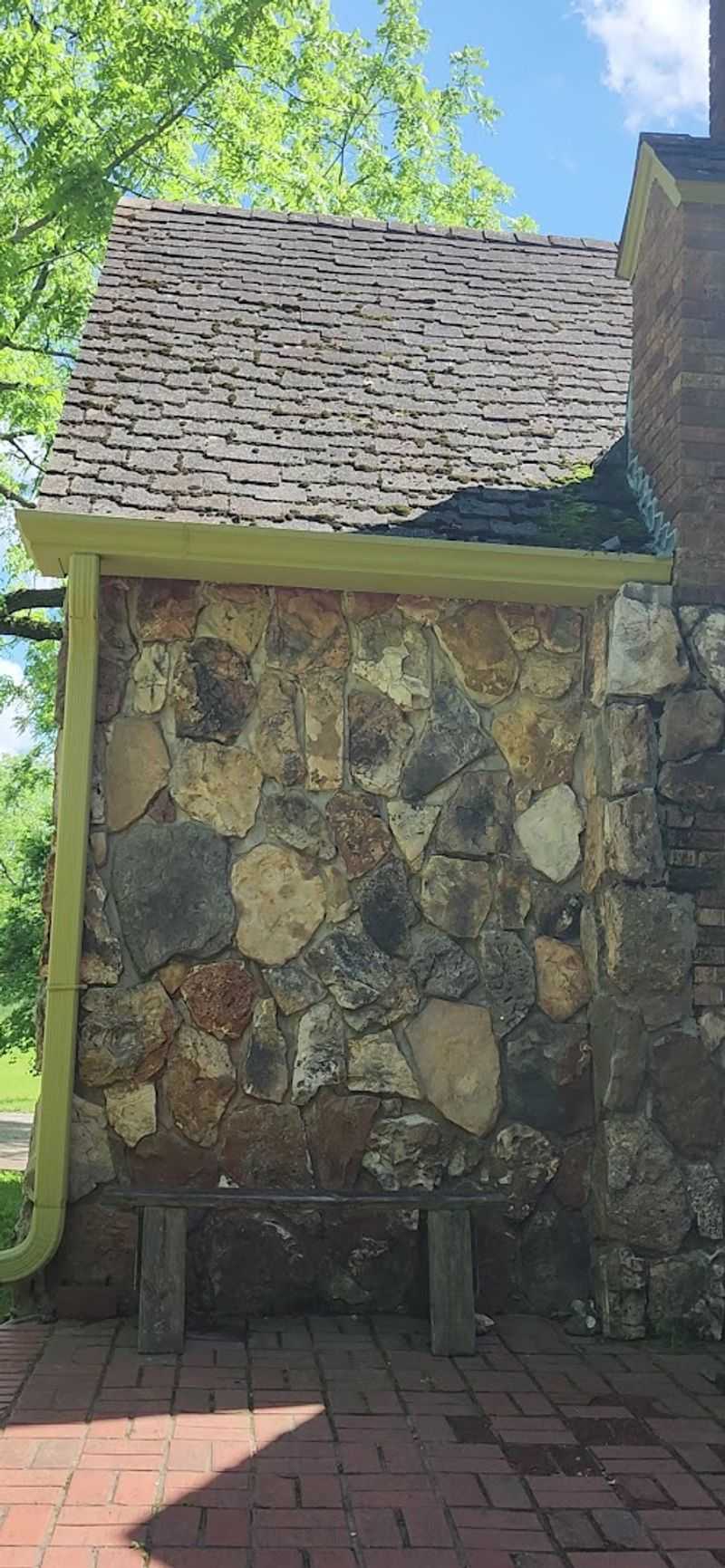
The Rock House earns its name honestly. The exterior is built entirely from native Missouri stone, and the walls have a solid, handcrafted quality that immediately sets this building apart from the farmhouse on the same property.
Up close, you can see the texture and variation in the stones, each one slightly different from the next.
The English Cottage architectural style gives the roofline a gentle, storybook curve that softens the heaviness of the stone and makes the whole building feel welcoming rather than imposing. It is a small house by most standards, but it carries itself with a quiet dignity that matches its history.
The surrounding grounds are well maintained, with mature trees providing shade and a natural sense of privacy. The path that connects the Rock House to the main museum and the original farmhouse winds through genuinely pretty countryside, and taking that walk between stops is one of the small pleasures of a visit that many guests find themselves lingering over longer than they planned.
Original Furniture and the Details That Make It Real
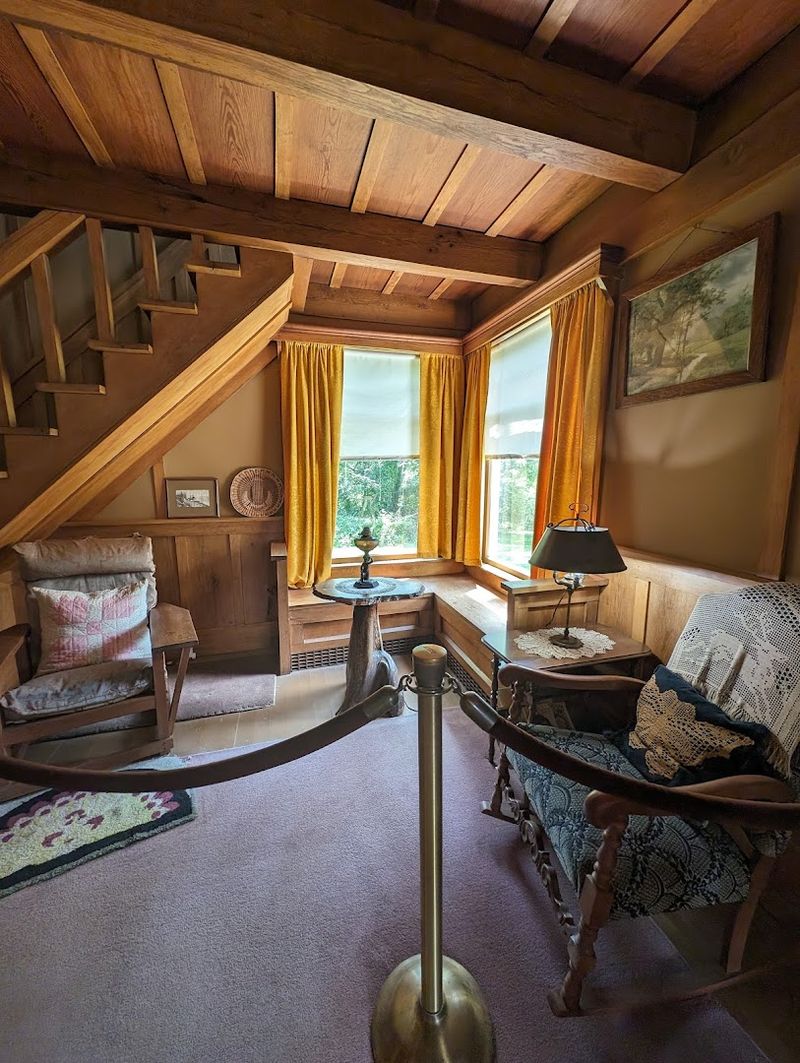
One of the most striking things about touring the Rock House is how complete the interior feels. Many historic homes display reproductions or period-appropriate pieces, but the Rock House contains a significant number of items that actually belonged to Laura and Almanzo themselves.
The Christmas clock, Laura’s jewelry box, and original dishes are all present, arranged in the rooms where they would have been used. Seeing these objects in context, rather than behind glass in a separate museum gallery, creates a very different kind of experience.
The rooms feel inhabited rather than preserved.
The furniture arrangement follows the original layout, and the guides who walk visitors through the space are genuinely knowledgeable about which pieces carry personal history and which details connect back to specific moments in Laura’s writing. That level of specificity is what separates a good museum visit from a great one, and the Rock House consistently delivers on that front in a way that keeps visitors asking questions long after the tour ends.
How the Tour Actually Works
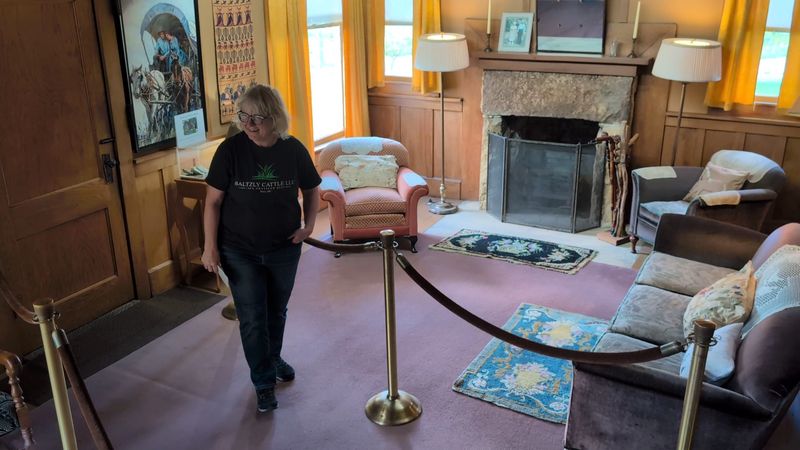
The Rock House tour runs on a self-guided model, with a knowledgeable staff member present in the home to answer questions and provide context as visitors move through the rooms. The experience typically takes around thirty minutes, which is enough time to see everything without feeling rushed.
Tickets are purchased at the main visitor center, where you also receive a map of the entire Rocky Ridge Farm property. The staff there will direct you to all three main stops: the museum, the original farmhouse, and the Rock House.
Most visitors find it makes sense to save the Rock House for last, since the museum visit builds helpful background context.
Admission for the full complex was around eighteen dollars at the time of my visit, which covers access to both homes and the museum. The hours run Monday through Saturday from 9 AM to 5 PM and Sunday from 12:30 PM to 5 PM, so an early afternoon arrival gives you plenty of time to explore everything comfortably without feeling like you are racing the clock.
The Museum That Puts Everything in Context
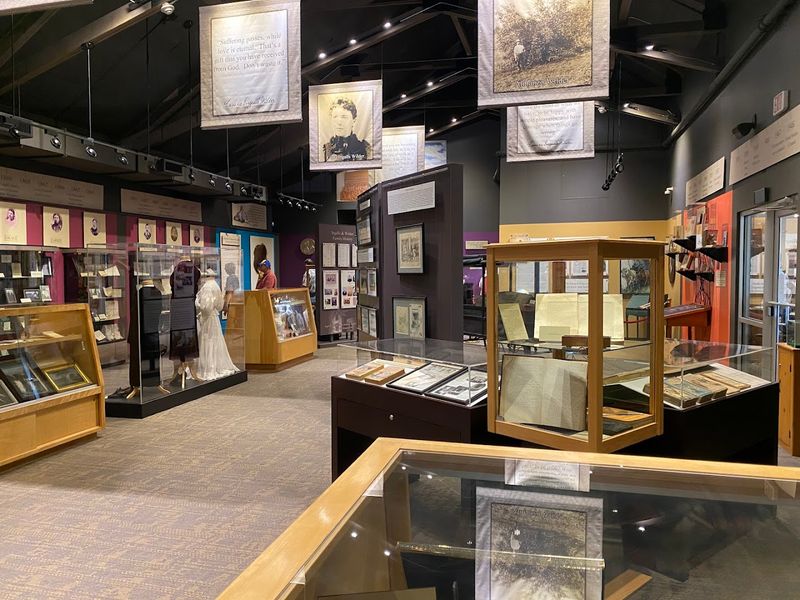
Before heading out to either home on the Rocky Ridge property, most visitors spend time in the main museum building, and that order of operations pays off. The museum houses an extensive collection of photographs, documents, and artifacts that trace the full arc of Laura’s life from her childhood on the prairie to her years in Missouri.
Display cases include early editions of the Little House books, personal correspondence, and objects that connect the written stories to real historical events. The presentation is clear and well organized, making it accessible for visitors of all ages, including younger readers who may be coming as fans of the books.
The museum also covers Rose Wilder Lane’s life and career in meaningful detail, which adds an important layer to the story of the Rock House itself. Understanding who Rose was and what she accomplished on her own makes the gift of the house feel even more significant, and it gives visitors a richer appreciation for the mother-daughter relationship that shaped so much of what Laura eventually wrote.
The Rocky Ridge Farmhouse Next Door
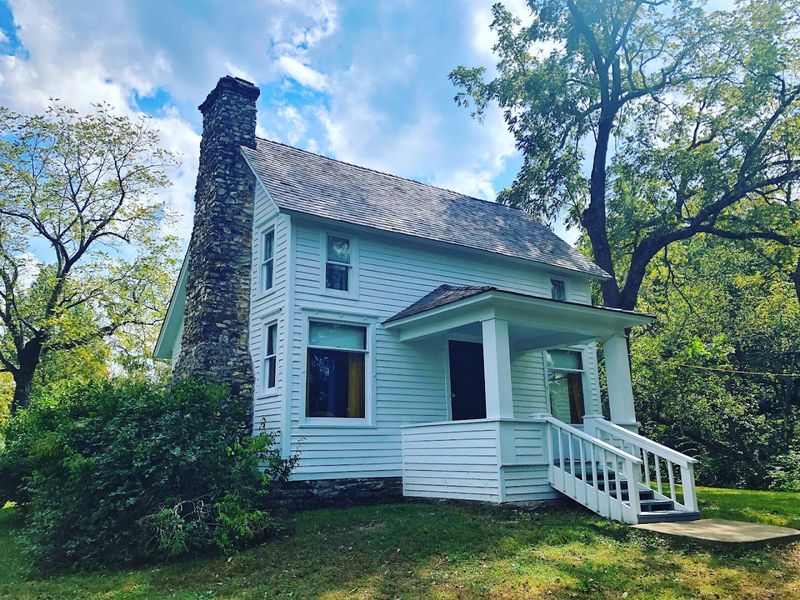
The Rock House does not stand alone on the property. A short walk away sits the original Rocky Ridge Farmhouse, the home that Laura and Almanzo built themselves over many years and the place they returned to in 1936 after leaving the Rock House behind.
The farmhouse tells a different kind of story. Where the Rock House is polished and purposefully modern, the farmhouse is warmer and more personal, reflecting decades of choices made by two people building a life together from the ground up.
The two buildings complement each other in a way that makes visiting both feel essential rather than optional.
The farmhouse tour is guided, and the staff member leading the walk through the rooms brings the same depth of knowledge that you find at the Rock House. Seeing both homes in a single visit gives you a genuinely full picture of who Laura and Almanzo were, not just as historical figures but as real people with preferences, personalities, and a deep attachment to the land they farmed for so many years.
The Walking Path That Ties It All Together
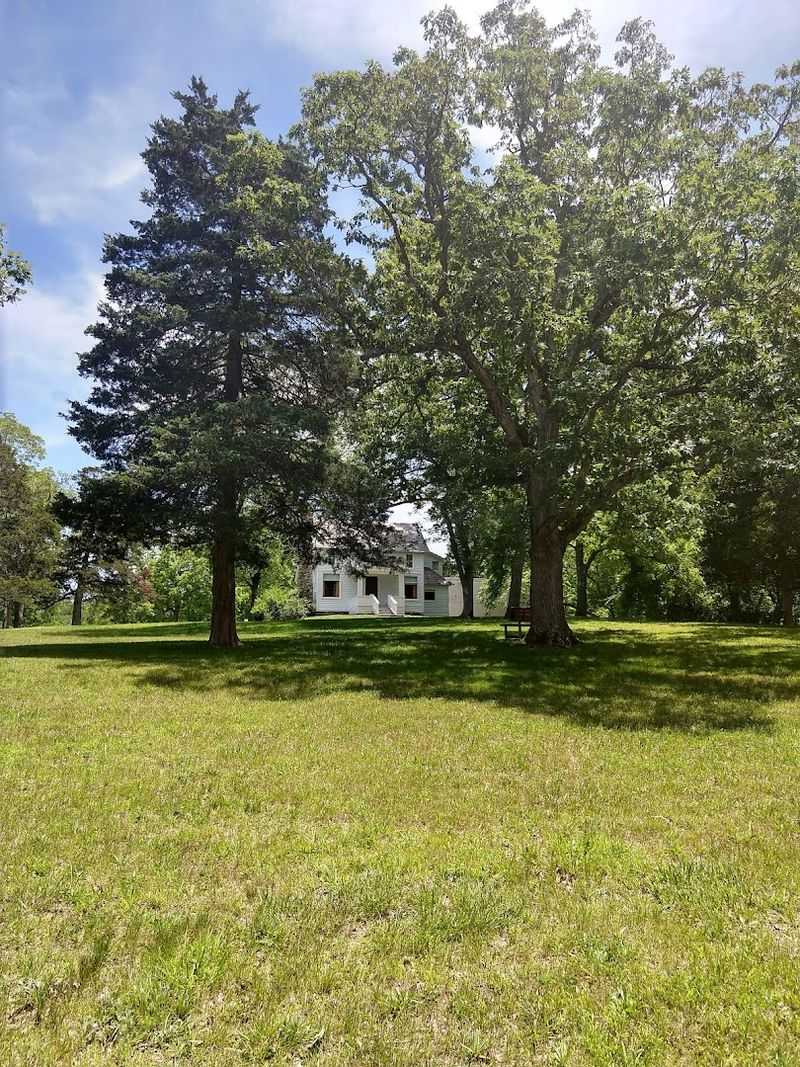
One of the unexpected pleasures of visiting the Rocky Ridge Farm complex is the walking path that connects the various stops on the property. The trail winds through genuinely pretty Missouri countryside, with mature trees overhead and the kind of quiet that you rarely find near a tourist attraction.
The walk between the museum, the farmhouse, and the Rock House takes only a few minutes each way, but the path itself is worth slowing down for. Several visitors I spoke with mentioned that they doubled back just to walk it again, which tells you something about how well the grounds are maintained and how naturally beautiful the setting is.
There is also a longer trail on the property for visitors who want more of an outdoor experience. The grounds accommodate visitors with mobility needs, with accessible parking available at each of the three main stops.
That level of practical planning makes the whole visit feel welcoming rather than challenging, and it reflects well on how the museum is run overall.
Practical Tips Before You Make the Drive
Mansfield is a small town, and that is part of its charm, but it does mean you should plan ahead before your visit. Dining options in the immediate area are limited, so eating before you arrive or packing a snack is genuinely good advice rather than just a polite suggestion.
The museum complex is open Monday through Saturday from 9 AM to 5 PM and on Sundays from 12:30 PM to 5 PM. Arriving in the morning gives you the best chance of a relaxed, unhurried visit, especially if you plan to see the museum, both homes, and walk the trail.
A late afternoon arrival can feel tight if you want the full experience.
The staff is consistently praised for their friendliness and genuine knowledge of the Wilder family history. For fans of the Little House books or anyone curious about American literary history, this is a visit that quietly delivers far more than you might expect from a small Missouri town.
Share this story