Provenance has quickly become one of Philadelphia’s most sought-after dining experiences, earning a MICHELIN star less than a year after opening. With just 11 seats and a tasting menu that changes every six weeks, every visit offers something entirely new.
What sets the restaurant apart is its approach to seasonality. Ingredients come from local farms, while the menu blends French technique with Korean influences in a series of carefully crafted courses.
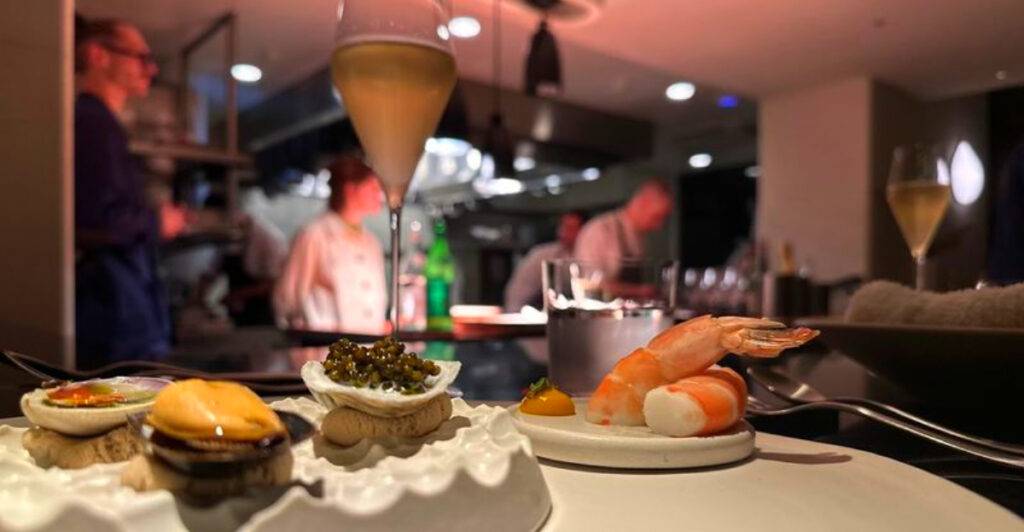
Guests sit directly in front of the kitchen, watching each dish come together in real time.
Tucked inside a modest rowhouse, Provenance delivers one of the city’s most distinctive meals and a dining experience that feels unlike anything else in Philadelphia.
A Society Hill Address With a Lot to Say

The address alone sets the tone before you even open the door. Provenance sits at 408 S 2nd St, Philadelphia, PA 19147, right in the heart of Headhouse Square in the Society Hill neighborhood, one of the city’s most historically rich and walkable areas.
The building is a compact rowhouse, the kind of structure that blends seamlessly into the old cobblestone character of the block. From the outside, it does not shout for attention.
That restraint is intentional and consistent with everything happening inside.
Society Hill is a neighborhood where colonial-era architecture meets modern city life, and Provenance fits that layered identity perfectly. The restaurant opened in 2024 under chef and owner Nich Bazik, and it wasted no time making its presence felt across the Philadelphia dining landscape.
You can reach them at (445) 223-8333 or visit provenancephl.com to book a table before they fill up.
Eleven Seats, One Counter, Zero Distance From the Kitchen
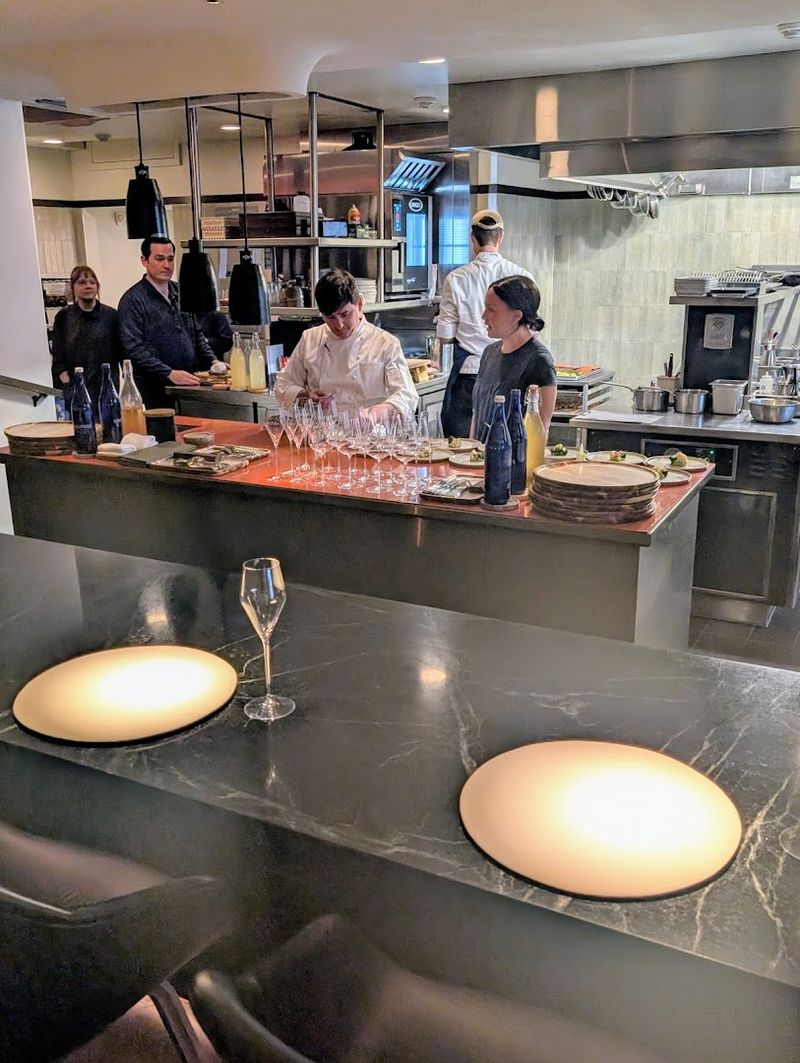
Most fine dining restaurants keep the kitchen hidden, a mystery behind swinging doors. At Provenance, the kitchen is the centerpiece, and the 11-seat soapstone counter wraps directly around it so guests are close enough to watch every garnish being placed.
That counter is where the magic feels most electric. Chefs move with calm, deliberate focus, and the rhythm between them has been described as a choreographed performance.
There is no chaos, no shouting, just quiet precision that is genuinely fascinating to observe in real time.
Beyond the counter, additional seating is available in a wine cellar and the private Sunkoo Yuh Room, bringing total capacity to roughly 22 to 25 guests. The intimacy of that number is not accidental.
Keeping the guest count small allows the team to deliver the kind of personalized, detail-driven service that makes each visit feel like it was designed specifically for you, because in many ways, it actually was.
The MICHELIN Star That Arrived Faster Than Anyone Expected
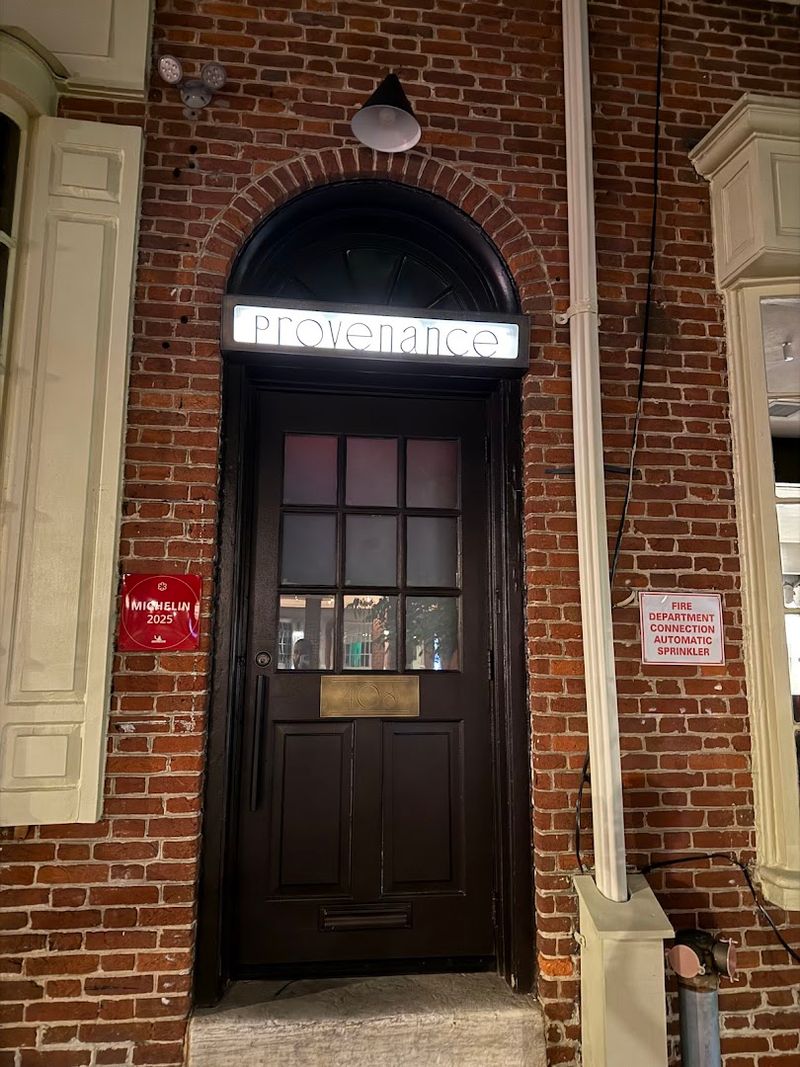
Earning a MICHELIN star is the kind of achievement that takes most restaurants years of relentless work and quiet hope. Provenance earned one in the 2025 MICHELIN Guide USA, less than a year after opening its doors in 2024.
That timeline is remarkable by any standard. The MICHELIN inspectors do not hand out stars as a warm welcome to new restaurants.
They return multiple times, eat anonymously, and evaluate every element of the experience with exacting criteria covering food quality, technique, consistency, and personality of cuisine.
The recognition did not stop there. Bon Appetit named Provenance one of its 20 Best New Restaurants of 2025, a list that pulls from restaurants across the entire country.
For a debut restaurant in a rowhouse with fewer than 25 seats, landing on both lists simultaneously signals something beyond beginner’s luck. Chef Bazik had a clear vision from day one, and the broader culinary world took notice faster than even loyal early guests might have predicted.
Twenty to Twenty-Five Courses That Change With the Calendar
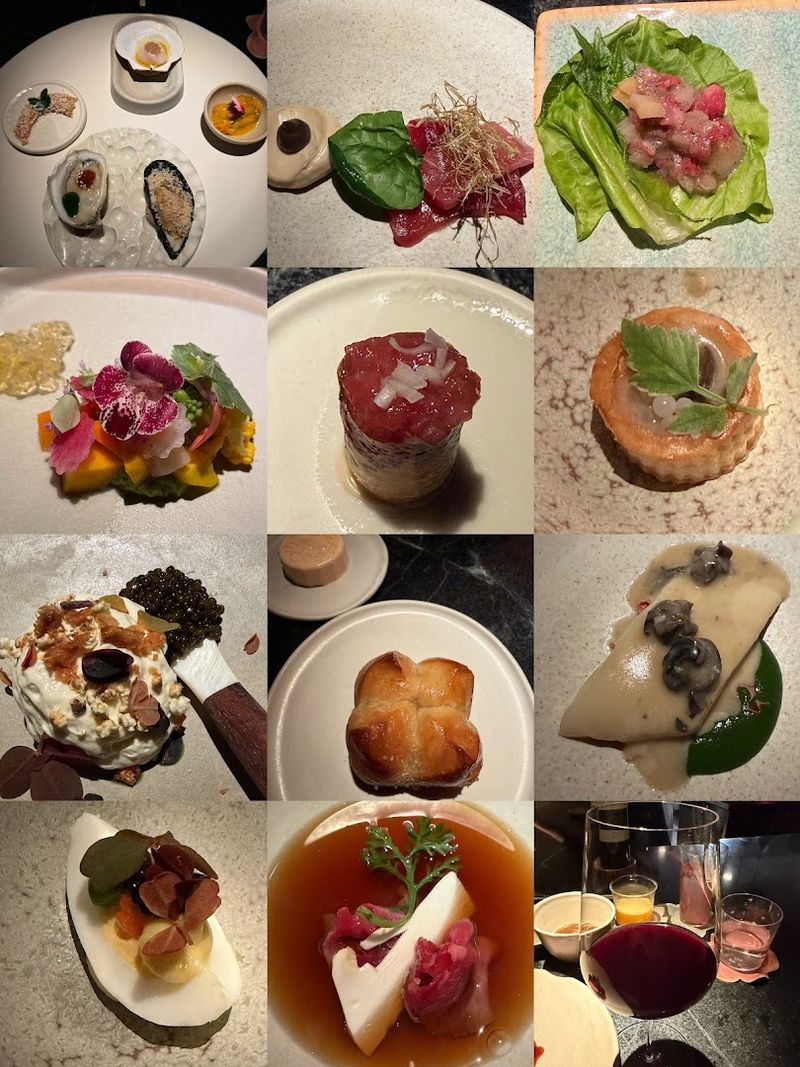
A single tasting menu of 20 to 25 courses sounds ambitious until you actually sit down and experience the pacing. Each dish arrives at a rhythm that feels thoughtful rather than relentless, and the kitchen adjusts the timing based on how guests are eating, not a preset clock.
What makes the menu genuinely different is how often it changes. Every six weeks or so, the entire menu shifts to reflect what is available from local farmers and purveyors.
That means a guest who visited in early spring and returns in early summer is essentially eating at a completely different restaurant.
Dishes have included a crusted scallop served alongside a scallop hot dog in a brioche bun, a poularde course that reportedly moved at least one guest to tears, and a chowder described as light and creamy with a texture like a seafood cloud. The creativity is real, and it is backed by serious technique at every turn.
Modern French Technique With a Korean Soul
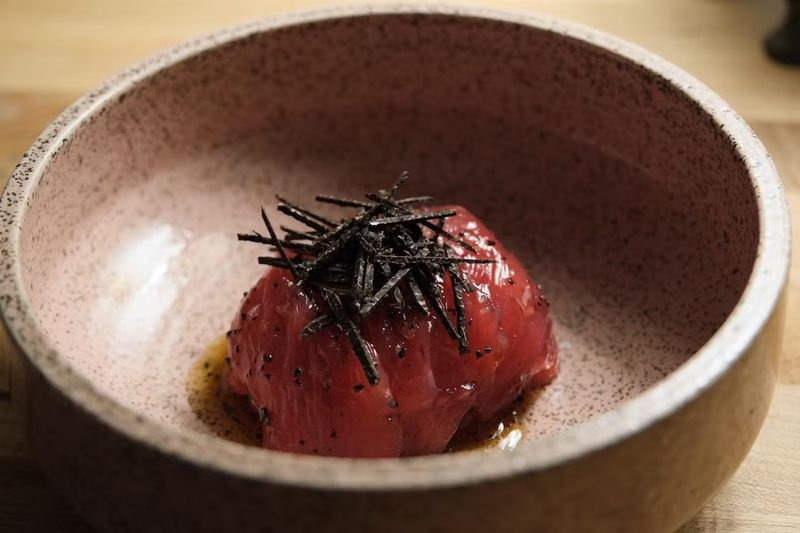
The culinary philosophy at Provenance does not fit neatly into one box, which is part of what makes it so compelling. Chef Bazik builds the menu on a foundation of modern French cuisine, with particular emphasis on classical sauce work and precise technique, but Korean influences run through the food in ways that feel completely organic.
Those Korean flavors are not decorative. They come from a genuine personal connection, as Chef Bazik’s wife is Korean, and that cultural relationship with ingredients and flavor profiles is woven into the menu honestly rather than as a trend or novelty.
Guests have noted the presence of kimchi, Korean-inspired sauces, and fermented elements that add depth without overpowering the French backbone of each dish. The beverage program also reflects this duality, with non-alcoholic pairings often drawing from Korean and tea-based traditions.
It is a combination that feels earned, specific, and genuinely unlike what most other fine dining restaurants in Philadelphia are currently offering.
Where Every Ingredient Has a Name and a Story
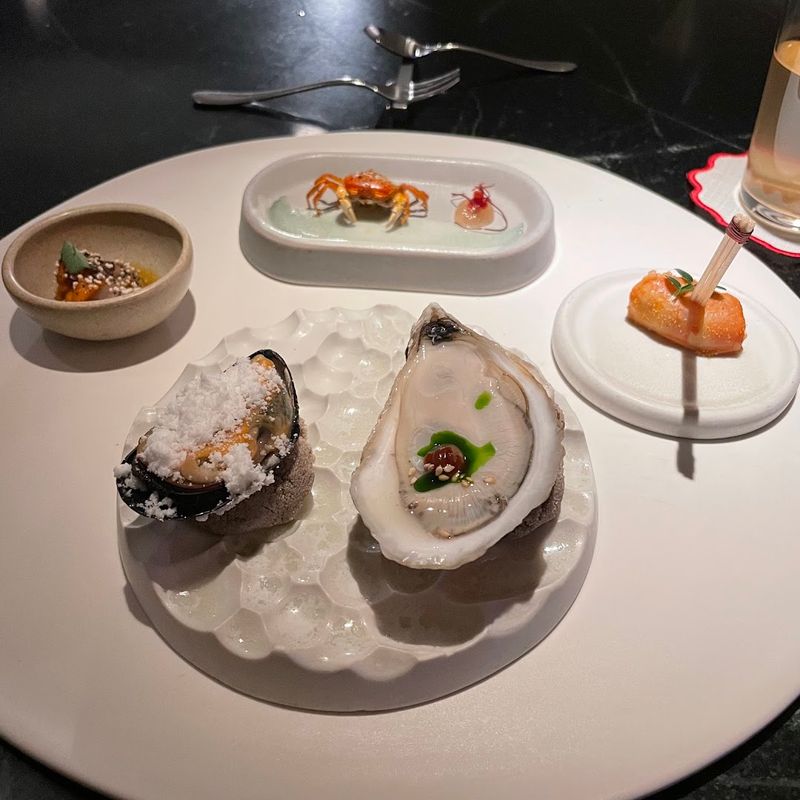
The word provenance literally refers to the origin of something, and Chef Bazik takes that meaning seriously in every decision about what goes on the plate. The restaurant sources exclusively from conscientious local farmers, purveyors, and artisans, and that commitment shapes the menu from start to finish.
Ingredients are not just listed on the menu as decoration. The staff can speak to where each component came from and why it was chosen, which adds a layer of context that makes eating each course feel more meaningful.
Guests seated at the counter can watch those ingredients being handled with visible care.
Chef Bazik also applies what can be described as an economical approach to the kitchen, using ingredients thoughtfully and minimizing waste by finding creative applications for every part of a product. This philosophy shows up in the sidecars, smaller companion dishes that accompany certain main courses and often use different preparations of the same ingredient to show its full range of possibility.
The Details That Most Restaurants Never Think About
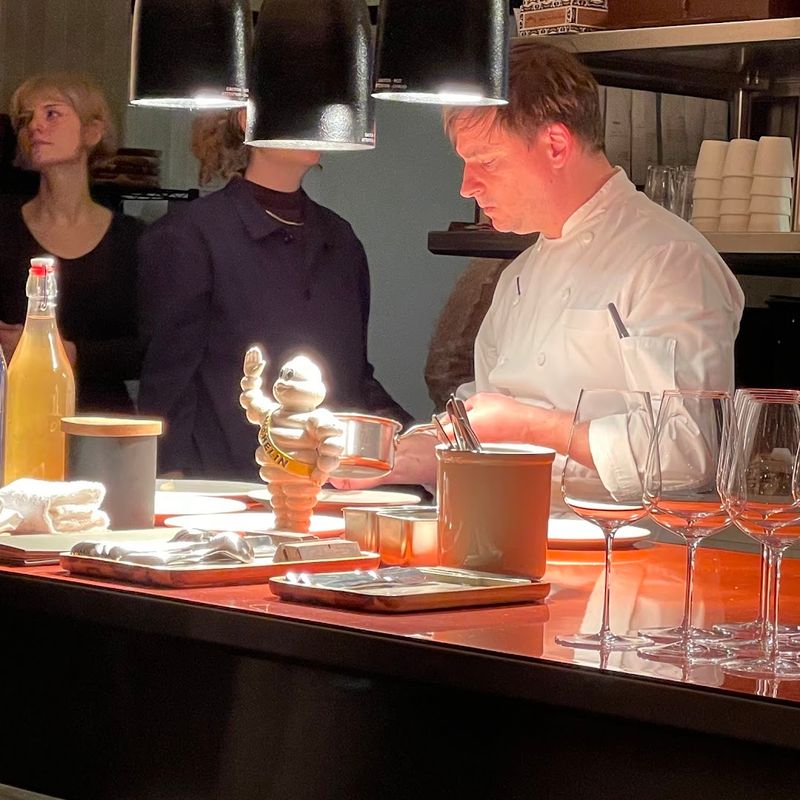
Great food is the baseline at a MICHELIN-starred restaurant, but what separates a memorable meal from a transcendent one is usually the accumulation of smaller decisions. At Provenance, those decisions extend to every element a guest encounters throughout the evening.
The lighting is calibrated to feel warm and relaxed without being dim. The music creates a mood without demanding attention.
The flatware, glassware, and bespoke plates are all chosen with intention, and the artwork on the walls, including pieces in the private Sunkoo Yuh Room, adds a visual dimension to the experience that most restaurants simply overlook.
Guests are greeted by name upon arrival. The printed menu lists every team member involved in the evening’s service.
At the end of the meal, a take-home bag with a personalized copy of the night’s menu is sent with guests as a keepsake. The restaurant has also been known to call the following day to check that everything was perfect, a follow-through that feels almost unheard of in modern dining.
Service That Feels Like a Guided Conversation, Not a Performance
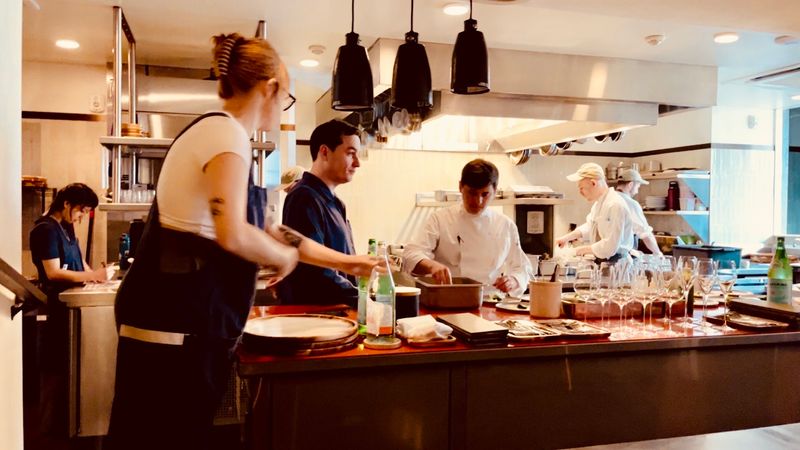
Fine dining service can sometimes feel stiff, like the staff is reciting lines rather than actually engaging with the people in front of them. The team at Provenance operates differently, and guests notice it almost immediately upon arrival.
Servers explain each of the 20-plus dishes clearly and with genuine enthusiasm, positioning plates and utensils with care before each course. The pacing of the meal is adjusted in real time based on how guests are moving through their food, which creates a sense that the staff is paying close attention rather than running a preset program.
Chef Bazik himself visits tables, sometimes multiple times during an evening, to check in personally. That kind of direct engagement from the head of the kitchen is rare at this level of dining and adds warmth to what could otherwise feel like a formal, distant experience.
The overall effect is a service style that is attentive and polished without ever making guests feel watched or rushed.
What It Actually Costs and Why Guests Keep Coming Back
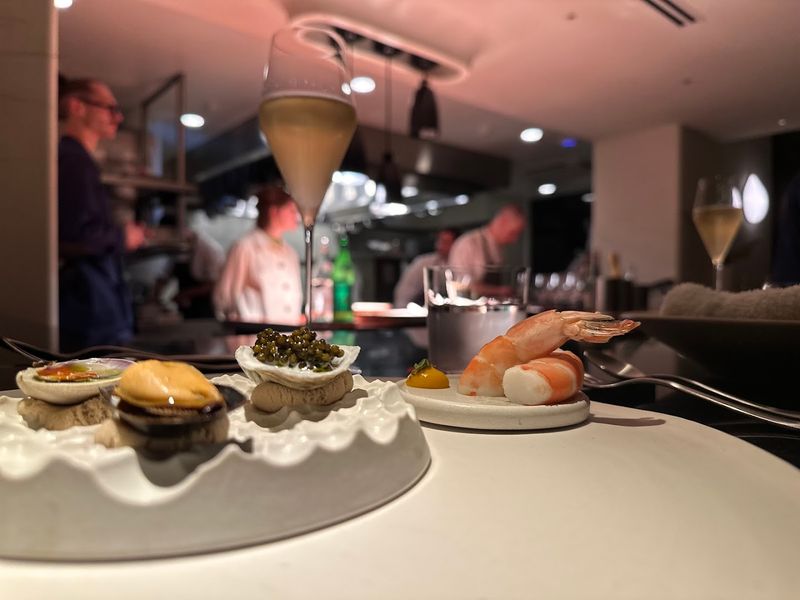
Provenance is not an inexpensive night out, and the restaurant does not pretend otherwise. A full meal for two with beverage pairings, tax, and the automatic 20 percent gratuity can reach into the high hundreds, and guests should plan accordingly before booking.
The tasting menu itself is the only option available, which means there is no ordering a la carte or choosing fewer courses. The restaurant also states clearly that it cannot accommodate allergies or dietary restrictions due to the constantly evolving and highly specific nature of each dish, so that is an important practical consideration before making a reservation.
Despite the price point, repeat visits are common. Guests return specifically because the menu changes every six weeks, meaning each visit is a genuinely new experience.
The restaurant is open Tuesday through Saturday from 5 to 10 PM and is closed Sunday and Monday. Reservations can be made through provenancephl.com, and booking in advance is strongly recommended given the limited seating capacity of roughly 22 to 25 guests per service.
Why Philadelphia’s Fine Dining Scene Will Never Quite Be the Same
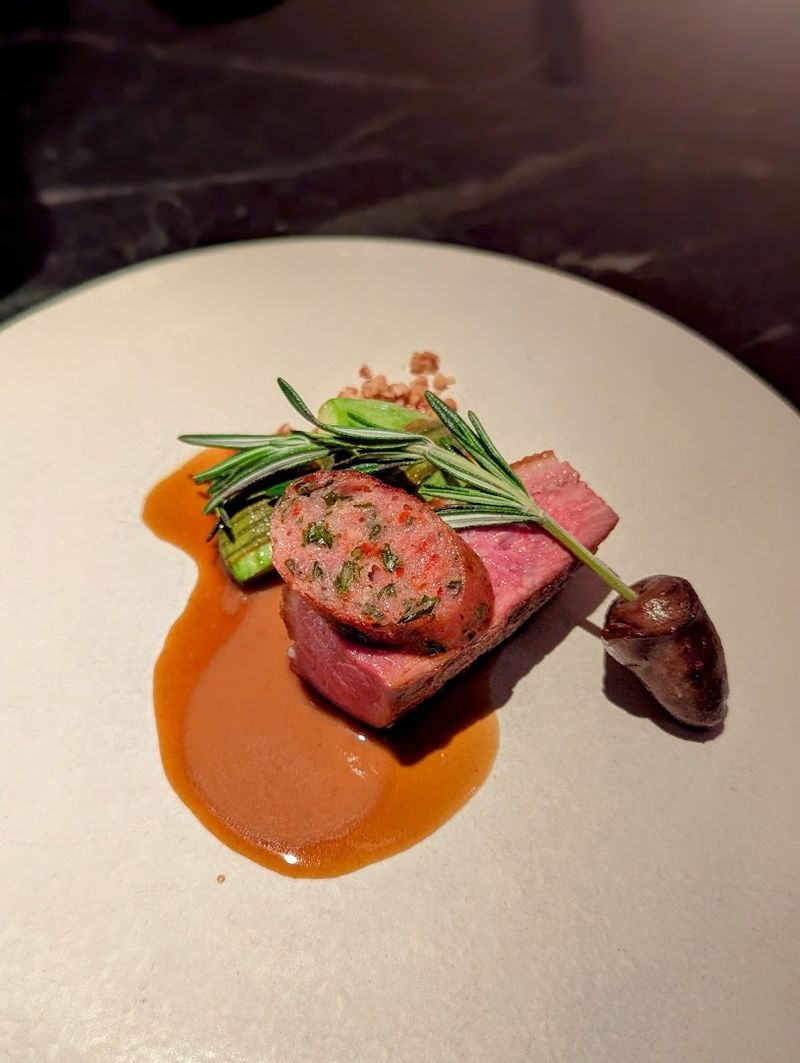
A restaurant that earns a MICHELIN star before its first birthday, lands on a national best-of list, and generates the kind of word-of-mouth that fills a 22-seat room night after night is doing something that goes beyond competent cooking. Provenance has introduced a specific and coherent vision to Philadelphia’s fine dining landscape that did not exist there before.
The combination of hyper-seasonal sourcing, French technique, Korean influence, and obsessive attention to every non-food element of the experience adds up to a model that other restaurants in the city will inevitably study. Chef Bazik calls it fine dining 2.0, and that framing captures something real about how the restaurant feels different from traditional high-end establishments.
For diners, the takeaway is simple. There is a small rowhouse in Society Hill where an extraordinary meal is served to a very small group of people on any given Tuesday through Saturday evening.
If you can get a reservation, take it without hesitation, and arrive hungry.
Share this story