Owning property in another country has gone from a luxury dream to a realistic goal for thousands of investors worldwide. Many nations now offer residency programs tied directly to real estate purchases, giving buyers more than just a home away from home.
These programs can open doors to new lifestyles, travel freedom, and long-term security. Program rules shift often, so always double-check the latest requirements before signing anything.
Greece
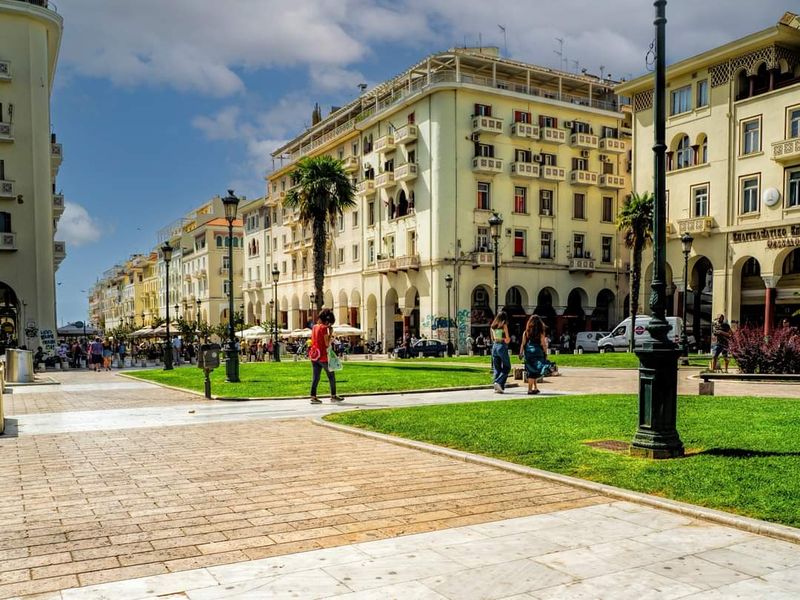
Picture waking up to the smell of fresh bread, sea breeze, and ancient history right outside your window. Greece has become one of the hottest Golden Visa destinations in all of Europe, and for good reason.
Foreign buyers can qualify for residency through real estate purchases, with investment thresholds that vary depending on the region.
Non-EU buyers are especially drawn to Greece because residency here unlocks access to the entire Schengen Area. That means easier travel across 27 European countries, which is a huge deal for international investors.
Popular purchase locations include Athens, Crete, Mykonos, and Thessaloniki.
Minimum investment amounts have increased in high-demand zones, so buyers should compare regional options carefully before committing. The program does not require you to live in Greece full-time, which makes it flexible for people who travel frequently.
Rental income potential in tourist-heavy areas also adds a strong financial incentive beyond just the residency benefit. Greece truly delivers on multiple levels for property investors seeking European access.
Cyprus
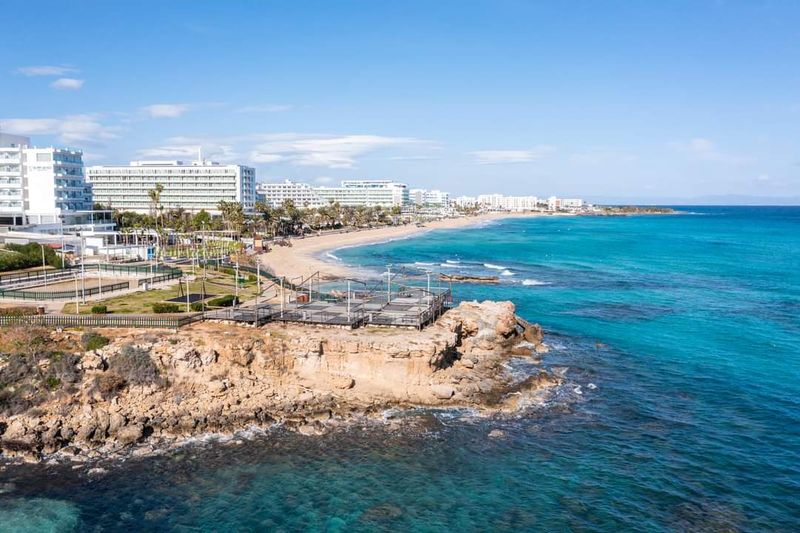
Sitting at the crossroads of Europe, Asia, and the Middle East, Cyprus punches well above its weight as a residency destination. The island offers a warm climate, English-speaking locals, and a well-organized residency pathway tied to qualifying property investments.
Buyers from outside the EU find it particularly appealing for both lifestyle and long-term planning.
Cyprus has a relatively straightforward legal system rooted in British law, which makes the purchase process more familiar for many international buyers. Property options range from beachfront apartments in Limassol to hilltop villas in the Troodos mountains.
The variety keeps the market interesting across different budget levels.
Residency through property investment in Cyprus does not require full-time residence on the island, offering flexibility for busy investors. The country also has a low crime rate and a relaxed pace of life that appeals to families and retirees alike.
Its strategic location means you can reach major cities in Europe, Africa, and Asia within a few hours by plane. Cyprus is genuinely hard to overlook when building a global property portfolio with residency benefits attached.
United Arab Emirates
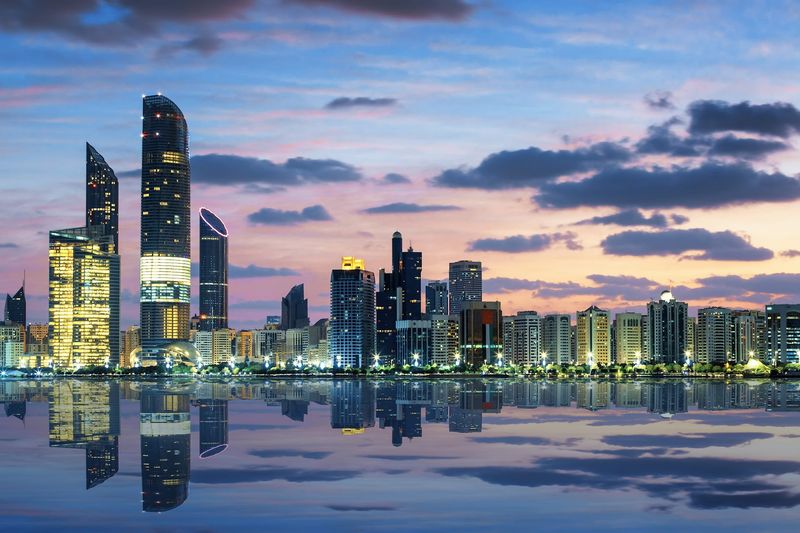
Few places on earth have transformed as dramatically as the UAE, and its property market has kept pace with every skyscraper that went up. Dubai and Abu Dhabi have become magnets for international investors, partly because of the lifestyle on offer and partly because of the long-term residency options tied to real estate.
The UAE Golden Visa is one of the most recognized programs of its kind globally.
Qualifying property purchases can lead to a residency visa valid for up to ten years, depending on the investment value. There is no personal income tax in the UAE, which makes it financially attractive compared to many Western countries.
Investors also benefit from a modern banking system, world-class healthcare, and some of the safest streets anywhere in the world.
The real estate market in Dubai in particular has shown strong price growth over recent years, adding a capital appreciation angle to the residency benefit. Off-plan properties from major developers also count toward Golden Visa eligibility in many cases.
The UAE is not just a place to park money. It is a place where people actually want to live, work, and build a future.
Turkey
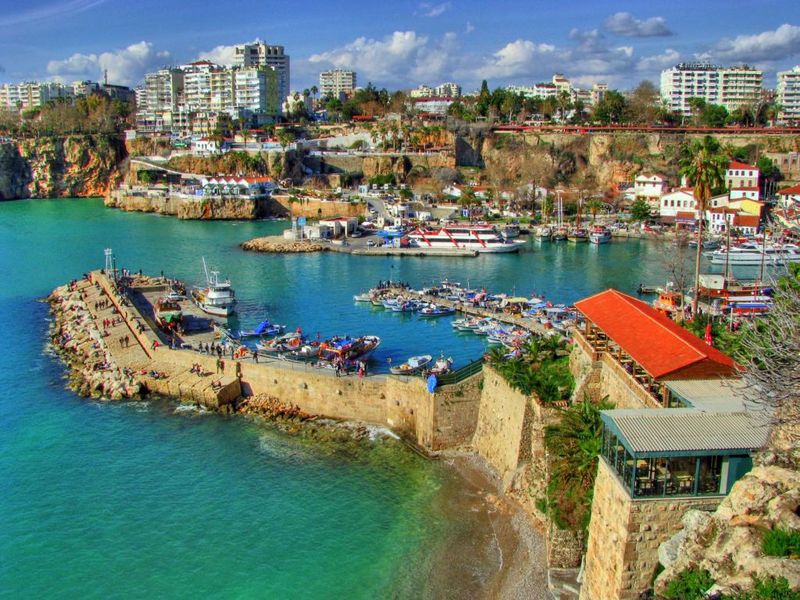
Turkey sits at a fascinating junction where East meets West, and its real estate market reflects that unique position beautifully. International buyers have been purchasing property here in record numbers, drawn by competitive prices, a rich cultural lifestyle, and a citizenship-by-investment program that remains one of the most accessible in the world.
Yes, citizenship, not just residency.
A qualifying property purchase above a set threshold can lead to Turkish citizenship, which includes a Turkish passport. That passport provides visa-free or visa-on-arrival access to over 110 countries.
Istanbul, Antalya, Bodrum, and Alanya consistently rank among the most popular cities for foreign buyers.
Property prices in Turkey remain relatively affordable compared to many European markets, especially for buyers using stronger foreign currencies. The country also has a growing rental market, particularly in coastal resort towns that attract millions of tourists each year.
Turkey does require buyers to hold the property for at least three years to maintain citizenship eligibility. For investors willing to commit to that timeline, the value proposition is genuinely hard to beat anywhere else in the region.
Turkey rewards patient buyers generously.
Malta
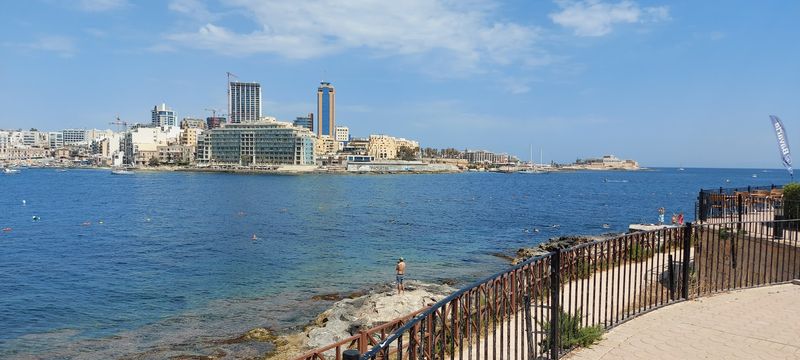
Malta is small in size but enormous in ambition when it comes to attracting international investors. The Maltese Islands offer one of Europe’s most established investment migration programs, and real estate plays a central role in the qualifying criteria.
Buyers must either purchase or rent a qualifying property as part of the residency application process.
English is an official language in Malta, which removes a major barrier for investors from English-speaking countries. The island also operates under EU law, offering legal protections and stability that matter enormously to long-term property owners.
Valletta, the capital, is a UNESCO World Heritage Site, giving the country a cultural richness that few places its size can match.
Malta’s residency program involves more steps than a simple property purchase, including government contributions and due diligence checks. However, the end result grants access to EU residency benefits, which is a significant draw for non-EU nationals.
The island’s strong rental demand, driven by tourism and an expanding financial services sector, also gives investors a practical income stream. Malta is a serious option for buyers who want European residency paired with a genuinely enjoyable place to spend time.
Latvia
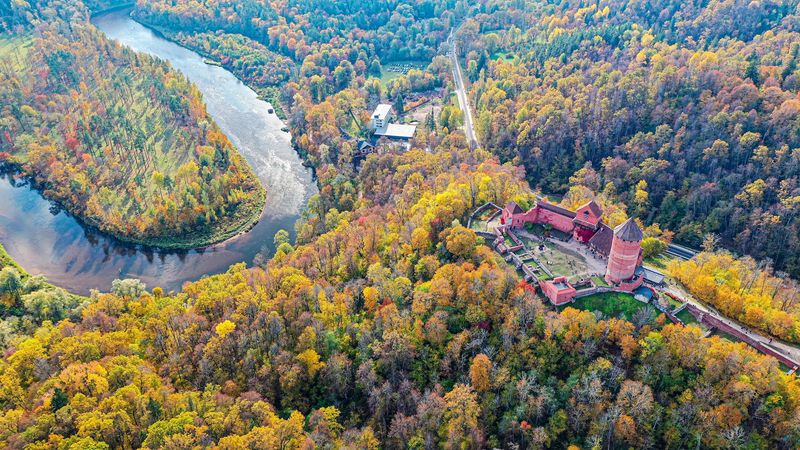
Riga is one of Europe’s most underrated capital cities, and Latvia as a whole tends to fly under the radar in conversations about investment residency. That might actually work in your favor.
Property prices here remain significantly more affordable than in Western European capitals, giving buyers a lower entry point into the EU market without sacrificing quality of life.
Latvia has offered residency options linked to property investment for several years, and the program has attracted buyers from Asia, Russia, and the Middle East in particular. Riga’s architectural scene is stunning, featuring one of the largest collections of Art Nouveau buildings anywhere in the world.
The city also has a growing startup and tech scene that adds economic momentum.
Latvian residency grants access to the Schengen Area, which is the key benefit for many non-EU investors. The country has a well-educated, multilingual population and a stable legal environment based on EU frameworks.
Winters are cold, so buyers should factor that into lifestyle expectations honestly. For investors who prioritize cost efficiency and EU access over Mediterranean sunshine, Latvia delivers real value.
It is a smart, strategic choice that more people are starting to notice.
Bulgaria
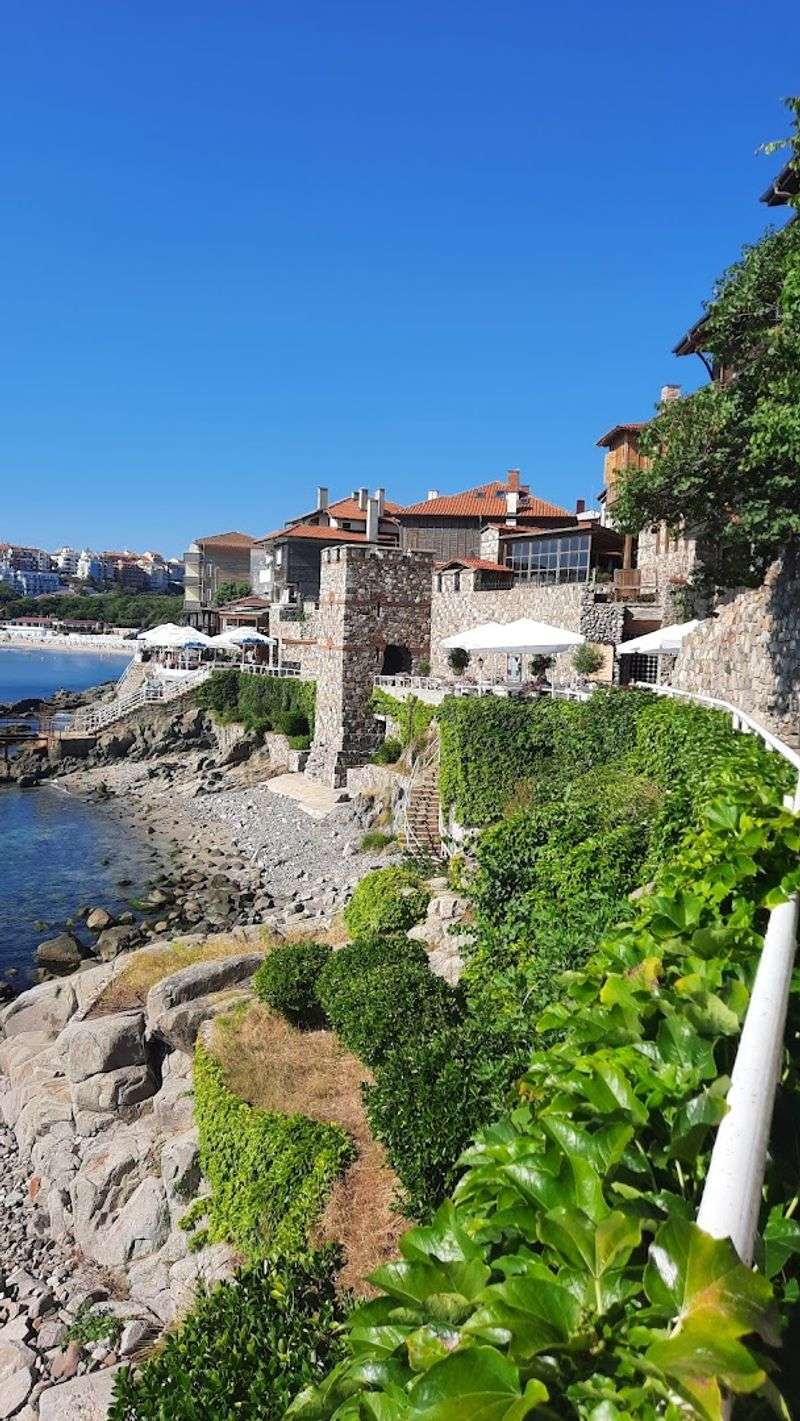
Bulgaria has a quiet confidence about it that investors are increasingly starting to appreciate. As one of the most affordable EU member states for real estate, it offers a compelling combination of low property prices, a reasonable cost of living, and access to the broader European market.
The country has been drawing attention from buyers who want EU residency without the premium price tag of Western Europe.
Sofia, the capital, has a growing business community and a young, educated workforce that is reshaping its economy. The Black Sea coast offers resort properties at prices that would seem almost unbelievable in comparison to similar locations in France or Spain.
Historic towns like Plovdiv and Veliko Tarnovo add cultural depth that surprises many first-time visitors.
Bulgaria’s residency program allows qualifying investors to obtain long-term residency, with pathways toward permanent residency over time. The country joined the Schengen Area recently, which significantly boosts its appeal for non-EU buyers seeking freer movement across Europe.
Property transaction costs are relatively low, and the buying process is straightforward for foreign nationals. Bulgaria is a market where early movers stand to benefit the most as the country continues to develop and gain recognition on the international investment map.
Hungary

Budapest has long been considered one of Europe’s most beautiful and undervalued cities, and Hungary’s renewed focus on investment residency has put it back on the radar for international buyers. The country relaunched a residency program in recent years, though the current structure leans more toward investment funds than direct residential property purchases.
That said, Budapest’s property market continues to attract serious international attention regardless.
The Hungarian capital offers a rich blend of thermal baths, Baroque architecture, a buzzing food scene, and a growing tech startup ecosystem. Property prices in Budapest remain lower than in Prague, Vienna, or Warsaw, giving buyers room to grow in terms of capital appreciation.
Rental demand is strong, fueled by tourism and an expanding expat community.
Investors interested in Hungary should work with local legal advisors to understand the current program structure, since it differs from a straightforward property-based residency scheme. Hungary is an EU and Schengen member, which means residency here carries meaningful travel and lifestyle benefits.
The combination of cultural richness, market affordability, and European access makes Hungary worth watching closely. Buyers who look past the program complexity often find a city that rewards long-term investment with both financial and personal satisfaction.
Paraguay

Paraguay might not be the first country that comes to mind when thinking about investment residency, but that is precisely what makes it interesting right now. The country recently launched its Investor Pass initiative, creating a streamlined pathway to permanent residency for qualifying foreign investors.
The program reflects a clear and deliberate effort to attract international capital and new residents.
Paraguay is one of South America’s most affordable countries, with a low cost of living, low taxes, and a government that has been actively courting foreign investment. The country uses a dual currency system, with the U.S. dollar widely accepted, which reduces currency risk for many international buyers.
Asuncion, the capital, is a growing city with improving infrastructure and a young population.
Land and property prices in Paraguay remain very low compared to regional neighbors like Argentina, Brazil, and Uruguay. Agricultural land in particular has attracted buyers interested in farming, ranching, or long-term land banking.
The residency process is reportedly faster and less bureaucratic than in many competing programs. For investors who want to get in early on an emerging market with genuine upside potential, Paraguay offers a rare combination of affordability, accessibility, and a government that is actively rolling out the welcome mat.
Panama
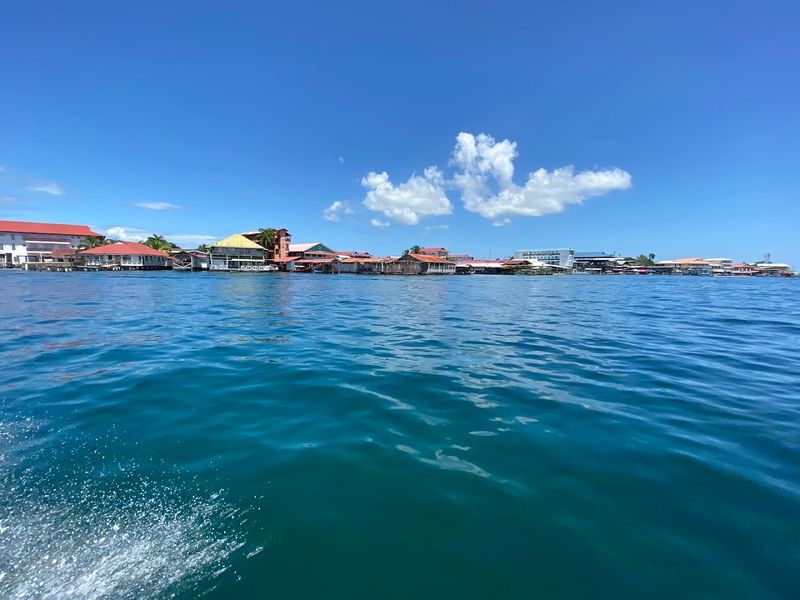
Panama has been welcoming foreign investors for decades, and it has gotten very good at it. The country offers multiple residency pathways for international buyers, and its Friendly Nations Visa is one of the most straightforward routes available anywhere in the world.
Panama City itself is a surprisingly cosmopolitan hub, full of gleaming towers, international restaurants, and a banking sector that rivals many larger economies.
One of Panama’s biggest draws is its use of the U.S. dollar as official currency, which eliminates exchange rate headaches for American investors and adds financial stability for buyers from other countries too. The country also has a territorial tax system, meaning income earned outside Panama is not taxed locally.
That is a major advantage for globally mobile investors.
Property options range from modern high-rise apartments in the capital to beachfront homes on the Pacific or Caribbean coasts. The country’s geographic position as a bridge between North and South America also gives it strong long-term economic fundamentals.
Panama has no shortage of lifestyle appeal either, with rainforests, beaches, and mountain towns all within a short drive of the city. For investors seeking a well-established, investor-friendly destination in the Americas, Panama remains a genuinely compelling choice.
Share this story