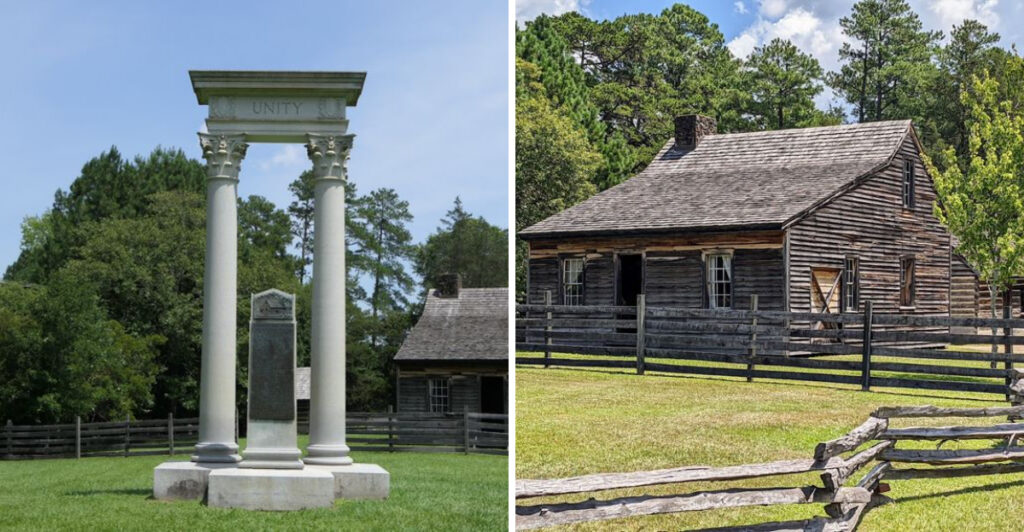
There is a quiet farm in Durham, North Carolina, where the ground beneath your feet holds one of the most consequential moments in American history. Most people have heard of Appomattox, but far fewer know that a North Carolina farmstead hosted a surrender nearly three times larger.
Nearly 90,000 Confederate troops laid down their arms right here, effectively closing the final chapter of the Civil War. I visited Bennett Place on a crisp weekday morning, and what I found was a thoughtfully preserved site that pulls you straight into April 1865 with surprising force.
From the reconstructed farmhouse to the knowledgeable staff and peaceful nature trails, this place earns every bit of its growing reputation among history enthusiasts across the country.
The Address and Setting of Bennett Place
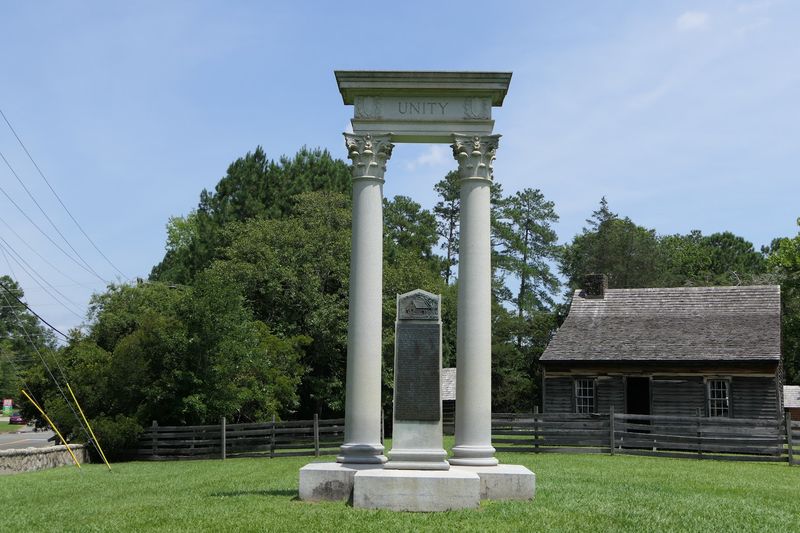
Bennett Place sits at 4409 Bennett Memorial Road, Durham, NC 27705, tucked into a surprisingly peaceful stretch of land that feels worlds away from the city traffic just a few miles down the road. The site is managed as a North Carolina Historic Site and carries a rating of 4.7 stars from over 500 visitors, which tells you something important before you even set foot on the grounds.
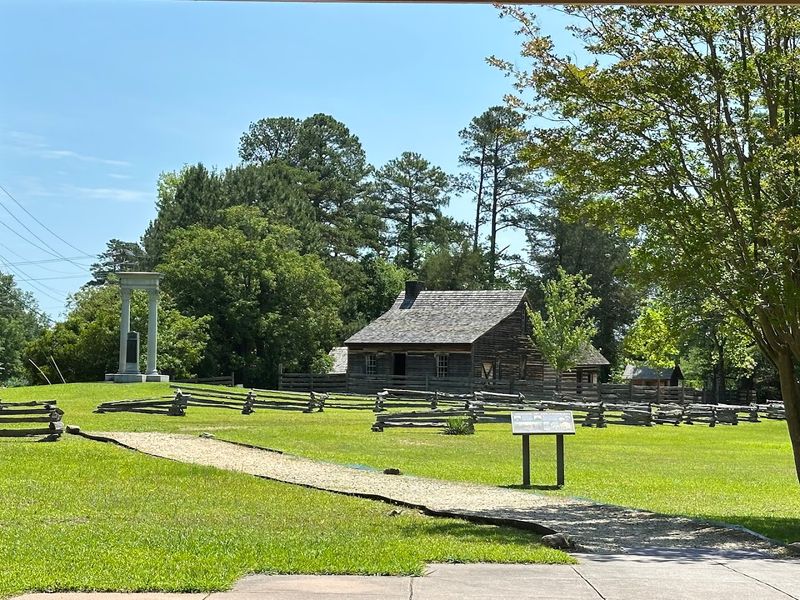
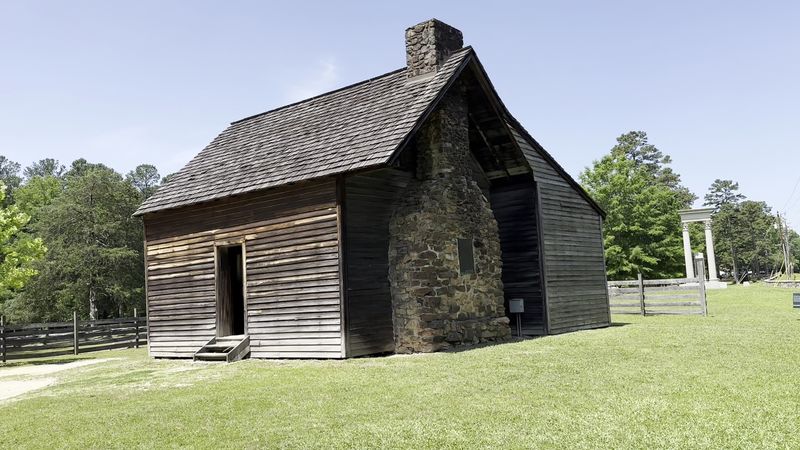
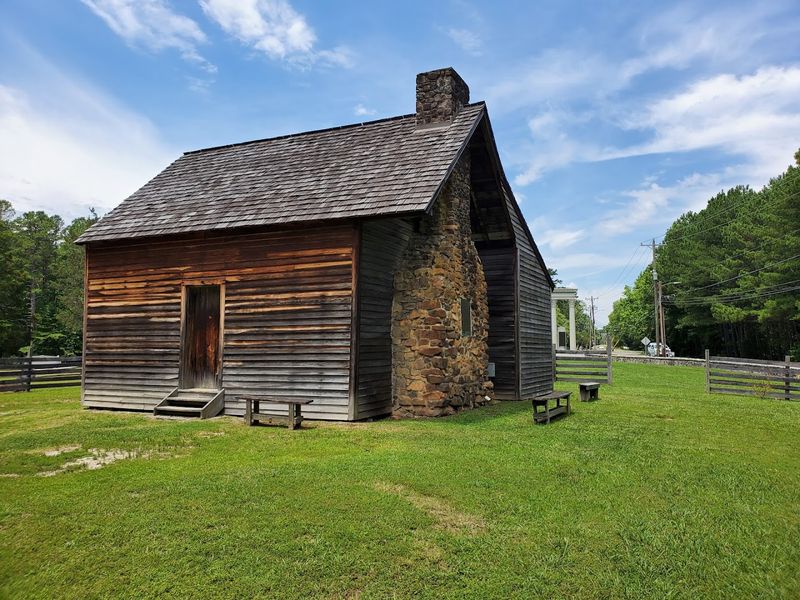
The farmhouse and outbuildings are reconstructions, since the originals no longer stand, but the craftsmanship and historical accuracy make them feel genuinely rooted in the 1860s. A visitor center anchors the property and gives you the context you need before exploring the outdoor structures.
The grounds are flat and easy to walk, making the site accessible for older visitors, young children, and anyone who prefers a relaxed pace. You can reach the site by phone at 919-383-4345 or check current hours at historicsites.nc.gov before you go, since the site is closed on Sundays and Mondays.
The peaceful atmosphere here would surprise anyone expecting a dramatic, crowded tourist attraction.
The Surrender That Outranked Appomattox
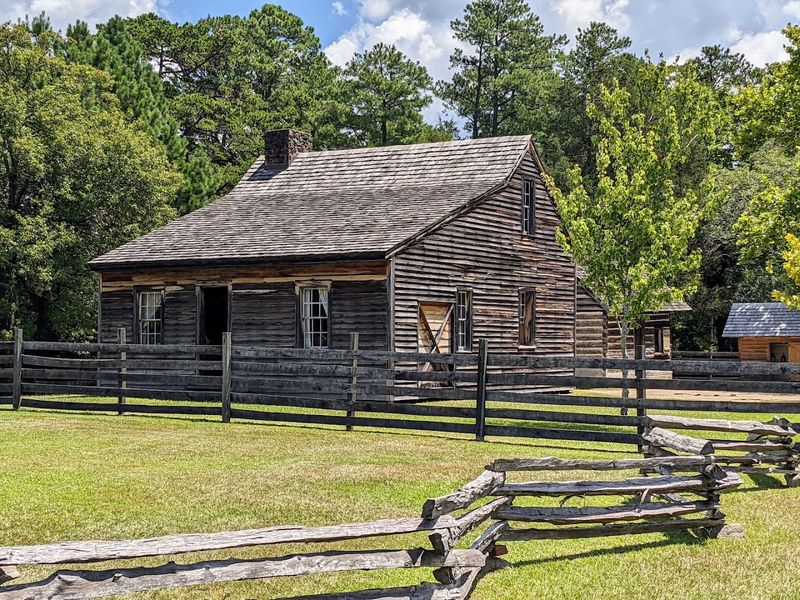
Most American history textbooks treat Appomattox Court House as the definitive end of the Civil War, but the numbers tell a more layered story. When General Joseph Johnston surrendered to General William T.
Sherman at the Bennett farm in April 1865, the agreement covered nearly 90,000 Confederate troops, making it the largest single surrender of the entire conflict.
That figure is roughly three times the number of soldiers who surrendered at Appomattox, yet Bennett Place rarely gets the same spotlight. Sherman had been marching through the Carolinas after his famous campaign through Georgia, and Johnston reached out to negotiate even as Confederate President Jefferson Davis was demanding that his commanders fight on.
The two generals met three times at the farm before finalizing terms. Their first agreement was actually rejected by Washington, partly because of the political chaos following President Lincoln’s assassination, which Sherman learned about while traveling to the meeting.
The final terms signed here were more straightforward military articles, but the historical weight of what happened in that modest farmhouse is enormous. History lovers who visit often say the experience reframes everything they thought they knew about how the war actually ended.
The Bennett Family and the Farm’s Quiet Story
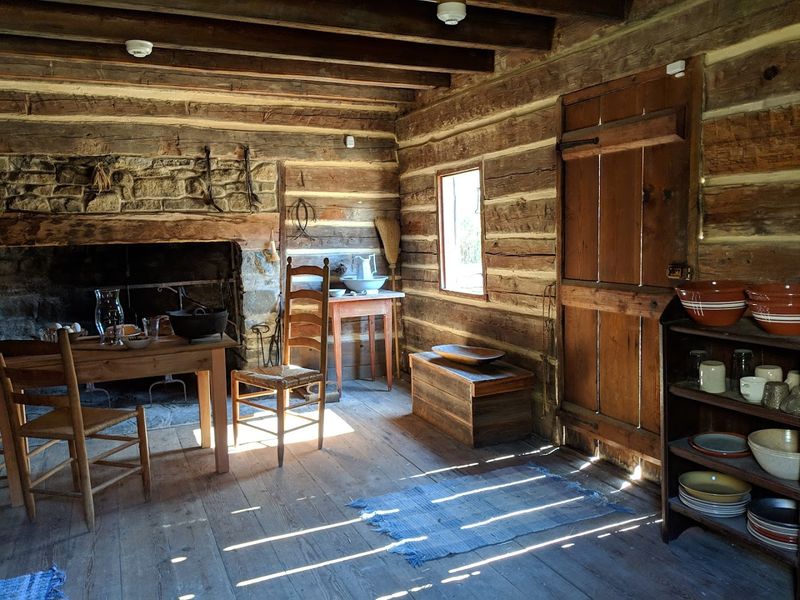
James and Nancy Bennett were not wealthy landowners or prominent political figures. They were a modest farming family living on a simple homestead in what was then Orange County, North Carolina, and history arrived at their door without much warning in the spring of 1865.
The Bennetts had worked their farm for years before the war transformed the surrounding landscape. What makes their story particularly poignant is that the family paid a personal price during the conflict as well, having lost sons to the war before the generals chose their home as a meeting place.
The farmstead reflects the practical realities of rural 19th century life in the South. The kitchen was deliberately built as a separate structure from the main house, a common practice meant to protect the living quarters if a cooking fire got out of control.
The difference in fireplace size between the two buildings is one of those small details that tour guides love to point out, and it genuinely helps visitors understand how daily life worked on a farm like this. The Bennetts never sought fame, but their land became a turning point for an entire nation.
The Visitor Center and Its Remarkable Museum
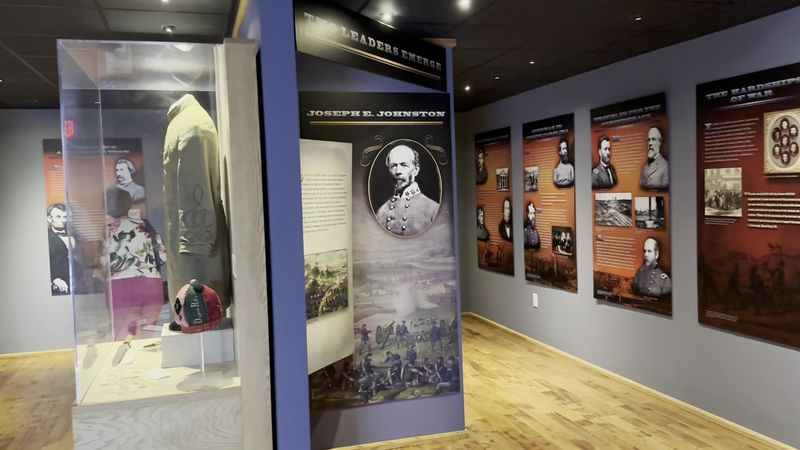
The visitor center at Bennett Place punches well above its size. For a site that charges only a suggested donation of two to five dollars per person, the quality and depth of the exhibits inside genuinely catch first-time visitors off guard.
A 17-minute film is available for viewing and provides essential background on the surrender negotiations, the political climate of April 1865, and the broader significance of what happened at the farm. Staff members are happy to start the film for you on request, and it is well worth the time before you head outside to the structures.
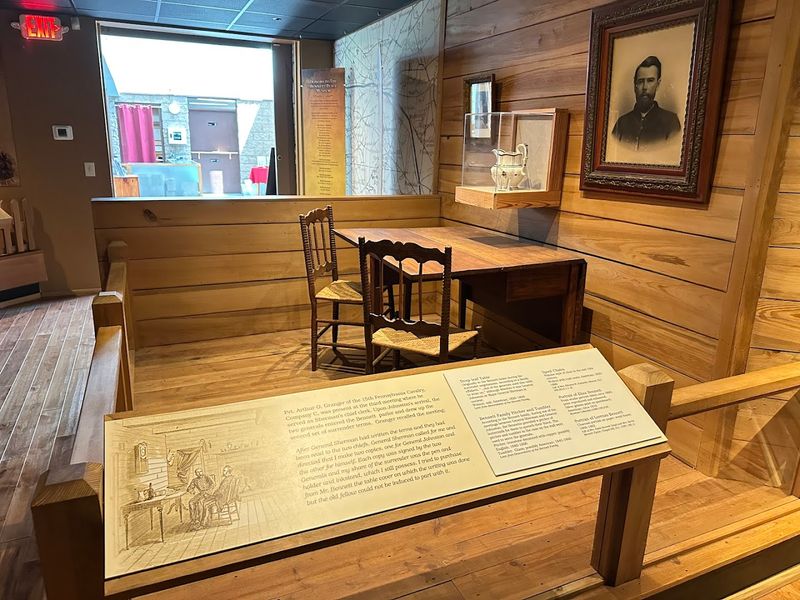
The artifact collection includes items that differ from what you would find at the History Museum in Raleigh, so visitors who have already toured that institution will still encounter new material here. Informational panels cover topics ranging from the mechanics of the surrender to the cultural context surrounding the meeting between Sherman and Johnston.
There is also a panel inside that details the other Confederate surrenders beyond Appomattox and Bennett Place, which surprises most visitors. A small gift shop offers well-priced items that make for meaningful souvenirs of a genuinely consequential piece of American history.
The Guided Tours That Bring History to Life
A good tour guide can transform a historical site from an interesting place to an unforgettable one, and Bennett Place has built a real reputation for the quality of its staff and volunteers. The guides here do not simply recite dates and names; they dig into the context, ask thought-provoking questions, and make the human drama of April 1865 feel immediate and real.
During special event days, guides have been known to demonstrate hearth cooking in the kitchen while dressed in 19th century clothing, play period music on the banjo, and walk visitors through the everyday rhythms of farm life during the Civil War era. The Thanksgiving tour, for example, featured a cooking demonstration with sweet potato dishes prepared over an open fire, which gave visitors a sensory connection to the past that no exhibit panel can fully replicate.
Self-guided options are available too. Free pamphlets cover the key points of the site, and a free app with audio tour content works across multiple North Carolina historic sites.
Whether you prefer a guided experience or want to explore at your own pace, the site accommodates both approaches with equal generosity. Talking to the staff directly, though, tends to add layers that you simply cannot get from a pamphlet alone.
Living History Events and Reenactments
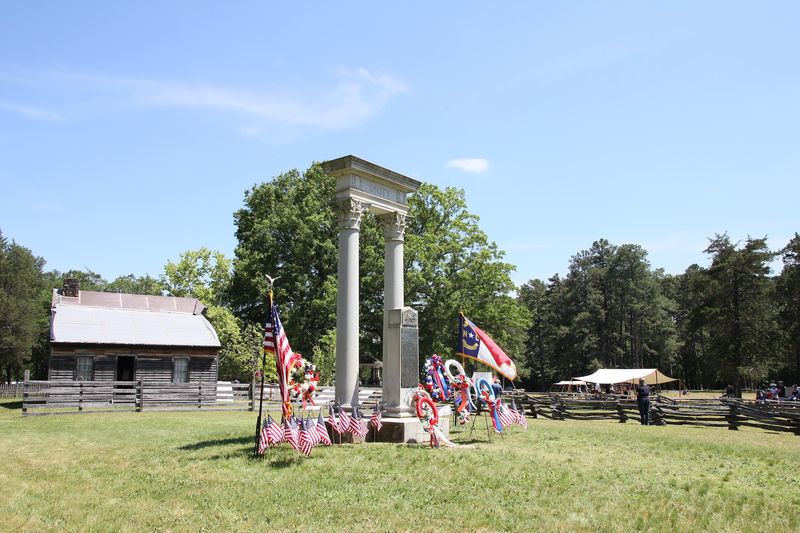
On special event days, Bennett Place transforms into something that feels genuinely theatrical without losing its educational core. Reenactors in period uniforms bring the grounds to life in a way that static exhibits simply cannot, and the site has hosted everything from military demonstrations to seasonal celebrations that draw families from across the region.
Rifle demonstrations, period cooking, and costumed interpreters walking the same paths that Sherman and Johnston once walked create a layered experience that works for all ages. Young visitors who might struggle to connect with written history panels often find themselves completely absorbed when they can watch a musket being handled or hear a banjo playing the kind of music soldiers would have known.
Holiday events have included visits from Santa Claus alongside historically themed activities, making the site a genuinely family-friendly destination across multiple seasons. Visitors have noted that the volunteers who participate in these events bring real passion to their roles, and that enthusiasm is contagious.
The site even attracted wedding photography on at least one occasion, which speaks to how beautiful the grounds look when the weather cooperates. Checking the events calendar before your visit is always a smart move, since the experience on a special event day is noticeably richer than a standard weekday visit.
The Grounds, Nature Trails, and Outdoor Space
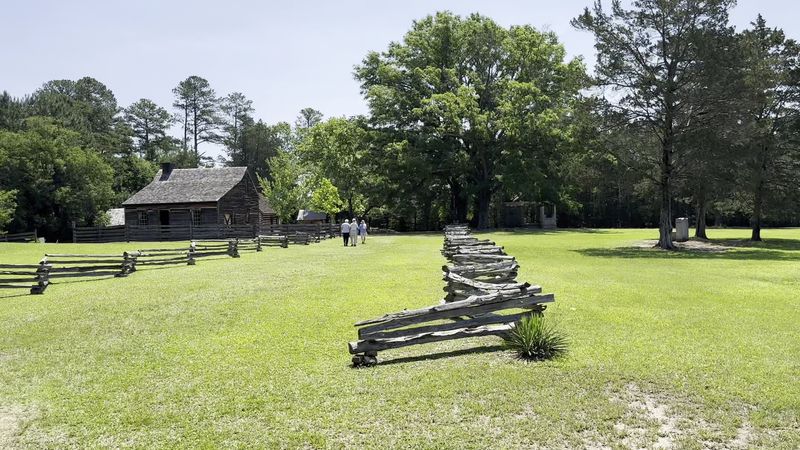
Beyond the reconstructed buildings and the visitor center, Bennett Place offers outdoor space that rewards a slower, more contemplative visit. The grounds are flat and well-maintained, making them accessible for visitors of all mobility levels, and the walking paths are wide enough to navigate comfortably even with a stroller or a wheelchair.
Nature trails wind through the property and offer a quieter counterpart to the historical structures. The old road that once ran through the farm is still partially intact, and seeing that original path gives you a surprisingly direct physical connection to the events of 1865.
Sherman himself would have traveled a road very much like the one still visible today.
Picnic tables are available on the grounds, and the well-kept lawns make the site a genuinely pleasant place to spend an afternoon rather than just a quick stop. Families with young children have plenty of open space to spread out, and dogs are welcome on the trails.
The combination of historical significance and outdoor tranquility is part of what keeps visitors coming back, especially those who want an experience that feels reflective rather than rushed. A morning visit on a weekday tends to be particularly peaceful, with few crowds and plenty of time to absorb the setting.
Field Order No. 15 and Its Lasting Legacy
One of the most powerful stories connected to Bennett Place involves Field Order No. 15, the order associated with General Sherman that promised confiscated Confederate land to newly freed enslaved people. The phrase “40 acres and a mule” that has echoed through American culture for generations traces directly back to this policy, and its connection to the Bennett farm gives the site a significance that extends far beyond military history.
The order represented a brief but extraordinary moment when federal policy moved toward concrete economic support for freed Black Americans. That promise was reversed by President Andrew Johnson after Lincoln’s assassination, and the land was returned to former Confederate landowners, sometimes by force.
That reversal set in motion a series of events that shaped the next hundred years of American life in ways that are still felt today.
Bennett Place does not shy away from this history. The informational materials and knowledgeable staff address the full arc of what happened, from the surrender itself through the political decisions that followed.
Visitors consistently note that the site presents this context with honesty and care, making it relevant not just as a Civil War landmark but as a place to understand the deeper roots of American social history. Few sites this small carry this much weight.
Practical Tips for Planning Your Visit
Bennett Place is open Tuesday through Saturday from 9 AM to 5 PM and is closed on Sundays and Mondays, so planning your visit around those hours is essential. A weekday morning tends to offer the quietest experience, with more one-on-one time with staff and a relaxed pace through the exhibits and outdoor structures.
Admission is free, though the site operates on a suggested donation of two to five dollars per adult. Given the quality of the experience, most visitors feel that amount is more than fair.
The staff genuinely appreciates contributions, since they help maintain a site that receives no large corporate backing.
Parking is available on-site and is easy to navigate. The site is located in Durham, which puts it within a reasonable drive of Raleigh and other Triangle-area destinations, making it a natural addition to a broader North Carolina history itinerary.
If you are traveling from out of state, perhaps coming up from the south or even making a longer road trip from somewhere as far as Oklahoma, this stop is worth building into your route. The free audio tour app works across multiple North Carolina historic sites, so downloading it before you arrive lets you get the most out of every stop on your trip.
Why Bennett Place Deserves More National Attention
History sites in the American South often compete for attention with more heavily marketed destinations, but Bennett Place holds its own on the strength of its actual historical significance. The surrender negotiated here in April 1865 affected more soldiers than any other single agreement of the Civil War, yet it remains largely absent from the national conversation about how that conflict ended.
Part of what makes the site so compelling is its honesty. The staff and exhibits do not present a sanitized or one-sided version of events.
The complicated aftermath of the surrender, including the broken promises to freed people and the political deals that followed, is addressed with the same seriousness as the military history itself.
Visitors from across the country, including those who grew up learning Civil War history in states as distant as Oklahoma, consistently say the site taught them things they had never encountered in school. That reaction speaks to a gap in how this chapter of American history is taught and remembered.
Bennett Place, with its quiet grounds, passionate staff, and layered story, is exactly the kind of place that fills that gap. If you care about understanding American history fully, this Durham farm belongs on your list without question.
Share this story